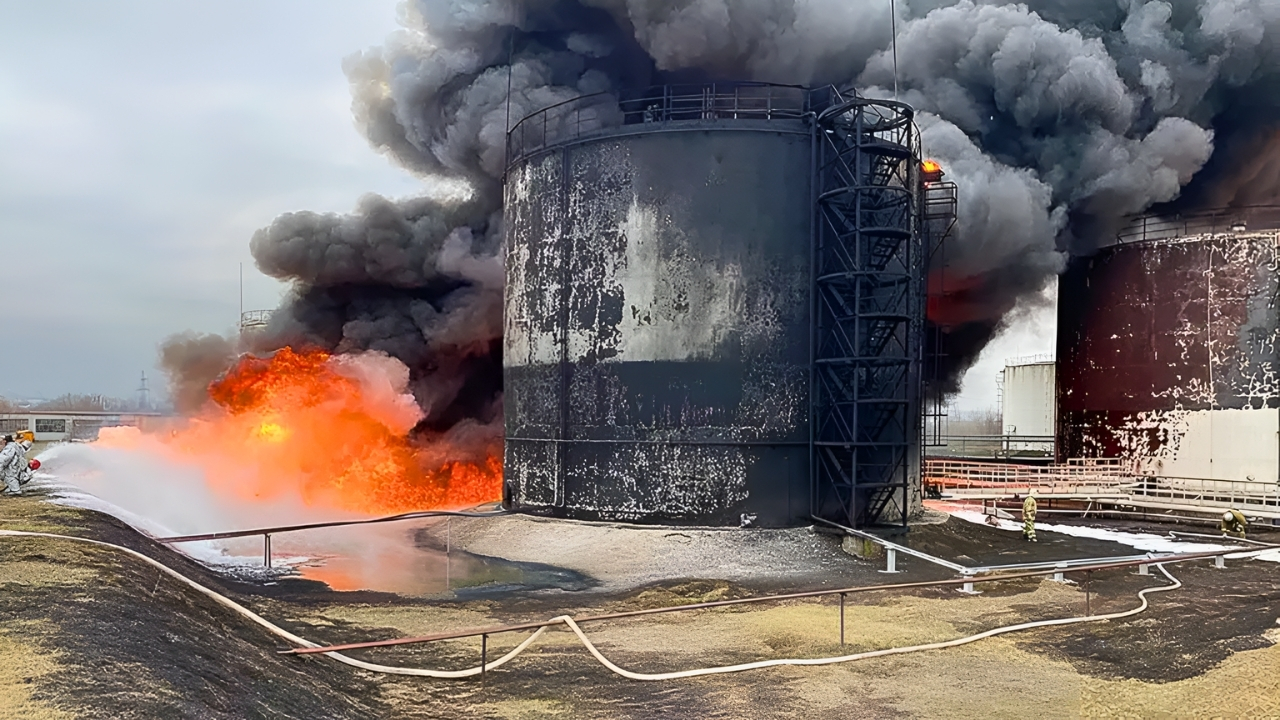
As autumn 2025 unfolds, Crimea has become the focal point of Ukraine’s intensified military campaign against Russian forces. In a series of coordinated strikes beginning in late October, Ukrainian Special Operations Forces have targeted Russian military infrastructure and oil depots across the peninsula. These attacks, confirmed by Ukraine’s SSU Special Operations Centre Alpha, are designed to systematically dismantle Russian air defense systems and disrupt fuel supplies, directly undermining the operational readiness of tens of thousands of Russian troops stationed in Crimea.
Precision Strikes and Tactical Coordination

Ukraine’s approach relies on asymmetric warfare, leveraging precision strikes to exploit Russian logistical vulnerabilities. On October 29, Ukrainian forces destroyed two major oil depots, a Pantsir-S2 air defense system valued at $20 million, and two radar stations. These operations are orchestrated by the SSU Special Operations Centre Alpha, with support from other Ukrainian units and advanced weaponry, including Flamingo, Bars, and Liutyi long-range missile systems. Intelligence and reconnaissance, often aided by Western surveillance flights such as the French Beech King Air 350ER over the Black Sea, enable Ukraine to target defended facilities while minimizing civilian casualties.
The campaign’s scope is broad, with oil depots and military airfields as primary targets. Strikes have hit the Hvardiiske and Komsomolske depots, severely damaging fuel distribution networks essential for Russian vehicles, generators, and naval operations. The destruction of radar and missile systems further erodes Russia’s air defense capabilities, signaling a strategic shift in Ukraine’s operational tactics.
Impact on Russian Logistics and Infrastructure
The effectiveness of Ukraine’s campaign was underscored on November 19, when approximately ten explosions rocked the Saky district, prompting peninsula-wide alerts and activation of Russian air defense systems, including S-300 and S-400 units. Despite these defenses, Ukrainian strikes penetrated deep into Russian-held territory, causing widespread fires and psychological pressure among local residents.
This November 19 operation marked the third major Ukrainian strike in just three weeks, following earlier attacks on oil depots and pumping stations. The sustained tempo of these operations has forced Russia to divert resources from frontline combat to the protection of logistical hubs. Since early October, Ukraine’s targeting of fuel infrastructure has reportedly reduced Russian fuel output by up to 27 percent, leading to widespread shortages and operational constraints.
Civilian and Economic Fallout
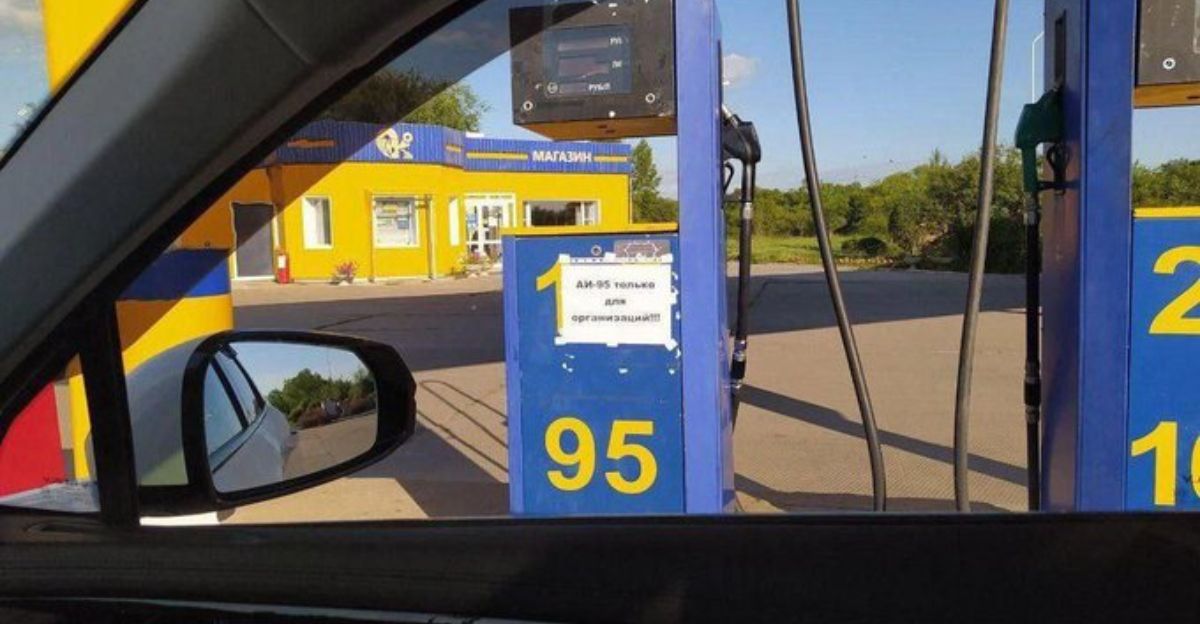
The repercussions of Ukraine’s strikes extend beyond military targets, deeply affecting Crimea’s civilian population and local economy. With 1.9 million residents, the peninsula faces acute fuel rationing. Regional authorities have imposed restrictions on gasoline purchases and frozen prices, while reports from late September detail long lines at fuel stations and limited cash acceptance. Independent gas stations and taxi operators have struggled to remain operational, with over 300 retailers closing since May.
Supply chain disruptions have hit small businesses particularly hard. Taxi drivers and delivery services face delayed shipments and rising costs, with retail prices matching wholesale rates. The collapse of operational capacity has led to significant financial losses and forced closures across the sector. These cascading effects illustrate how logistics warfare reverberates through everyday life, amplifying the pressure on Russian authorities.
Broader Strategic and Market Implications
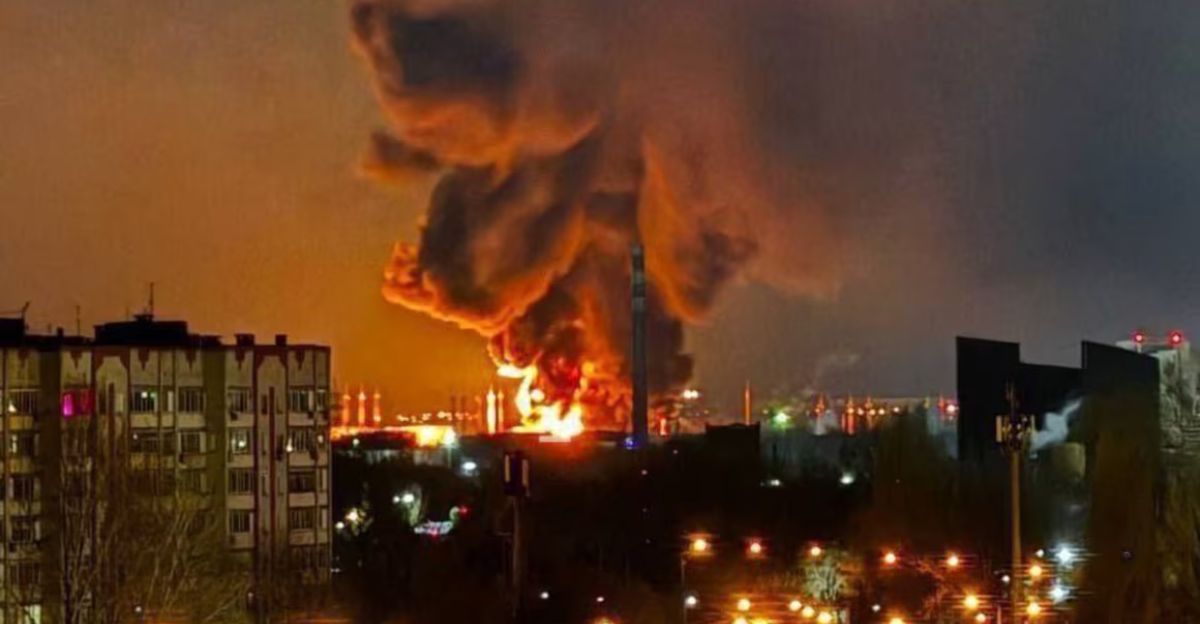
Ukraine’s campaign has also impacted European fuel markets, which rely on Russian oil exports. Damage to refining and distribution infrastructure, including the Kirishi refinery and Feodosia terminal, has compounded supply constraints, making alternative sourcing difficult. The reduction in Russian fuel output has created ripple effects across European markets, highlighting the global significance of tactical strikes in Crimea.
Weapon systems such as Storm Shadow missiles, Flamingo cruise missiles, Bars long-range weapons, Liutyi drones, and FP-2 SOF drones have enabled Ukraine to maximize damage, often timing attacks when fuel tanks are full to increase the scale of explosions. The integration of domestic and Western technology demonstrates a high level of operational sophistication, allowing Ukraine to disrupt Russian logistics despite robust air defenses.
Looking Ahead: Crimea’s Vulnerability and the Stakes
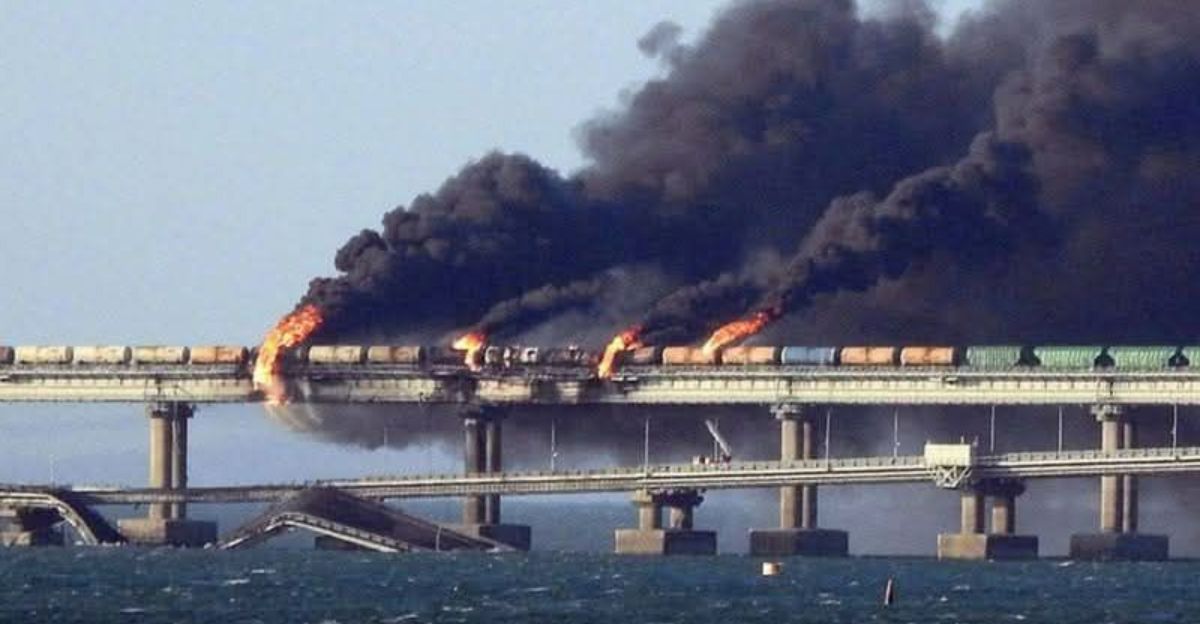
Repeated strikes have exposed critical vulnerabilities in Crimea’s infrastructure, from airfields and fuel depots to radar systems and supply routes like the $3.7 billion Kerch Bridge, which was forced to close following recent attacks. These disruptions have not only hampered Russian military mobility and readiness but also revealed the peninsula’s dependence on a limited number of supply channels.
As Ukraine continues its campaign, the cumulative degradation of Russian logistical capacity is reshaping the strategic landscape in Crimea. The persistent pressure on military, economic, and civilian systems underscores the stakes for both sides, with future operations likely to further test the resilience of Russian defenses and the adaptability of Ukrainian tactics. The evolving situation in Crimea remains a critical front in the broader conflict, with implications reaching far beyond the peninsula’s borders.