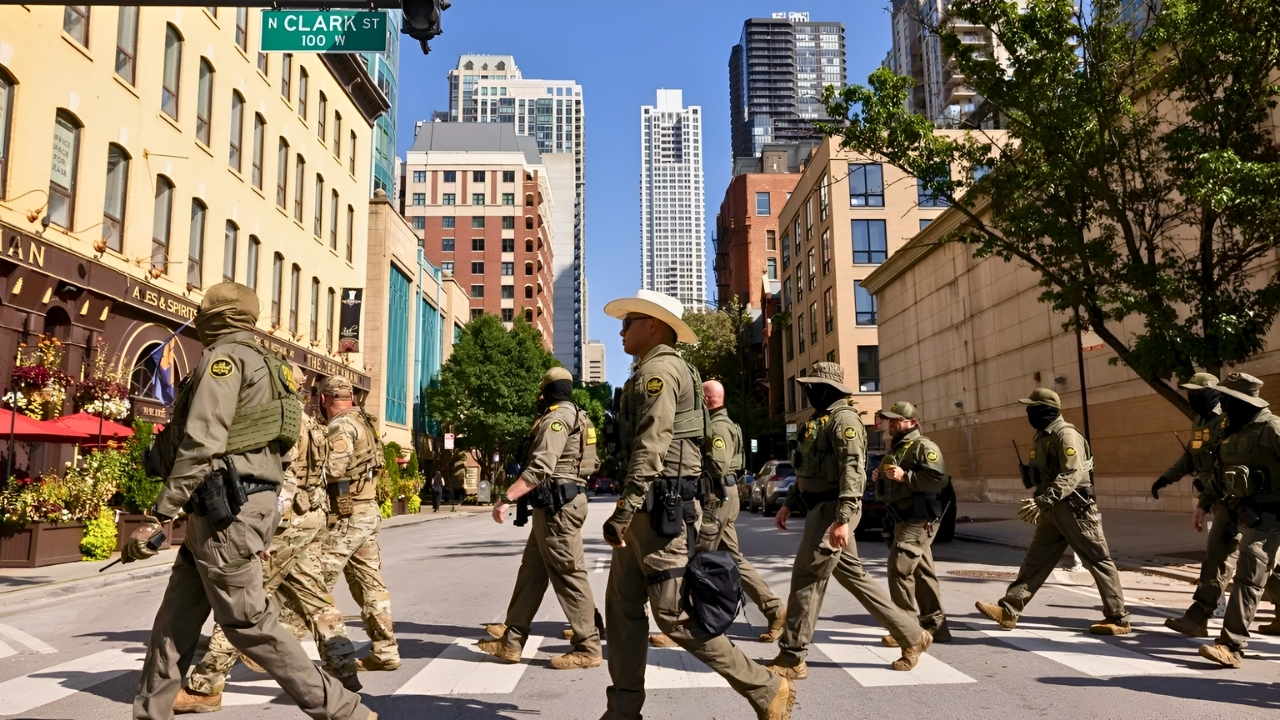
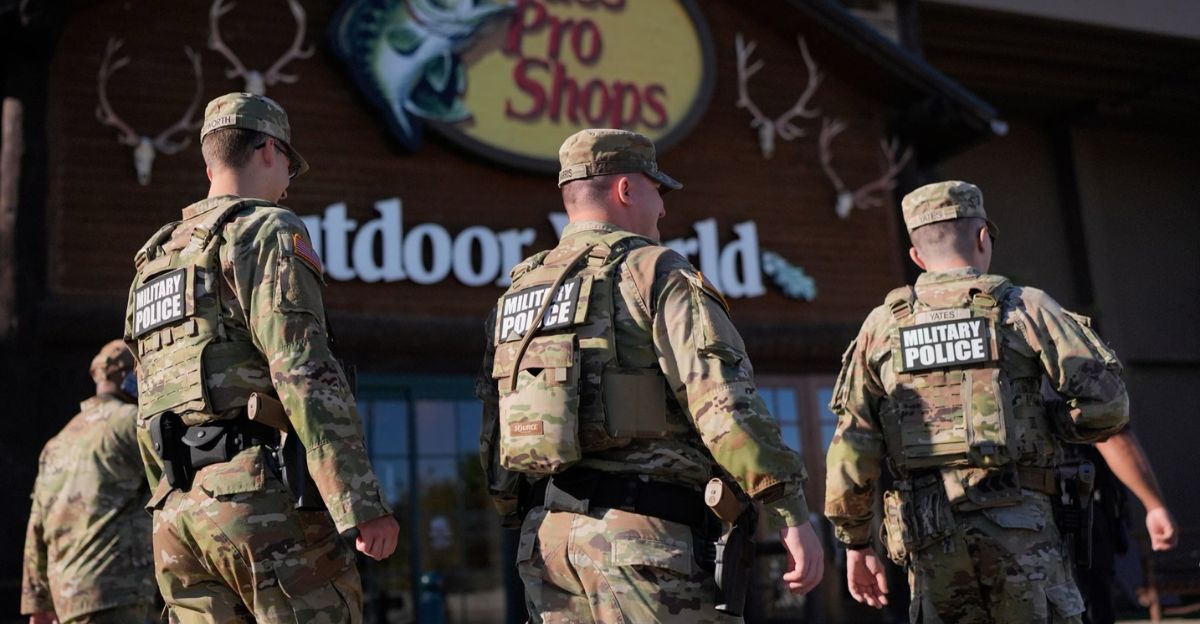
Memphis, Tennessee, is experiencing a level of military presence not seen in its history. In response to what federal officials have labeled a “violent crime emergency,” Secretary of War Pete Hegseth announced plans to deploy up to 1,000 National Guard troops to the city, with an annual cost projected at $226 million. The move follows President Donald Trump’s September 2025 memorandum establishing the Memphis Safe Task Force, a multi-agency initiative aimed at curbing crime. The deployment marks the first time since 1947 that the title “Secretary of War” has been used, underscoring the extraordinary nature of the operation.
Authorization and Political Tensions
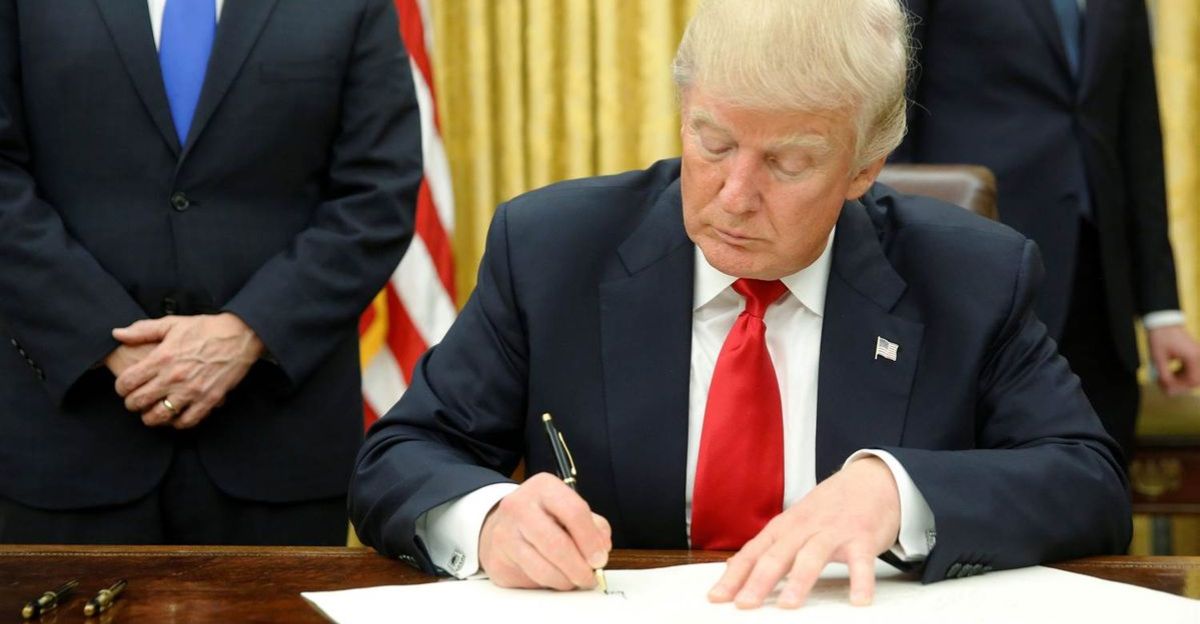
The deployment was jointly authorized by President Trump and Tennessee Governor Bill Lee under Title 32, which allows National Guard troops to operate under state command while coordinating with federal agencies. Secretary Hegseth formalized the plan on September 15, 2025. However, the legality of the operation is being challenged by local officials, who argue that the move bypasses established protocols and infringes on local authority. Memphis Mayor Paul Young publicly stated that he did not request National Guard intervention, emphasizing his preference for targeted law enforcement rather than broad military presence. Shelby County Mayor Lee Harris escalated opposition by filing a lawsuit in October, questioning the legal basis for the deployment and its impact on local governance.
Impact on Residents and Economy
The deployment affects approximately 650,000 Memphis residents, who now live under heightened military policing. Since the operation began, nearly 3,000 arrests have been made, including suspects in serious crimes and the recovery of hundreds of illegal firearms. Families of those arrested face significant legal and detention costs, while the city’s tourism sector—anchored by attractions like Graceland and Beale Street—has seen reputational effects and disruptions. Many National Guard reservists, who hold essential civilian jobs in healthcare, logistics, and manufacturing, have been temporarily removed from their roles, causing ripple effects throughout the local economy. The annual cost of the operation, at $226 million, places a substantial financial burden on both federal and local budgets, with Shelby County absorbing millions in detention expenses.
Operational Methods and Community Concerns
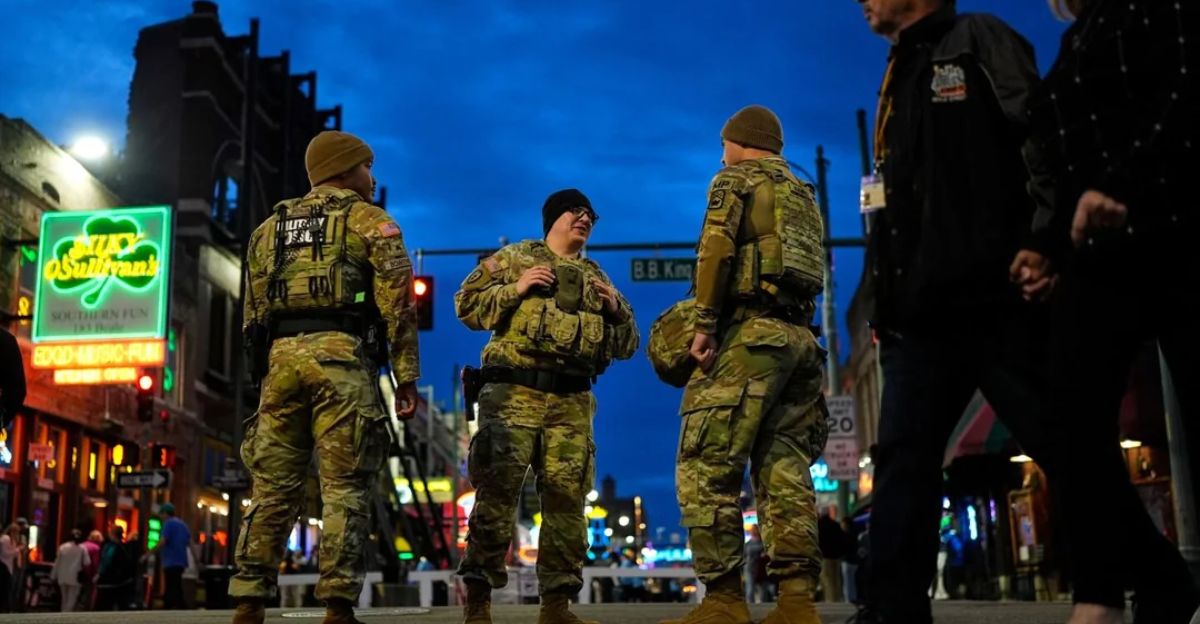
Currently, between 140 and 180 troops are active in Memphis, with numbers expected to surge to 350 and possibly reach 1,000 by September 2026. The Memphis Safe Task Force coordinates over 30 federal and state agencies, employing aggressive law enforcement tactics such as neighborhood saturation and hypervigilant policing. These methods have drawn scrutiny, particularly regarding the use of pretextual traffic stops for minor infractions—a practice banned by the city council in 2023. Reports indicate that 96% of minor-infraction arrests have targeted African-American residents, raising concerns about racial profiling and community trust. Critics argue that such tactics may undermine public confidence in law enforcement and contradict recent reforms aimed at reducing discriminatory policing.
Crime Statistics and Legal Challenges
Federal officials cite FBI data showing 15,000 violent crimes in the Memphis metro area as justification for the deployment. However, local police statistics reveal a more nuanced picture: murder rates are at a six-year low, and overall crime has decreased by 23% as of September 2025. This discrepancy has fueled debate over the necessity and effectiveness of the military intervention. Legal challenges have intensified, with Judge Patricia Head Moskal temporarily blocking the National Guard deployment on November 18, pending appeals. The case raises constitutional questions about the balance of state sovereignty and federal authority, with potential implications for future domestic military operations.
Mixed Reactions and Political Context
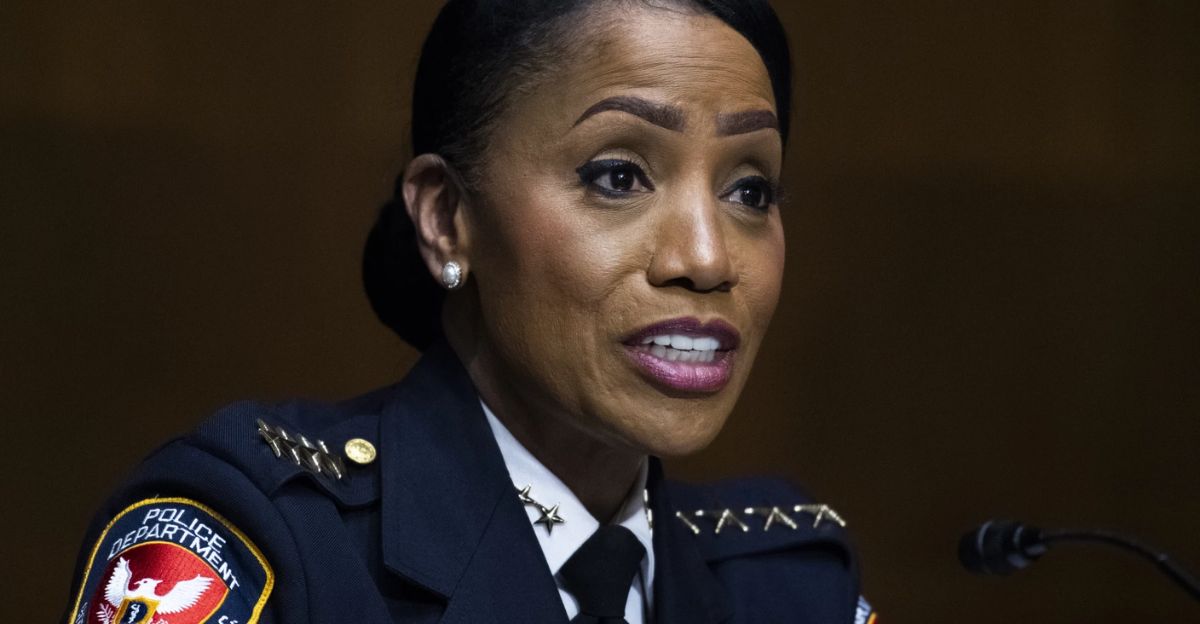
Official statements from President Trump and Governor Lee emphasize the urgency of addressing violent crime and restoring public safety. Federal and state leaders maintain that the deployment is necessary, while local critics question whether the narrative matches reality. Police Chief C.J. Davis reports fewer emergency calls and a perceived improvement in safety, but some city council members and residents dispute claims of widespread crime, highlighting a gap between perception and data. The operation aligns with broader political strategies targeting Democratic-led cities, despite bipartisan involvement at the state level. Observers note that the Memphis deployment could set a precedent for federal intervention in urban crime, influencing future political and legal landscapes.
Looking Ahead: Stakes and Implications
As Memphis awaits the outcome of legal appeals, the city remains under extraordinary law enforcement measures. The deployment represents the largest peacetime domestic military operation in U.S. history, raising questions about civilian control of the military and the boundaries of Title 32 authority. With unresolved legal, financial, and operational issues, the situation in Memphis serves as a focal point for national debates on crime, governance, and the role of federal power in local affairs. The decisions made in the coming weeks will shape not only the future of Memphis but also the broader framework for military involvement in domestic law enforcement.