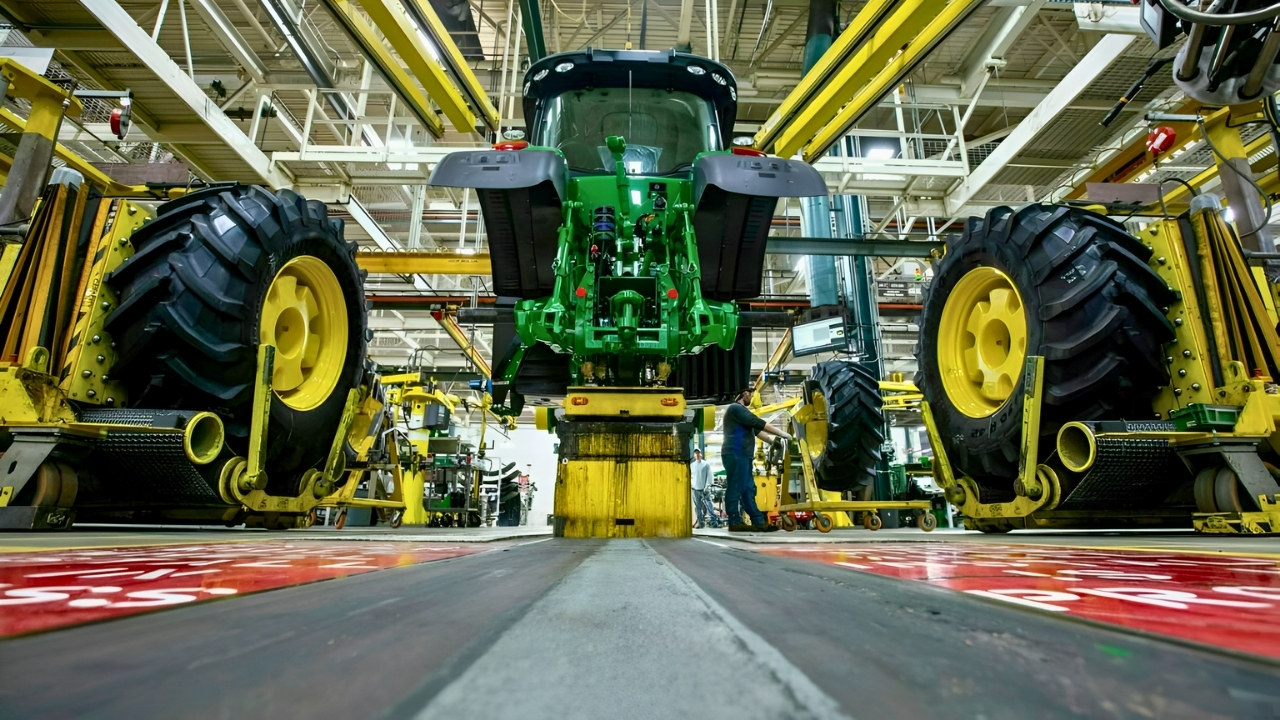
A low murmur rippled through the headquarters as employees clustered around an internal memo pinned to a glass wall—its bolded line reading, “at risk of shut down.” Half-closed laptops reflected the glare of the notice, and the polished floor mirrored the red timestamp at the bottom of the page. Outside the conference room, workers in blue jackets shifted uneasily, their ID badges swaying as they exchanged quick, anxious glances.
But what could drive a well-funded autonomous tractor maker—with $220 million raised and 500 machines shipped—to issue a collapse warning in plain view of its staff?
Investment Jeopardy
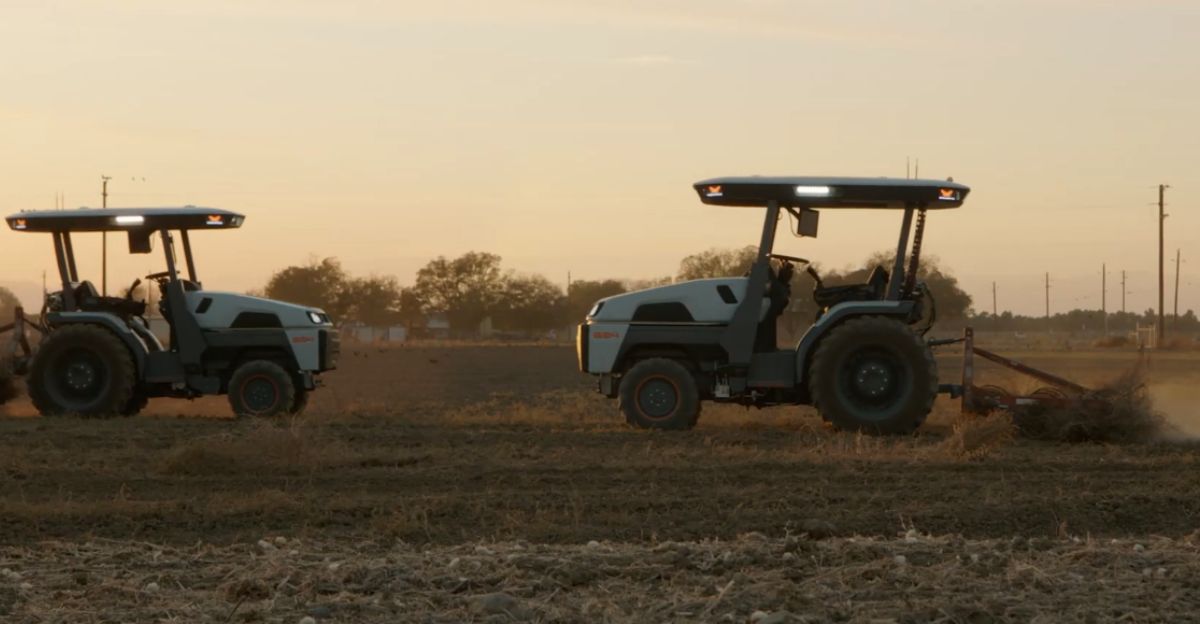
The company had secured more than $220 million in total funding, including a blockbuster $133 million infusion in 2024, placing it among the most heavily backed ag-tech hardware ventures in the world. Those funds fueled product development, contract manufacturing, global hiring, and an ambitious shift toward software and licensing. Supporters once believed it could become agriculture’s version of Tesla.
Now, with a potential 34% workforce reduction looming and hardware output stalled, investors confront the possibility that the entire sum could evaporate. Capital intensity was staggering—about $440,000 raised per employee at the company’s peak—highlighting the immense costs of building autonomous electric tractors.
Roots of Innovation
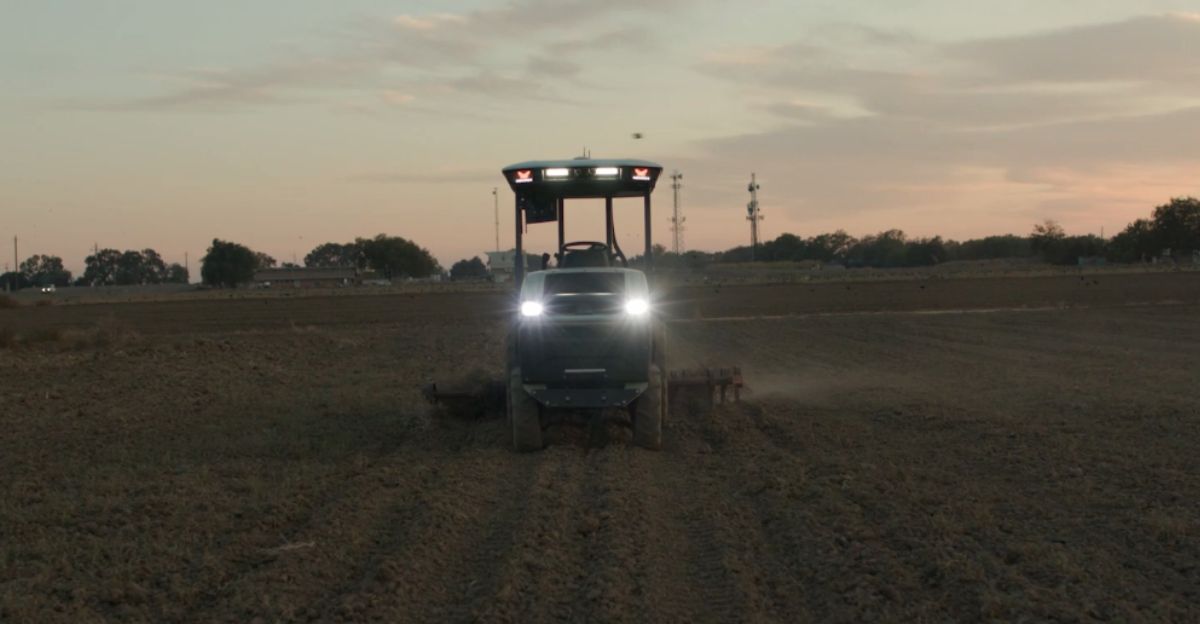
Its founding team featured high-profile talent: a former Tesla Gigafactory executive and a descendant of the renowned Mondavi winemaking family. Their mission was sweeping—create the first mass-market, fully electric, driver-optional tractor tailored for vineyards, orchards, golf courses, and specialty crop farms. Early prototypes promised AI-driven autonomy, reduced emissions, and safer field operations.
By 2020, the startup gained momentum among early adopters captivated by its vision. But scaling hardware, perfecting autonomy, and meeting aggressive fundraising milestones produced growing pressures as operations expanded worldwide.
Mounting Pressures
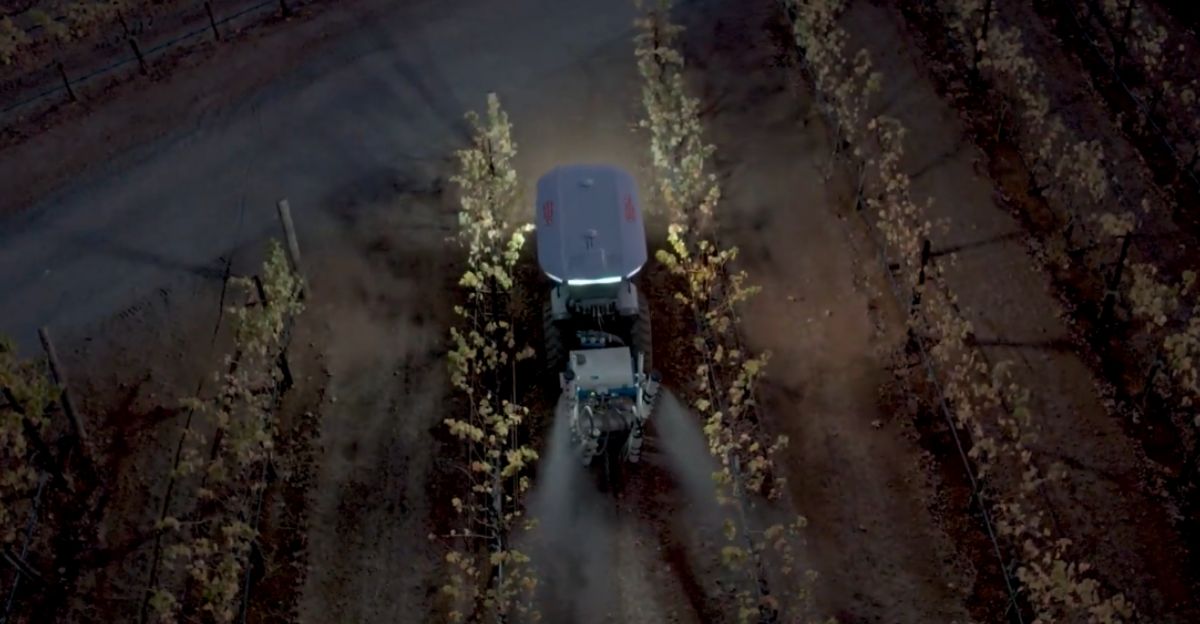
However, by late 2024, cracks in the foundation became clear. The company cut over 10% of its workforce, initiated a restructuring plan, and began shifting away from manufacturing toward software licensing as hardware costs surged. Teams across the U.S., India, and Singapore experienced the tightening firsthand.
Customer concerns soon followed. Complaints about inconsistent autonomy performance escalated into legal disputes questioning whether tractors operated as advertised. Combined with supply-chain disruptions and rising costs, the pivot grew increasingly strained—forcing leadership to make difficult choices before the pressure broke.
The Foxconn Break
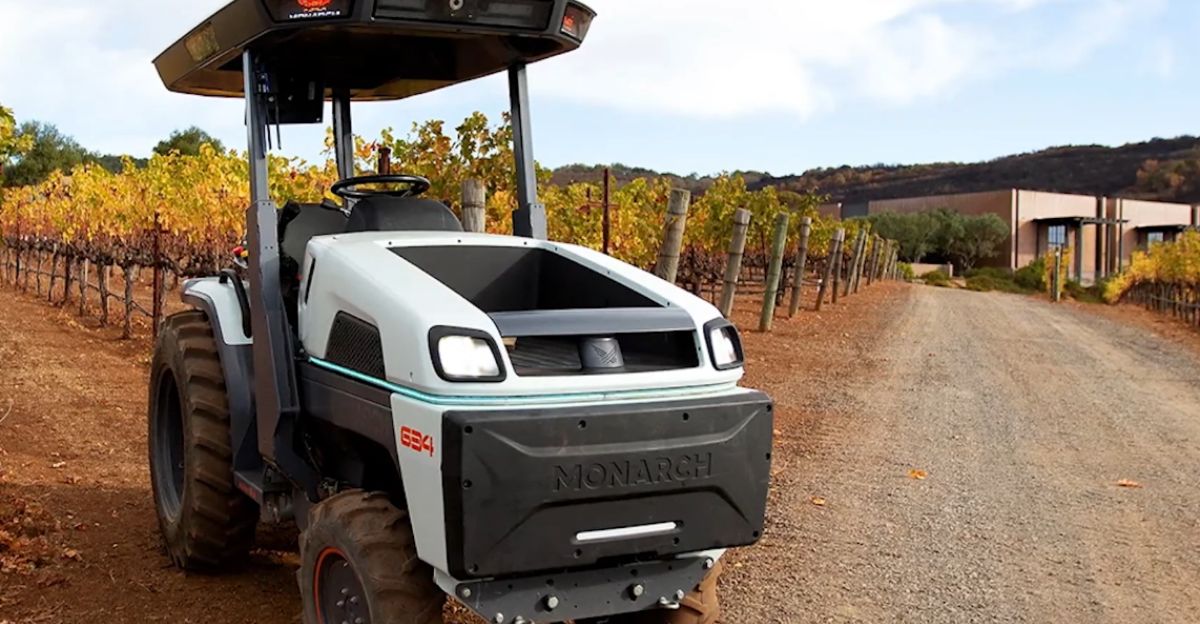
The most destabilizing blow came in August 2025, when the company, Monarch Tractor, abruptly lost its contract manufacturer, Foxconn—one of the world’s most influential electronics producers. Foxconn’s withdrawal removed Monarch’s ability to mass-produce tractors at scale, forcing an emergency shift to a software-only strategy.
Unfortunately, the timing for completing the transition to the new business plan put Monarch at risk of shutdown. Without Foxconn, hardware production effectively ended, and revenue streams dependent on new tractor shipments evaporated overnight.
Regional Fallout
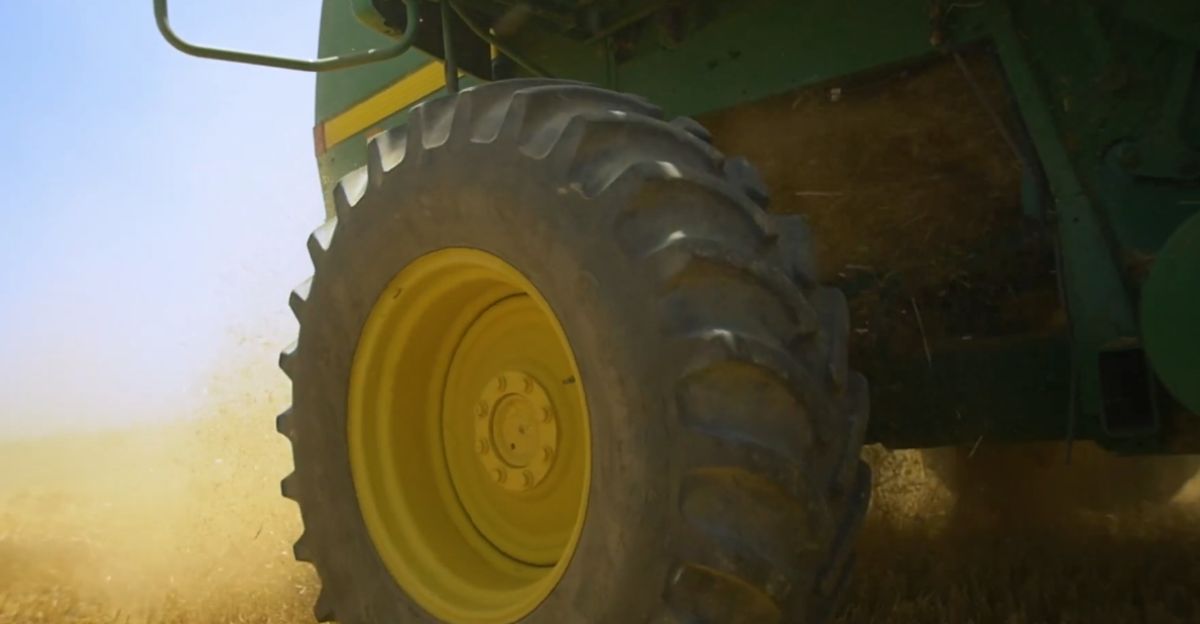
With around 500 tractors shipped since launch, California’s farming community now faces the possibility of unsupported equipment. These tractors rely on software updates, parts availability, and specialized maintenance—areas now jeopardized as Monarch contracts. For vineyards, fruit growers, and dairy operators, the threat of orphaned machines during harvest or spraying seasons creates operational and financial risks.
Dealers and growers who adopted early believed Monarch represented the future of sustainable agriculture. Now, uncertainty over long-term support could disrupt planned investments in electric machinery across the state.
Human Toll

Monarch’s WARN notice puts 102 employees at immediate risk, impacting teams across California, India, and Singapore. Some employees report the atmosphere feels like “a company bracing for impact,” especially after quiet layoffs earlier in the fall. Many workers have specialized robotics and autonomy skills, roles that can be difficult to transition elsewhere.
Compounding the instability, co-founder Mark Schwager stepped back in July 2025, remaining only on the board. With leadership shifting and revenue pressure rising, employees fear additional cuts could follow.
Competitor Moves
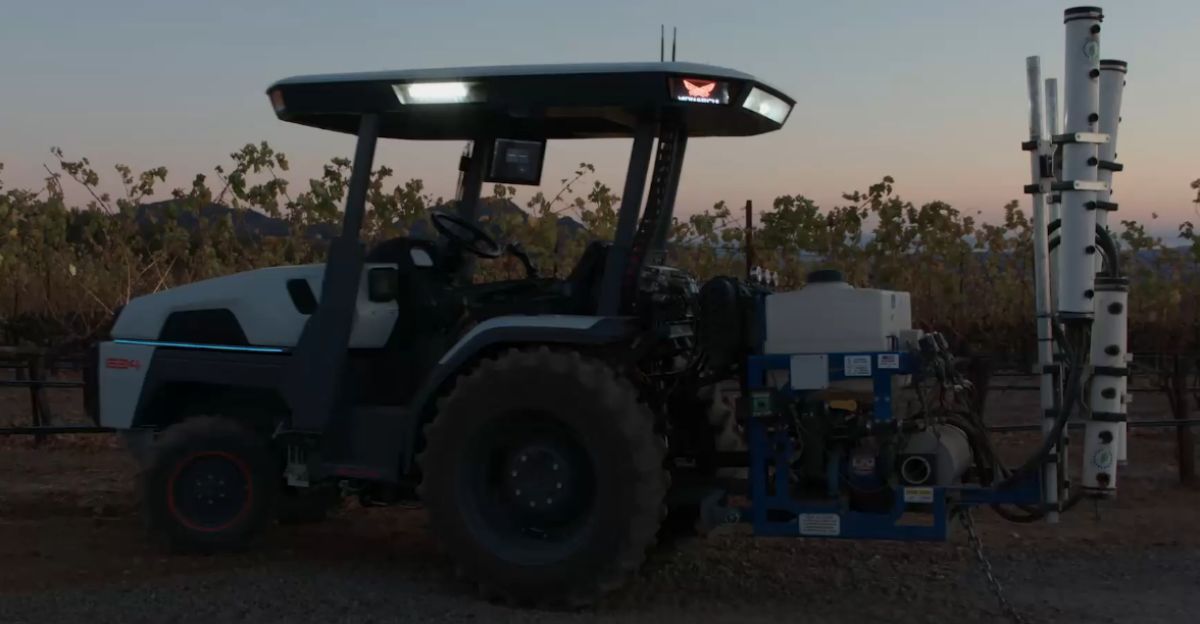
Monarch’s struggles unfold in an ag-tech landscape marked by volatility. Major competitors like John Deere have introduced driverless tractors and automation suites while also trimming jobs and restructuring manufacturing. Monarch’s dependence on a single contract manufacturer made it particularly vulnerable.
As global manufacturing becomes more competitive, even well-funded startups face cost pressures that conglomerates can better absorb. Monarch’s challenges underscore how fragile hardware-heavy autonomous ventures remain, especially when supply chains fracture.
Market Headwinds
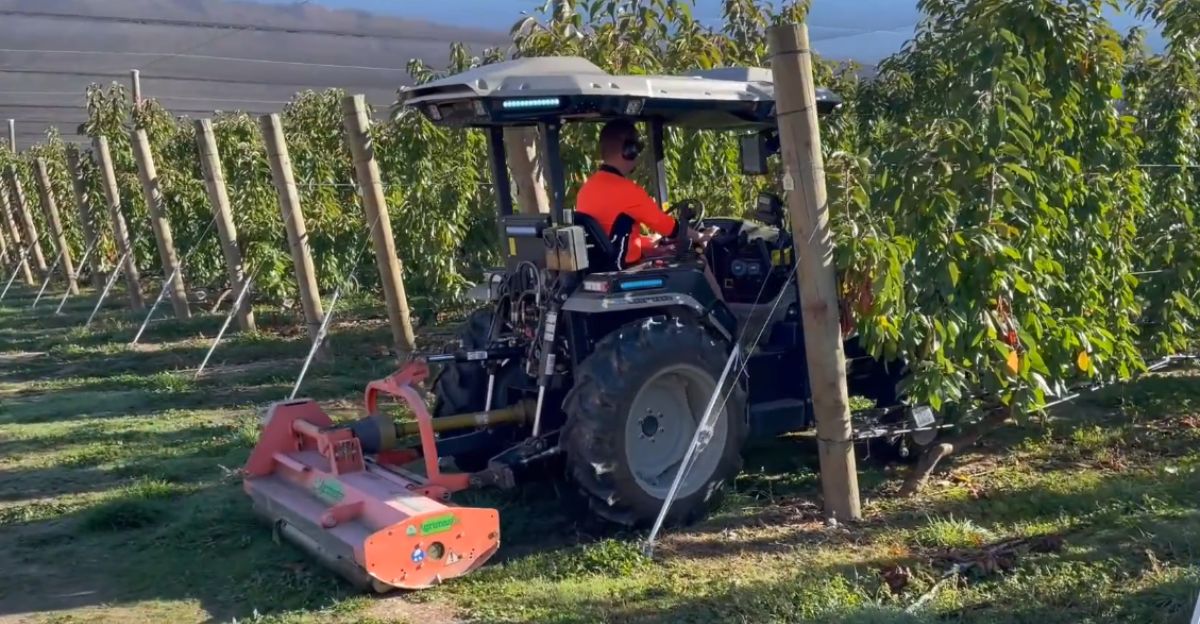
The broader ag-tech market weakened sharply in 2025. High interest rates made large equipment purchases less appealing to farmers already balancing tight margins. Investors became more cautious after a wave of robotics and autonomy startups struggled to scale. Monarch, with high burn rates and a hardware-first model, felt these pressures acutely.
With 70% of 2025 revenue coming from licensing, not tractor sales, the company’s hardware business had already entered decline—an early warning sign now understood in hindsight as a precursor to crisis.
Collateral Damage
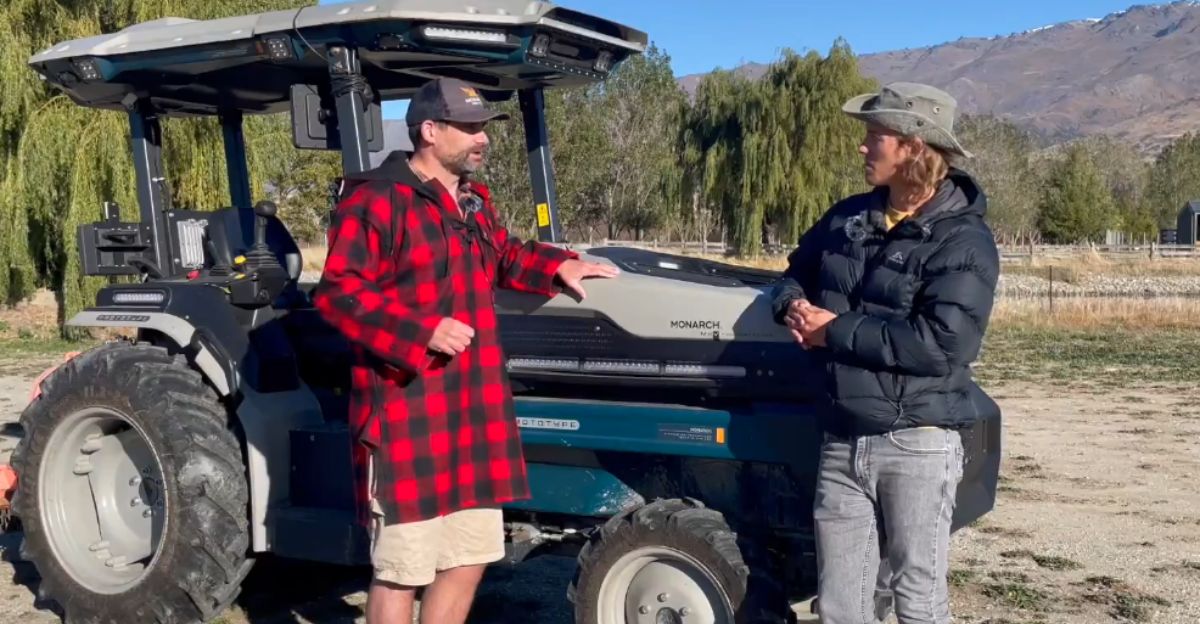
A lawsuit filed by Burks Tractor, a dealership in Idaho, alleges Monarch’s tractors were “unable to operate autonomously” and suffered core defects upon delivery in 2024. The lawsuit claims the dealership faced financial losses from unsellable inventory while paying interest on expensive, non-functional units.
This legal challenge strikes at the heart of Monarch’s value proposition: if autonomy performance was inconsistent or unreliable, it could undermine the entire premise of the company and raise questions about what early customers actually received.
Franchisee Frustration
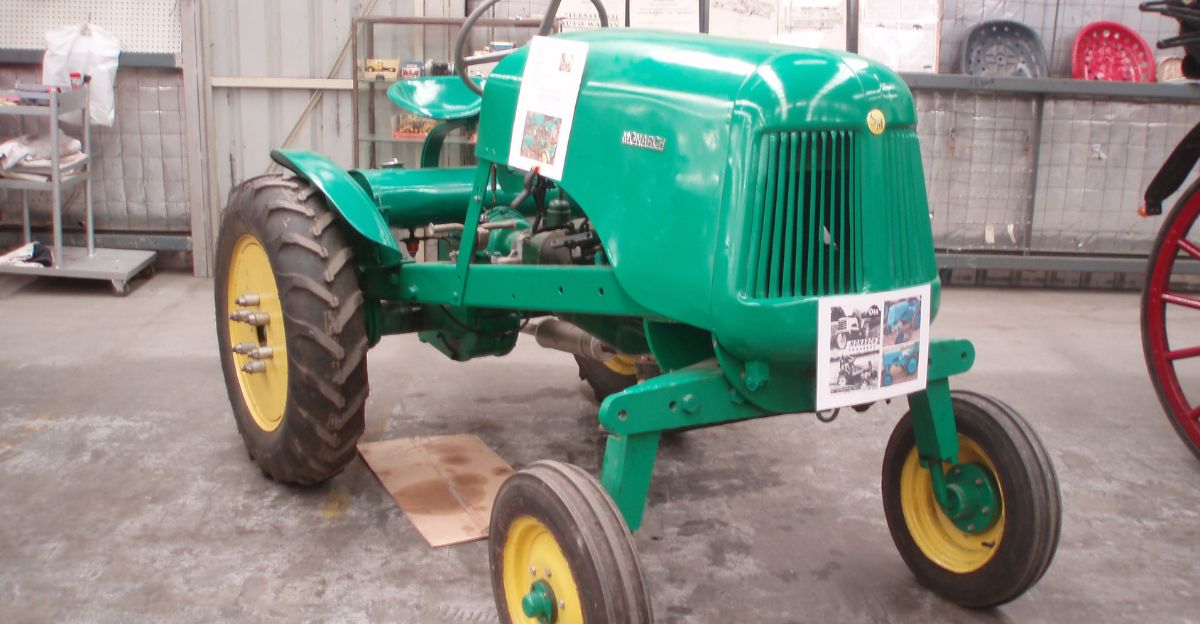
Dealers across multiple states have expressed frustration with slow support responses, limited parts availability, and unclear warranty commitments. Some report tractors waiting for service with no clear timeline. As manufacturing evaporated with Foxconn’s exit, these concerns intensified.
Dealers and franchise partners worry they may be left with hardware commitments they cannot honor. If Monarch shutters, the downstream impact would leave early adopters stranded with equipment that cannot be repaired, serviced, or updated.
Leadership Shakeup
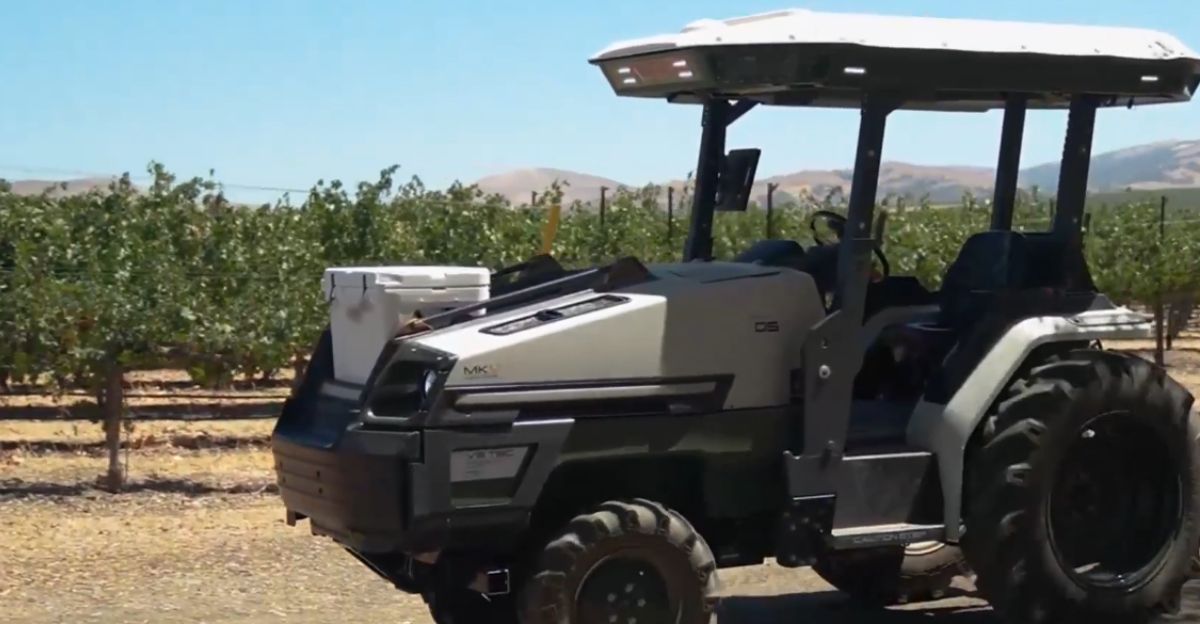
Leadership instability has amplified uncertainty. Co-founder Mark Schwager’s departure from day-to-day operations in July 2025 came at a critical moment. Meanwhile, CEO Praveen Penmetsa shifted the company toward a software-centric business model focused on licensing autonomy stacks rather than producing whole tractors.
While the pivot aligns with broader robotics trends, its timing—just months before the Foxconn separation and shutdown warning—has fueled concerns that the transition came too late to save the company.
Comeback Plans
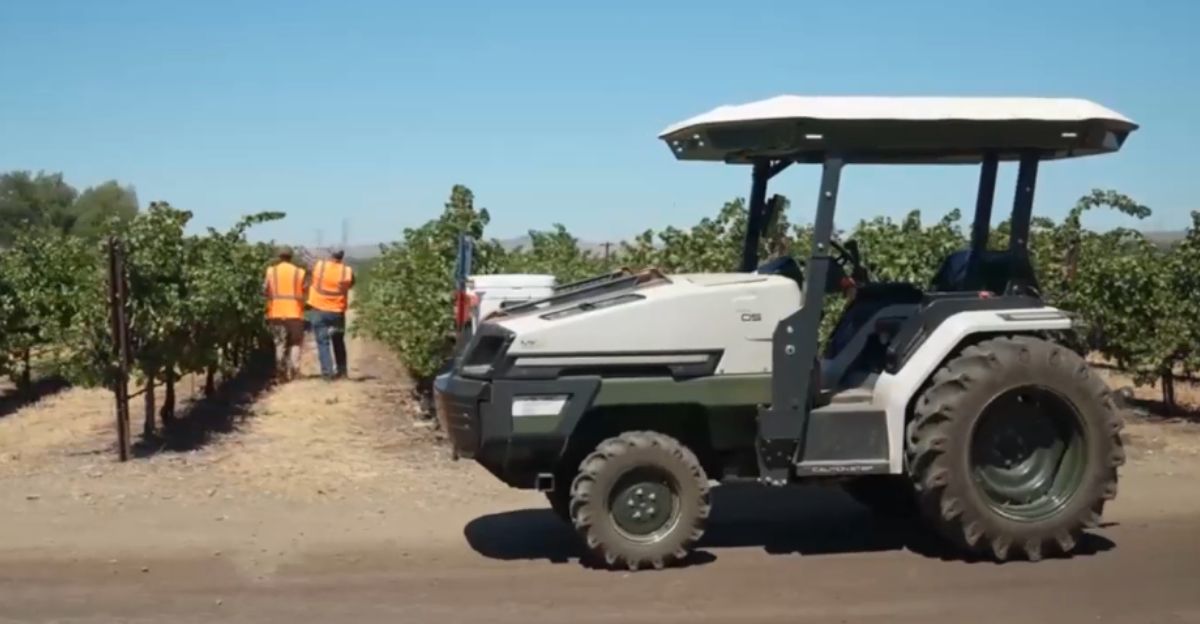
Monarch’s remaining hope lies in a software-only licensing strategy. By monetizing its AI, autonomy algorithms, and sensor-fusion systems, the company aims to partner with established equipment manufacturers. This approach could preserve Monarch’s intellectual property even if hardware production ends.
However, pivot success requires rapid revenue replacement, investor confidence, and technical validation. With only 168–198 employees likely remaining after layoffs, execution will be challenging as the company races against a 60-day WARN countdown.
Expert Skepticism
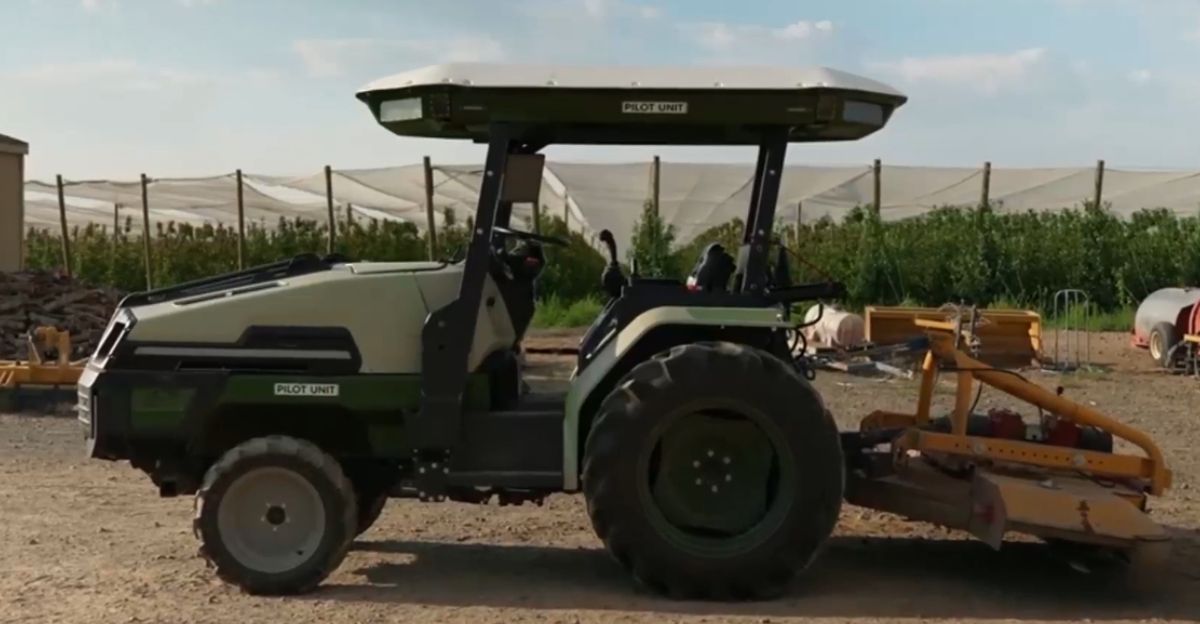
Analysts caution that Monarch’s struggles reflect deeper skepticism about autonomous agricultural vehicles. Historically, hardware-first ag-tech startups have suffered high burn rates, slow adoption cycles, and razor-thin margins. Monarch’s heavy capital footprint—roughly $1.3M–$2.2M in sunk cost per tractor shipped—reveals the brutal economics of scaling farm robotics.
Experts warn that a software pivot without a hardware foothold may leave Monarch in an even tougher position, forcing it to compete with larger companies already developing in-house autonomy.
Uncertain Future
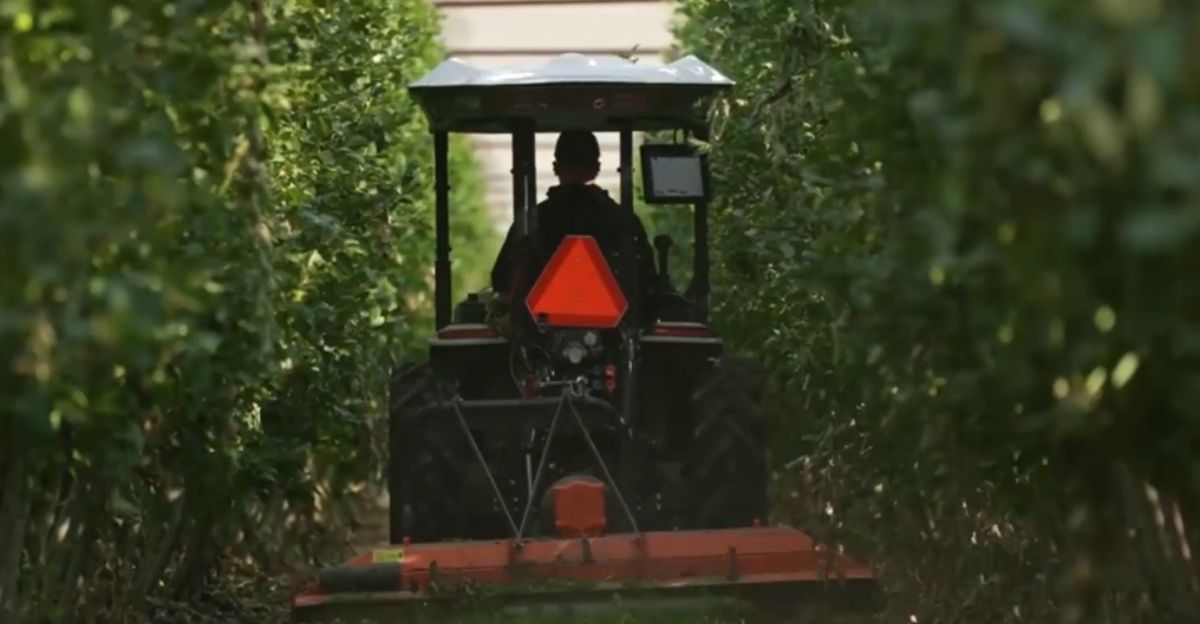
Monarch now faces an official countdown to layoffs or closure. Inside the company, teams focus on licensing deals, revenue stabilization, and last-minute restructuring efforts. Outside, farmers, dealers, and investors wait to see whether the pivot can salvage part of the business—or whether Monarch becomes one of the fastest high-profile collapses in autonomous agriculture.
What happens next could reshape investor confidence, rewrite the trajectory of ag-tech innovation, and determine whether Monarch’s seven-year experiment ultimately survives or disappears.