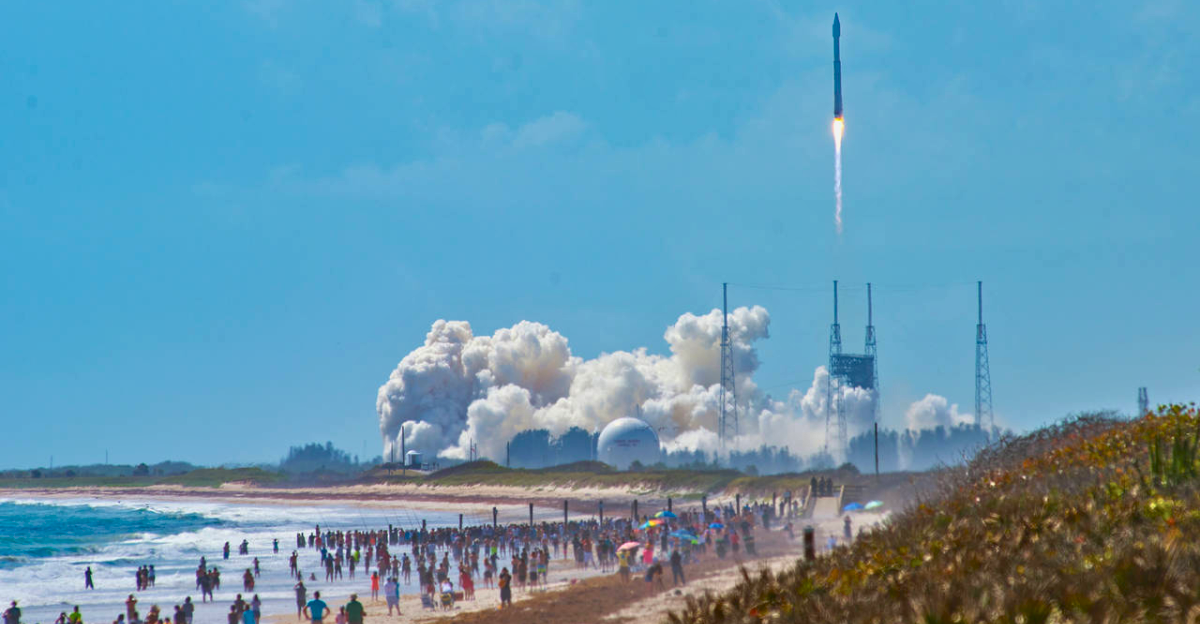
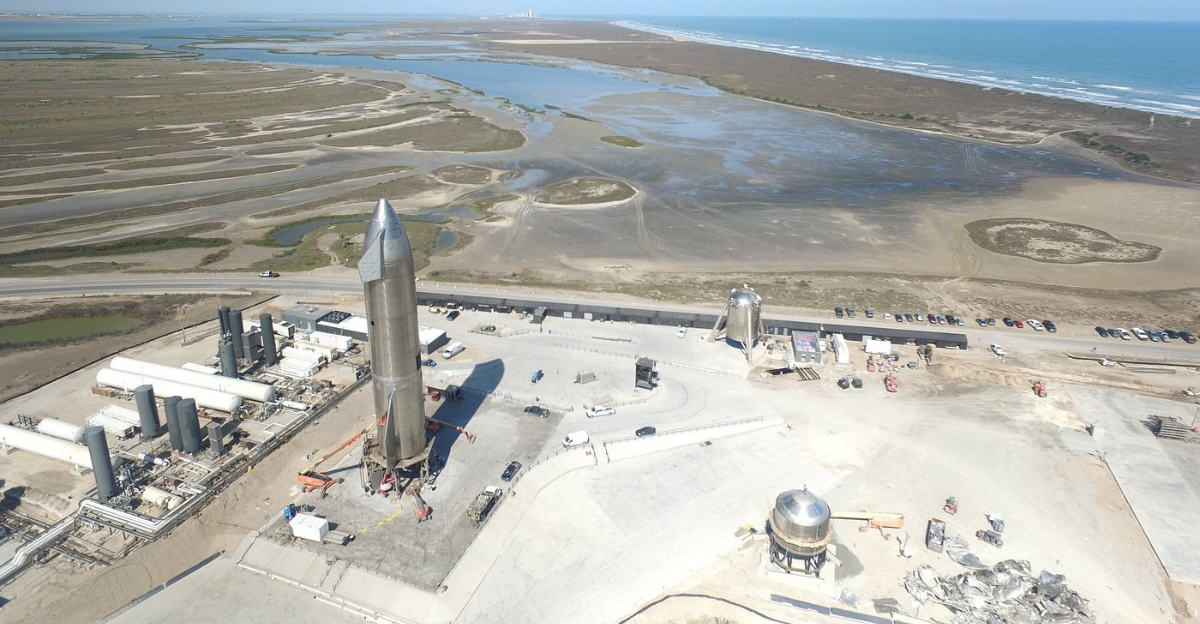
SpaceX’s ambitious Starship program is pushing the boundaries of space exploration, but its rapid test schedule has earthly consequences for nearby communities. Along the Texas Gulf Coast, residents and visitors prepare for a new reality, and summers might not look the same as they once did.
As the company ramps up launches and test flights from its Boca Chica launch site, safety precautions require limiting public access to the surrounding areas, including popular beach spots.
Launch Frequency and Beach Closure Proposals
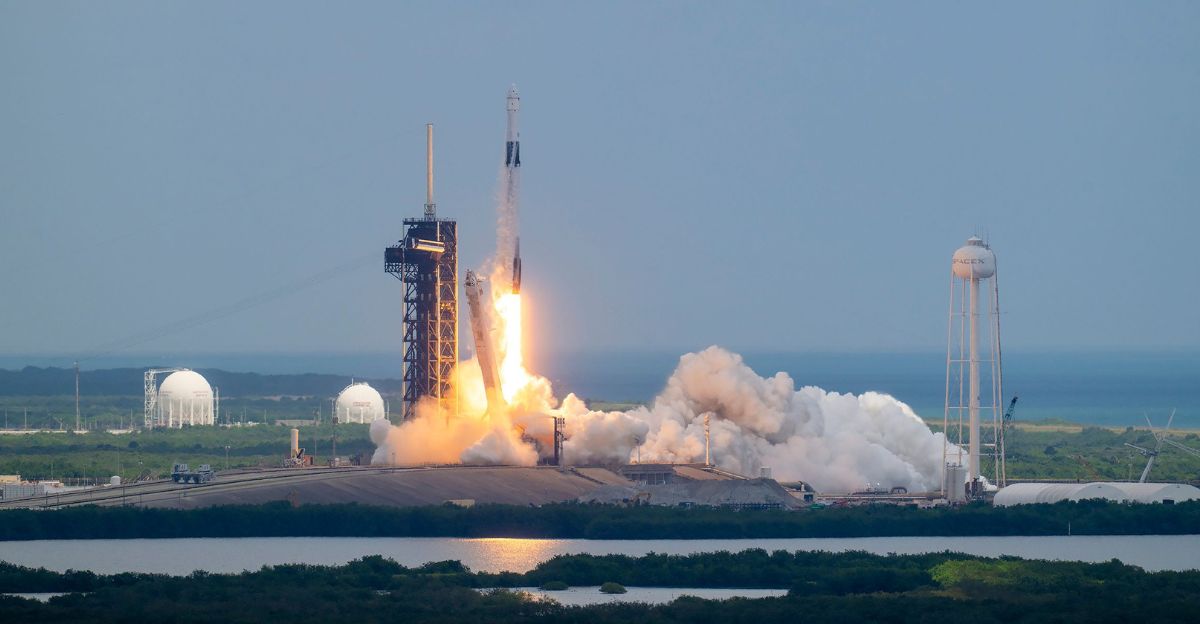
SpaceX aims for up to 44 annual launches and landings from some of the United States’ most prominent coastal launch sites, including Boca Chica, Texas, and Kennedy Space Center in Florida. According to recent FAA reviews and local government reports, this high launch frequency means that areas like Playalinda Beach at Canaveral National Seashore could experience up to 60 days of closures each year.
A “People’s Beach” at Risk

Boca Chica Beach, nestled at the southern tip of Texas near Brownsville, has long been cherished by locals as a hotspot for recreation, fishing, birdwatching, and enjoying untouched nature. For generations, families across South Texas have relied on Boca Chica as an accessible getaway from city life.
Increasingly, large portions of the year are marked by roadblocks, detours, and “beach closed” signs. “The public would increasingly be shut off from Boca Chica Beach, which is affectionately known as the people’s beach,” one community member stated.
Playalinda Beach and Canaveral National Seashore Closures
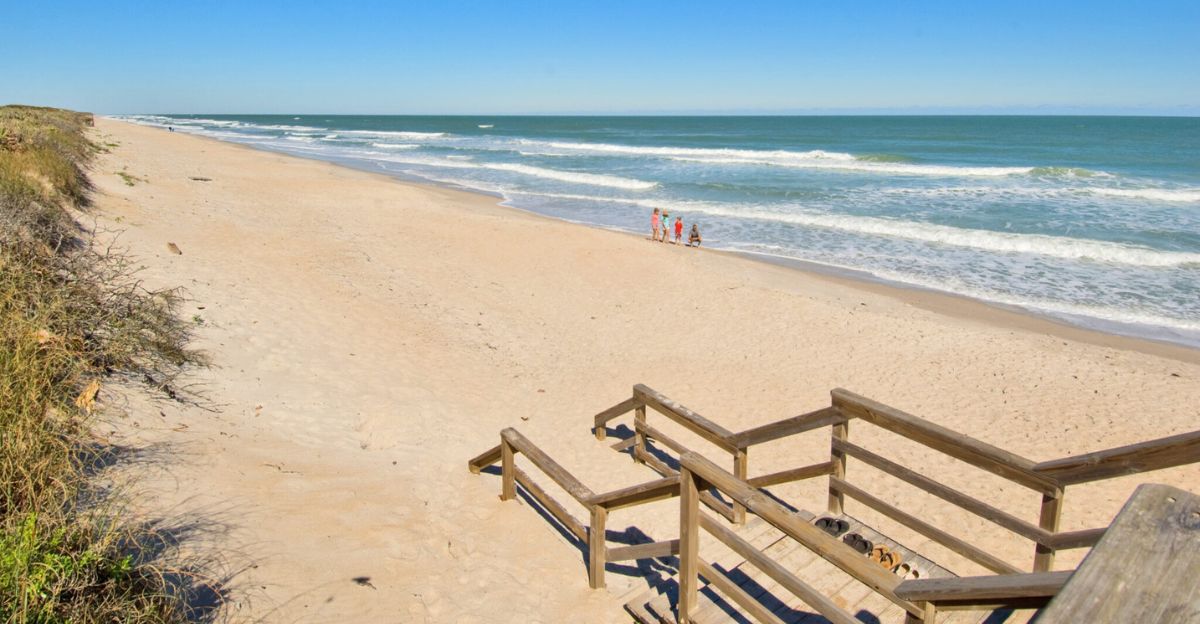
Playalinda Beach, part of the Canaveral National Seashore on Florida’s Atlantic coast, is renowned for its wild dunes, tranquil surf, and status as one of the state’s best-preserved stretches of coastline. With SpaceX ramping up its Starship testing at Launch Complex 39A (LC-39A), proposals indicate that Playalinda Beach could be closed up to 60 days per year.
These closures would align with launch preparations, actual launches, and follow-up safety sweeps, meaning extended and sometimes unpredictable blocks on public beach access.
Legislative Changes Empowering Closures

In June 2025, the Texas legislature empowered the newly incorporated “city of Starbase”—a municipality directly tied to SpaceX’s operations—to independently shut down access to Boca Chica Beach for rocket launches and related activities. Previously, beach closures required coordination between SpaceX, Cameron County, and various state and federal agencies.
The new law effectively centralizes decision-making power within Starbase’s city government, streamlining the process but raising concerns about transparency and accountability. “The question is who gets to make the call and who is in the best position to have the public interest in mind in closing a public beach?” said Martinez Fischer. “I submit to you it’s not the people in the company town that’s effectively a wholly-owned subsidiary of SpaceX, and it’s not the Space Commission.”
Duration and Terms of Closures
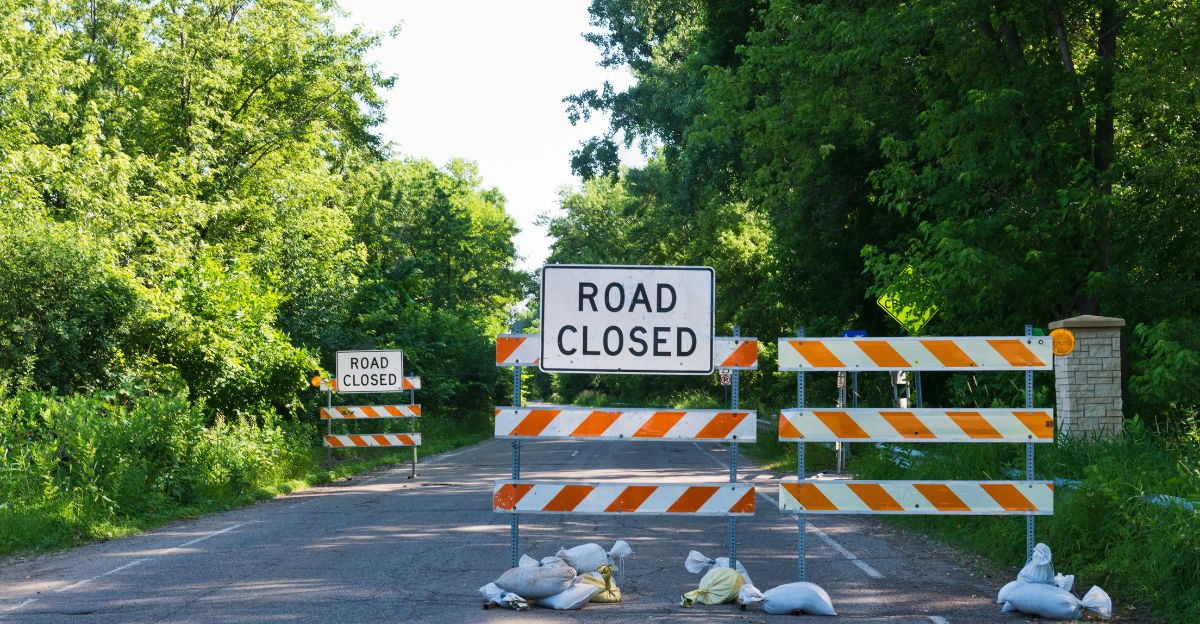
Initially, permits allotted up to 300 hours of closures per year for Starship operations at Boca Chica Beach. However, practice has sometimes deviated, with actual closure times exceeding this official cap due to extended launch preparations, weather delays, and test scrubs. The terms outlined by local authorities stipulate that launches, rehearsals, and related safety measures can only close roads and beaches within a tightly defined window.
However, weather and other factors often affect launch schedules, turning “single-day closures” into multi-day interruptions.
Logistical Considerations for Closures
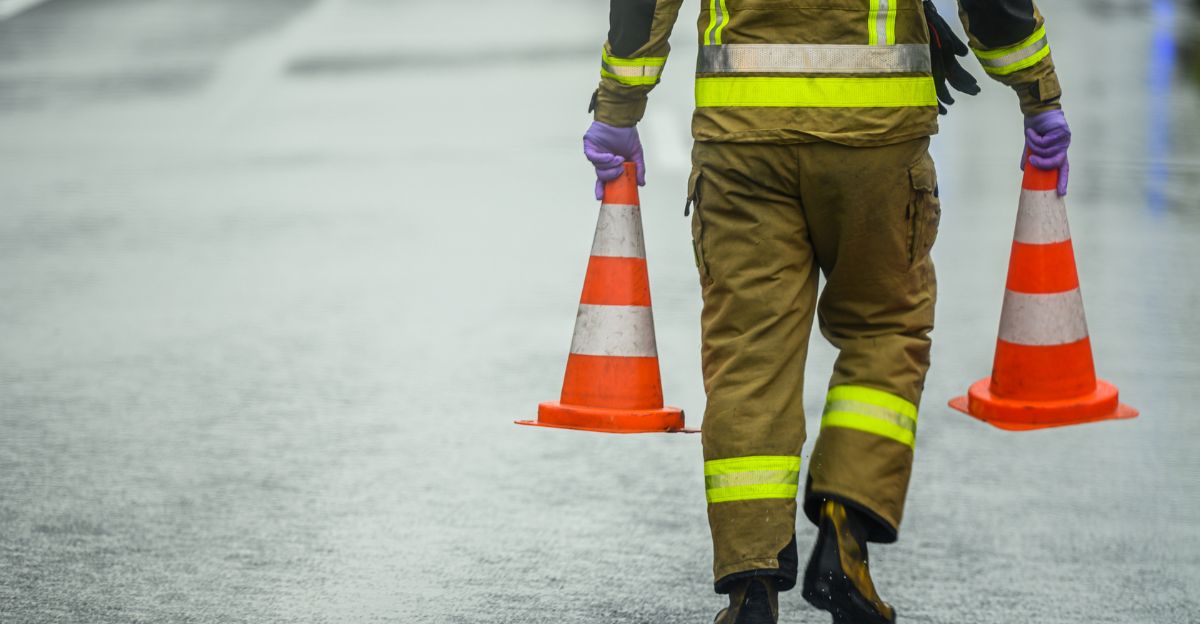
When SpaceX schedules a Starship launch or test, the actual logistics behind beach and road closures are far more complex than a simple “block off the beach” operation. Typically, a launch date is set weeks in advance, but the actual closure can require several days of preparation. Notices are posted online and at key access points, sometimes giving only 24 to 48 hours’ warning.
Major roads like Highway 4 to Boca Chica and access routes to Playalinda Beach are also shut, preventing entry to the coast and sometimes isolating nearby residents. These closures can extend for hours or days, depending on launch activity, debris concerns, or security sweeps after the event.
Security and Access Restrictions
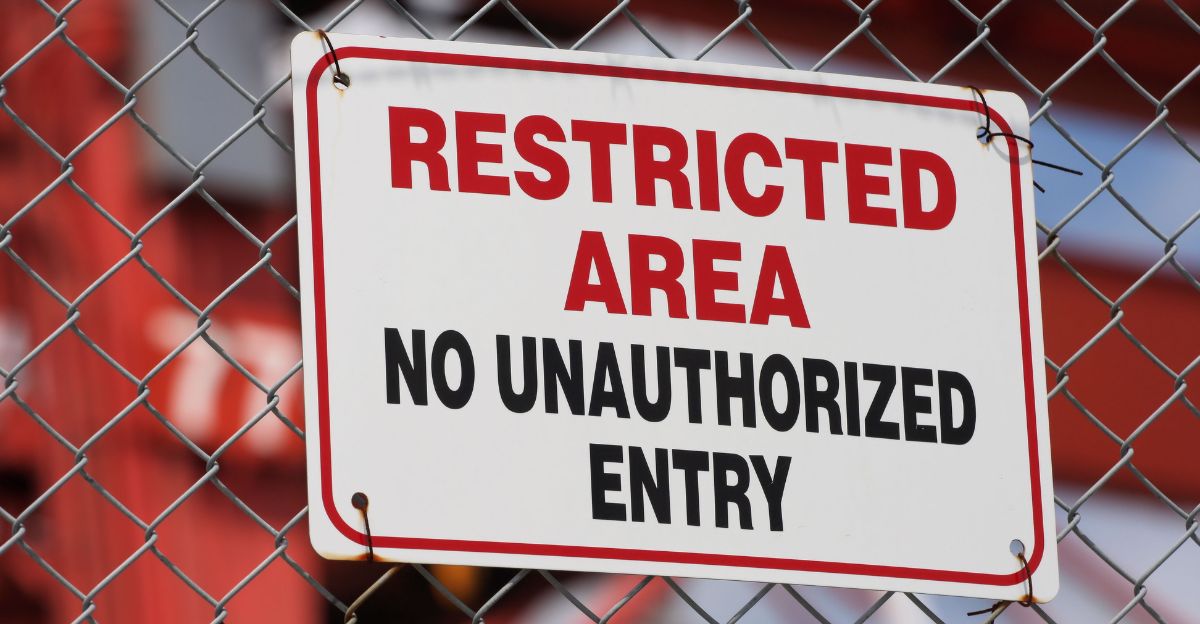
During closure periods leading up to and following launches, law enforcement and SpaceX security teams establish barricades and checkpoints on roads and beach entry points. These teams enforce strict exclusion zones, sometimes extending miles from the launch pad, and actively patrol the area to ensure compliance.
Residents have described feeling like “outsiders in our own community,” citing instances where they were blocked from enjoying things that have always been a part of everyday life.
Expansion of Restricted Areas
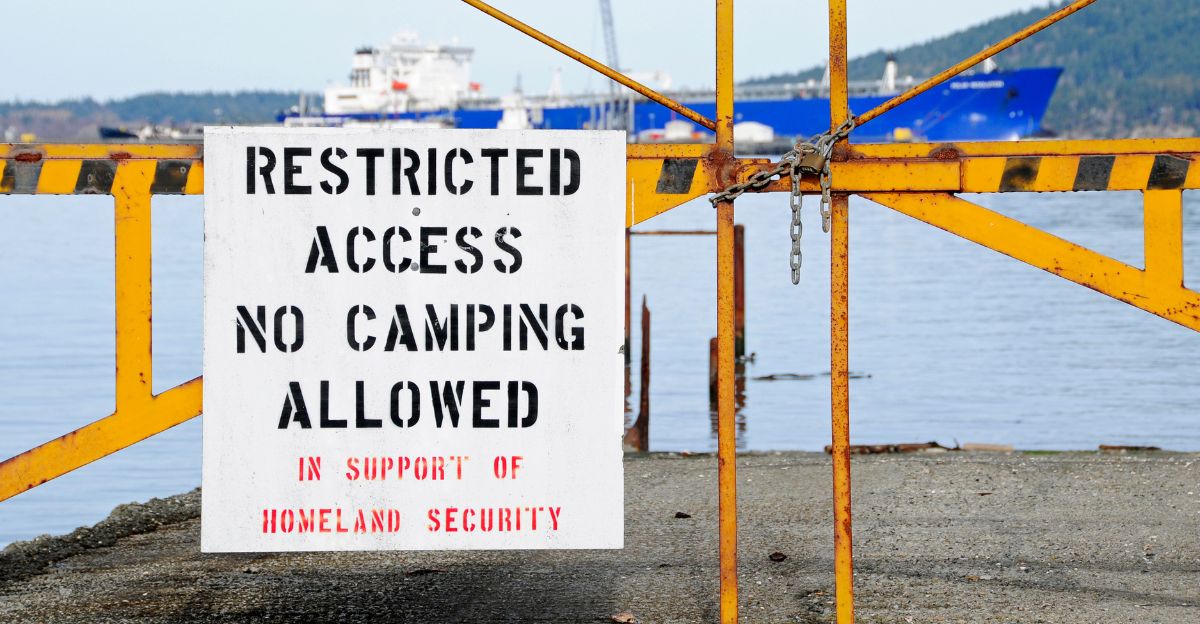
As SpaceX expands its Starship program, proposals and operational realities have significantly expanded restricted zones around launch facilities, particularly at Boca Chica, Texas, and Cape Canaveral, Florida. To accommodate the immense power and unpredictable debris field of Starship launches, authorities have increased the physical size of safety and exclusion zones.
For example, new restrictions can block access to Playalinda Beach and disrupt activities farther inland at Canaveral National Seashore.
Community Voices and Concerns
Residents have spoken out about the repeated disruptions. Families traditionally gather at the beach for picnics, fishing, and surfing, but now find their plans upended by sudden, often poorly communicated closures.
Many locals feel powerless in the face of decisions made by SpaceX or their representatives in the newly created Starbase city government. Closure notices often come with little warning, and the mechanisms for public input are minimal.
Economic Impacts on Local Tourism

The frequent beach closures triggered by SpaceX Starship launches pose substantial challenges to the tourism-driven economies of regions near Boca Chica Beach in Texas and Playalinda Beach in Florida. When beaches close, sometimes for days at a time and on short notice, shops and services that rely on steady visitor traffic lose out on walk-in customers and bookings. Restaurants and cafes near coastal access points report similar concerns, noting that unpredictable closures deter day-trippers and vacationers.
“We always watch the launch schedule. When the beach closes for launches, our business dries up for the day. Multiply that by sixty, and it’s a big hit,” said a Playalinda-area surf shop manager.
Delays in Launches and Extended Closures
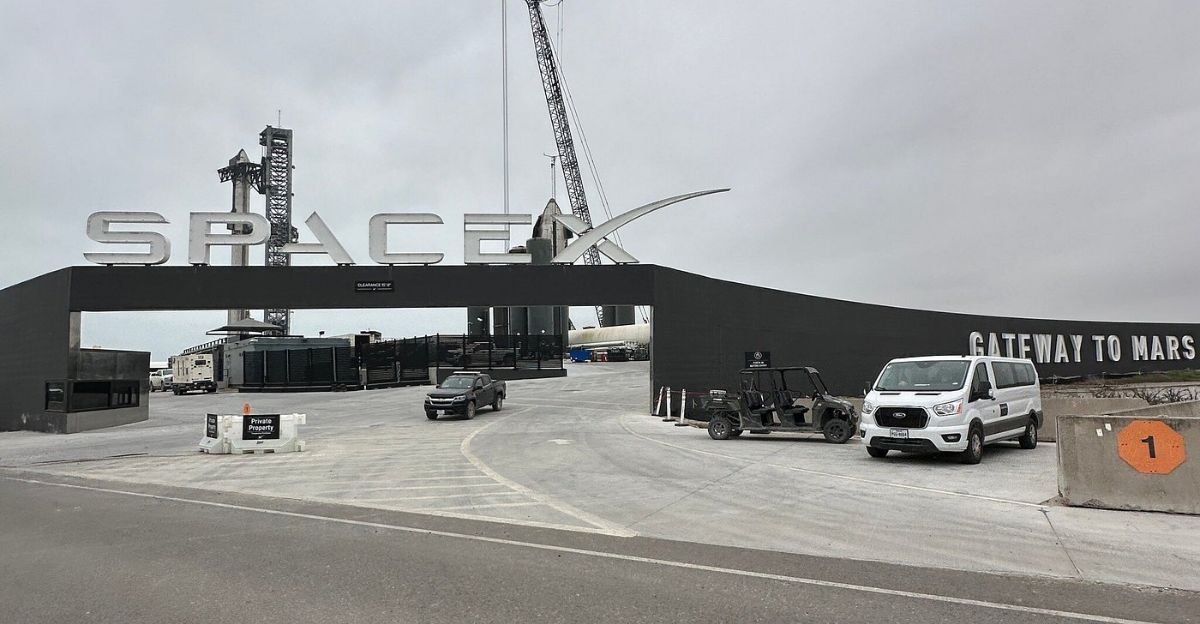
The operational realities of rocket launches mean that scheduled beach closures often extend well beyond the initial timeframe. SpaceX’s Starship program is particularly subject to launch scrubs (cancellations or postponements) and weather-related delays, which place local communities under even more stress.
Starship launches require precise alignment of technical systems, weather, and regulatory approval. Any anomaly, equipment malfunction, or last-minute issue can force a “scrub,” meaning the launch is postponed, sometimes hours before the planned liftoff.
“We clear the beach for the scheduled launch window, but if the rocket is delayed, sometimes for days, the area stays closed. Visitors may arrive and find the beach shut for reasons beyond anyone’s control,” said one official.
Particulate Pollution from Explosions
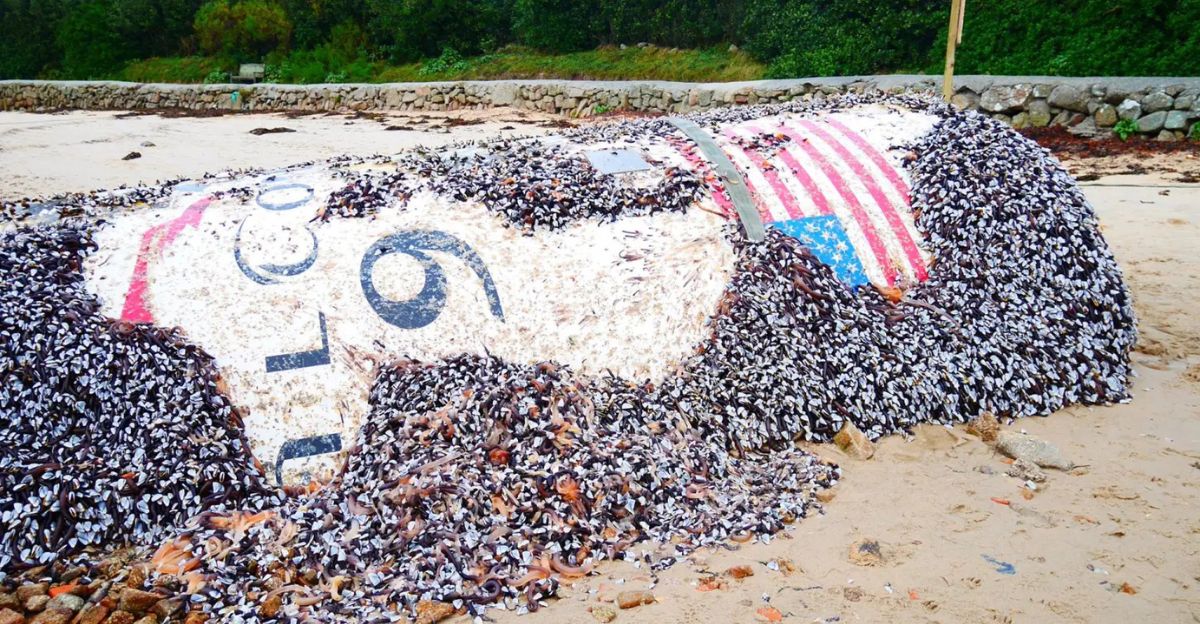
When malfunctions or explosions occur, they generate substantial amounts of tiny pieces of debris, soot, and unburned propellant that can be spread across air and water. This particulate pollution poses environmental, health, and cleanup challenges for the regions surrounding Boca Chica Beach and Canaveral National Seashore.
Particulate matter can contain hazardous chemicals, including carbon compounds, metals, and rocket propellants. Prolonged or repeated exposure may pose risks, especially to vulnerable populations and sensitive wildlife.
“We’re already seeing increased pollution after launches, and if explosions keep happening, cleanup will be a massive ongoing challenge.”
Environmental Advocacy and Lawsuits
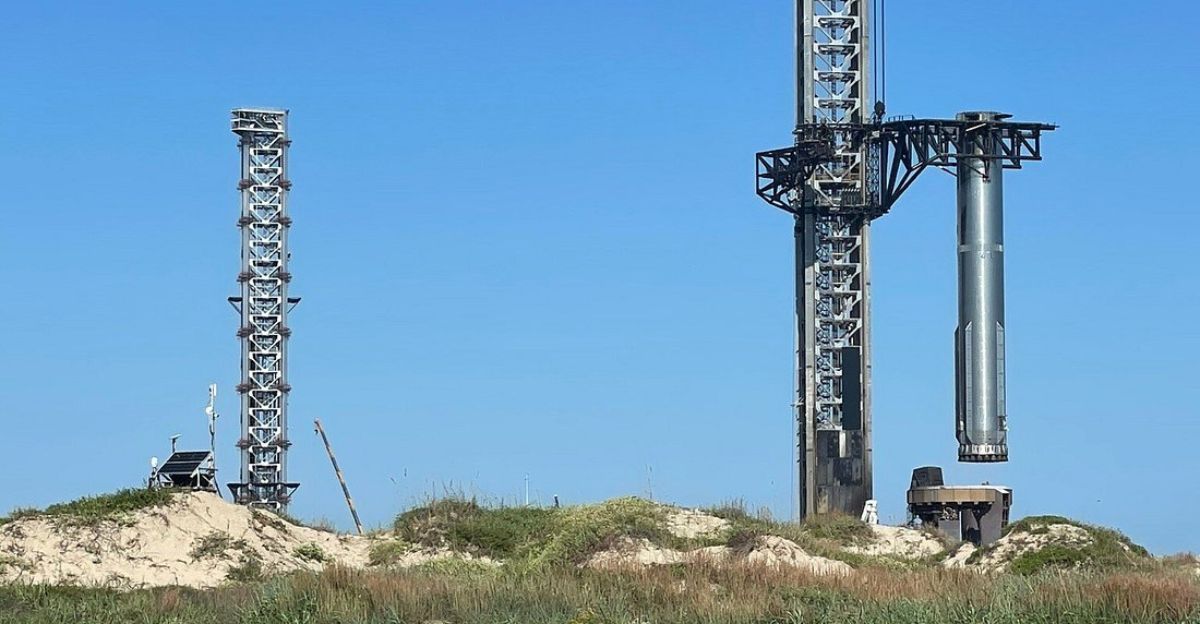
Advocacy groups contend that current Environmental Impact Statements (EIS) for Starship launches do not sufficiently address issues like rocket debris, habitat fragmentation, chronic beach loss, and fuel and particulate matter pollution. They are pressing for stricter oversight, repeated review, and transparent public involvement in future launch planning processes.
A Surfrider spokesperson said, “We’re asking the FAA and SpaceX to follow the law and ensure robust protections for coastal ecosystems and the public’s right to use these beaches. We shouldn’t trade our environment for a private launch pad.”
Federal Oversight and Local Authority Disputes
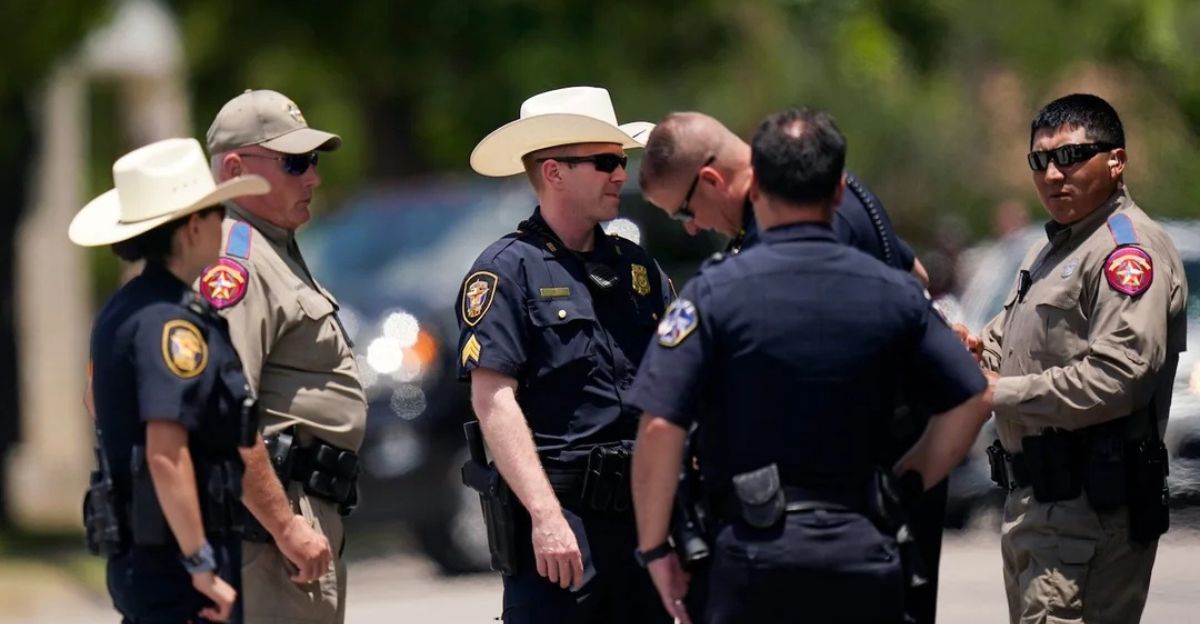
In the past, public access to Texas beaches like Boca Chica was governed by state laws, local county regulations, and oversight from federal agencies like the FAA and the Department of the Interior. SpaceX’s rapid expansion, however, has prompted legislative changes, and SpaceX now has the authority to order beach closures without broader public input.
Residents and advocacy groups are alarmed at being left out of these critical decisions. Some legal experts warn that centralizing authority in a municipality effectively controlled by a private company sets a precedent for privatizing public lands, which could spread to other spaceports and industries.
Infrastructure and Road Closures
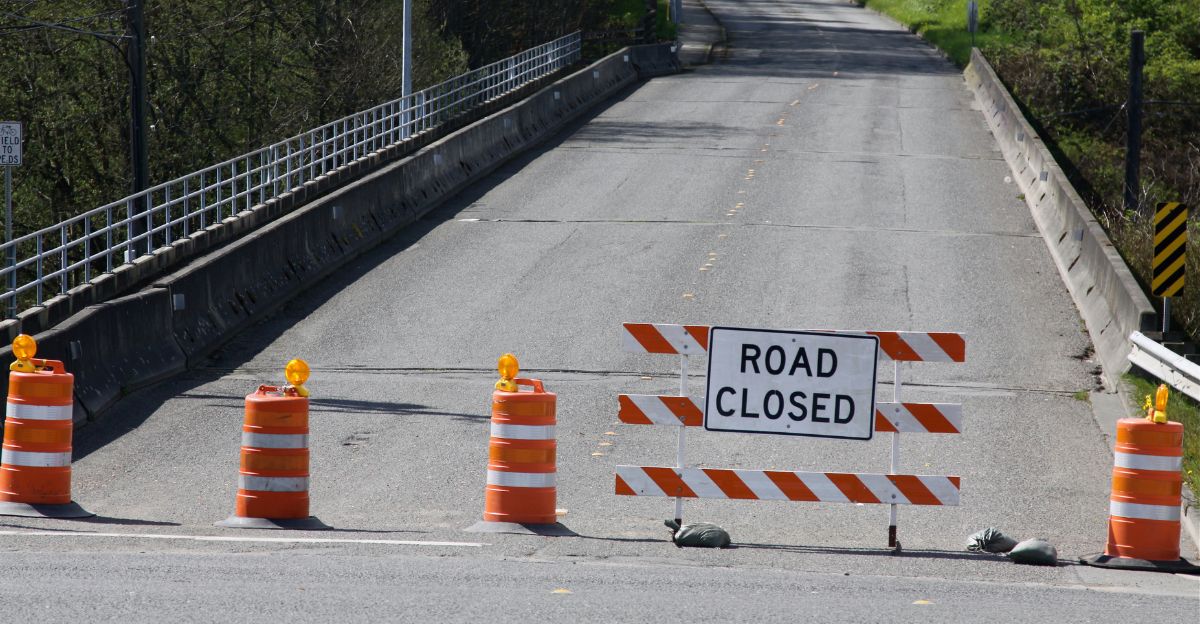
Launch-related closures can block Highway 4 multiple times per month, sometimes for entire days, as the road directly bisects SpaceX’s secure zone. Notices are typically posted several days in advance, but last-minute changes due to scrubs or weather delays make closures hard to predict and plan. One local said, “If you don’t check the portal before leaving, you could drive all the way out and be stopped at a gate. There’s no alternative route.”
Extended closures and restricted access have raised concerns among local emergency service providers. Ambulances and fire trucks require special clearance to enter the closed zones in case of medical or fire emergencies, potentially delaying response times and complicating coordination.
Unique Ecosystems Under Threat
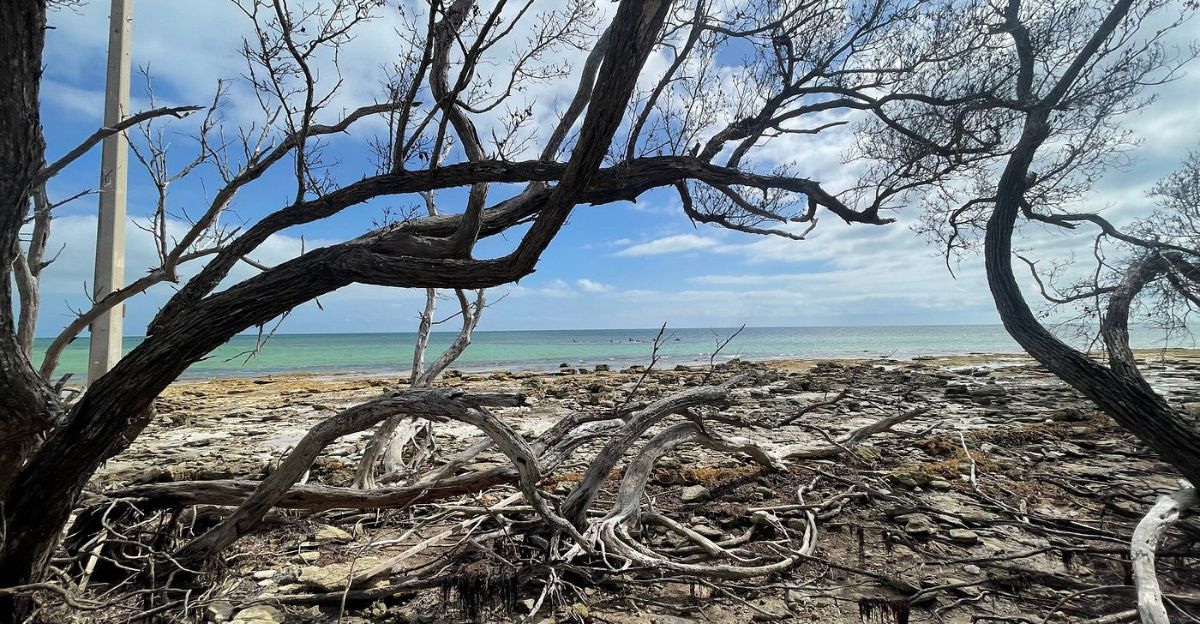
The surrounding areas in Boca Chica Beach in Texas and Playalinda Beach in Florida are home to some rare and sensitive ecosystems that face mounting pressure from SpaceX’s Starship launches and testing. Boca Chica and the Lower Rio Grande Valley National Wildlife Refuge harbor endangered species like the piping plover, Kemp’s ridley sea turtle, and ocelot.
The coastal plant communities here are adapted to harsh, saline conditions but are vulnerable to soil compaction, debris-related changes in water salinity, and rocket particulate fallout. Environmental advocates warn that these unique ecosystems may suffer irreversible damage without tighter oversight and better mitigation strategies. They push for regular ecological surveys, stricter launch schedules, and guaranteed no-launch windows during sensitive wildlife seasons.
Promises of Improved Reliability
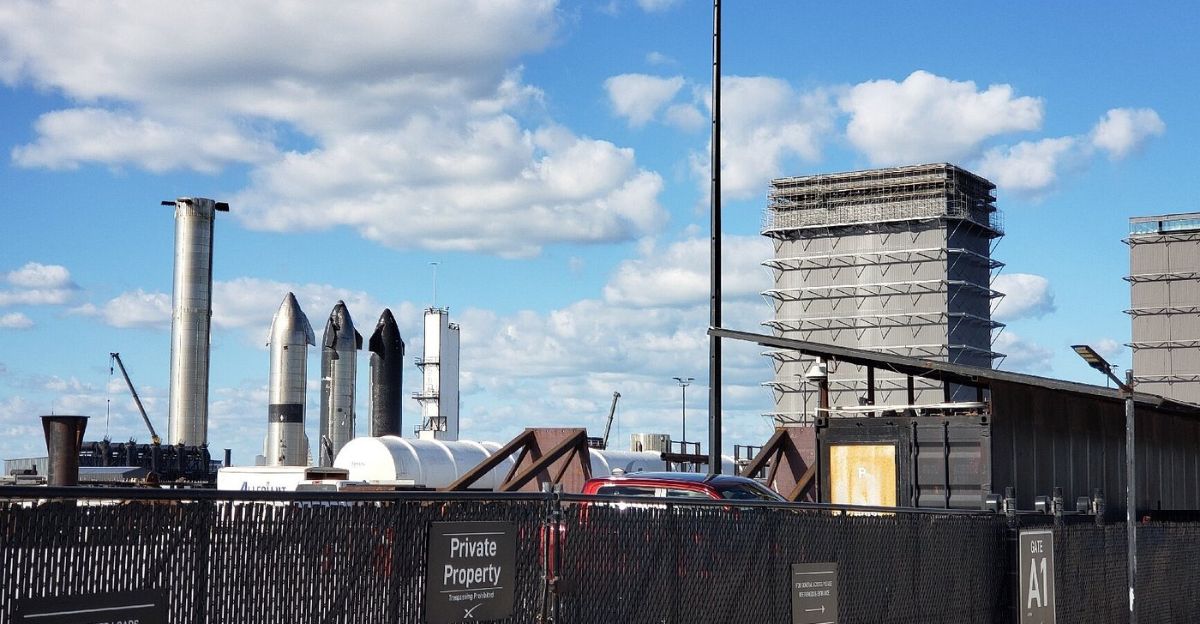
As concerns about the frequency and duration of beach and road closures have mounted, SpaceX and its supporters have repeatedly emphasized that Starship’s reliability will improve over time. SpaceX leadership maintains that the current era is a byproduct of the early testing phase. As Starship matures, they predict that launches and landings will become routine, safer, and less disruptive.
“We expect closure durations will decrease as Starship reliability increases. Our ultimate goal is to make launches as seamless as possible for surrounding communities,” said a company spokesperson.
Tracking and Transparency

In response to public concern about unpredictable beach and road closures due to SpaceX’s Starship activities, SpaceX and local government agencies have tried to increase transparency and improve information flow to affected communities. Dedicated online portals have been created to provide up-to-date information regarding closures and reopening times.
This allows residents, tourists, and businesses to better plan their activities and avoid being caught off guard by sudden access restrictions. In addition to official websites, closure alerts and updates are often disseminated through local news outlets, community social media groups, and text alert systems.
Balancing Space Progress and Public Use
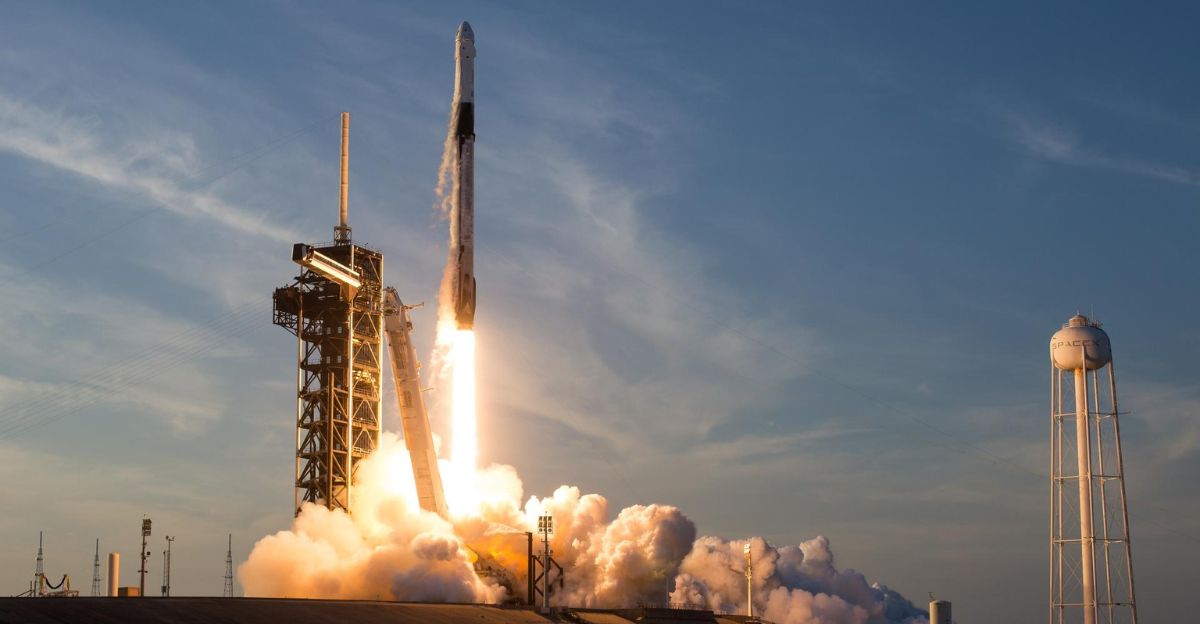
The success of this endeavor will depend on continued innovation in rocket science, policy, community engagement, and environmental ethics. As new technologies mature and the industry learns from early missteps, there is hope that future generations will inherit both the wonders of human spaceflight and the natural sanctuaries that define coastal America.