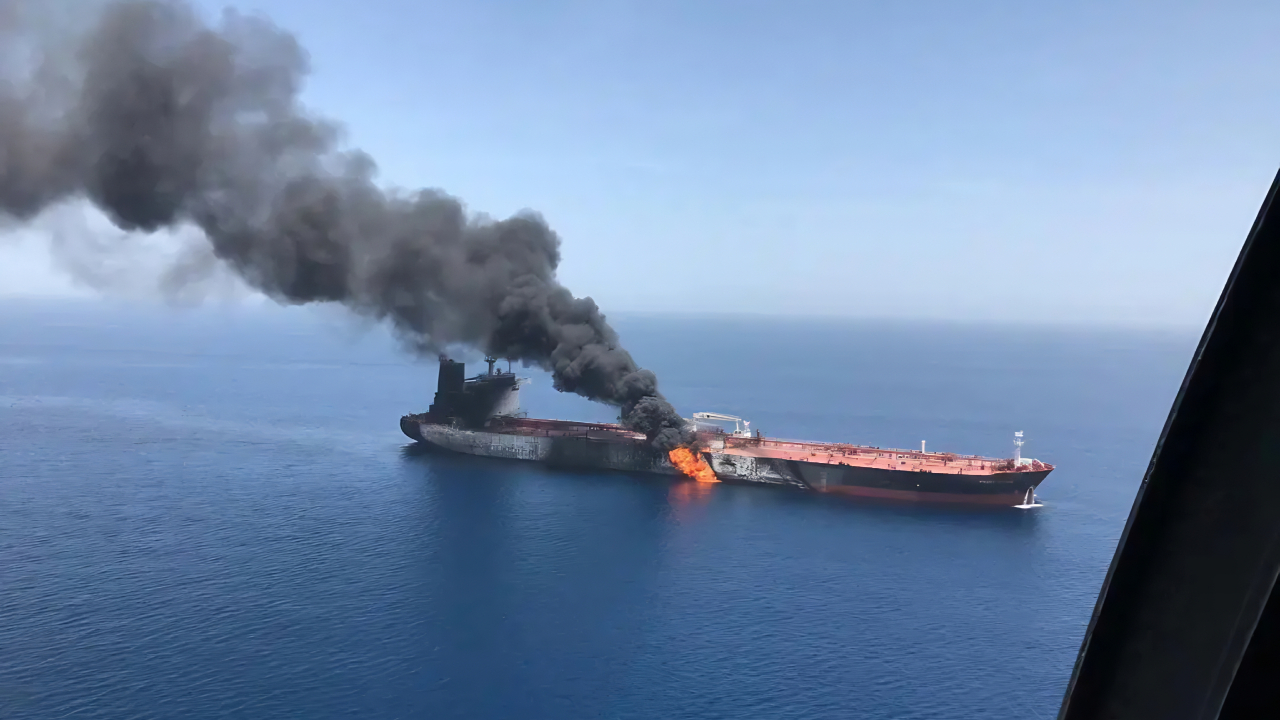
A Russian drone strike on November 17, 2025, ignited the Turkish-flagged LPG tanker MT Orinda at Ukraine’s Izmail port, sending flames and alarm across the Black Sea region. The attack, which occurred just meters from NATO’s borders, forced Romania to evacuate two villages and deploy fighter jets along the Danube, intensifying fears that the war in Ukraine could spill into neighboring countries.
Energy and Conflict Collide
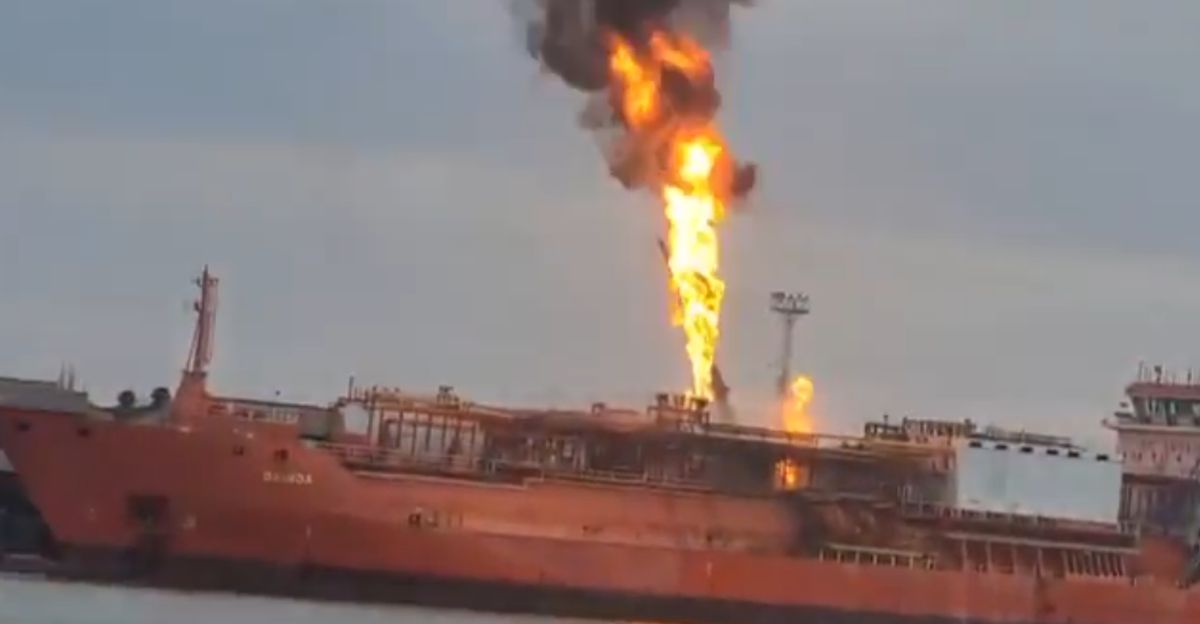
The Orinda strike came one day after Ukraine signed a deal to import U.S. liquefied natural gas (LNG) through Odesa, highlighting the growing intersection of energy and military strategy in the conflict. Russia’s campaign to cripple Ukraine’s energy infrastructure is timed with the onset of winter, aiming to disrupt fuel supplies when demand peaks. The attack on the Orinda, which was carrying 4,000 tons of LPG, underscores how energy security has become a frontline issue, with fuel shipments now targets in the broader geopolitical struggle.
Black Sea Ports Under Threat
The Black Sea’s ports are vital for energy imports and exports, and the Orinda blaze has raised the specter of fuel shortages and surging prices across Ukraine and its neighbors. Disruptions in this region threaten to leave millions without heating as temperatures drop, increasing the risk of blackouts and rationed energy supplies. Shipping companies and insurers are urgently reassessing routes and safety protocols, with some considering halts to operations or demanding higher premiums for vessels carrying high-risk cargo. The attack has triggered emergency reviews of maritime security, especially for ships transporting volatile fuels.
Shifting Energy Routes and Market Response
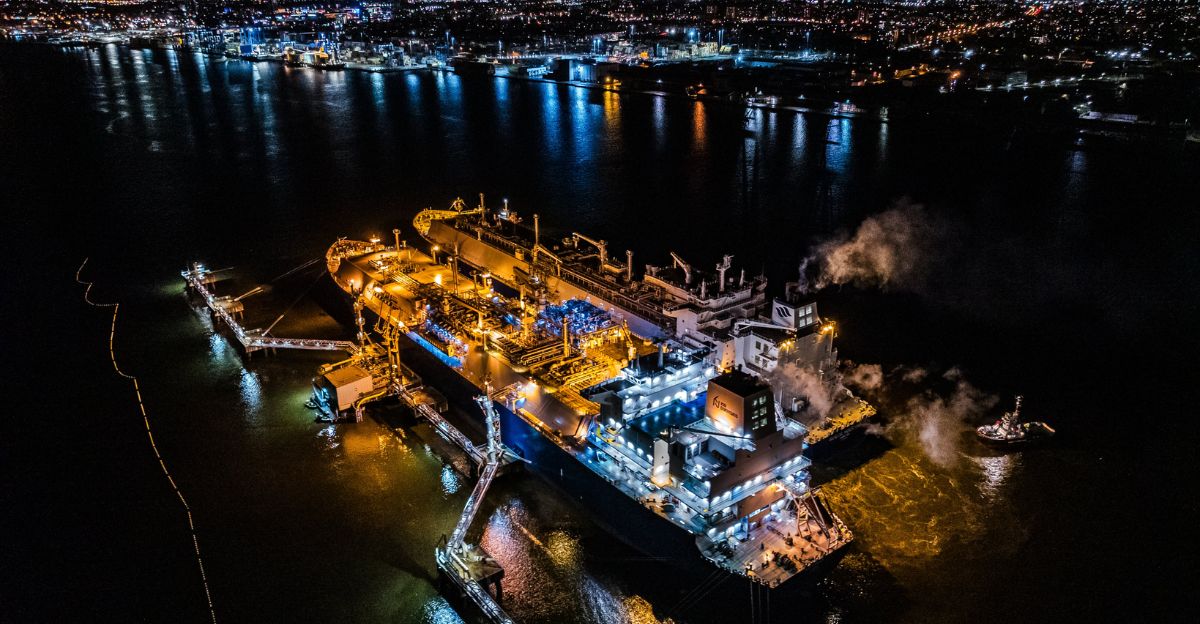
The drone strike, following the U.S.-Ukraine LNG agreement, is accelerating efforts to diversify energy supply routes. European buyers are increasingly seeking alternatives to the volatile Black Sea corridor, with new LNG imports via Greece and expanded pipeline options gaining urgency. Investments are expected to flow into these safer routes, reshaping the region’s energy landscape. Meanwhile, global energy markets are closely monitoring the situation, as shipping disruptions threaten to drive up fuel, transportation, and consumer goods prices across Europe and beyond.
Cross-Border Risks and NATO’s Response
Romania’s evacuation of villages near Izmail and the deployment of F-16 fighter jets reflect the heightened cross-border risks posed by the conflict. The Danube River, a critical trade artery, is now seen as vulnerable to further strikes. Turkey has warned that such attacks escalate tensions in the Black Sea, complicating international trade and security. NATO members are urgently discussing collective security measures, and debates over the alliance’s role in safeguarding the region have intensified. The incident has prompted calls for stronger protection of shipping lanes and renewed focus on preventing further escalation along NATO’s borders.
Humanitarian and Environmental Concerns

All 16 crew members aboard the Orinda were safely evacuated, but the attack left Romanian villagers near the blast site displaced, forced to abandon homes and livestock. The targeting of civilian shipping and infrastructure raises ethical questions about the rules of war and environmental safety. The risk of a major explosion from the Orinda’s LPG cargo has sparked concerns about potential ecological disasters in the Danube and Black Sea. Calls for tighter maritime protections are growing as attacks threaten both human lives and the region’s delicate ecosystems.
Adapting to a New Reality
International shipping and energy firms are reevaluating operations in the Black Sea, investing in heightened security measures to protect vessels and supply chains. Consumers worldwide are watching with concern as disruptions could ripple through markets, causing price hikes on everyday goods. While Ukrainian and Turkish shipping industries reel from the attack, alternative energy suppliers—especially U.S. LNG exporters and Greek pipeline operators—stand to benefit from rising demand for safer routes. Insurance companies may see higher premiums, and regional economies dependent on Black Sea trade could face mounting losses as uncertainty persists.
Looking Ahead: Security and Stability at Stake
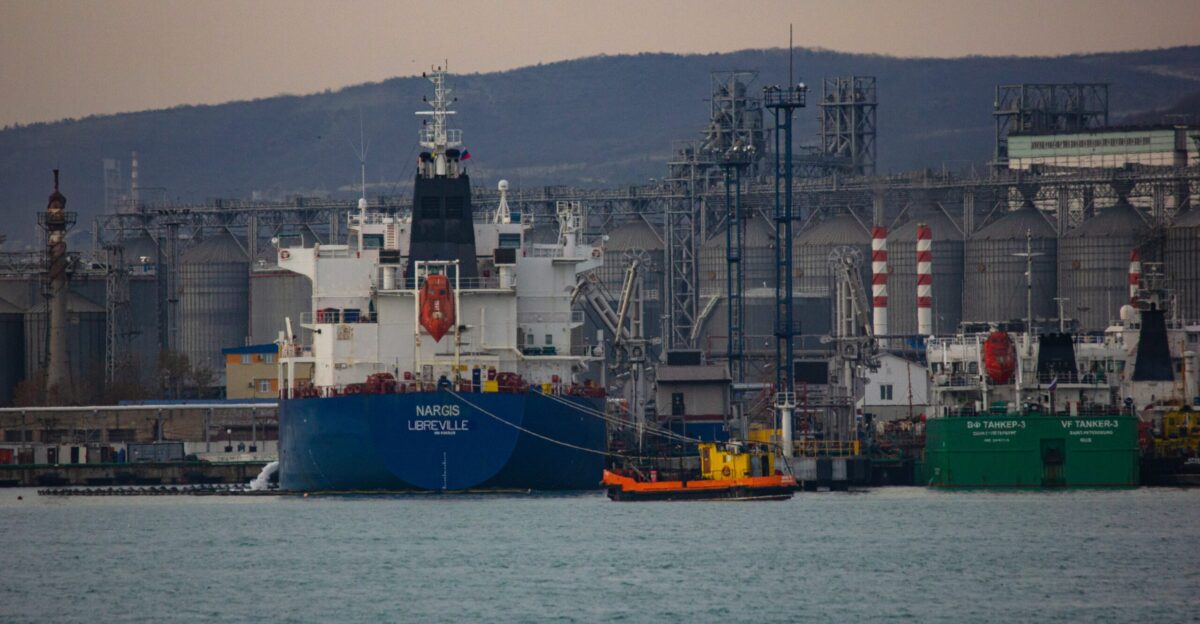
The Orinda incident marks a pivotal moment in the Ukraine conflict, with far-reaching implications for regional security and global energy markets. As attacks on energy and civilian infrastructure continue, the possibility of broader NATO involvement grows. Policymakers and consumers must prepare for ongoing volatility in security, energy, and international trade as the situation evolves, with winter hardships and market instability looming over millions in the region.