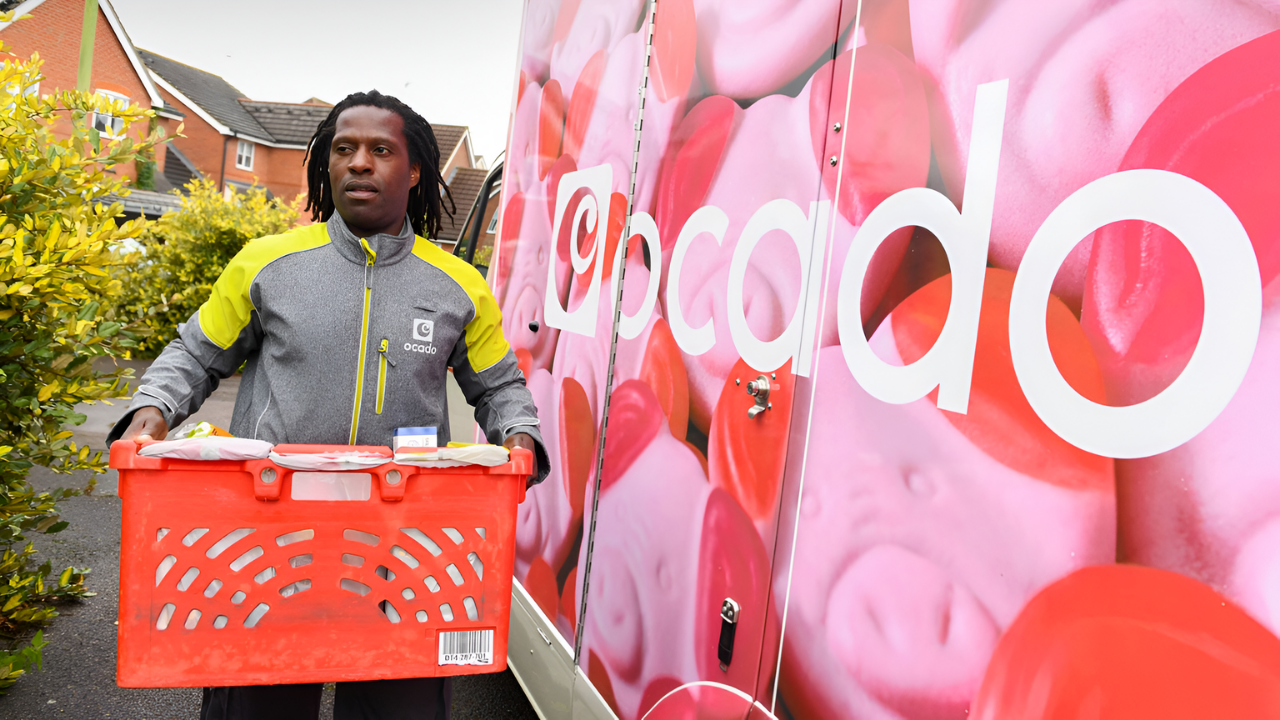
Ocado’s ambitious push into the US grocery market has hit a dramatic roadblock. Partnering with Kroger in 2018, Ocado aimed to revolutionize online grocery delivery by utilizing automated warehouses. Now, eight facilities are shutting down, 1,603+ employees face layoffs, and Ocado’s US ambitions teeter. Here’s what went wrong and how it unfolded.
How Ocado’s US Gamble Began
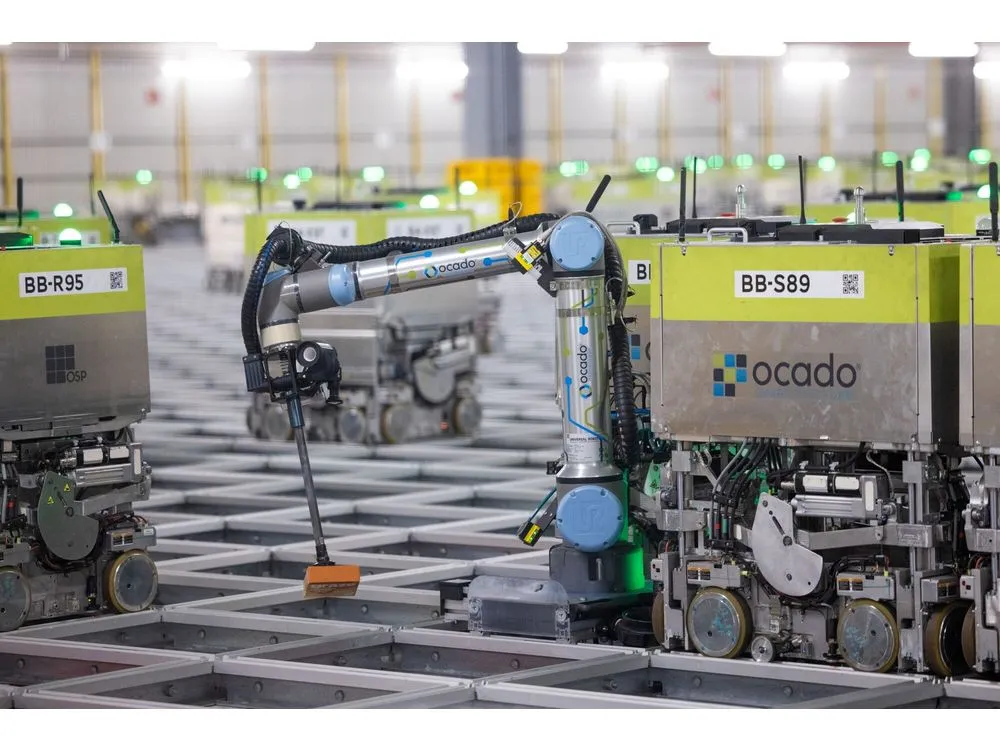
In 2018, Ocado partnered with Kroger to build 20 automated Customer Fulfillment Centers, aiming to prove its warehouse technology could scale profitably in the US. The plan was ambitious, costly, and reliant on high-volume order throughput.
Early optimism was high, with Ocado positioned as the “Tesla of groceries.” But the groundwork for failure was already present in site selection and operational assumptions.
The Backfire Becomes Real
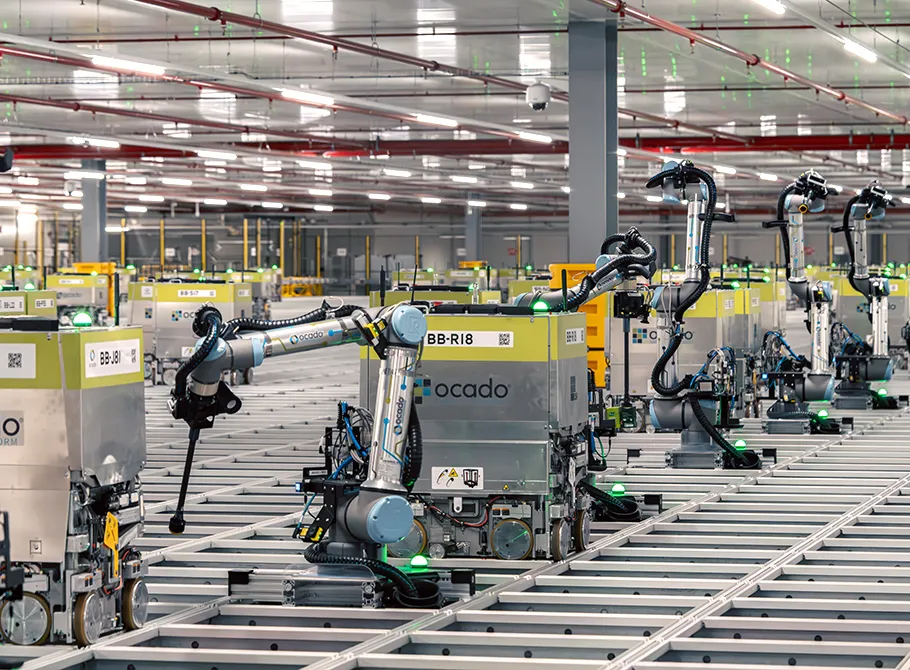
Eight Ocado-powered facilities are set to close by February 2026. Three main CFCs—Groveland, Florida; Pleasant Prairie, Wisconsin; Frederick, Maryland—shut down permanently. Five spoke facilities in Florida, Tennessee, and Oklahoma will also be dismantled.
The closure is not isolated. Each facility’s shutdown cascades through operations, resulting in layoffs and impacting Kroger’s e-commerce strategy. However, understanding the various facility types helps explain the full scale of the collapse.
What Are Spoke Facilities?
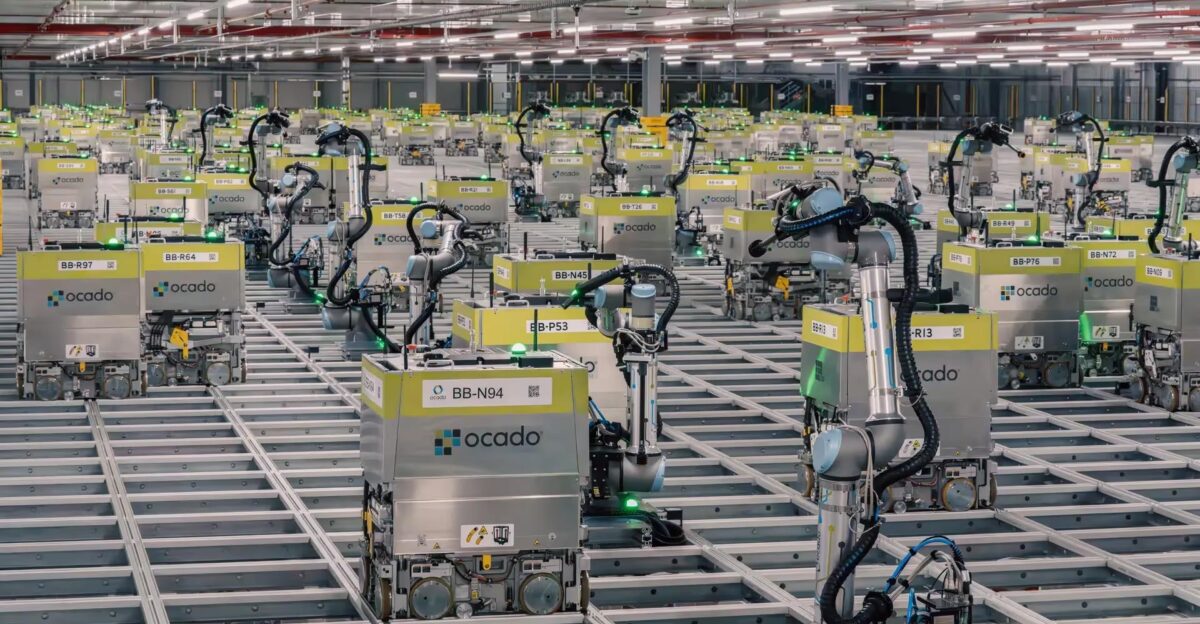
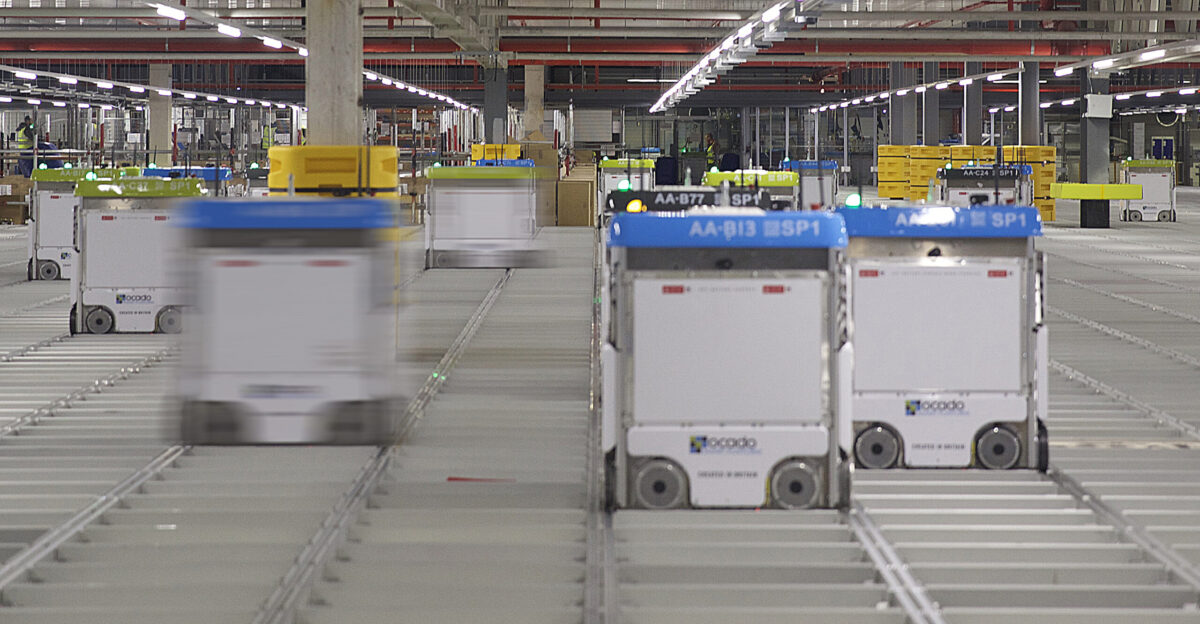
Spoke facilities extend the reach of main CFCs by up to 200 miles. Orders are prepared in automated CFCs using 1,000+ robots in “The Hive” and trucked to spoke facilities for final delivery.
These hubs supported Ocado’s last-mile operations. Their closure signals not just a warehouse problem but a total breakdown of Ocado’s delivery ecosystem in the US.
Main CFCs Facing Closure

The three shuttering CFCs are: Groveland, Florida (340,000 sq ft, 935 jobs, opened June 2021); Pleasant Prairie, Wisconsin (340,000 sq ft, opened June 2022); Frederick, Maryland (opened June 2023, operated only 18 months).
These massive facilities represented Ocado’s technological showcase. Their shutdown highlights how the automated model failed to meet Kroger’s financial and operational benchmarks.
Spoke Facilities Closing
Five spoke facilities are closing: Rockledge, Florida (53 jobs), Tampa, Florida (234 jobs), Jacksonville, Florida (181 jobs), Nashville, Tennessee (connected to Atlanta CFC), and Oklahoma City, Oklahoma (191 jobs).
Who Is Affected Most
Over 1,600 warehouse and delivery employees are expected to lose their jobs by February 1, 2026. Groveland alone has 935 affected workers, a significant economic blow for the local community.
Shareholders saw £300 million wiped off Ocado’s market value in a single trading day, while Kroger’s e-commerce customers lost automated fulfillment options. The fallout extends well beyond warehouse floors.
Financial Fallout Explained
Kroger will take a $2.6 billion impairment charge in fiscal Q3 2025 due to closures. Ocado expects a $50 million annual revenue loss from facility fees starting FY26.
Ocado shares fell 21.9%-22% on November 18-19, marking the most significant single-day market value loss in recent history. These numbers hint at broader credibility challenges for the business model.
Original Ambitions Versus Reality
The 2018 vision aimed to achieve 20 CFCs within three years. Only eight were built, and three are closing, an 85% reduction from the original plan.
Even two new planned sites in Charlotte and Phoenix now face uncertain timelines. Early optimism clashes sharply with the harsh reality of operations, revealing the accurate scale of the gamble’s failure.
Kroger’s Admission Of Failure
Kroger stated on November 18: “The three shuttering CFCs had not met the benchmarks we set for success” and “were not meeting financial expectations.”
Interim CEO Ron Sargent explained the shift to store-based fulfillment. This public acknowledgment marks a clear turning point for Ocado’s US strategy. Could this signal the end of their expansion?
The Pivot To Store-Based Fulfillment
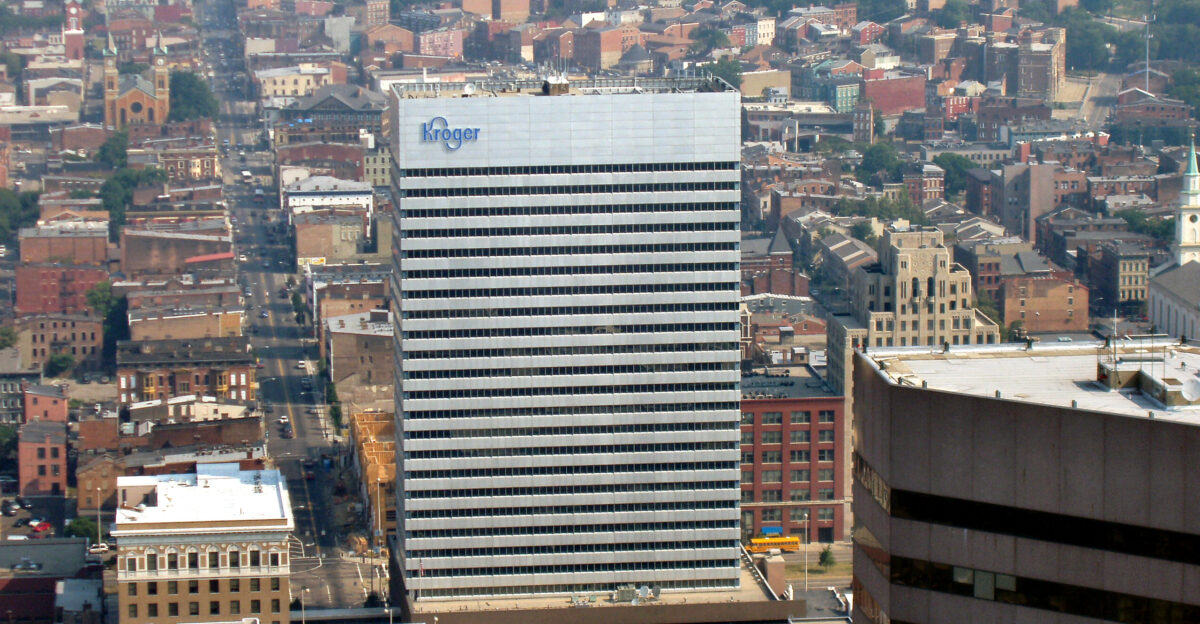
Kroger is now prioritizing its 2,700-store network for same-day delivery and partnering with Instacart, DoorDash, and Uber Eats.
This approach is projected to boost e-commerce profitability by $400 million in 2026, showing a decisive move away from Ocado’s expensive automated warehouses. The change highlights a trend in grocery logistics strategy.
Timeline Of The Collapse
Groveland, Florida, opened in June 2021, Pleasant Prairie in June 2022, and Frederick in June 2023. By September, Kroger launched a “site-by-site analysis,” signaling closures.
The final shutdown announcement on November 18, 2025, marked the beginning of permanent layoffs by February 1, 2026. The speed of decline contrasts sharply with years of planning.
Geographic Challenges Hurt Ocado
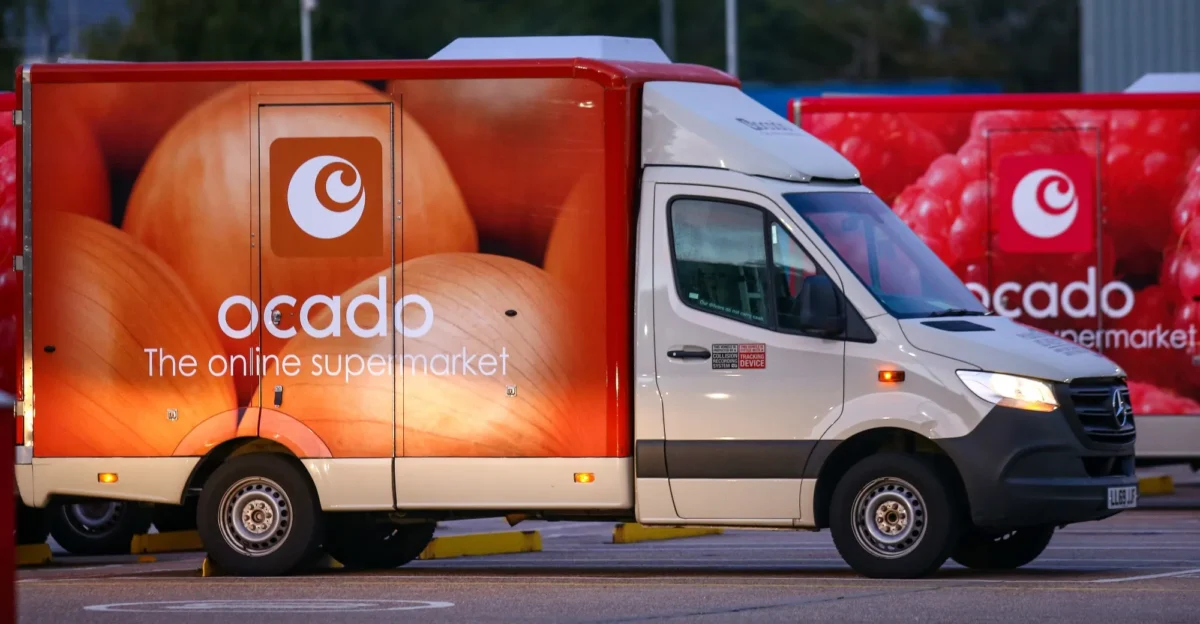
CFCs were mostly placed in the Midwest and the South, where Kroger’s customer density is lower. Analysts cite poor site selection as a key factor.
Competitors like Walmart and Amazon dominate dense urban markets. Ocado’s centralized model required high population density, exposing structural flaws in the US rollout.
Fundamental Business Model Misfit
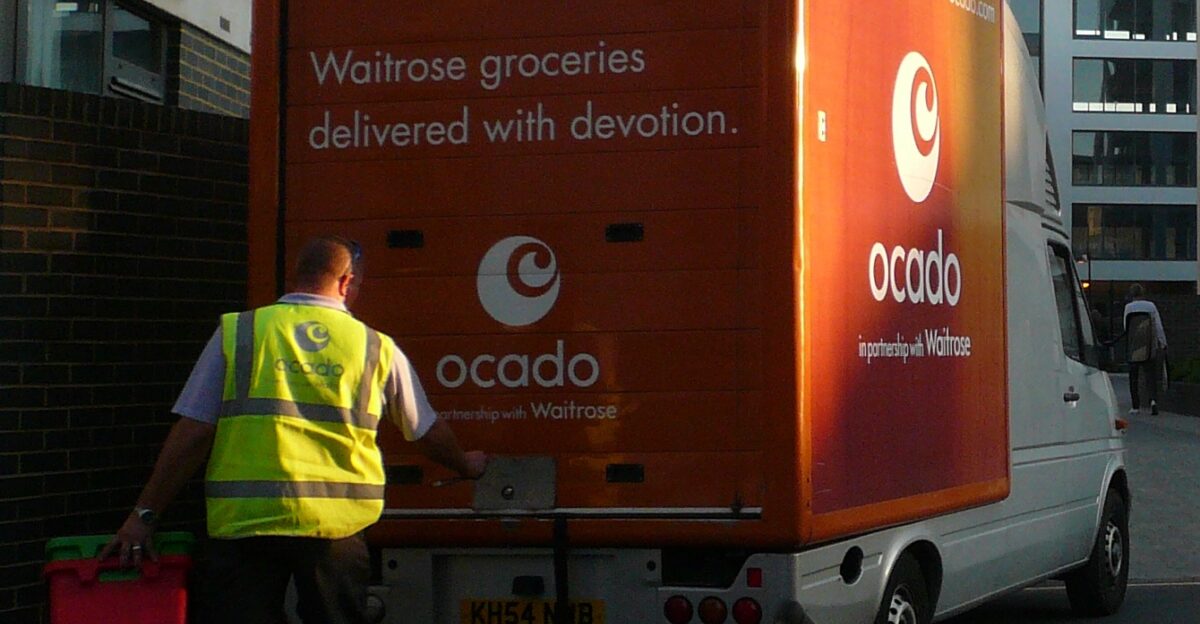
Ocado’s automated model thrived in dense UK cities but struggled across sprawling US regions. Lower order volumes and higher vehicle miles made operations unprofitable.
Analyst William Woods noted Ocado is “an incredibly expensive solution” for US grocery delivery. The failure highlights the limitations of transplanting a UK model without adapting it to local market conditions.
Leadership Disruption Accelerated Decline
Rodney McMullen’s March 2025 resignation removed Ocado’s strongest internal advocate. Interim CEO Ron Sargent showed little commitment to the partnership and rapidly reassessed the network.
Brittain Ladd explained on November 17, 2025: “The partnership between Ocado and Kroger failed because of poor decisions made by Ocado CEO Tim Steiner and other Ocado executives… No one had an answer.
Competitive Pressures And Market Reality
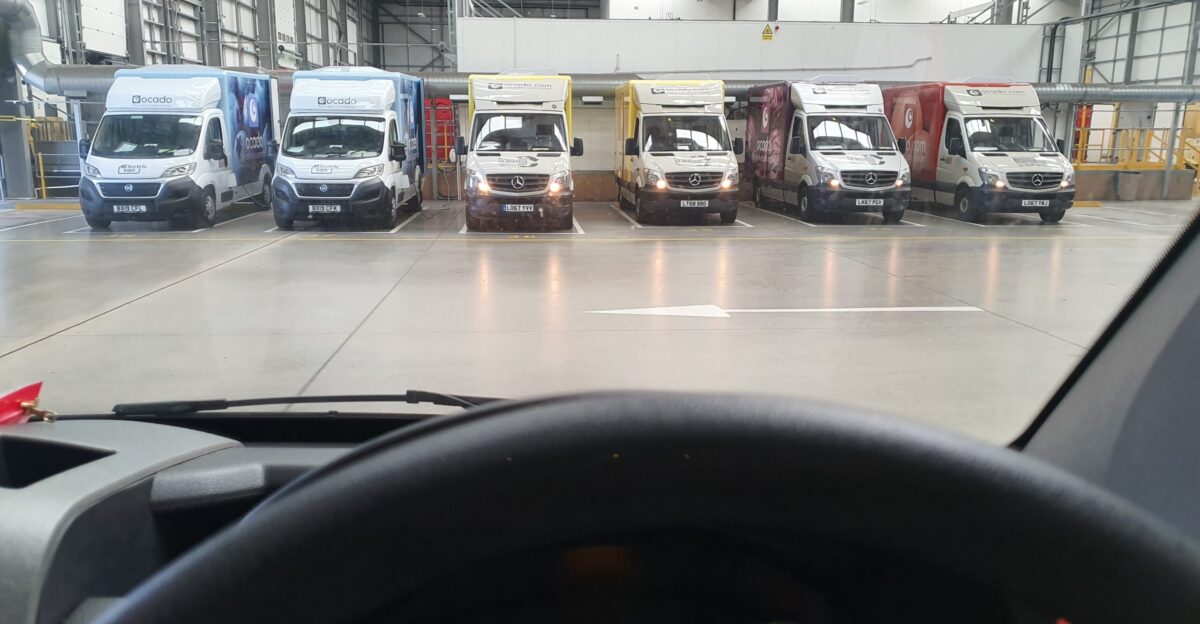
Consumers favored 30-minute to 2-hour deliveries. Third-party platforms like Instacart, DoorDash, and Uber Eats have efficiently captured rapid-delivery demand.
Kroger’s own data confirms that fulfillment is achieved from 97% of stores within two hours, making Ocado’s centralized approach redundant. Could this signal a permanent shift in how US grocery delivery is structured?
The Domino Effect Of Failures

Low order volume caused underperforming CFCs, triggering contract clauses for early closure. Facility shutdowns led to a $2.6B impairment and wiped £300M off Ocado shares.
Analyst downgrades, job losses, and halted expansion completed the cascade. The failure represents a near knock-out punch to Ocado’s ambition to become the “Tesla of groceries.”
Looking Ahead For Ocado
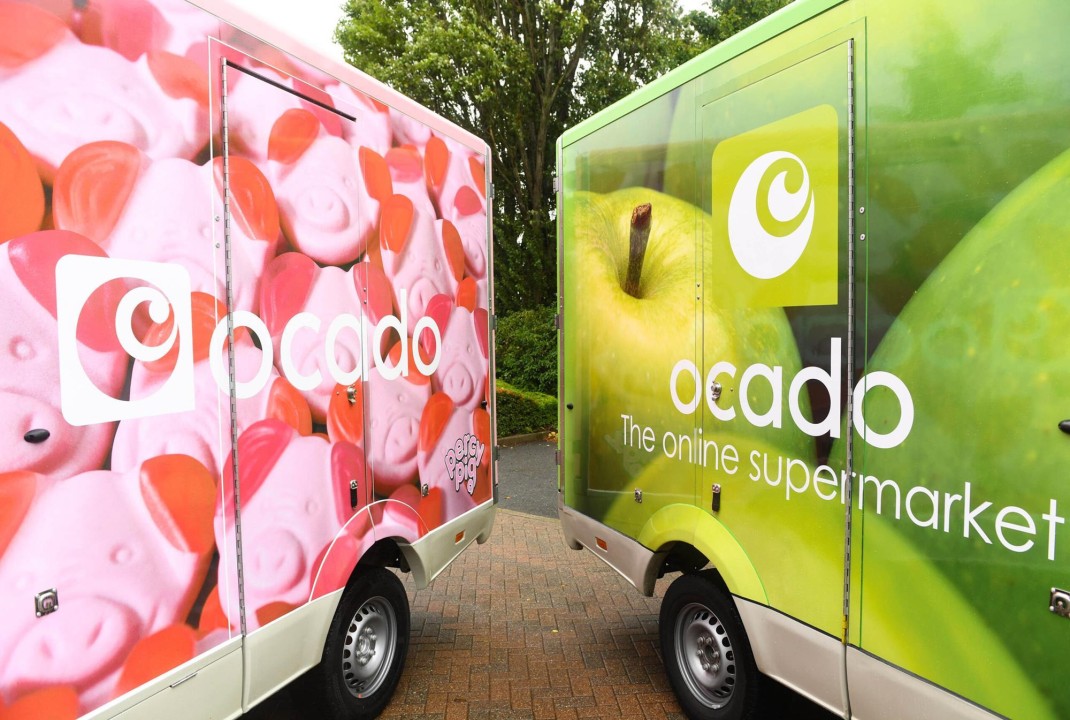
The remaining five CFCs continue operations, and Kroger provides $250 million+ in compensation. Ocado expects future growth in the US despite setbacks.
However, analysts predict that new partnerships will be challenging, and two planned sites may never come to fruition. The US gamble illustrates the risks of rapid, tech-driven expansion into unfamiliar markets.