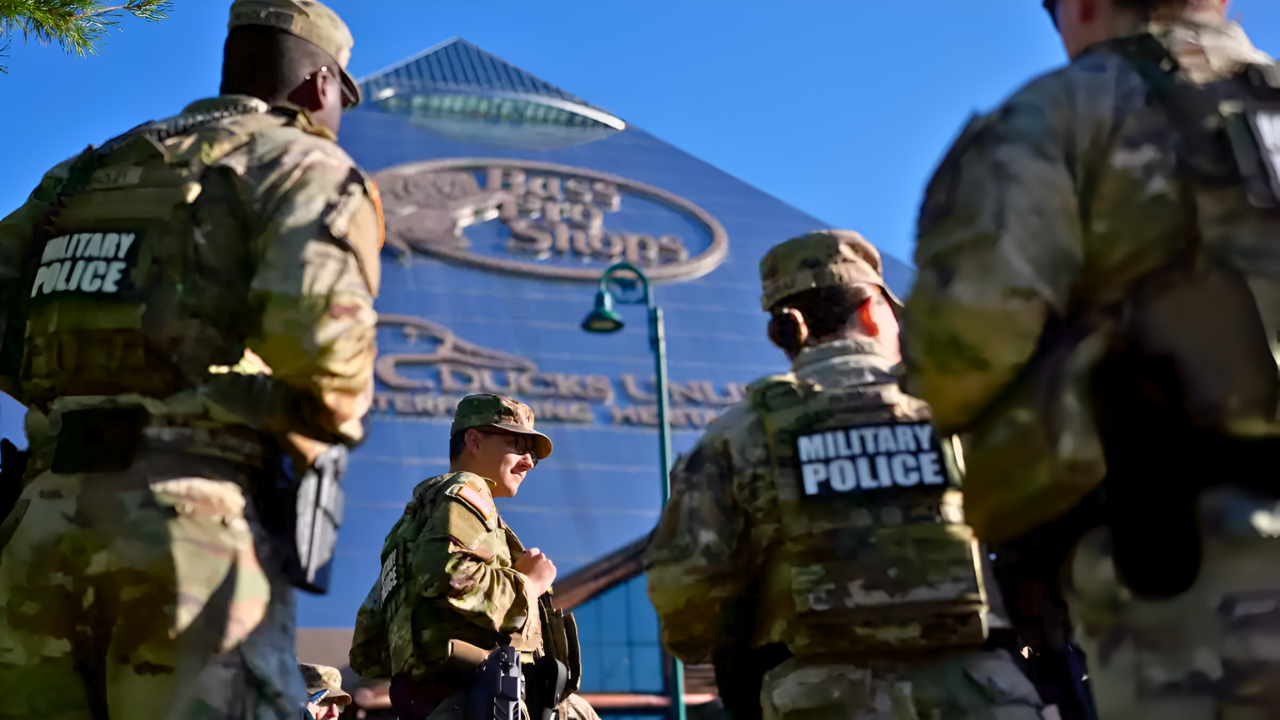
Memphis residents are waking to an unprecedented military presence. Secretary of War Pete Hegseth plans to deploy up to 1,000 National Guard troops, with an estimated $226 million cost, citing a “violent crime emergency” in the city.
President Trump issued a memorandum establishing the Memphis Safe Task Force on 14 September 2025. Let’s look into what this deployment really involves.
Who Authorized the Operation?
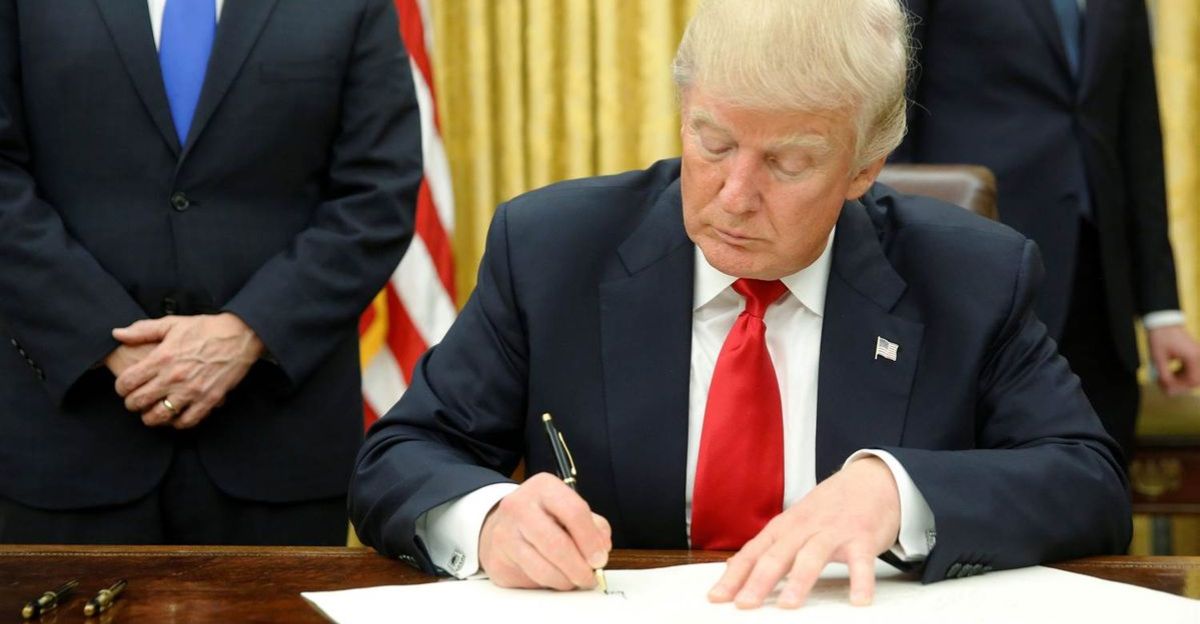
President Donald Trump and Governor Bill Lee jointly authorized the deployment under Title 32. Secretary Hegseth formalized the plan on 15 September 2025, marking the first use of the 1947-retired title “Secretary of War.”
The National Guard remains under state command while coordinating with federal agencies. Yet, local officials dispute the legality, hinting at a complex political clash ahead.
Local Leaders Push Back

Memphis Mayor Paul Young stated on 7 October, “I never requested that the Guard come to Memphis. I wanted the task force to focus on targeting violent offenders rather than use their presence to scare, harass or intimidate the general public.”
Shelby County Mayor Lee Harris filed a lawsuit on 19 October 2025. The influence of local opposition on troop operations remains uncertain.
Who Is Affected?
Approximately 650,000 residents now live under a military-policed environment. Over 2,800 individuals have been arrested, with families facing legal and detention costs.
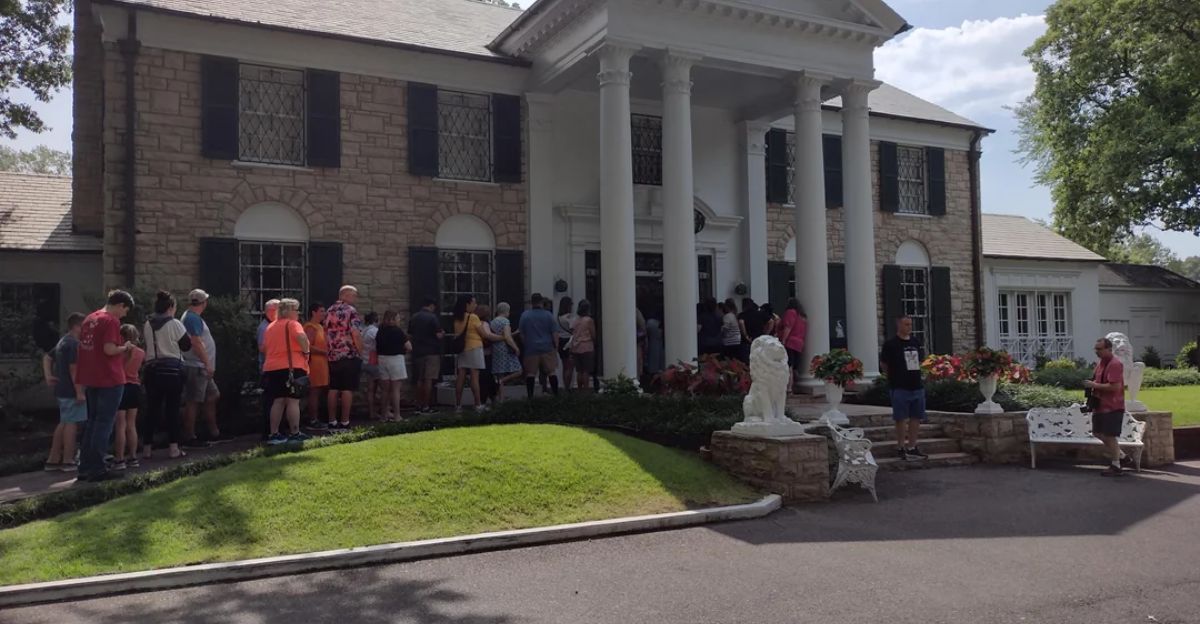
Tourism hubs like Graceland and Beale Street, employing hundreds and generating $150 million annually, experience reputational effects. National Guard reservists, many in essential civilian roles, are temporarily removed from healthcare, logistics, and manufacturing, creating broader disruptions.
What The Deployment Entails
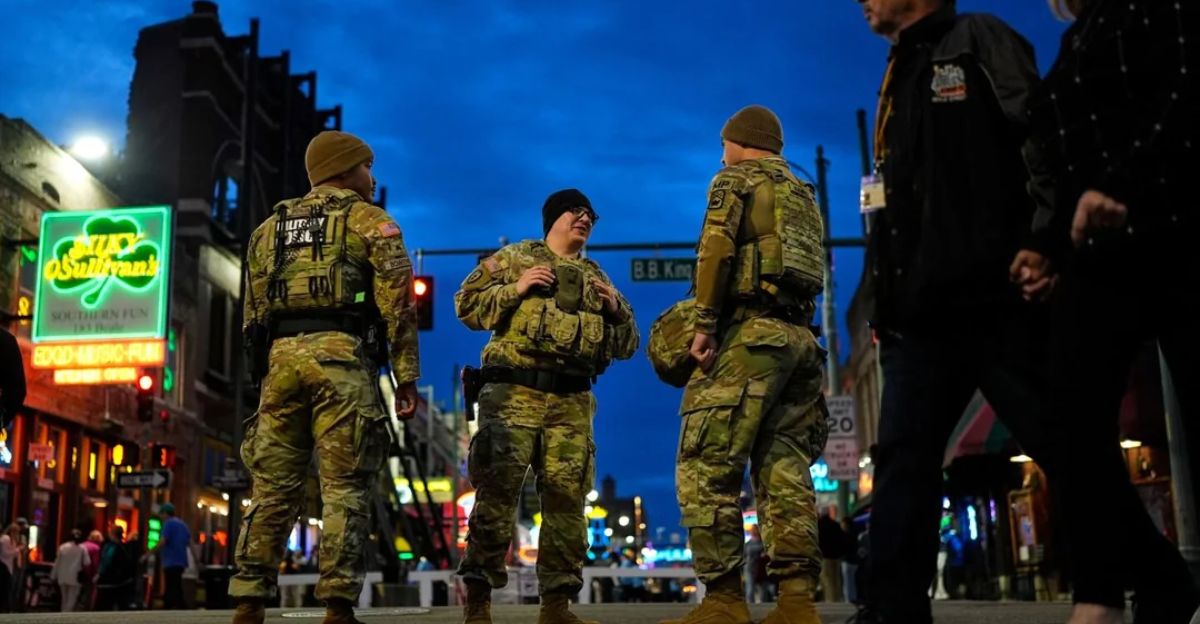
Currently, 140–180 troops operate in Memphis with a surge to 350 expected soon. Up to 1,000 troops may remain through September 2026, costing $226 million annually or roughly $226,000 per soldier at full deployment.
The Memphis Safe Task Force coordinates 30+ federal and state agencies, focusing on aggressive law enforcement, hypervigilant policing, and neighborhood saturation. Yet operational methods have drawn scrutiny.
Arrests and Seizures Under Scrutiny

As of mid-November 2025, nearly 3,000 arrests were reported, including four homicide suspects, 450+ illegal firearms, and 114 missing children. Over 2,800 traffic citations were issued.
ProPublica and MLK50 reports show 96% of minor-infraction arrests targeted African-American residents. Critics argue this contradicts the 2023 city council bans on pretextual traffic stops. Could this approach harm community trust?
Crime Data Contradictions
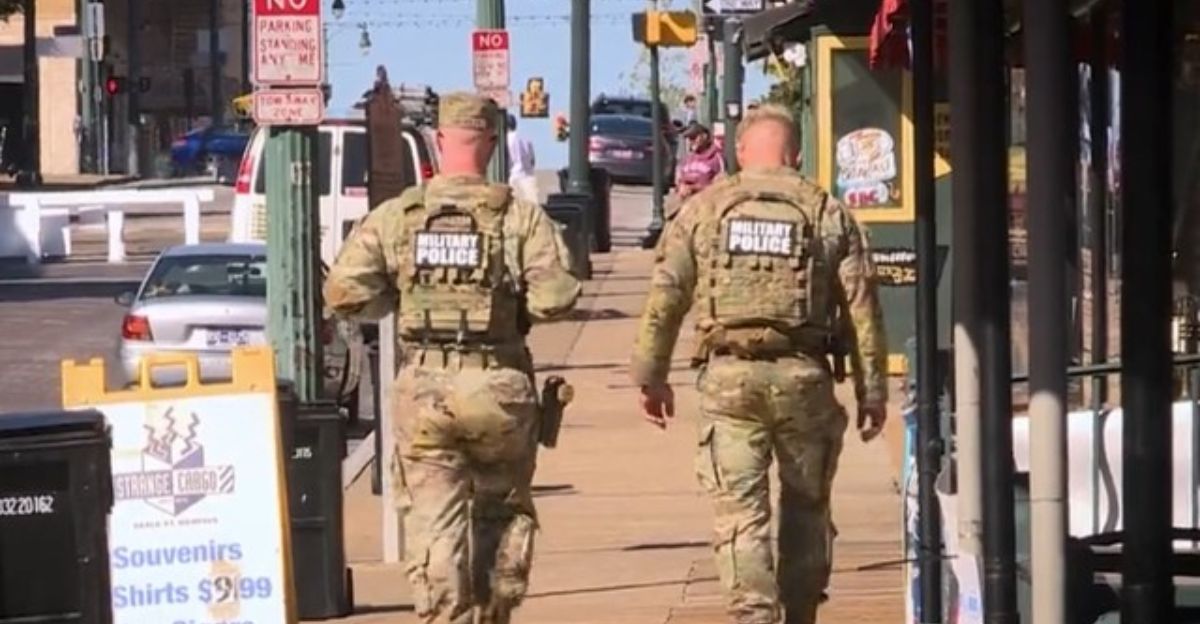
FBI 2024 data indicated 15,000 violent crimes across a nine-county metro area, used to justify deployment. Yet Memphis Police statistics show murder at a six-year low and overall crime down 23% by September 2025.
Dr. Thaddeus Johnson noted, “Our political leaders need to be really careful on how they talk about crime. Do they talk about the definitions?”
Legal Challenges Begin
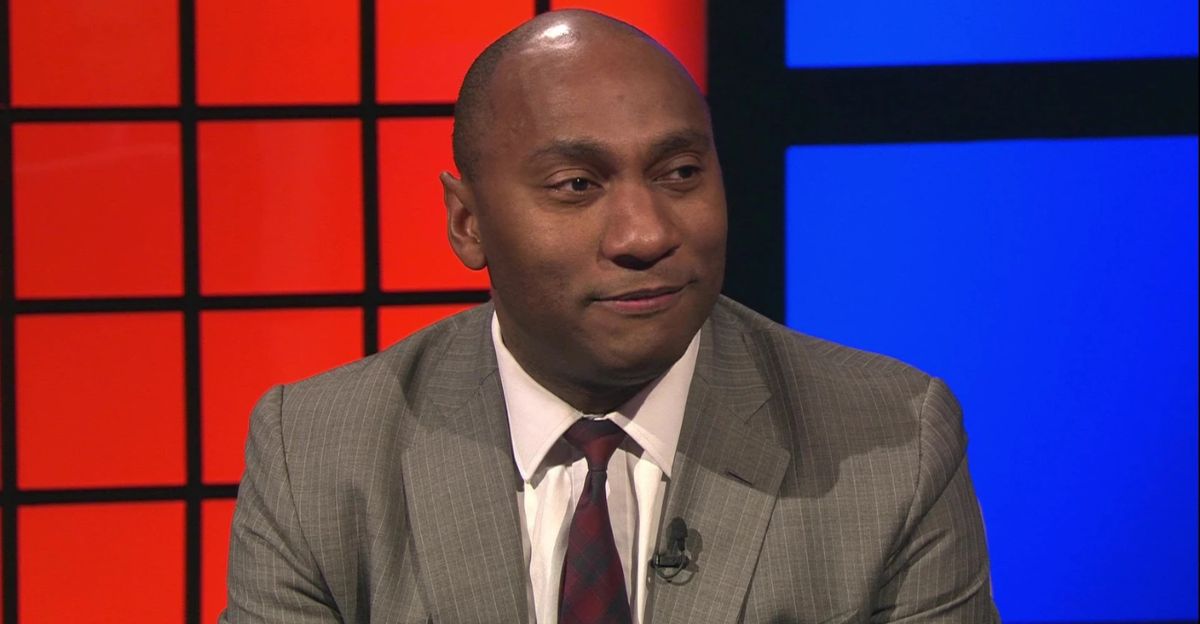
Shelby County Mayor Lee Harris argued deployment violated state law, as there was “no rebellion or invasion.” On November 18, Judge Patricia Head Moskal blocked the Guard but stayed the order for five days, allowing for appeals.
The case highlights constitutional tensions between state sovereignty and federal authority, with precedent potentially reaching the U.S. Supreme Court.
Official Statements Support Deployment
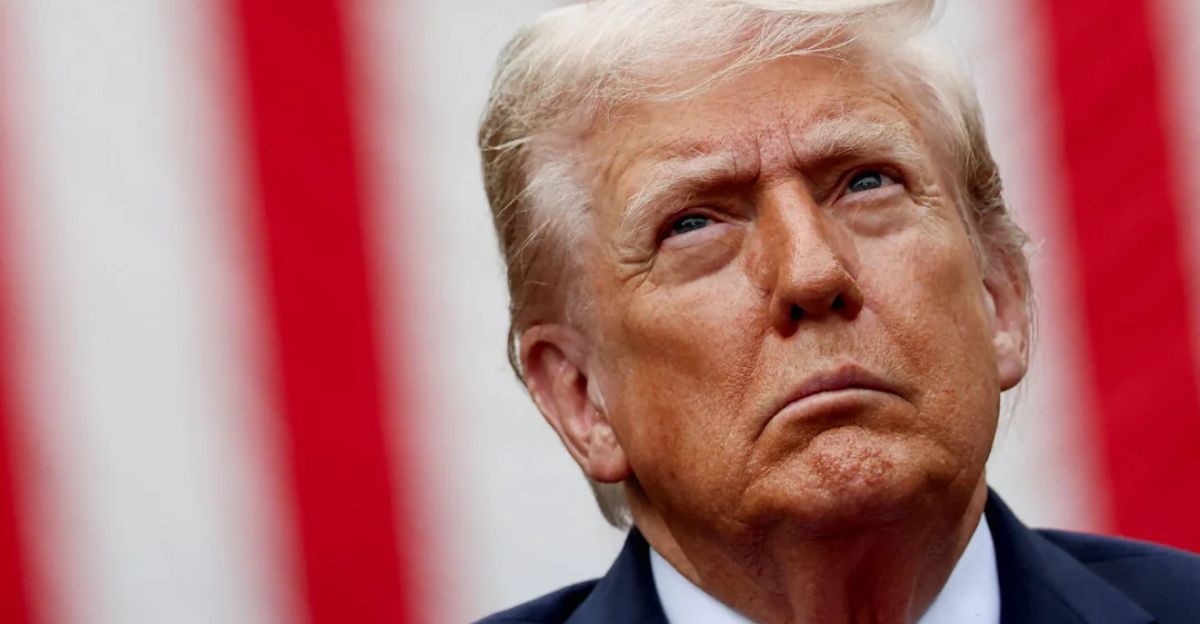
President Trump declared, “We’re heading to Memphis. Memphis is in serious trouble.” Governor Lee’s director, Elizabeth Lane Johnson, added on 19 November 2025, “Memphians know their city is facing a violent crime emergency that the state must address.”
Federal and state officials emphasize safety improvements, yet local critics question whether the narrative reflects reality. How will this narrative affect public perception?
Mixed Local Reactions
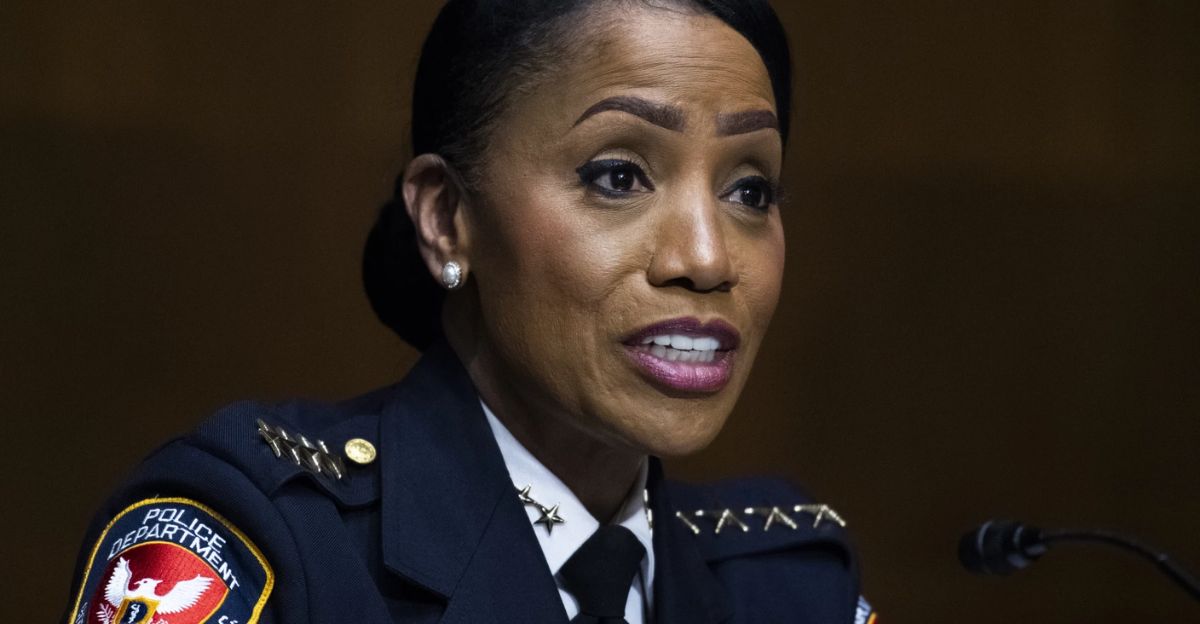
Police Chief C.J. Davis noted on 19 November, “We believe that, contrary to media reports, people are noticing a positive change — they are observing fewer emergency calls.”
Dr. Jeff Warren of the Memphis City Council questioned, “Many are saying ‘I can’t go out; crime is so high,’ but I’m not witnessing that myself.” The contrast between perception and data is stark.
Operational Controversies
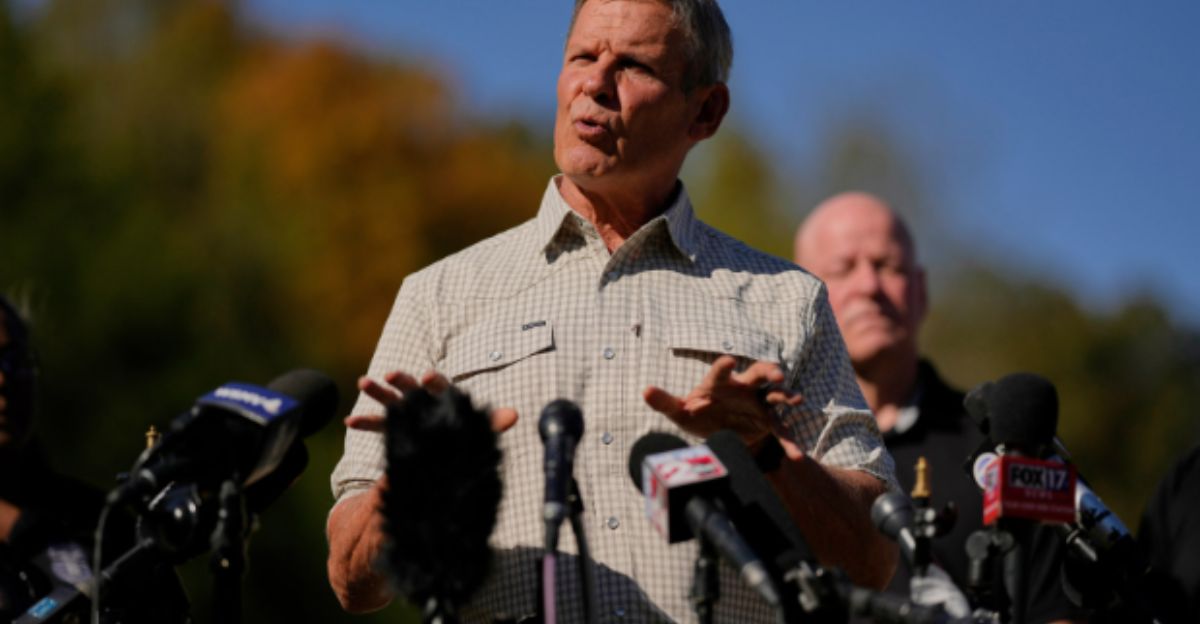
The task force relies heavily on pretextual stops for minor infractions like broken taillights. This operational method conflicts with 2023 city ordinances and disproportionately affects Black residents.
U.S. Marshals spokesperson Ryan Guay defended officers, saying these claims are unfounded. Still, scrutiny over enforcement methods continues, and critics warn of long-term community impact.
Financial Burden
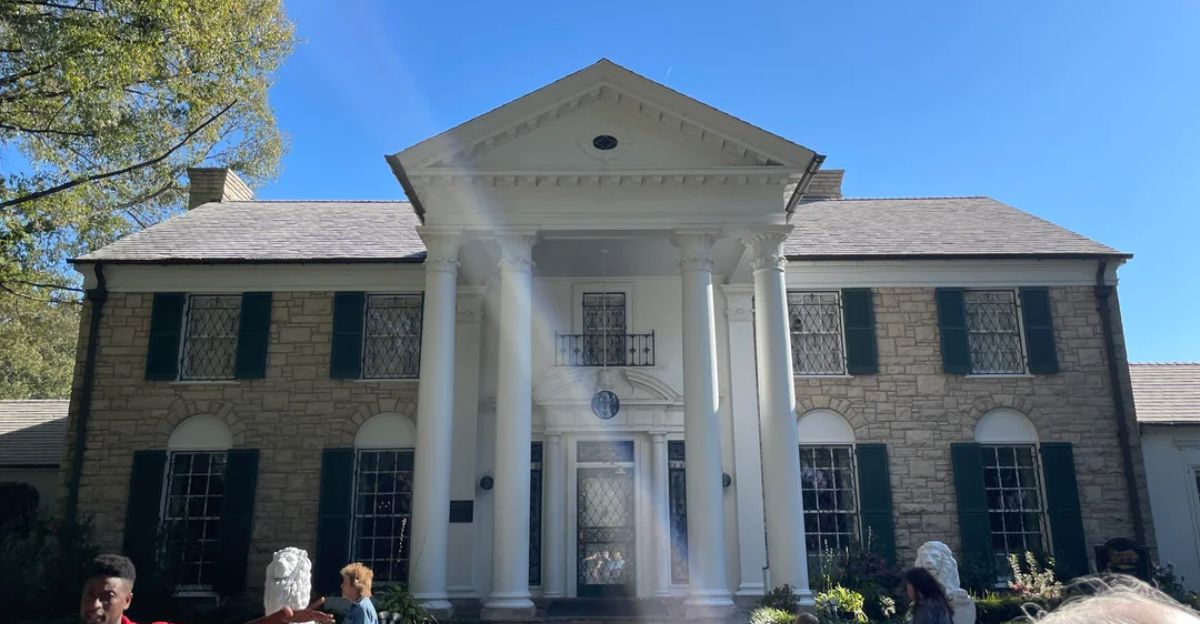
Federal deployment costs $226 million annually; per-soldier cost roughly $226,000. Shelby County absorbs $6–12 million in detention costs for arrested individuals, creating a local budget strain.
Graceland alone generates $150 million annually, underscoring the significant economic impact. The financial imbalance between federal authorization and local cost-sharing raises concerns over sustainability.
Political Context
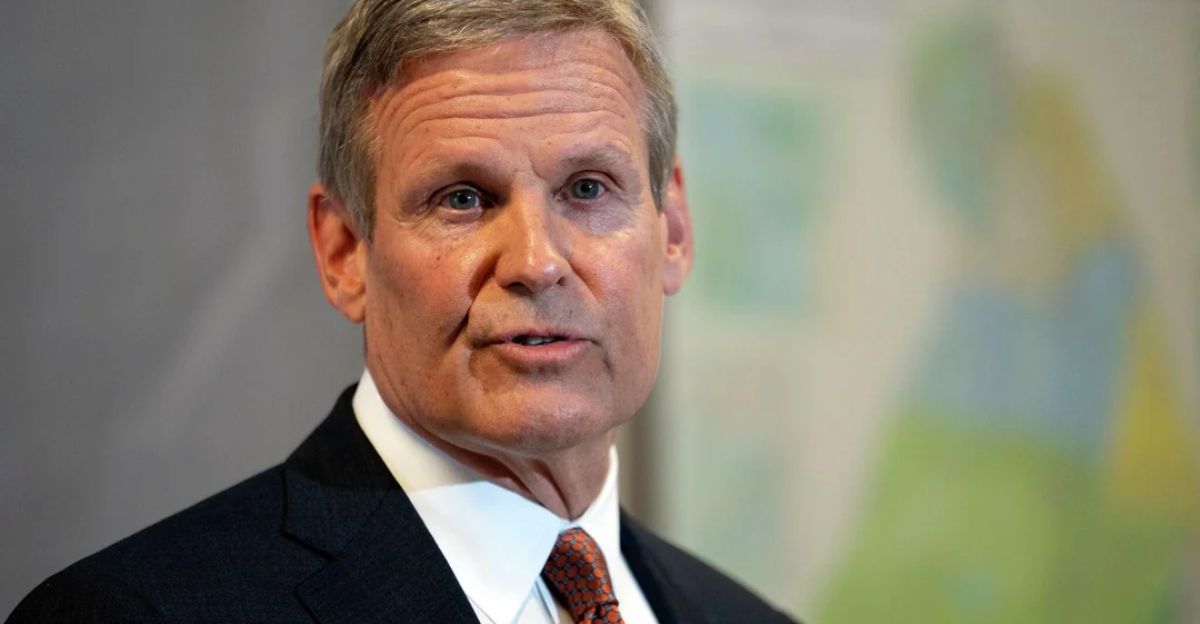
Deployment aligns with Trump’s broader agenda targeting Democratic-led cities despite Republican Governor Lee’s support. Louisiana residents told Reuters on 13 September 2025, “The proposed deployment is more of a political maneuver than an authentic solution to crime.”
The Memphis operation could set a precedent for federal intervention in cities preemptively, affecting future political and legal landscapes.
Historical Significance

This represents the most extensive peacetime domestic military deployment in U.S. history, exceeding typical small-city police budgets. Hegseth is the first Secretary of War since 1947.
The outcome of the November 23, 2025, appeal window may redefine civilian control of the military and the legal boundaries for Title 32 domestic operations.
What Comes Next?
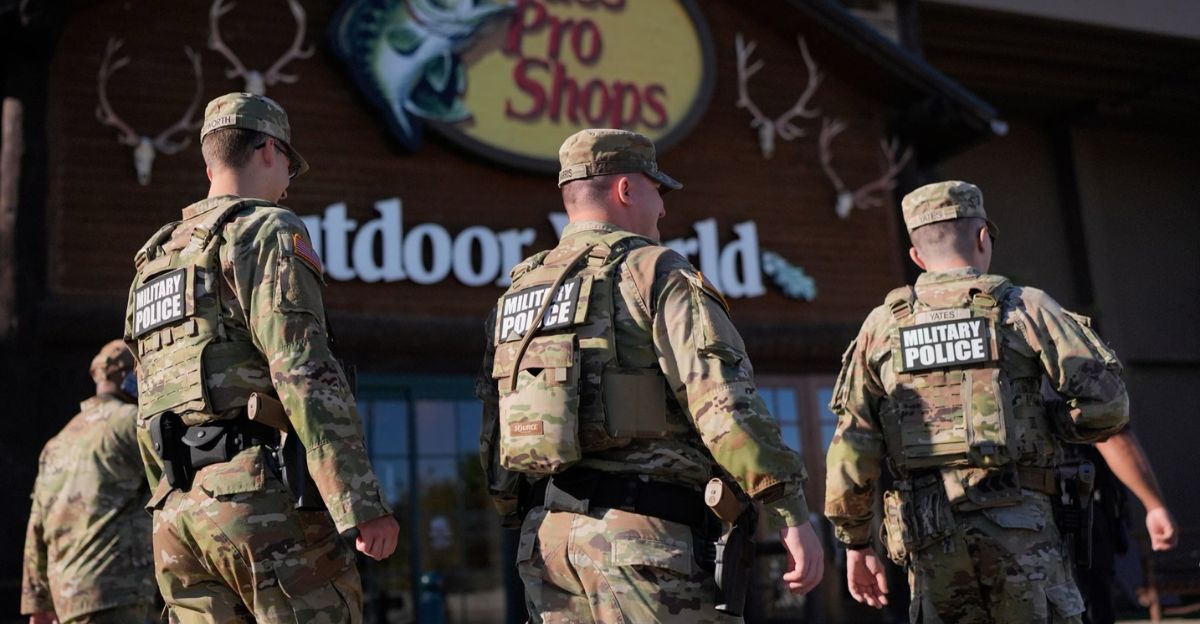
The appeal decision will determine if National Guard operations continue or halt, potentially setting a constitutional precedent. Meanwhile, 650,000 residents live under extraordinary law enforcement measures.
Legal, financial, and operational questions remain unresolved. The intersection of crime data, political strategy, and military enforcement ensures this debate is far from over.