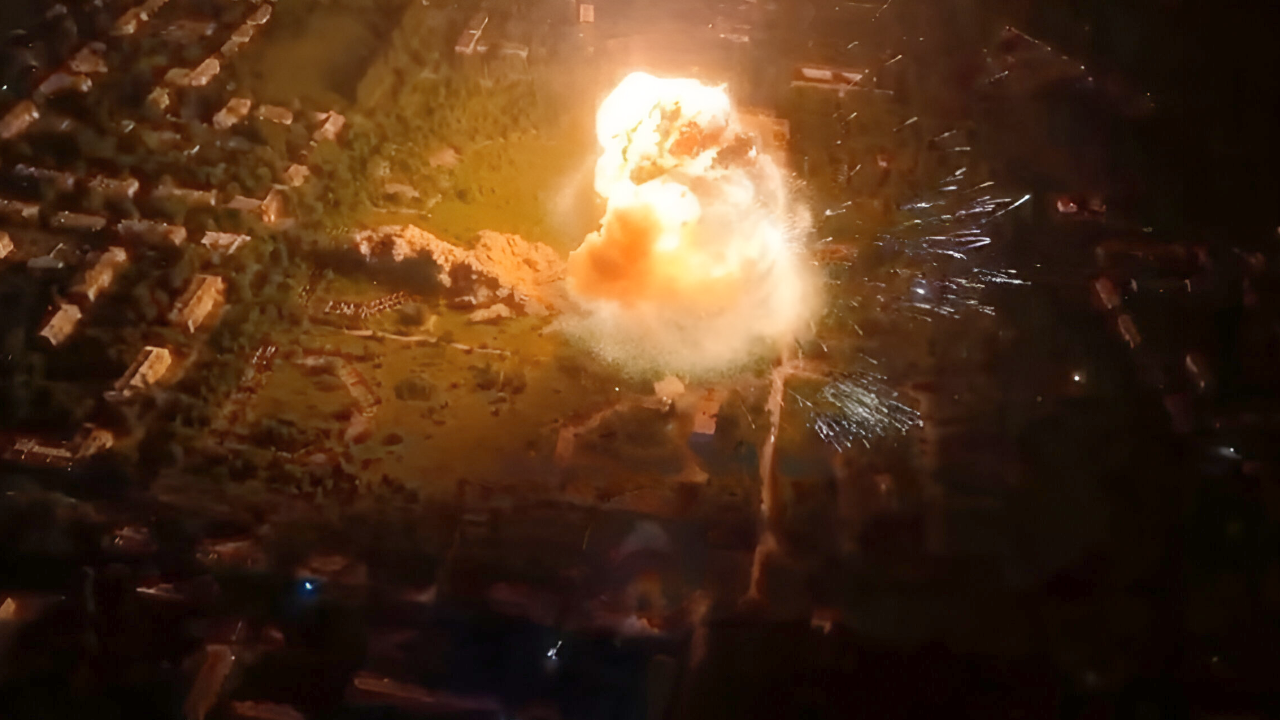
A plume of dust burst upward as the drone dropped into its final dive, closing the distance between its camera and the cluster of S-400 launchers parked in a rigid line across the concrete.
Metal glinted under the morning sun, and the long tubes of the launch vehicles cast sharp shadows across the base. A moment later, a flash ruptured through the frame—followed by fragments scattering across the ground. But the strike’s real significance would only become clear in the moments that followed.
Why Did Ukraine Target Novorossiysk’s S-400s?
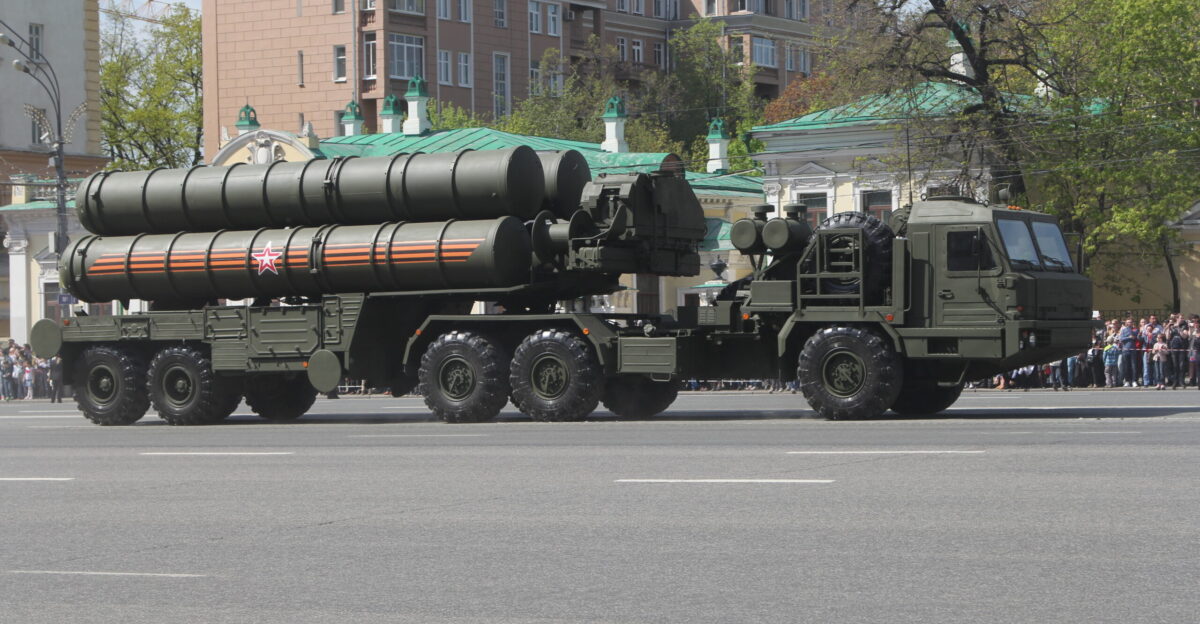
The strike hit Russia’s premier Black Sea air-defense hub at the Kuban Red Banner Regiment base, a site protecting naval assets, radar stations, and critical infrastructure. By destroying the launchers and the 96N6 early-warning radar and 92N6 engagement radar, Ukraine disrupted the layered defenses guarding the region.
This intentional targeting mirrors a broader wartime pattern: eliminating high-value stationary systems that are powerful on paper but exposed to long-range drone attacks.
Impact on Russian Oil Exports
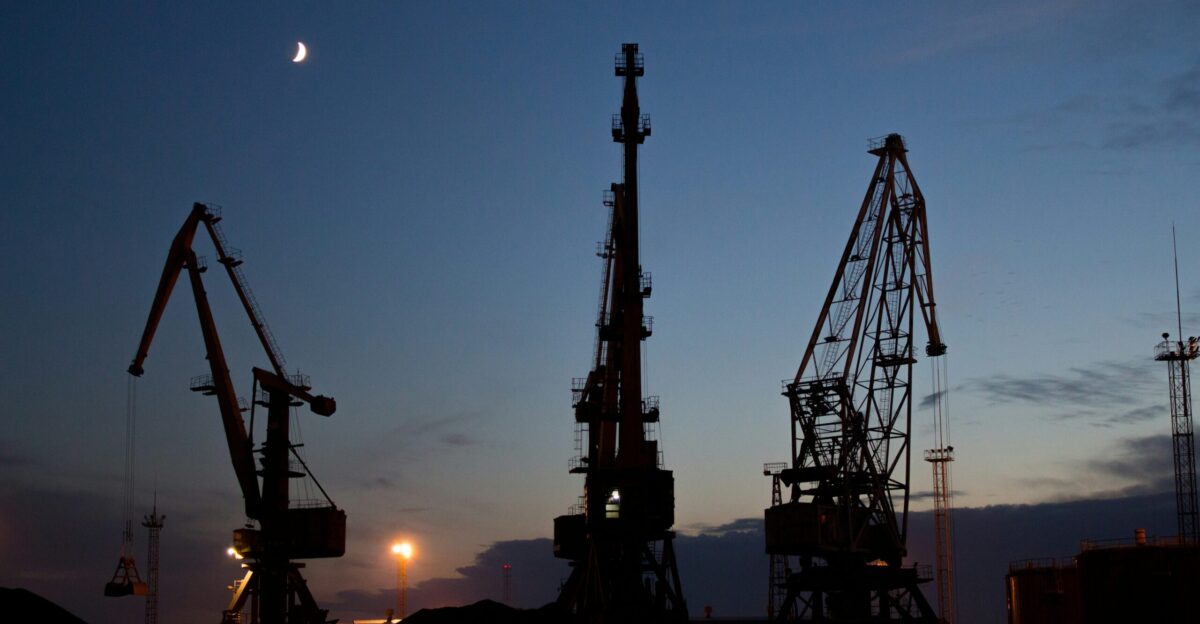
Immediately after the strike, Russia suspended crude exports from the Novorossiysk terminal, which typically moves roughly 2.2 million barrels per day—around 2% of global oil supply. The temporary halt shows how tightly military sites and energy routes are linked in the region.
Damage to infrastructure near the naval base forced a pause in operations, underscoring how military vulnerabilities can trigger economic consequences far beyond the battlefield.
What Russia Lost: The S-400 System Breakdown
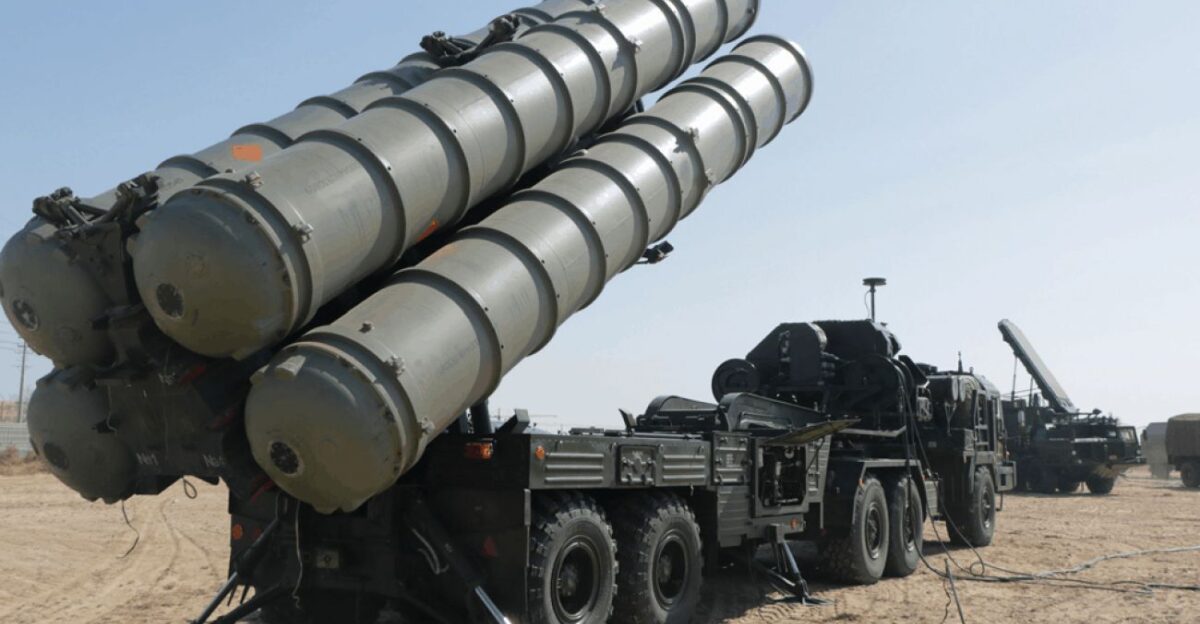
The attack destroyed four 5P85 launcher vehicles along with two crucial radars: the 96N6 “Cheese Board,” which detects threats at long range, and the 92N6 “Grave Stone,” responsible for tracking and target engagement.
These components form the backbone of Russia’s advanced S-400 system, designed to detect multiple aircraft and missiles simultaneously. Losing both the launch capability and the radar “eyes” of the system significantly reduces Russia’s defensive reach in the region.
Russian Military Response to the Strike
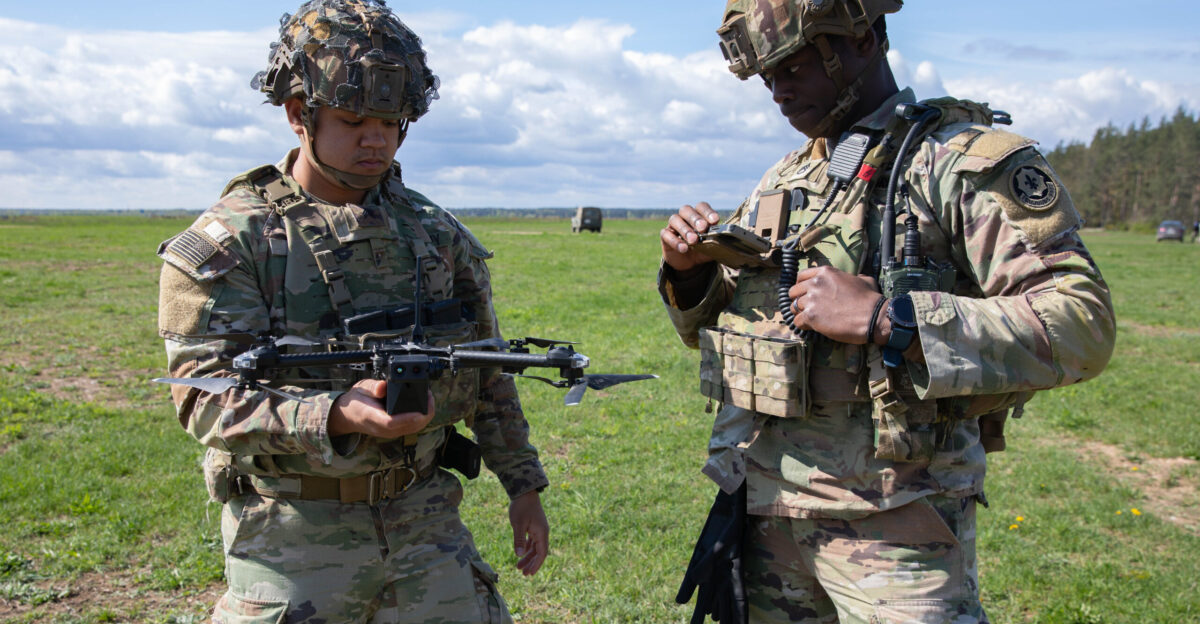
With both early-warning and engagement radars destroyed, Russian commanders suddenly lacked real-time visibility over the Black Sea’s western airspace. The gap forced defensive systems in neighboring areas to carry additional load or reposition.
The strike not only disabled hardware but also disrupted command-and-control chains essential for coordinated air defense. Restoring integrated coverage across the region will require significant time and resource allocation.
Air Defense Strategy Lessons: Vulnerability of High-Value Systems
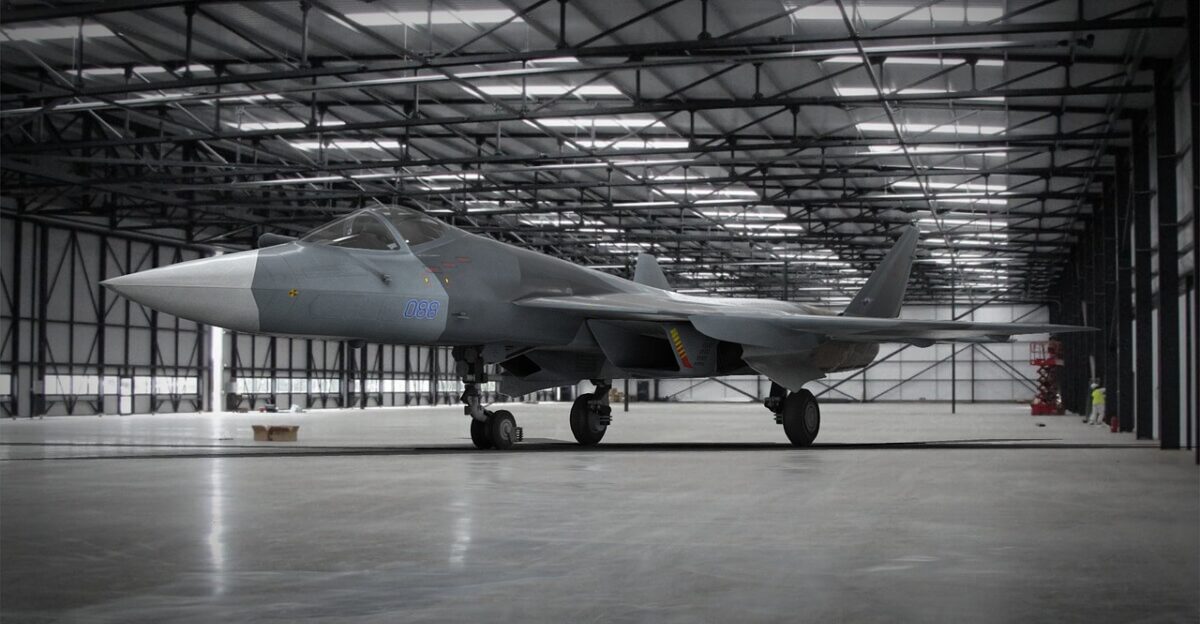
The attack highlights a growing trend across modern warfare: fixed, high-value air-defense systems—even sophisticated ones like the S-400—are increasingly vulnerable to long-range drones.
The strike demonstrated that cost-effective unmanned systems can disable extremely expensive air-defense assets. This imbalance echoes the research note’s belief-breaking angles—showing that “future-proof” technology can be undermined by cheaper, more agile tools.
How SSU Alpha Executed the Operation
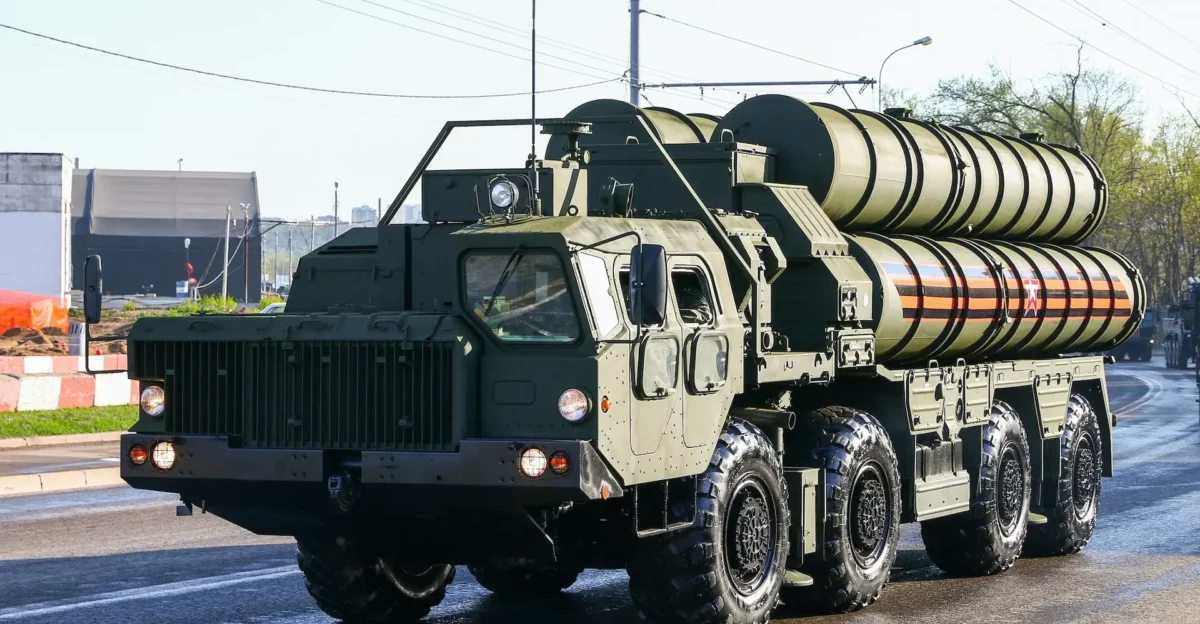
Ukraine’s SSU Alpha unit used long-range domestically produced drones to strike deep inside Russian territory. Precision guidance enabled operators to target multiple launchers and radars within the same complex, achieving direct hits on every designated asset.
The operation reflects Ukraine’s expanding capability to coordinate intelligence, surveillance, and strike assets, mirroring the efficiency seen in high-impact corporate or industrial shifts where precision execution determines success or failure.
Satellite Imagery Confirms the Damage

Post-strike satellite imagery revealed destroyed launcher vehicles and heavily damaged radar sites at the Novorossiysk base.
The visual confirmation validated Ukraine’s claims and offered independent verification of the scale of loss. Like the “write-down moment” in corporate analysis, these images serve as concrete proof of an irreversible setback—showing exactly how much of Russia’s air-defense investment vanished in a single operation.
Black Sea Strategic Context
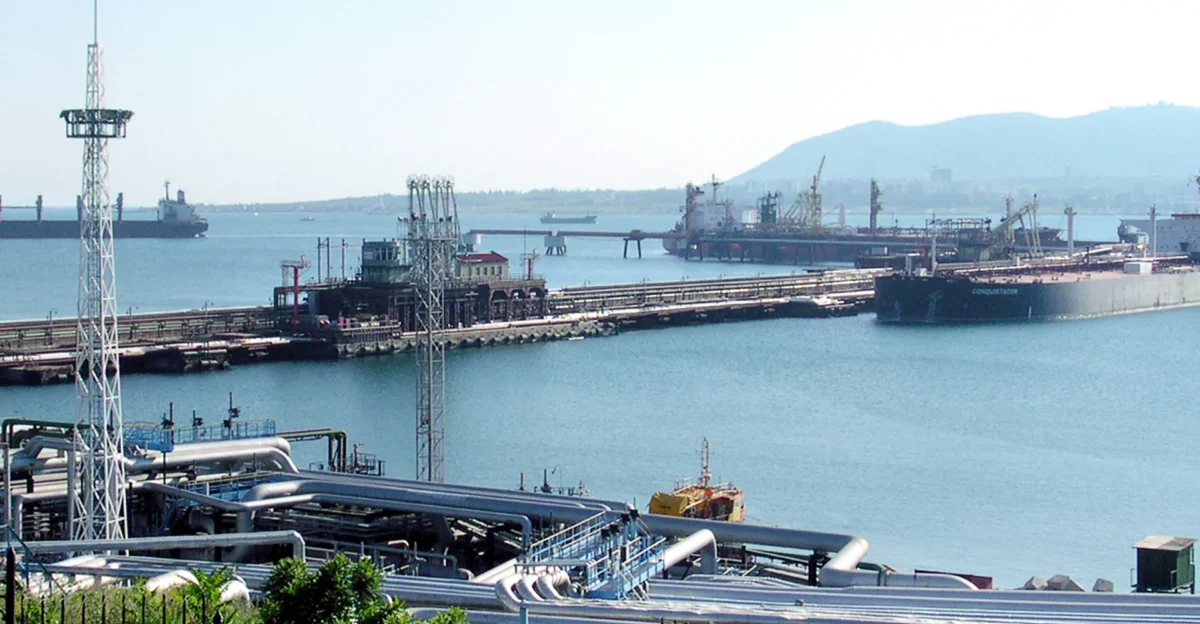
Novorossiysk is a key operational hub for Russia’s Black Sea Fleet, providing logistics, naval support, air-defense coverage, and infrastructure protection.
The strike’s location matters as much as the equipment destroyed: damaging defenses here disrupts protective layers shielding warships, coastal installations, and military supply routes. The attack forces Russia to rethink the geographic placement of its most valuable systems.
Energy Infrastructure Under Threat
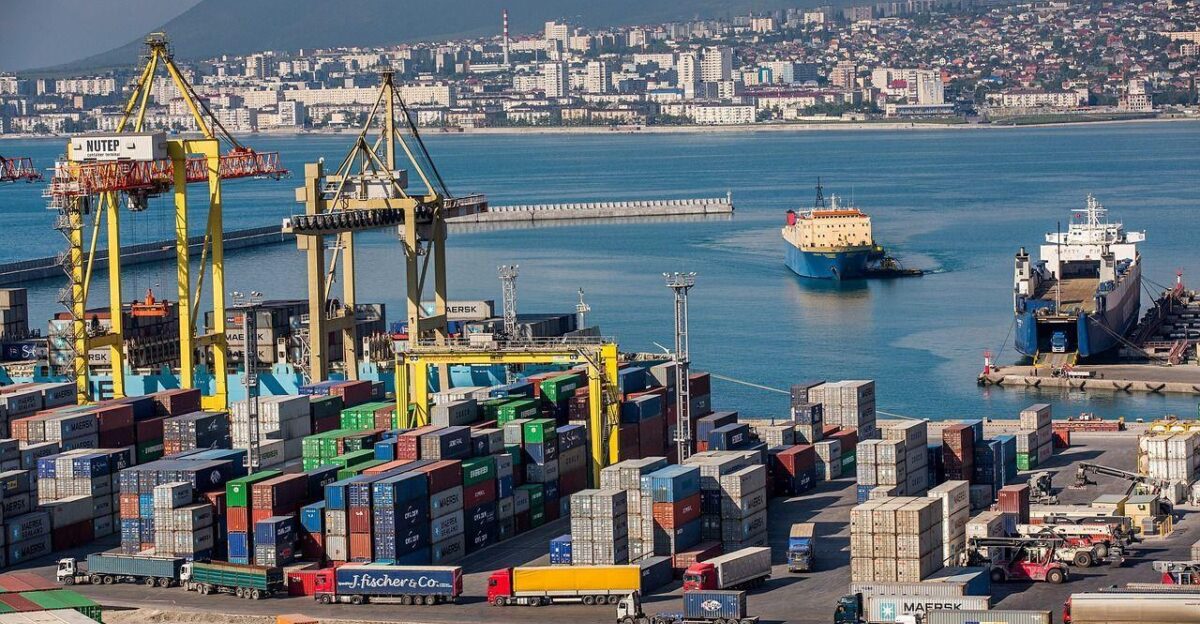
The incident illustrates how military operations can ripple across global supply chains. The proximity of destroyed S-400 assets to major oil-export infrastructure means that strikes in this region risk destabilizing markets and amplifying economic uncertainty.
Although the export halt was temporary, it shows the fragility of critical infrastructure during conflict—mirroring the way corporate decisions, like closing facilities or shifting strategies, can cascade across entire sectors.
Ukraine’s Evolving Drone Capabilities
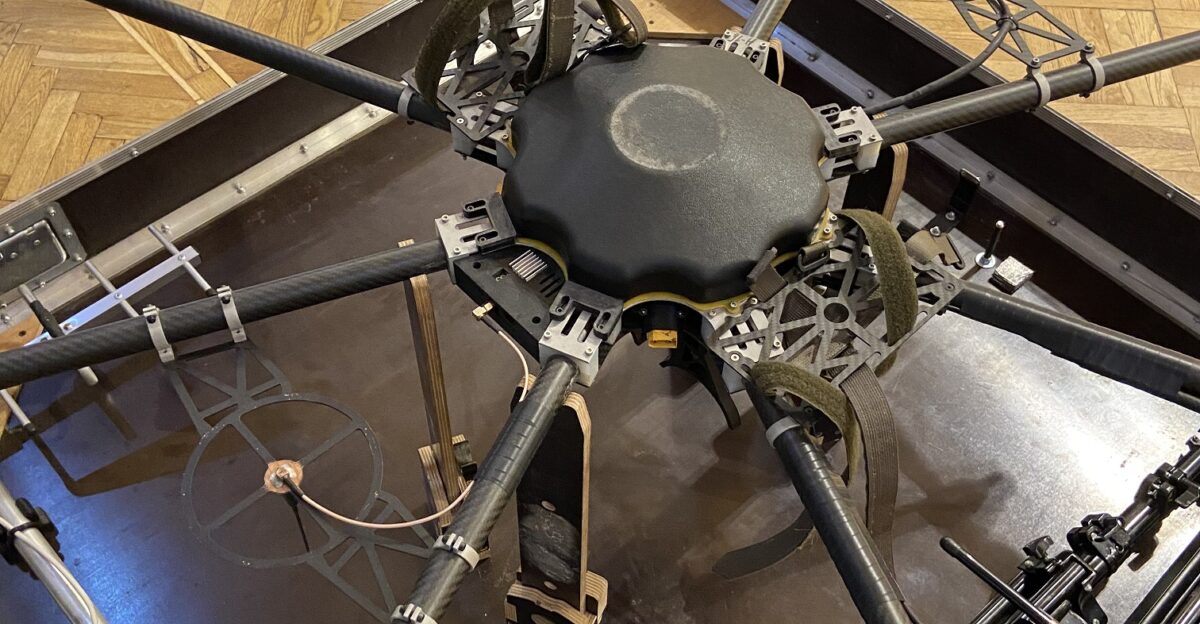
Ukraine’s drones, once mostly short-range tactical tools, now strike hundreds of kilometers inside Russia with precision. This operation showcases a rapid technological evolution that parallels major industry transformations—where innovation can outpace established systems.
Long-range, domestically built drones give Ukraine a strategic reach once considered unattainable early in the war, shifting the balance of risk for high-value Russian assets.
Strategic Significance for Ukraine

Ukrainian officials hailed the strike as one of the most important operational successes of the year. By dismantling assets deep inside Russian territory, Ukraine demonstrated that even Russia’s best defenses are not safe.
The attack also reflects the power of coordinated intelligence and precision tools—similar to how strategic pivots or technological adoption can reshape entire industries when successfully executed.
Regional Air Defense Challenges for Russia

Replacing S-400 launchers and radars is neither quick nor simple. Each component requires extensive production, calibration, and integration.
The loss of these systems forces Russia to either shift similar systems from other regions—weakening defenses elsewhere—or leave portions of the Black Sea exposed. These resource strains reflect the same dilemma corporations face when high-cost assets fail: redeploy, replace, or scale back.
Operational Security Exposed
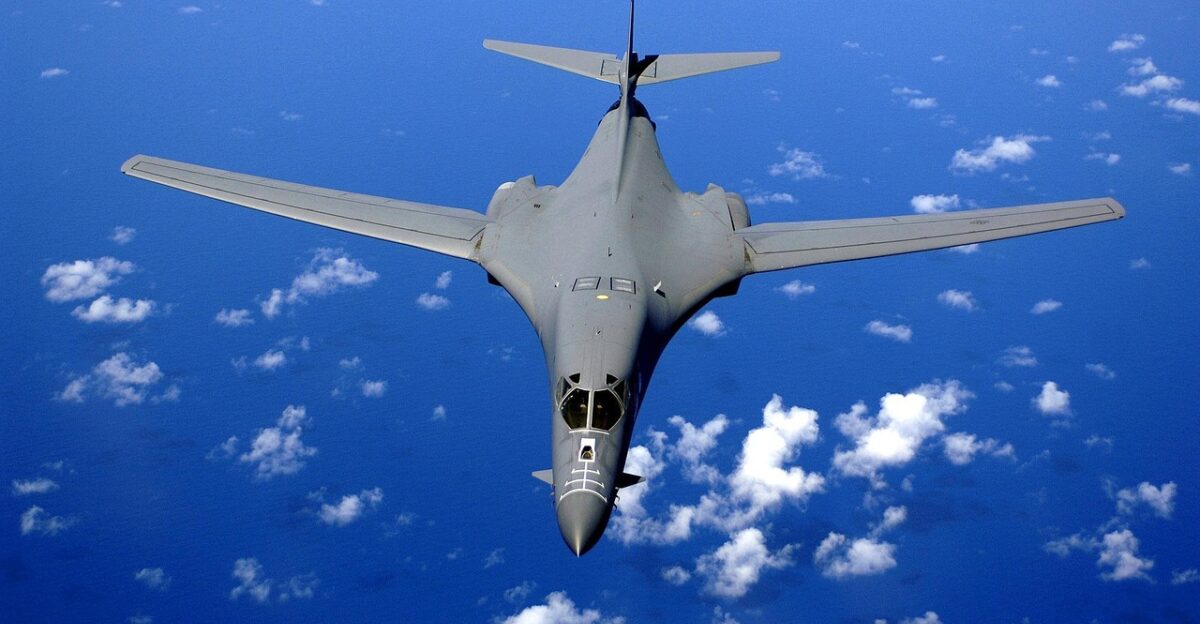
The strike raises critical questions about how Ukrainian long-range drones penetrated Russian air defenses, especially around a major naval base. The failure suggests gaps in radar coverage, early-warning networks, and defensive coordination.
These weaknesses, once exposed, often trigger a system-wide reassessment—mirroring how organizations reevaluate risk exposure after major losses or operational breakdowns.
Forward Outlook: What This Means for Regional Security
The Novorossiysk strike represents a major escalation in Ukraine’s ability to degrade Russian strategic assets. Russia may need to reposition air defenses, bolster early-warning layers, or divert resources from other theaters.
Meanwhile, Ukraine is likely to continue targeting high-value systems with low-cost drones. The operation underscores a shifting reality: expensive, stationary defenses are increasingly outmatched by agile, evolving unmanned systems—reshaping both battlefield tactics and strategic planning.