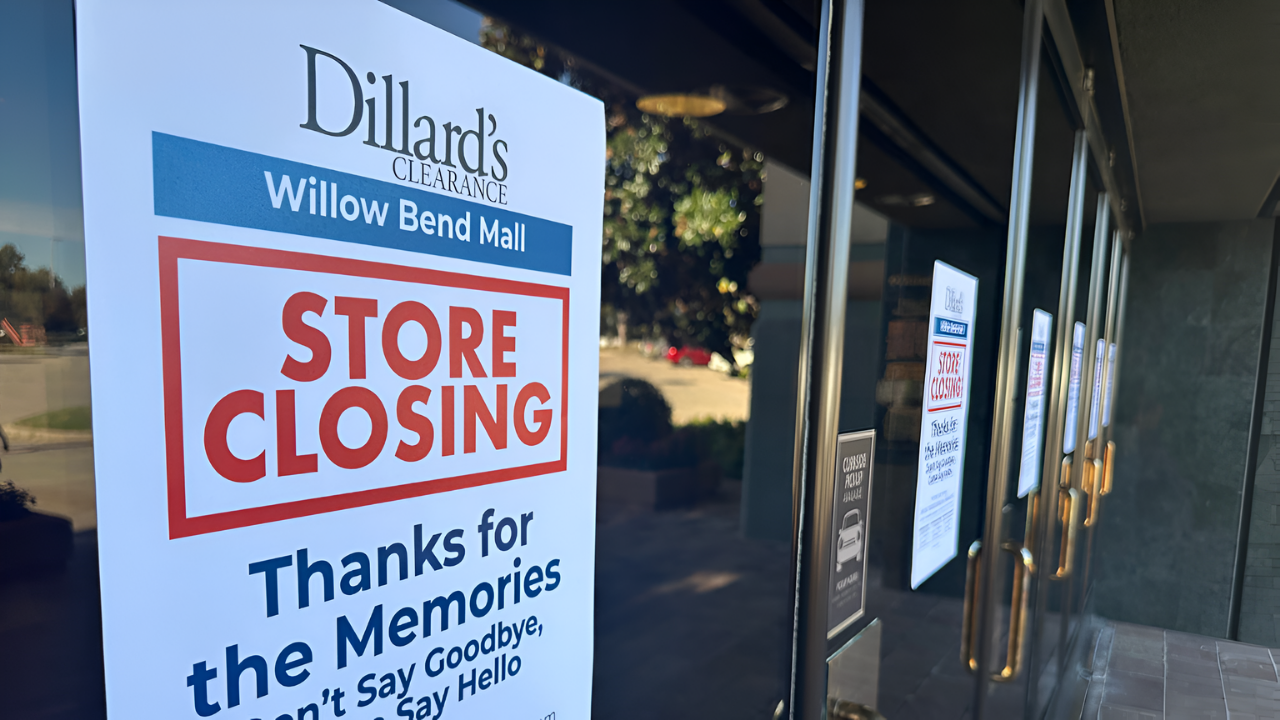
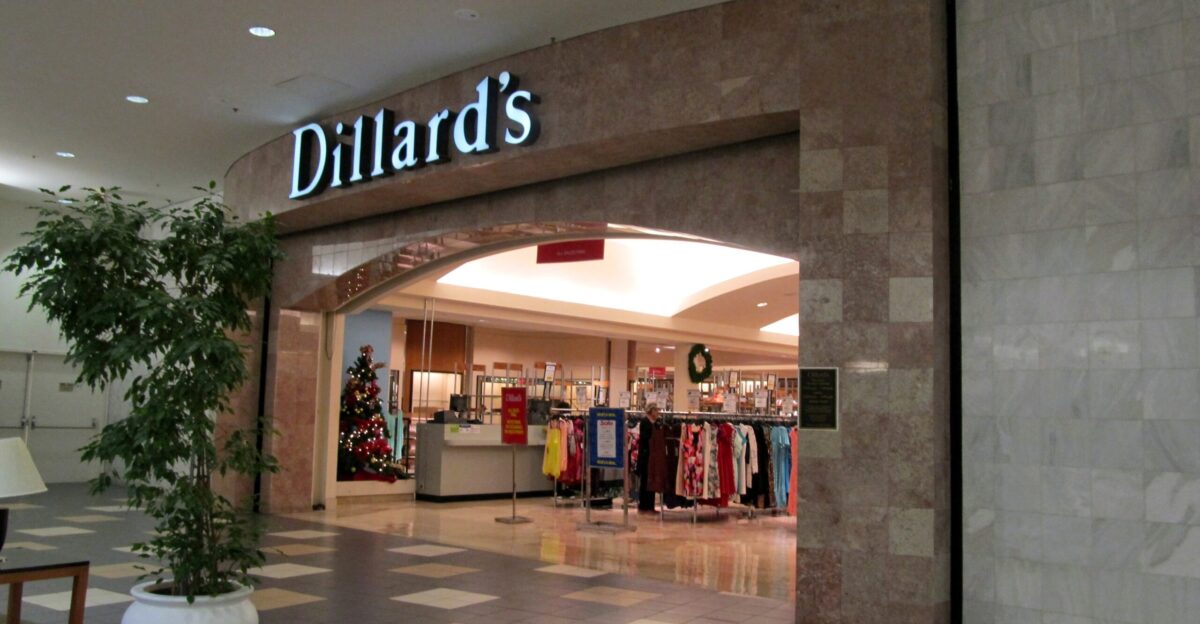
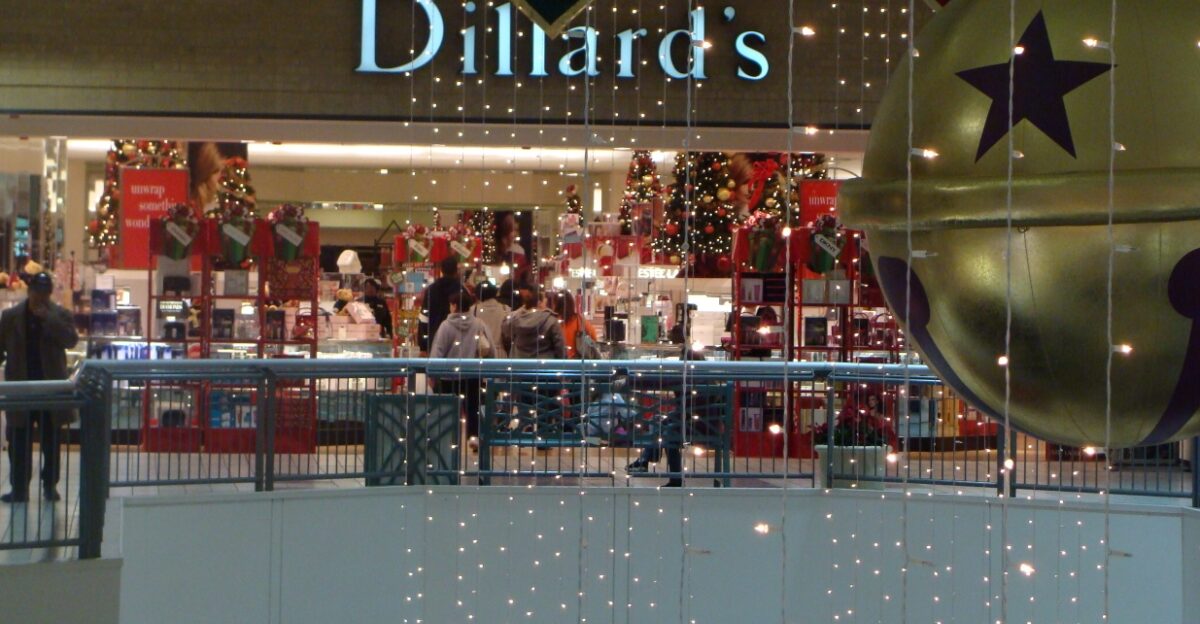
A darkened Dillard’s sign flickers above an empty mall corridor, its doors locked and display lights already shut off—one more anchor store erased in a year of rapid retail collapse. Shoppers drift past the shuttered entrance carrying no bags, just phones glowing with price-comparison apps.
A janitor wheels a cart through the silent space where holiday crowds once packed every aisle. But this quiet scene is only the beginning—what follows reveals a far larger unraveling.
A Slow-Moving Collapse
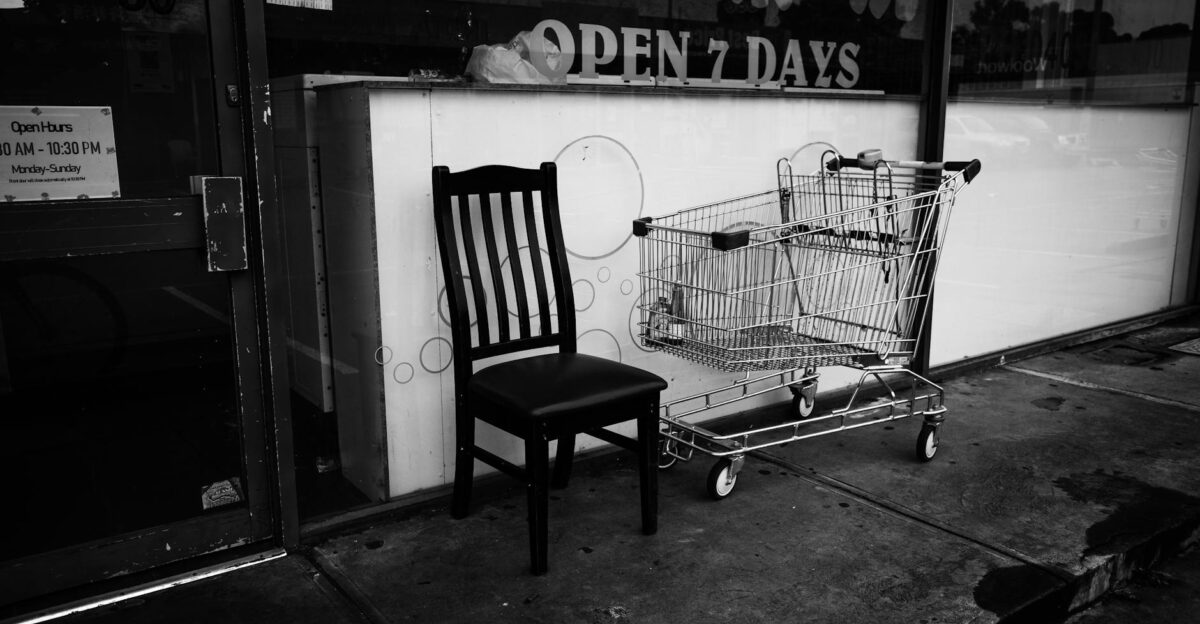
The crisis is not looming; it’s unfolding in real time. From January to November 2025, major retail chains accelerated closures at a pace surpassing even the pandemic years. Consumer behavior is shifting toward convenience, price comparison, and digital-first habits, draining the profitability of mid-tier department stores.
As shopping patterns evolve, even stable chains face mounting pressure. Industry observers describe 2025 as a year of unprecedented retail transformation, with shuttered anchors signaling a deeper structural decline.
Local Impact, No Context Yet
Communities nationwide are receiving short, unceremonious closure letters marked “permanent.” In Tennessee, Dillard’s notified the city council that its shutdown—scheduled between January 17–31, 2025—would not return. Similar closures landed in Ohio, Florida, Nebraska, and Arizona.
These aren’t fringe outlets or clearance stores; they are generations-old anchors that once defined local commerce. When these giants exit a mall, they leave behind hollowed spaces, falling foot traffic, and rising uncertainty for surrounding tenants.
Nostalgia and Cultural Weight

Department stores shaped American life for decades. They were where families bought school outfits, teens lined up to get their ears pierced, and parents brought children to marvel at holiday window displays.
The department store was a shared cultural touchpoint—part shopping trip, part family outing. As these chains fade, they take with them rituals that shaped entire eras. The loss is more than economic; it represents the unwinding of a retail identity that once felt permanent.
Reveal the Core Fact
The numbers driving this collapse are staggering. Roughly 1,745 U.S. retail stores from major chains are closing in 2025, based on confirmed shutdowns: Forever 21 eliminating 350 stores, Claire’s + Icing closing 291, Torrid removing 180, Macy’s cutting 66 this year with 150 planned by 2026, JCPenney closing 8, and Joann shuttering all 850 after its second bankruptcy.
Industry analysts project approximately 15,000 total store closures across all retailers in 2025. Dillard’s, long considered more stable, is quietly closing multiple locations. This wave represents billions in erased revenue and tens of thousands of jobs lost.
The Dillard’s Closures

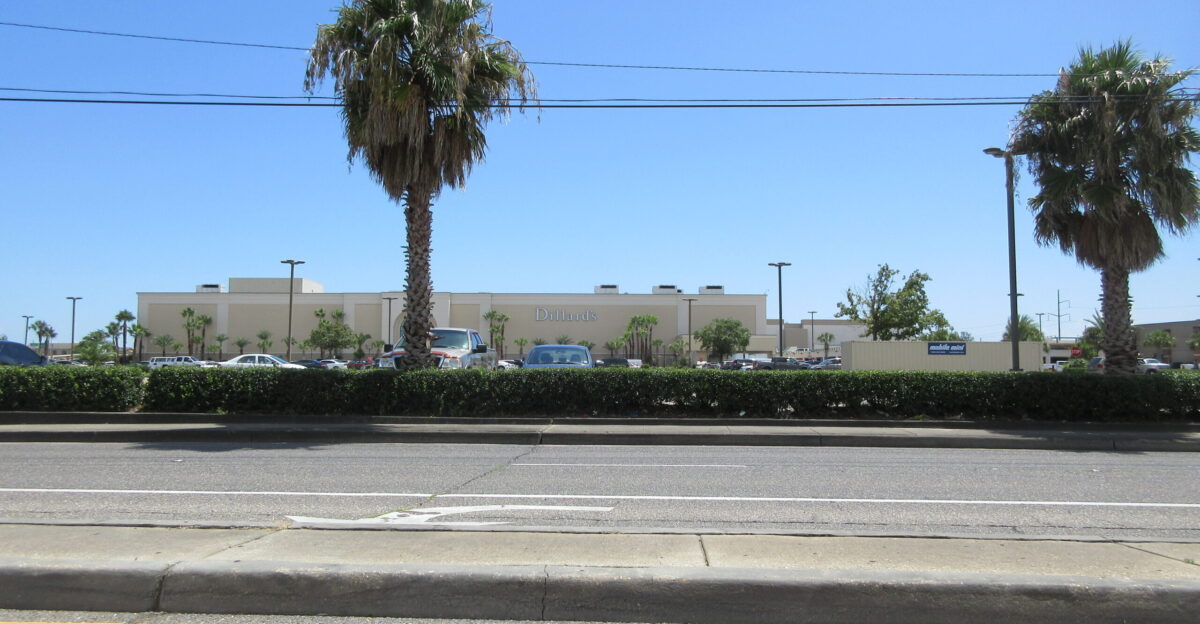
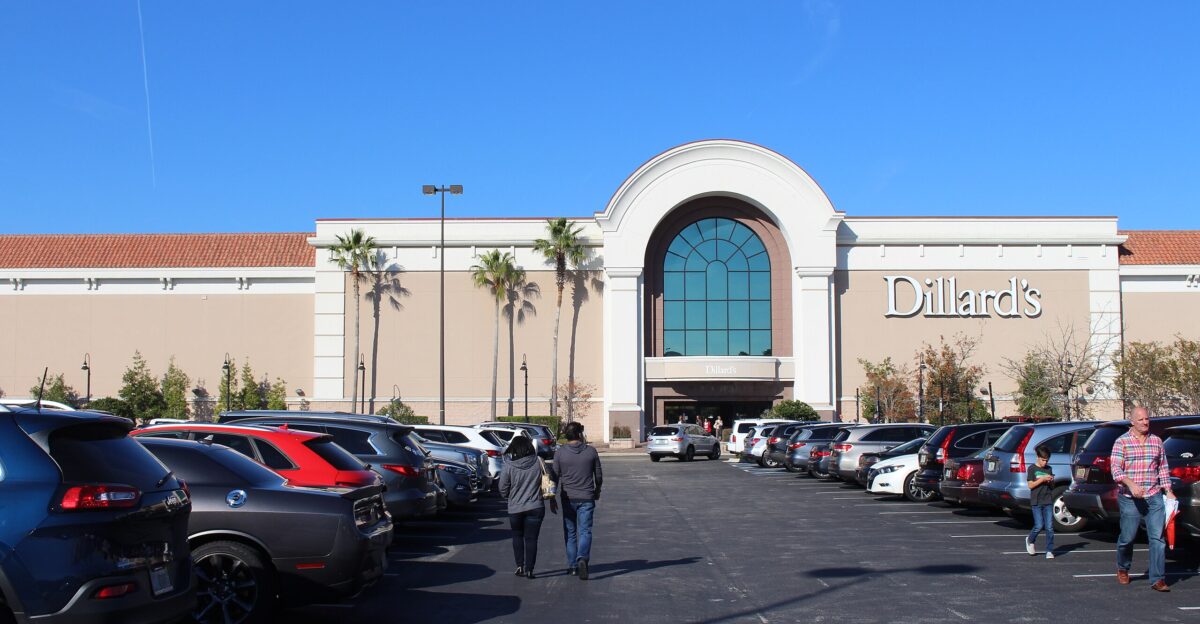
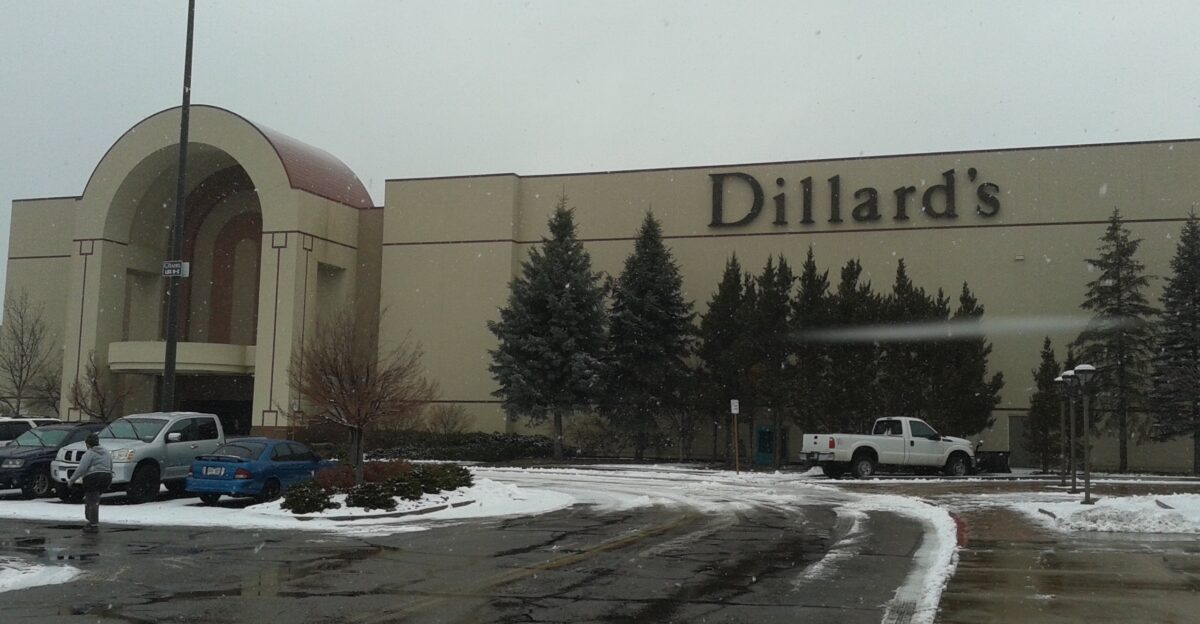
Dillard’s has taken a far quieter approach than its competitors. Confirmed closures span Tennessee, Ohio, Florida, Nebraska, and Arizona, with its Texas location at The Shops at Willow Bend scheduled to close in early 2026.
The chain’s understated strategy contrasts sharply with Macy’s and Joann’s high-profile announcements, raising questions about whether Dillard’s is minimizing panic—or merely delaying the inevitable.
The Paradox: Malls Attract Visitors, But Conversions Lag
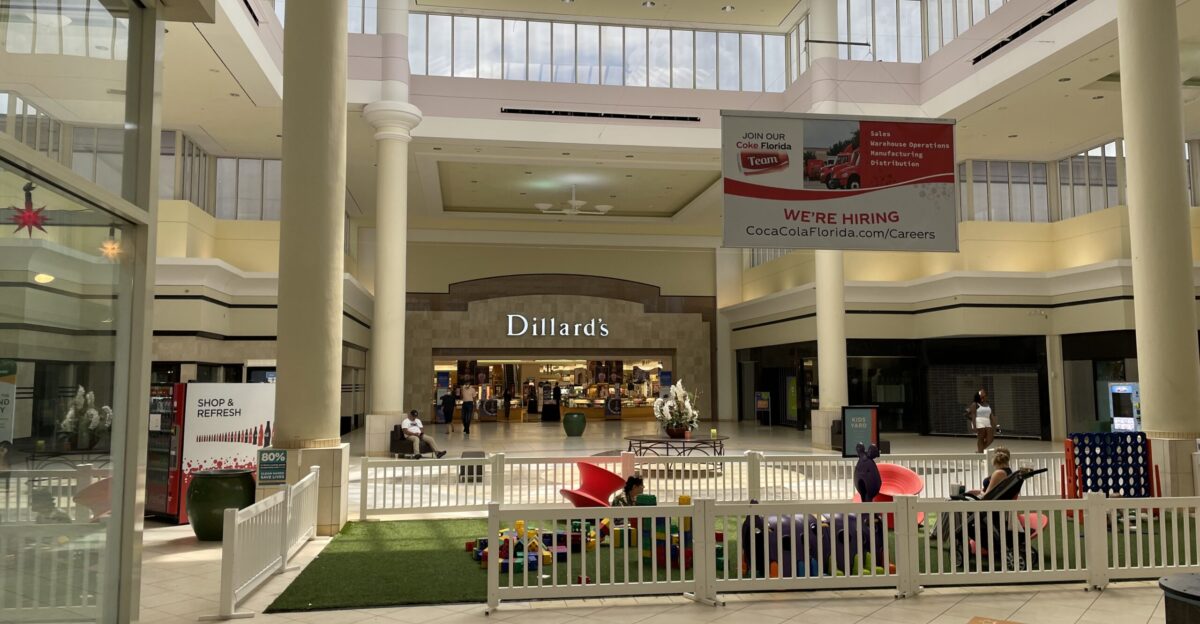
Retail executives face a puzzling contradiction: malls remain destinations for shoppers, yet department stores keep failing. According to data from Placer.ai, overall mall visits remained relatively strong in early 2025, with indoor malls showing 1.8% year-over-year visit growth in the first half of 2025 and average dwell time increasing 3.3%.
However, shoppers are taking more deliberate, research-driven approaches to purchases, with many arriving solely to pick up online orders or pre-planned purchases. This new mindset erodes the impulse-driven browsing that once fueled department store sales, leaving anchors with encouraging foot traffic that converts poorly into sales.
The New Shopping Model
The buy-online-pick-up-in-store model reshaped retail economics. Research indicates that a significant portion of customers make additional purchases when using this model, but it shifts consumer psychology: shoppers now expect the lowest price and maximum convenience.
Browsing becomes secondary, and traditional department stores—built on discovery, exploration, and wide assortments—struggle to adapt. E-commerce and in-store pickup didn’t just compete with brick-and-mortar; they rewired it, stripping away the margin-rich spontaneity that once kept large chains profitable.
Dillard’s: Profitability Wasn’t Enough
Dillard’s financials show how unforgiving the market has become. In Q2 fiscal 2025, the company posted 1% sales growth, $72.8 million in net income, and a 38.1% gross margin, with CEO William T. Dillard II emphasizing efforts to “cut costs and control inventories” to stay stable.
Yet even with positive earnings, closures continue. The message is blunt: stability is no longer measured by profit alone. Survival now requires agility, scale, and a digital ecosystem many legacy retailers still lack.
The Human Cost
Behind the statistics are families facing abrupt upheaval. The closures represent livelihoods lost, not merely numbers. Joann’s liquidation eliminated approximately 19,000 jobs, while Forever 21’s operations impacted hundreds of workers through layoffs at its headquarters and select locations.
Each shutdown removes not only income but community anchors—places where part-time workers balanced school, caregiving, or second jobs. Retail’s collapse is becoming a broad, human crisis.
The Joann Annihilation
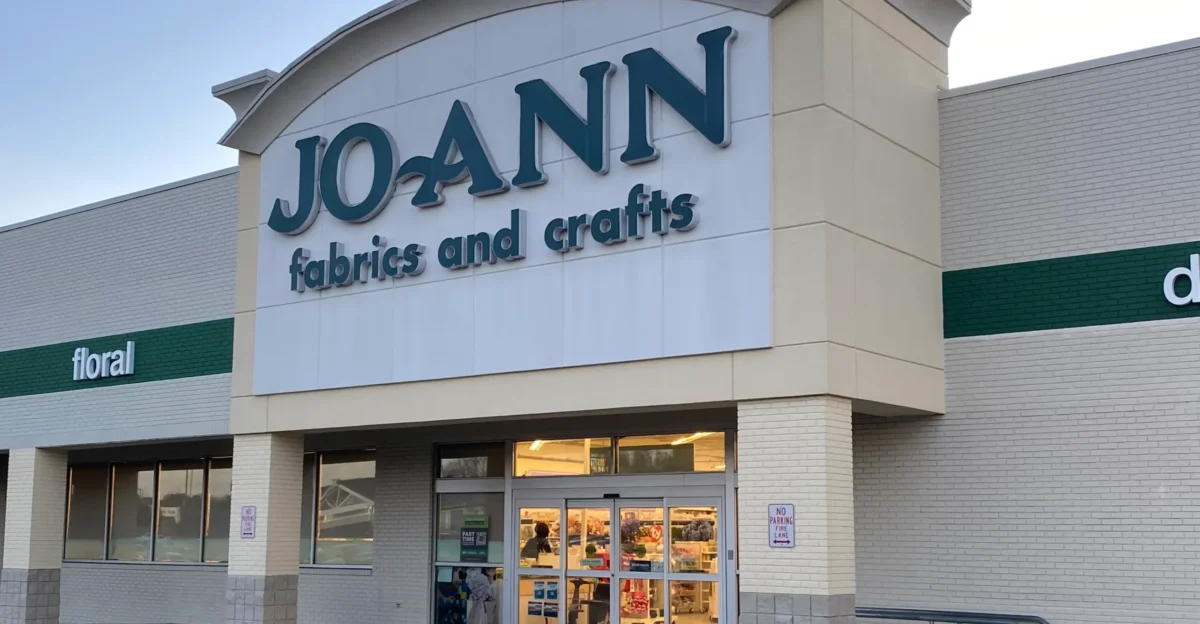
Joann Fabrics & Crafts stands as the year’s most total retail collapse. After emerging from bankruptcy in March 2024, the company re-entered Chapter 11 in January 2025. By February, it announced the liquidation of all 850 stores, dissolving an 82-year-old craft empire.
Long-term debt, inflationary pressures, and competition from e-commerce overwhelmed it. For millions of crafters and hobbyists, Joann’s disappearance marks the end of a cultural staple and one of the most dramatic retail failures in recent memory.
Forever 21: Fast Fashion’s Final Chapter
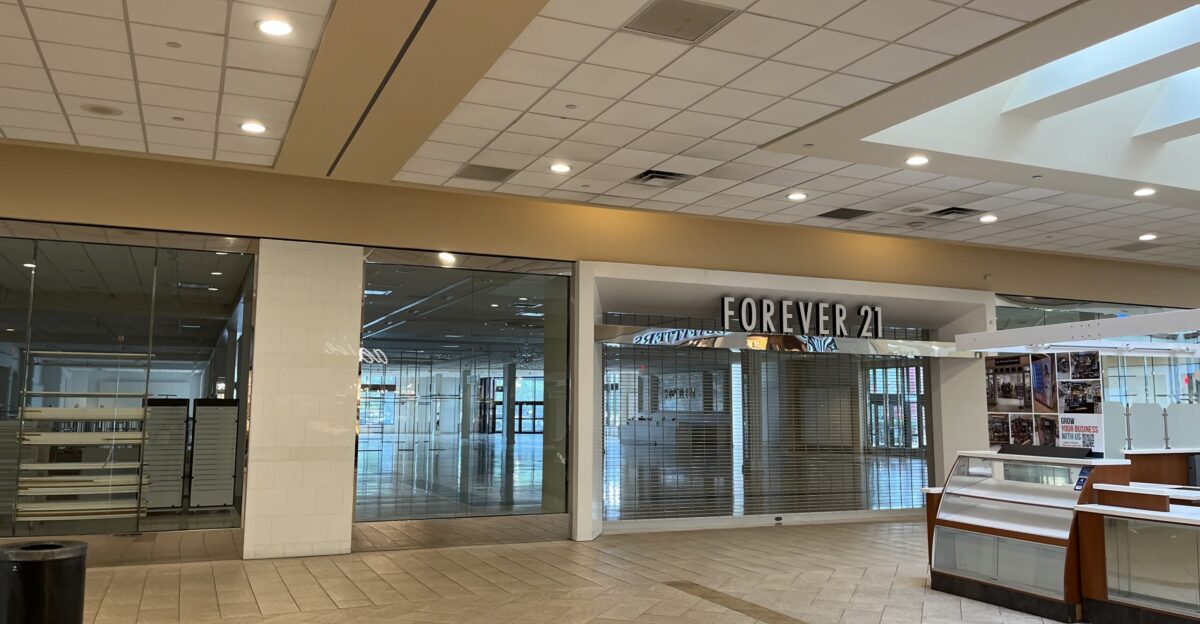
Forever 21’s downfall reflects a sector exhausted by globalization and price wars. Filing for bankruptcy in 2025, the chain confirmed the closure of 350 stores, ending its presence as a mall mainstay. Competition from ultra-cheap e-commerce giants like Shein and Temu—both benefiting from a now-suspended duty-free shipping exemption—accelerated its collapse.
Once known for sprawling multi-level stores and endless new arrivals, Forever 21 now symbolizes how quickly a fast-fashion empire can be dismantled in a digital-first marketplace.
Macy’s Radical Downsizing
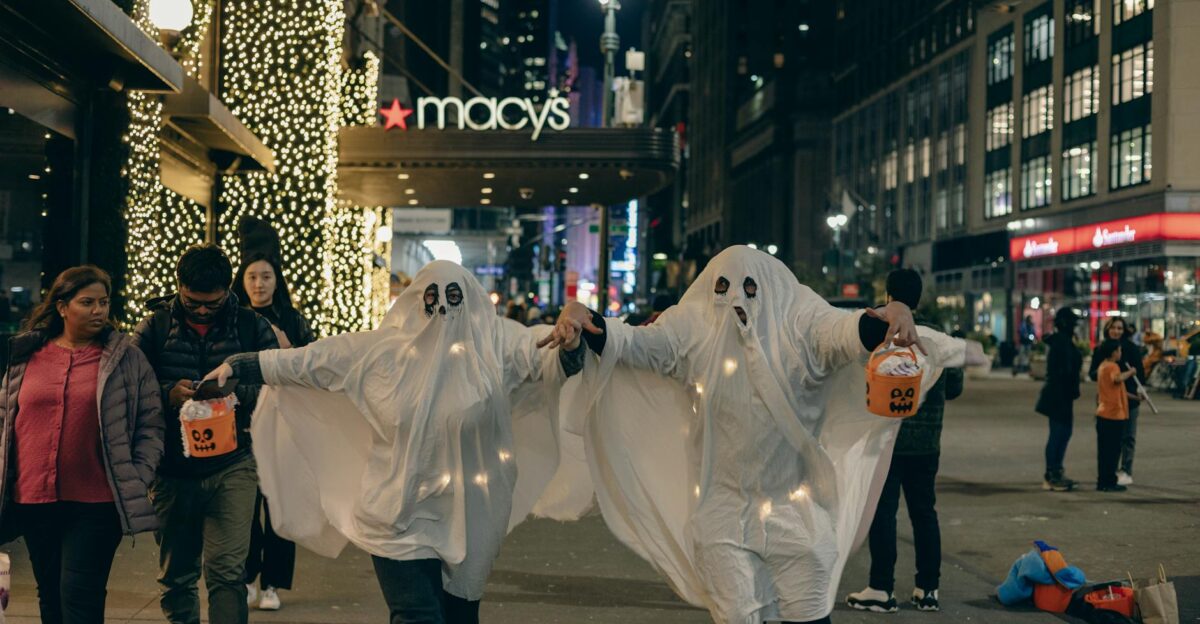
Macy’s is pursuing a dramatic contraction through its “Bold New Chapter” strategy. After years of sliding performance, the chain will close 150 underperforming stores by 2026, including 66 in 2025 alone. Its footprint will shrink from 1,100 stores in 2008 to roughly 350.
Leadership aims to redirect investment toward higher-income customers through Bloomingdale’s and Bluemercury. The shift highlights retail’s stark divide: luxury and discount thrive while the middle—where Macy’s historically lived—continues to erode.
The Broader Retail Apocalypse
The department store implosion is part of a wider collapse. Across major chains, more than 1,700 stores are closing in 2025— an unprecedented contraction driven by shifting consumer expectations and intense online competition.
Claire’s and Icing are closing 291 stores after bankruptcy, Torrid is eliminating 180, and Joann is liquidating entirely. Analysts warn that inflation, debt loads, and digital competition have permanently reshaped the retail landscape. The “path of least resistance,” as shoppers describe it, increasingly bypasses traditional stores.
Looking Ahead: Extinction or Evolution?
Can American department stores reinvent themselves—or is extinction inevitable? Analysts argue that survival requires aligning physical stores with digital ecosystems seamlessly, but few chains have mastered this balance.
Industry projections suggest the U.S. retail landscape will contract significantly in coming years, with mid-tier department stores among the most vulnerable.