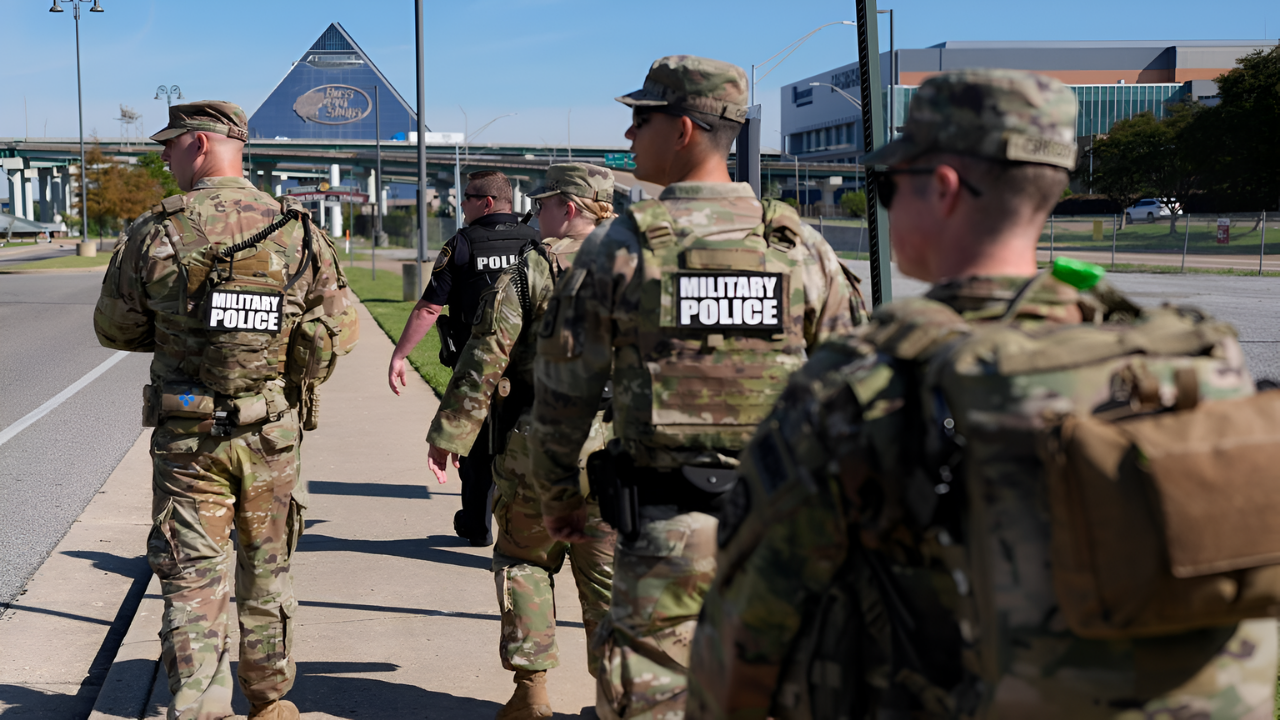
President Donald Trump’s declaration that there was “a rebellion or danger of a rebellion” against the U.S. government has sent hundreds of National Guard members scrambling back to their home states. Federalized troops in Portland and Chicago faced sudden redeployments, legal blocks, and intense scrutiny.
The move triggered constitutional debates, disrupted neighborhoods, and shook local businesses. With governors, judges, and residents all caught in the middle, the stakes are high. Here’s what’s happening and why it matters.
What’s Going On?
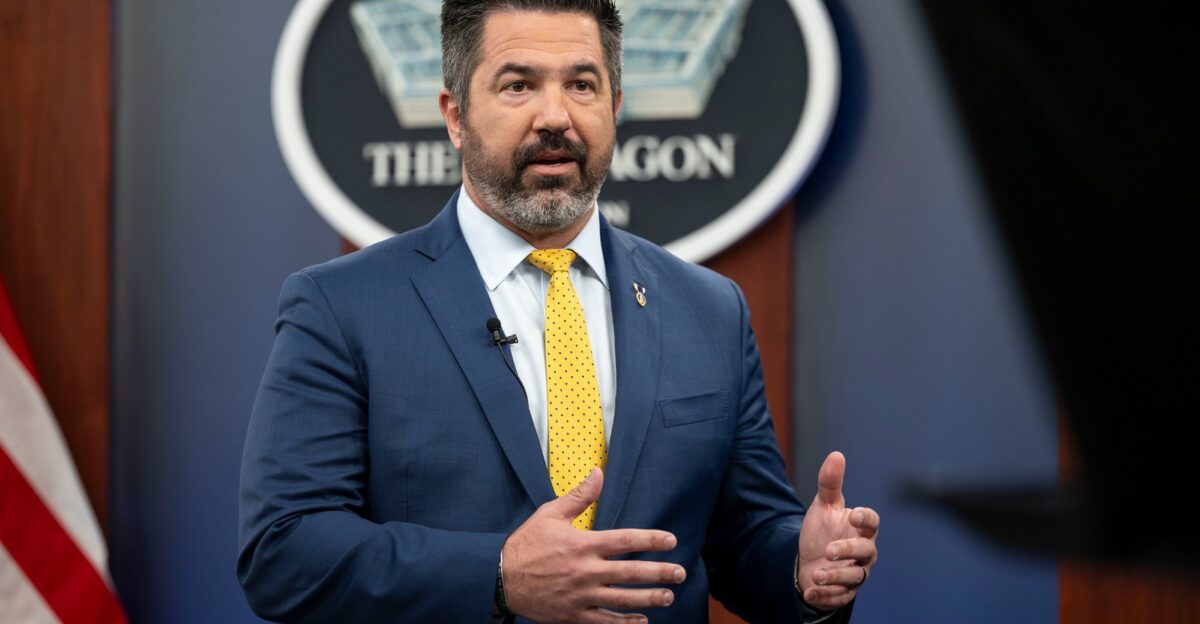
Trump’s administration claimed National Guard deployment was necessary to protect federal property and ICE personnel. Pentagon spokesman Sean Parnell said troops were reassigned to “support U.S. Immigration and Customs Enforcement federal personnel” on 5 October 2025.
The federalized units faced unusual cross-state assignments. Oregon, Illinois, and California guards were mobilized in unfamiliar locations. But how did local officials react to this sudden intrusion?
Governors Push Back

Oregon Governor Tina Kotek stated on 1 October 2025: “There is no rebellion in Portland. There is no threat to national security in our state, not military action against Oregonians exercising freedom of assembly.”
Illinois Governor JB Pritzker criticized the Chicago deployment, saying, “They’re going to create a war zone to justify their response. They need to get the heck out.” Resistance from state leaders foreshadowed upcoming legal challenges.
Courts Step In

U.S. District Judge Karin Immergut blocked Oregon troops permanently on 7 November ruling: “The President did not have a lawful basis to federalize the National Guard under 10 U.S.C. § 12406.”
Similarly, the 7th Circuit upheld Chicago’s block. Courts emphasized that lawful protest did not constitute rebellion. Yet questions about federal authority lingered, especially as Supreme Court intervention loomed.
Legal Battles Intensify
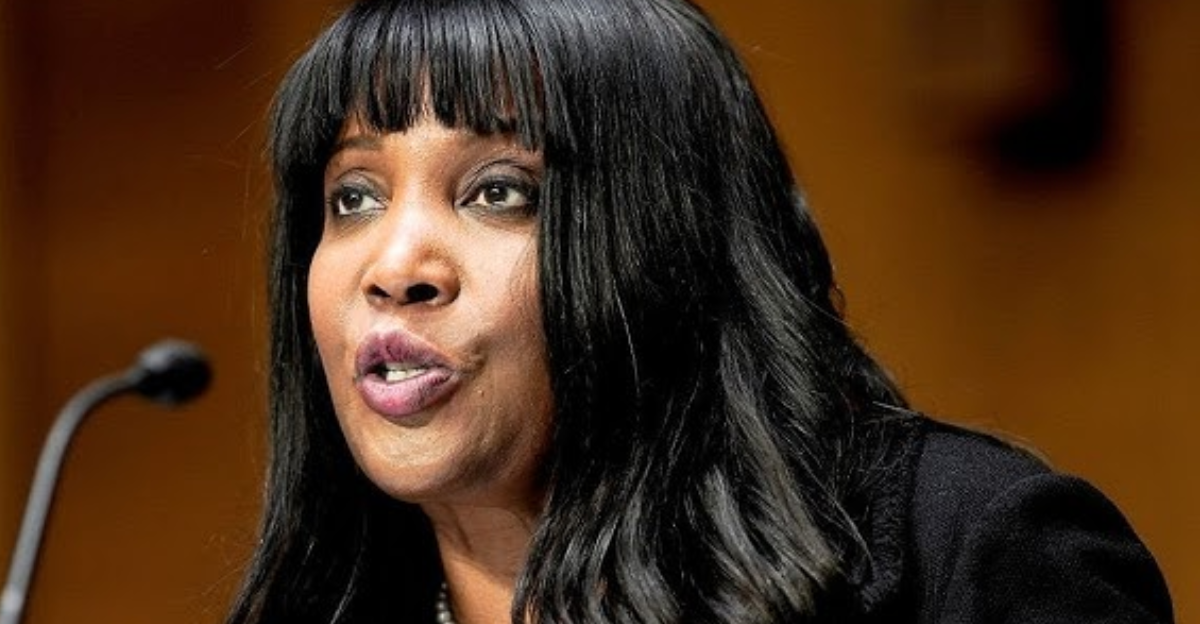
Judge Jia M. Cobb halted over 2,000 D.C. National Guard deployments on 20 November 2025, calling them “most likely unlawful.” The court noted that local governance rights were violated.
The judicial pushback highlighted constitutional tension between federal and state powers. But what were the effects on the soldiers themselves?
Soldiers Face Disruption
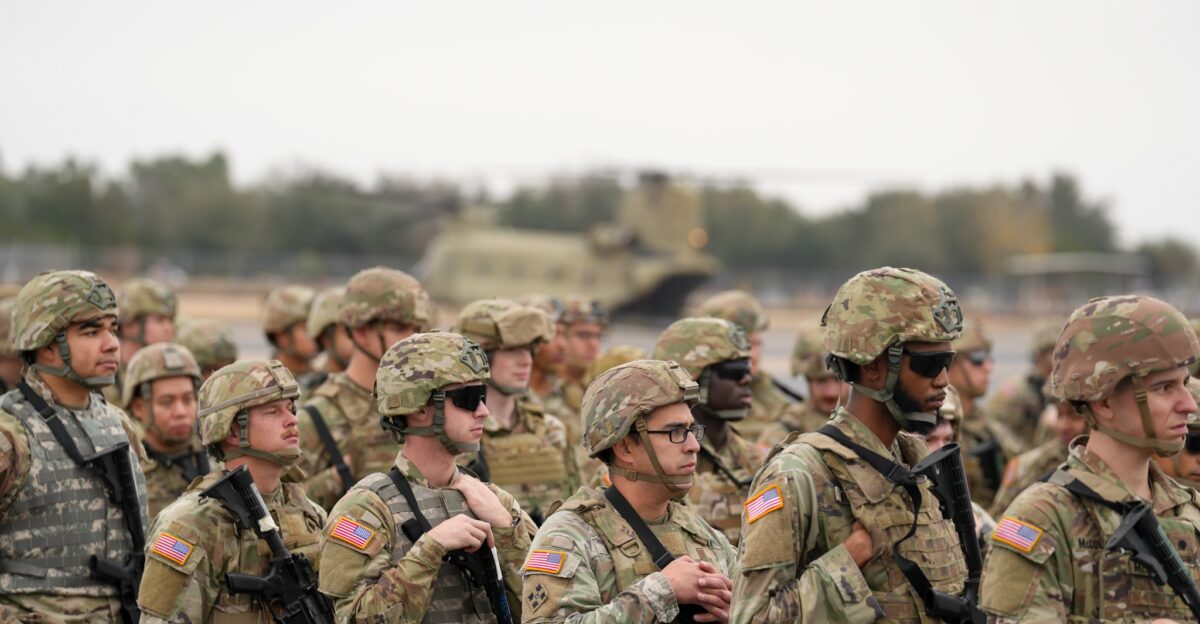
Approximately 400 National Guard troops were ordered to return in mid-November 2025. Many lived in temporary quarters, subsisting on barracks food, while awaiting legal decisions.
Retired Major General Richard Hayes noted, “When you have situations where your mission changes abruptly, you revert back to the plans of your training.” The human cost extended beyond legal disputes.
Cities Under Federal Oversight
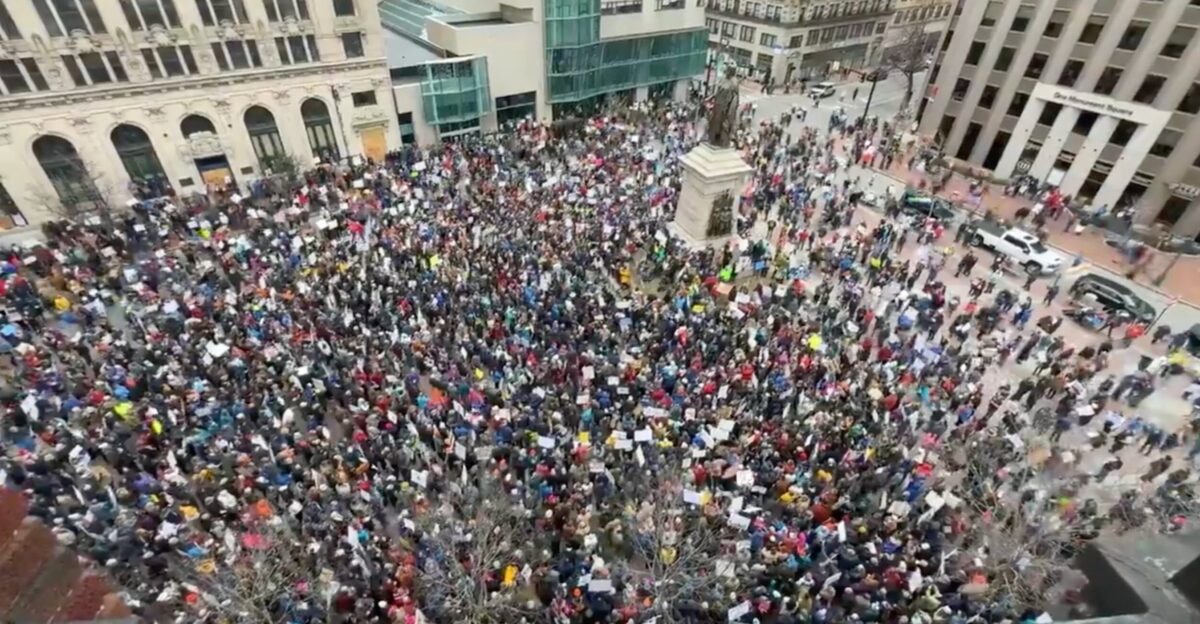
Portland, with roughly 635,000 residents, and Chicago, home to 2.72 million, experienced direct federal military presence. Hundreds of small businesses and neighborhoods felt the weight of this unprecedented operation.
While troops were largely confined to bases, the psychological and operational impact on residents persisted. Could the federal footprint permanently alter city dynamics?
Economic Strain on Local Businesses

In Chicago’s Little Village, sales fell 60% as federal enforcement operations spooked residents. Moreno’s liquor store owner Mike Moreno said: “I never thought in a million years I’d see something like this.”
Restaurants and ice cream shops were temporarily shuttered. Supply chains faltered. These economic ripples hinted at broader consequences of deploying troops within civilian spaces.
ICE and Law Enforcement Stretched
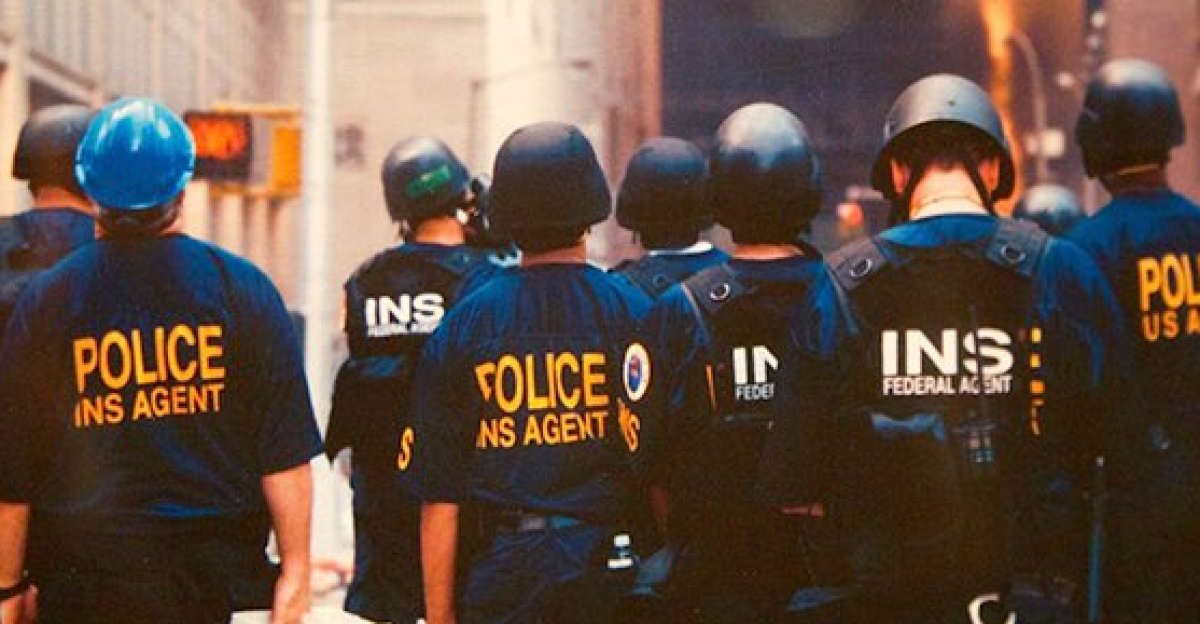
The Federal Protective Service was “stretched to the point of collapse,” with 115 officers deployed from June through September. ICE resources were diverted to manage protests, leaving gaps in other areas.
Federal agencies were overextended. Yet, courts found little evidence that protests significantly impeded immigration enforcement, deepening questions about the necessity of the deployment.
How Title 10 Works
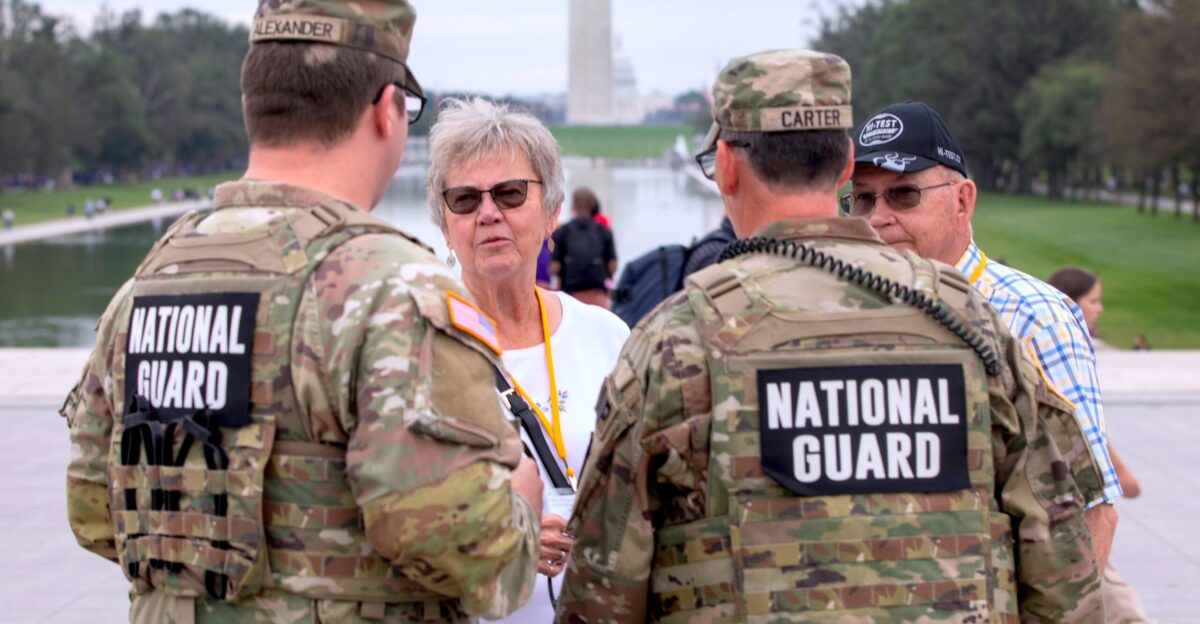
Title 10 allows for the federalization of the National Guard under three conditions: foreign invasion, rebellion, or an inability to enforce the law with regular forces. Trump invoked the “rebellion” clause on 28 September 2025.
The law is rarely used, making this deployment historically significant. It also triggered scrutiny over constitutional limits on federal authority.
Cross-State Deployments Raise Issues
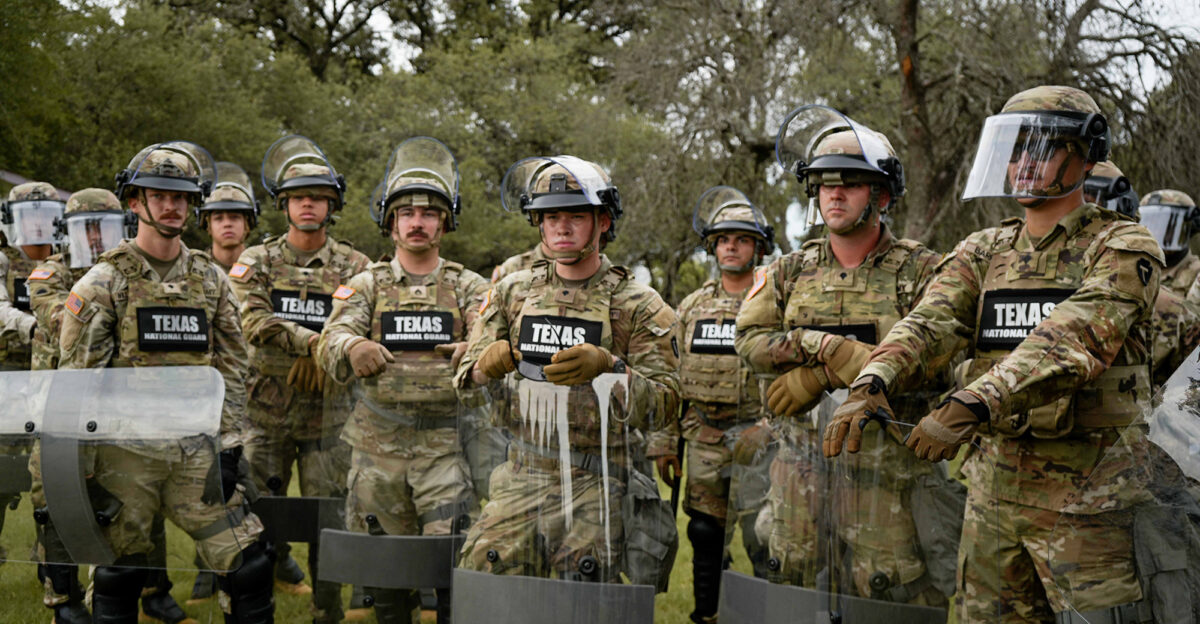
Texas troops were sent to Chicago, and California troops to Portland, under federal control. Oregon and Illinois guards were also federalized.
Legal scholars warned these moves could violate the 10th Amendment, raising questions about states’ sovereignty and the boundaries of presidential authority.
Daily Costs Mount
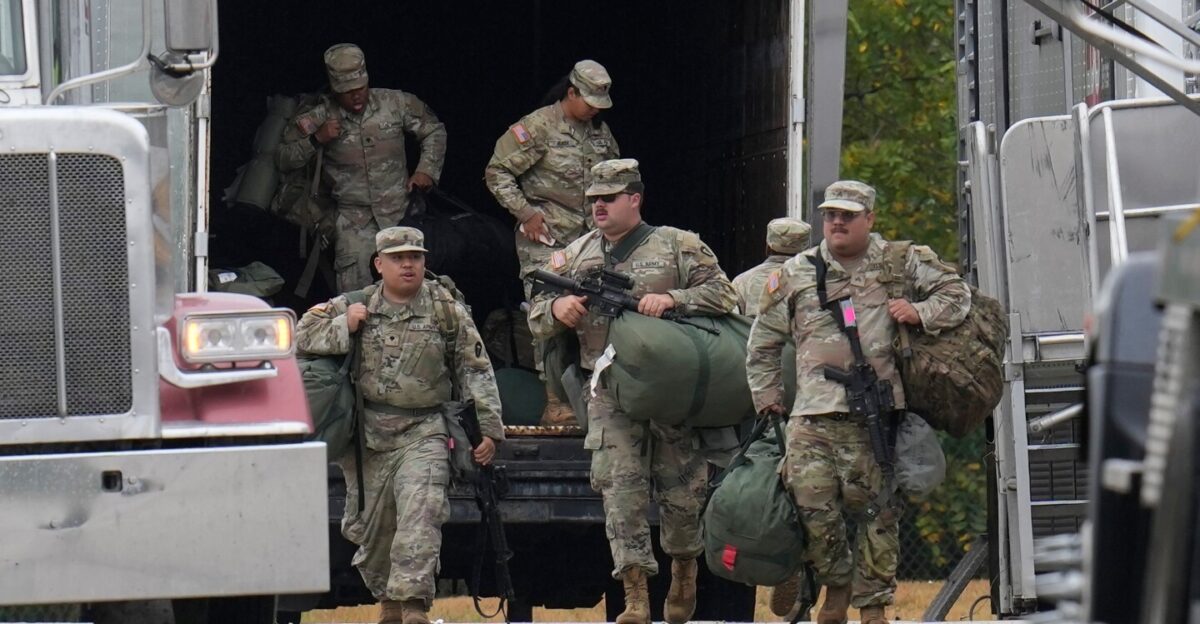
Portland’s operations cost $15 million for 36–60 days, while Chicago’s deployment reached $12.8 million. Daily per-troop costs exceeded $1,000, including housing, transport, and logistics.
The financial burden highlighted the scale of the operation. Could such costs continue indefinitely without public scrutiny?
The Protest Reality
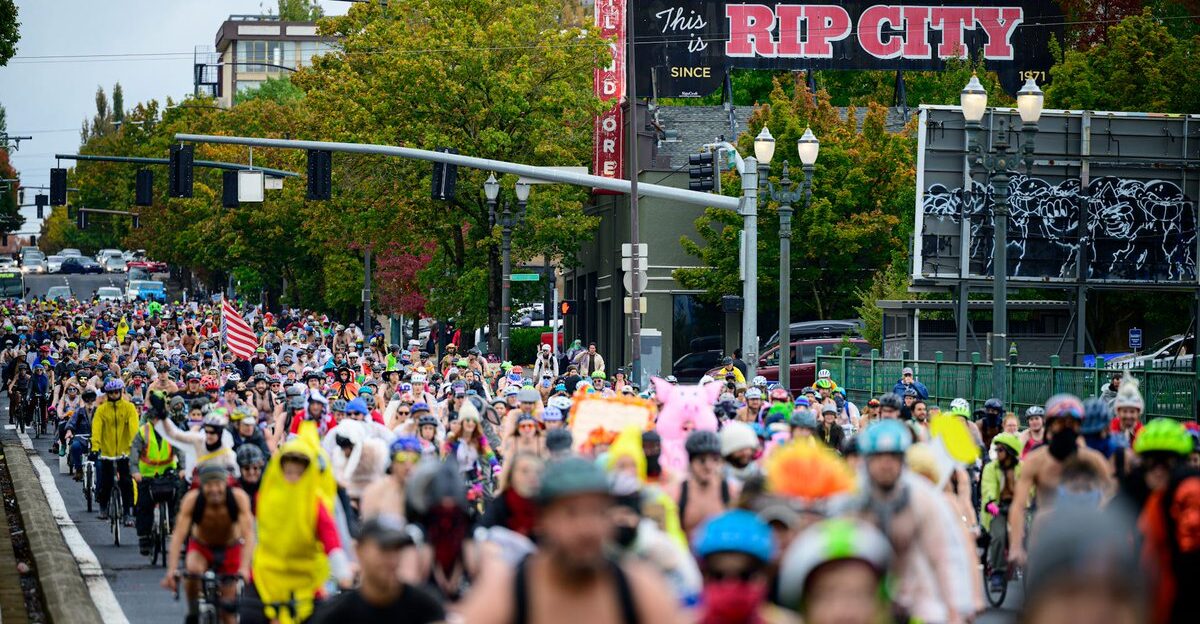
Portland protests began on 4 June 2025 and were largely peaceful. By 2 October, 128 arrests had been made. Courts determined these actions did not constitute rebellion.
The administration’s framing conflicted with judicial findings. How this mismatch influenced public perception remained an open question.
Governors’ Constitutional Stand
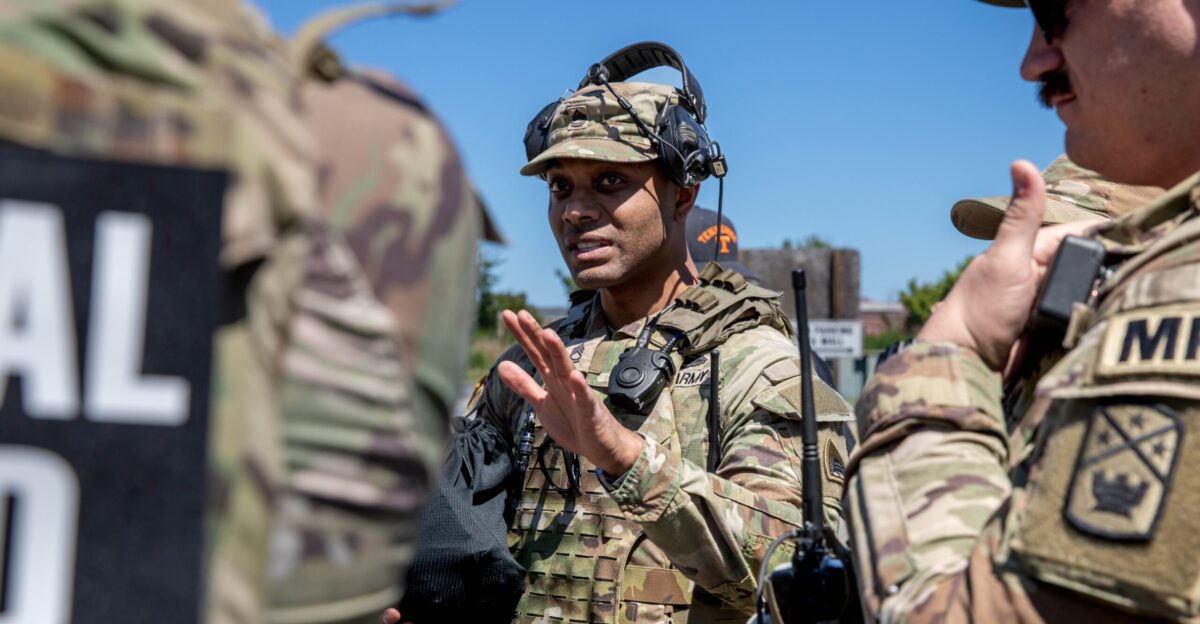
Legal challenges emphasized state authority over the National Guard. Judge Immergut ruled federalization violated both Title 10 and the 10th Amendment.
Governor objections and court rulings together set a precedent for limits on presidential military authority. Would these rulings hold if further appeals reached the Supreme Court?
Supreme Court Awaits
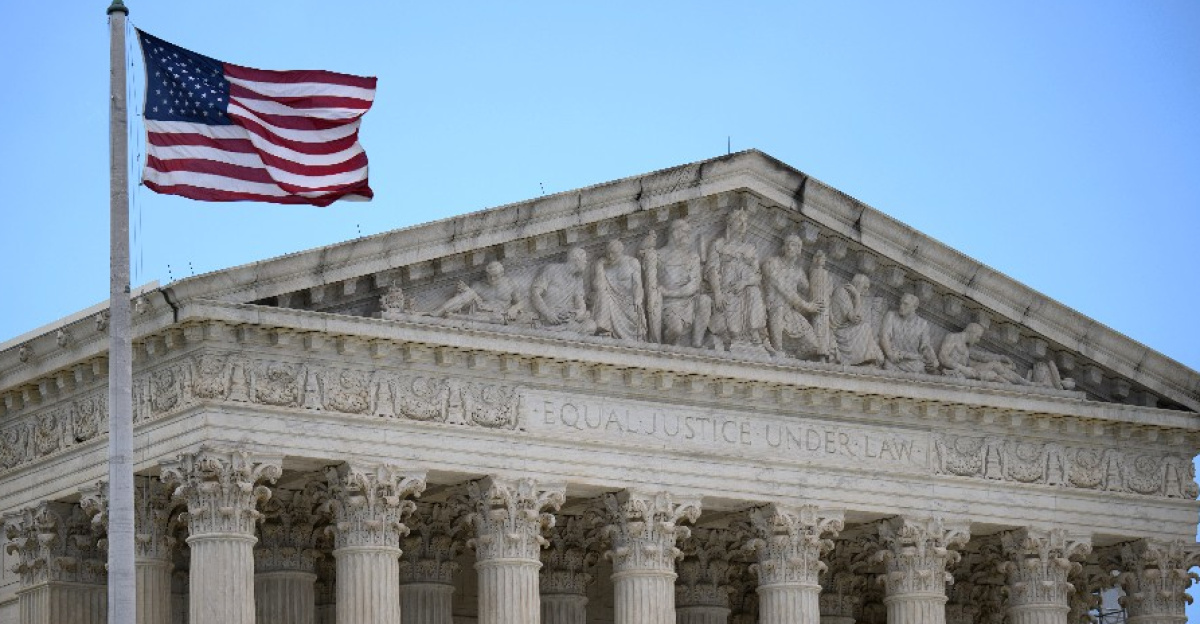
The Supreme Court reviewed briefs on whether “regular forces” meant traditional military or law enforcement. Illinois argued that Trump lacked authority under Title 10 since he did not first use regular forces.
The pending decision would determine federal power boundaries, leaving cities and troops in a state of uncertainty. Could it reshape domestic military deployment rules?
Residents’ Daily Lives
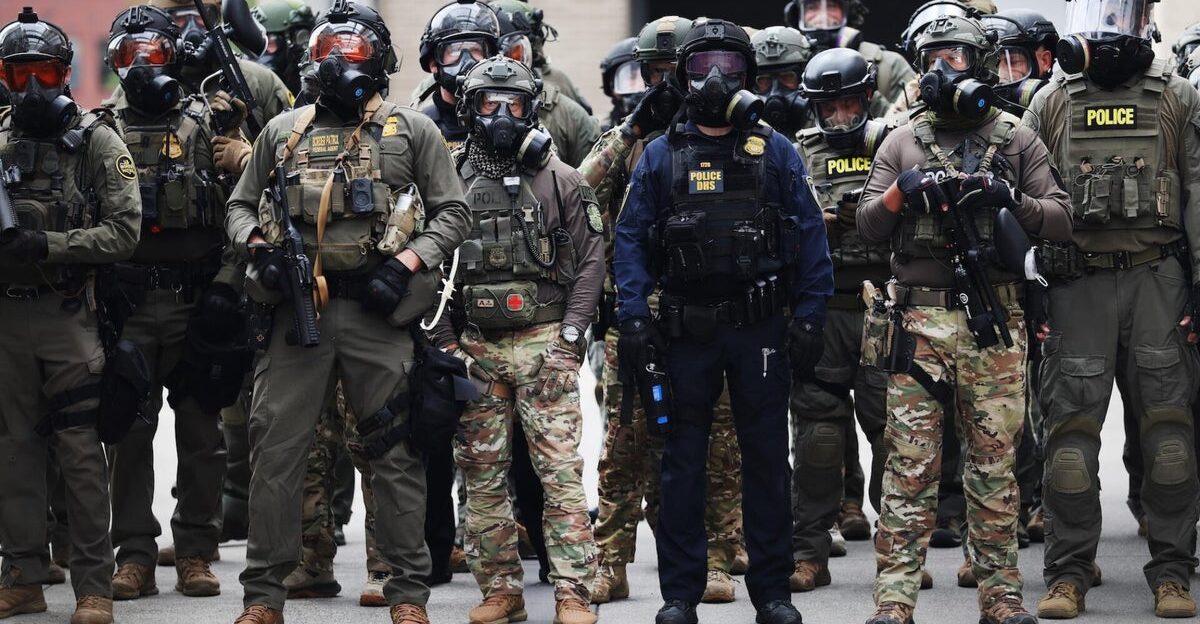
Fear permeated neighborhoods under the presence of federalized troops. Children stayed home, stores remained closed, and residents avoided streets.
Economic paralysis and social anxiety demonstrated that even without street deployment, federal operations can profoundly disrupt community life. Could long-term effects linger beyond troop withdrawals?
Small Businesses Struggle

Marlene Arroyo of Guerrero Auto & Body reported a 60% business decline in Chicago’s Pilsen area. Fear of enforcement discouraged customers and staff alike.
The economic ripple effect extended to vendors, employees, and tax revenues. Financial recovery remained uncertain as courts and federal authorities negotiated the return of troops.
Military Perspective
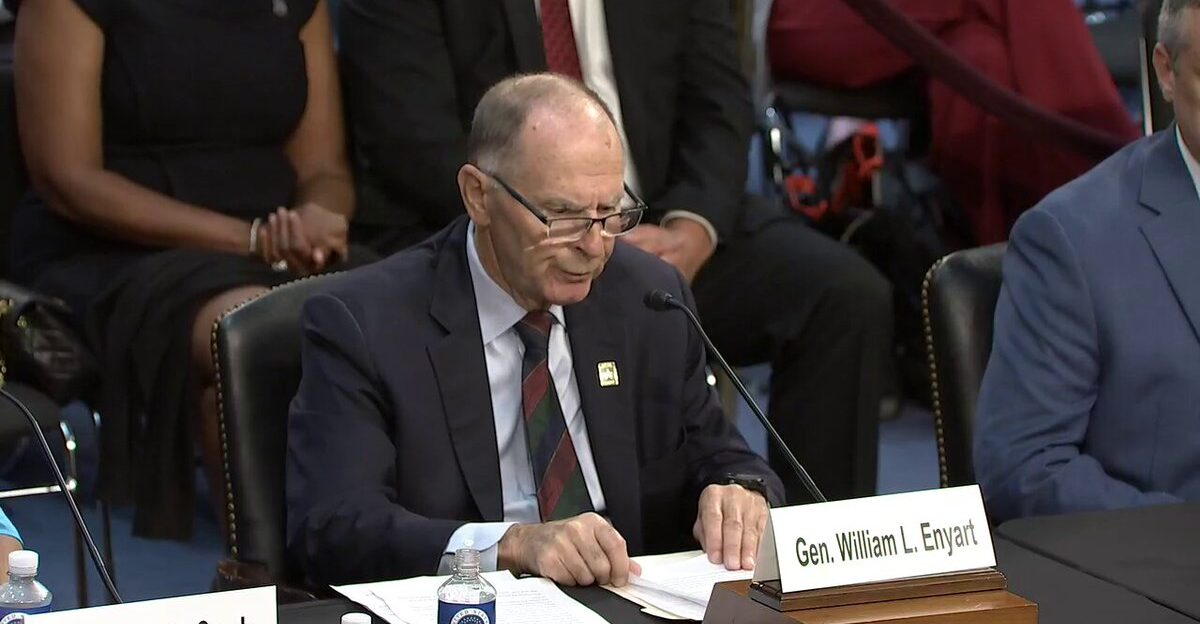
Retired generals praised the system’s checks and balances. Maj. Gen. William Enyart said on 19 November 2025: “This shows the relative strength of the system and of the founding fathers in designing that system.”
Military leaders observed operational disruptions. Soldiers conducted training exercises, not active enforcement, underscoring the tension between deployment intentions and realities.
The Federal Withdrawal
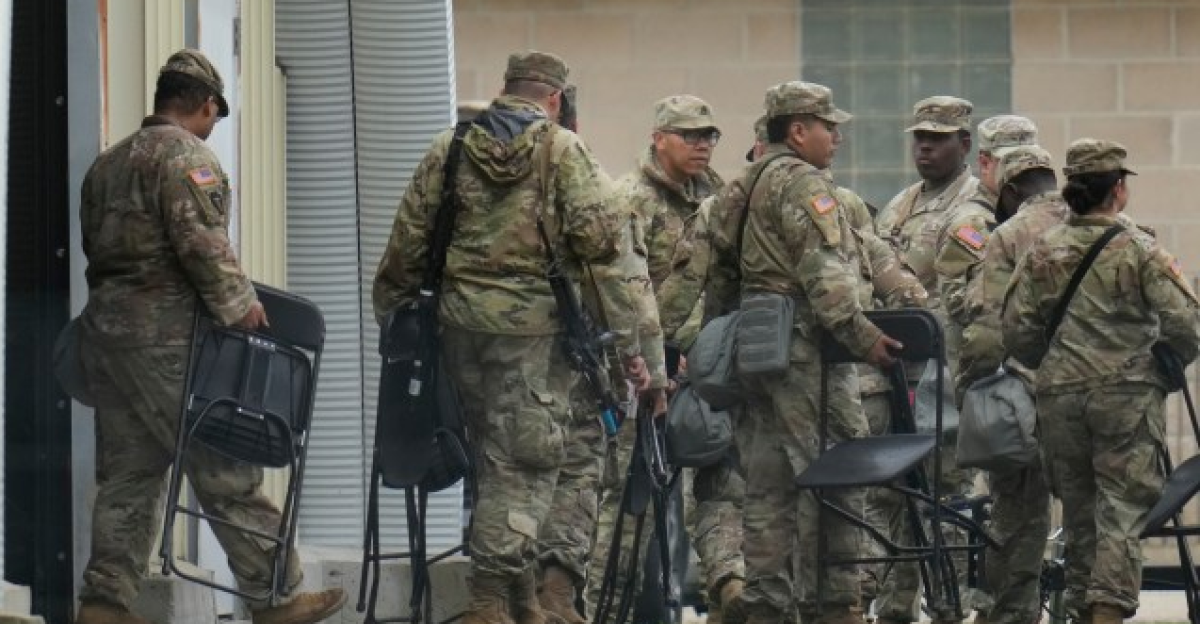
From 16 to 17 November 2025, hundreds of troops returned home: 200 from California to Portland, 200 from Texas to Chicago, and 100 Oregon National Guard members set for demobilization.
Court-ordered stays delayed complete withdrawal, leaving federalized units in limbo. Yet, the announcement marked a partial resolution and signaled a shifting federal priority.
Long-Term Implications
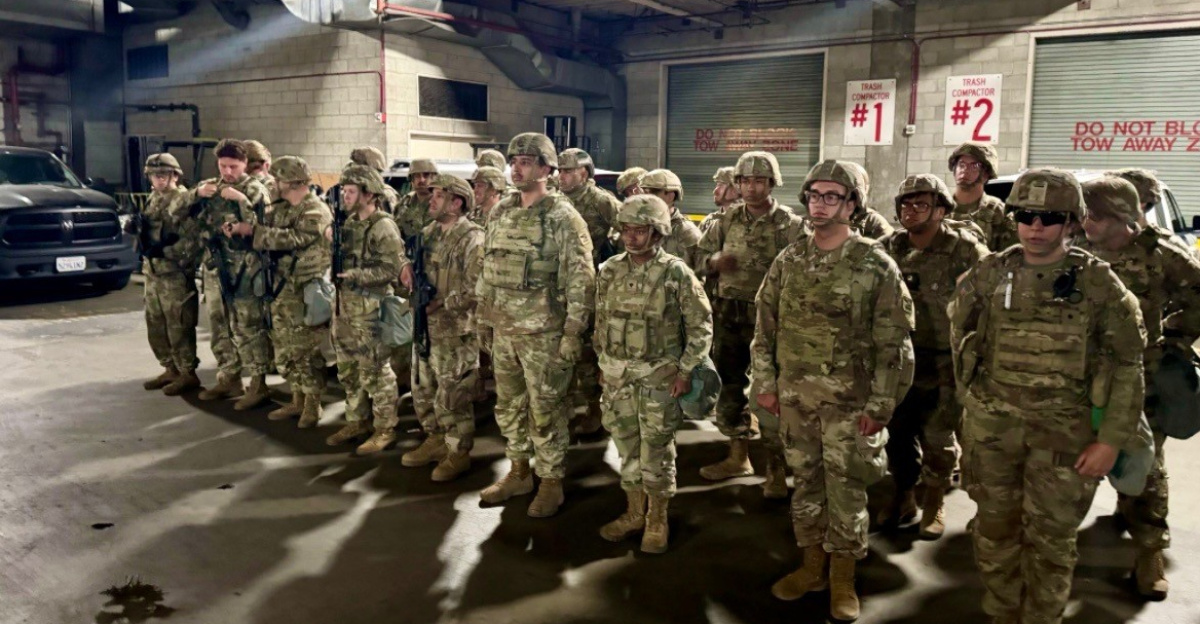
U.S. Northern Command’s “shift/rightsize” plan suggested maintaining a permanent federal footprint. Even with fewer visible troops, control structures remained.
Legal, constitutional, and social debates continued. The outcome could influence future domestic military deployments and clarify the limits of Title 10 authority.
A Historic Conflict Unfolds
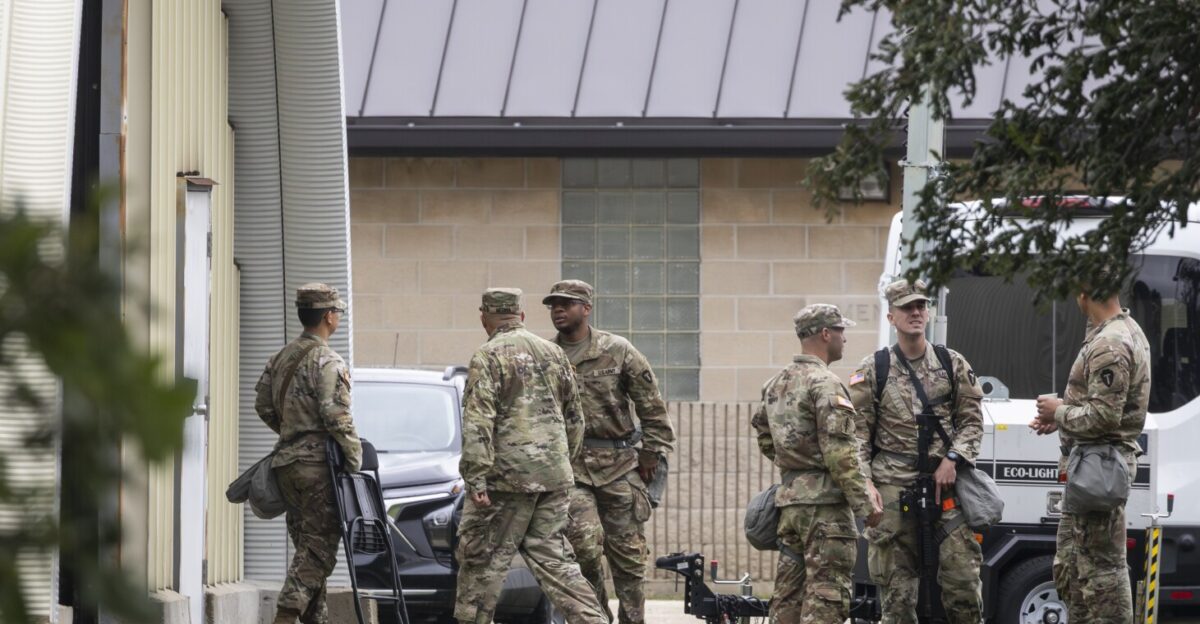
The largest peacetime mobilization of the National Guard in U.S. history affected over 3.4 million people across multiple states. Courts, governors, residents, and soldiers all experienced direct impact.
While withdrawals eased immediate tensions, debates over federal power, constitutional limits, and local sovereignty are far from resolved, keeping cities on edge and legal outcomes pending.