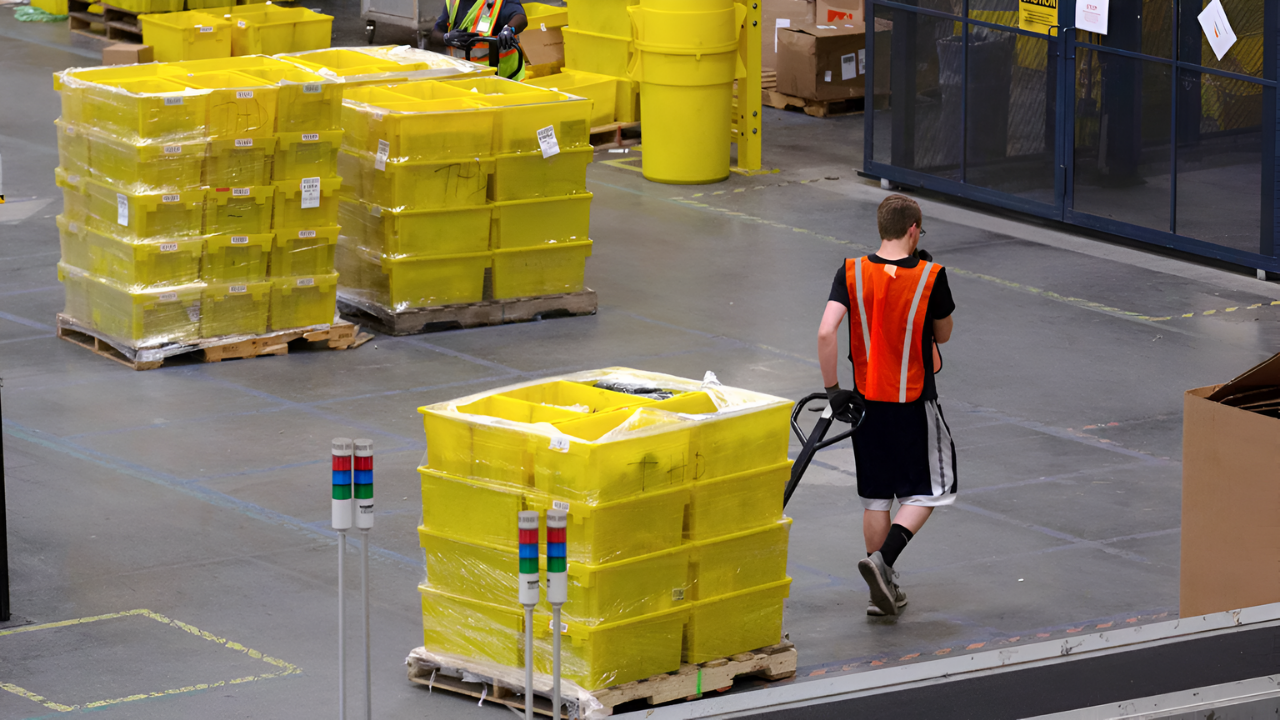
Macy’s is shutting down part of its South Windsor operations, leaving 106 employees facing permanent layoffs. Jonathan Castro, Senior Director of Human Resources, said, “We’re committed to making this transition as smooth as possible.”
While framed as operational modernization, the move carries real economic and personal consequences. Families, local businesses, and supply chain networks will all feel the ripple effects. Let’s look closer at what this change means for the people and communities involved.
What’s Going On

Macy’s is shutting down Backstage distribution work at its South Windsor facility, affecting 106 employees across warehouse, training, coordination, and management roles. The company confirmed these are permanent layoffs with no bumping rights.
Although broader operations continue, this targeted shutdown reflects Macy’s decision to centralize Backstage logistics elsewhere. Understanding which workers are being displaced reveals the scope of disruption ahead.
Who Is Losing Jobs
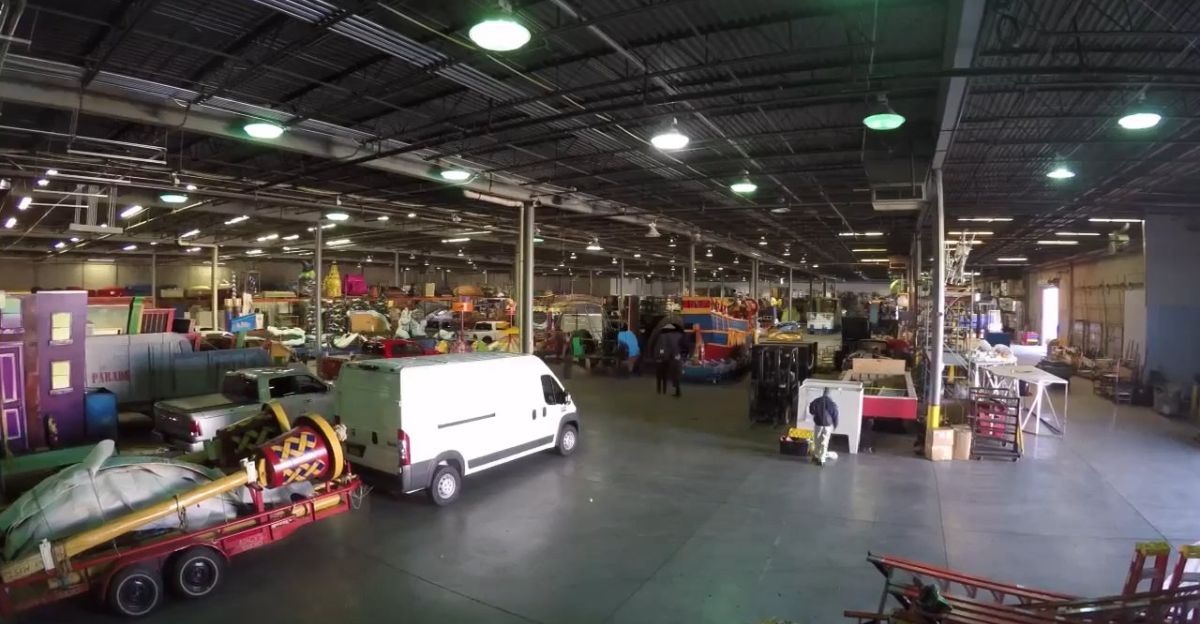
The workforce includes warehouse associates, equipment operators, coordinators, trainers, leads, and managers. Each role supports Backstage product flow, meaning the entire function is being removed from Connecticut.
With no union protections and limited relocation options, these employees face immediate pressures in the labor market. The makeup of the group reveals how deeply this change penetrates the operation.
Macy’s Official Explanation
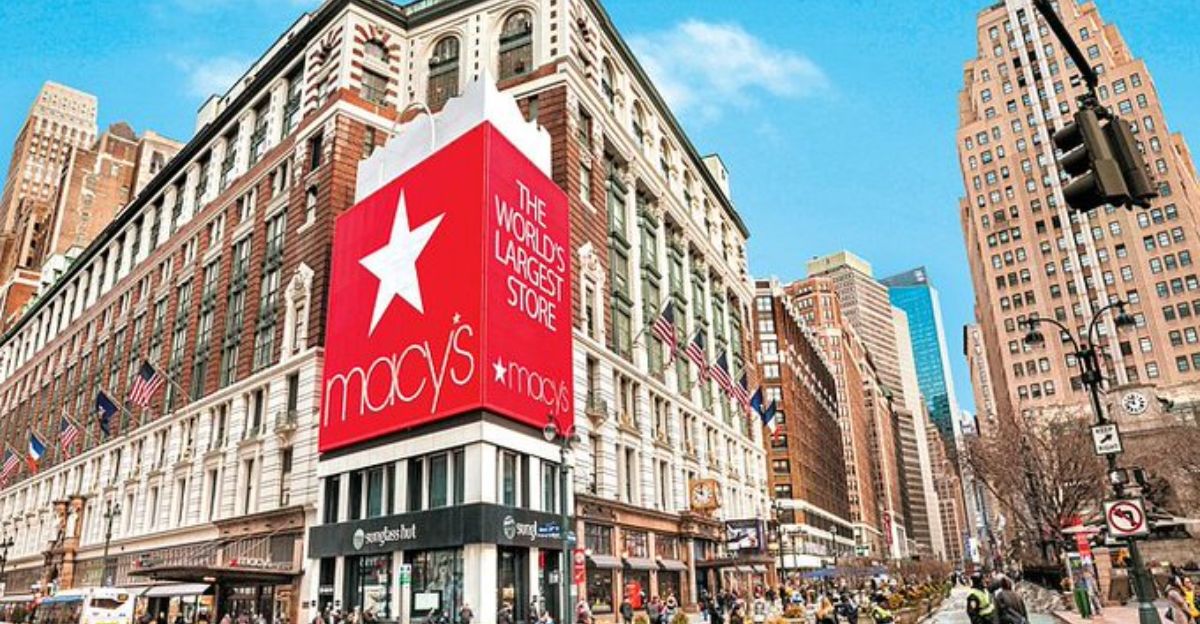
Jonathan Castro, Senior Director of Human Resources, stated on October 30, 2025: “We’re committed to making this transition as smooth as possible.” His statement accompanies a permanent job loss that cannot be reversed.
Corporate messaging emphasizes transition support, yet the affected workers receive only 60 days’ notice. This contrast highlights the tension between public reassurance and hard outcomes.
Inside the Bigger Strategy
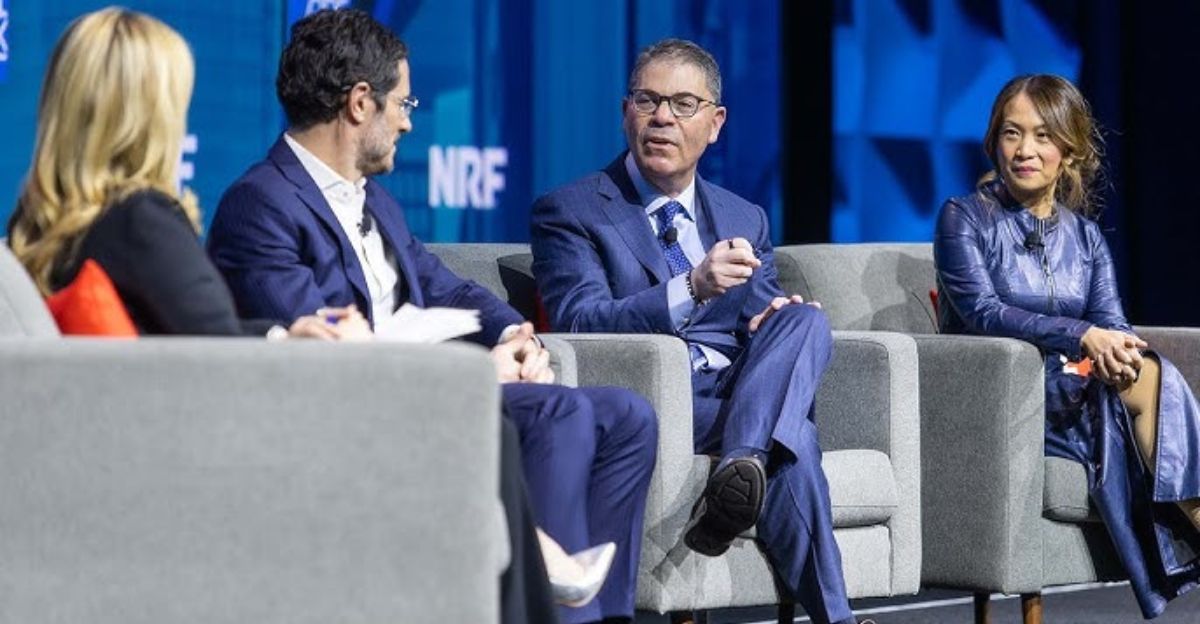
CEO Tony Spring announced the Bold New Chapter plan in February 2024 to overhaul operations and close underproductive sites. He later said on 5 March 2025: “Investments in the customer experience enabled us to achieve our highest comparable sales of the year.”
This broader strategy supports decisions like the South Windsor consolidation, setting the stage for further cost-saving moves.
Automation Behind the Decision

Sean Barbour, Senior Vice President of Supply Chain Operations, noted on 22 October: “We’ve tested and learned from automation at other sites.” His comments outline the philosophy replacing South Windsor’s manual operations.
Automation increases efficiency but reduces the need for labor. The shift shows how technology investment is shaping Macy’s logistics network.
Why Backstage Was Targeted
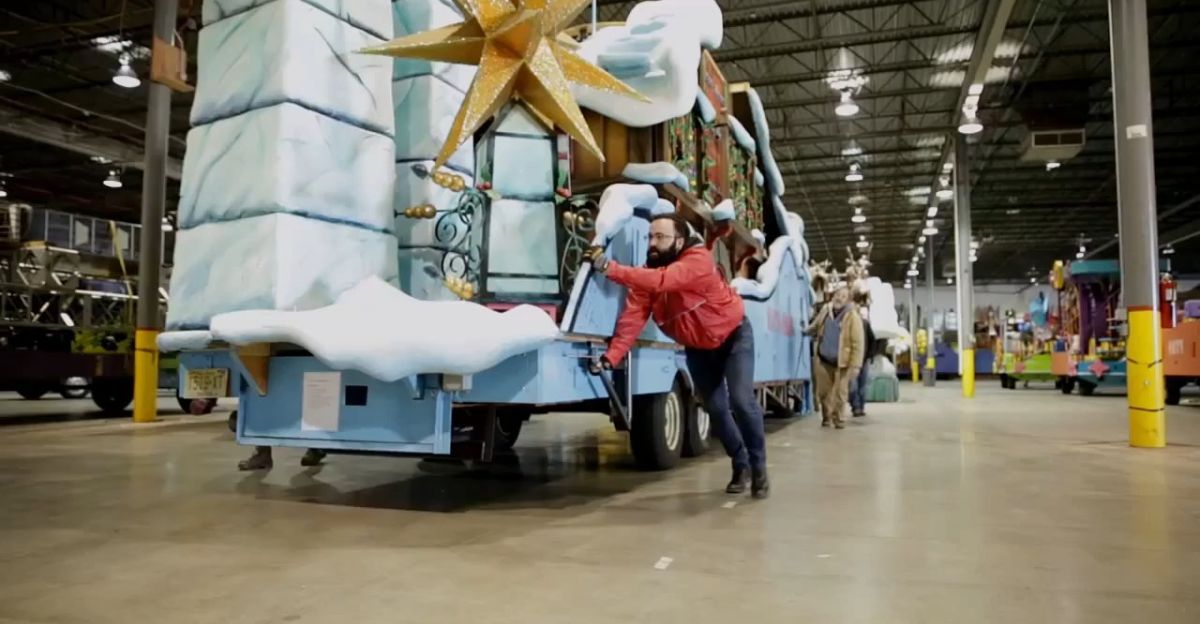
Macy’s Backstage is its off-price retail concept, supporting nearly 300 store locations. South Windsor handled part of that distribution before becoming redundant within the new network.
Centralizing Backstage fulfillment reduces duplication and aligns with Macy’s updated logistics footprint. The decision indicates where the company believes efficiency gains are strongest.
Where Operations Are Moving

Backstage work is shifting to a dedicated hub in Columbus, Ohio. That facility was established in 2018 to support the expanding off-price operations and now employs roughly 400 workers.
Consolidating into Columbus allows Macy’s to manage national Backstage inventory through a single, more advanced site. This signals a long-term shift westward.
Another Facility Rising
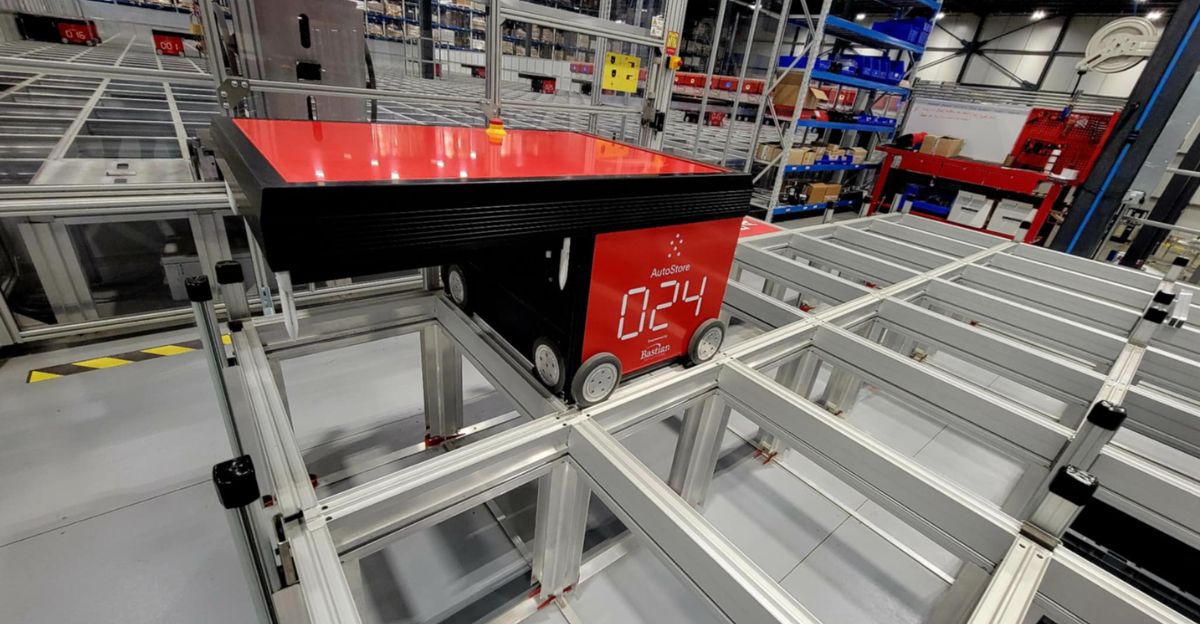
Macy’s also opened a highly automated 2.5-million-square-foot fulfillment center in China Grove, North Carolina. That site uses robotics, automated storage, and AI-driven systems to increase productivity.
The North Carolina facility represents the model Macy’s plans to replicate. Its scale explains why older locations like South Windsor are being phased out.
When the Layoffs Begin
Affected workers will lose their jobs between 28 December 2025 and 10 January 2026. The timing follows the holiday season and precedes the new year.
This schedule leaves employees searching for work during a period when hiring typically slows. It also concentrates the financial impact inside a single fiscal window.
Required Legal Steps

Macy’s filed a WARN notice on 28 October 2025 with federal and state labor agencies. WARN rules require at least sixty days’ notice for major layoffs.
The filing begins the countdown toward closure. While legally compliant, the notice period offers limited time for workers to adjust or secure new employment.
How Macy’s Informed Staff

Internal notifications were issued alongside the WARN filing. Management outlined that Backstage operations would close permanently and that affected roles would not return.
Employees were told they would receive information about severance and transfer opportunities. The details, however, remain limited, leaving workers uncertain about next steps.
Severance and Support

The company said workers will get severance information and access to potential openings at nearby Macy’s locations. The specific financial structure has not been publicly confirmed.
Without clear severance terms or available positions, employees face challenging decisions. This uncertainty shows the limits of transition support during operational cutbacks.
Impact on the Community

South Windsor will lose approximately four to five million dollars in annual wages tied to these jobs. Local spending and tax contributions will likely decline as a result.
The town’s diverse employer base softens the blow, yet the economic ripple affects households directly tied to Macy’s. The closure still removes a steady source of income for many families.
A Shift in Regional Logistics
South Windsor once served as a major Northeast distribution point. Centralizing Backstage operations marks a strategic move away from older regional hubs.
The Northeast loses part of its historical role in Macy’s logistics network. This shift reflects new geographic priorities based on store performance and customer demand.
How Columbus Became the Hub
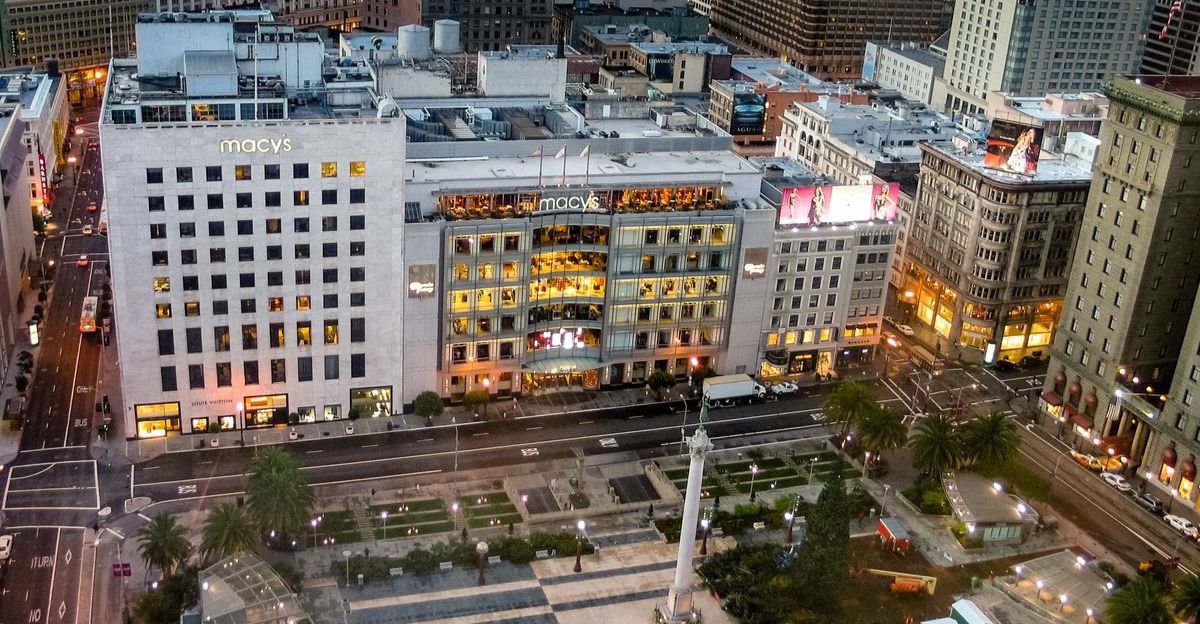
The Columbus site benefits from favorable tax structures and airport proximity, supporting rapid merchandise movement. It is better equipped than South Windsor to manage national Backstage flow.
These advantages make Columbus the logical center for Macy’s off-price logistics. Its capabilities highlight why multiple older sites are being consolidated.
Why Macy’s Needs Savings
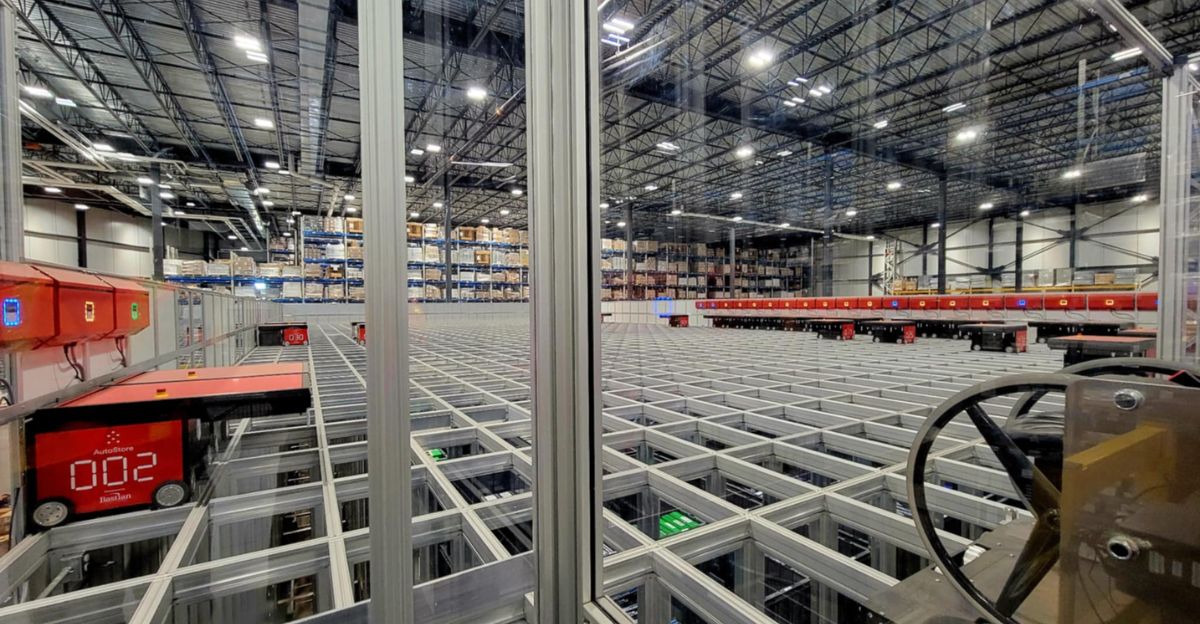
Net sales fell 3.5 percent in fiscal 2024 to 22.3 billion dollars. Outdated store formats and online competition reduced revenue momentum across key quarters.
Facing persistent declines, Macy’s is pushing cost reductions across its network. Savings from supply chain consolidation are necessary to stabilize performance.
Investor Pressure Rising

Activist investors challenged Macy’s leadership in late 2023 and early 2024. The Bold New Chapter plan became a response to demands for stronger financial discipline.
Closing redundant facilities supports that objective. The South Windsor move is one of many actions intended to defend shareholder value.
Industrywide Cost Cutting

Retail competitors including Walmart and Amazon streamlined fulfillment after the pandemic. Analysts estimate consolidation cuts overhead by roughly twenty percent across major retailers.
Macy’s is following the same trend to remain competitive. The company’s shift shows how the entire sector is adapting its infrastructure.
What This Means for Workers
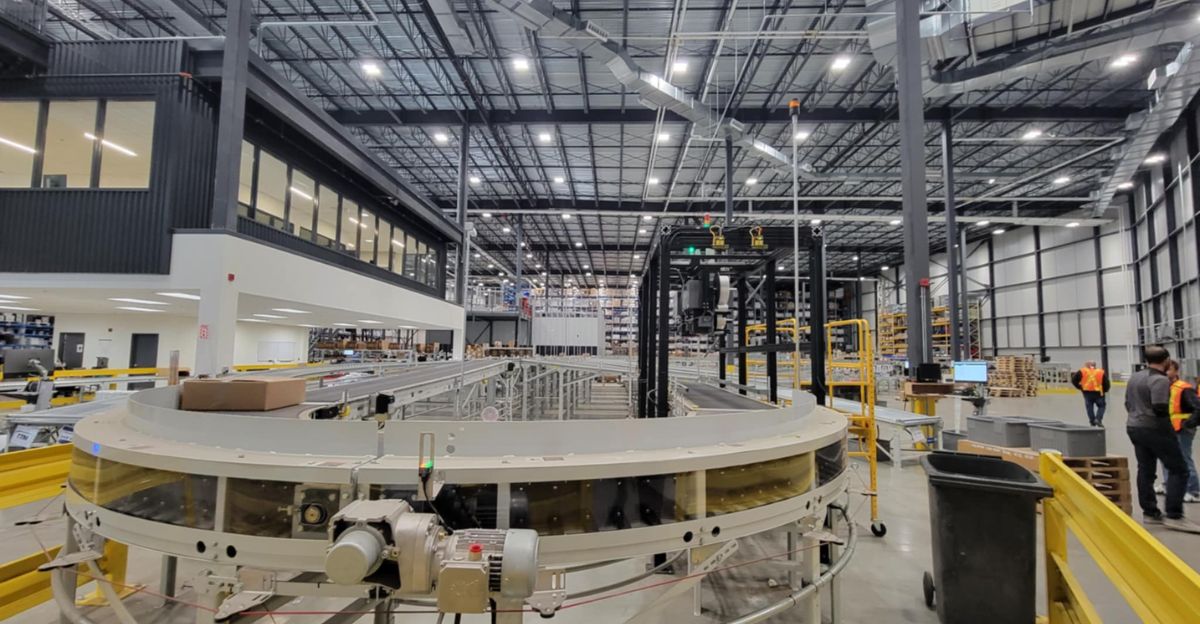
The South Windsor shutdown removes positions without relocating equivalent roles. Automation and centralization reduce future hiring needs at similar sites.
This demonstrates how retail modernization often eliminates local jobs. Workers displaced today may face limited options within the same industry.
What Comes Next
South Windsor will continue non-Backstage distribution work for now. The Backstage portion may be repurposed or remain idle as the company reevaluates space use.
Further consolidations may follow as Macy’s progresses through its strategy. Watching how these changes affect remaining operations will offer clues about future adjustments.
The Larger Picture
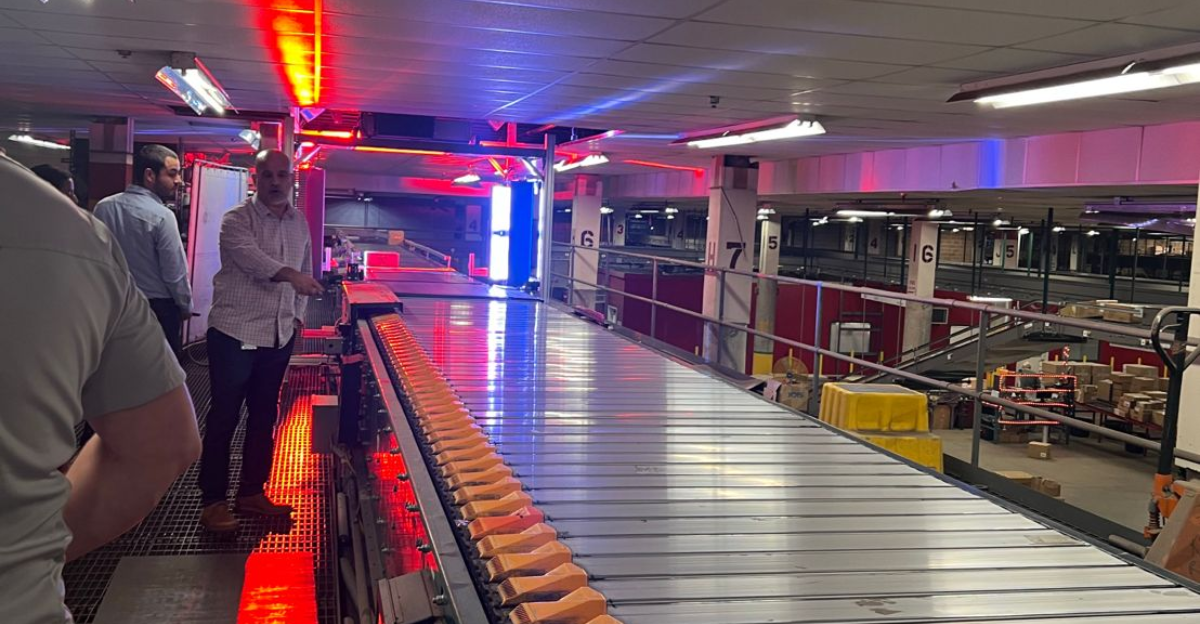
The South Windsor Backstage closure fits into a national realignment of Macy’s supply chain. Every decision reflects a balance between efficiency and human impact.
As Macy’s modernizes, the people affected by these moves live the most immediate consequences. Understanding their experience helps reveal what operational progress truly costs.