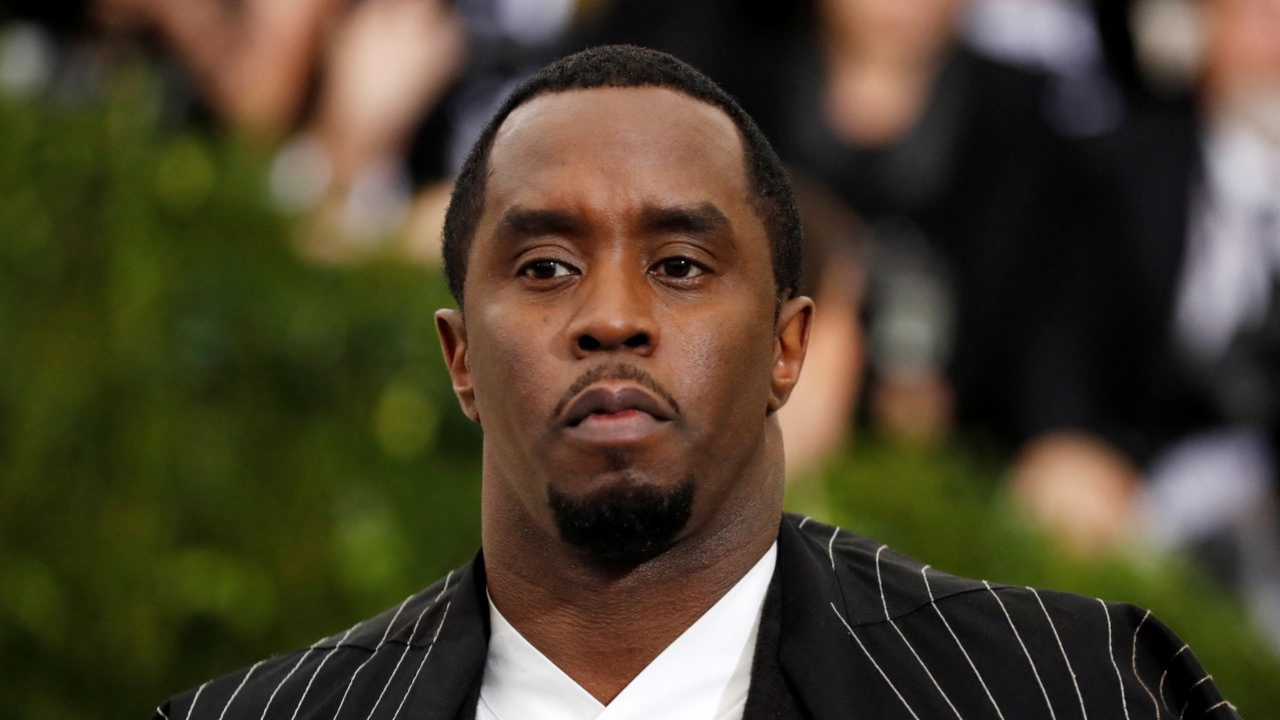
Sean “Diddy” Combs’ $100 million defamation lawsuit against NBCUniversal has hit a major obstacle, as the music mogul’s own courtroom admissions threaten to unravel his case. At the heart of the legal battle is a documentary that aired on Peacock in January 2025, which Combs claims falsely depicted him as a criminal and damaged his reputation. Now, NBCUniversal is using Combs’ own words from his October 2025 sentencing hearing to argue that he, not the network, is responsible for any reputational harm.
The Documentary and the Lawsuit
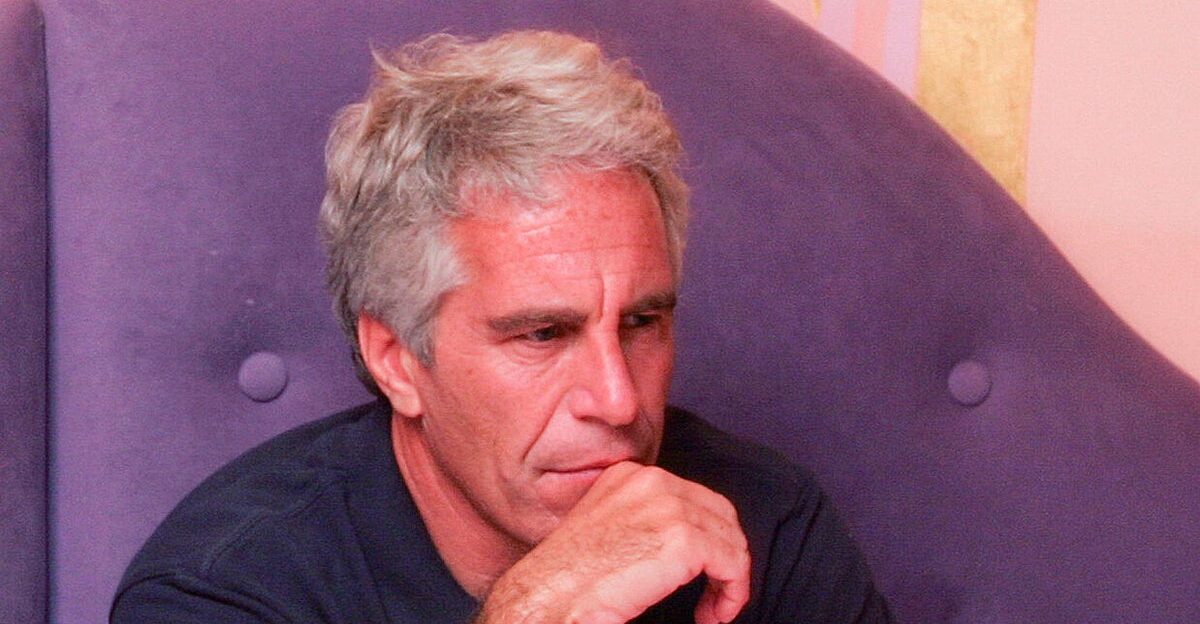
In February 2025, Combs filed suit against NBCUniversal, Peacock, and Ample Entertainment over “Diddy: The Making of a Bad Boy.” The documentary chronicled Combs’ rise in the music industry but also included allegations of abuse and criminal activity. Combs alleged that the film promoted conspiracy theories, compared him to notorious figures like Jeffrey Epstein, and suggested he was involved in the deaths of Kim Porter and The Notorious B.I.G. The documentary featured interviews that questioned the official cause of Porter’s 2018 death, despite the coroner’s ruling of natural causes and no evidence of foul play.
Combs’ lawsuit accused the filmmakers of defamation, arguing that the documentary’s content was not only false but also designed to destroy his public image. He claimed the film’s portrayal went beyond reporting and entered the realm of character assassination.
Criminal Conviction and a Damaging Confession
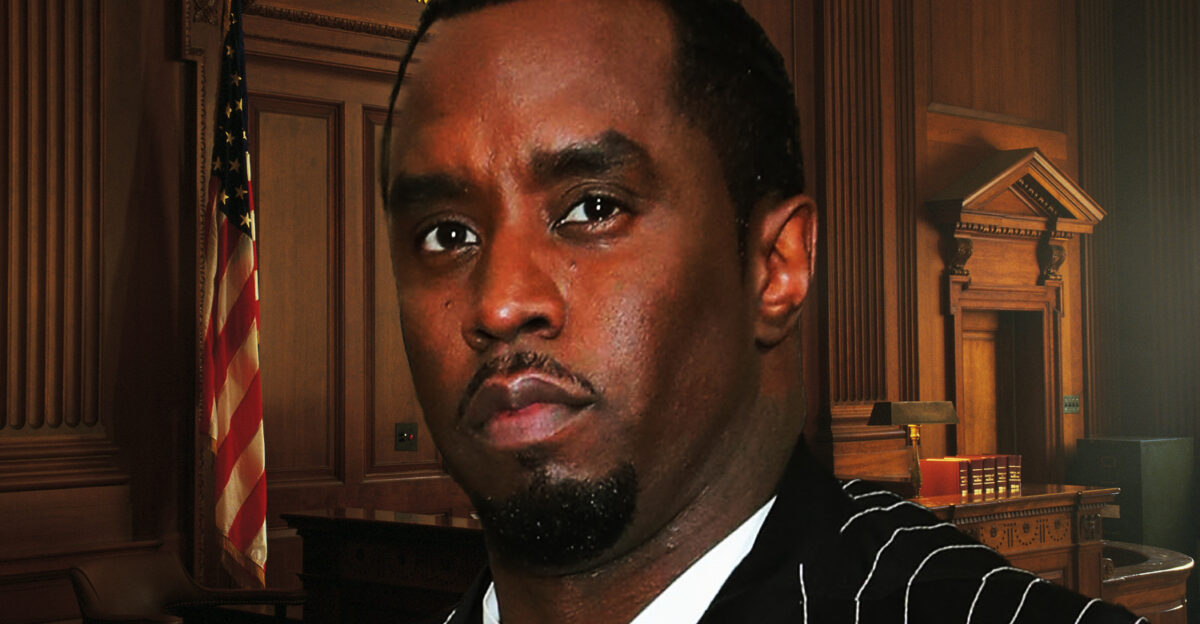
The context surrounding the lawsuit is critical. In September 2024, Combs was arrested on federal charges, including sex trafficking and racketeering. After a high-profile trial in mid-2025, he was convicted on two counts related to prostitution under the Mann Act, though acquitted of other charges. Sentencing took place in October 2025.
During his sentencing, Combs delivered a statement in which he accepted responsibility for his actions. He told the court, “Because of my decisions, I lost my freedom. I lost my career. I totally destroyed my reputation.” NBCUniversal seized on this admission, arguing in a November 2025 motion to dismiss that Combs’ own words prove he caused his reputational harm, not the documentary.
Legal Hurdles: Causation and Reputational Damage
NBCUniversal’s defense centers on a key principle in defamation law: causation. To win, Combs must show that the documentary’s false statements directly caused his reputational damage. NBCUniversal contends that Combs’ courtroom confession severs this link, making it nearly impossible for him to prove the documentary was the source of his harm.
The network maintains that Combs’ reputation was already severely damaged before the documentary aired. Legal experts note that Combs’ public figure status raises the bar for his case, requiring him to prove “actual malice”—that the filmmakers knowingly lied or acted with reckless disregard for the truth.
A Complicated Timeline and Pre-existing Damage
The sequence of events further complicates Combs’ position. The documentary aired in January 2025, and he filed suit the following month. His criminal conviction and public confession came months later, undermining the foundation of his lawsuit. NBCUniversal argues that Combs’ reputation had already suffered from a series of scandals before the documentary’s release, including a high-profile lawsuit by Cassie Ventura, a widely circulated hotel assault video, his federal arrest, and dozens of civil lawsuits. By the time the documentary aired, negative publicity had already engulfed Combs’ public image.
NBCUniversal also maintains that the documentary’s content was based on information already in the public domain, including court records and media reports. Statements likening Combs to “Lucifer” were presented as opinions from interview subjects, not factual assertions by the network.
Combs’ Response and Broader Legal Stakes
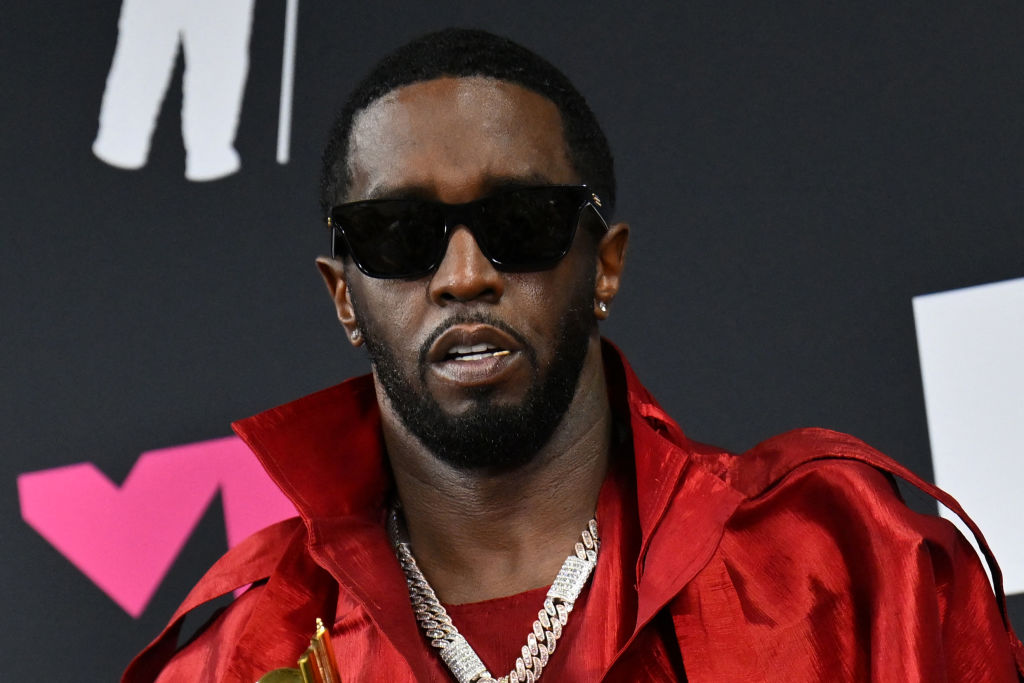
Combs’ representatives argue that NBCUniversal is misrepresenting his courtroom statement and that the documentary still bears responsibility for meeting journalistic standards. However, legal analysts point out that sworn statements in federal court are difficult to dismiss and carry significant weight in civil litigation.
This lawsuit is not Combs’ only legal battle. He has filed additional defamation suits against other media outlets and individuals, but faces the challenge of fighting on multiple fronts while serving his prison sentence. Legal observers warn that arguments made in one case can be used against him in others, and that the public may view his litigation as an attempt to silence critics rather than restore his reputation.
Looking Ahead: Implications for Media and the Law
The outcome of Combs’ lawsuit could have far-reaching consequences for investigative journalism and documentary filmmaking. A victory for Combs might make media organizations more cautious in reporting on public figures, while a win for NBCUniversal would reinforce the right to report on matters of public concern, especially when based on public records and legal proceedings.
As of November 2025, Combs remains incarcerated, and NBCUniversal’s motion to dismiss is pending in New York court. Legal experts suggest a full dismissal is likely, but appeals and further litigation could follow. The case may set a precedent for how admissions of wrongdoing in criminal court affect defamation claims, underscoring the complex interplay between criminal accountability and civil reputation in the public eye.