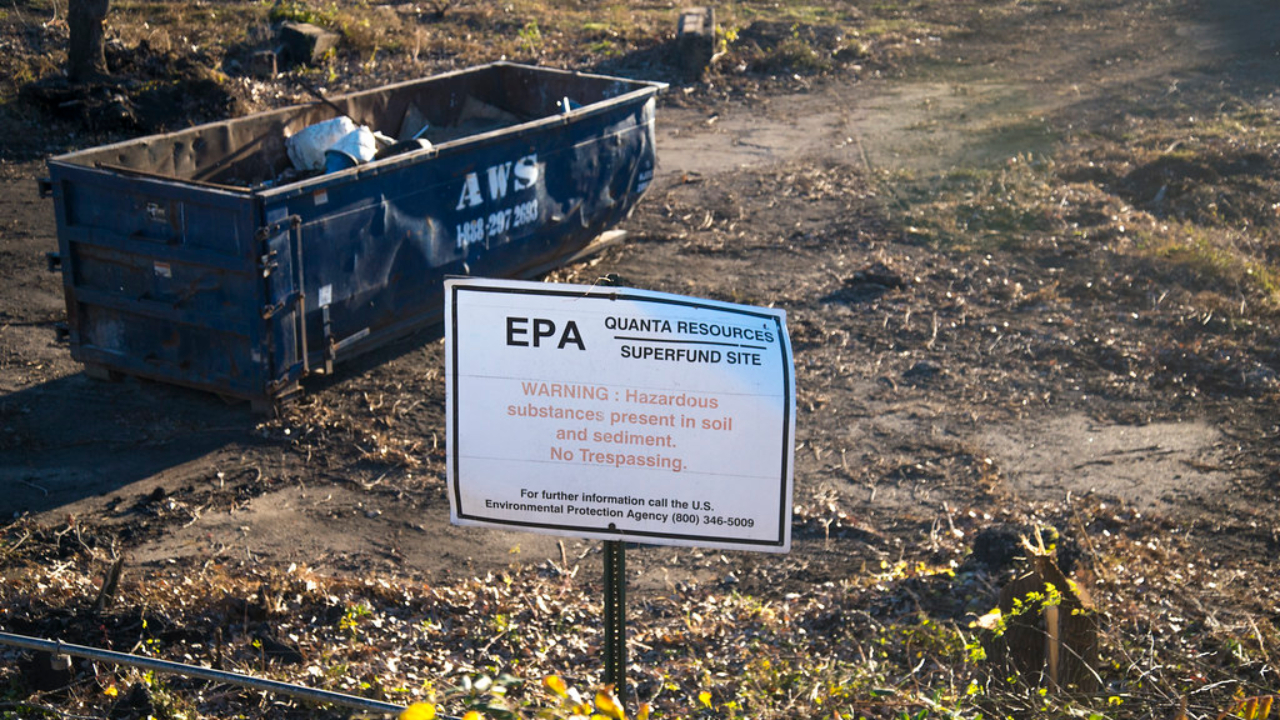
For the first time in U.S. history, federal radiation safety standards are undergoing a fundamental reversal. In May 2025, President Trump’s Executive Order 14300 directed the Nuclear Regulatory Commission to overhaul decades of radiation protection guidelines. The shift accelerated in July when Idaho National Laboratory recommended increasing public exposure limits from 100 to 500 millirems annually—a fivefold increase that would dramatically reshape what America considers safe radiation exposure.
The proposed changes target two foundational principles established in the late 1950s: the Linear No-Threshold model, which assumes any radiation dose carries proportional cancer risk, and the ALARA principle—”As Low As Reasonably Achievable.” These concepts have governed nuclear plant operations, contaminated site cleanup, and medical imaging for generations. The NRC confirmed in November that it is reconsidering these standards, with a proposed rule expected by February 2026 and final regulations by November 2026.
Unequal Health Consequences
The health impacts of loosened standards will not fall equally across American families. Women face approximately 37.5 to 50 percent higher cancer mortality risk than men from identical radiation doses, according to the National Academy of Sciences’ 2006 BEIR VII report. Young girls carry even graver risk: those under age five face substantially higher lifetime cancer risk than adult women, and significantly higher risk than adult men exposed to the same dose.
Current radiation standards were designed around “Reference Man”—a 70-kilogram adult male. This framework has obscured sex-based vulnerability differences for decades. Proposed increases would expand exposure limits without addressing these populations most harmed.
Contamination Pattern in Missouri
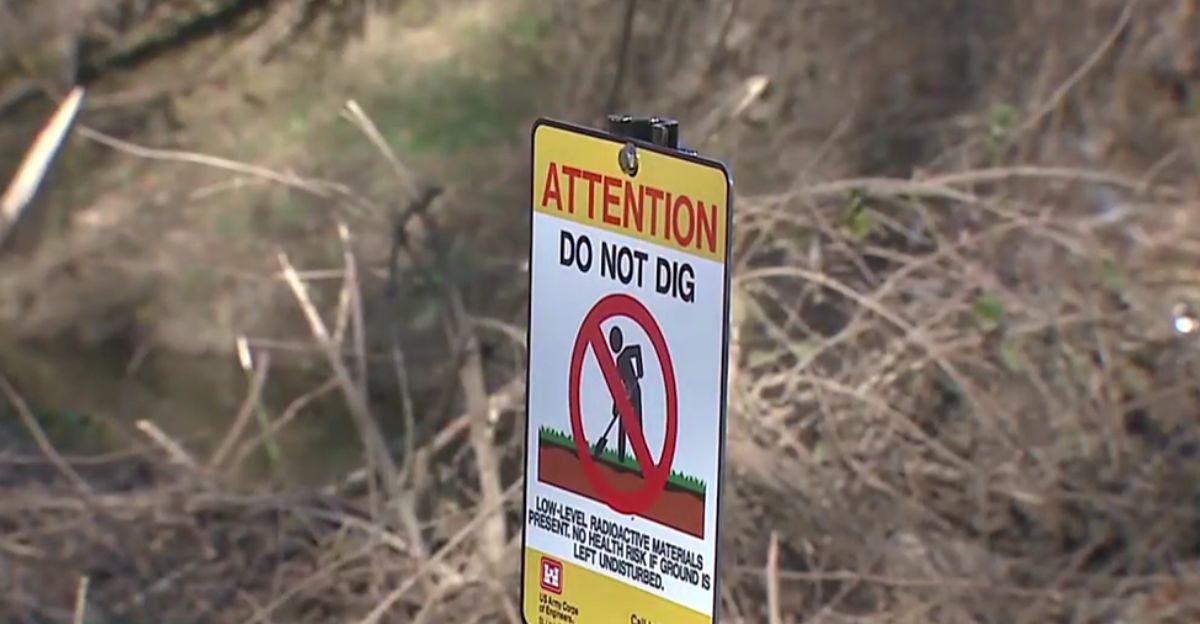
The existing standards have already proven inadequate. When Congress expanded the Radiation Exposure Compensation Act in July 2025 to cover Missouri communities near contaminated Coldwater Creek, a striking pattern emerged. A JAMA study found that residents living closest to the creek faced 44 percent increased odds of cancer diagnosis compared to those living farther away. These families began receiving federal compensation in November 2025.
Coldwater Creek winds through suburban St. Louis neighborhoods where families have lived for generations, unaware that Manhattan Project uranium enrichment waste from a former airport storage site contaminated the waterway decades ago. Children played in the creek. Teens hung out on its banks. The JAMA study found that residents living closest to Coldwater Creek faced 1.85 times higher odds of radiosensitive cancers—including breast, thyroid, and leukemia—with thyroid cancer showing a particularly strong association.
The site remains unclean, and proposed federal cleanup efforts rely on current radiation standards. If those standards loosen fivefold, remediation requirements could evaporate—leaving contamination in place indefinitely.
Scope of Regulatory Change
The Idaho National Laboratory’s July 2025 report recommends eliminating the ALARA principle entirely and raising public radiation exposure limits fivefold. The report also proposes a tenfold increase in exposure limits for nuclear workers. The proposed changes extend far beyond nuclear power plants. Approximately 50 to 100 Superfund sites across America contain radioactive contamination requiring cleanup under current standards. Loosened limits could transform these sites from mandatory remediation zones to “acceptable risk” areas, potentially halting cleanup efforts and saving responsible parties billions in costs.
Expert Warnings and Industry Pressure
Mary Olson, founder of the Gender and Radiation Impact Project, spearheaded a letter from over 40 organizations warning that loosening current standards would cause disproportionate harm to women and children. Dr. Amanda Nichols of UC Santa Barbara, lead author of the UNIDIR report “Gender and Ionizing Radiation,” warned of disproportionate harm to women and especially young girls.
Meanwhile, nuclear industry advocates argue that existing radiation standards are overly conservative and economically restrictive. These aligned industry voices create political pressure for regulatory loosening, particularly as the Trump administration positions nuclear energy as central to energy independence goals.
Yet scientific bodies have reaffirmed the validity of protective standards. The National Council on Radiation Protection conducted a comprehensive review and concluded that the Linear No-Threshold model “continues to be a pragmatic approach” to managing radiation risk. The proposed reversal would mark an unprecedented regulatory retreat, prioritizing economic considerations over the precautionary principle that has guided public health protection for decades.