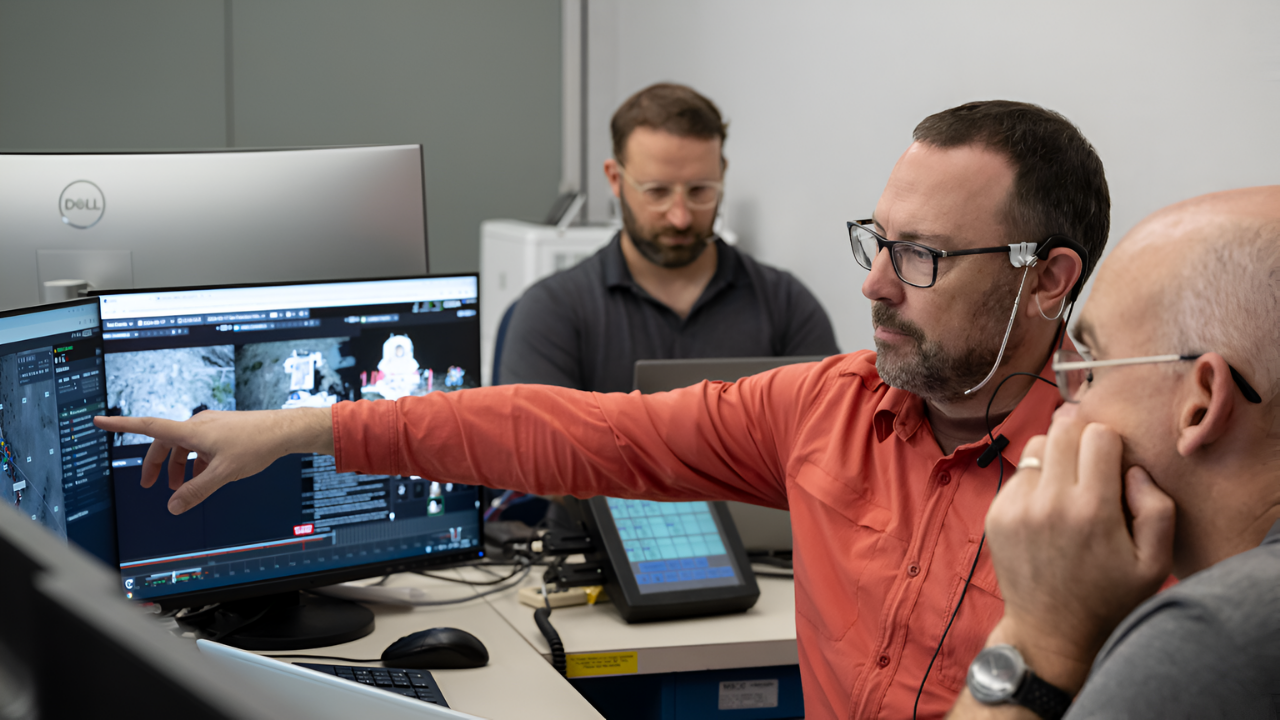
When Harvard astrophysicist Avi Loeb suggested that the interstellar object 3I/ATLAS might be powered by alien technology, the claim ignited a worldwide debate involving scientists, celebrities, and lawmakers.
NASA responded with coordinated observations across multiple spacecraft and telescopes, systematically addressing the extraordinary assertions while emphasizing that the object exhibits natural cometary behavior. The controversy highlighted the challenges of communicating science amid viral speculation and public fascination with the unknown.
“Some features of this comet may appear unusual, but there is no evidence of artificial propulsion,” NASA officials stated. Here’s what’s happening as scientists dissect 3I/ATLAS.
Discovery and Unusual Behavior
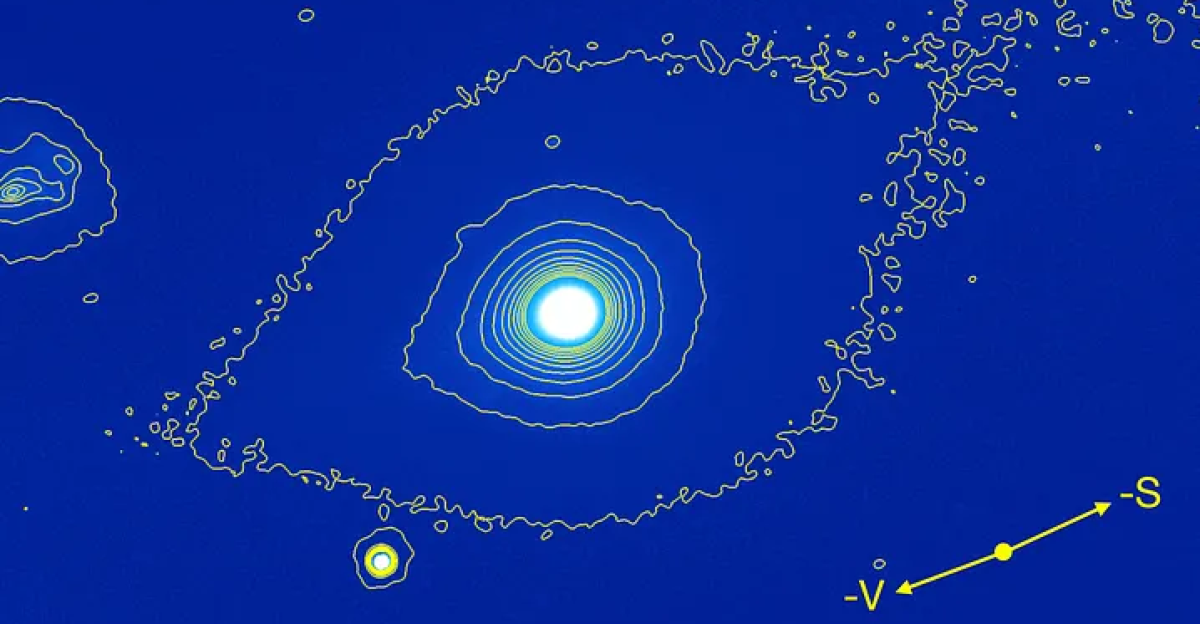
3I/ATLAS, officially C/2025 N1, was first detected on July 1, 2025, by Chile’s ATLAS survey telescope. The object hurtled through the solar system at approximately 61 kilometers per second (about 137,000 miles per hour), reaching its closest approach to the Sun on October 29, 2025. Using NASA’s Hubble Space Telescope, astronomers estimated the comet’s nucleus at 440 meters to 5.6 kilometers, with dramatic jets extending far from its core.
While these features align with known cometary activity, Loeb pointed to the comet’s rapid brightening near perihelion and a striking anti-tail—dust extending away from the Sun—as possible signs of extraordinary processes. He suggested that the jets could function as “technological thrusters” propelling the object, sparking intense debate over whether natural explanations were sufficient.
The Mass Loss Controversy
Loeb’s central claim estimated that 3I/ATLAS was losing roughly five billion tons per month, arguing that ordinary sublimation could not explain such a massive loss of mass. He based this figure on assumptions about particle density in the comet’s anti-tail, suggesting that natural cometary physics were insufficient.
Planetary scientists quickly identified flaws in this approach. Arizona State University’s Steve Desch noted that Loeb’s calculations assumed particle densities a million times greater than the solar wind—a physically implausible scenario.
Penn State’s Jason Wright added that losing 13 percent of a comet’s mass near perihelion is normal for icy bodies, and the nucleus remaining intact contradicted extreme mass-loss claims, showing Loeb’s methodology misrepresented both physics and observational data.
NASA’s Response and Scientific Consensus
NASA launched an unprecedented observation campaign, deploying twelve spacecraft and space telescopes to study 3I/ATLAS from multiple angles. The Mars Reconnaissance Orbiter captured one of the closest images from 19 million miles away, while MAVEN analyzed ultraviolet spectra to determine chemical composition. PUNCH, STEREO, and SOHO tracked the comet even as it passed behind the Sun.
The coordinated observations revealed no artificial propulsion. The anti-tail resulted from dust projection and solar radiation pressure, while rapid brightening was linked to sublimation of carbon dioxide and other ices—a standard cometary process. The nucleus remaining intact throughout perihelion contradicted claims of catastrophic mass loss, confirming the comet’s natural origin.
Loeb’s Shifting Arguments and Criticism
Loeb adjusted his claims as observations evolved. Initially arguing for a standard cometary identity, he later reframed these natural features as anomalies, suggesting artificial origins, assigning probabilities of 20 to 40 percent for artificial origin. Critics labeled this reasoning as unfalsifiable, protecting his hypothesis despite overwhelming evidence.
Experts also highlighted Loeb’s lack of training in planetary science. He did not consult comet specialists before or after presenting his claims. Peer review challenged his interpretations, revealing misrepresentation of sources and statistical errors. While accomplished in astrophysics, Loeb’s approach demonstrated the challenges of cross-disciplinary assertions in highly specialized scientific fields.
Public Engagement and Media Amplification
Loeb’s theory gained traction outside the scientific community. Media personalities, entrepreneurs, and content creators amplified the story, attracting millions of followers. Congressional representatives requested NASA data, and the Pentagon’s All-domain Anomaly Resolution Office briefly monitored the object before confirming it fell outside their scope.
Media coverage often emphasized the “alien artifact” narrative over scientific consensus. Amateur astronomers contributed images that complemented official data, yet some of their findings fueled speculation about cover-ups. The controversy highlighted how public fascination can amplify speculative interpretations, revealing the tension between sensationalism and rigorous scientific reporting.
Global Scientific Collaboration and Educational Impact
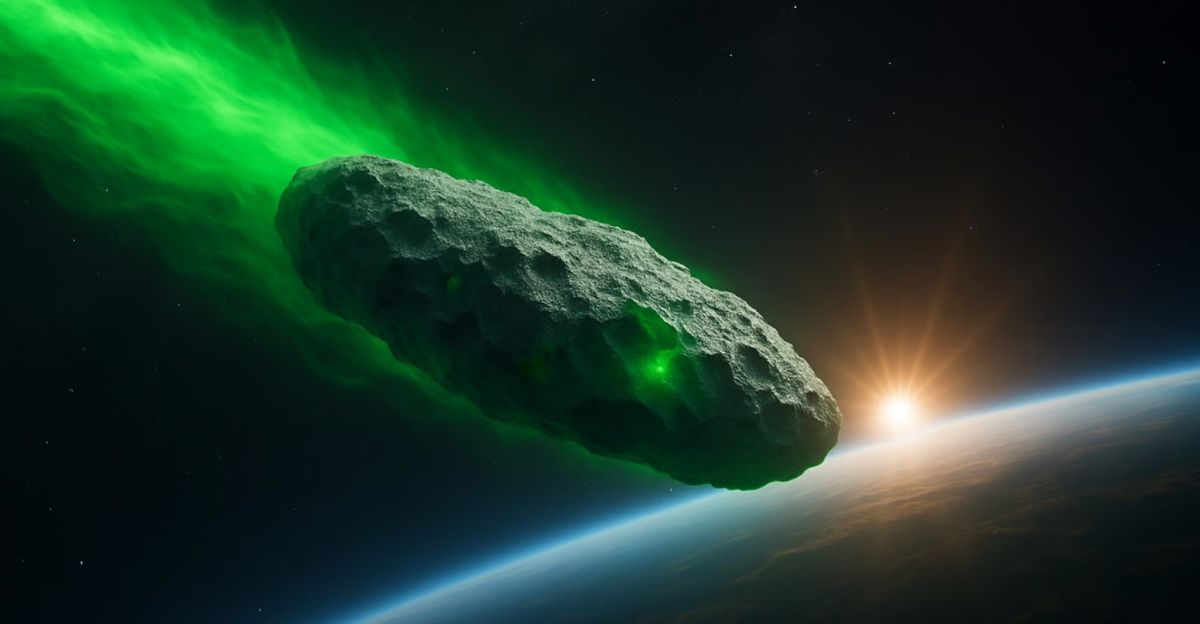
The 3I/ATLAS event fostered unprecedented international collaboration. Mars orbiters, Earth-based observatories, and space agencies shared data, enabling coordinated tracking and analysis. Ultraviolet spectrographs helped identify molecules in the comet’s coma and estimate deuterium ratios, offering clues to its interstellar origin.
The comet’s passage inspired educational programs and increased interest in interstellar research. Graduate students, amateur astronomers, and space technology sectors engaged with the event, demonstrating how scientific controversies can drive public and professional involvement in astronomy.
Looking Ahead
The 3I/ATLAS episode underscores the tension between public fascination with extraordinary possibilities and the need for scientific rigor. While claims of artificial origins briefly captured attention, coordinated observations confirm the comet behaves in line with established cometary physics. Loeb’s estimate of five billion tons of monthly mass loss appears to be driven by natural sublimation, rather than technological intervention.
This event underscores the importance of meticulous science communication, interdisciplinary collaboration, and rigorous analysis of extraordinary claims. The lessons of 3I/ATLAS will guide future engagement with interstellar visitors, showing the power of systematic observation over speculation and the enduring value of global collaboration in understanding our universe.