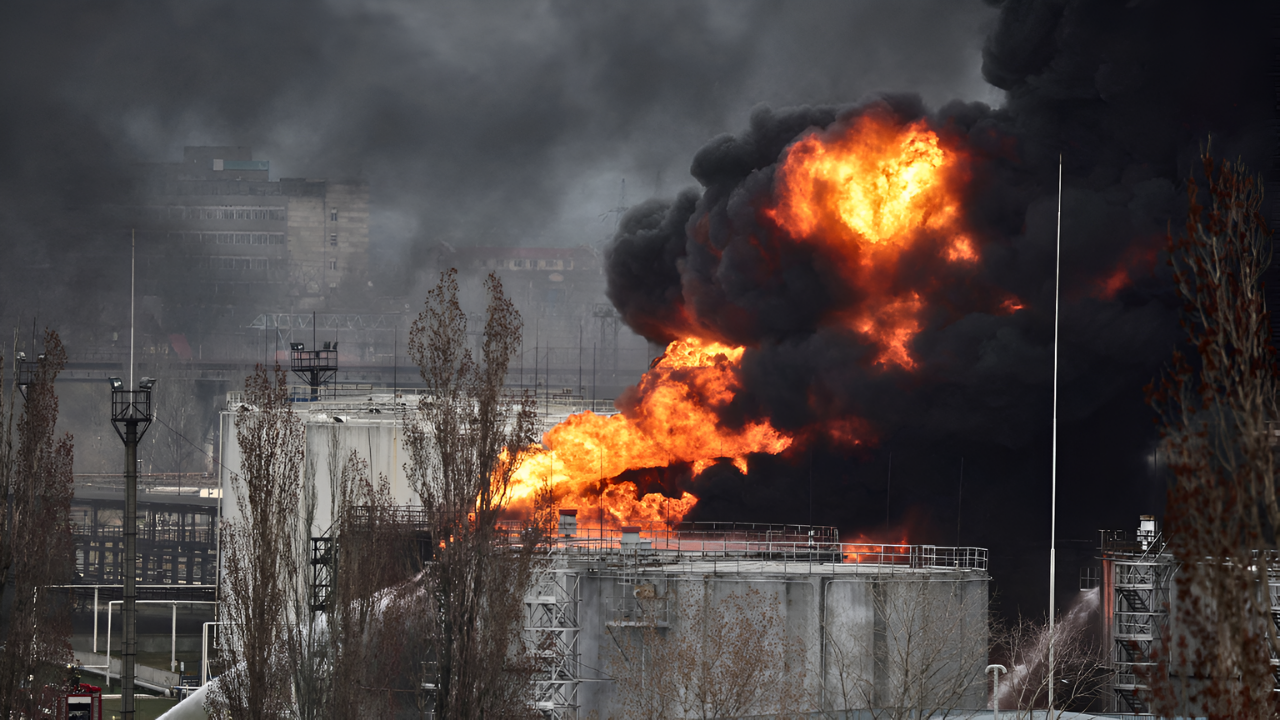
Russian troops have penetrated the city of Pokrovsk, transforming this once-secure Ukrainian stronghold into the epicenter of fierce urban warfare. The outcome of this battle could reshape the eastern front, as Ukrainian defenders fight to hold ground against relentless assaults. Every street and building now marks a critical juncture in a conflict that threatens to sever Ukraine’s vital supply lines and alter the trajectory of the war.
Urban Combat Intensifies
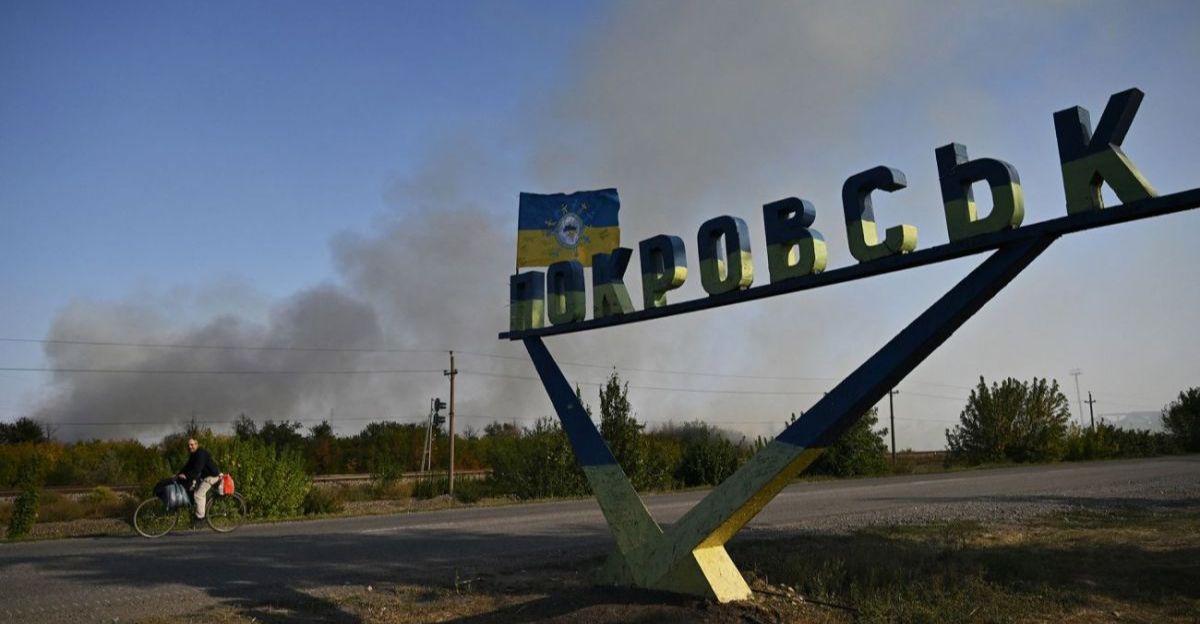
Pokrovsk’s strategic importance has made it a prime target for Russian advances. After breaching the city’s defenses, Russian forces have launched coordinated small-unit attacks, disrupting Ukrainian logistics and supply routes. The fighting has escalated rapidly, with both sides deploying infantry teams and drones to gain the upper hand. Ukrainian troops, entrenched in the city, face mounting pressure as they attempt to repel Russian infiltration and maintain control over key infrastructure.
The city’s transformation from a logistical hub to a battlefield has left its future uncertain. Russian tactics—marked by infiltration, drone strikes, and targeted assaults—have forced Ukrainian defenders to adapt quickly. The intensity of the combat has rendered evacuation nearly impossible for the estimated 1,200 civilians still trapped within Pokrovsk’s borders.
Strategic Significance and Supply Lines
For over a year, Pokrovsk has served as the backbone of Ukrainian supply operations in the east. Its location and infrastructure have enabled the movement of troops, equipment, and resources essential to the defense of the Donbas region. The loss of Pokrovsk would not only sever these lifelines but also open the door for deeper Russian incursions into Ukrainian territory.
Recognizing the stakes, Ukrainian forces have launched a series of defensive operations aimed at disrupting Russian logistics. In November 2024, the 7th Corps Air Assault Brigade executed strikes on the M-30 road connecting Pokrovsk and Selydove, destroying critical routes and preventing Russian forces from moving light equipment into the city. On November 11, Ukrainian units destroyed multiple vehicles approaching Pokrovsk, and the following day, the Phoenix border guard unit eliminated 11 Russian vehicles—including tanks—near Volodymyrivka. These coordinated actions have temporarily stalled Russian advances, but the threat remains acute.
Humanitarian Crisis Unfolds
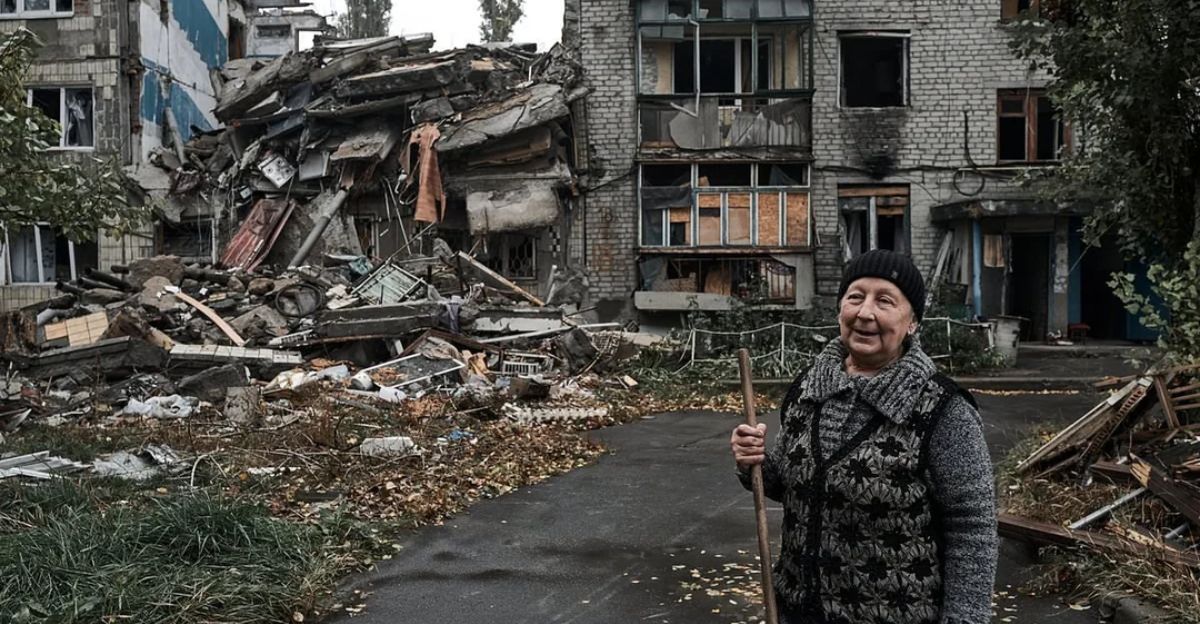
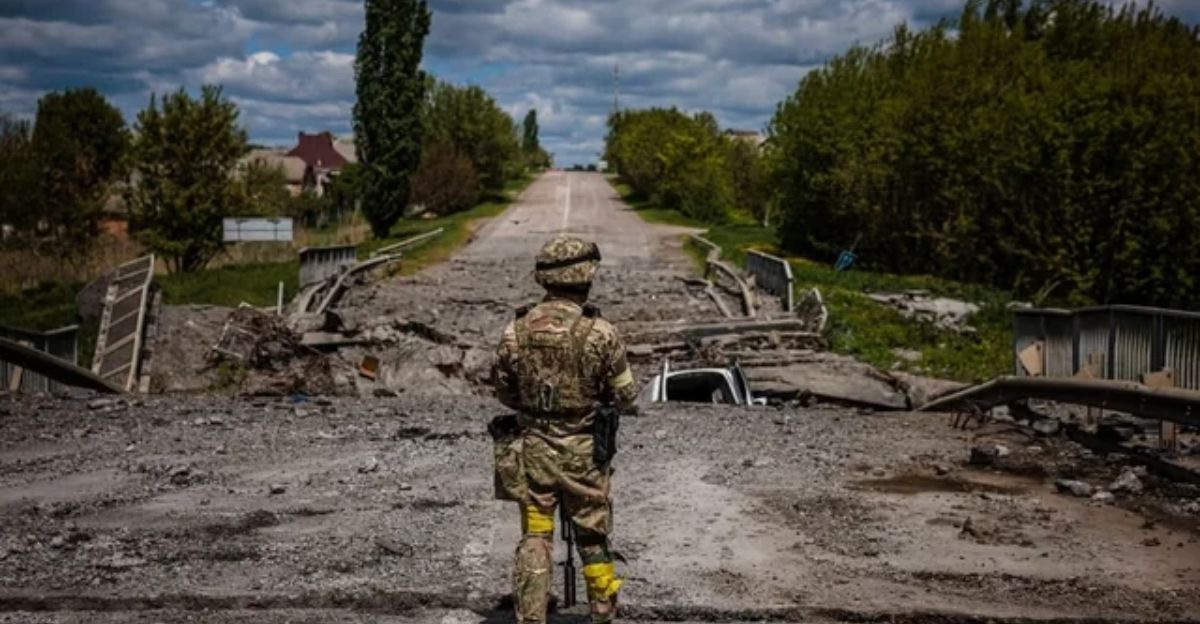
The battle for Pokrovsk has exacted a heavy toll on civilians. With evacuation routes cut off and fighting engulfing residential areas, daily life has become a struggle for survival. Streets are littered with rubble, buildings lie in ruins, and the constant threat of artillery and drone strikes looms over the population. Humanitarian aid is scarce, and the psychological impact of the conflict is profound.
Military casualties continue to rise as both sides commit significant resources to the fight. Ukrainian commanders face the dual challenge of reorganizing defenses and maintaining morale under relentless assault. The uncertainty surrounding Pokrovsk’s fate weighs heavily on leadership, with every tactical decision carrying potentially catastrophic consequences for the broader war effort.
Technological Warfare and Evolving Tactics
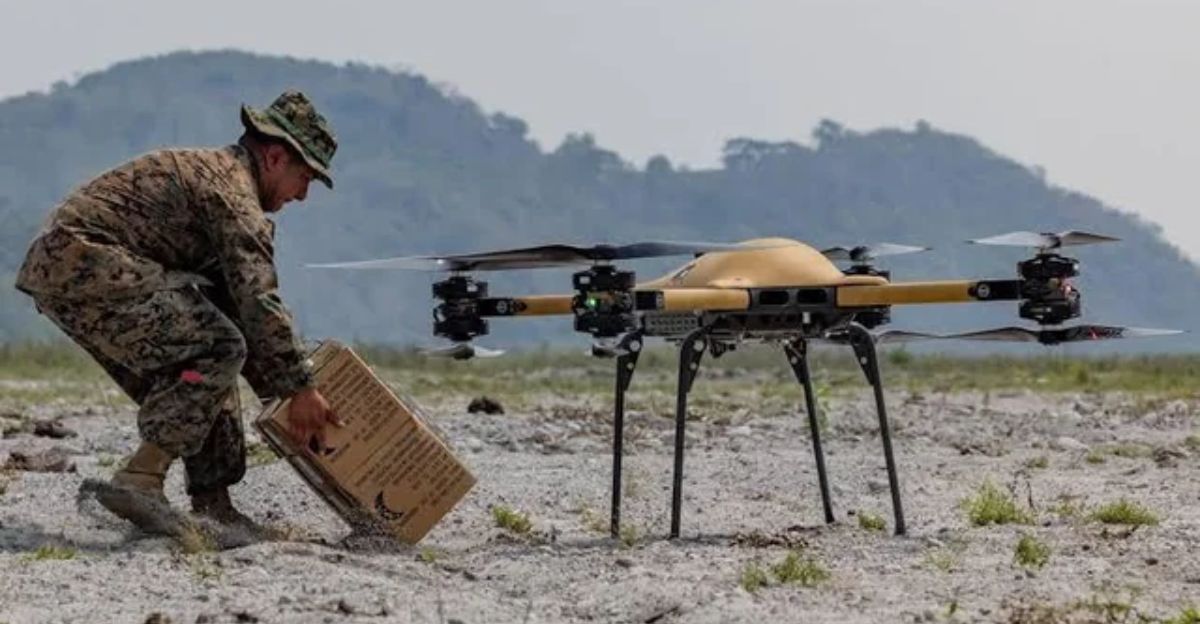
The conflict in Pokrovsk has highlighted the growing role of technology in modern warfare. Both Ukrainian and Russian forces have deployed advanced drones for reconnaissance, bombing, and countermeasures. Ukraine’s heavy bomber drones compete with Russia’s sophisticated attack models, making control of the skies as crucial as control of the ground.
Logistics have emerged as a primary target, with Ukrainian forces executing multi-domain anti-logistics operations. Remote mining of supply routes and precision strikes on transport facilities have forced Russian troops to adapt, increasingly relying on small infantry teams and drones to circumvent Ukrainian defenses. These evolving tactics underscore the dynamic nature of the battle and the importance of innovation in determining its outcome.
Regional Implications and the Road Ahead
The consequences of the fighting in Pokrovsk extend far beyond the city’s limits. If Russian forces succeed in capturing Pokrovsk, Ukrainian positions across the Donbas could become isolated, increasing the risk of encirclement and further territorial losses. The ripple effects would threaten the stability of the entire eastern front, complicating Ukraine’s ability to sustain its defense.
Ukrainian leadership now faces a critical dilemma: whether to hold Pokrovsk at all costs or withdraw strategically to preserve forces for future operations. The city’s symbolic and logistical value is undeniable, but the risk of total collapse grows with each passing day. As winter approaches, the battle for Pokrovsk remains unresolved, with both sides locked in a contest that will shape the next chapter of the war.
The fate of Pokrovsk stands as a stark reminder of the stakes in Ukraine’s struggle. Its outcome will not only determine control of a key city but also influence the broader conflict in the Donbas and beyond. As the fighting continues, the world watches to see whether Ukraine can withstand the pressure or if Russian advances will redefine the map of eastern Ukraine.