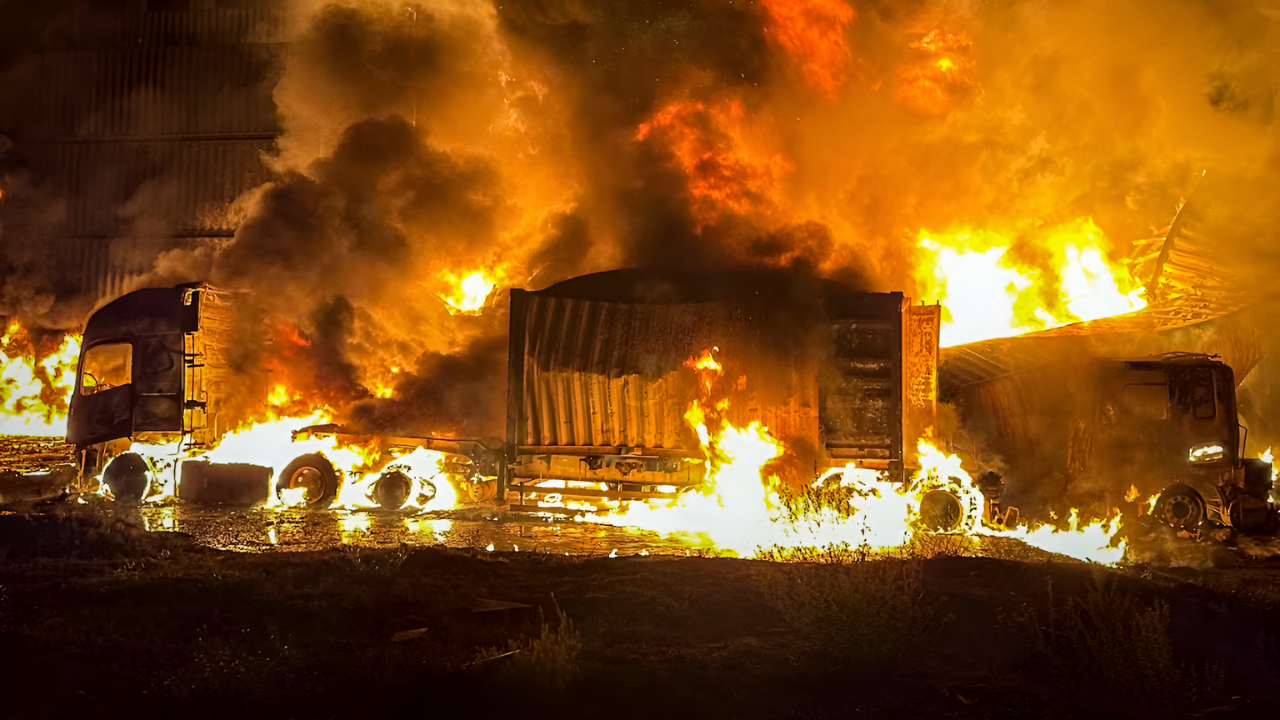
The explosions came after midnight. More than 1,000 kilometers inside Russian territory, flames tore through the Novokuibyshevsk oil refinery as Ukrainian drones found their target. Ukraine’s General Staff reported that the sprawling facility—one of Russia’s ten largest—processes 8.8 million metric tons of oil annually.
This was not the first strike. It was the sixth. And although Russian officials claimed to have intercepted 23 drones, the night sky above Samara still burned.
Russia Says the Attack Was Stopped—So Why Is the Refinery on Fire?
Samara Governor Vyacheslav Fedorishchev announced the strike had been “repelled,” while Russia’s Defense Ministry issued its usual list of intercepted drones. But videos showed a very different picture: explosions pulsing across the complex and flames rising high over the industrial district.
For Samara’s 1.15 million residents, the contradiction between official statements and the visible destruction was stark. The refinery produces high-grade jet fuel essential to Russia’s air operations—fuel that is now offline.
A $6 Billion Refinery Just Went Dark
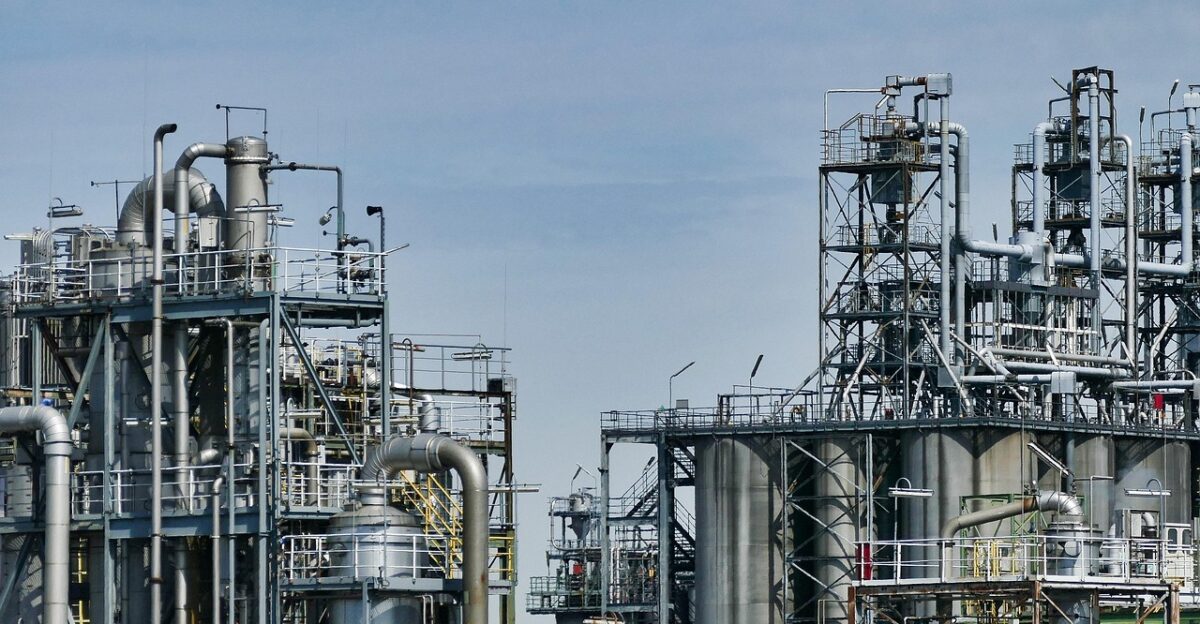
The Novokuibyshevsk site generates an estimated $4–6 billion in refined products annually. Rosneft data shows it produced more than a million tons of motor gasoline, 1.64 million tons of diesel, and over a million tons of fuel oil last year.
Much of this output feeds Russia’s military logistics: aviation fuel, mechanized transport fuel, and supply convoy diesel. When Ukraine hits this facility, it directly targets Russia’s ability to sustain operations across multiple fronts.
Ukraine Just Debuted a New Weapon
Amid the chaos, Ukraine confirmed the combat debut of the “Bars” jet-powered drone. According to BBC Ukraine, the Bars has a range of 700–800 kilometers and travels at speeds approaching 700 km/h. Carrying a 50–100 kg warhead, it can be launched from ground or air platforms.
Defense sources say the drone is optimized for mass production within Ukraine, giving Kyiv a long-term option for high-speed, long-range strikes.
Six Strikes—and Russia Still Can’t Keep the Refinery Running
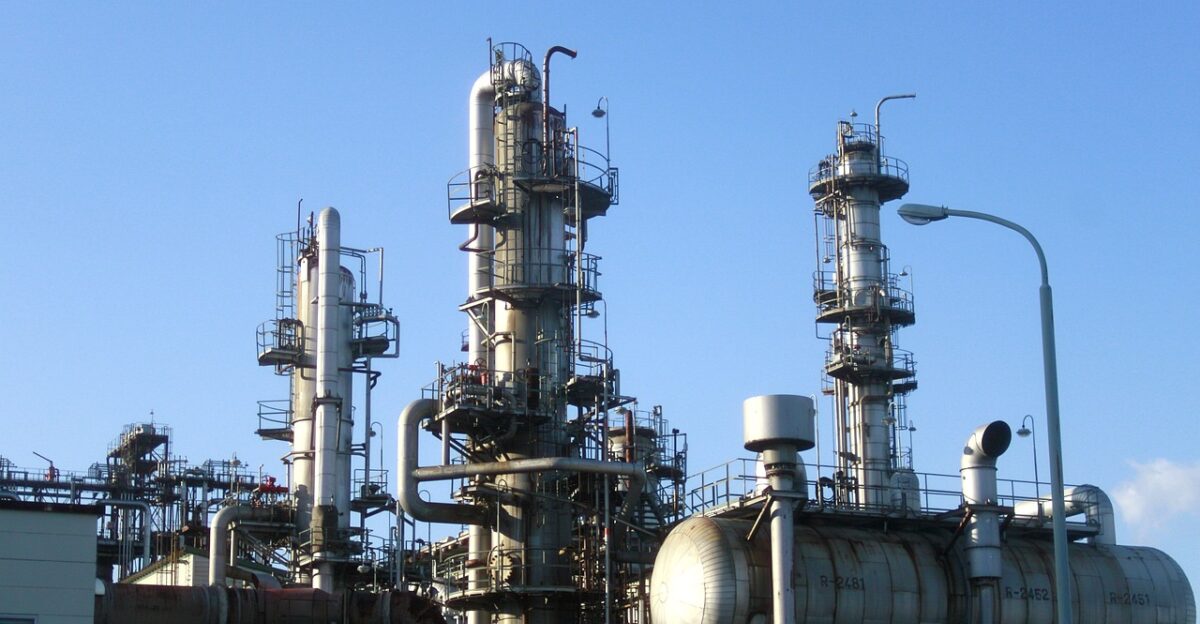
The October 18–19 strike forced a full shutdown of the plant’s primary crude distillation units, including the CDU-11, which handles nearly 19,000 metric tons per day. Industry sources expected the refinery to resume partial operations by early November. Ukraine struck again before repairs were complete.
The pattern suggests Ukrainian intelligence is monitoring recovery progress and timing strikes to maximize downtime. Russia can make repairs in weeks; Ukrainian drones return in days.
Russia’s Elite Drone-Hunting Unit Just Lost Its Arsenal

The same night, Ukrainian forces hit a storage site used by Russia’s elite Rubikon unit in occupied Donetsk Oblast. Established in 2024 under Defense Minister Andrey Belousov, Rubikon specializes in detecting and eliminating Ukrainian drone operators using advanced signals intelligence.
Experts say Rubikon has destroyed large numbers of Ukrainian drone teams in several contested zones. The Ukrainian strike likely damaged or destroyed dozens of Shahed-type drones and key infrastructure the unit relies on.
One-Tenth of Russia’s Refining Capacity Is Already Offline
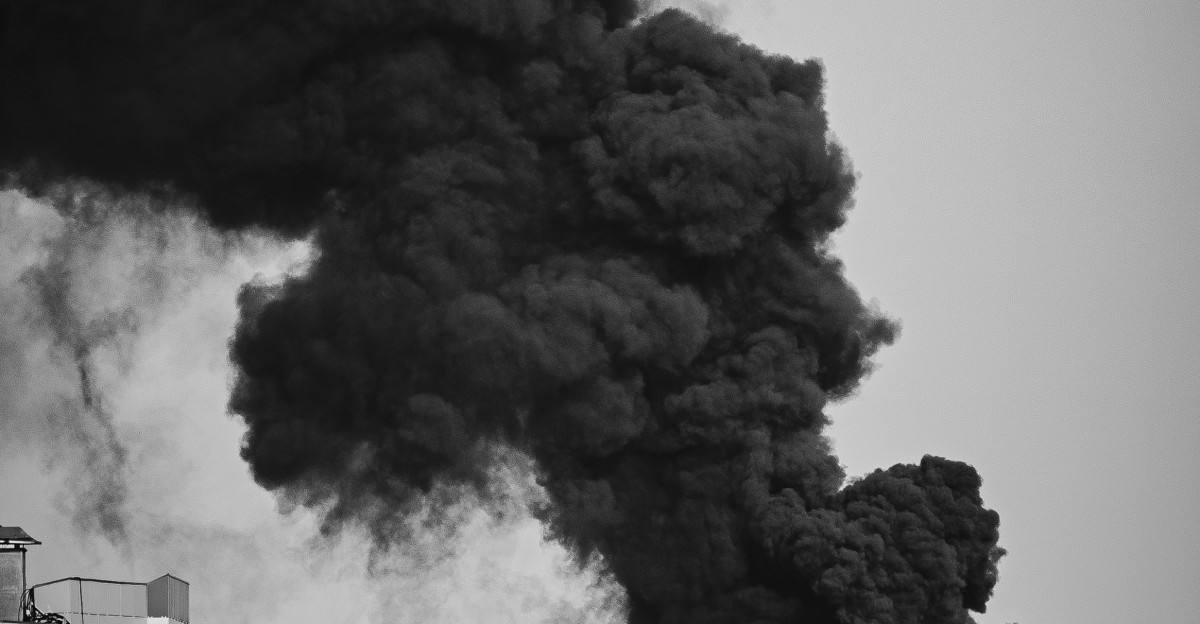
By late October, roughly 10 percent of Russia’s refining capacity—around 500,000 barrels per day—had been knocked offline, according to JPMorgan Chase estimates. Other assessments were even more severe. The monitoring agency Siala reported that by late September, up to 38 percent of Russia’s primary refining capacity had been disrupted.
Since early November, Ukraine has struck additional facilities in Volgograd, Tuapse, Nizhny Novgorod, Ryazan, and Saratov. Analyst George Voloshin predicts outages could reach 25 percent over the next 6–12 months if strikes continue at this pace.
Most of Russia Now Faces Fuel Shortages
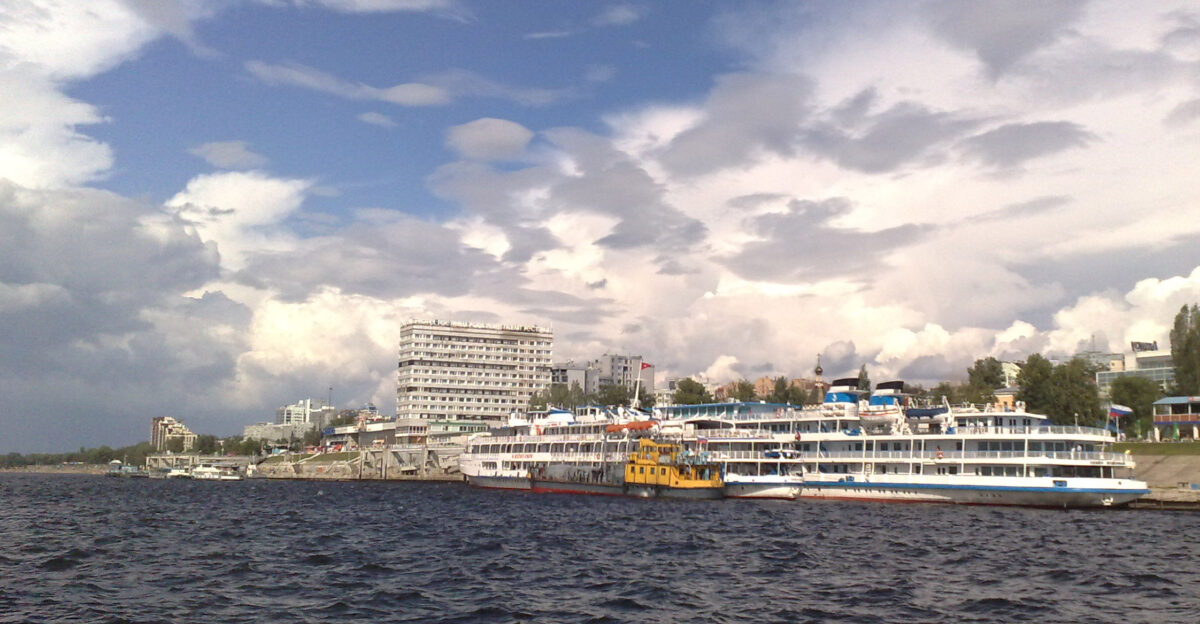
Ivan Tymochko, head of Ukraine’s Council of Reservists, said roughly 84 percent of Russia’s territory is experiencing some form of fuel shortage or disruption. Gasoline prices have risen around 10 percent, and lines are forming at filling stations in multiple regions. Authorities have resorted to shutting down mobile internet access for hours to hinder drone navigation, leaving residents cut off.
For the more than three million residents of Samara Oblast, the once-distant war is now repeatedly on their doorstep.
The Ryazan Refinery Didn’t Escape Either
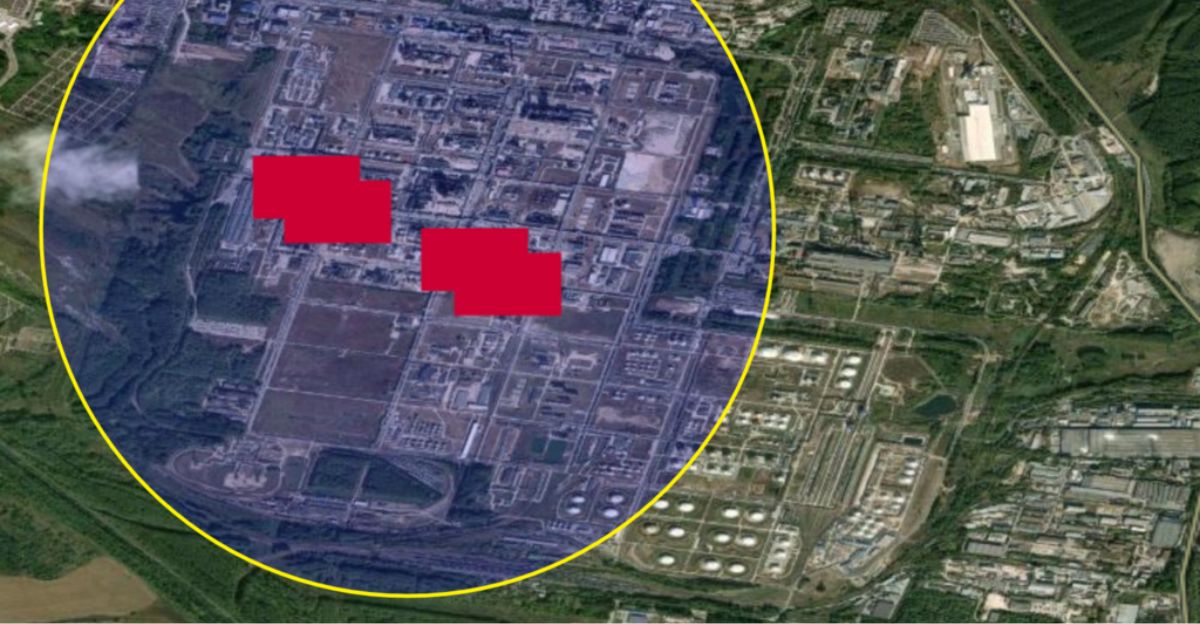
Days before the Samara strike, Ukraine hit the Ryazan refinery on November 15. The attack damaged two primary processing units—ELOU-AVT-4 and ELOU-AVT-6—as well as a fuel storage tank and pipeline infrastructure. With a capacity exceeding 260,000 barrels per day, Ryazan accounts for roughly 5 percent of Russia’s total refining capability.
Industry sources told Reuters the plant halted all crude processing until at least December 1. It also produces more than 800,000 tons of aviation kerosene annually for Russia’s air forces, meaning this outage has direct military consequences.
How Ukrainian Drones Reach 1,000 Kilometers Into Russia
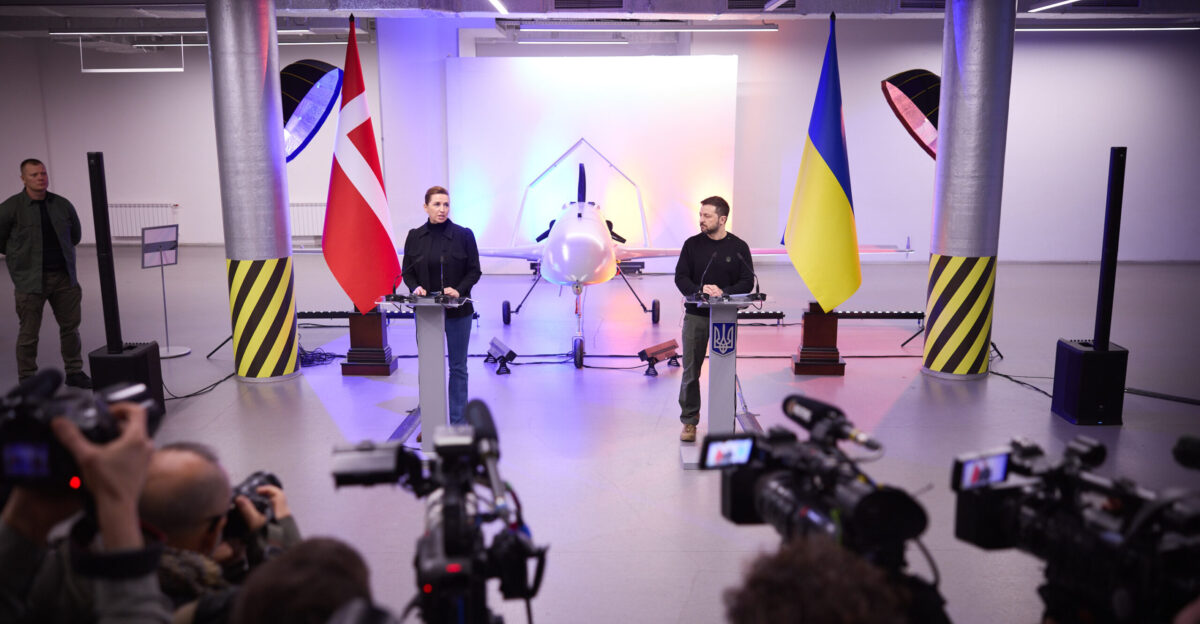
Ukraine’s FP-1 drone, manufactured by Fire Point, can reach targets up to 1,400 kilometers away with a 50–100 kg explosive payload. Military officials say the FP-1 accounts for about two-thirds of Ukraine’s deep strikes inside Russia.
Production reportedly exceeds 2,000 units per month at an approximate cost of $47,000 each. Dmytro Lykhovii, a spokesperson for Ukraine’s General Staff, stated that about half of all FP-1 missions succeed at ranges of 800–1,000 kilometers—distances deep inside Russia’s interior.
A Multi-Target Strike Orchestrated by Ukraine’s Elite Units
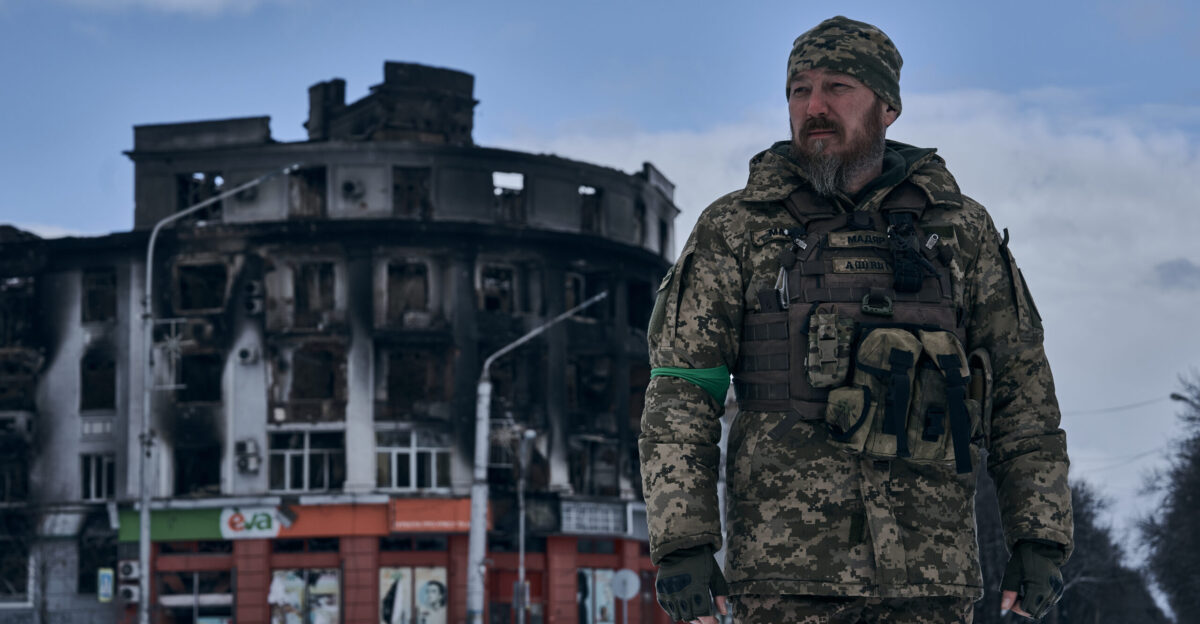
Robert Brovdi, known as “Magyar” and commander of Ukraine’s Unmanned Systems Forces, confirmed that the November 16 operation involved coordination among several elite formations. The 1st Separate Special Purpose Center, Special Operations Forces, and the Main Intelligence Directorate (HUR) collaborated to target multiple high-value targets.
Brovdi noted that after an August 28 strike triggered seven simultaneous fires at the same Samara refinery, Russia struggled to repair the damage, and Ukraine was determined not to give in again.
Russia’s Oil Giant Is Bleeding Cash
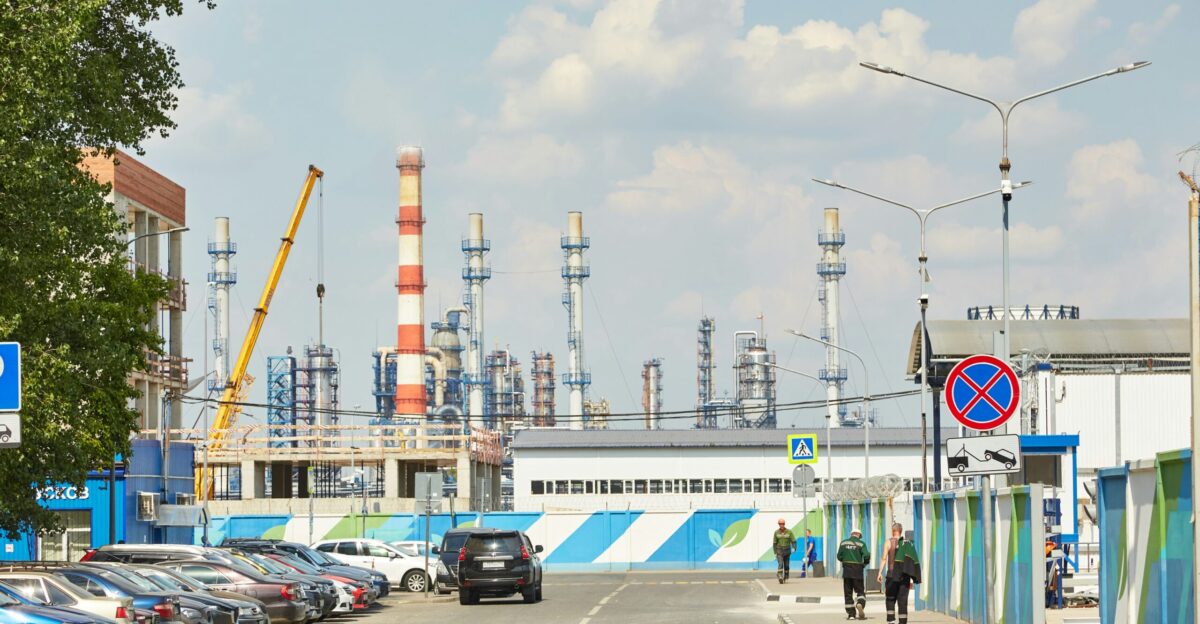
Rosneft’s first-half 2025 results showed net income plunging 68 percent to 245 billion rubles. Refining volumes fell from 40.9 million tons the previous year to 38.7 million tons.
A single refinery outage forces Rosneft to reroute supplies over longer distances, resulting in a 15–25 percent increase in transportation costs and disrupting downstream distribution networks. Each Ukrainian strike compounds these pressures.
Rubikon Was Supposed to Be Russia’s Answer to Ukrainian Drones
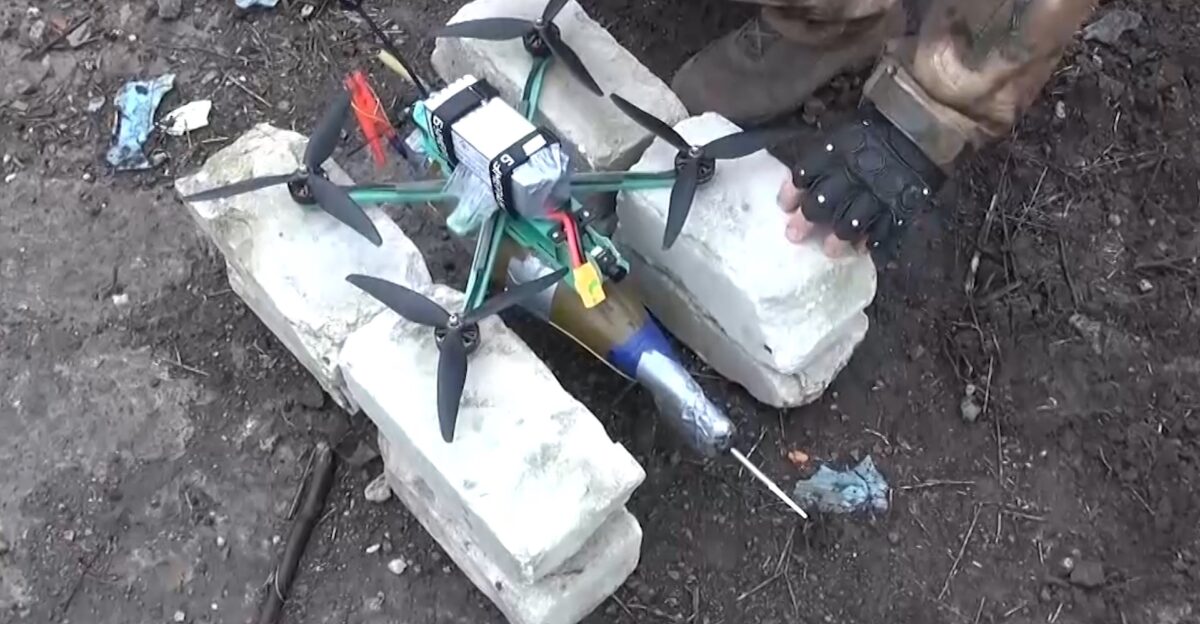
Rubikon was created as Russia’s premier technological unit for countering Ukraine’s expanding drone fleet. It fields specialized detachments covering FPV drones, reconnaissance UAVs, Lancet loitering munitions, and unmanned surface vessels. Former U.S. Marine officer Rob Lee told Radio Free Europe that Rubikon played a significant role in Russia’s ability to recapture most of Kursk Oblast in early 2025.
Ukrainian analyst Maria Berlinska called it Russia’s “best technological unit.” Now, several of its facilities have been destroyed before the unit reached full operational maturity.
Ukraine Strikes Russia’s Best Before It Can Fully Develop
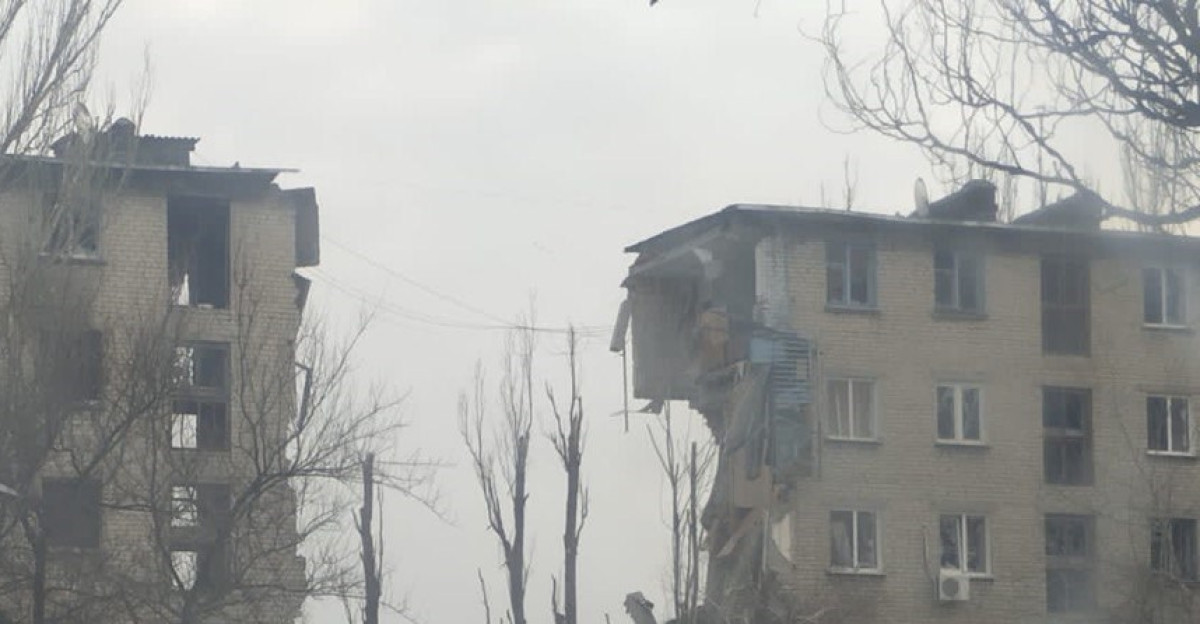
On November 3, Ukrainian intelligence used an FP-2 drone carrying over 100 kg of explosives to destroy a Rubikon command post in occupied Avdiivka. The 71st Separate Jaeger Brigade assisted in locating the site by identifying antennas, communications terminals, and hardened positions associated with Rubikon operators.
Eliminating these units early prevents Russia from solidifying drone dominance in contested areas.
Trading $47,000 Drones for Billions in Damage
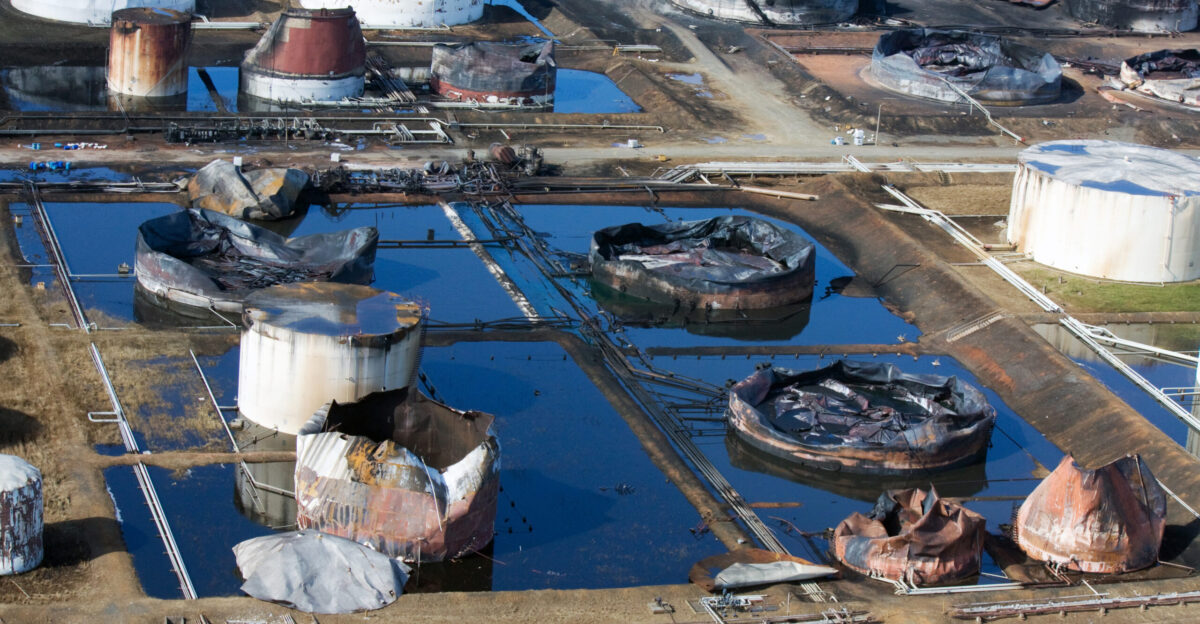
Each FP-1 costs about $47,000 to produce. A successful strike on Novokuibyshevsk temporarily disables a facility producing tens of millions of dollars in output per day. By forcing Russia to repair damaged refineries, defend dozens of vulnerable facilities, and reroute supply chains, Ukraine imposes significant economic strain on Moscow’s war machine.
Analysts agree that no single strike will collapse Russia’s energy infrastructure—but sustained pressure increases the likelihood of cascading failures and accelerates long-term capacity losses. For Ukraine, the message behind each strike is clear: no strategic asset inside Russia is out of reach.