
UPS has cut 48,000 jobs this year, nearly 10% of its U.S. workforce, sending shockwaves through the logistics industry. CEO Carol Tomé called it “the most significant strategic transformation in our company’s history,” framing the layoffs as a calculated move for long-term efficiency.
The cuts hit drivers, warehouse staff, and corporate employees alike, reshaping both families and operations. Behind the stock surge and automation talk lies a deeper story of strategy, cost, and human impact. Here’s what’s going on.
A Strategic Shift Explained By CEO

CEO Carol Tomé called the restructuring “the most significant strategic transformation in our company’s history” on 28 October 2025. She emphasized long-term value for stakeholders while framing cuts as necessary for efficiency.
Tomé’s statements hinted at a larger pivot away from Amazon reliance, a move that would reshape UPS’s operational landscape. What prompted this bold decision?
Operational Roles Hit Hardest

Among the 48,000 jobs cut, 34,000 were operational positions, including those of drivers and warehouse staff, who earned between $45,000 and $170,000 annually. Full-time drivers averaged $170,000 in total compensation, while part-time staff earned much less.
This focus on high-volume, labor-intensive roles disproportionately affected union-represented employees, demonstrating a targeted cost-reduction strategy. Could automation have played a bigger role behind the scenes?
Management And Corporate Positions Also Reduced

Management and corporate cuts totaled 14,000, representing 30% of reductions. These positions included administrative staff and mid-level managers, with salaries averaging $100,000.
While smaller in number, these reductions were partially influenced by AI deployment, showing UPS sought efficiency across both operational and corporate layers. The approach combined financial discipline with technological investment.
Voluntary Buyouts Mask True Layoffs
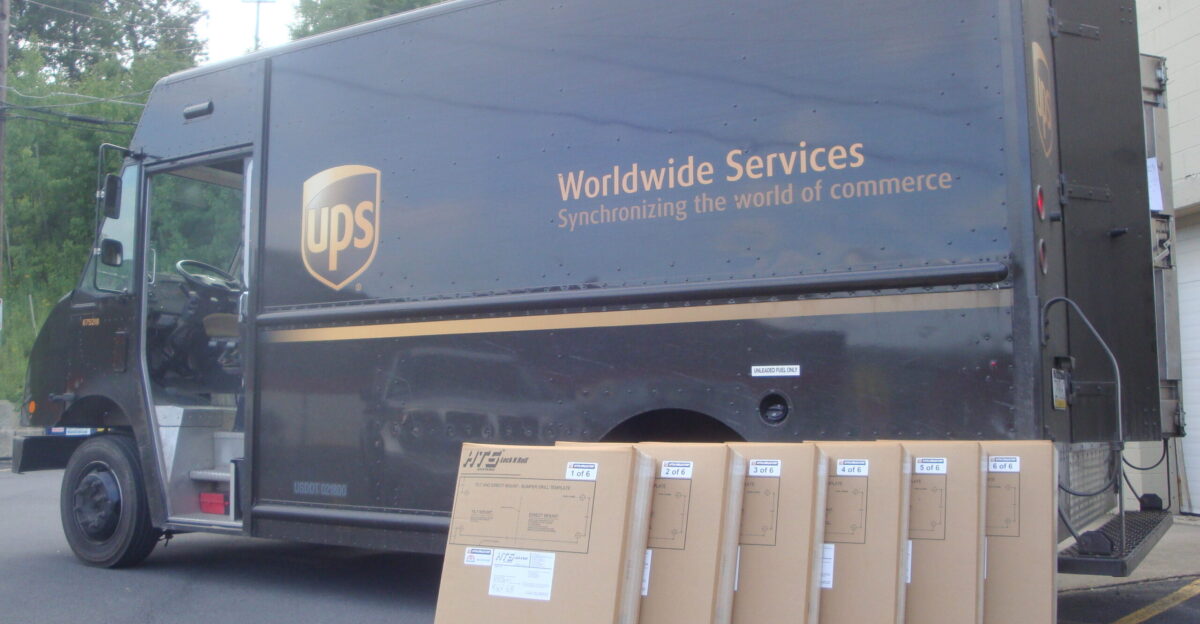
UPS offered voluntary buyouts to full-time drivers, costing $175 million, with 90% of them accepting by August 31, 2025. CEO Tomé called this program “successful,” framing departures as voluntary.
However, structural pressures, including facility closures, effectively coerced employees to exit. This strategy masked the true extent of layoffs while maintaining contractual compliance. What other operational measures were employed?
Facility Closures Reshape UPS Network
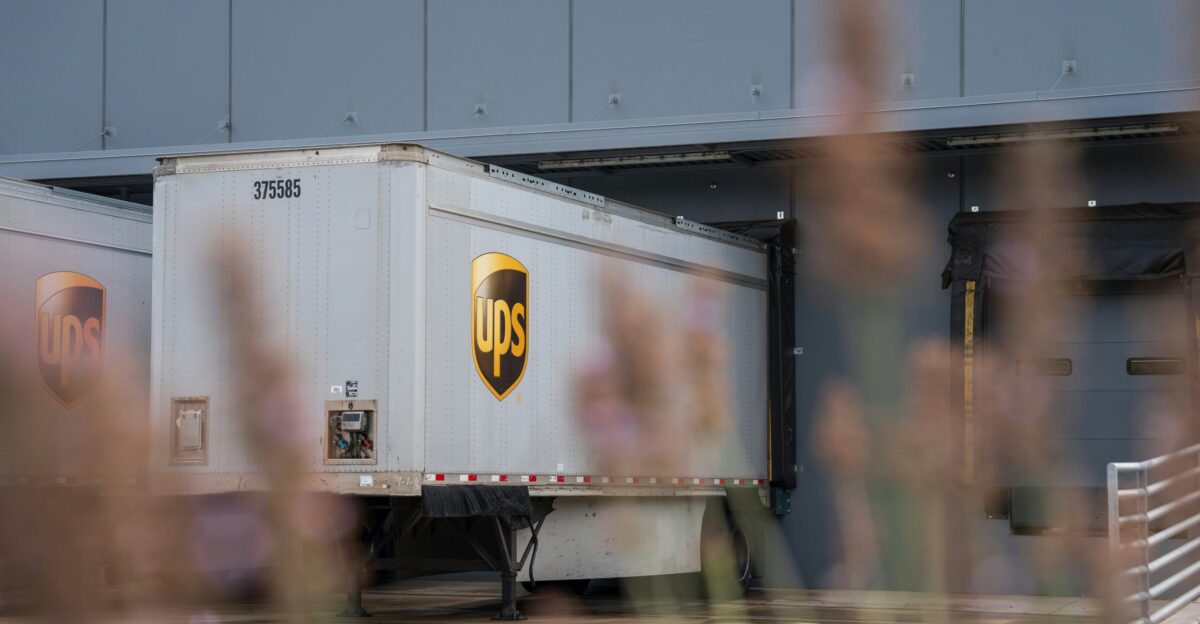
Ninety-three facilities closed through September 2025, exceeding initial April projections of 70 closures. Consolidation reduced physical hubs, concentrating operations in technologically advanced centers.
This structural shift laid the foundation for 34,000 operational job cuts and reduced dependence on human labor. The closures also affected UPS’s partners and regional economies, hinting at wider ripple effects.
Reduced Amazon Volume Sparks Change

UPS is expected to deliberately cut Amazon package volume by 50% by mid-2026, resulting in a 21.2% year-over-year reduction in Q3 2025 volumes. This strategic pivot reduced labor demand and reallocated resources to higher-margin sectors.
CEO Tomé emphasized, “This was us. This was UPS taking control of our destiny.” The decision illustrates a deliberate move away from unprofitable volume.
Financial Savings And Clarifications
UPS cited $3.5 billion in total year-over-year cost savings, combining workforce reductions, facility closures, seasonal hiring cuts, and automation. While payroll elimination accounts for approximately $3.44 billion, the company clarified these figures are aggregate, not exclusively from job cuts.
The distinction matters, as investors reacted to overall cost discipline rather than AI-driven layoffs.
Automation’s Role Is Secondary
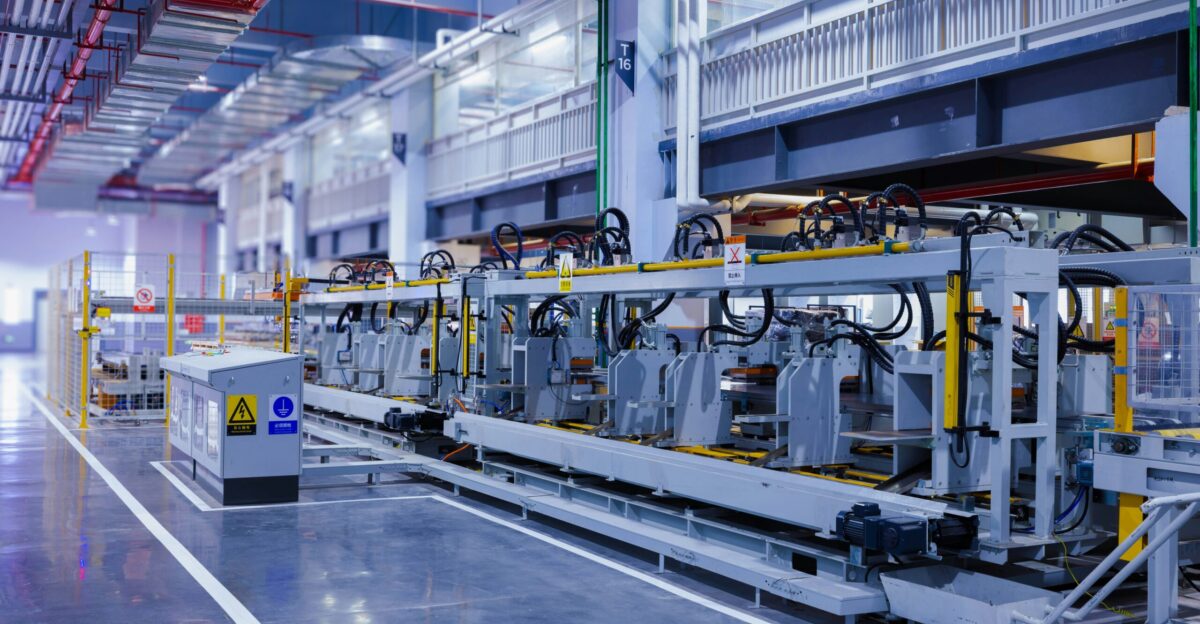
Contrary to media headlines, on 02 November 2025, CNBC reported that most operational cuts stemmed from facility closures, not AI or robotics. Four hundred facilities deployed new automation systems, processing 66% of Q4 2025 volumes.
AI partially influenced the 14,000 corporate cuts, signaling a measured approach to automation without it being the primary driver. How did investors respond?
Stock Surges Despite Lower Profits

Following the 28 October 2025 announcement, UPS shares surged 7–9% in afternoon trading, premarket gains reached 12–16%, despite lower net income ($1.3 billion vs. $1.5 billion) and revenue ($21.4 billion vs. $22.2 billion).
Investors rewarded financial discipline over growth, signaling market preference for cost-cutting measures that maintain profit margins even amid workforce reductions.
Supply Chain And Partner Impacts

Facility closures disrupted 93 UPS hubs, impacting small businesses that rely on shipping and logistics partners. DHL, FedEx, and other carriers responded with comparable layoffs and rate adjustments.
The industry ripple effect underscores how UPS’s restructuring reshaped competitive dynamics and service expectations across the logistics sector. How did consumers feel the impact?
Consumer Shipping Costs Rise

Consumers faced higher shipping costs due to a 5.9% rate increase, effective December 22, 2025, and expanded surcharges. Residential, air, and zone-specific fees all rose, impacting e-commerce pricing.
Amazon third-party sellers were particularly affected, passing costs to buyers. Service reliability also became a concern, especially in regions with closed facilities or reduced seasonal staff.
Regional Workforce Disruptions

UPS operations, concentrated in hubs such as Louisville, Memphis, Indianapolis, and Northern California, experienced the highest unemployment impact. Facility closures and workforce reductions have a significant effect on local labor markets.
Municipal revenues and local economies felt secondary effects, as tax collections and retail activity declined. Could communities recover from this unprecedented disruption in logistics employment?
Macroeconomic Pressures Influenced Decisions

Parcel volumes dropped 5.4% in early 2025, coupled with rising fuel costs, wage increases from Teamsters contracts, and tariff uncertainty. UPS withdrew full-year financial guidance due to these pressures.
These economic factors intensified the urgency to reduce fixed costs and align operational capacity with shrinking demand. The timing magnified the stakes for employees and partners alike.
Amazon Relationship Reimagined
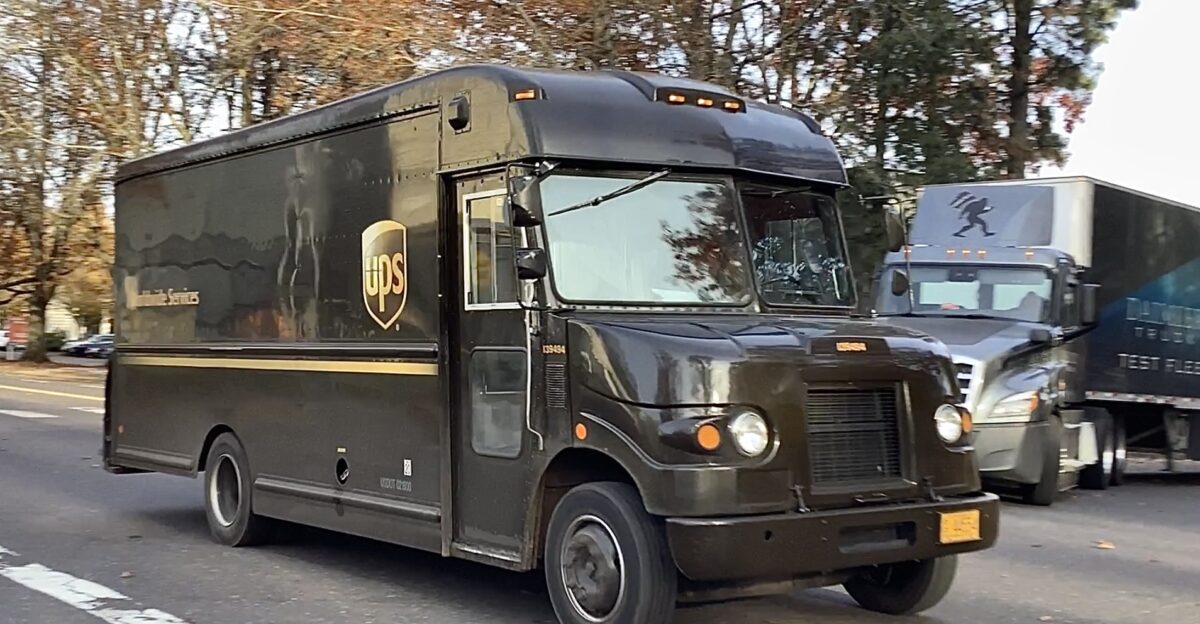
CEO Tomé clarified in January this year, “This was not their request. This was us. This was UPS taking control of our destiny.” The company voluntarily scaled down Amazon volume to optimize margins.
By preserving strategic engagement while shedding low-margin services, UPS sought to manage risk and improve profitability. How did this reshape broader business strategy?
Strategic Pivot Toward Profitability
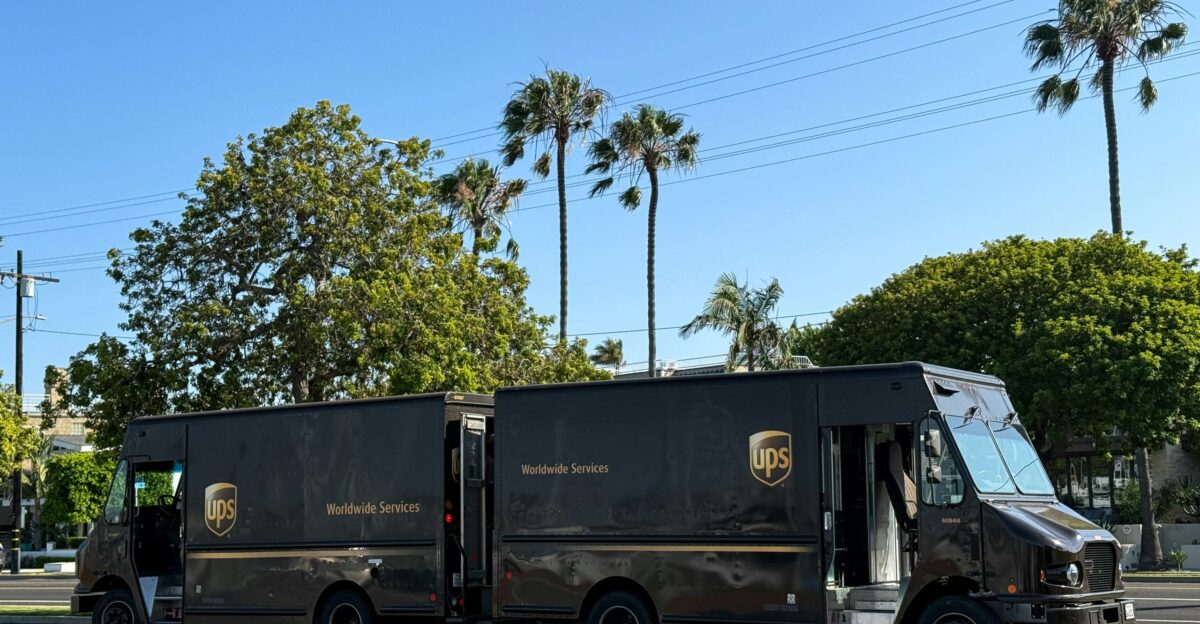
CFO Brian Dykes explained on 27 October 2025, “As we decrease volume, we will not only reduce hours and miles associated with this volume but also eliminate fixed costs to align our capacity with expected volume.”
The restructuring prioritized profit margins over scale, signaling a deliberate shift in corporate strategy. Stakeholders now watched UPS’s next moves closely.
Holiday Season And Workforce Management
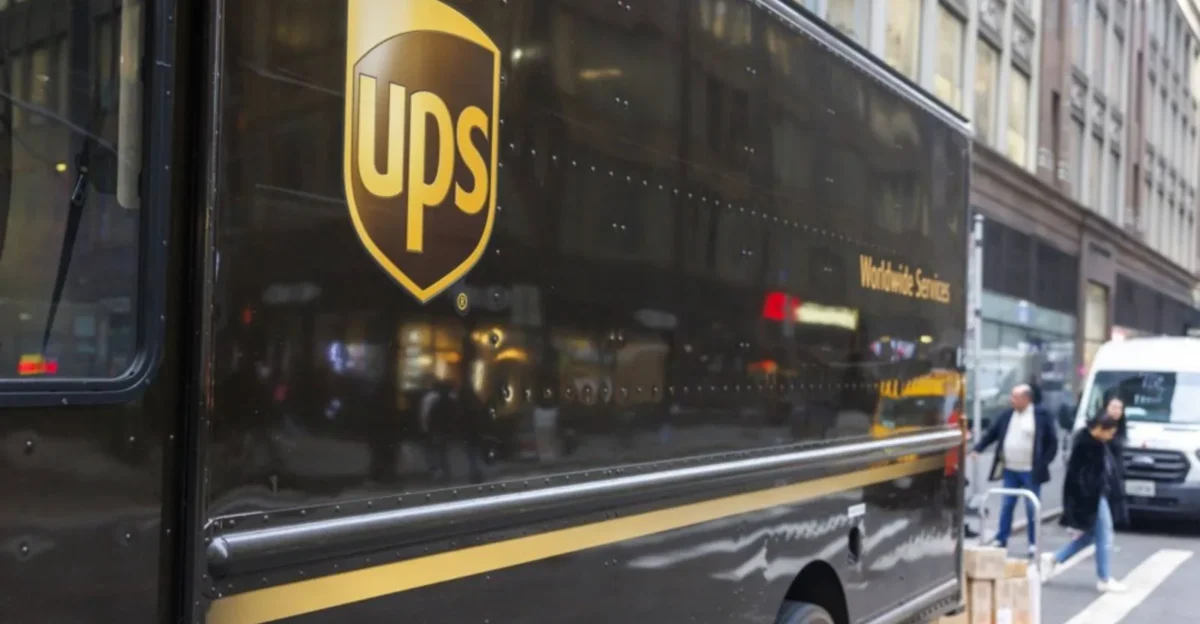
CFO Dykes highlighted seasonal staffing adjustments: “We’ll approach this year’s holiday shipping season with variable capacity, fewer leased vehicles, and fewer seasonal workers.”
Reduced seasonal hiring compounded the workforce reduction, creating potential bottlenecks during peak demand. UPS aimed to strike a balance between operational efficiency and customer service expectations during a critical period.
Industry-Wide Automation Acceleration

The 2025 layoffs accelerated the adoption of automation across logistics. Warehouse picking and packing roles face the highest replacement risk within 2–3 years, as robotic systems are already being deployed by UPS, Amazon, and FedEx.
The shift reflects a broader trend where technology is reshaping employment dynamics, forcing workers and unions to adapt to evolving labor landscapes.
Human Cost Remains Extensive

Approximately 48,000 UPS employees lost income, affecting 48,000 families and potentially up to 144,000 individuals. Reduced spending affected local economies, schools, healthcare, and municipal revenues.
The scale of disruption underscores the human consequences behind corporate financial decisions, highlighting tensions between operational efficiency and societal impact. Could labor relations evolve in response to such shocks?
The UPS Strategic Takeaway
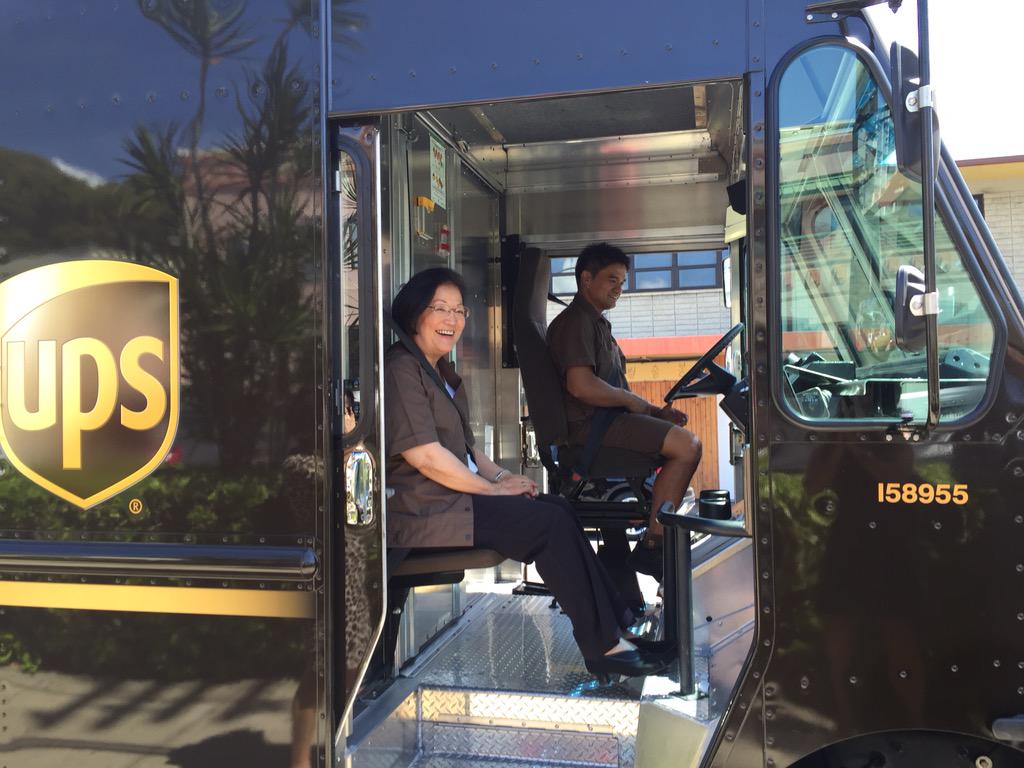
UPS’s restructuring combined voluntary buyouts, facility closures, reduced Amazon volume, and selective automation investment. The outcome delivered $3.5 billion in savings and market confidence, though human costs were immense.
The company’s approach illustrates the balance between financial discipline and operational innovation, raising questions about the future role of AI in workforce planning.