
In a pivotal moment for the U.S. housing market, Greystar Management Services—the nation’s largest apartment manager—has agreed to pay $7 million to settle allegations that it used artificial intelligence to coordinate rent increases with competitors. The settlement, announced November 18, 2025, by a bipartisan coalition of nine state attorneys general, marks a significant step in addressing the role of algorithmic collusion in driving up rental costs for millions of Americans.
Greystar’s Market Power and the Alleged Scheme
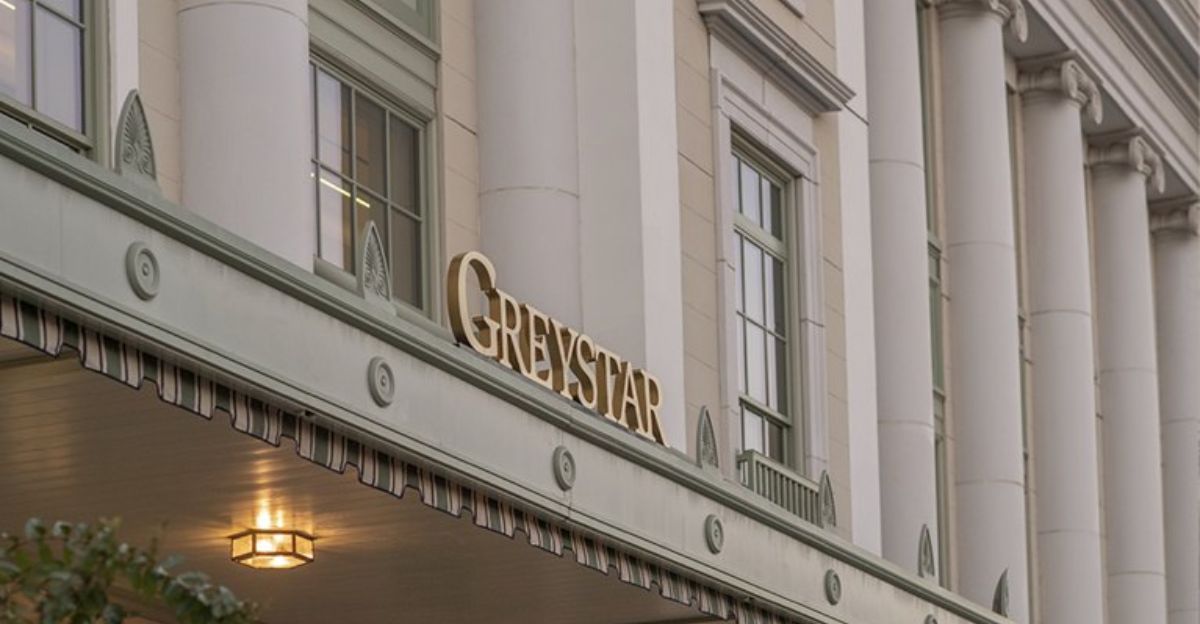
Greystar oversees nearly 950,000 rental units across the United States, giving it unmatched influence in the apartment sector. According to the settlement, Greystar participated in a price-fixing scheme by sharing sensitive, nonpublic rental data with RealPage Inc., a software provider whose algorithmic tools generate daily rent recommendations. Instead of setting prices independently, Greystar and other landlords allegedly pooled confidential information—such as actual rents, lease terms, and occupancy rates—into RealPage’s system. The software then analyzed this data to produce pricing suggestions that, prosecutors say, enabled landlords to synchronize rent hikes across entire cities, undermining competition and violating antitrust laws.
Direct communications between Greystar and rival landlords reportedly intensified the scheme. The complaint alleges that these companies discussed pricing strategies and parameters for the software, further reducing competitive pressure and transforming competitors into co-conspirators through technology.
How RealPage’s Algorithms Shaped the Market

RealPage dominates the commercial revenue management software market, controlling about 80 percent of it. Its products, including YieldStar and AIRM, use advanced algorithms to analyze market data and recommend optimal rent prices. Features such as auto-accept functions make it easy for landlords to adopt the software’s recommendations by default. If a landlord declines a suggested price, they must provide a written justification, which is reviewed by RealPage’s pricing advisors. These advisors can escalate disagreements to property managers’ supervisors, often pressuring them to comply with the algorithm’s guidance.
According to the White House Council of Economic Advisers, algorithmic pricing systems like RealPage’s add an average of $70 per month to rents in buildings that use them, costing American renters more than $3.8 billion in 2023 alone. Research indicates that markets with higher adoption of these algorithms see both elevated rents and lower occupancy rates, with some estimates suggesting overcharges of 12 to 13 percent.
Settlement Terms and New Restrictions

The $7 million settlement, pending court approval, will be distributed among the nine participating states based on the impact and number of residents affected. Massachusetts, for example, will receive about $622,000, while Minnesota’s share is approximately $483,000.
Beyond financial penalties, the agreement imposes strict operational restrictions on Greystar. The company is permanently barred from using any algorithm that generates pricing recommendations based on competitors’ sensitive data or includes anticompetitive features. Greystar is also prohibited from sharing competitively sensitive information with other landlords and from participating in RealPage-hosted meetings where pricing strategies are discussed.
To ensure compliance, Greystar must appoint an antitrust compliance officer and accept oversight by a court-appointed monitor if it uses third-party pricing algorithms not certified under the settlement. The company is also required to cooperate with ongoing state and federal investigations into RealPage’s practices.
Broader Legal and Legislative Response
The Greystar settlement is part of a broader wave of legal action targeting algorithmic rent-setting. In October 2025, Greystar agreed to pay $50 million to settle a class-action lawsuit brought by renters. In total, 26 property management companies operating more than 1.3 million units have reached settlements exceeding $141 million in related litigation.
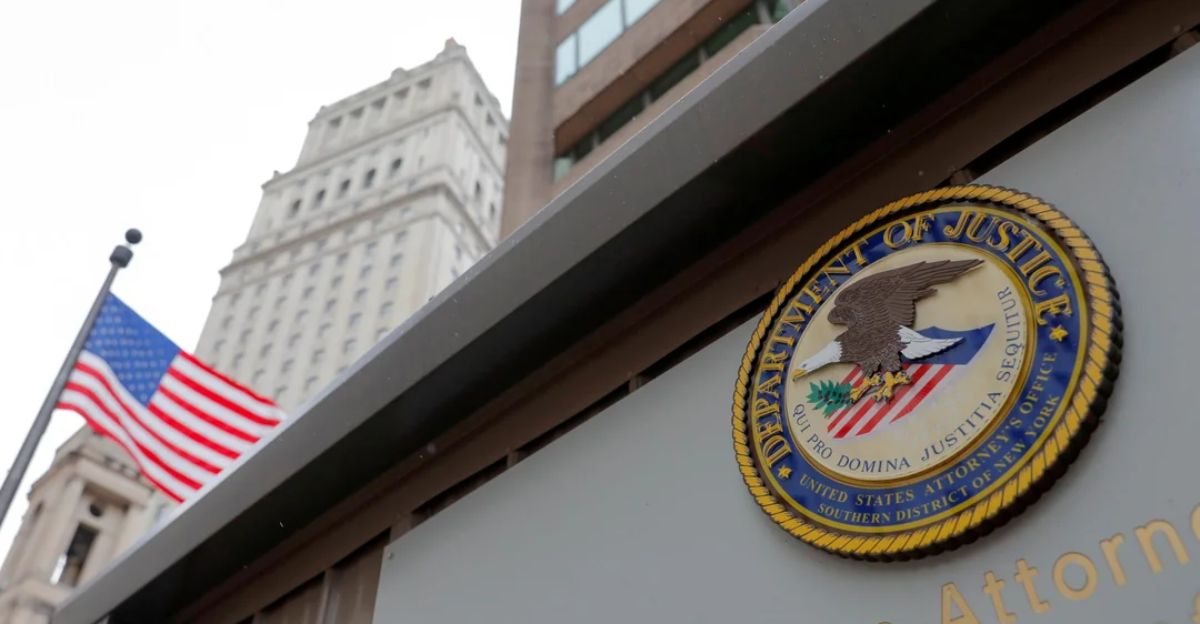
Meanwhile, the U.S. Department of Justice and ten states have expanded their antitrust lawsuit against RealPage, now including six major landlords. The case alleges that RealPage’s software enabled a form of digital cartel, replacing traditional price-fixing with algorithmic coordination.
Legislators are also moving to curb algorithmic rent-setting. California and New York enacted laws in October 2025 banning rent-setting tools that use competitors’ data. Seattle and King County, Washington, have passed similar measures, and Portland is considering its own ordinance.
Implications for Housing Affordability and Antitrust Enforcement
The crackdown on algorithmic price-fixing comes amid a deepening housing affordability crisis. In 2023, half of all American renters—about 22.6 million households—were cost-burdened, spending more than 30 percent of their income on housing. Median asking rents for new apartments reached $1,900 in late 2024, while rent growth in professionally managed buildings slowed to just 0.8 percent in early 2025.
State attorneys general say the settlement sends a clear message: technology cannot be used to circumvent competition laws and inflate housing costs. The Greystar case sets a precedent for regulating algorithmic pricing not only in housing but potentially across other industries. As federal prosecutors describe it, this is “the new frontier” of antitrust enforcement—adapting legal frameworks to address the challenges of digital collusion and restore competitive market dynamics.