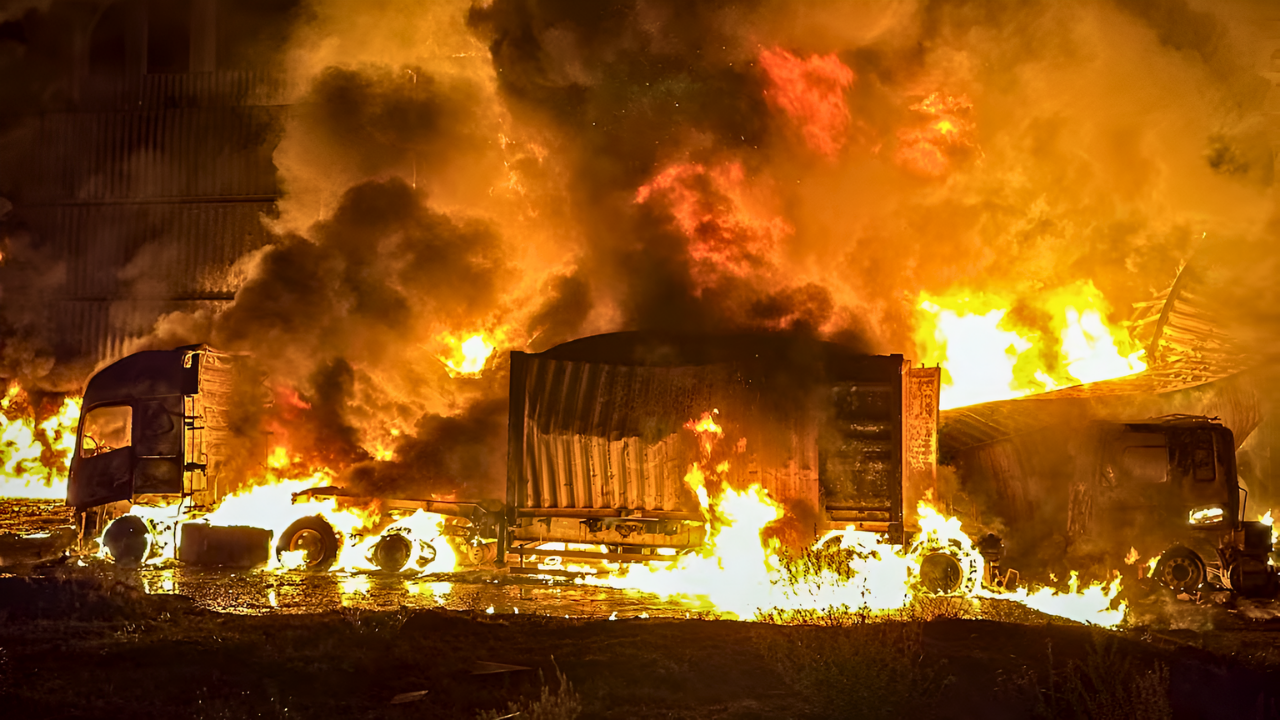
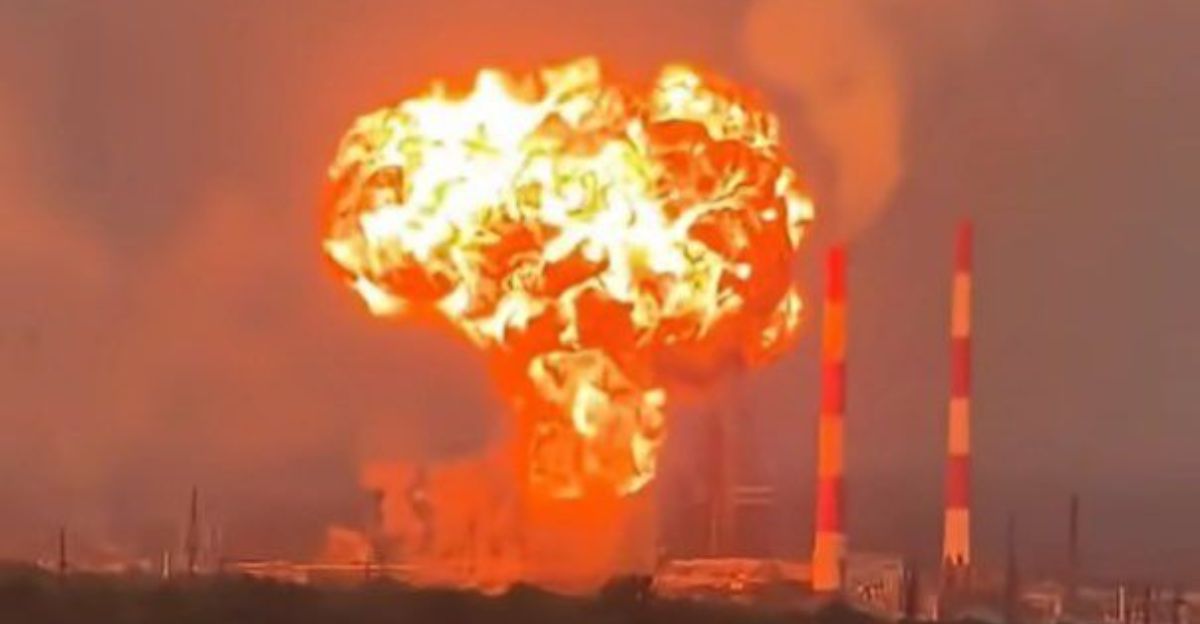
In the early hours of November 16, 2025, a series of explosions and fires tore through the Novokuibyshevsk oil refinery in Russia’s Samara Oblast, nearly 900 kilometers from the Ukrainian front lines. This marked the sixth documented Ukrainian strike on the facility, underscoring a dramatic escalation in Ukraine’s campaign to disrupt Russia’s energy infrastructure. While Russian air defenses claimed to have intercepted 23 drones, several penetrated and struck their target, leaving the full extent of the damage under ongoing assessment by Russian authorities.
Strategic Importance of Novokuibyshevsk
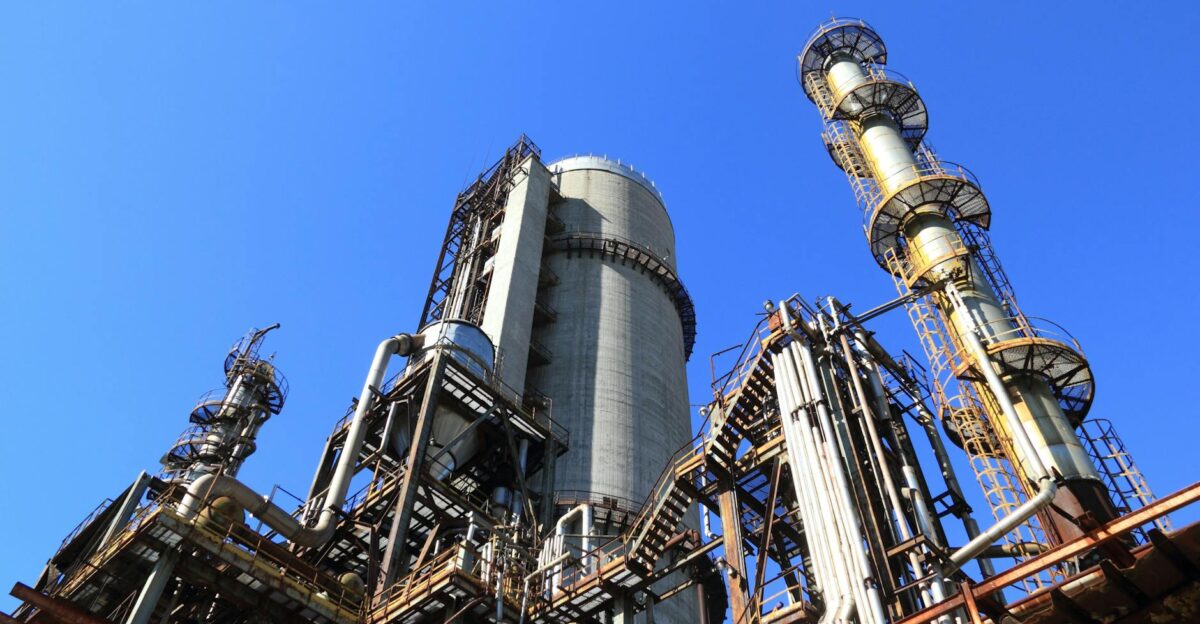
The Novokuibyshevsk refinery is one of Russia’s ten largest, with an annual processing capacity of 8.8 million metric tons—about 176,000 barrels per day. Operated by Rosneft, the country’s largest oil company, the facility refines crude oil from Orenburg, West Siberia, and Samara, producing gasoline, diesel, jet fuel, and other specialized products. Its output is vital for both civilian markets and the Russian military, supplying aviation fuel for key aircraft such as Su-27 fighters and Tu-22 bombers.
The refinery’s strategic value has made it a repeated target. Previous attacks, including one in October 2025, forced temporary shutdowns and required weeks or months for repairs. Even before the strikes, Russian refineries were running below full capacity, leaving little room to absorb further disruptions. The latest attack’s operational impact will depend on the severity of the damage and the speed of repairs, but repeated strikes have already strained Russia’s ability to maintain steady fuel supplies.
Ukraine’s Evolving Arsenal and Tactics
For this latest operation, Ukraine deployed the Bars jet-propelled drone-missile system, a weapon that blends the precision of a cruise missile with the flexibility of a drone. With a range of 700–800 kilometers and a payload capacity of 50–100 kilograms, the Bars system is designed to evade conventional air defenses. Its jet engine and fixed-wing design make it difficult to intercept, and it can be launched from the ground or air, extending Ukraine’s reach deep into Russian territory.
The Novokuibyshevsk strike fits a broader Ukrainian strategy of repeatedly targeting high-value energy assets. By focusing on a single facility through multiple attacks, Ukraine aims to inflict cumulative damage that outpaces Russian repair efforts. This approach reflects a detailed understanding of Russian logistics and the critical role of energy infrastructure in sustaining military operations.
Russian Air Defense and Response
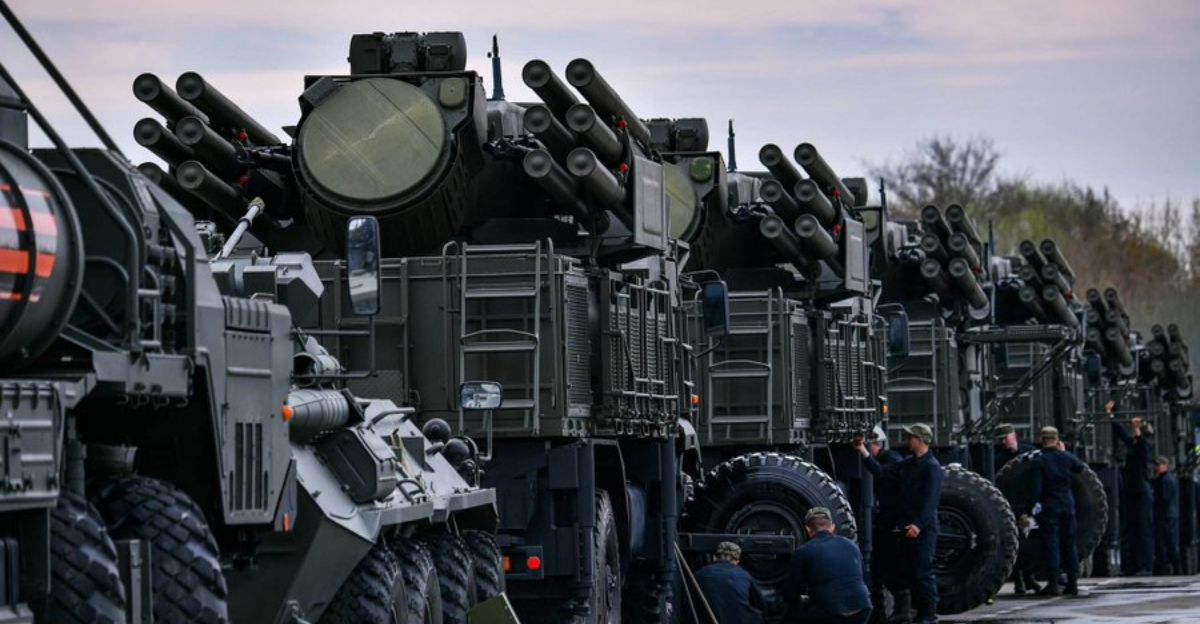
Despite claims of intercepting the majority of incoming drones, Russian defenses have struggled to fully protect sprawling energy infrastructure from sustained, coordinated attacks. The November 16 strike mirrored previous incidents in 2025, where some drones consistently managed to breach defenses. This pattern suggests a combination of insufficient coverage, evolving Ukrainian tactics, and the sheer scale of the territory to be defended.
Russian officials, including the Samara Oblast governor and the Defense Ministry, confirmed the attack and reported infrastructure damage. Local residents documented the explosions and fires, while Ukraine’s General Staff released footage highlighting the strike’s success. Independent outlets corroborated the basic facts, though comprehensive damage assessments remain pending.
Ripple Effects on Fuel Supply and Refining Capacity

Novokuibyshevsk’s output is crucial for regional transportation, industry, and military operations, particularly for supplying jet fuel to the Russian Aerospace Forces. Disruptions at the refinery ripple through southern Russia’s fuel distribution networks, affecting both civilian and military sectors. Previous strikes have triggered regional shortages, forcing other refineries to compensate or prompting rationing, especially for specialized military-grade fuels.
Russia’s total refining capacity stands at 6.6 million barrels per day, but it was operating below full capacity before the strikes, leaving limited spare capacity. At the peak of Ukrainian strikes in 2024–2025, up to 20 percent of nameplate capacity was temporarily disabled. However, national output losses have been contained to 3–6 percent year-on-year, thanks to the restart of idle units and crude redistribution. Regional bottlenecks have emerged in southern Russia, with documented fuel shortages in some areas.
Environmental and Global Market Implications
Explosions at oil refineries carry inherent environmental risks, including air pollution and potential groundwater contamination. Novokuibyshevsk’s proximity to populated areas raises concerns about air quality, though Russian authorities typically restrict pollution reporting related to military infrastructure. Independent environmental assessments are not yet available, but past incidents suggest localized air quality degradation.
On the global stage, energy markets closely monitor these attacks for their impact on Russian fuel exports, which total approximately 2.4 million barrels per day. Despite headline-grabbing capacity losses, actual export reductions have remained in the 3–6 percent range. However, continued attacks could erode Russia’s redundancy, potentially leading to more significant structural limitations and export revenue losses over time.
Looking Ahead: Strategic Stakes and Uncertain Recovery
As Ukraine continues to develop and deploy long-range strike capabilities, Russia’s energy infrastructure faces mounting pressure. Repeated attacks on facilities like Novokuibyshevsk threaten to transform temporary disruptions into lasting constraints, particularly if repair cycles cannot keep pace with the frequency of strikes. For the Russian military, sustained fuel shortages could limit operational tempo and force projection, while for the broader economy, regional shortages and quality degradation may become persistent challenges. The evolving contest over energy infrastructure is set to remain a central—and volatile—front in the ongoing conflict.