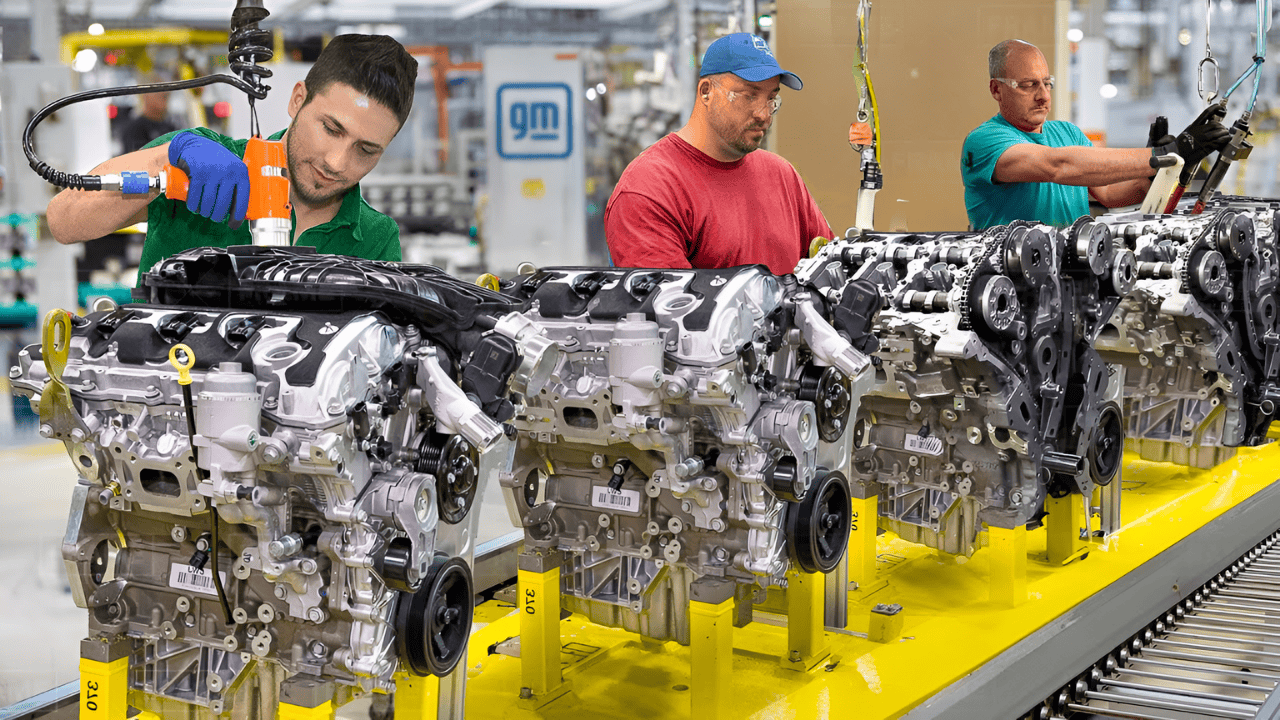
General Motors’ sudden halt of its $2.6 billion Ultium Cells battery megafactory in Spring Hill, Tennessee, has stunned the U.S. auto sector. The freeze, announced in late October 2025 just weeks after the federal government ended the $7,500 electric vehicle (EV) tax credit on September 30, marks the largest EV manufacturing pullback in GM’s history.
More than 3,400 workers across Michigan, Ohio, and Tennessee now face layoffs or furloughs. This decision highlights how quickly policy shifts and market changes can ripple through both companies and communities.
As GM navigates these challenges, questions about the future of U.S. EV manufacturing grow. Let’s look into this deeper…
Slowing EV Demand and Policy Shifts
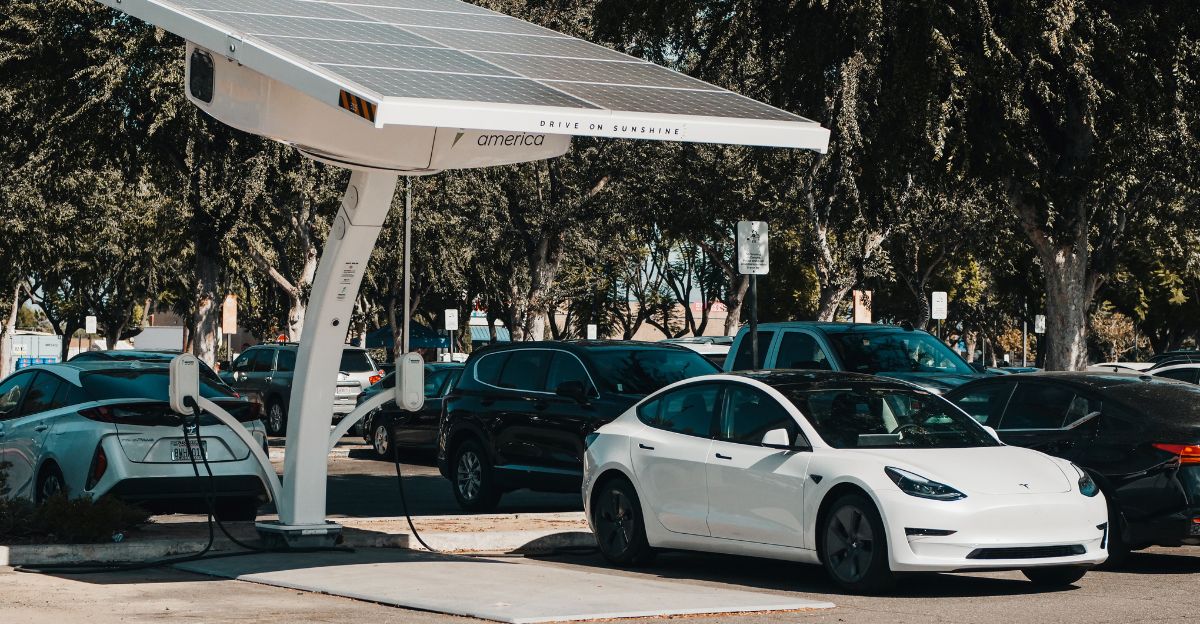
GM cited “slower near-term EV adoption” and an “evolving regulatory environment” for the factory freeze. The company’s third-quarter financial report reflected a $1.6 billion special charge, covering the declining value of EV plants and costs linked to layoffs. Production at Spring Hill is set to stop on January 5, 2026, with a possible restart in mid-2026, though no guarantees exist for the workforce.
Many analysts point to the September 30 elimination of the federal tax credit as the trigger for the reversal. With this incentive gone, EV prices effectively increased, raising doubts about GM’s EV strategy and the broader trajectory of the U.S. shift to electric vehicles.
Human and Economic Impact

The consequences for workers and their families are severe. Across Tennessee, Michigan, and Ohio, GM has permanently laid off 1,750 employees and temporarily furloughed another 1,670. Detroit’s Factory Zero lost 1,200 jobs, the Warren Ultium plant saw 550 indefinite and 850 temporary layoffs, and Spring Hill furloughed 710 workers.
These cuts threaten local economies, particularly in Spring Hill, where lost wages could impact schools, small businesses, and housing markets. Thousands of families now face uncertainty, illustrating how industrial shifts extend far beyond factory floors.
Industry and Supply Chain Repercussions
GM’s move has set off a wave of disruptions in suppliers and competitors. Dana Thermal closed its Auburn Hills facility, cutting 200 jobs, while IAC shuttered two Michigan plants, eliminating roughly 250 positions. Volkswagen furloughed 160 workers in Chattanooga, and Rivian reduced its workforce by 600 in October.
Ford CEO Jim Farley warned the tax credit loss could halve U.S. EV demand, dropping market share from 10–12% to around 5%. International suppliers in South Korea, Japan, China, Canada, and Mexico are also facing reduced orders. Even recent immigration complications at Georgia’s Hyundai-LG battery plant have amplified staffing challenges, leaving the U.S. “Battery Belt” under pressure.
Policy Debate and Union Response
The United Auto Workers (UAW) is demanding full pay and benefits for affected employees, emphasizing that “temporary” layoffs often become permanent. Union leaders are also advocating for trade policies to protect domestic manufacturing.
Policy discussions are sharply divided. Some argue the tax credit removal corrects market distortions, while others warn it could undermine climate goals and green job growth. Local governments are preparing for lower tax revenue and declining property values, making the issue central as the 2026 midterms approach, particularly in states with major auto workforces.
A Pivotal Moment for the EV Industry
GM’s megafactory freeze represents a turning point for the U.S. EV sector. The tax credit elimination raised EV prices almost overnight, driving dealers to refocus on hybrids and gasoline vehicles. Analysts predict near-term obstacles for EV adoption, with battery cost reductions needed to regain competitiveness.
The slowdown could affect U.S. climate targets, as fewer EVs on the road mean continued reliance on gasoline vehicles. Meanwhile, hybrid producers and automakers in countries like India and Brazil could benefit, while China strengthens its EV industry globally. GM’s Spring Hill plans in mid-2026 will be closely watched as the future of American EV manufacturing hangs in the balance.