Singles looking for connection are facing a major shift in the online dating world. According to Forbes, nearly 80% of Gen Z users report feeling emotionally exhausted by app-based dating.
Dr. Helen Fisher, a biological anthropologist and Match.com advisor, notes, “Burnout is now endemic among young daters seeking earnest relationships.” These signs point toward a pivotal change in how people look for love.
Widespread Fatigue
The widespread fatigue isn’t limited to a single platform or demographic. Recent Infegy analysis reveals a 36% drop in positive sentiment for Tinder and Hinge over ten years.
“Many users are realizing quantity doesn’t equal quality,” says online dating analyst Michael Kaye. These negative trends are causing widespread reevaluation of digital romance options.
How Did We Get Here?
Dating apps burst onto the scene just over a decade ago, with Tinder’s 2012 launch quickly reshaping social lives worldwide. The apps initially promised fast, fun connections but soon sparked debate about their long-term value.
“Dating fatigue is rising as the novelty wears off,” says New York University’s Dr. Natasha Schüll, who studies digital habits. Early enthusiasm is giving way to scrutiny.
Mounting Pressure
Surveys from Pew Research show four out of five frequent app users experienced some form of “emotional toll” in the past year.
Common complaints include matching fatigue, ghosting, and struggles to form lasting bonds. Psychologist Dr. Jess Carbino notes, “Apps have maximized choice, but that’s come with new emotional costs.” The pressure is intensifying as usage evolves.
Raya
Raya, the invite-only dating app, now boasts a waitlist of 2.5 million people, according to founder Daniel Gendelman. The Wall Street Journal reports this unprecedented figure as a sign of the app’s allure amid widespread fatigue elsewhere.
“Exclusivity is a status symbol for a generation burned by mainstream platforms,” observes Fast Company’s Mark Wilson. The buzz around Raya is reshaping industry norms.
Global Impacts

While forms of “dating fatigue” are found worldwide, demand for select platforms persists, especially in the U.S. and UK. Research from Sky News shows that UK activity on big apps fell 16% year over year, but interest in exclusive services is surging.
“There’s a global trend toward more intentional online connections,” explains sociologist Dr. Eric Klinenberg. The market is diversifying rather than declining outright.
Lived Experience
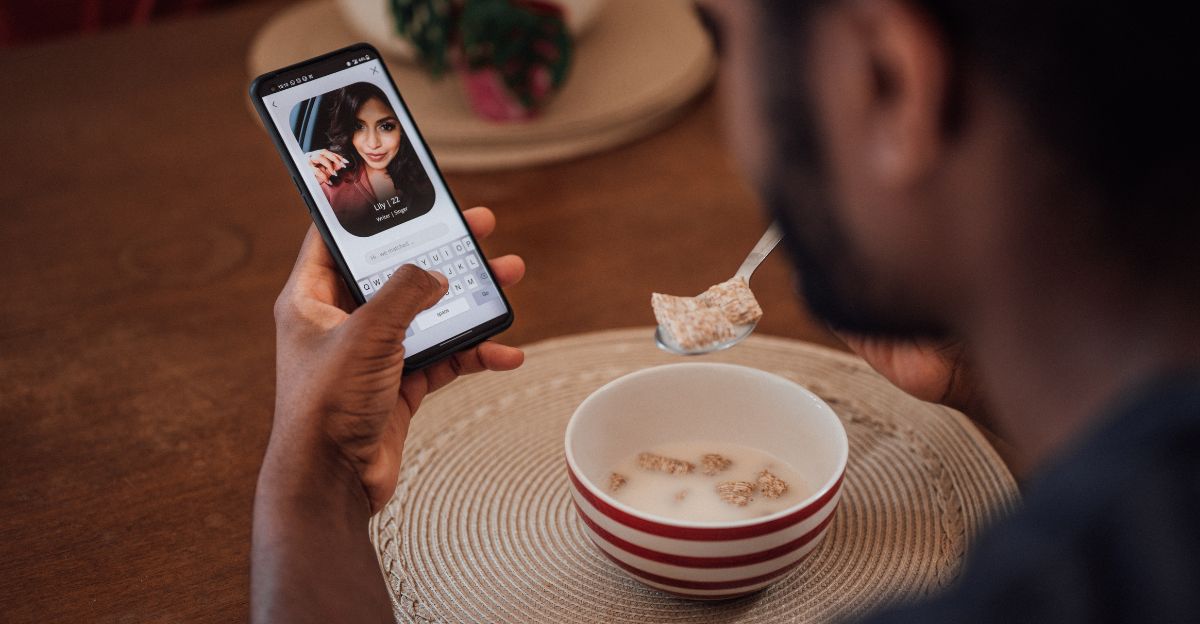
User testimonials paint a vivid picture: “Apps feel more draining than ever,” says Maya, 28, a regular Hinge user cited by The Guardian. Many describe frustration with superficial conversations and fleeting matches.
Dr. Fisher agrees: “We’re in an era where digital exhaustion is a real barrier to romance.” These personal stories underscore the survey findings.
Competitor Response

Faced with churn, apps like Bumble and Hinge are redesigning match algorithms and rolling out new video features to entice users back.
Mashable reports several platforms are investing in “authenticity tools.” “We’re focused on deeper connections, not endless swiping,” says Hinge’s CEO Justin McLeod. The industry is scrambling to adapt.
Macro Backdrop
Across the U.S., Pew finds that 47% of adults say dating is now “harder than ever.” Even as online dating attempts soar, the proportion reporting success in finding lasting relationships is shrinking.
“There’s real concern about digital dating’s long-term impact,” warns relationship therapist Dr. Rachel Sussman. The climate is increasingly uncertain.
Waitlist Realities

Raya’s giant waitlist isn’t just a marketing ploy: The Wall Street Journal confirms even influencers and public figures report waiting months for access.
“The desire for niche curation is only growing,” notes venture analyst Nisa Amoils. Raya stands out as a rare example of scarcity value in tech-driven matchmaking.
Friction Rises
App company leaders admit internal tensions are high as churn rates climb. Tinder’s parent, Match Group, recently acknowledged “significant user restlessness” in investor calls.
Analyst Allyson Klein comments, “Navigating between growth and authenticity is a balancing act.” Company priorities are shifting amid public pressure.
Who’s Steering?

Raya’s Daniel Gendelman touts “a slower, more intentional approach to admissions, favoring community over scale.” TechCrunch tracks recent board appointments including digital ethics experts, signaling a priority on privacy.
“Curation will define the next generation of dating,” says app consultant Tim Burgess. Leadership style is influencing culture.
Comeback Efforts
Tinder and Hinge experiment with live video events and AI-driven matchmaking to spur fresh engagement. “Our experiments include fewer swipes and more user-driven prompts,” says Tinder’s head of product, Stephane Taine.
Wired observes early optimism, but warns results remain mixed. It’s a period of trial and error for established giants.
Expert Doubts
Skeptics question if these fixes can reverse long-standing problems. Dr. Anna Machin at Oxford comments, “Dating apps can’t easily fix trust or fatigue with technology alone.”
Reuters notes that even successful couples report starting with skepticism. The search for sustainable romance solutions continues.
What’s Next?
Observers expect a shakeout: traditional apps may lose users to smaller, “intentional” communities both online and offline.
Pew’s Amanda Lenhart suggests, “Future matchmaking may depend more on community and less on mass algorithms.” The direction of digital romance remains wide open.
Policy Questions
Governments are reviewing the fairness and wellbeing impact of dating algorithms, with FTC hearings on app design transparency commencing earlier this year.
“We’re watching closely for potential bias and abuse,” states FTC chair Lina Khan. New rules may be coming into play.
International Trends

Similar fatigue and exclusivity trends are visible across Europe and Asia. Sky News reports sharp drops in app activity in the UK, while Japan sees growth in matchmaking “boutiques.” Dr. Azusa Sato of Waseda University notes, “Global shifts show culture shaping digital dating responses.”
Legal Frontiers

Class actions alleging algorithmic bias and privacy violations are winding through U.S. and European courts. “Plaintiffs argue dating apps have unfair ‘shadow bans’ or profiling,” says tech lawyer Martin Singer. These lawsuits could reshape the regulatory obligations for digital matchmaking.
Generational Divide
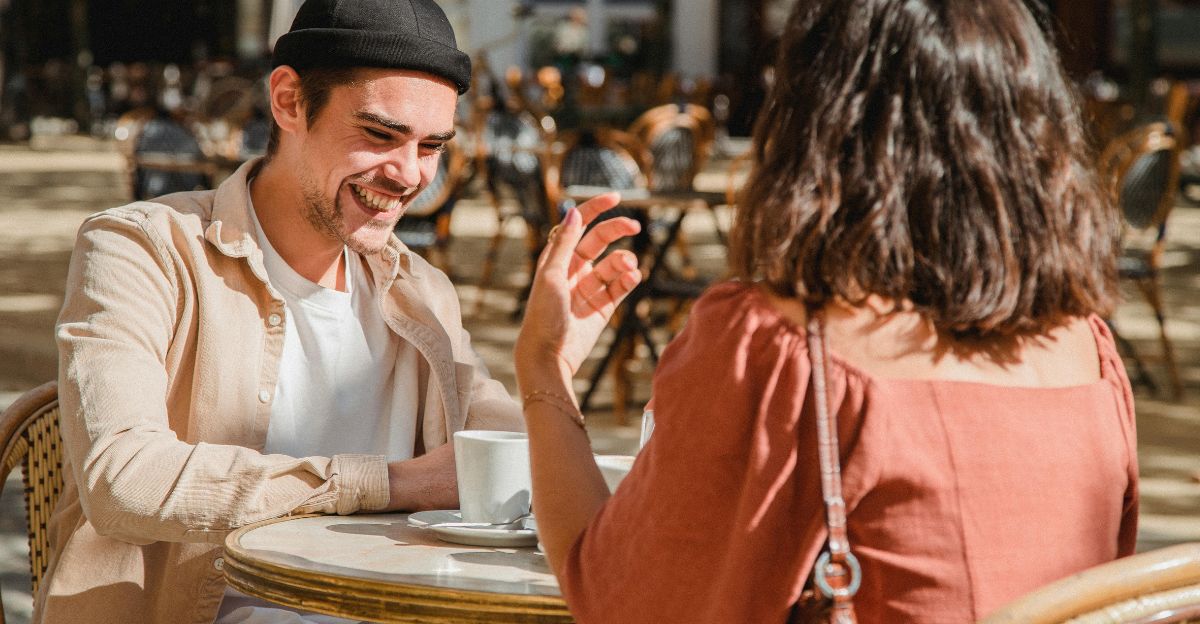
Cultural analysts point to a generational split, with Gen Z prioritizing authenticity and transparency. “They’re shifting away from swiping towards real-life encounters,” says Hannah Murphy, Financial Times. This generational momentum is likely to shape the future of relationships.
Big Picture

The popularity of Raya alongside fatigue with mainstream apps signals a desire to rethink romance in a digital age.
“Love hasn’t lost its appeal, but the rules are evolving fast,” says Dr. Fisher. As technology adapts, so do single people’s expectations—and the next chapter is just beginning.