
Illinois’ most prominent property insurer announced a 27.2% increase in homeowners’ insurance rates, affecting roughly 1.5 million households statewide. The move is expected to add an estimated $523 million in annual premiums.
Governor JB Pritzker and state officials have criticized the hike, citing potential cross-state cost-shifting. This sudden surge sets the stage for widespread financial impact across Illinois’ homeowners and small businesses.
Who?
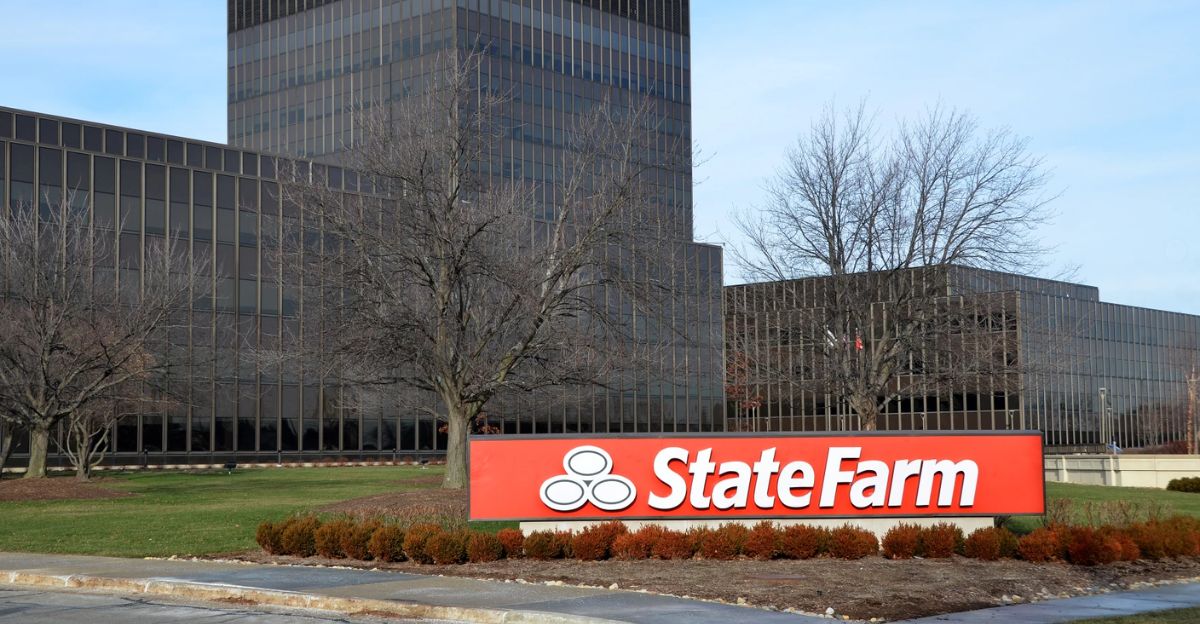
State Farm, headquartered in Bloomington, dominates Illinois’ insurance market with roughly one-third of homeowners insured—around 1.5 million policyholders. The company employs 67,000 globally, including 62,000 corporate employees in Bloomington and 4,000 at Corporate South.
A voluntary exit program launched in September signals internal restructuring. However, questions remain about future layoffs that could affect Illinois’ 13,000 local staff.
Government Pushback on Rate Hike

Governor JB Pritzker criticized State Farm on 09 July 2025, calling the increase “deeply concerning” and “unfair and arbitrary.” He claimed the company may be shifting out-of-state costs onto Illinois homeowners.
Insurance Director Ann Gillespie echoed concerns, saying, “Without the ability to review rates, we cannot dig in, we cannot compel transparency.” This lack of oversight shapes the unfolding debate.
Legislative Efforts Fall Short
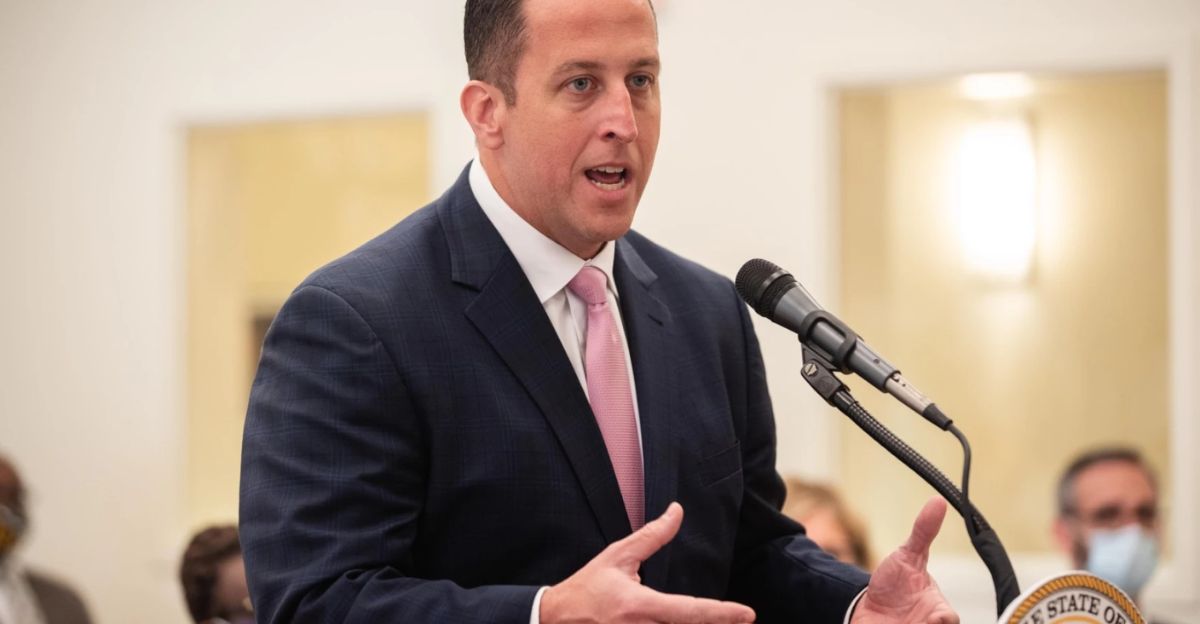
Senator Michael Hastings led amendments to HB 3799, aiming to give regulators the authority to oversee rate hikes exceeding 10%. The Illinois Senate passed the amendments 41-15 on 30 October 2025.
The House fell four votes short, leaving homeowners exposed. Was this defeat the turning point in regulatory reform efforts? The answer would shape the state’s insurance future.
Homeowners Feel the Impact

Illinois’ 1.5 million State Farm policyholders now face average annual increases of $746–$750. Families across the state confront rising financial pressure amid already high insurance costs.
Ellen Grimes, 66, from Chicago, said, “It drives middle-class people out of the city. It drives middle-class people out of the state.” The personal toll highlights the human side of this crisis.
Small Businesses and Communities Strain

Rising insurance costs ripple through small businesses, affecting property values, commercial leases, and employee housing. Businesses must adapt or risk economic setbacks.
Grimes’ testimony underscores the cumulative burden: unaffordable insurance discourages investment, renovations, and long-term stability, hinting at broader community impacts waiting to unfold.
Academic Insight: Dr. Gensini’s Research

Dr. Victor Gensini, of Northern Illinois University, calls severe convective storms “death by a thousand paper cuts,” noting hail strikes roughly 200 days per year. His work frames the scientific explanation behind Illinois’ insurance woes.
The newly established CIRCS center studies these storms to improve societal resilience, suggesting long-term risk solutions may be in research, not policy alone.
What Triggered the 27% Hike?
State Farm cited unsustainable losses: for every $1 collected in Illinois premiums in 2024, it paid $1.26 in claims. Catastrophe losses exceeded annual provisions in 13 of 15 years, highlighting the chronic underestimation of severe weather risk.
Rising reconstruction costs further pressured premiums. But why choose a 27% single-year increase instead of gradual adjustments? The following slides explain the reasoning.
Financial Toll on Illinois

Total annual cost shift: $523 million, affecting approximately 1.5 million households directly. This jump represents Illinois’ most significant single-rate increase in recent history.
Cumulatively, homeowners faced a 59.5% increase in insurance costs from 2019 to 2024, placing Illinois seventh nationally. However, the Midwest’s inland status makes this surge especially notable—something policymakers must contend with.
The Thousand Cuts Explained
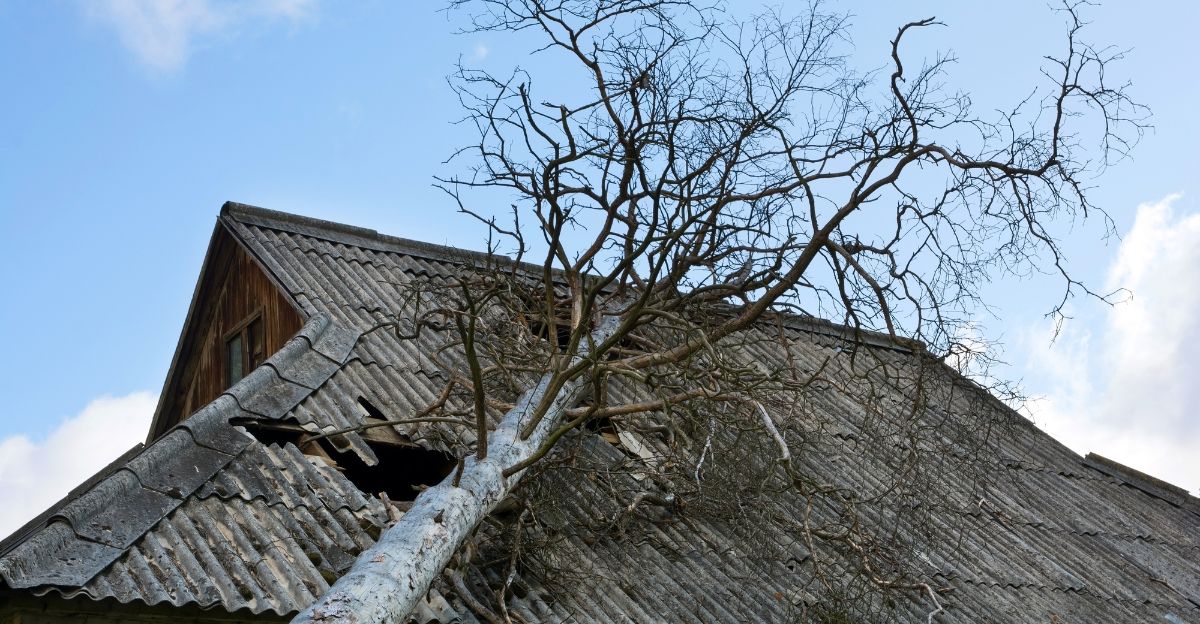
Unlike single catastrophes, Illinois faces constant incremental damage from hail, wind, and storms. Each event may be small, but cumulative effects overwhelm insurers.
Dr. Gensini emphasizes that frequent storms compound losses, creating a pressure cooker for premiums. But how does this translate to economic consequences for homeowners? The next slide shows the ripple effects.
Geographic Concentration of Risk

Chicago Metro Area: Insurance costs surged 46% from 2021 to 2024. Central and northern Illinois experience a higher frequency of hail, exacerbating vulnerability in urbanizing areas.
Illinois ranks among the top five U.S. states for cumulative insurance rate increases. This anomaly shows that location and storm frequency, not just coastlines, define risk levels.
National Context Matters

State Farm’s challenges extend beyond Illinois. California experienced a 17% emergency rate increase in May 2025, primarily due to wildfires. Nationwide, property-casualty operations reported $103 billion in earned premiums but $6.1 billion in underwriting losses.
This positions Illinois as a test case. Will lessons here shape policies in other high-risk states?
Why Rates Had to Rise

Hail alone caused $638 million in claims in Illinois, more than any state except Texas. Chronic underpricing exacerbated the problem, creating a gap between the premiums collected and the claims paid.
Supply chain disruptions and inflation amplified costs. Could these pressures have been mitigated earlier with more precise risk modeling?
Regulatory Oversight Gap

Illinois lacks the authority to review homeowners’ or auto insurance rates. This creates risks of cross-state cost-shifting and opacity in rate justifications.
Without oversight, insurers can allocate losses from Florida or California to Illinois. The absence of regulatory power leaves homeowners vulnerable to sudden financial shocks.
Legislative Reform Blocked
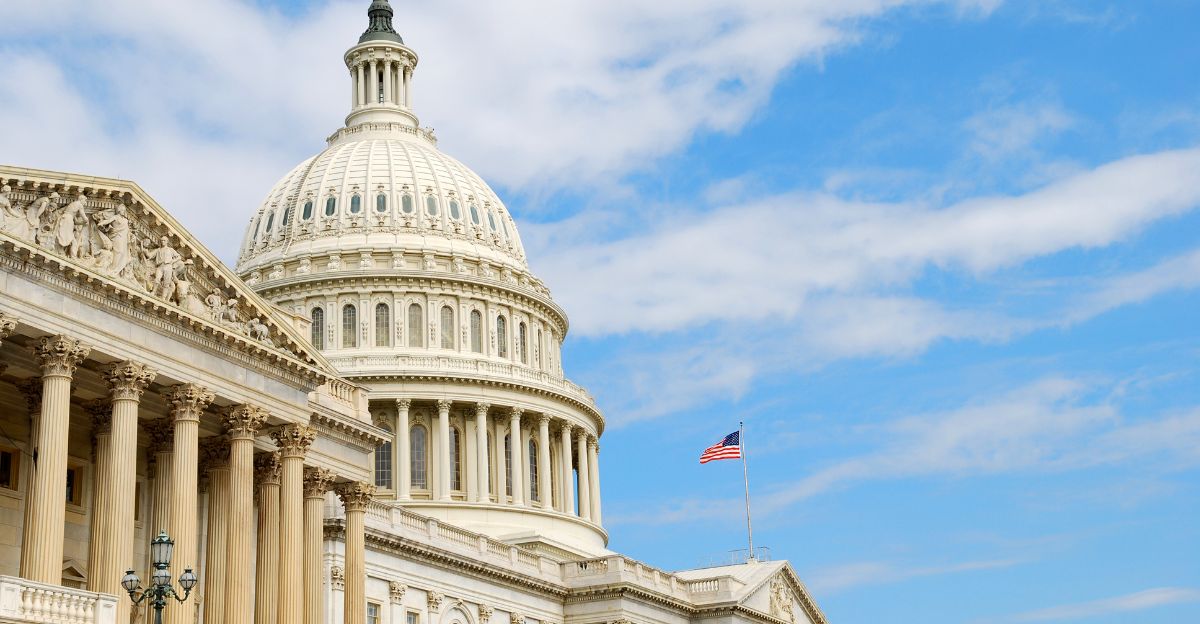
HB 3799 amendments would have required a 60-day notice for hikes over 10%, Illinois-specific data, and post-facto review authority. The House fell four votes short, largely due to lobbying.
Senator Hastings said, “The insurance industry, you want to talk about one of the strongest lobbying arms at the Capitol… Ninety-nine percent of that piece of legislation was agreed upon.”
Economic Ripple Effects

Higher insurance premiums strain mortgage affordability, slow home purchases, and depress property values. Illinois families face longer timelines to save for down payments.
Small businesses feel the squeeze on employee housing costs and operational budgets. The financial reverberations extend far beyond homeowners, affecting the broader state economy.
State Farm Workforce Changes

September 2025: voluntary exit program signals internal restructuring. While no immediate layoffs are expected, potential future reductions loom over Illinois employees.
The company is adapting to continuous losses. Will these changes stabilize operations or introduce further uncertainty for employees and customers alike?
How Storms Drive the Crisis
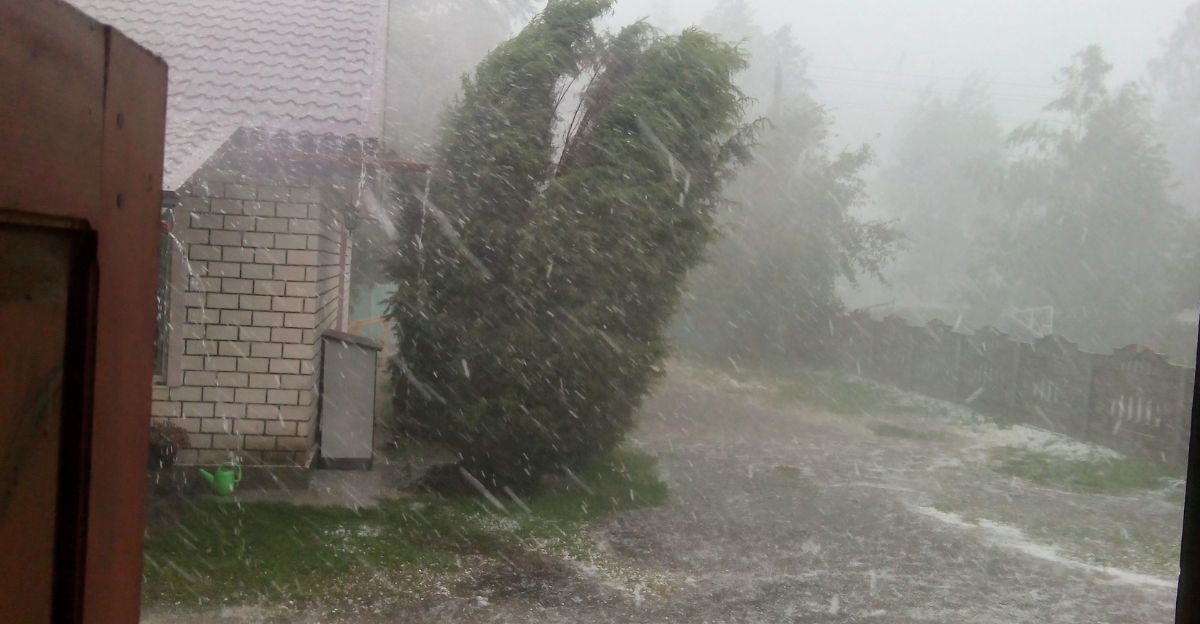
Frequent hail events (~200 days annually) generate cumulative losses exceeding $600 million yearly. Each “paper cut” intensifies the strain on insurers, creating a financial spiral.
Unpredictable storm intensity, coupled with rising reconstruction costs, amplifies the problem. Homeowners see premiums rise while insurers scramble to cover mounting claims.
The Thousand Cuts in Action
State Farm’s 27% rate hike reflects persistent, incremental storm damage, inflationary repair costs, and regulatory gaps. Illinois homeowners shoulder $523 million annually, while small businesses, property values, and the workforce feel pressure.
Dr. Gensini’s metaphor—“death by a thousand paper cuts”—perfectly captures why inland Illinois faces such high insurance costs. The cumulative effects continue to unfold.