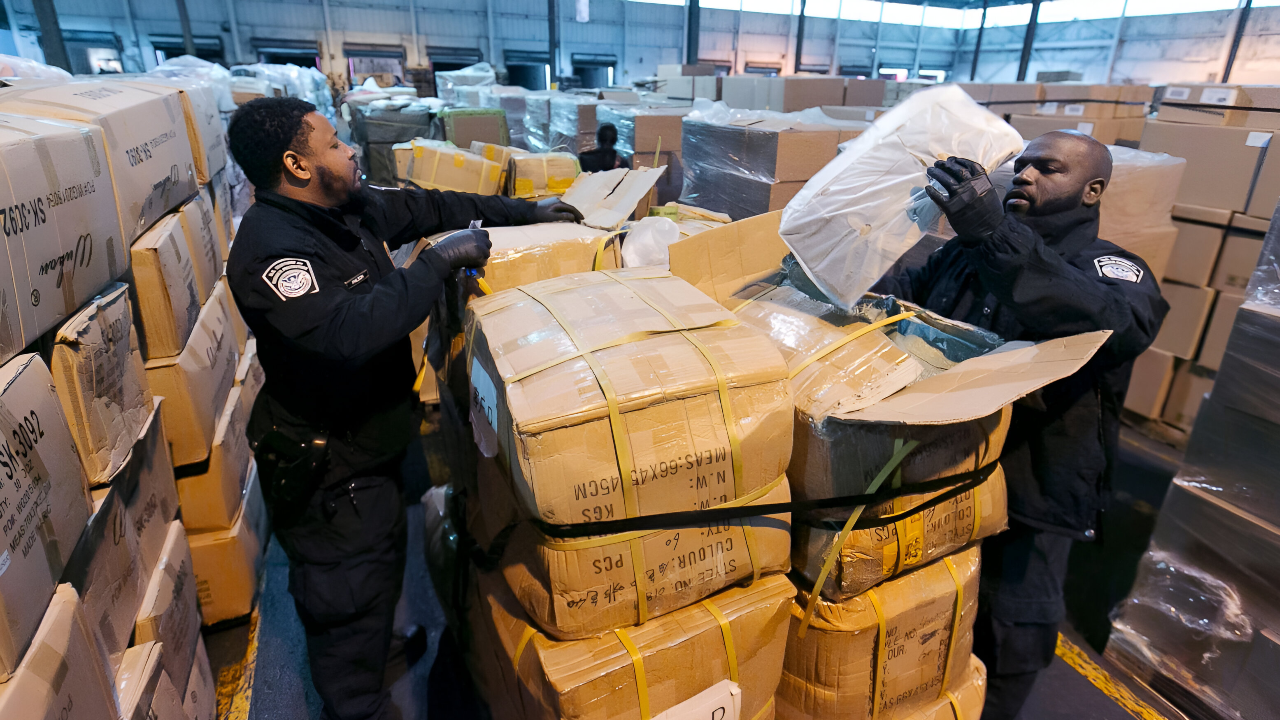
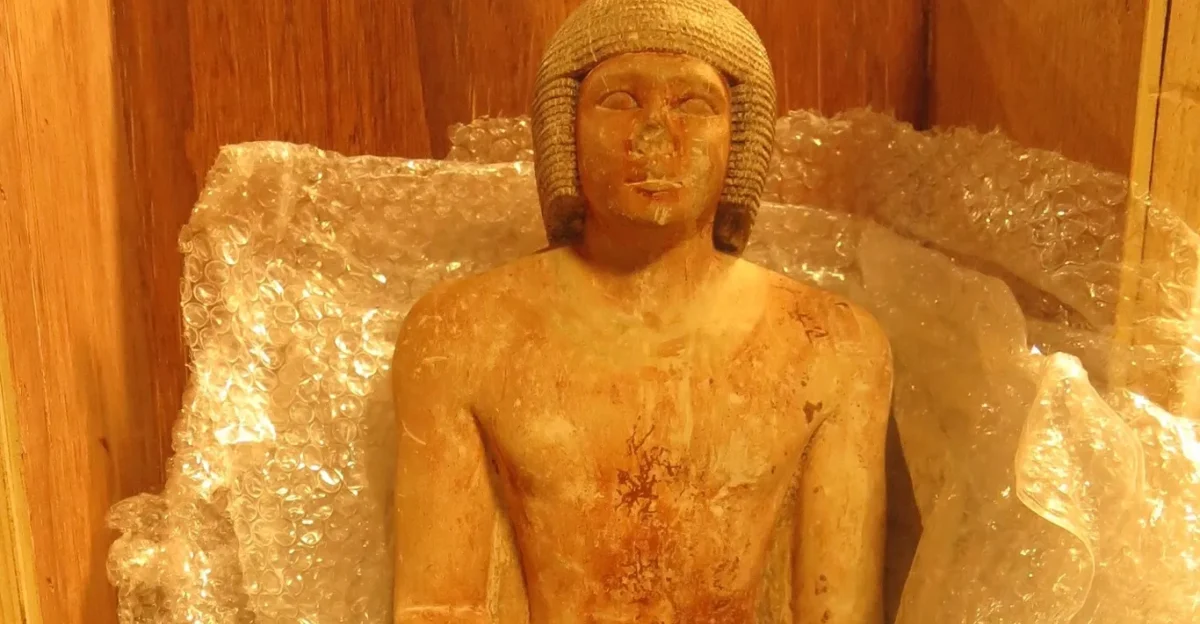
U.S. Customs and Border Protection intercepted $12 million in Egyptian artifacts disguised as “home décor.” The centerpiece, a $6 million Old Kingdom limestone funerary statue, was destined for a private collector in Edgewater, Maryland.
This seizure exposes the intricate smuggling networks that exploit customs gaps, raising questions about the protection of cultural heritage and illicit art markets. Let’s look into how this operation unfolded.
Who Were the Smugglers?
Unknown international smugglers orchestrated the operation, avoiding court appearance and allowing civil asset forfeiture to proceed. This silent default judgment hints at fear of federal prosecution or deliberate evasion.
The identities remain sealed, leaving investigators, collectors, and the public wondering who risked federal consequences for artifacts valued in the millions. What motivated their decisions remains unclear.
A Collector in Edgewater
At least one shipment was meant for an undisclosed private collector in Edgewater, Maryland. The Justice Department has kept its identity confidential, highlighting the tension between privacy and accountability.
This mystery raises questions about the flow of illicit artifacts into high-net-worth collections and the connections enabling such risky transactions. Who benefits from these treasures?
CBP Leads Enforcement Efforts
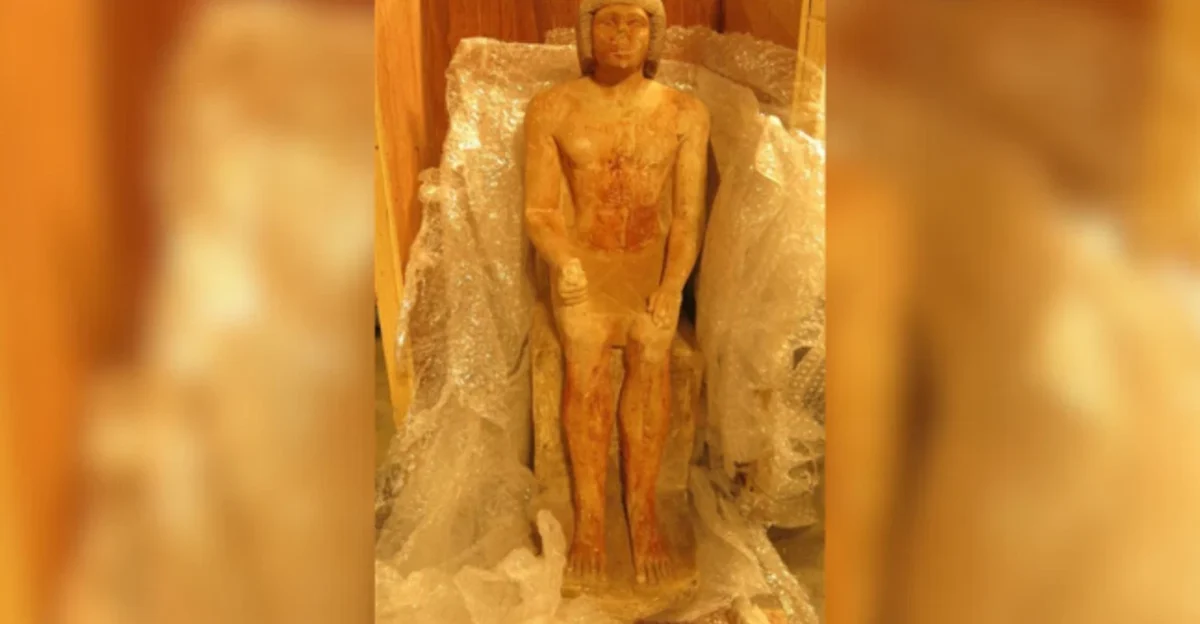
Stephen Maloney, Executive Director of the CBP National Targeting Center, said, “The recovery of this ancient Egyptian statue, valued at $6 million, underscores CBP’s commitment to protecting cultural heritage.” The agency identified the artifacts during routine parcel inspections.
Their actions demonstrate the importance of expertise in intercepting rare antiquities and hint at the broader smuggling network yet to be revealed.
HSI’s Cultural Perspective
Evan Campanella, Acting Special Agent in Charge of HSI-Baltimore, noted, “These ancient artifacts are more than just relics of the past; they are irreplaceable pieces of global cultural heritage.”
This emphasizes the cultural stakes behind smuggling cases. Protecting human history is as critical as intercepting illegal shipments, suggesting the investigation’s reach extends well beyond the U.S.
U.S. Attorney’s Strategy
Kelly O. Hayes, U.S. Attorney for the District of Maryland, said, “This litigation highlights one of the benefits of civil asset forfeiture and is an important milestone toward eliminating smuggled cultural property from the U.S. art market.”
The legal approach prioritizes asset recovery over criminal prosecution, signaling a practical shift in combating illicit antiquities while preserving cultural heritage.
Academic and Museum Impact

While not defendants, museums, archaeologists, and Egypt’s Ministry of Antiquities are affected by the case. It demonstrates how looted artifacts can infiltrate private collections before proper tracking and documentation occur.
This incident highlights the importance of proactive provenance verification, suggesting that systemic vulnerabilities in the global antiquities trade may resurface.
Artifact Spotlight: $6 Million Statue
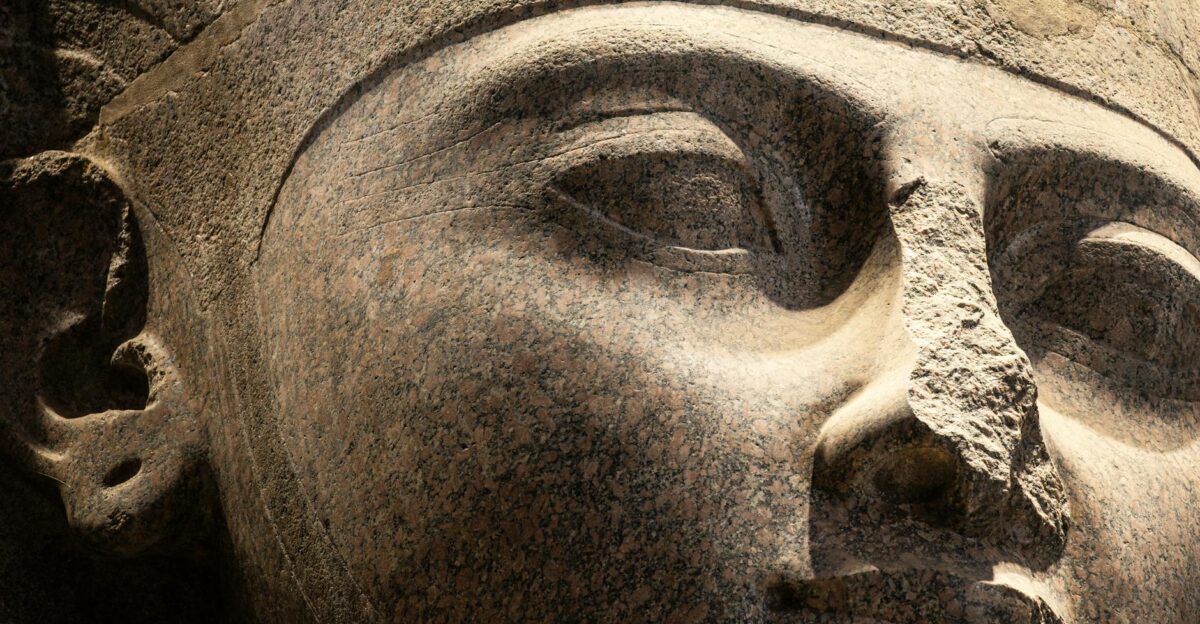
The Old Kingdom limestone funerary statue is valued at $6 million and dates back to the period from 2686 to 2181 BCE. It represents one of Egypt’s earliest monumental periods, coinciding with the construction of pyramids at Giza and Saqqara.
This remarkable find shows the level of sophistication in smuggling operations. But what about the remaining 13 pieces?
The Other Artifacts

The haul included 13 additional items—amulets, figurines, and a vase. Public records do not provide individual valuations, although extrapolated estimates range from $150 to $500 each.
Their mysterious origins leave a valuation gap that complicates understanding the full scale of illicit profits and raises questions about market transparency.
Timeline of Smuggling
Artifacts were shipped between August 2020 and April 2021. The COVID-19 pandemic created enforcement gaps, providing smugglers an opportunity to exploit reduced oversight in international cargo.
Understanding this timeline reveals how global events can impact cultural property trafficking, suggesting broader patterns in illicit art movements.
How CBP Uncovered the Smuggling Scheme
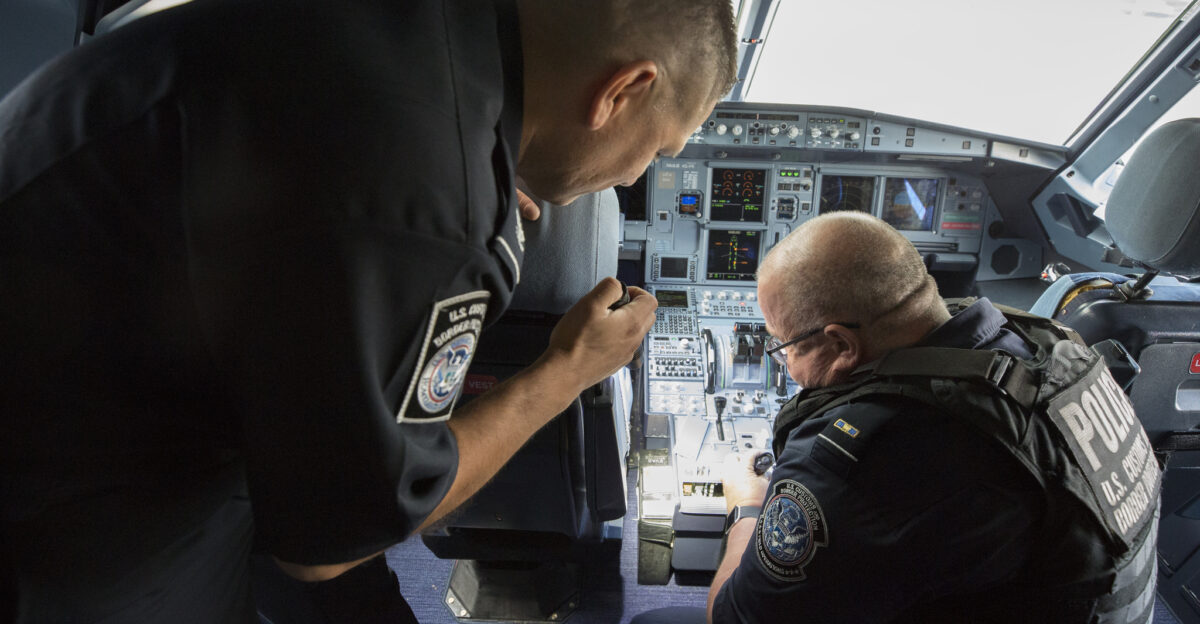
CBP found the Egyptian artifacts during routine parcel inspections at Anchorage, Cincinnati, and New York airports between August 2020 and April 2021. Deceptive labels like “home décor” and mismatched weight-to-value ratios triggered alerts from the National Targeting Center’s Antiquities Unit.
Inspections revealed limestone statues and figurines, later authenticated by historians and appraisers. The case relied on systematic procedures, not tips, showing how structured risk assessment and expert validation can intercept smuggling. Could smugglers have anticipated such scrutiny?
Enforcement Delay Explained

Despite a seizure in 2020–2021, civil forfeiture concluded in September. Legal processes, asset verification, and proving illegal importation were the primary causes of the 4.5-year delay.
This lengthy arc illustrates the challenges of pursuing civil forfeiture while balancing historical verification and due process requirements.
Destination and Affluence

Edgewater, Maryland, an affluent community near Baltimore, received at least one shipment. The DOJ withheld collector details, maintaining confidentiality but leaving public curiosity about high-net-worth buyers involved in illicit antiquities.
The secrecy adds intrigue to the story, hinting at private markets where ancient treasures circulate largely unseen.
Economic Incentives
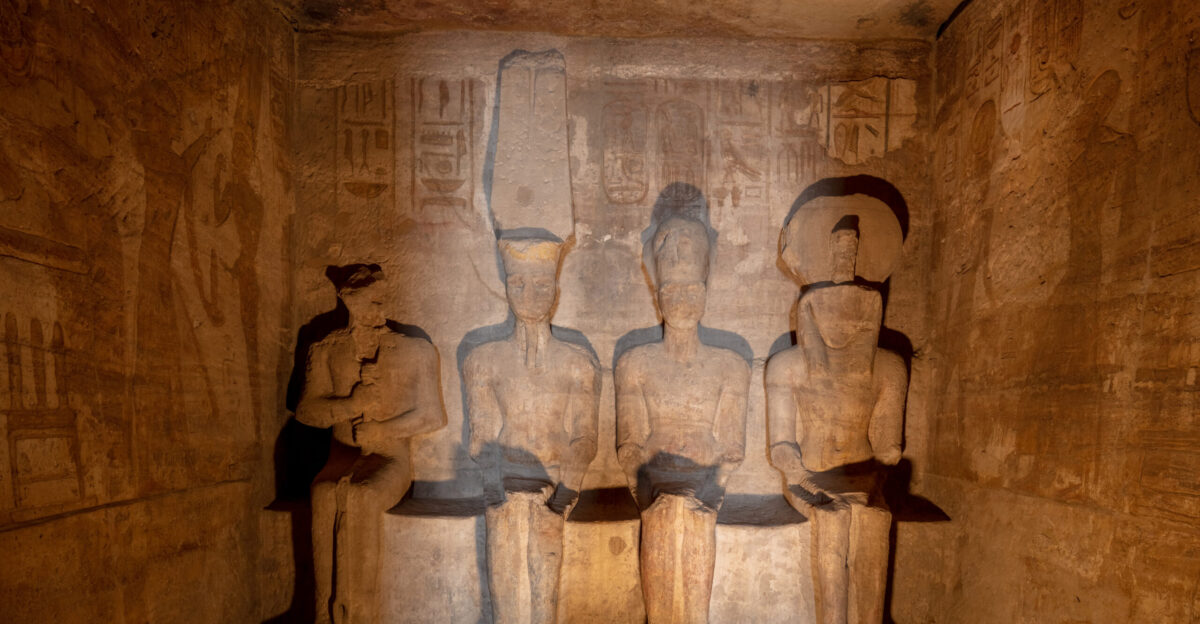
UNODC reports cultural property smuggling ranks alongside arms and drugs in profitability. The U.S., as the most significant art market, is especially attractive to smugglers seeking high returns.
The financial incentives help explain why illegal antiquities trafficking persists, suggesting systemic pressures driving continued looting and sales.
Black Market Value
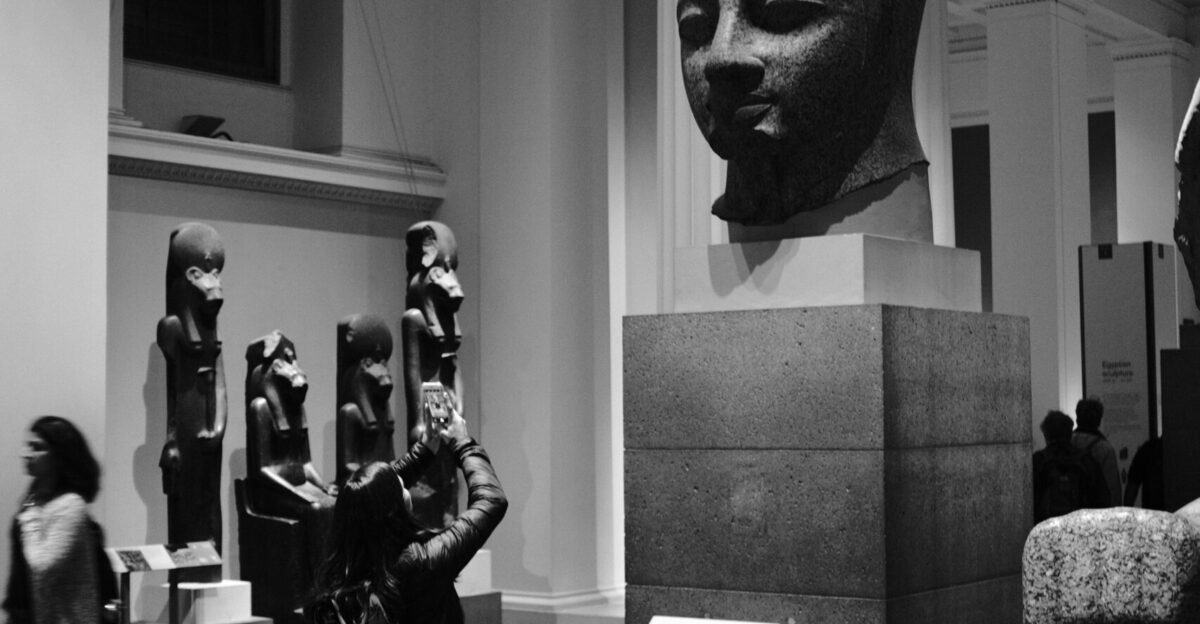
Smuggled items can sell for 300–500% above legitimate auction prices. The $6 million statue could fetch $18–30 million in unregulated markets, depending on provenance knowledge.
This stark markup highlights the enormous stakes and encourages an understanding of why smugglers and collectors take such extreme risks.
Looting Pressures in Egypt
Political instability and poverty accelerate site looting in Egypt, targeting Saqqara and Giza. Vulnerable archaeological sites face theft risks when enforcement attention shifts elsewhere.
This context underscores the importance of international cooperation in protecting heritage and preventing the illicit trafficking of historical artifacts.
Legal Straddling and Compliance Gaps

Antiquities exist in a legal gray zone, where only experts can discern authenticity. Collectors exploit this, claiming ignorance of illegal status when items are seized.
The complexity of straddling legality complicates enforcement and emphasizes the need for expertise in civil asset forfeiture strategies.
Smuggling Mechanics Revealed

Smugglers used parcel dispersal to evade bulk inspection, routing artifacts through three airports over a nine-month period. Each parcel contained deceptive documentation that masked its origin and value.
The approach highlights the tactical sophistication of traffickers and underscores the importance of inter-agency collaboration in detecting and verifying contraband.
Civil Forfeiture Benefits

Civil forfeiture bypassed criminal trials, allowing for faster resolution, a lower burden of proof, and asset recovery without the defendant’s participation. Kelly Hayes emphasized its strategic value in disrupting illicit markets.
This method enabled authorities to reclaim artifacts efficiently, setting a precedent for future cultural property enforcement.
Default Judgment and Silence

The September 28, 2025, default judgment suggests smugglers avoided court due to fear of federal exposure. Silence serves as an unspoken admission of knowledge or guilt.
This closure highlights both the risks smugglers face and the effectiveness of civil forfeiture in recovering priceless cultural artifacts.
Repatriation Plans
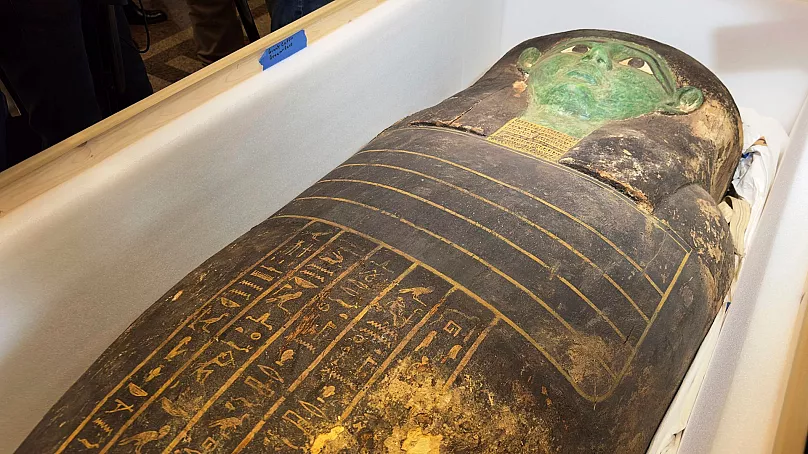
Artifacts will be returned to Egypt through coordinated DOJ channels, aligning with the U.S.–Egypt cultural heritage recovery partnership. Past high-profile returns demonstrate precedent and growing international cooperation.
Repatriation not only restores stolen heritage but signals more vigorous enforcement and accountability for future smuggling operations.