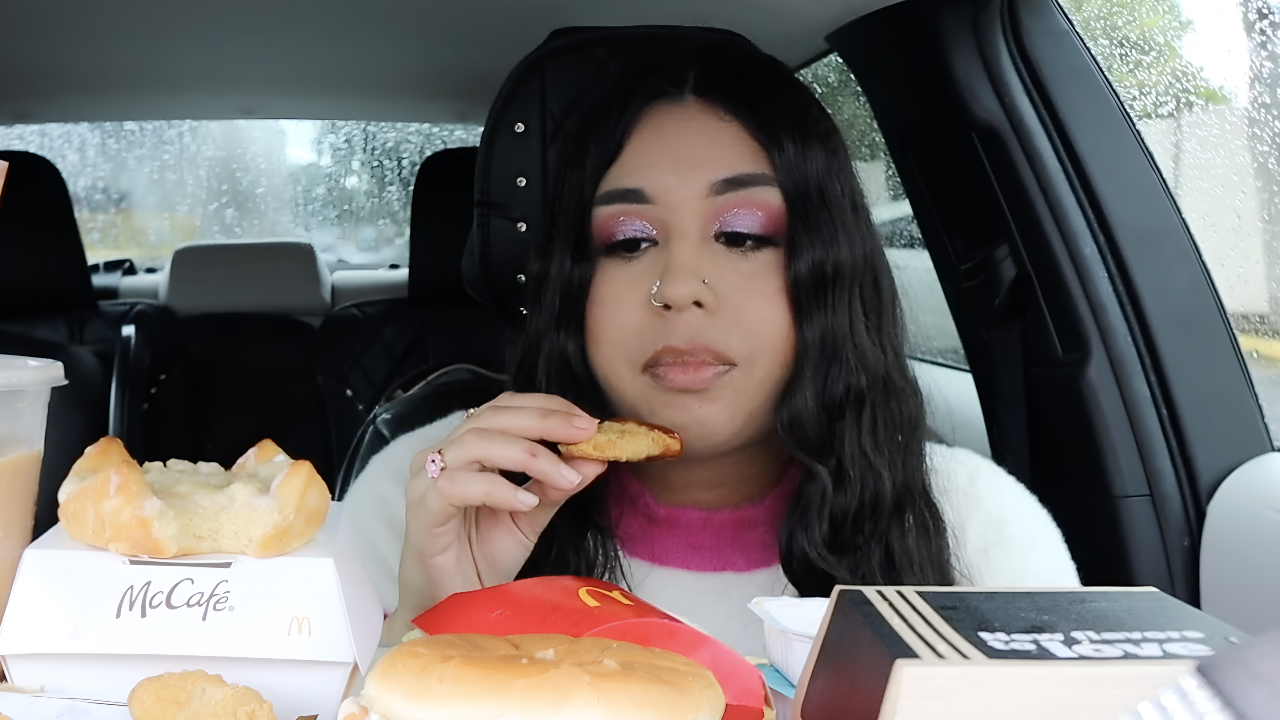
America’s biggest fast food chains are losing trust this year as customers document shrinking portions, weaker flavors, and surprising shortcuts. Chick-fil-A faces petitions over soggy fries. Popeyes struggles with a six-year quality slide. McDonald’s, Wendy’s, and Burger King are criticized for changes that customers say feel more like cost-cutting measures than genuine innovation. Viral complaints now shape how people judge their favorite meals. And the items drawing the loudest outrage tell an even clearer story.
#1 – McDonald’s
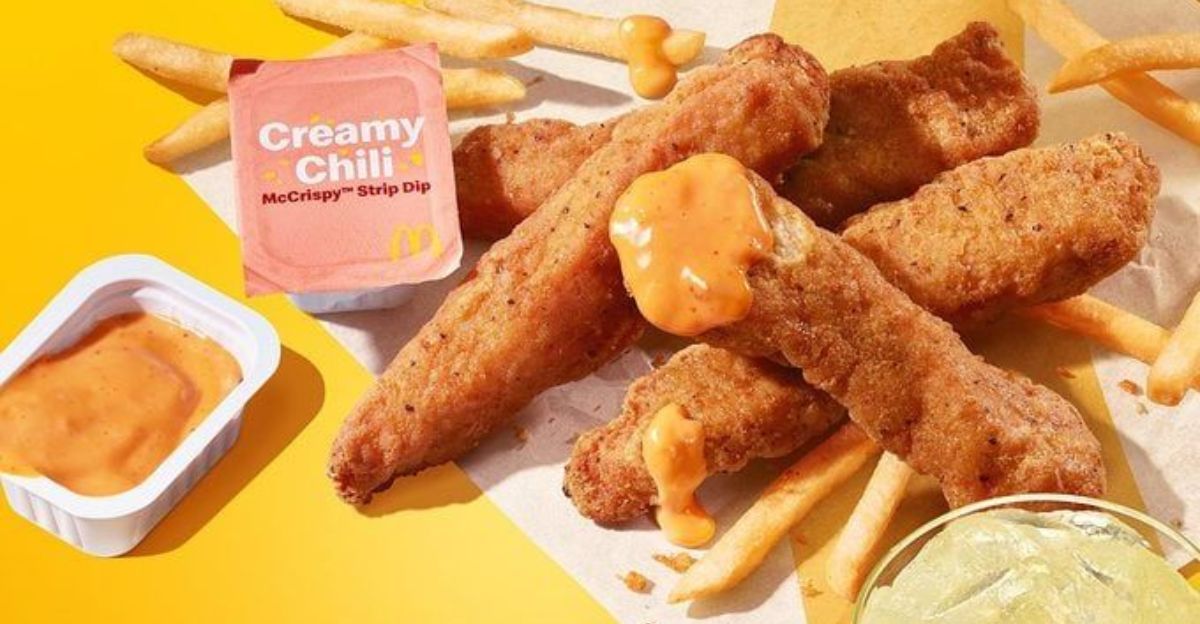
McDonald’s introduced McCrispy Strips to revive interest in chicken, but customers say the product name misleads. Complaints describe the strips as woody, rubbery, and lacking crispness despite the promise. One customer said, “They’re called McCrispy Strips, but they literally are not crispy,” in frustration.
Chicken Selects disappeared long ago, and fans still compare the new version to the 2000s favorite. The contrast shows how expectations persist over time. However, these reactions hint at a deeper frustration that continues building.
#2 – Chick-fil-A
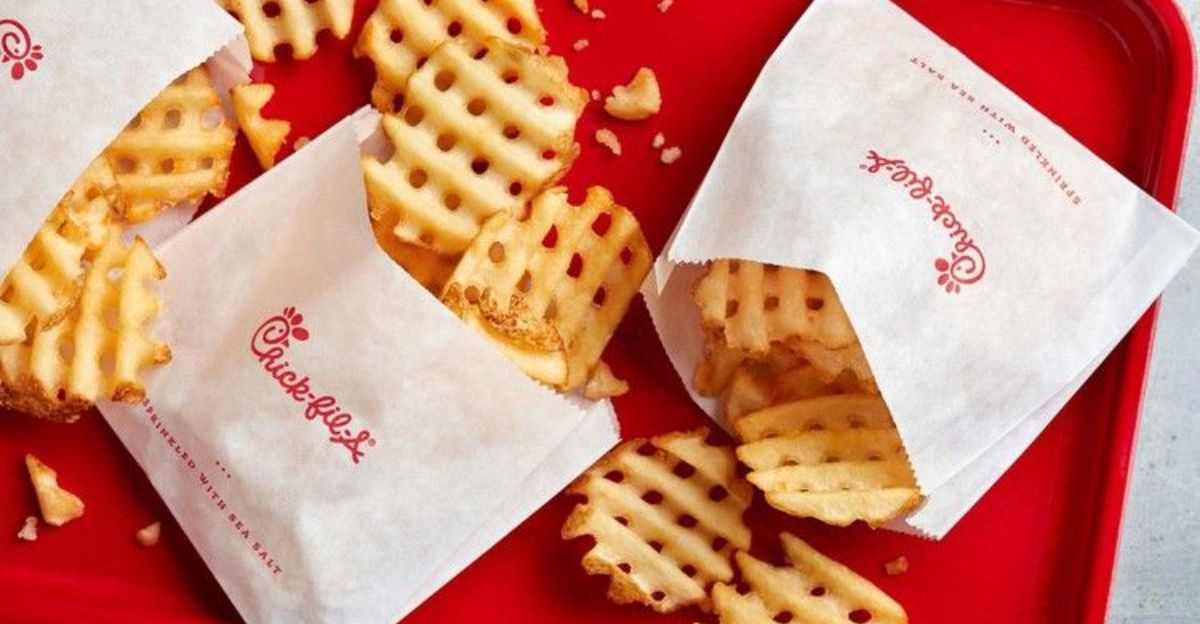
Chick-fil-A updated its waffle fry recipe early this year, claiming the change would boost crispiness. Instead, fans launched multiple petitions with more than one thousand signatures combined. Customers described fries fusing into blocks and becoming soggier than before, despite the chain insisting quality had improved.
One petition joked: “We want soggy” to criticize the new recipe. The reaction shows how a single shift can disrupt trust in a beloved item. Still, the story takes another turn as more chains face similar backlash.
#3 – Long John Silver’s
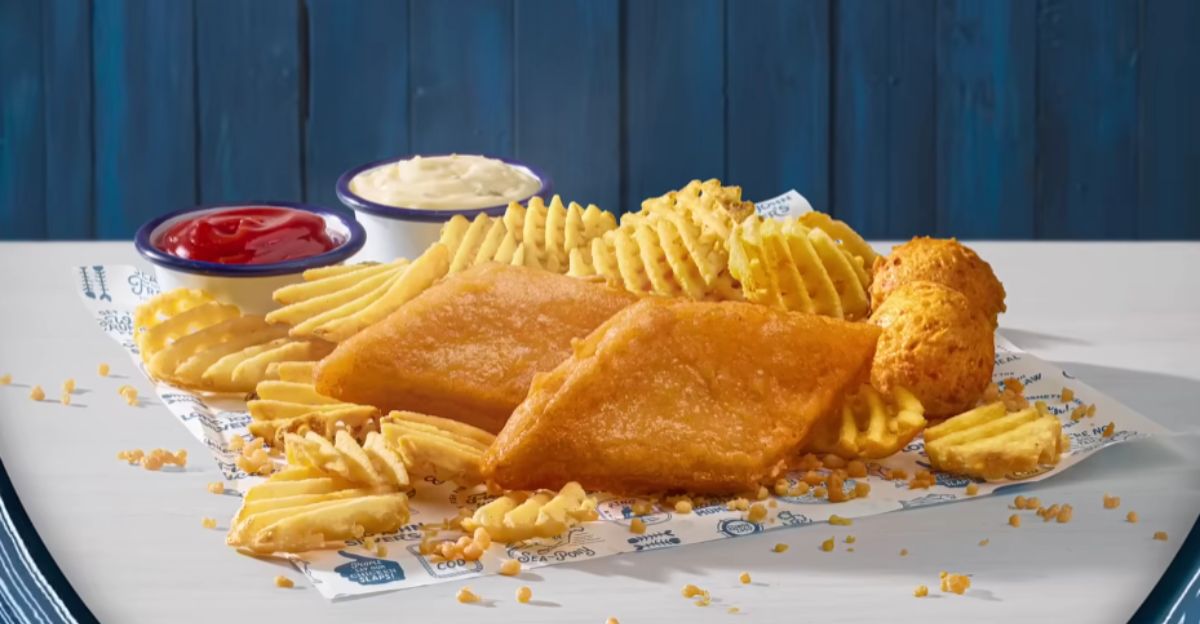
Long John Silver’s replaced its classic fries with waffle fries last year, immediately sparking complaints. A petition with over 164 signatures calls for the return of the original. Customers report that the new fries are chewy, lacking flavor, and arriving lukewarm at many locations.
An employee wrote: “I’m an employee. They suck; no one likes them. We do not like them, the customers do not like them, they are garbage.” Even the staff agrees the change failed. Yet, the pattern continues at other chains as well.
#4 – Burger King
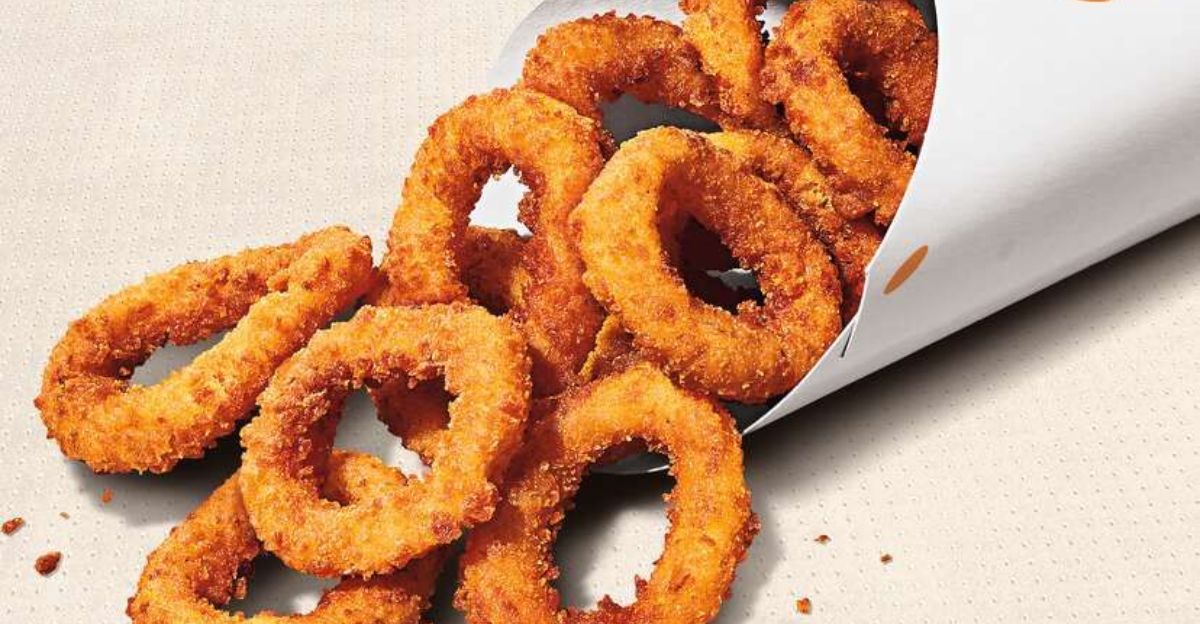
Burger King’s onion rings rely on processed onion paste instead of sliced onions, surprising many customers. The paste is blended to a soft texture and molded into rings. Fans argue the item no longer resembles real onions, especially as prices have increased in recent years.
Customers feel taste and value both declined. One complaint asked: “What the heck is going on with your onion rings?” Such reactions underline how hidden shortcuts can erode brand loyalty. Another example reveals a similar decline elsewhere.
#5 – Popeyes
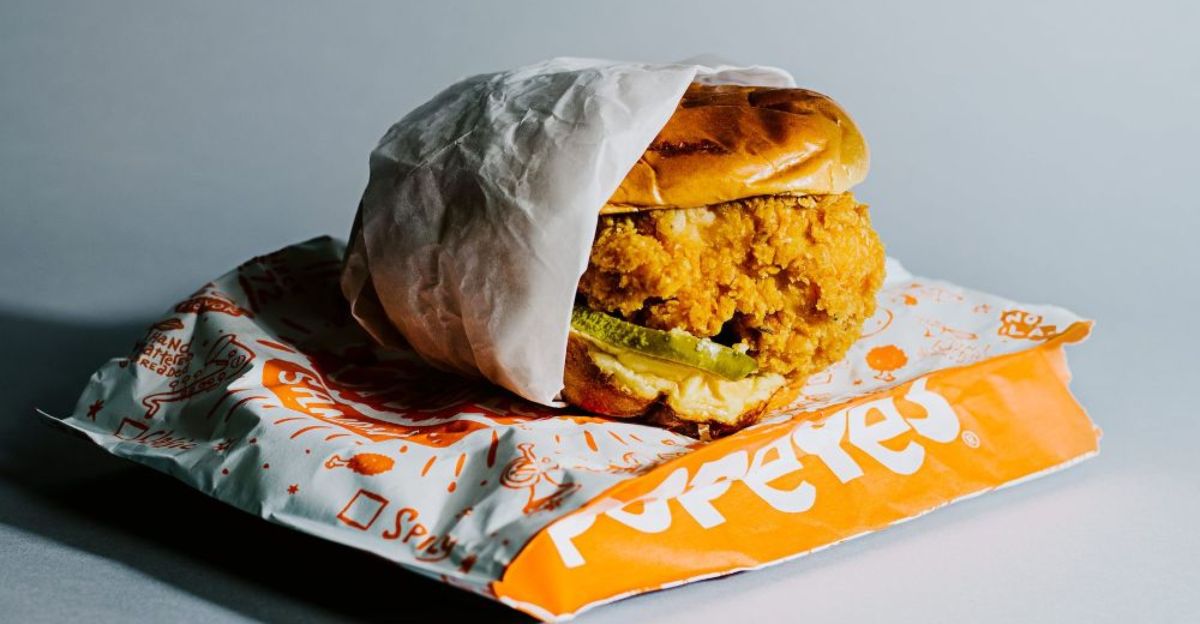
Popeyes once enjoyed viral success after its 2019 chicken sandwich launch created nationwide hype. Six years later, customers describe smaller chicken pieces and less robust breading compared to the original, limited-edition version. The permanent version appears reduced for long-term profitability.
Reports suggest a 25-35 percent decrease in the size of chicken pieces. Fans note the original quality was never fully replicated. That shift shows how viral success can fade. Another menu controversy soon appeared at a different chain.
#6 – Starbucks
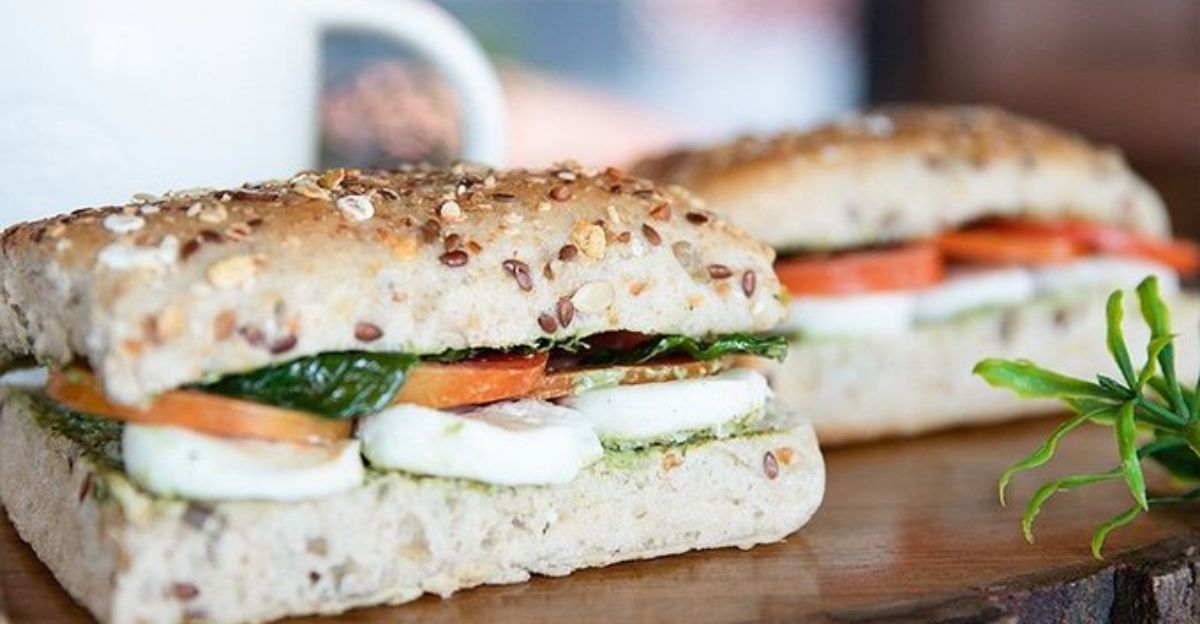
Starbucks sells a $7 Tomato and Mozzarella sandwich that appears artisanal in its promotions but is actually frozen before reheating. Customers say the filling is noticeably reduced, sometimes appearing half of what the photos suggest. The sandwich is simply warmed on-site rather than being made fresh.
Many customers question paying premium prices for a reheated item. Photos circulating online show sparse fillings and inconsistent quality. The concerns highlight growing sensitivity to value. Yet Starbucks is not the only brand facing scrutiny.
#7 – Wendy’s
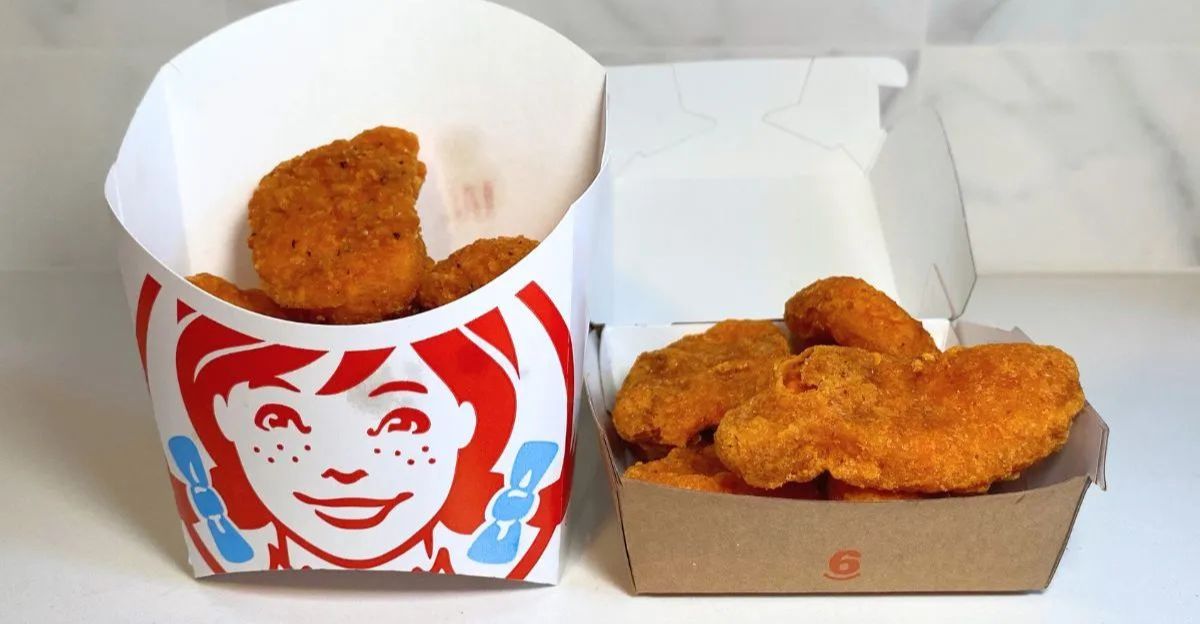
Wendy’s quietly changed its supplier of nuggets this year. Customers noticed immediately and posted complaints describing soggier, rubbery textures. A claimed employee confession online reported a manager admitting the switch took place without public explanation, causing speculation about cheaper alternatives.
Descriptions mention misshapen pieces and odd smoky flavors. Fans want transparency about recipe changes. This shift highlights how quality lapses are rarely overlooked now. Another long-time menu item illustrates this trend clearly.
#8 – KFC
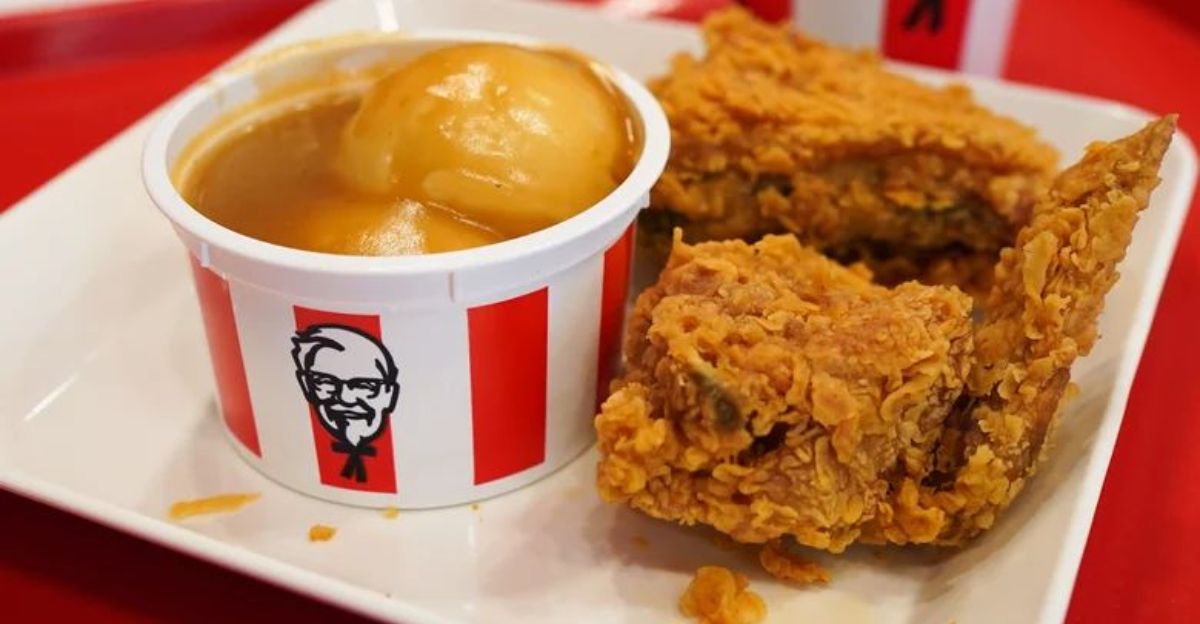
KFC’s mashed potatoes, once praised for rich texture in the 1990s, now face criticism for tasting watery or powdery. Customers report that the dish has become sticky and less flavorful over time, indicating what they believe is a steady decline in quality of roughly 30 percent across three decades.
Some locations now pour gravy directly onto potatoes rather than providing it separately. Customers see this as a sign that presentation no longer matters. That shift raises concerns about broader quality loss. Another chain’s chicken sandwich adds to the pattern.
#9 – Dairy Queen
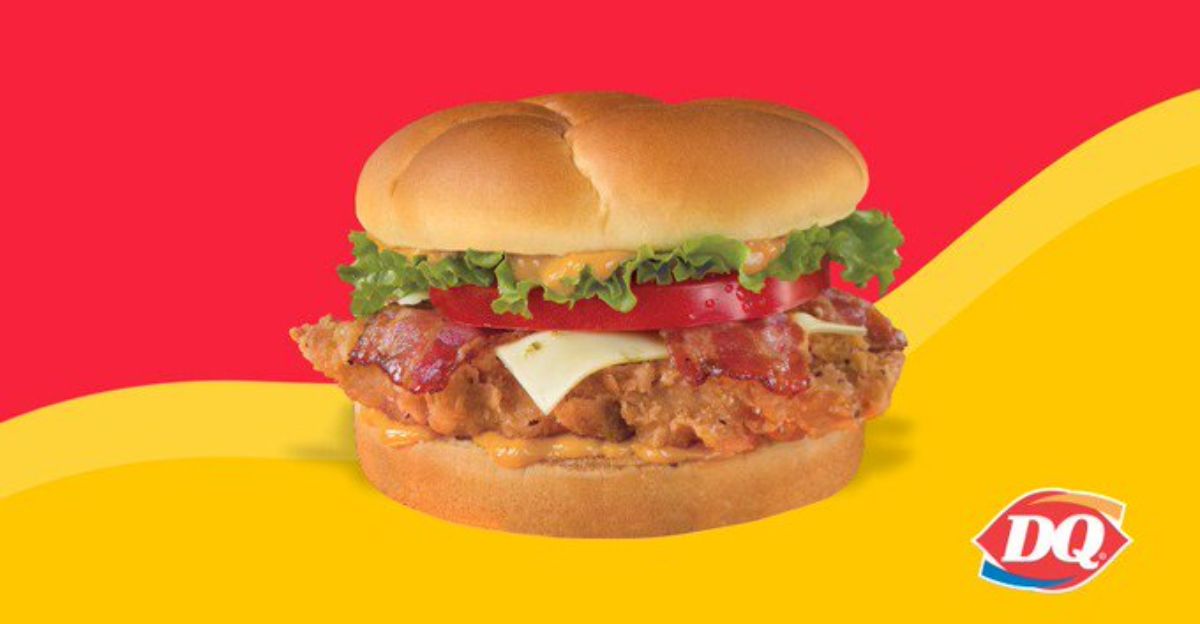
Dairy Queen’s crispy chicken sandwich has become a concern because customers report cold centers with pink tints. The chicken arrives pre-cooked and frozen, then reheated on site. Many wonder how pre-cooked chicken can still appear undercooked, questioning the consistency of training or equipment.
Quality control issues create doubts about food safety. Customers express frustration when reheated items fail to reach the proper temperature. This highlights risks in convenience-focused systems. Another hidden change in a major chain adds to customer frustration.
#10 – Subway
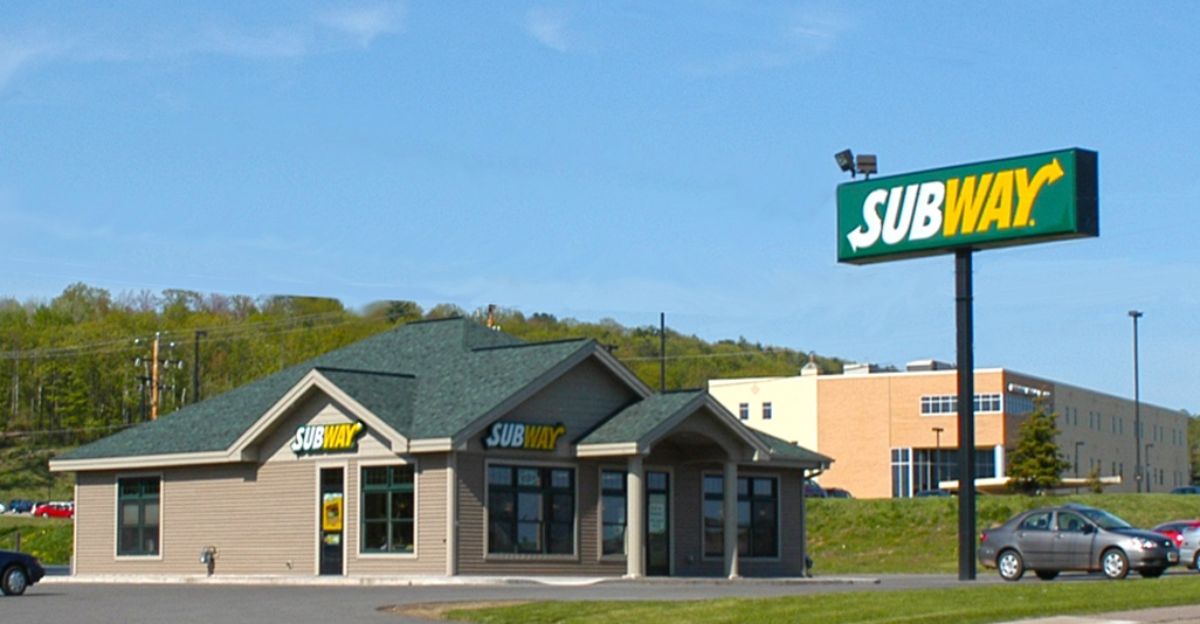
Subway’s chicken salad, a simple mix of rotisserie chicken and mayo, quietly disappeared from many locations this year. Employees have described the item as “nasty and embarrassing” in online posts, stating that waste levels were high because few customers ordered it.
Some locations stopped preparing it entirely due to low demand. The removal signals a product that customers and staff both rejected. This silent exit adds another layer to the disappointments of fast food. Yet another issue has stirred loyalty debates.
Confusion Over Guacamole Charges
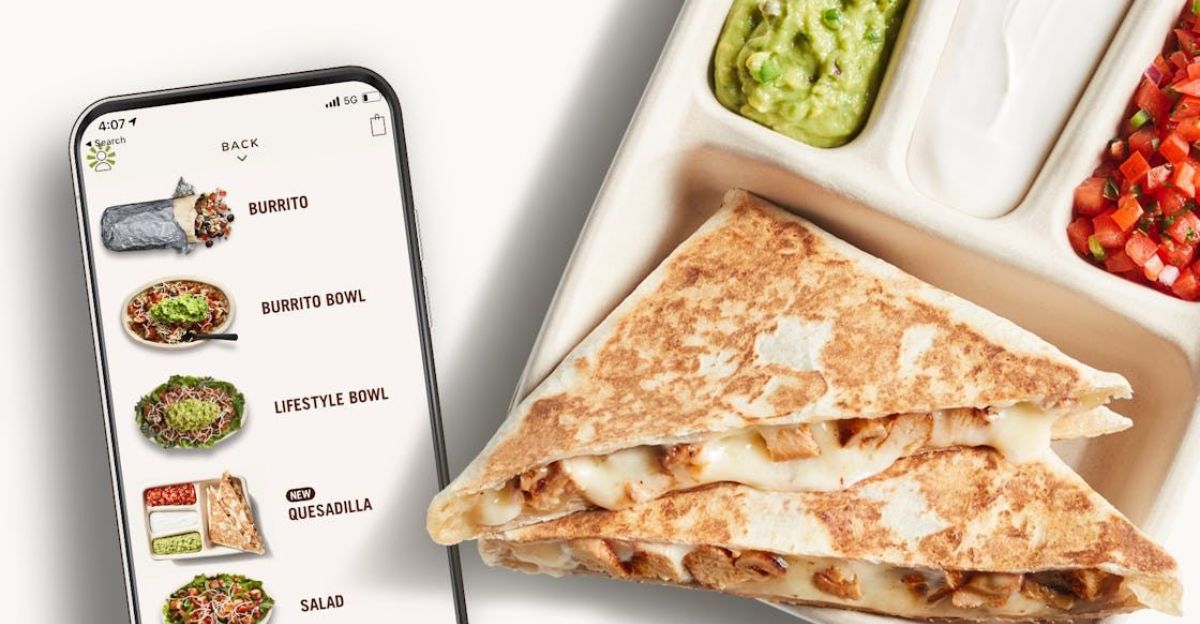
Chipotle customers who order quesadillas through the app sometimes see guacamole displayed as included. At pickup, some workers deny the inclusion and apply an extra $1.55 charge for a side item. Customers report being told, “I will give it to you this time,” despite the app’s display.
The mismatch between app information and in-store handling leads to accusations of nickel-and-diming. This confusion damages trust among loyal diners. It also sets the stage for a broader look at delivery-oriented chains.
Delivery Wings Losing Their Crunch
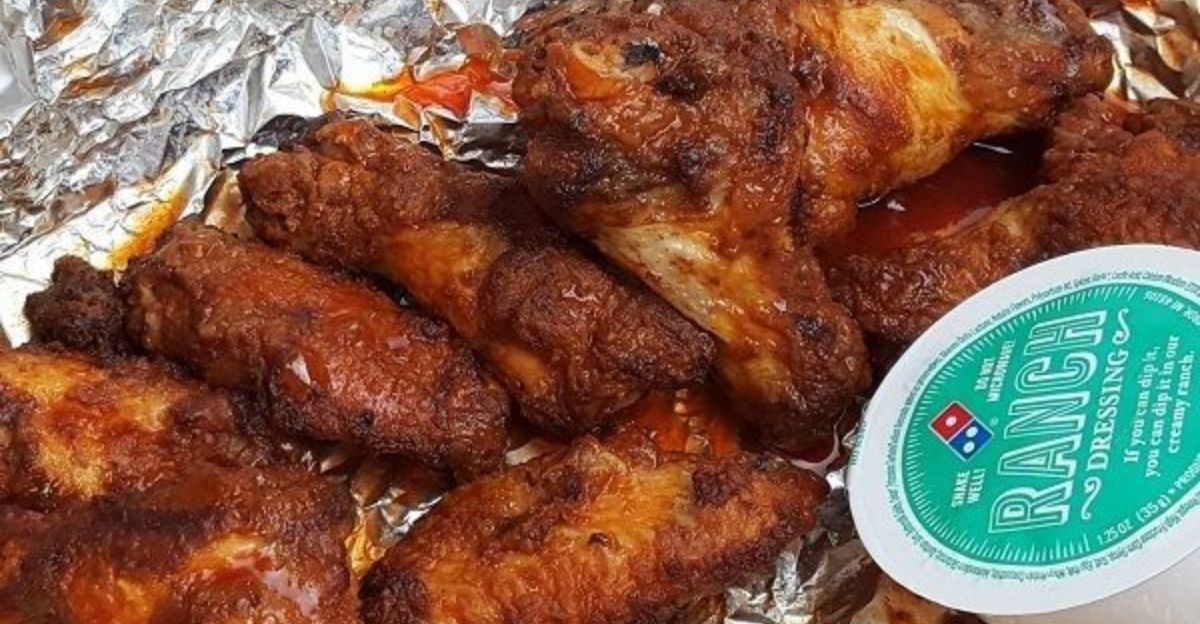
Domino’s wings often arrive soggy because the packaging traps steam during delivery. The moisture softens the breading and thins the sauce before the customer receives the order. The issue is widely documented in photos and reviews across social platforms.
The wings taste better fresh, but delivery conditions consistently undermine their quality. Fans argue that a delivery-focused brand should avoid this oversight. Complaints about sides and snacks appear again in other chains too.
The Rise Of Organized Outrage

Petitions and viral posts influence fast food decisions more than in past years. Chick-fil-A petitions have reached more than 1,000 signatures. Long John Silver’s saw more than 164 signatures demanding old fries. Social platforms now amplify every complaint rapidly.
Some chains revert unpopular changes. Others hold firm and face continued criticism. The rise of organized digital pushback demonstrates how customers are now shaping menus directly. This leads to broader questions about food expectations.
Texture Complaints Driving Reactions
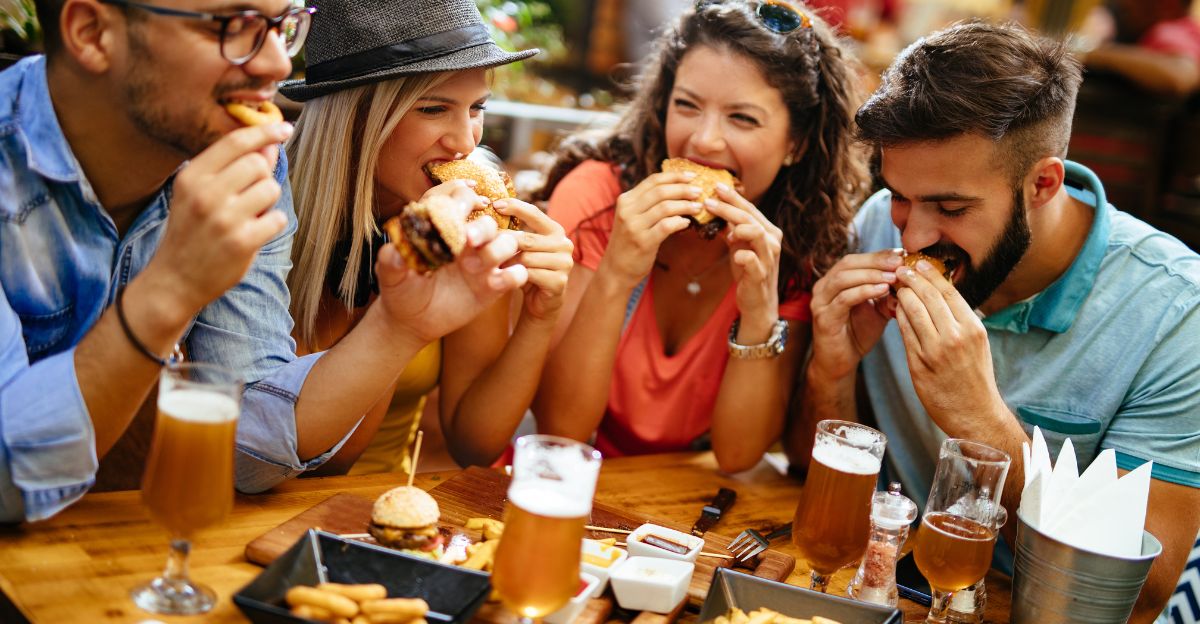
Customers increasingly cite texture as a key factor. Words like rubbery, soggy, chewy, bouncy, and sticky appear across thousands of posts. Food scientists confirm that texture affects perception before flavor does. When ingredients or methods change, texture is the first aspect to decline.
McDonald’s woody chicken and Wendy’s rubber-like nuggets demonstrate this trend. KFC’s sticky mashed potatoes are a notable addition. Texture frustration reveals more profound dissatisfaction. The pattern becomes clearer when portion sizes shift.
Value Lost Through Shrinkflation
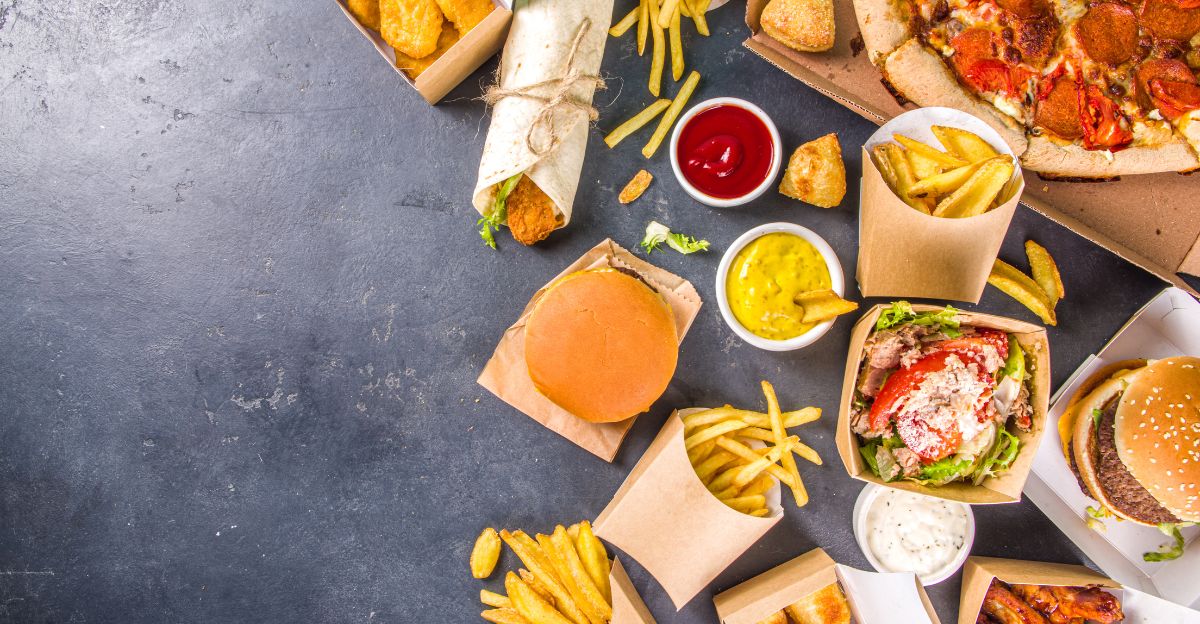
Portion sizes have shrunk across chains, while prices have risen. Popeyes pieces seem to be up to one-third smaller than the original viral version. Starbucks sandwiches appear with nearly half the filling missing in customer photos. KFC potatoes have shown a noticeable decline over the past decades as customers revisit older standards.
Customers connect shrinking portions with cost-cutting. Complaints surge when price and quality move in opposite directions. This triggers more viral reactions. Another trend emerges from the reliance on frozen items.
Quality Problems From Frozen Systems
Pre-cooked and frozen items have become more common. Starbucks reheats frozen sandwiches. Dairy Queen reheats pre-cooked frozen chicken. Long John Silver’s receives premade waffle fries. These shortcuts speed up operations but may noticeably reduce quality.
Customers feel reheated items lack freshness and texture. Complaints suggest the balance between convenience and quality is shifting too far. These concerns expand beyond sides and sandwiches, affecting entire meals and brand trust.
Sides Creating Unexpected Outrage
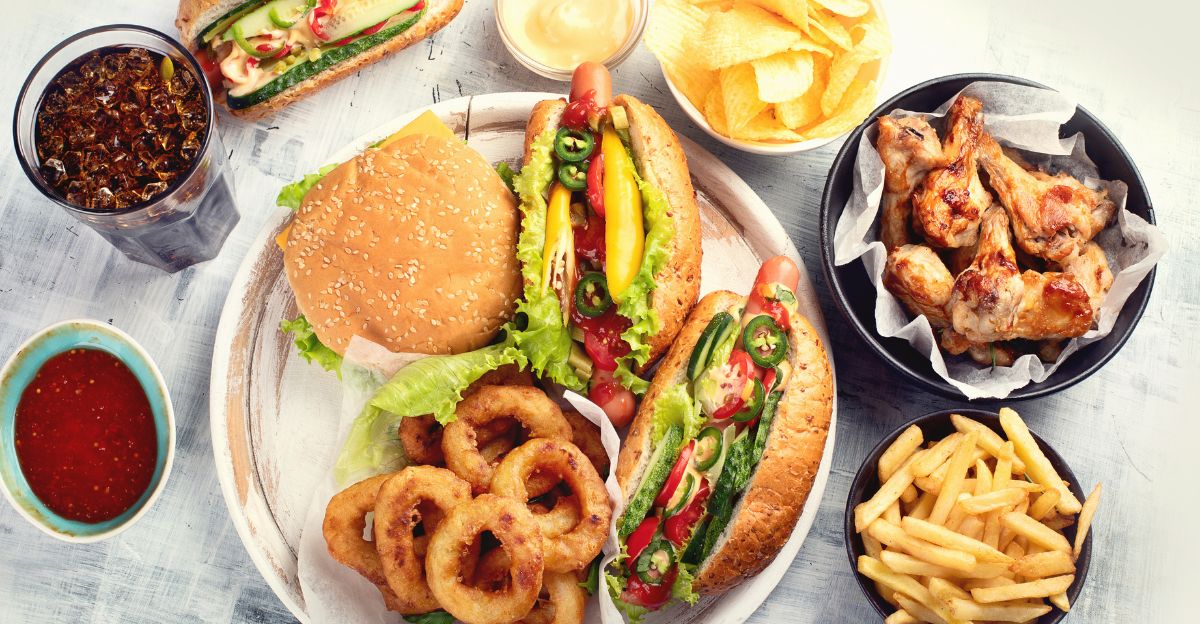
Sides have become flashpoints for customer anger. Chick-fil-A fries triggered petitions. Long John Silver’s fries led to employee confessions online. Burger King’s rings use onion paste rather than slices. KFC’s potatoes declined significantly over many years.
These inexpensive sides shape meal satisfaction. Outrage often begins with the simplest items. Customers expect reliable basics before judging full meals. This frustration feeds into the next trend.
Viral Pressure Creating Real Change

Social media exposes quality issues instantly. Petitions and videos push brands to respond publicly. Some chains adjust recipes or clarify policies. Others face persistent backlash. Customers now investigate supplier shifts, ingredient changes, and the preparation methods used.
The transparency forced by social channels means brands cannot hide their cost-cutting measures. Every modification receives scrutiny. This new environment sets up a broader industry reckoning.
Customers Demanding Better Food
Declining quality across chains signals a significant shift. Customers are calling out Woody chicken, paste-shaped onion rings, more miniature sandwiches, and mystery charges. Petitions replace silent acceptance. Viral posts highlight corporate shortcuts that customers no longer tolerate.
Brands must choose whether to restore value and rebuild trust. Customers have the influence to shape future menus. The next order may reflect the new expectations shaping fast food today.