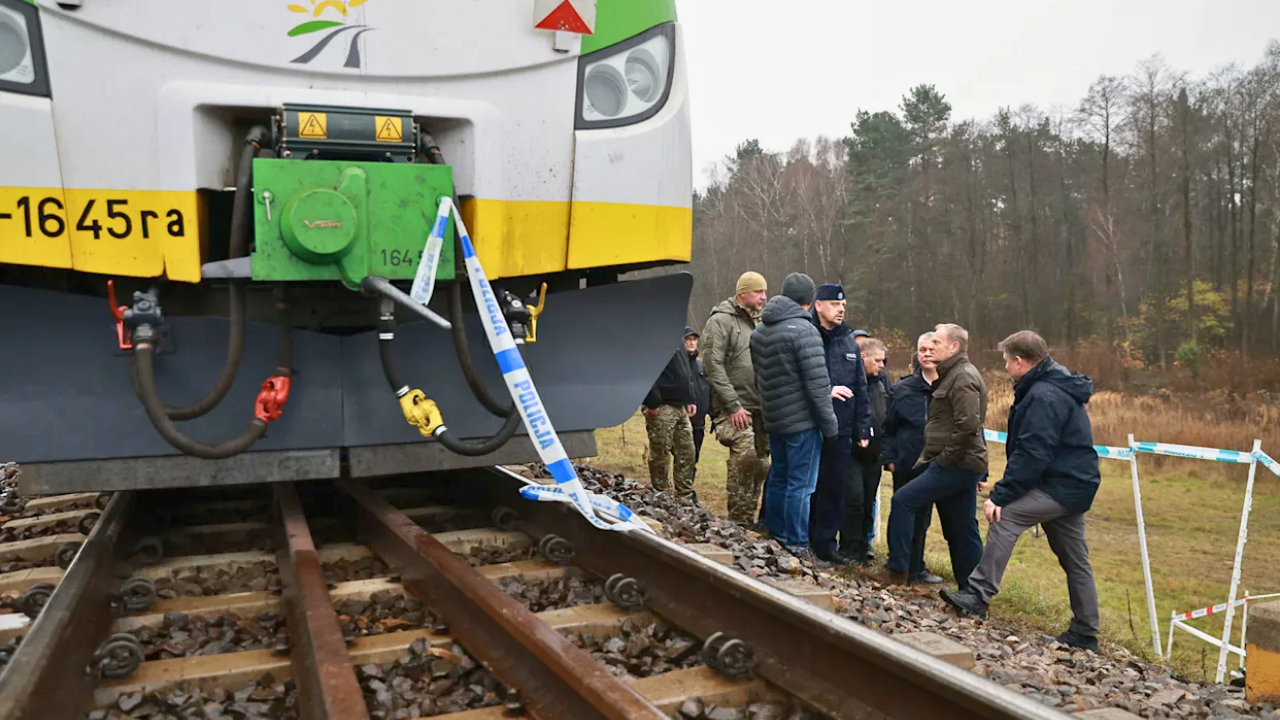
A thunderous explosion shattered the quiet of the Polish countryside one night, targeting the Warsaw-Lublin rail corridor—a lifeline for aid to Ukraine. The attack, executed with military-grade C-4 explosives and a 300-meter cable, halted a freight train and sent shockwaves through NATO. Polish authorities responded with a rapid deployment of 10,000 troops, underscoring the gravity of the threat. As a NATO member, Poland now finds itself at the epicenter of a new phase in Europe’s security crisis, with the world watching to see how the alliance will respond to escalating tensions with Russia.
Escalation and Hybrid Threats
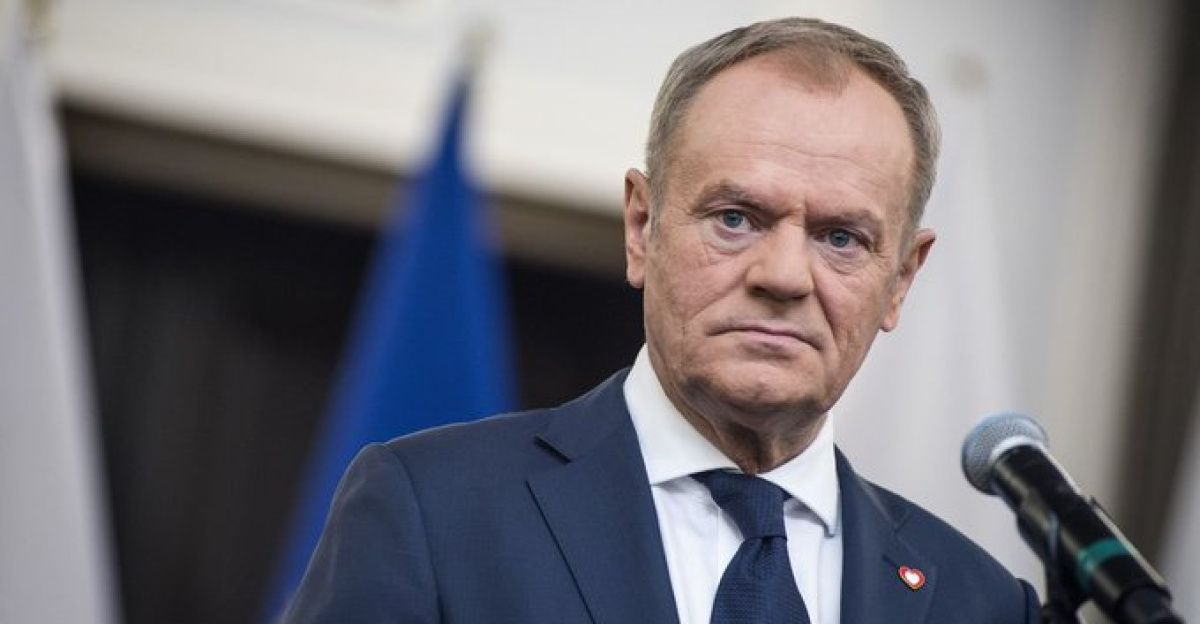
The sabotage in Poland is not an isolated event but part of a broader pattern of Russian hybrid warfare. Polish Prime Minister Donald Tusk warned that such acts are “gaining momentum,” reflecting growing concern among NATO allies. The attack on the rail corridor signals a shift toward more sophisticated and aggressive tactics, raising the threat level across the region. Security forces scrambled to secure infrastructure, while NATO officials cautioned that Russia is probing for weaknesses along the alliance’s eastern flank. The incident has set a precedent, prompting urgent discussions about how to prevent further escalation and protect critical assets.
Roots of Hybrid Warfare

Russian hybrid tactics have targeted Europe for years, but the recent sabotage marks a new level of intensity. Poland has previously faced incursions ranging from drone strikes to parcel bombings, all designed to disrupt NATO operations and undermine support for Ukraine. The use of advanced explosives in the latest attack demonstrates a calculated effort to operate below the threshold of open conflict, exploiting vulnerabilities in European security systems. Analysts suggest this may be the start of a larger, coordinated campaign to destabilize NATO from within, with Poland now serving as ground zero for these covert operations.
Investigation and International Fallout
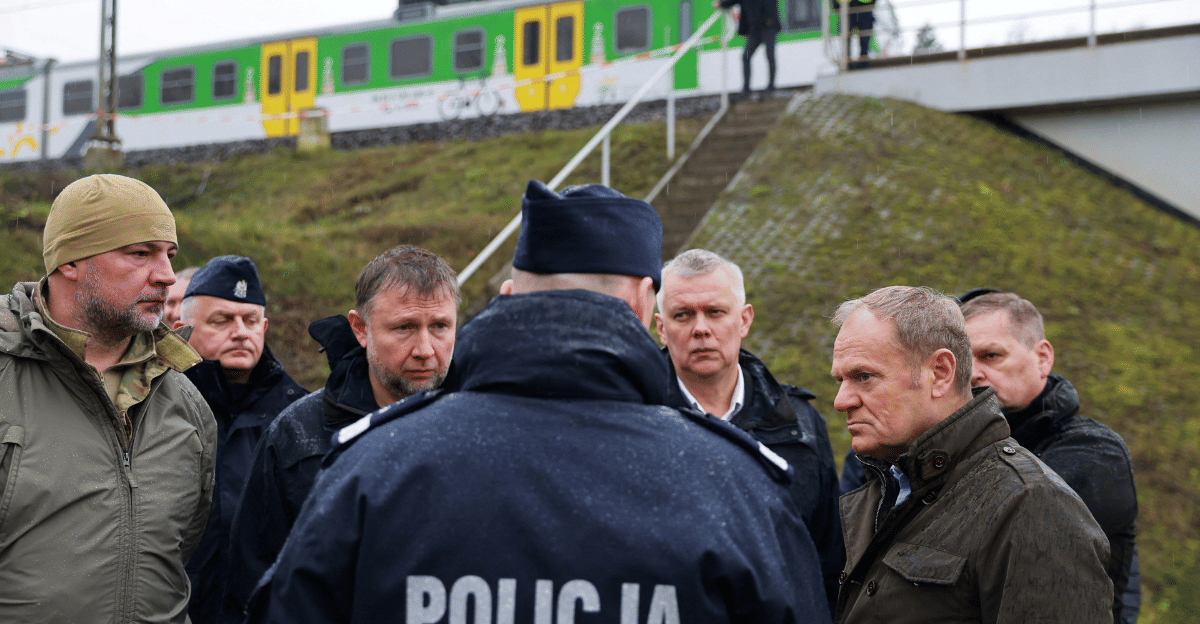
Investigators quickly identified two Ukrainian nationals as the main suspects, believed to be acting under Russian intelligence orders. The pair reportedly crossed into Poland from Belarus, carried out the sabotage, and then returned to Belarus, highlighting the international scope of the operation. This cross-border activity exposes the reach of Russia’s hybrid tactics and the complexity of the threat facing NATO. The involvement of Ukrainian nationals, possibly coerced or influenced, adds a disturbing dimension, revealing efforts to sow division within NATO and the broader international community.
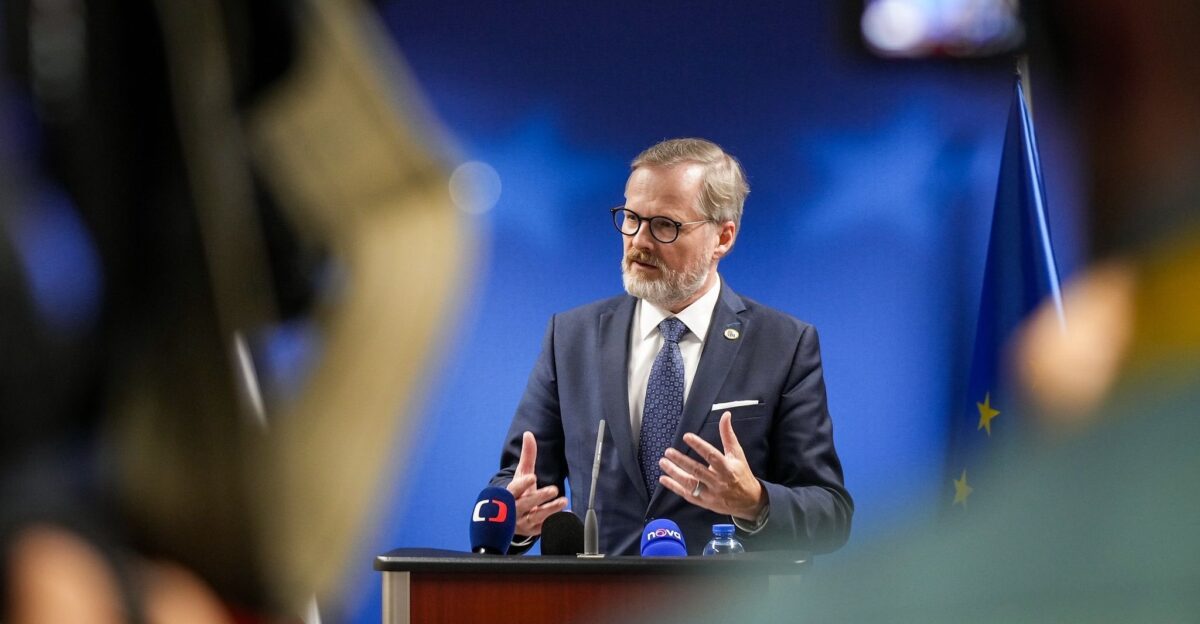
Poland’s response was swift and forceful. Thousands of troops were deployed to secure vital rail lines, and neighboring countries, including the Czech Republic, voiced alarm. Czech Prime Minister Petr Fiala warned that Russia’s hybrid tactics threaten not only Poland but the stability of Europe as a whole. The sabotage has prompted other NATO nations to reassess their own preparedness, with the regional fallout reverberating across the continent.
Societal Impact and Political Tensions
The human cost of the crisis became clear when a passenger train carrying 475 people was forced to stop after the sabotage was discovered. Prime Minister Tusk noted that a major tragedy was narrowly avoided, but the incident left passengers and authorities shaken. The attack disrupted daily life and heightened public anxiety, as uncertainty and fear began to take hold.
Diplomatically, Poland condemned the sabotage as “state terrorism” and expelled Russia’s last remaining consulate in Gdansk. The government called on NATO to strengthen collective defense against hybrid threats, signaling a hardening stance. The diplomatic fallout could have far-reaching consequences, potentially reshaping NATO’s strategic approach to hybrid warfare.
The attack is part of an escalating pattern of sabotage against Polish infrastructure. Over the past year, authorities have detained 55 individuals linked to similar incidents, including drone incursions and bombings. Each new attack increases the sense of vulnerability along NATO’s eastern frontier, with security forces bracing for what may come next.
Russia’s use of Ukrainian suspects appears designed to stoke anti-Ukrainian sentiment in Poland, which hosts over a million Ukrainian refugees. Tusk warned that the hybrid attack aims to exploit internal divisions, threatening both NATO cohesion and Poland’s domestic unity. The deliberate targeting of Ukrainian individuals is not just a security issue but a social and political one, as Russia seeks to undermine support for Ukraine and weaken Poland from within.
Political debate has intensified, with opposition parties criticizing the government’s handling of the crisis and concerns growing about divisive rhetoric. Poland faces the challenge of balancing national security with diplomatic unity, as internal divisions risk complicating its response to Russian aggression.
Security Upgrades and Future Outlook
In the aftermath of the sabotage, Poland is upgrading security on critical infrastructure, installing enhanced surveillance systems and increasing military patrols along vital rail corridors. NATO is reviewing its collective defense protocols to address the growing threat of hybrid warfare, signaling that the status quo is no longer sufficient.
Security experts caution that Russia’s hybrid tactics—using proxies and avoiding direct confrontation—are difficult to counter. The covert nature of these attacks complicates NATO’s ability to respond decisively, and new strategies are urgently needed.
As tensions rise, the stakes for NATO and Poland could not be higher. Poland’s response will help shape the future of European security, determining whether the alliance can adapt to counter covert threats or whether Russia will continue to test the foundations of European stability. The next steps will define the future of NATO’s eastern frontier and influence the global balance of power in an era of hybrid warfare.