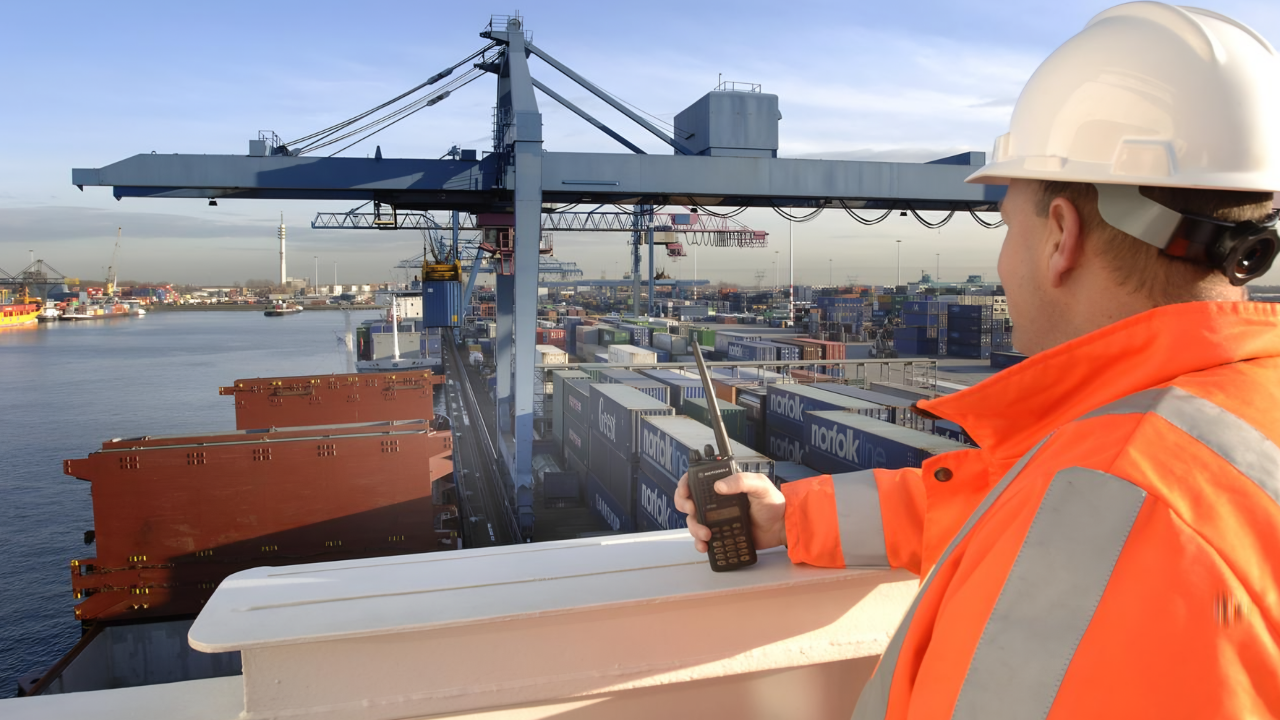
After more than a century as a cornerstone of New Jersey’s shipping industry, Port Elizabeth Terminal & Warehouse Corp. is now fighting for survival. The East Rutherford-based company, a fixture at the Port of New York and New Jersey since 1924, has filed for bankruptcy protection, sending shockwaves through the region’s logistics sector and raising urgent questions about the future of its workers, creditors, and the broader supply chain.
Debt Crisis and Bankruptcy Filing
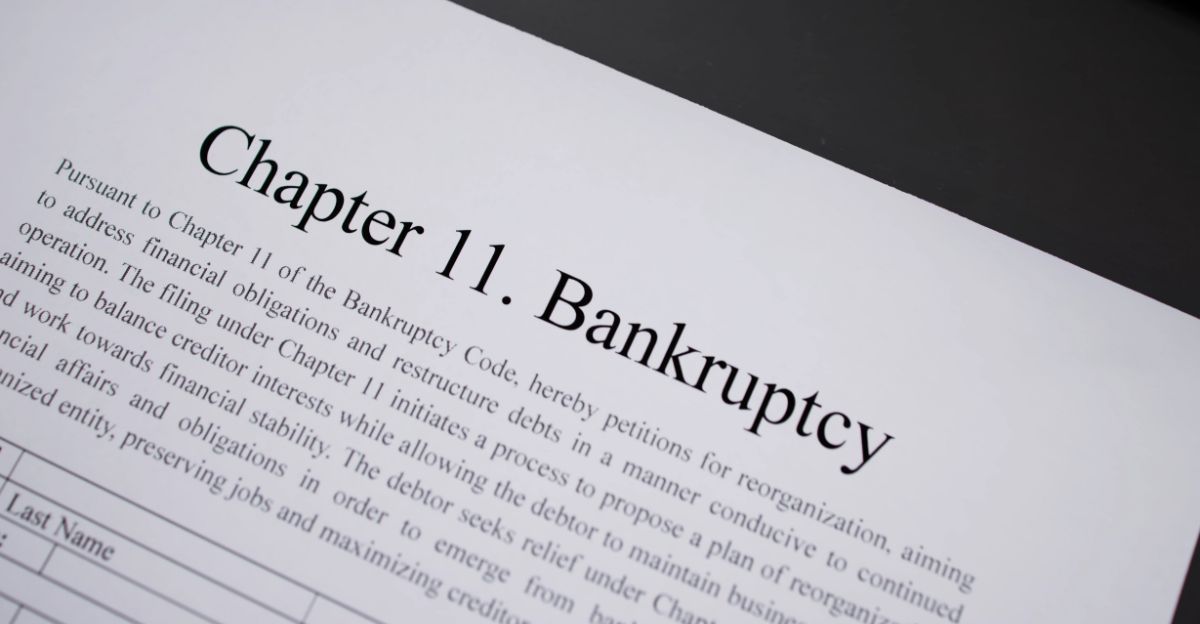
Port Elizabeth’s financial troubles reached a tipping point in November 2025, when the company filed for Chapter 11 bankruptcy in the U.S. Bankruptcy Court for the District of New Jersey on November 14. The move came as the company reported liabilities estimated between $50 million and $100 million, leaving it unable to meet its obligations. The bankruptcy filing is intended to allow Port Elizabeth to reorganize under court supervision, protect its assets, and continue operations while it seeks a path out of financial distress.
The company’s mounting debt has triggered a series of legal actions and placed both employees and creditors in a precarious position. Major creditors, including Hartz Elizabeth Inc., GLC Jersey City LLC, and Prologis Logistics Real Estate, are owed millions. As the bankruptcy process unfolds, these creditors will play a critical role in determining whether the company can recover or will be forced to liquidate.
A Storied Legacy Under Threat
Founded in 1924, Port Elizabeth grew alongside the region’s industrial expansion, becoming a vital link in the movement of goods through one of the nation’s busiest ports. For decades, the company contributed significantly to the local economy, providing employment and supporting businesses that rely on efficient logistics. The Judge Organization, Port Elizabeth’s parent company, comprises multiple affiliated entities including P. Judge & Sons, Inc., P. Judge & Sons Trucking, LLC, and Amex Shipping Agent, Inc.
However, the company’s long-standing success has been undermined by a series of industry-wide challenges. Since 2022, the freight and logistics sector has been mired in what analysts call the “Great Freight Recession.” Demand for shipping services has plummeted, operational costs have risen, and a persistent shortage of truck drivers has squeezed profit margins. Even established firms like Port Elizabeth have found themselves vulnerable to these pressures, with the downturn eroding financial stability across the industry.
Ripple Effects on Workers and the Local Economy
The bankruptcy has cast a shadow of uncertainty over Port Elizabeth’s workforce. As the company navigates the restructuring process, employees face potential job disruption and benefit uncertainty. Legal representatives petitioned the court for continued payment of wages and benefits, and on November 18, the court approved the continuation of employee wages and benefits during the Chapter 11 process. However, the future remains unclear for many workers.
The potential closure or downsizing of Port Elizabeth would also disrupt the region’s logistics operations. Local businesses that depend on the company’s services could face delays and increased costs, while the broader supply chain serving the Port of New York and New Jersey may experience significant bottlenecks. The company’s troubles are emblematic of the wider struggles facing logistics firms nationwide, as freight demand pressures and an estimated truck driver shortfall continue to challenge the sector.
Legal Complexities and Leadership Response

Port Elizabeth’s bankruptcy case is complicated by the involvement of multiple affiliated companies and a web of creditor claims. The company has included affiliated entities—P. Judge & Sons, Inc., P. Judge & Sons Trucking, LLC, and Amex Shipping Agent, Inc.—in joint administration of the case. The company initially struggled to meet court-imposed deadlines for submitting asset and liability schedules, prompting expedited proceedings and additional administrative strain. These internal challenges have made the restructuring process more difficult.
Despite these hurdles, company leadership—headed by President Patrick Wynne and represented by legal counsel Turner Falk of Saul Ewing LLP—is working to secure post-petition financing to maintain operations during bankruptcy. Their immediate goal is to gain court approval for a reorganization plan that would allow the company to emerge from bankruptcy and restore stability. The court has set a deadline of March 16, 2026, for the submission of this plan, making the coming months critical for Port Elizabeth’s future.
Industry Outlook and Broader Implications
Port Elizabeth’s crisis comes at a pivotal moment for the U.S. logistics industry. The ongoing freight recession, combined with new tariffs, regulatory pressures, and shifting international trade patterns, has created a challenging environment for logistics firms nationwide. Rising costs for goods and materials, along with changes in global trade routes, have further strained companies already struggling to adapt.
Industry experts remain cautious about the prospects for recovery. Many believe that the freight recession is far from over, and that more bankruptcies could follow if demand fails to rebound. The outcome of Port Elizabeth’s restructuring will serve as a key indicator of the sector’s resilience and its ability to weather ongoing disruptions.
As the March 2026 deadline approaches, the stakes are high—not just for Port Elizabeth and its employees, but for the entire logistics ecosystem that depends on the smooth flow of goods through the Port of New York and New Jersey. The company’s fate may well signal the direction of an industry at a crossroads, grappling with the realities of a rapidly changing economic landscape.