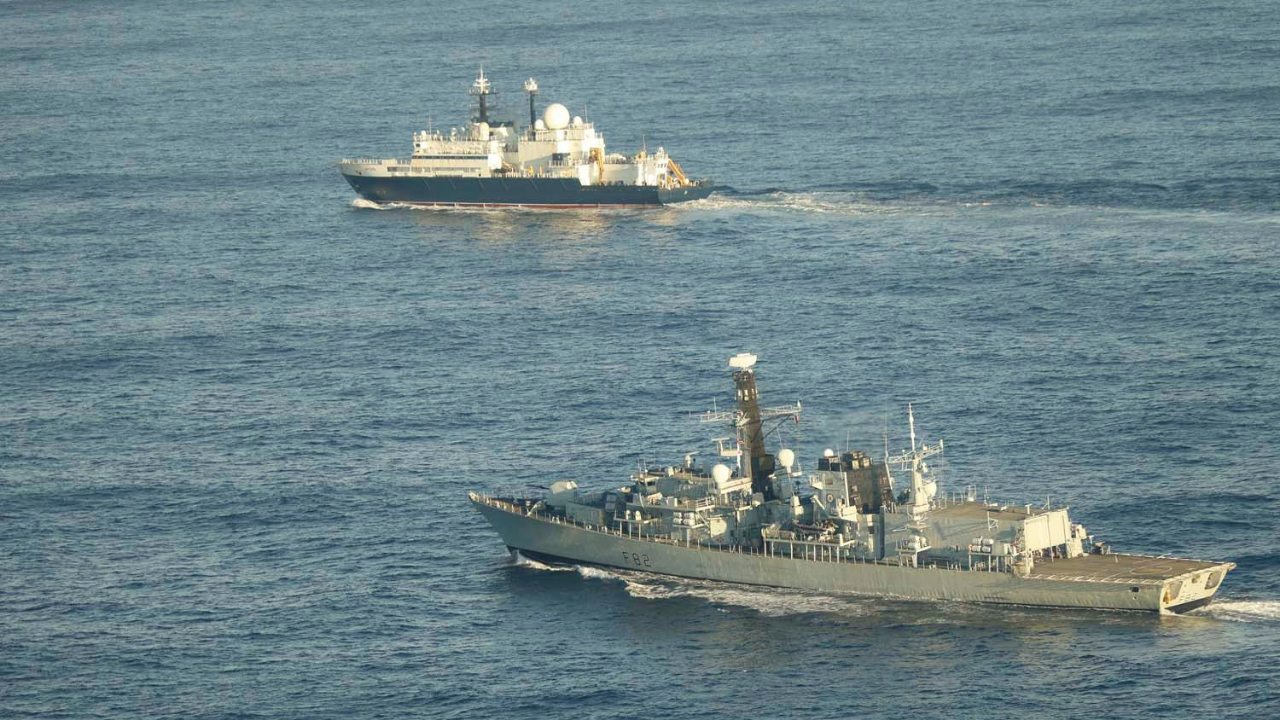
A sudden flash of green light over the Scottish coast on Wednesday night signaled a new and dangerous escalation in the ongoing intelligence standoff between Russia and the United Kingdom. British Royal Air Force pilots, conducting routine surveillance, were targeted by military-grade lasers fired from a Russian spy ship, marking the first time such a weapon had been used against allied aircraft in this context. The incident has prompted a swift and forceful response from the UK government, raising the stakes in an already tense geopolitical environment.
The Yantar: Russia’s Undersea Intelligence Asset

At the center of the confrontation is the Russian vessel Yantar, operated by the Main Directorate of Deep Sea Research (GUGI), a shadowy branch of the Russian military. Unlike typical naval ships, the Yantar is equipped with advanced sensors and submersibles capable of reaching extreme depths. Its primary mission, according to British defense officials, is to gather intelligence and map the vast network of undersea cables that carry critical communications, financial transactions, and military signals across the Atlantic.
Western security agencies have long viewed the Yantar with suspicion. The undersea cables it monitors are the backbone of global connectivity, and any disruption could have catastrophic consequences for NATO operations and the world economy. The ship’s repeated presence near these cables has heightened concerns that Russia is preparing for potential sabotage in the event of a broader conflict.
Laser Attack on RAF Pilots
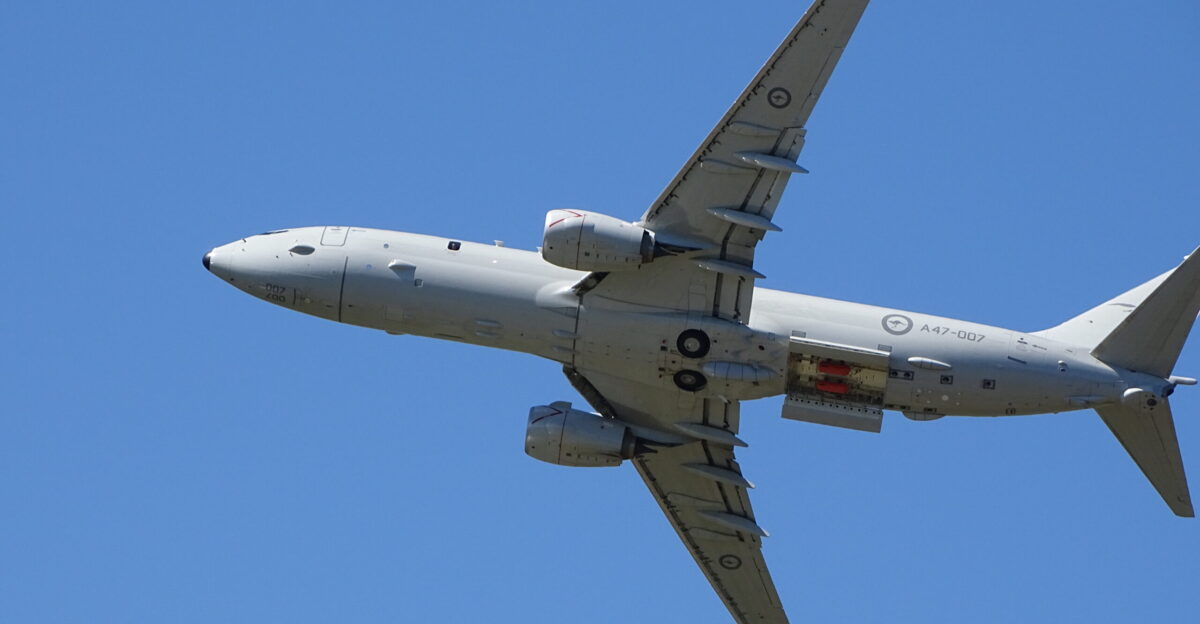
The latest incident unfolded as Royal Air Force P-8 Poseidon patrol aircraft tracked the Yantar’s movements off the coast of Scotland. During this operation, Russian personnel aboard the vessel directed powerful lasers at the cockpits of the British pilots. Such an act is not only hazardous—potentially blinding pilots and endangering aircraft—but also represents a significant escalation in the ongoing intelligence war.
British Defense Secretary John Healey condemned the attack as a clear violation of international norms, stating that it was the first time Moscow had used such weapons against allied aircraft in this context. In response, the UK has revised its naval rules of engagement, authorizing Royal Navy vessels to closely monitor the Yantar should it enter British territorial waters again.
Escalating Tensions and Military Readiness
Healey’s message to Moscow was unequivocal: the UK is prepared to respond with military options if the Yantar alters its course or continues its provocative actions. While specific details of these options remain classified, the public warning marks a rare and direct signal of military readiness in response to intelligence-gathering activities. This shift in posture underscores the seriousness with which Britain views the threat to its national security and the security of its allies.
The laser incident is not an isolated event. Earlier in the year, the Yantar was tracked as it moved through the English Channel and North Sea, lingering near vital subsea cable routes. In November, the Dutch Navy escorted the vessel out of their waters, and the U.S. Coast Guard has monitored similar Russian ships near Hawaii. These actions form part of a broader pattern of Russian maritime intelligence operations targeting Western infrastructure.
The Stakes: Undersea Cables and Global Security

The network of underwater fiber-optic cables targeted by the Yantar is responsible for transmitting 99% of transcontinental data, including government communications, financial transactions, and military orders. The vulnerability of these cables has become a focal point for NATO planners, who fear that Russia is mapping them in preparation for potential sabotage. Severing even a single cable could disrupt communications across entire regions, with far-reaching consequences for both civilian and military operations.
British officials believe that Moscow’s actions are part of a deliberate campaign to probe NATO’s defenses and test the alliance’s willingness to respond. The use of lasers against RAF pilots represents a dangerous precedent, signaling a willingness to escalate beyond passive surveillance.
Diplomatic Fallout and Broader Implications
In the wake of the laser attack, the Russian Embassy in London dismissed British concerns as unfounded, denying any interest in UK underwater infrastructure. However, the incident has already led to a hardening of the UK’s defensive posture and renewed calls for greater vigilance among NATO allies.
Complicating matters further, reports have emerged of secret negotiations between the Trump administration and Russian officials over a proposed peace plan for Ukraine—negotiations that excluded both Ukraine and key European allies. The leaked plan reportedly called for significant territorial concessions by Ukraine and a reduction in its military capacity, raising concerns about the future of Western unity and the credibility of security guarantees.
Looking Ahead: A Test for the Western Alliance

The confrontation over the Yantar and the secret diplomatic maneuvering around Ukraine highlight the complex and shifting dynamics of modern security. As Russia tests NATO’s resolve both at sea and in diplomatic backchannels, the Western alliance faces mounting pressure to demonstrate unity and determination. The UK’s readiness to respond militarily to further provocations signals a new phase in the contest for control over critical infrastructure and the rules that govern international security. The coming weeks will reveal whether these tensions can be managed—or whether they will push the world closer to open confrontation.