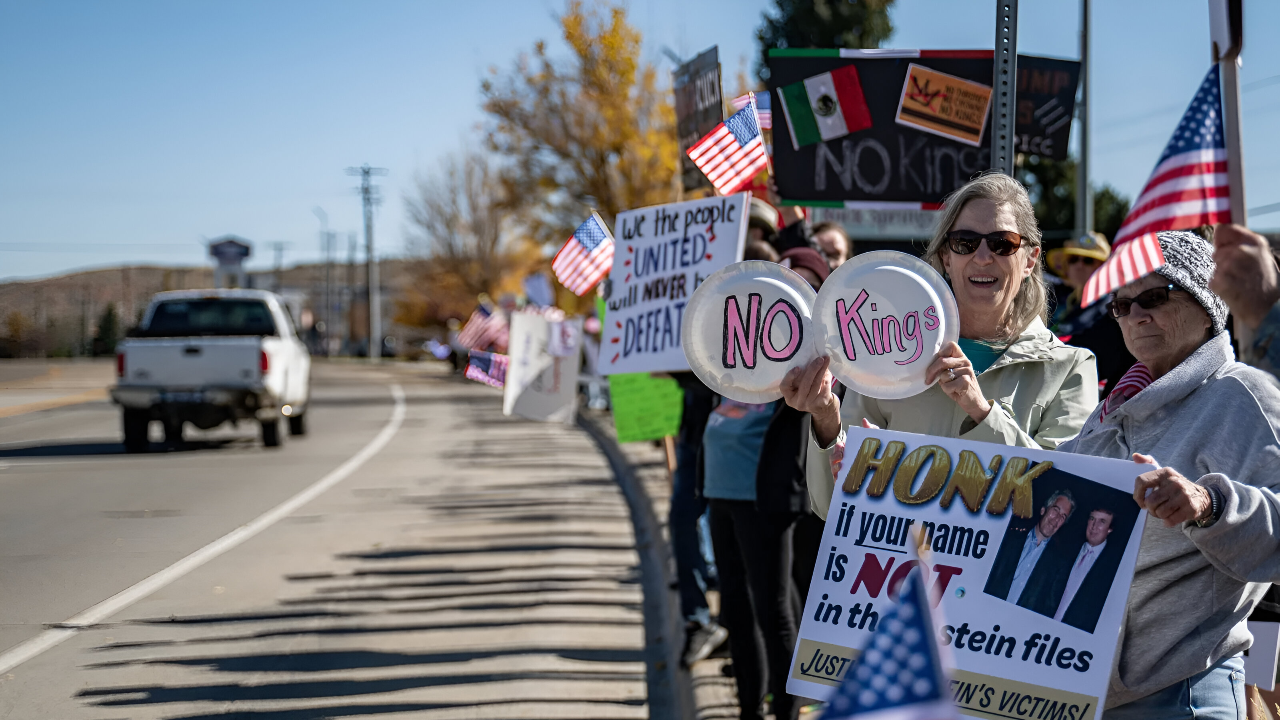
On the eve of the nation’s busiest shopping weekend, a new kind of protest is taking shape—not in the streets, but in the checkout lines. The “No Kings” movement is urging Americans to boycott three retail giants—Target, Home Depot, and Amazon—during the critical five-day Thanksgiving shopping period, aiming to turn consumer spending into a tool for political pressure.
Retail Giants in the Crosshairs
The campaign, branded “We Ain’t Buying It,” brings together organizations including Black Voters Matter Fund, Indivisible, Until Freedom, and the No Kings Alliance. Their targets are three of America’s largest retailers, each accused of actions that activists say undermine social justice. Target faces criticism for rolling back diversity, equity, and inclusion (DEI) initiatives. Home Depot is under fire for allowing federal immigration raids in its parking lots. Amazon drew backlash after its founder pledged $1 million to support Donald Trump’s inauguration and committed another $1 million in streaming services for the event.
The stakes are high: the International Council of Shopping Centers estimates nearly 235 million Americans—88% of U.S. adults—will shop between Thanksgiving and Cyber Monday, spending $127 billion. Organizers hope to redirect some of that spending to small and minority-owned businesses, sending a message that corporate decisions have consequences.
Economic Fallout and Corporate Response
The impact of these controversies is already visible, especially for Target. After the company ended its DEI programs in January 2025, its stock price tumbled by 33%, erasing more than $20 billion in shareholder value by September. Store visits dropped 8.6% year-over-year in early February, while competitors like Costco—who maintained their diversity commitments—saw customer traffic rise. The turmoil led to the resignation of Target’s CEO, Brian Cornell, in August.
Home Depot’s troubles are tied to a series of immigration enforcement actions. Since the summer, at least a dozen of its Southern California stores have been raided by federal agents. In one tragic incident, a Guatemalan day laborer died fleeing Immigration and Customs Enforcement (ICE) near a Monrovia store. Activists accuse Home Depot of enabling these operations by allowing agents to detain workers on their premises.
Amazon’s involvement centers on its founder’s financial support for Trump’s inauguration, which organizers argue is a bid for favorable corporate tax policies. The company’s public commitment to stream the inauguration further fueled calls for a boycott.
Protest Tactics and Expanding Alliances
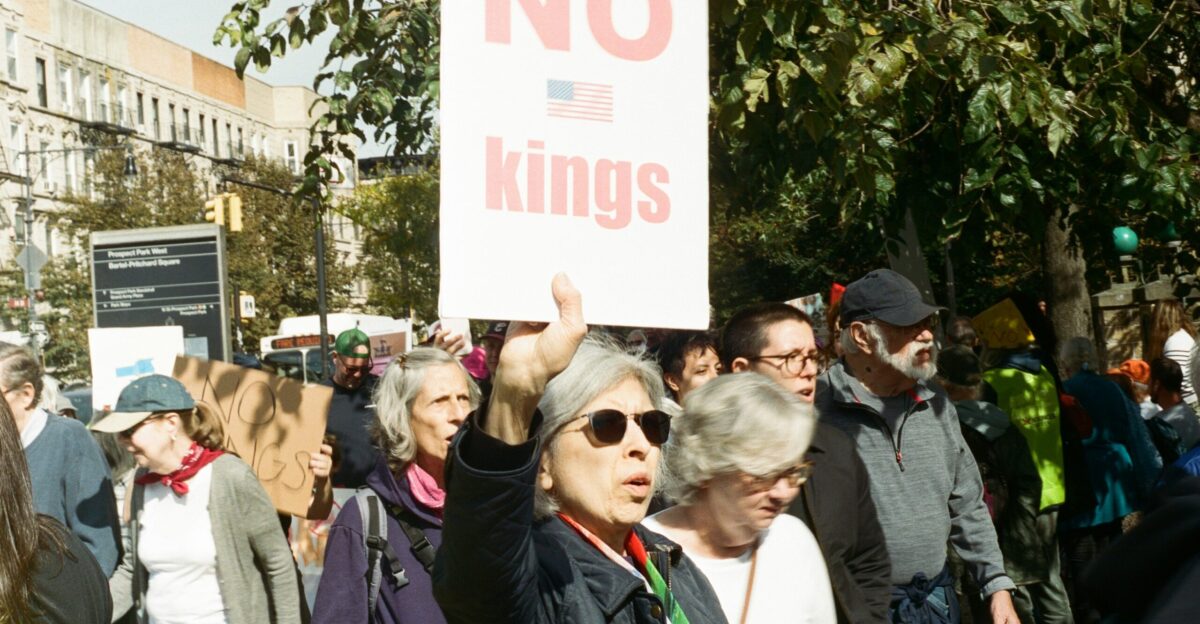
The boycott is the latest escalation in a series of protests. On October 18, the “No Kings” movement staged demonstrations at 2,700 locations across all 50 states, drawing an estimated seven million participants. Major cities like Chicago and New York saw hundreds of thousands take to the streets, while solidarity protests appeared in several European countries. The shift from public demonstrations to economic action reflects a strategic evolution, with organizers seeking to leverage the immense purchasing power of American consumers.
Veterans groups have also joined the movement, particularly in opposition to ICE operations. On Veterans Day, hundreds of former service members rallied in Washington and other cities, denouncing what they described as the militarization of immigration enforcement and its impact on communities.
Inside the Boycott: Stories from the Front Lines
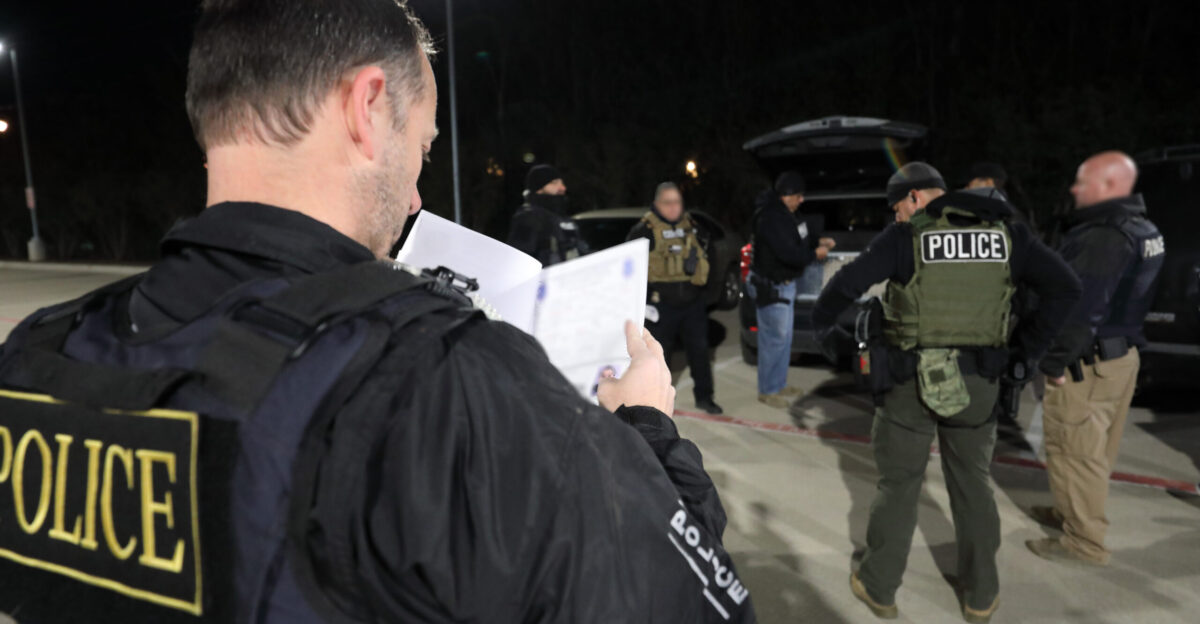
For many day laborers, the threat of ICE raids is a daily reality. At a Home Depot in Van Nuys, California, activists use megaphones to warn workers of approaching agents, while laborers carry whistles to alert each other. Some have narrowly escaped arrest by hiding under vehicles. These scenes, organizers argue, illustrate why consumer action is necessary to hold corporations accountable for the environments they create.
The timing of the boycott is deliberate. Thanksgiving week is the most lucrative period for major retailers, with the International Council of Shopping Centers reporting that 88% of U.S. adults—about 235 million people—plan to shop during these five days. Millennials and Gen Z are expected to drive much of this spending, making their participation especially significant.
Beyond Boycotts: Legal and Economic Pressure
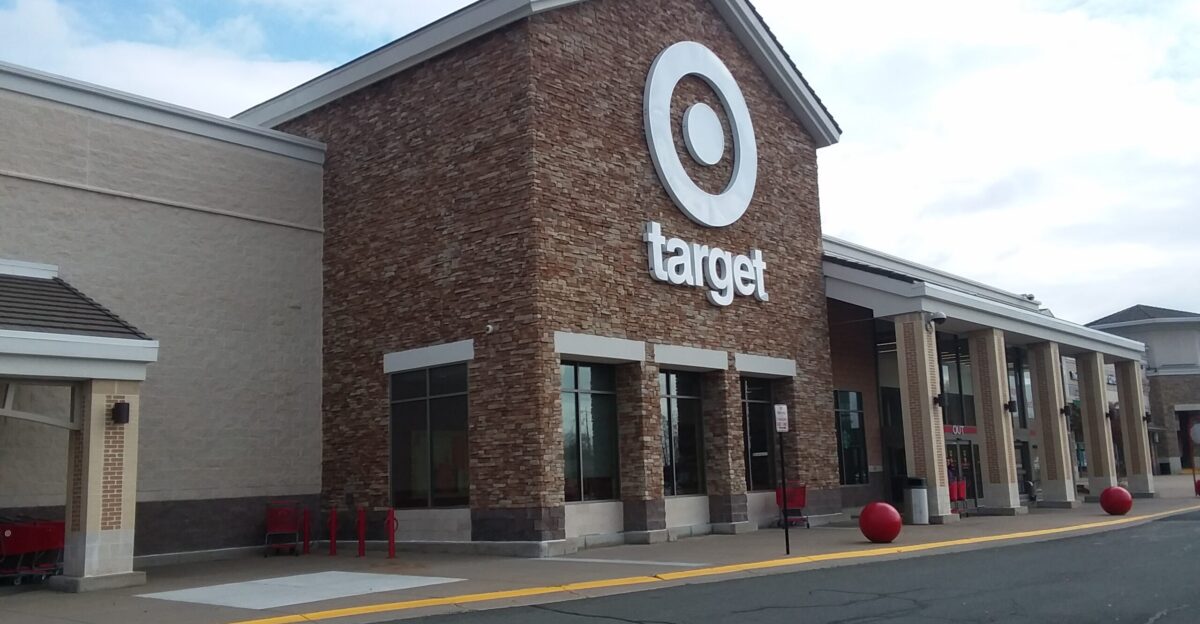
Target’s challenges extend beyond lost sales. The City of Riviera Beach Pension Fund has filed a class-action lawsuit, alleging that company executives concealed the risks of ending DEI programs from shareholders. Target’s market capitalization has declined significantly from its 2021 levels, with annual revenue projected to decline this year.
Organizers are not just calling for abstention. They encourage shoppers to support Black-owned, minority-owned, and immigrant-owned businesses, especially on Small Business Saturday. In Utah, for example, local groups are hosting holiday markets to promote community vendors and encourage cash transactions.
A parallel initiative, “Mass Blackout,” urges Americans to freeze all discretionary spending for a full week, targeting not just retailers but the broader corporate landscape. Both campaigns overlap during Thanksgiving, amplifying their potential impact.
Looking Ahead: The Power of the Purse
As the boycott unfolds, the response from Target, Home Depot, and Amazon has been muted. The true effect will become clear when holiday sales figures are released in December. While previous boycotts have produced mixed results, organizers believe this campaign could set a precedent for using economic leverage as a form of nonviolent protest.
For millions of Americans, this Thanksgiving weekend is about more than bargains. Their choices at the register may shape not only corporate behavior but the broader conversation about justice, accountability, and the role of consumer power in American democracy.