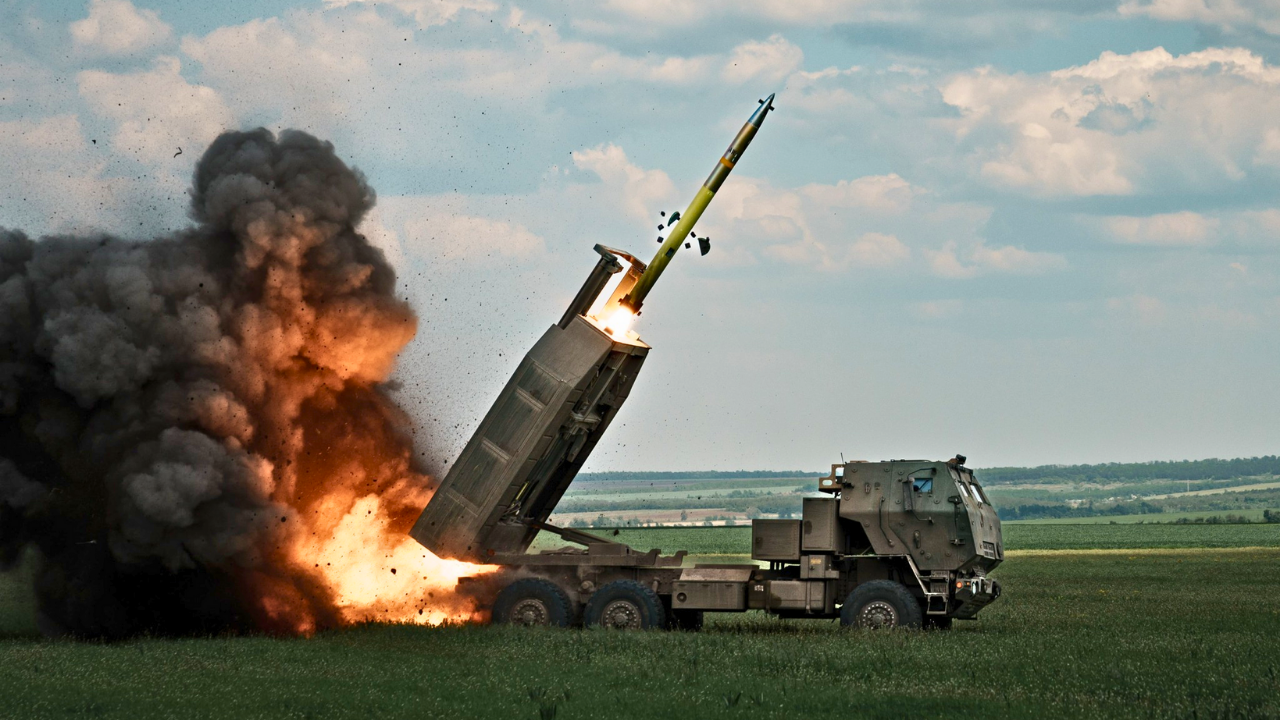
Fire lit the sky over Novorossiysk as Ukrainian drones sliced into one of Russia’s most guarded air-defense sites. Within hours, parts of the S-400 Triumph—long marketed as nearly untouchable—were burning.
SSU Special Operations Centre Alpha sent drones more than 300 kilometers into Russia, and SSU sources told Ukrainska Pravda that satellite images “confirm” four launchers were destroyed. Two critical radars fell with them. The system designed to stop long-range threats couldn’t stop the ones aimed directly at it.
Two Key Radars Gone—and Suddenly the S-400 Is Blind
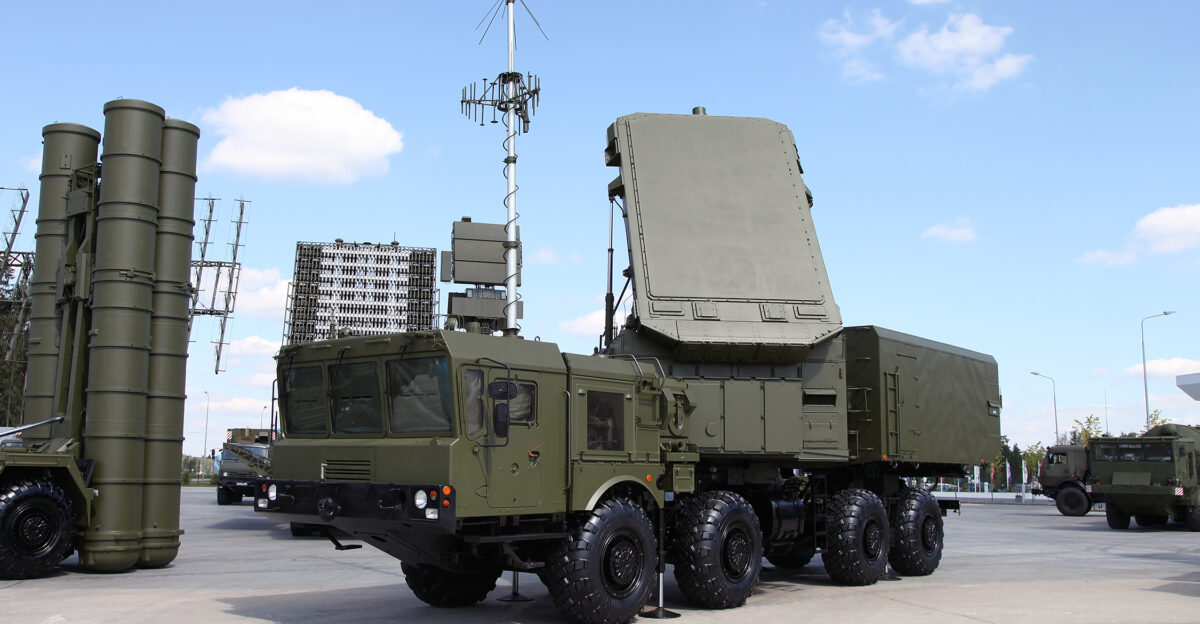
If the launchers were the muscle, the radars were the senses—and losing them changed everything. Ukraine took out the 96N6 early-warning radar and the 92N6 target-engagement radar, the duo that spots incoming threats and guides missiles.
One SSU source said, “the enemy has also lost two key radars,” leaving the remaining equipment unable to track or respond. Without those paired radars, even perfectly intact launchers become little more than hardware without purpose.
Twelve Launchers Before the Strike
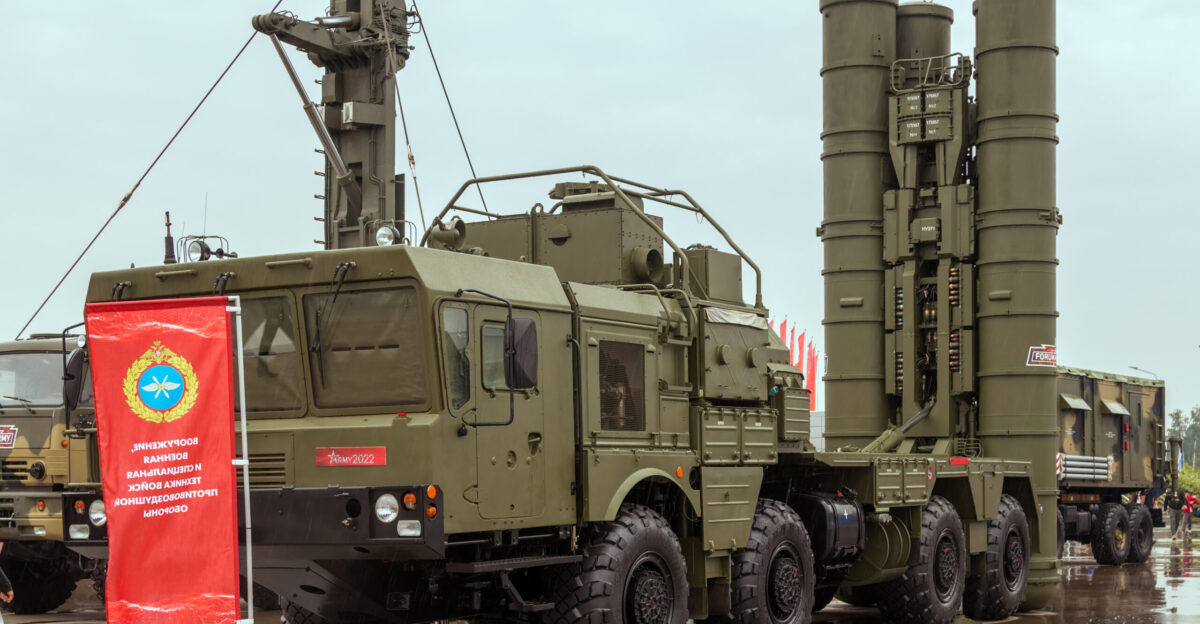
Before the attack, roughly twelve S-400 launchers sat across the Red Banner Kuban Regiment’s compound, according to SSU information cited by LIGA.net. Satellite images from November 11 showed seven at the strike location. After the drones hit, only three remained visible—and their condition couldn’t be confirmed.
SSU sources said it was “highly likely” the others were damaged. If that proves true, Ukraine may have knocked out nearly an entire regiment in one coordinated operation.
Why Russia Clustered a Billion-Dollar Target in One Place
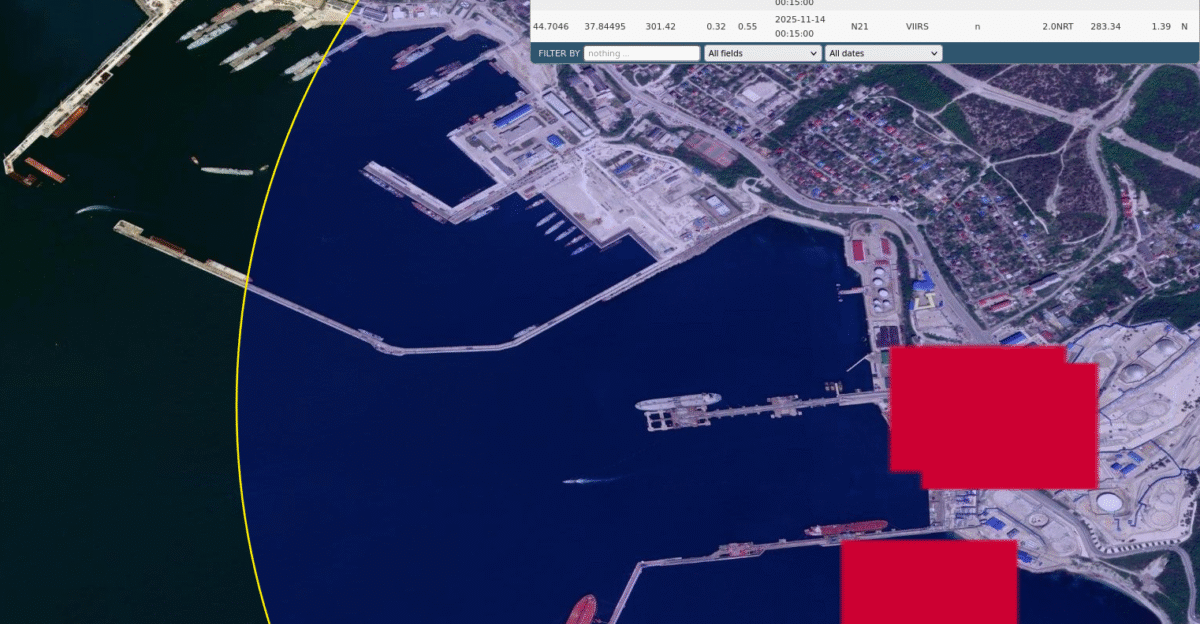
To analysts, the clustering looked reckless—until they considered what the battery was guarding. Novorossiysk moves around 2 million barrels of oil a day, roughly 2% of global seaborne supply. The Red Banner Kuban Regiment wasn’t just protecting a port; it was shielding a major slice of Russia’s energy lifeline.
Grouping the launchers streamlined command and support, but it also created a single, oversized target. One well-executed hit, and the entire defensive arrangement collapsed.
Drones Made a 300-Kilometer Journey
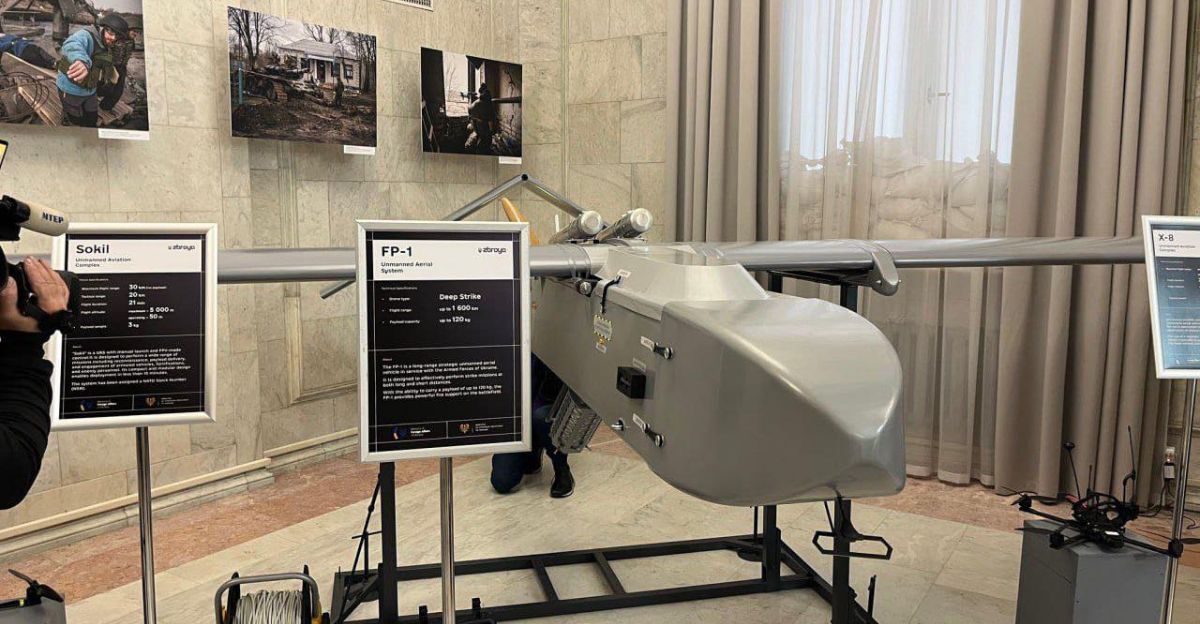
The strike raised another question that hung in the air long after the fires burned out: how did Ukraine’s drones make it that far into Russia without being intercepted? SSU drones—supported by Defence Intelligence, Special Operations Forces, and the State Border Guard Service—flew deep into Russian territory.
Analyst channels suggest that FP-1 strike drones with onboard video cameras helped operators verify targets in real-time. If Novorossiysk wasn’t protected, observers wondered, what sites are?
Confirmed Losses Hit $1.3–2.6 Billion

The numbers behind the strike paint a stark picture. India’s 2018 S-400 deal priced a whole regiment at roughly $1.08 billion, placing each launcher between $300 million and $ 600 million. Four destroyed launchers are worth about $1.2–2.4 billion.
Two radars add another $100–200 million. That puts confirmed losses at $1.3–2.6 billion. But if the additional launchers were damaged—as SSU sources said was “highly likely”—the actual figure could reach $3.7–7.4 billion.
Russia’s Largest Black Sea Oil Port Falls Silent
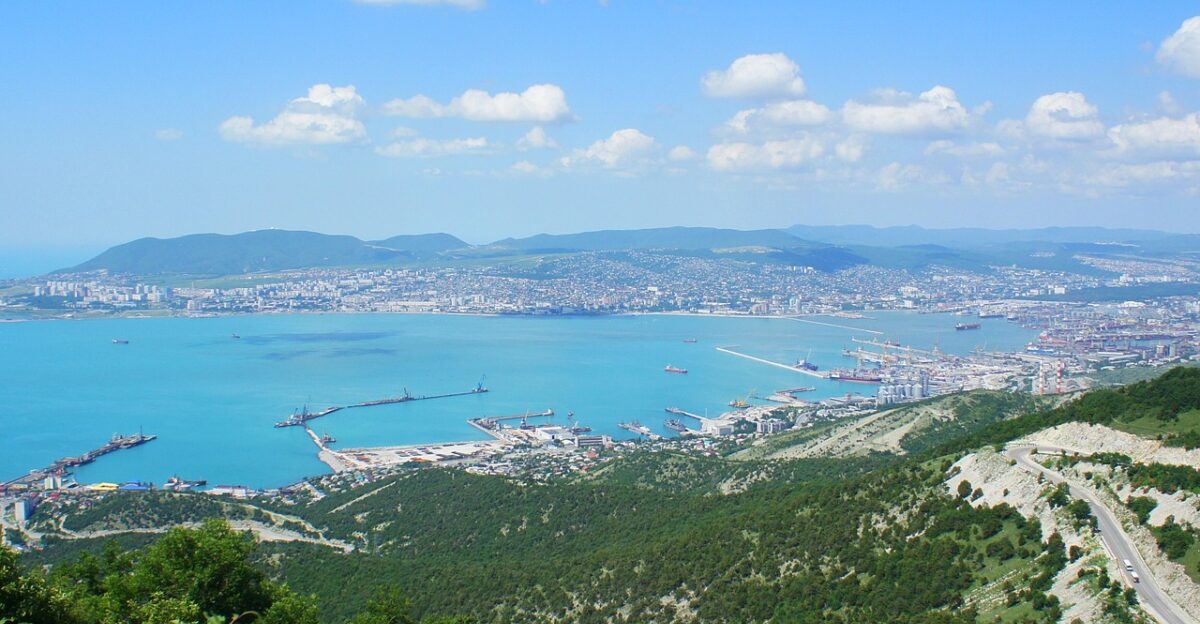
The attack didn’t stop at military infrastructure. Novorossiysk, Russia’s biggest Black Sea crude export hub, immediately halted roughly 2.2 million barrels per day. Kazakhstan’s Energy Minister Erlan Akkenzhenov confirmed the shutdown on November 14, noting that Kazakh shipments were also paused.
Damage hit the Sheskharis transshipment complex, container terminals, coastal facilities, and an oil depot. A vessel in port was struck, injuring three crew members. One of the world’s key energy arteries went quiet for two days.
Markets Feel the Shock Within Hours

The economic ripple was immediate. Brent crude rose about 2% on November 14, while West Texas Intermediate climbed 2.62%. Price Futures Group analyst Phil Flynn said, “the hit on that Russian terminal was huge and seems to have had a bigger impact than previous attacks.”
Prices eased after partial operations resumed on November 17, but the message lingered: a Ukrainian drone strike had just moved global oil markets.
First Satellite-Verified Mass Destruction of S-400 Systems Inside Russia
Satellite imagery agencies confirmed the losses within a day, marking the first time multiple S-400 components were visibly destroyed deep inside Russian territory in a single operation. Past strikes damaged isolated elements; this one dismantled an integrated battery—launchers and radars—at once.
Clear imagery removed any room for denial and raised uncomfortable questions about how the S-400 performs under real battlefield pressure.
A System Built to Stop Drones—Unable to Stop These
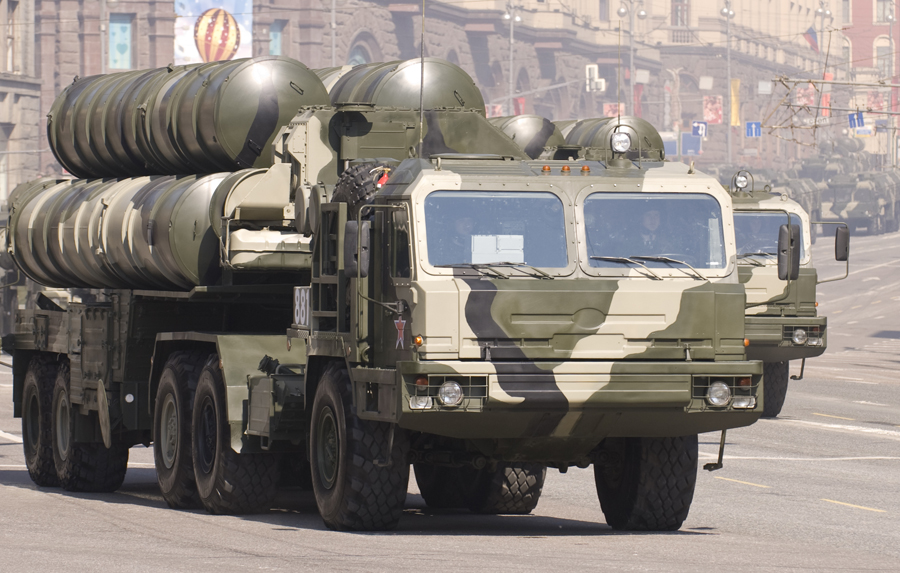
The irony was difficult to miss. Russia has long advertised the S-400 as a top-tier defense against modern aerial threats, including drones like the ones Ukraine used. Countries such as India, China, and Turkey bought the system based on those claims. Yet Ukraine’s relatively inexpensive drones flew 300 kilometers through Russian airspace and destroyed four launchers.
Analysts identified potential gaps in layered defenses or simultaneous attack routes. Either way, the strike challenged long-standing marketing promises.
600,000 Civilians Now Live Under a Thinner Air-Defense Shield
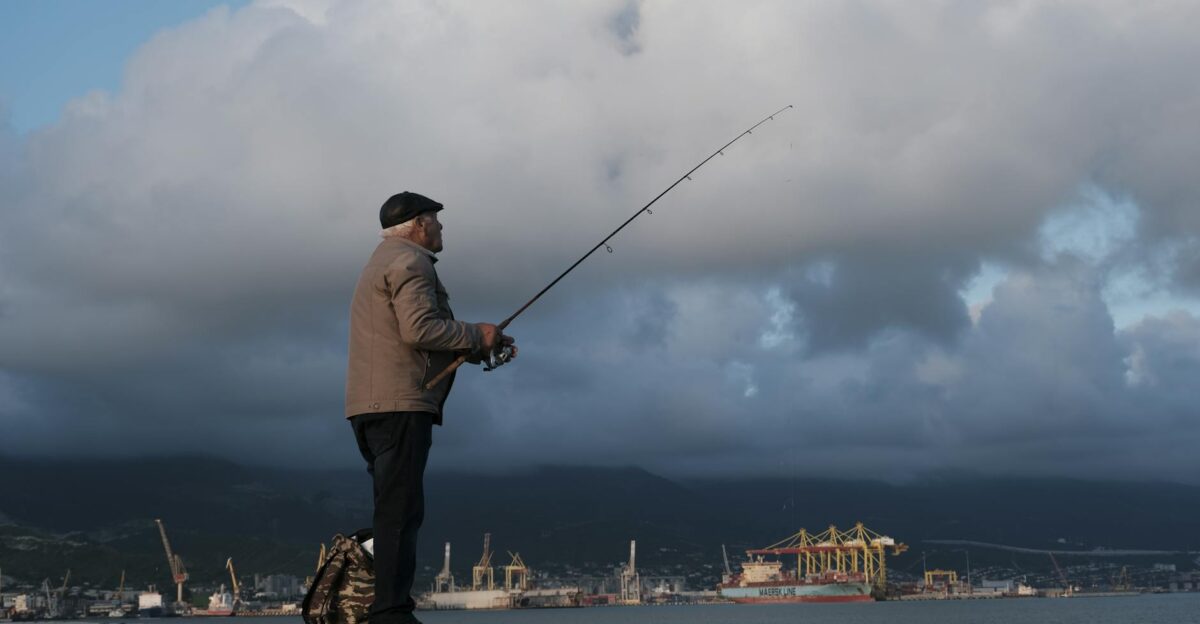
Novorossiysk and the surrounding region—home to roughly 400,000 to 600,000 people—now face a reduced early-warning capability. The loss of the 96N6 radar means shorter reaction times for both civilian alerts and military responses. Russia has not announced any replacement plans.
For a region heavily invested in military and energy infrastructure, the weakened shield poses both operational risks and psychological unease.
A Storied Russian Unit Takes a Hit Beyond the Battlefield

The destroyed battery belonged to the Red Banner Kuban Regiment, a unit with Soviet-era honors and a reputation for elite air-defense proficiency. SSU sources said the operation deliberately targeted the regiment to degrade its combat capability and demonstrate Ukraine’s reach.
The strike delivered more than material losses—it sent a symbolic message to a unit that traditionally represents prestige within Russia’s air-defense network.
Ukraine’s Drone Strategy Turns Into an Economic Lever

What began as a battlefield adaptation has become something bigger. Ukraine’s drones now shape global energy risk assessments. The temporary disappearance of 2% of seaborne oil supplies triggered billions of dollars in market adjustments.
Analysts now treat Ukrainian strike capability as a factor in oil forecasting. For Kyiv, the evolution offers a strategic lever—one that imposes costs far beyond the front line.
Russia’s War Economy Takes the Hit
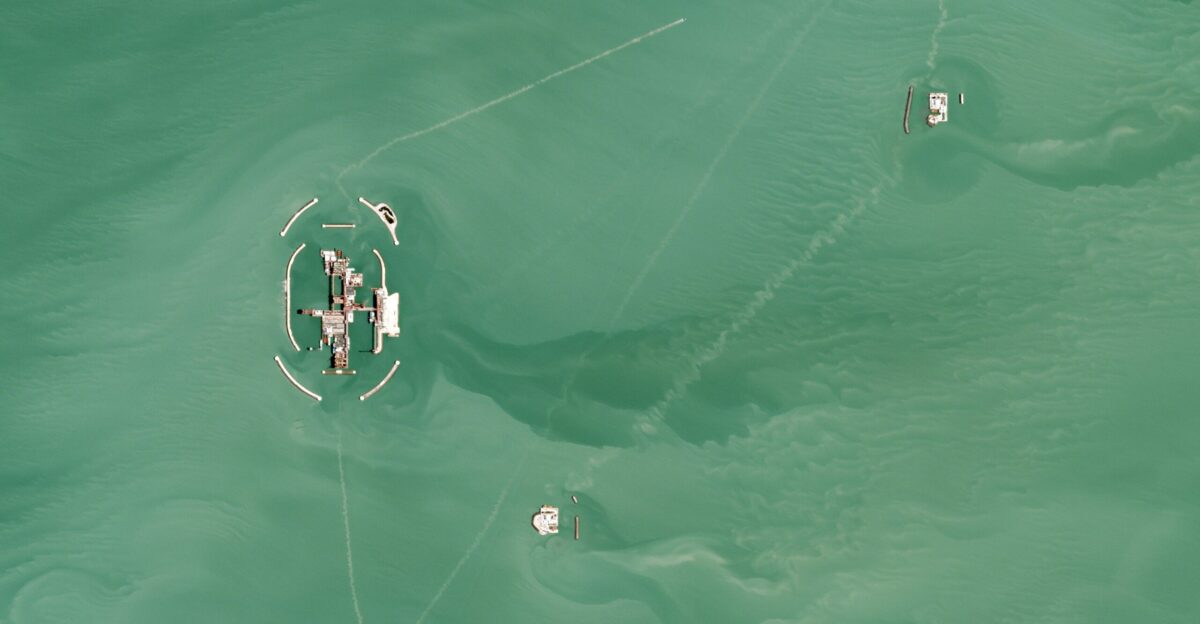
Novorossiysk’s oil exports, valued at roughly $150 million per day at current Brent prices, feed directly into Russia’s war financing. Even a short suspension cuts tens of millions from revenue. The strike also affects shipping insurance and poses challenges for Kazakhstan, which relies on the port for its crude oil.
If Ukraine keeps hitting infrastructure in Russia’s rear, Moscow may be forced to pull air-defense resources from other regions—stretching forces at a difficult moment.
The Largest S-400 Strike of the War
SSU sources and military analysts described the Novorossiysk strike as “the largest mass attack on Russian air defense systems” of the war. With four launchers and two radars confirmed destroyed—and likely more damaged—the operation proved Ukraine can hit deep, disrupt global markets, and weaken Russia’s strategic networks simultaneously.
If future strikes follow this pattern, this night in Novorossiysk may be remembered as the moment Ukraine’s drone campaign shifted from disruptive to defining.