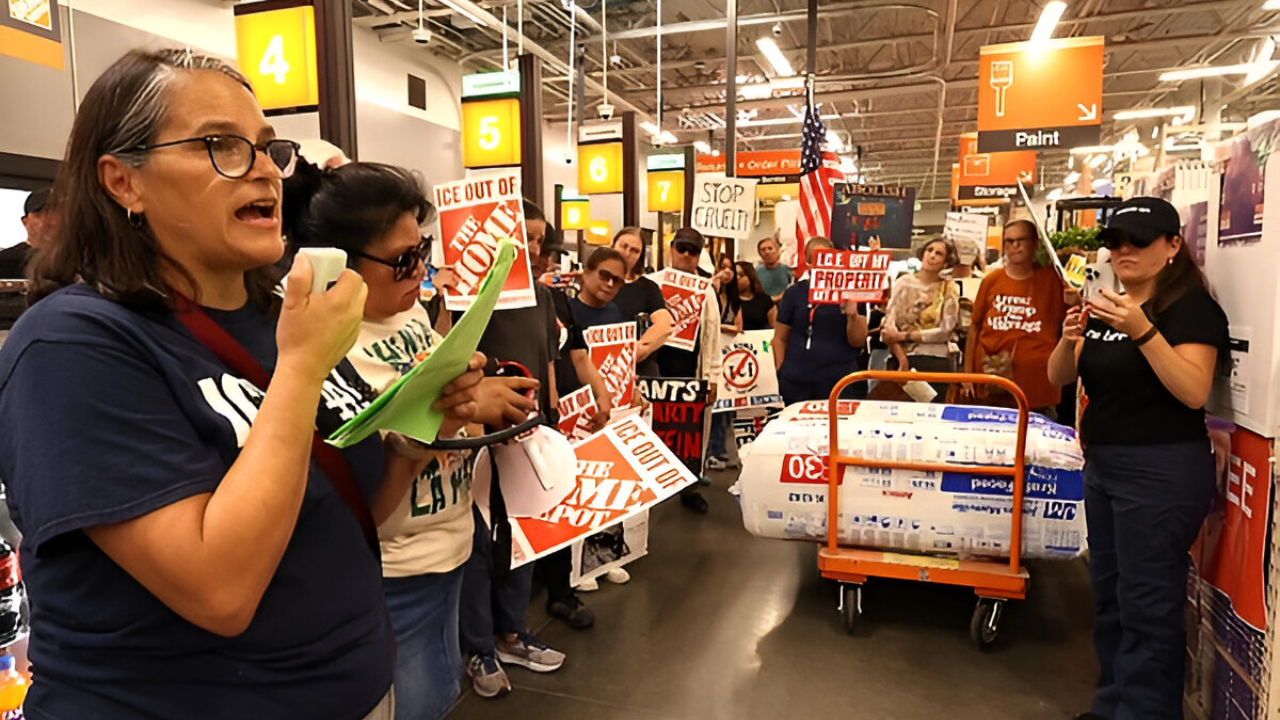
Picture this: Black Friday, but silent. Empty parking lots where cars should idle. Quiet aisles where shoppers should jostle. The “No Kings” movement is calling on Americans to withhold spending from three major retailers during the five-day Thanksgiving weekend, November 27 through December 1.
LaTosha Brown, co-founder of the Black Voters Matter Fund, didn’t mince words: “When corporations align with cruelty and authoritarianism, they must understand that our purchasing power matters,” she told reporters. The timing? Surgical. Retailers depend on Thanksgiving week to make or break their annual profits—and activists know it.
Target, Home Depot, and Amazon Named in Coordinated Campaign
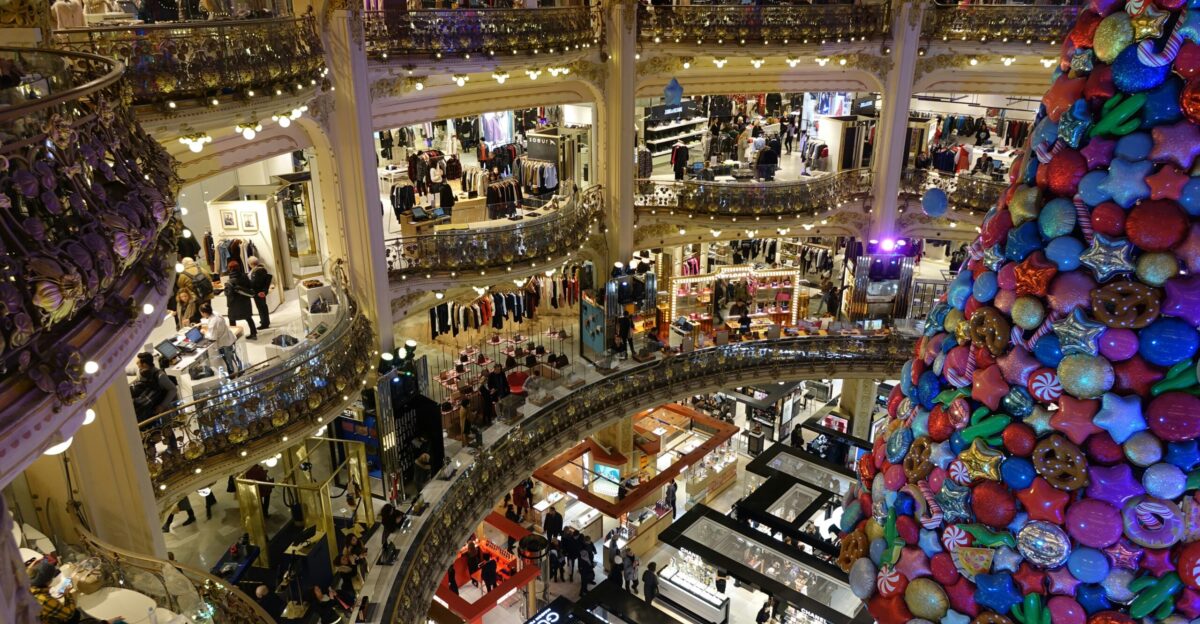
Three Fortune 100 companies now have targets on their backs: Target for abandoning diversity initiatives, Home Depot for immigration raids at its parking lots, and Amazon for its CEO’s million-dollar Trump donation. The “We Ain’t Buying It” campaign unites Black Voters Matter Fund, Indivisible, Until Freedom, and the No Kings Alliance.
Nearly 187 million Americans are expected to shop over the Thanksgiving weekend, according to the National Retail Federation, spending $127 billion in five days. Organizers want to redirect those dollars away from corporate giants toward small and minority-owned businesses.
Stock Collapse and Consumer Flight

When Target killed its diversity programs in January 2025, the market responded brutally. Stock plummeted 33%, erasing over $20 billion in shareholder value by September, Investopedia reported. Foot traffic fell 8.6% year-over-year in early February, Placer.ai data shows.
Meanwhile, Costco—which refused to abandon DEI—saw traffic rise more than 5% during the same period. Target CEO Brian Cornell resigned in August amid the crisis.
Flashpoints for Immigration Raids
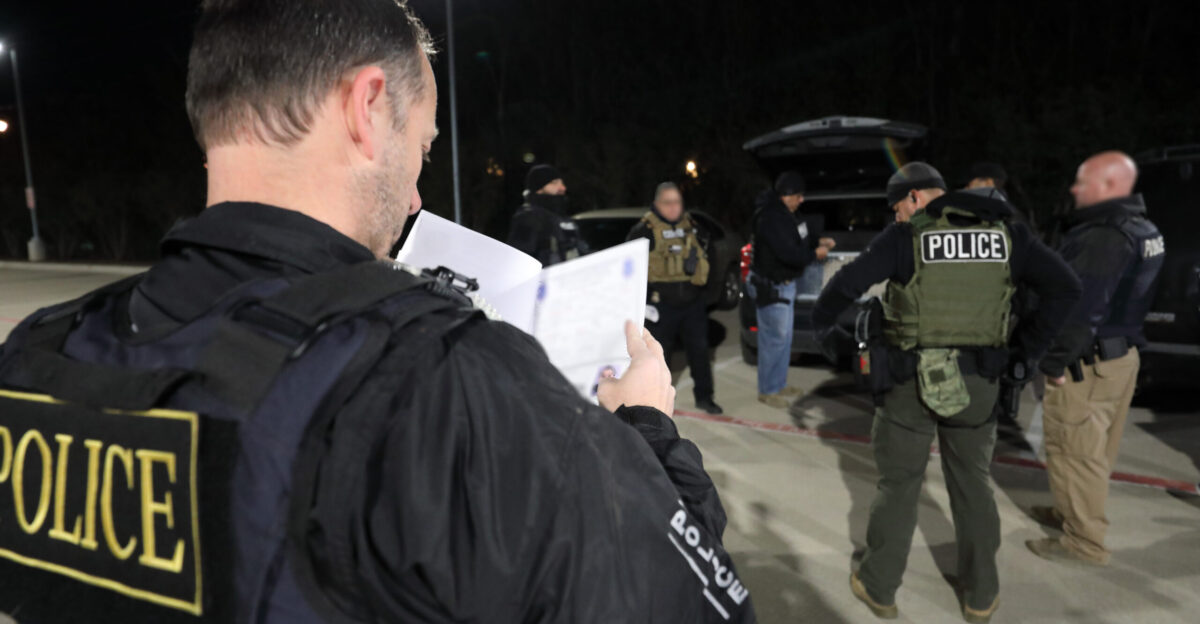
Federal agents have turned Home Depot parking lots into hunting grounds. At least a dozen Southern California stores have been raided, some repeatedly, since Trump intensified immigration enforcement this summer, NBC News reported. In August, Guatemalan day laborer Roberto Carlos Montoya Valdez died on a freeway fleeing ICE agents near a Monrovia Home Depot.
“Home Depot is permitting ICE agents to unlawfully detain and abduct workers from their stores,” the No Kings group charged.
$1 Million to Trump Inaugural Fund
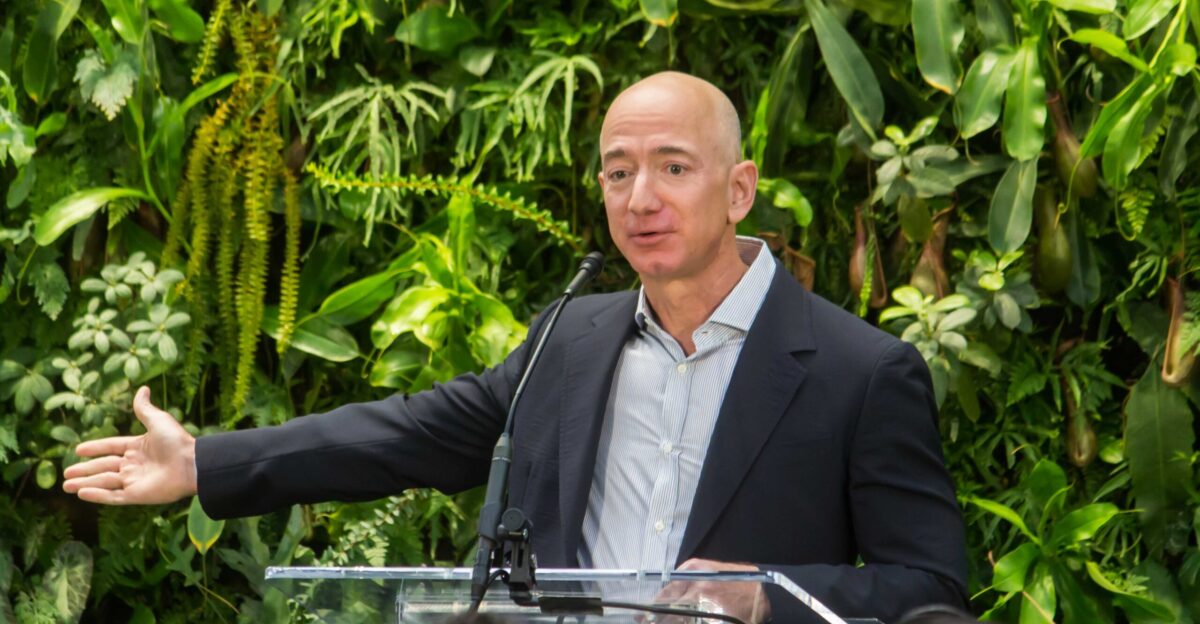
In December 2024, Amazon announced that its founder would donate $1 million to Trump’s inaugural fund, according to The New York Times. The company pledged another $1 million in-kind to stream the inauguration on Prime Video.
Boycott organizers say Amazon is funding “the administration to secure corporate tax cuts.” The price of access? Activists want to make it costly.
October’s Massive 2,700-Location Protests
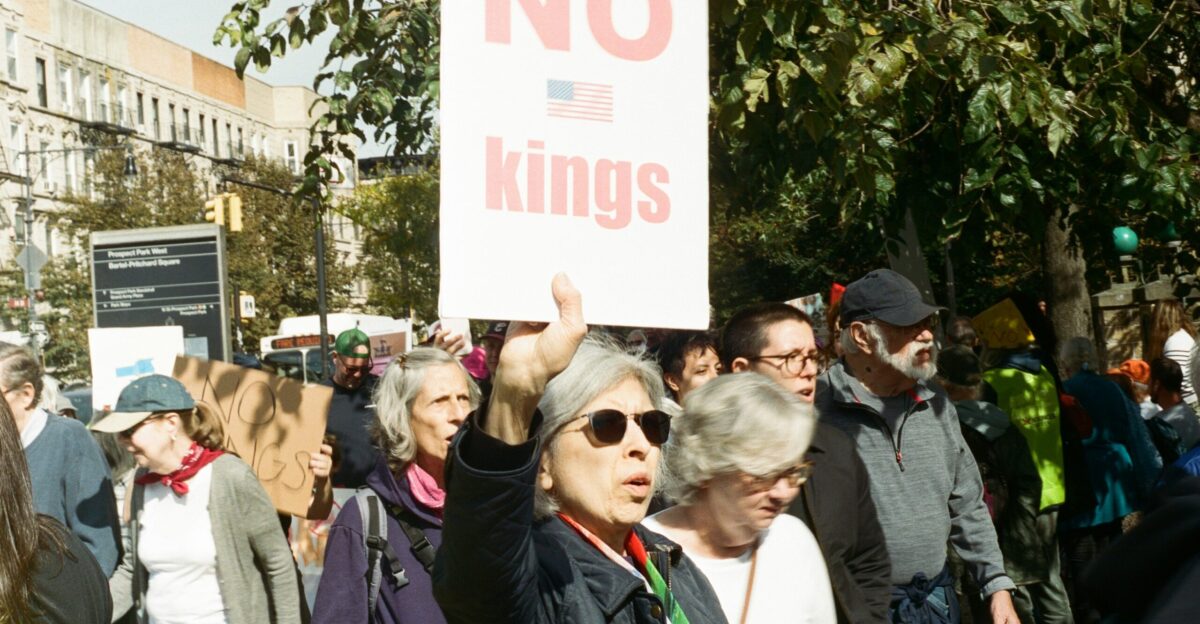
The boycott didn’t emerge from nowhere. October 18 saw the largest “No Kings” demonstrations yet—approximately 2,700 locations across all 50 states, organizers reported. According to estimates cited by CNN and Britannica, nearly seven million people participated.
Chicago drew 250,000 demonstrators. New York City saw more than 350,000. International protests erupted in Germany, Portugal, Sweden, the United Kingdom, and the Czech Republic. The shift from streets to wallets signals activists diversifying their arsenal.
Veterans Groups Join Anti-ICE Resistance on Veterans Day
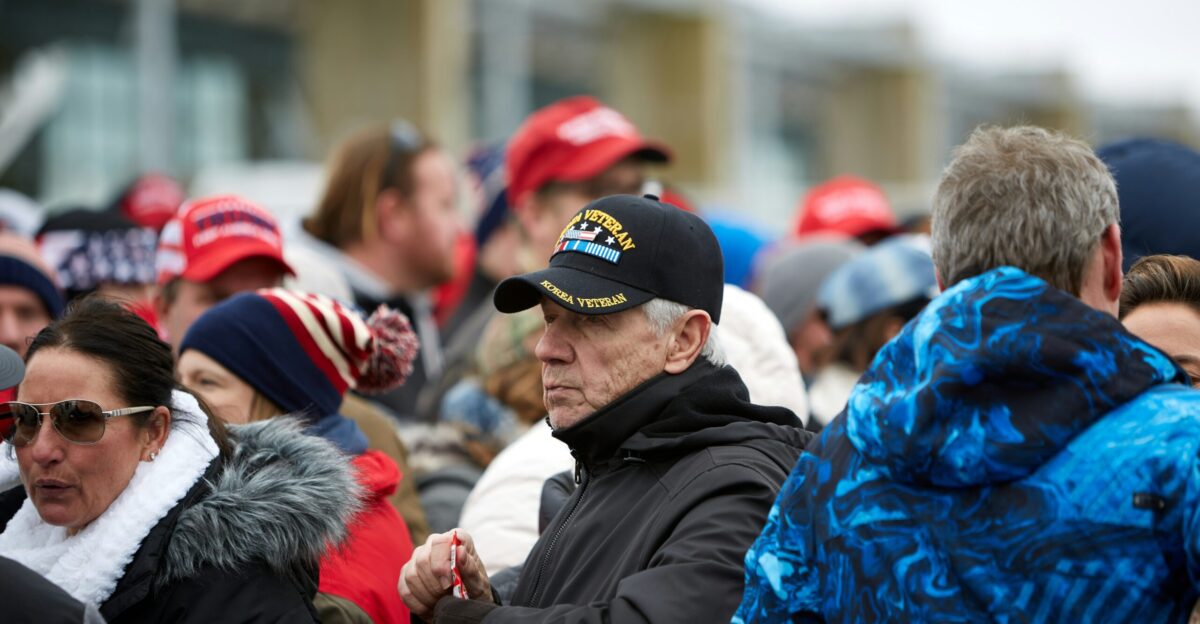
Veterans Day 2025 wasn’t about parades for everyone. Hundreds of veterans gathered in Washington and other cities for “Vets Say No” protests, organized by About Face, May Day Strong, and Remember Your Oath, according to Stars and Stripes. They rallied against ICE operations that militarize U.S. communities.
About Face organizer Arti Walker-Peddakotla told Chicago protesters, “We are in a time where militarism is being enacted through border imperialism.” Army veteran Russell Ellis said the administration is dismantling democracy.
Kidnapping Fears at Store Parking Lots

At a Van Nuys Home Depot, activists patrol with megaphones, warning workers of approaching federal agents. Laborers carry whistles to sound alarms, according to NBC News. The parking lot has been raided at least five times this summer.
Javier, 52, a Mexican immigrant, told reporters he escaped three raids by hiding beneath a truck. “They come in big vans and they all go out to chase people,” he said in Spanish, requesting anonymity for safety. This is the reality boycotters say Home Depot enables—and why they want shoppers to stay away.
Thanksgiving Week Represents Peak Retail Vulnerability
The boycott window was chosen to strike when retailers are most exposed. Thanksgiving through Cyber Monday accounts for a significant portion of annual revenue for big-box chains, making reduced spending potentially devastating. The International Council of Shopping Centers found 88% of U.S. adults—approximately 235 million people—plan to shop during the five days this year.
Millennials are expected to outspend all other generations, with an average of $764 per person. Gen Z shows the strongest momentum, with nearly six in ten planning to increase spending compared to 2024. Organizers describe the timing as leveraging consumer power “at its peak.”
Economic Noncooperation as Nonviolent Political Tool
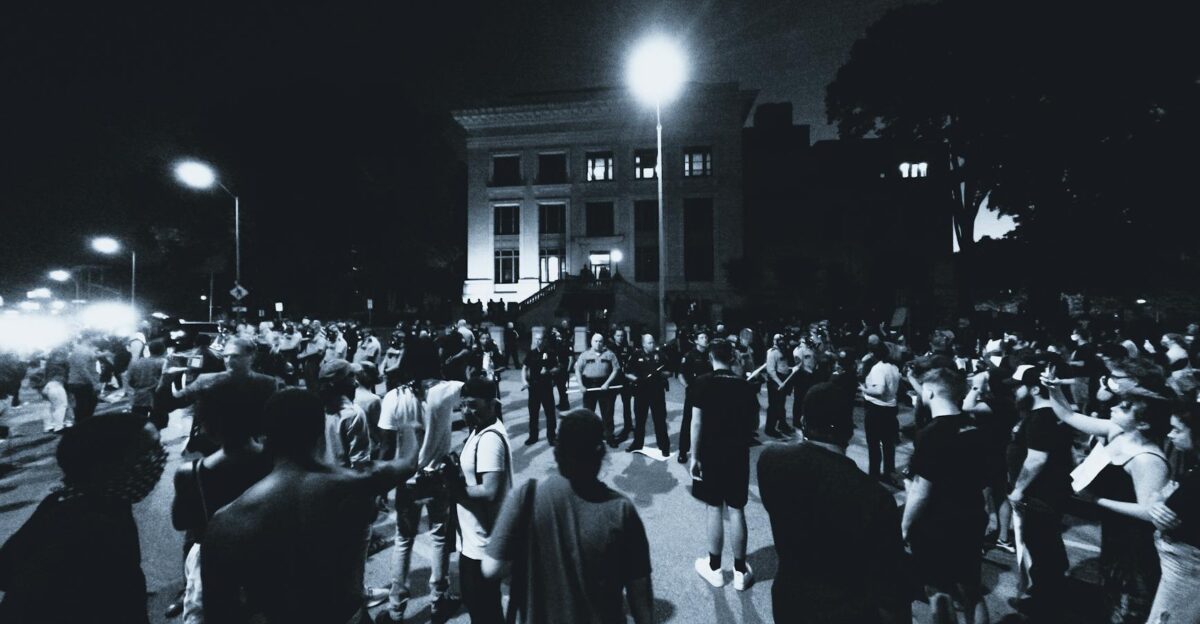
LaTosha Brown calls it “economic noncooperation”—a term rooted in the tradition of nonviolent resistance. “Economic noncooperation is a powerful, nonviolent tool for a free people, and we plan to use it to make America better for all of us—not just the wealthy few,” she said in press releases.
The strategy converts protest energy into measurable financial pressure. Consumer spending can become a form of political speech when companies align with or oppose controversial policies.
Target Faces Class-Action Lawsuit
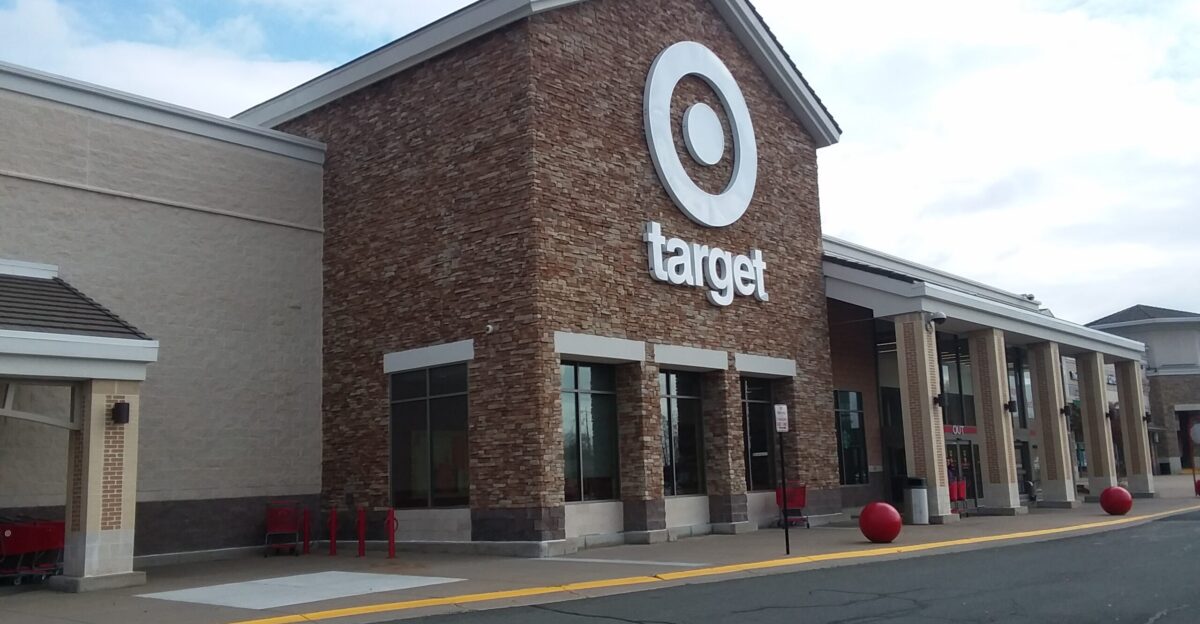
Target’s troubles extend beyond boycotts. The City of Riviera Beach Pension Fund filed a class-action lawsuit alleging executives knew the DEI rollback would trigger backlash but hid that risk from shareholders, Investopedia reported.
Target’s market cap has crashed from approximately $129 billion in 2021 to around $41.6 billion currently. Annual revenue is forecasted at $106.6 billion this year, down from $107.4 billion in 2024. Between legal pressure and consumer flight, Target is bleeding from multiple wounds.
Small and Minority-Owned Businesses
Rather than simply abstaining, organizers encourage redirecting holiday dollars to Black-owned, minority-owned, and immigrant-owned businesses. The effort promotes Small Business Saturday, which falls within the boycott period on November 29, as an alternative to shopping at corporate stores.
Utah County Indivisible is organizing a holiday market featuring local vendors on December 6, according to organizer Heidi Buck, who told Axios. “We are encouraging members to shop locally and support small businesses, and to use cash when you can,” Buck said.
Calls for Total Spending Freeze
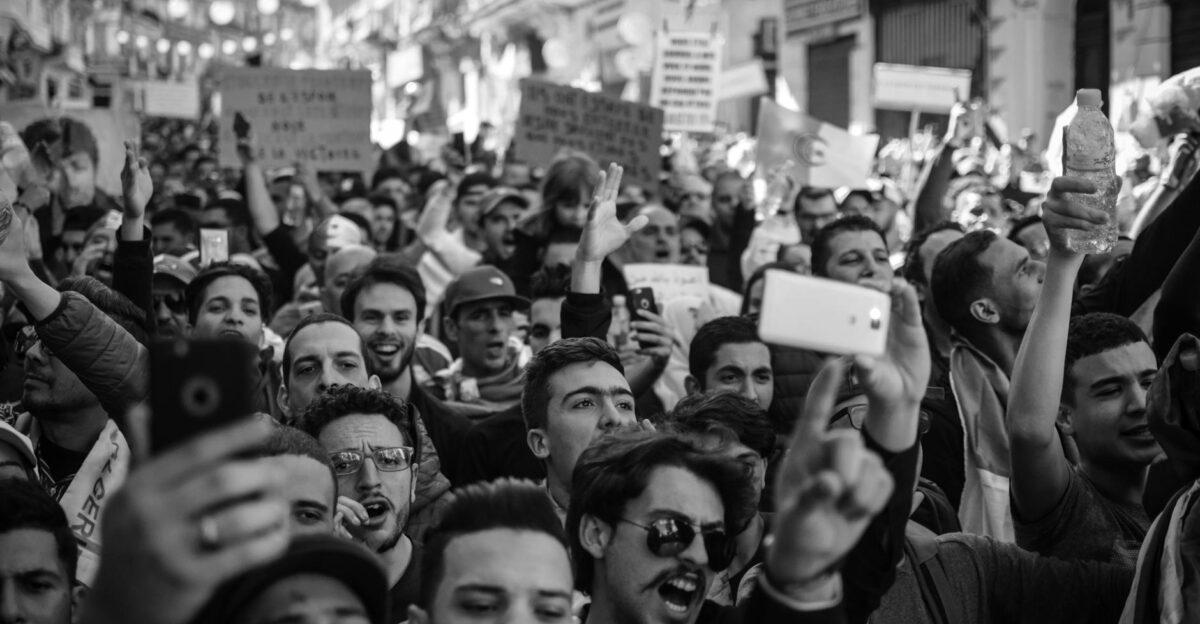
A parallel campaign called “Mass Blackout” urges Americans to freeze all spending from November 25 through December 2, Fast Company reported. The broader initiative asks participants to avoid shopping, dining out, unnecessary travel, ad-supported platforms, and even going to work. Unlike the targeted retail boycott, Mass Blackout focuses on corporate structures generally.
“We are not targeting small businesses or communities; our focus is on the corporate structures that benefit from injustice, support authoritarianism, and suppress worker rights,” the group’s website states. Both movements converge during the same window—amplifying potential disruption.
Retailers Remain Silent as Boycott Momentum Builds
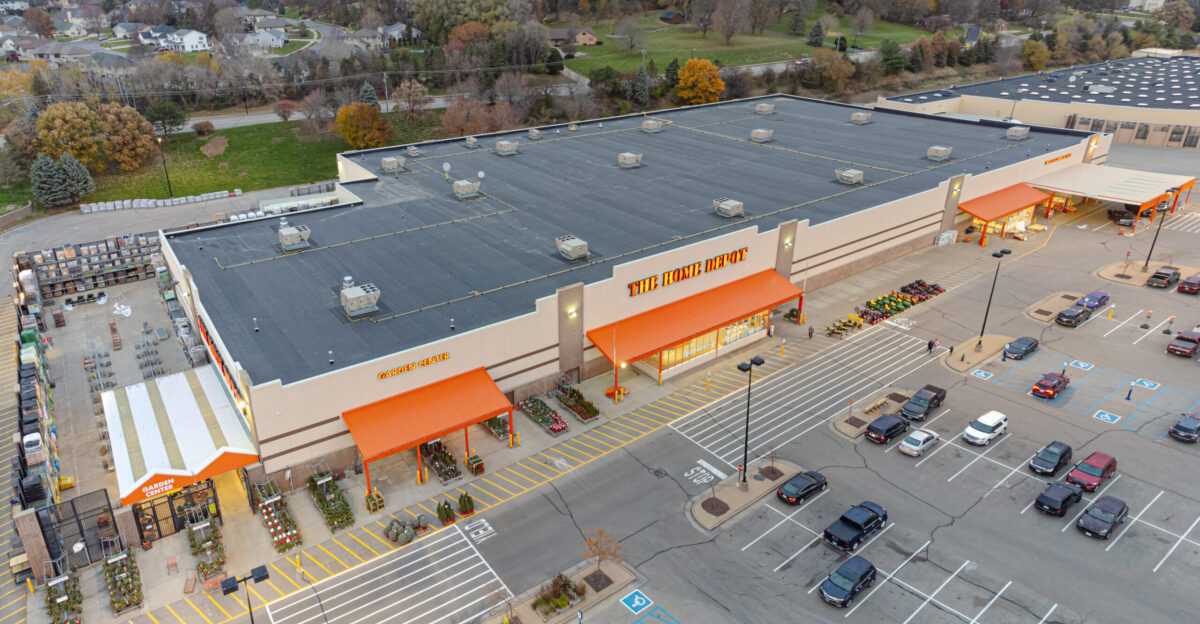
Target, Home Depot, and Amazon haven’t issued broad statements addressing the boycotts. It’s unclear how widespread participation will be or what economic effect may result. Previous corporate boycotts have yielded mixed outcomes—some have fizzled, while others have successfully pressured policy changes.
The decentralized nature makes participation difficult to track in real time. Organizers use #WeAintBuyingIt on social media to amplify the campaign.
What Happens Next Depends on Consumer Choices

The boycott’s success becomes clear in early December when retailers report holiday sales figures. Widespread participation could create noticeable revenue dips during their most important selling period. If shoppers ignore the boycott, the financial impact may be negligible—but awareness of corporate policy positions still rises.
Organizers view Thanksgiving as the opening salvo, not a one-time action. Brown indicated economic pressure tactics could expand to other companies if corporations don’t respond. For millions of Americans, this Thanksgiving weekend shopping decisions carry unusual weight—their purchases, or lack thereof, now carry political meaning. The question is: will they act?