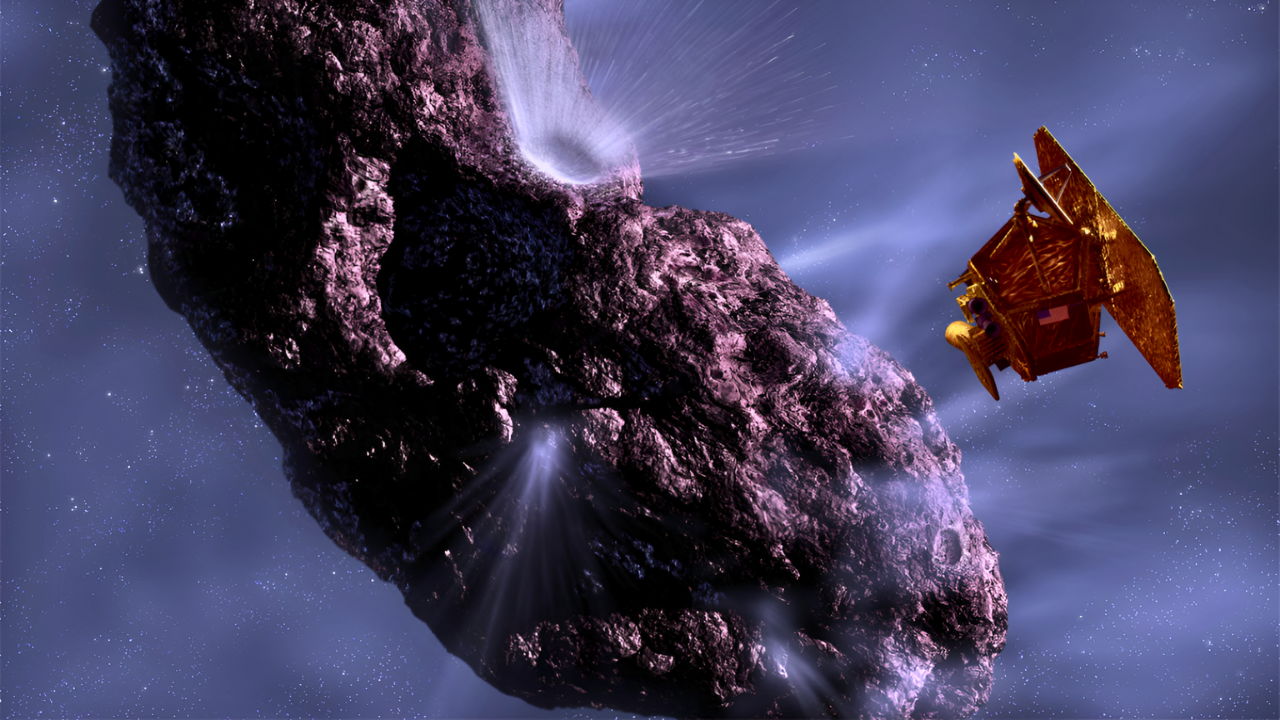
On July 4, 2005, NASA orchestrated one of the most audacious cosmic experiments ever attempted. A spacecraft traveling at 23,000 miles per hour—faster than any bullet—deliberately smashed into Comet Tempel 1 deep in space. In one explosive moment, scientists punched through the cosmic veil, exposing the comet’s hidden interior.
What unfolded in the next few moments would give humanity its first-ever glimpse of pristine material from the dawn of the solar system. This discovery would forever change how astronomers understand these ancient wanderers hurtling through the void.
A Mission Years in the Making
The Deep Impact mission launched from Cape Canaveral on January 12, 2005, with a singular, explosive purpose. NASA scientists had spent years designing this unprecedented space experiment to answer fundamental questions about comets: What lies beneath their dusty, icy surfaces? How are they structured? What exactly are they made of?
The mission team, led by University of Maryland astronomer Michael A’Hearn, understood that to peek inside a comet, they would need to punch through its exterior shell with tremendous force and precision.
The Impactor: A 816-Pound Copper Bullet
The weapon of choice was deceptively simple in design but devastating in execution. NASA constructed a copper impactor weighing 816 pounds and roughly the size of a washing machine. This probe was primarily composed of copper, a dense metal explicitly chosen for its ability to generate tremendous force upon impact.
Scientists calculated that the impactor’s velocity—37,000 kilometers per hour—combined with its mass would deliver 19 gigajoules of kinetic energy to Comet Tempel 1, equivalent to 4.8 tons of TNT.
Comet Tempel 1: A 4.6-Billion-Year-Old Mystery
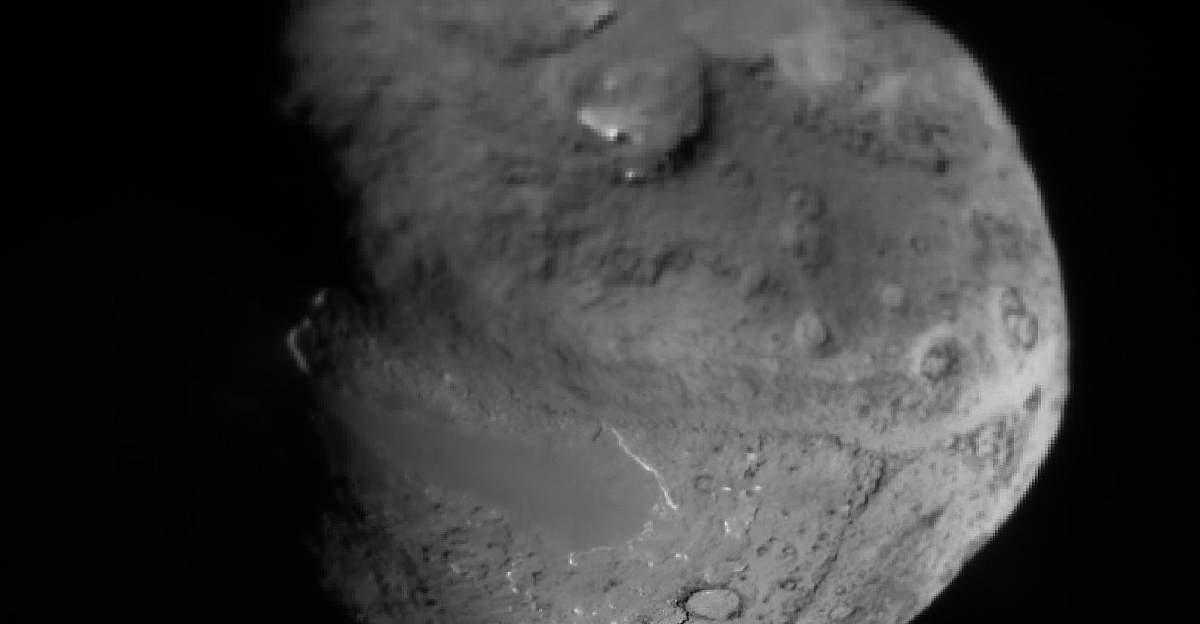
The target was not a random selection. Astronomers had chosen Comet 9P/Tempel 1 because of its predictable orbit and scientific value. Discovered on April 3, 1867, by German astronomer Wilhelm Tempel in Marseille, France, the comet completes one orbit around the sun every 5.5 years.
This short-period orbit made it an ideal candidate for a precise, intentional collision—and scientists knew precisely where and when the impact would occur.
A Flawless Strike at 05:52 UTC
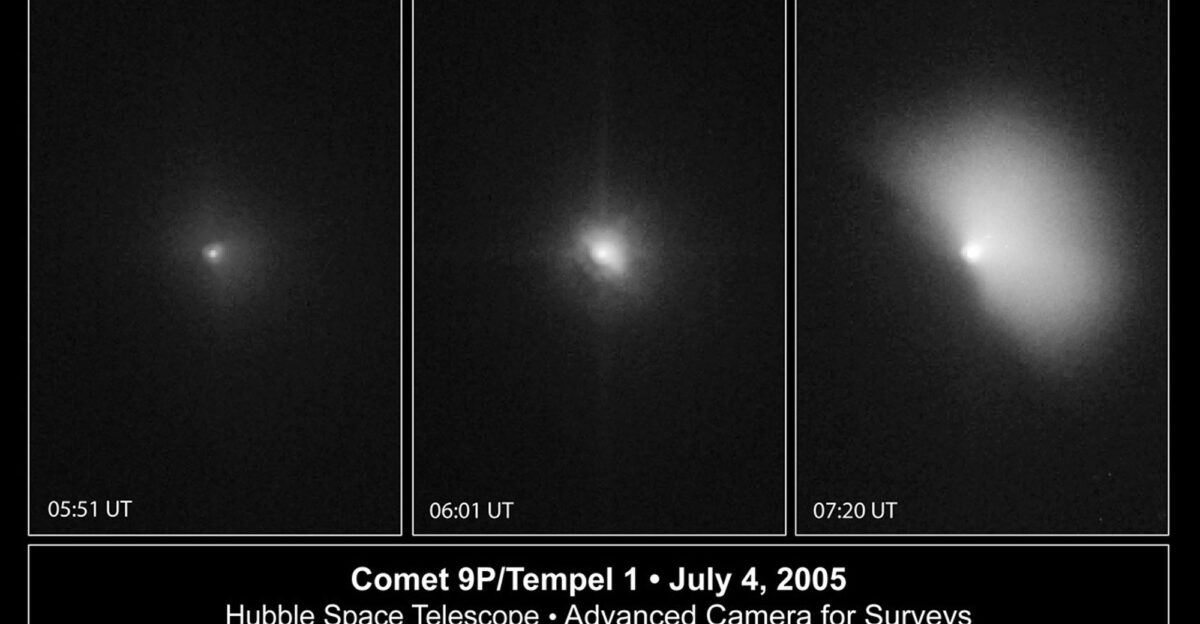
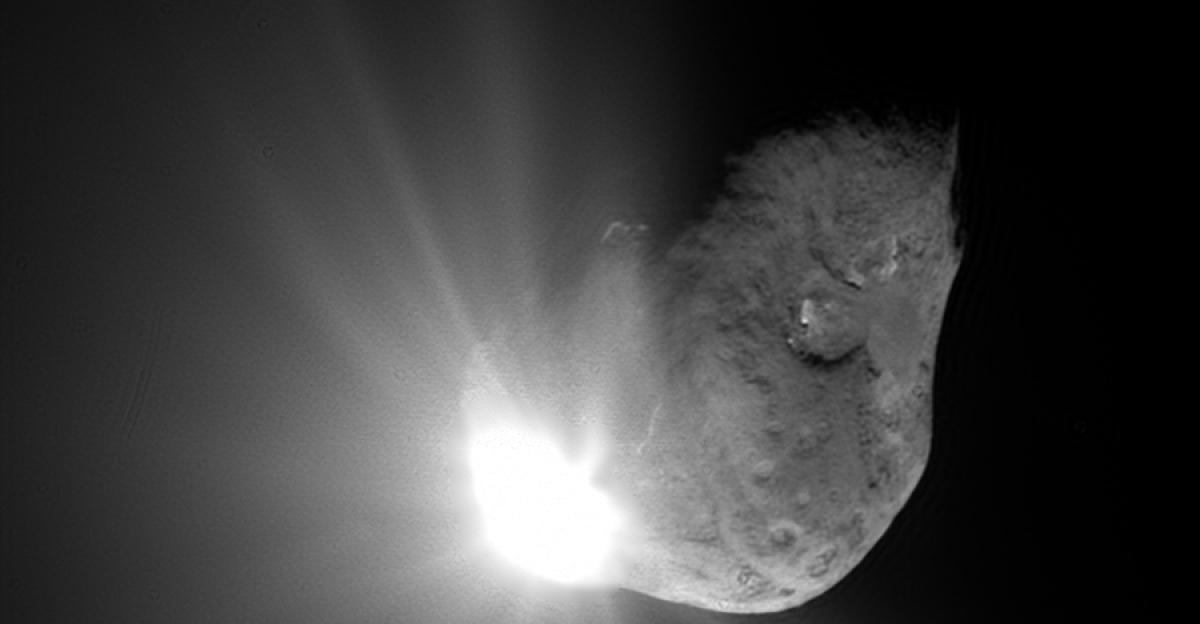
On July 4, 2005, at 05:52 Coordinated Universal Time, the impactor struck. The collision occurred 268 million miles from Earth, far beyond human reach but within range of sophisticated telescopes and spacecraft instruments. The flyby spacecraft, which had separated from the impactor hours earlier, maintained a safe distance of 310 miles to observe and photograph the entire event.
Everything had gone according to plan, with an accuracy that impressed even seasoned mission engineers.
Exposing the Interior: A Crater 500 Feet Wide
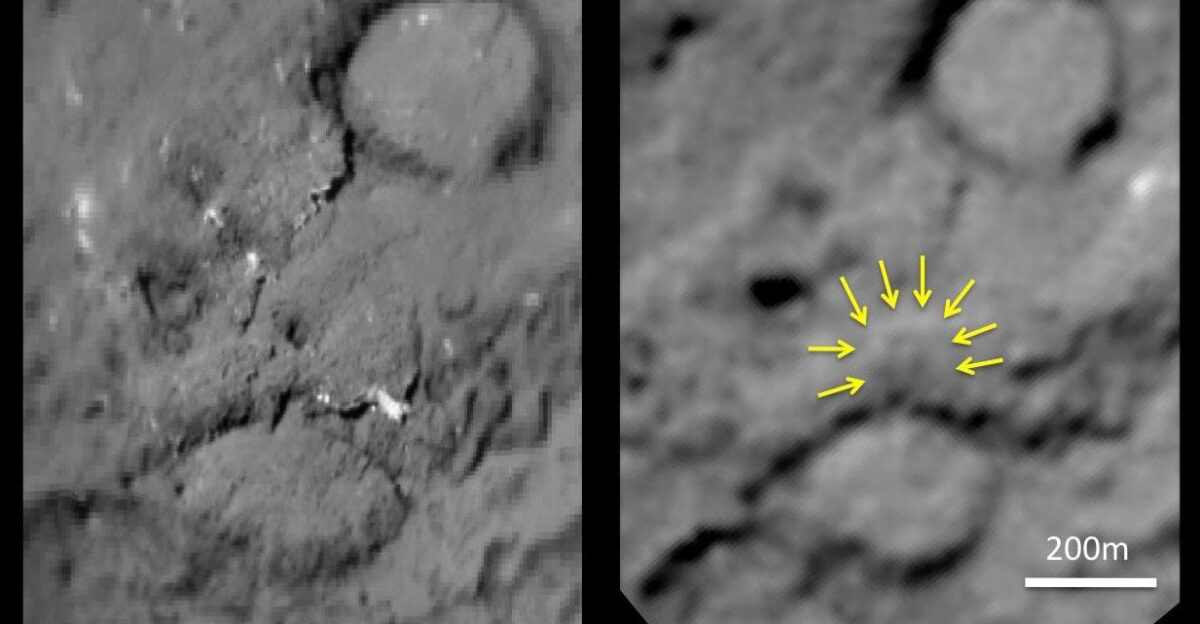
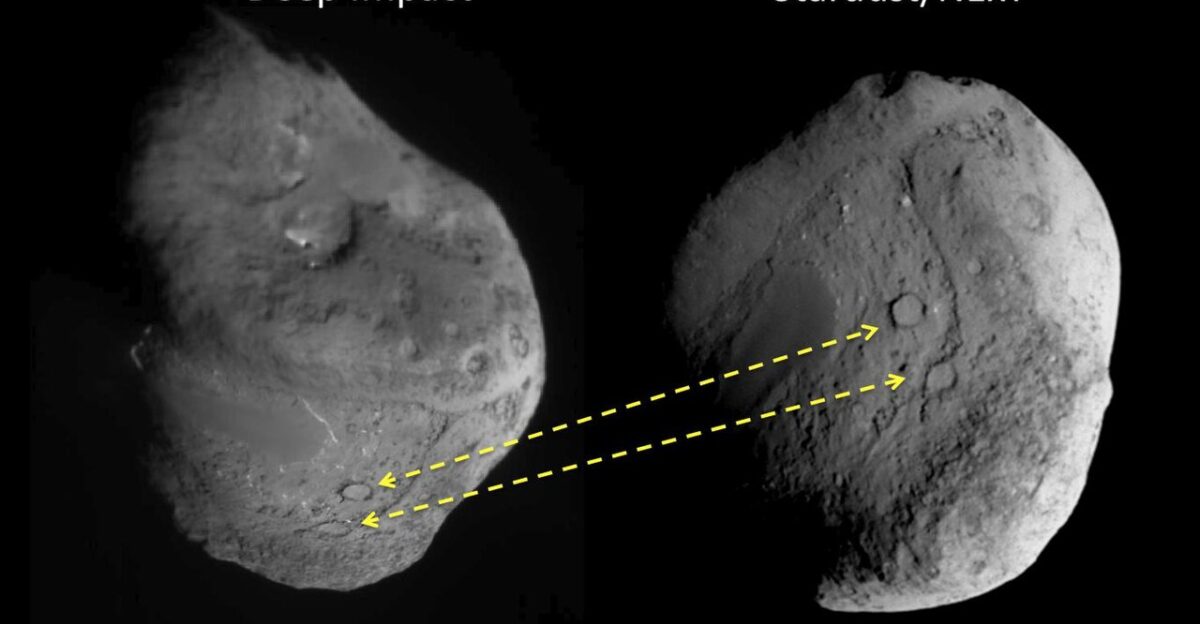
The impact carved an enormous crater into Comet Tempel 1’s nucleus—approximately 500 feet wide, or about the length of a city block. NASA’s Stardust mission measured the crater dimensions precisely in 2011 when it flew past the same comet. But what truly shocked scientists was the composition of material blasted out during the collision.
The impact released approximately 250,000 tons of water into space, enough water to fill 100 Olympic-sized swimming pools.
A Cosmic Snowball Held Together by Nothing
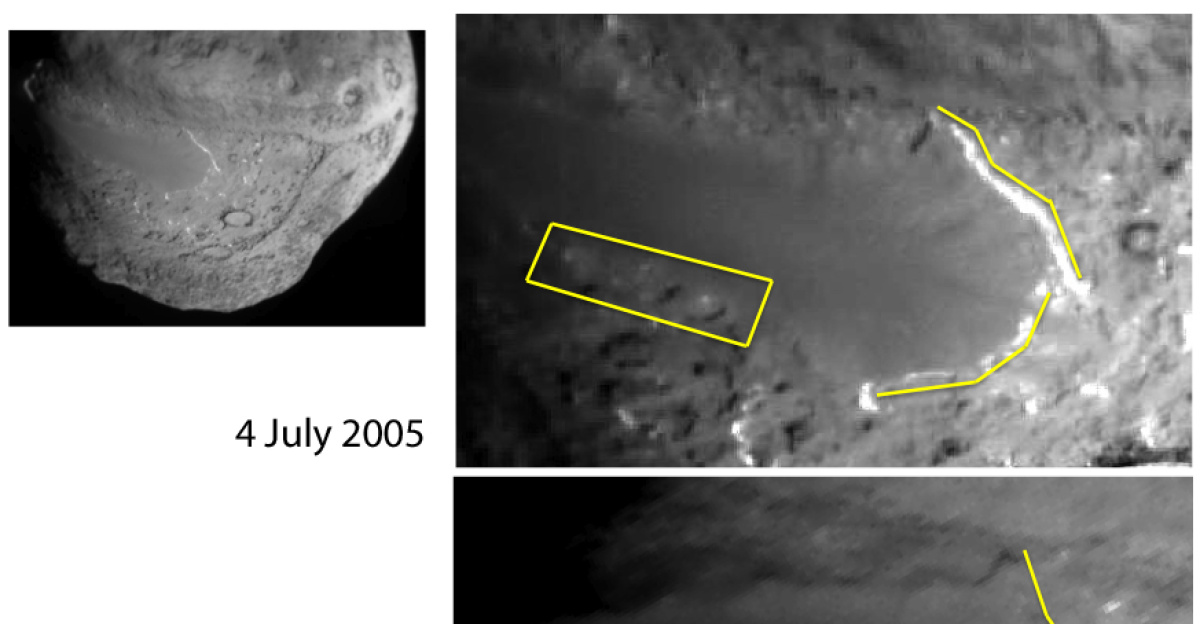
One of Deep Impact’s most startling discoveries challenged everything scientists thought they knew about comets. The debris analysis revealed that Comet Tempel 1 is far more porous than anyone had predicted. The comet’s interior is roughly 50 percent empty space, while its surface shell is approximately 75 percent empty space.
Essentially, this ancient object is barely held together—just gravity and weak forces binding a largely hollow structure, like a cosmic ghost made solid by almost nothing.
Talcum Powder, Not Ice
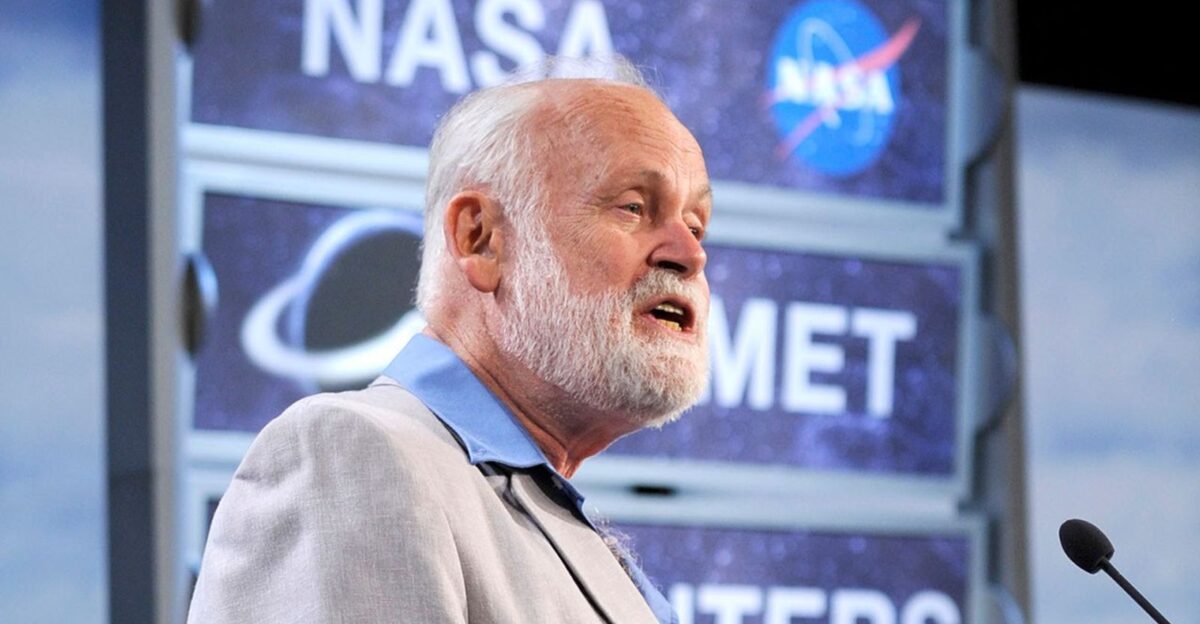
Perhaps the most surprising revelation came from examining the ejected material. Scientists expected to find chunks of ice, dust mixed with solid matter, and other solid components. Instead, according to Michael A’Hearn of the University of Maryland, the material was “extremely fine, more like talcum powder than beach sand.” The comet’s surface proved softer and more delicate than anyone anticipated.
Peter Schultz, a crater expert from Brown University and co-investigator on the mission, captured the remarkable nature of the target comet when he observed: “This city-sized object is floating around in a vacuum. The only time it gets bothered is when the sun cooks it a little or someone slams an 820-pound wake-up call at it at 23,000 miles per hour.”
Water Erupted for Twelve Days Straight
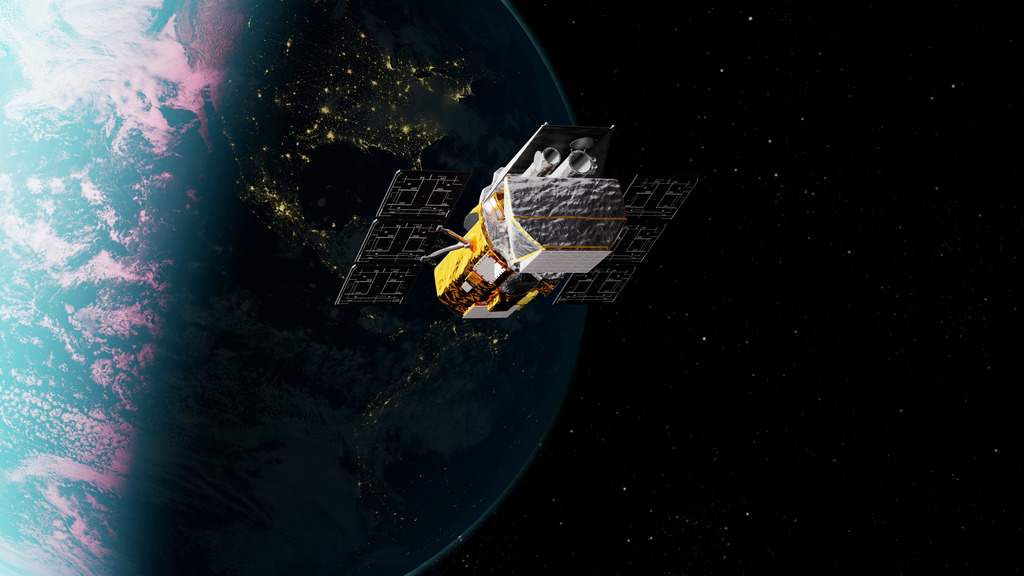
The impact triggered something truly extraordinary. Using NASA’s Swift satellite, scientists observed X-ray emissions from the comet and tracked water evaporation rates before and after the collision. Normally, Comet Tempel 1 releases about 16,000 tons of water per day. But after the Deep Impact collision, that rate skyrocketed to 40,000 tons per day.
Even more remarkably, the X-ray outburst from released material continued brightening for a full 12 days after impact—evidence that material from beneath the surface kept being ejected long after the initial collision.
An Extended Mission to Comet Hartley 2
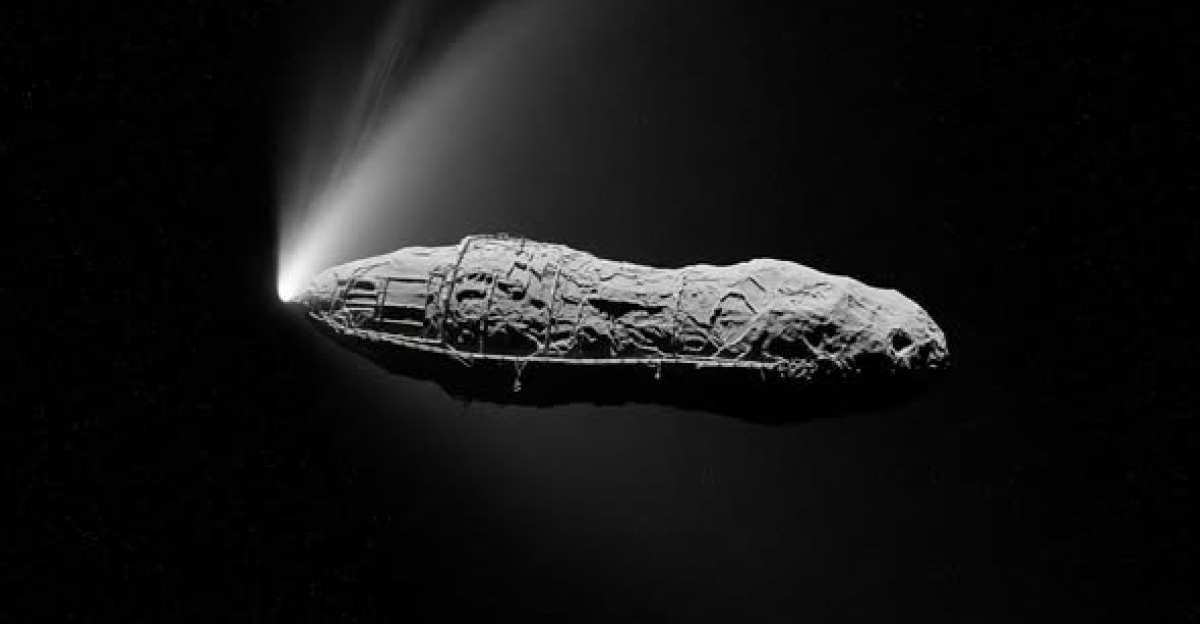
NASA didn’t let Deep Impact retire after its triumph. With fuel and instruments still functioning, mission planners renamed it EPOXI and sent the spacecraft on a second mission. On November 4, 2010, Deep Impact flew within 435 miles of Comet Hartley 2, a far smaller but far more active comet.
This encounter revealed yet another surprise: Hartley 2’s jets are powered primarily by carbon dioxide—dry ice—rather than water, overturning assumptions about how comets work and suggesting that the solar system contains far more diverse icy bodies than previously imagined.
Witnessing the Carbon Dioxide Surprise
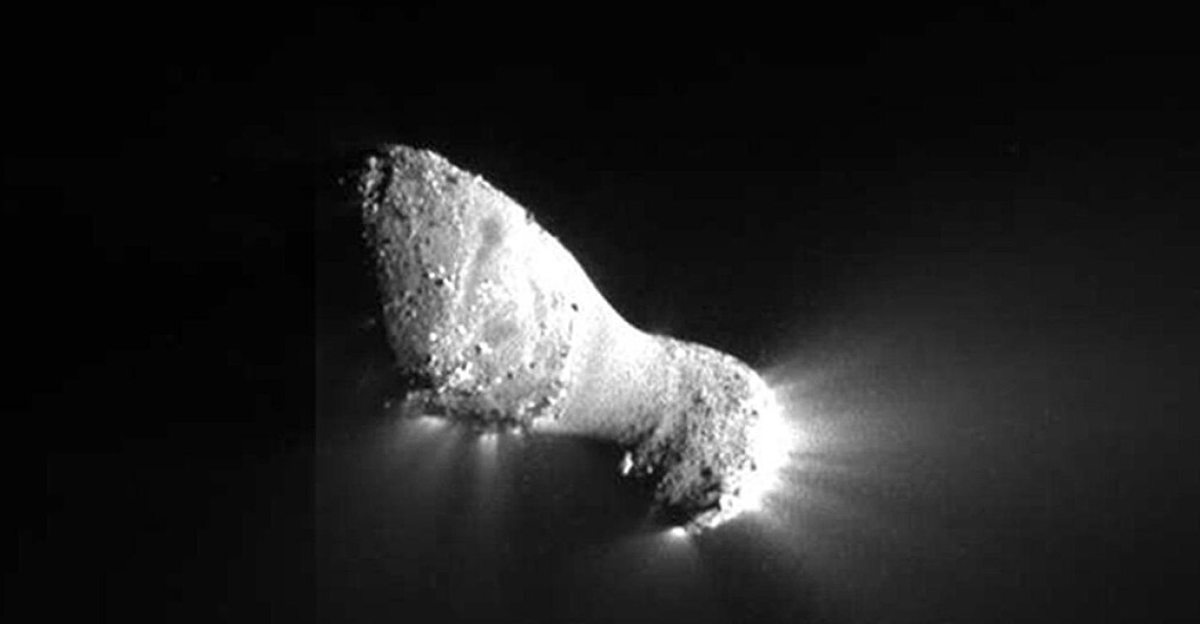
Hartley 2 proved to be a completely different beast from Tempel 1. Scientists had expected to find water-powered jets similar to other known comets, but the spacecraft’s instruments revealed brilliant jets of gas and dust spewing from the comet’s rough, peanut-shaped ends. The carbon dioxide eruptions happened suddenly and dramatically as the illuminated portions of the comet rotated toward the sun.
For the first time in history, scientists could directly link comet jets with specific topographic features on a comet’s surface—the rough ends where jets exploded outward and the smooth middle where fine-grained material accumulated.
The Journey That Spanned 4.7 Billion Miles
Over its remarkable nine-year mission, Deep Impact traveled approximately 4.7 billion miles through space, visiting two comets and capturing roughly 500,000 images of celestial objects. The spacecraft transmitted data from extraordinary distances—at times, its signals took over an hour to reach Earth.
This modest refrigerator-sized probe became the most extensively traveled comet research mission in history, revolutionizing human understanding of these ancient travelers and their role in the early solar system.
625,000 Names Vaporized in the Cosmic Collision
NASA added a human touch to this scientific achievement through an unusual campaign. Before launch, the agency invited the public to submit their names for inclusion on a compact disc attached to the impactor. More than 625,000 people from around the world participated in the “Send Your Name to a Comet” program.
When the 816-pound probe collided with Comet Tempel 1 at 23,000 miles per hour, those hundreds of thousands of names were vaporized in an instant—a literal connection between Earth-bound humans and an ancient celestial object billions of miles away.
Lost in Space: Mission’s Silent End
After nearly nine years of groundbreaking science, Deep Impact fell silent. On August 8, 2013, the spacecraft’s last transmission was received by Earth. Engineers and scientists at NASA’s Jet Propulsion Laboratory attempted to re-establish communication for several weeks without success.
The likely culprit was a software glitch—the spacecraft’s onboard computer experienced a time-overflow error after running far beyond its original design lifetime, causing it to enter a continuous reboot cycle. Without power to its communications antenna and solar arrays, the spacecraft drifted into the cosmic void, its mission complete but its signal gone forever.