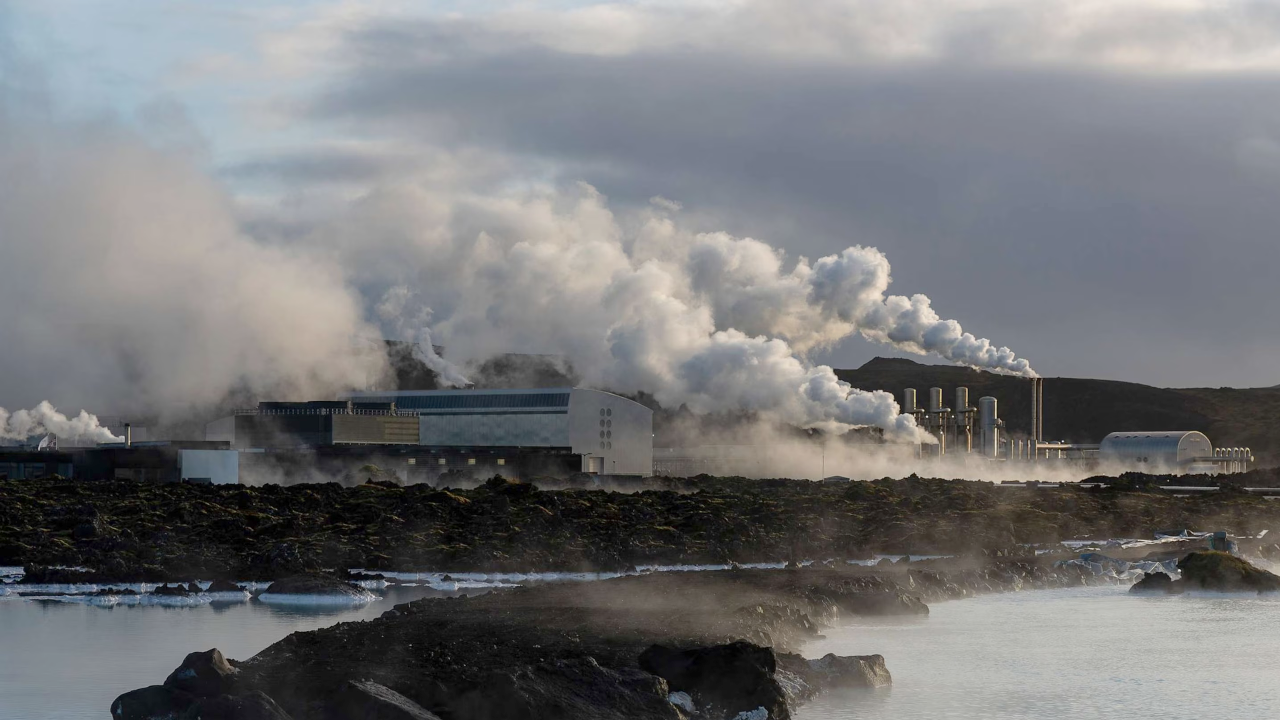
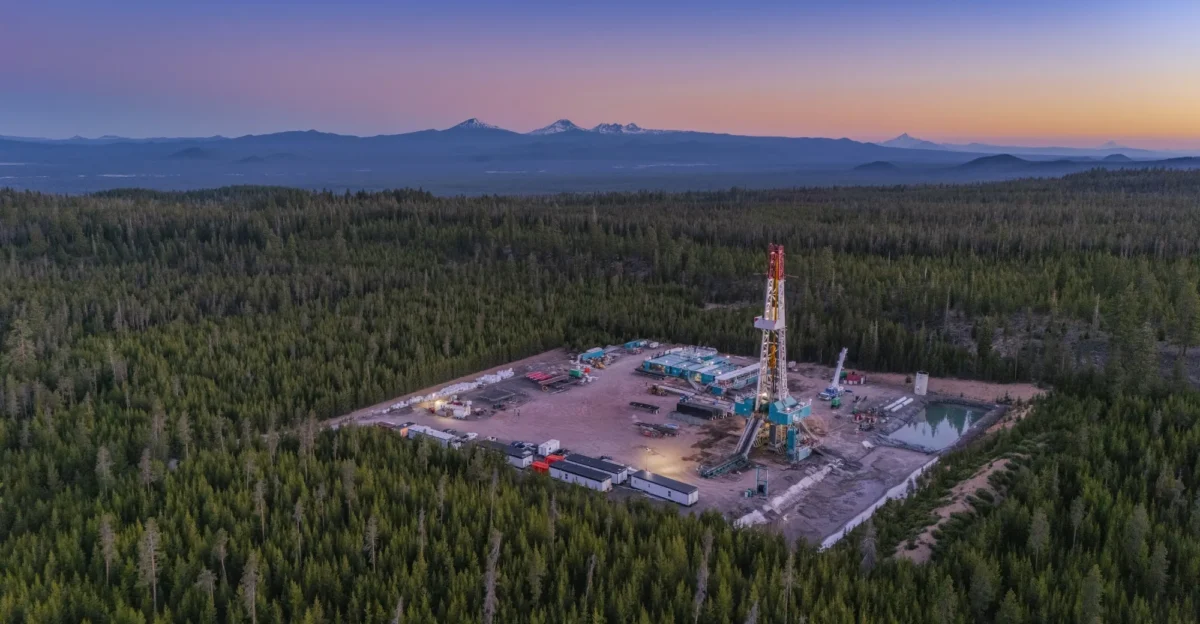
Mazama Energy is developing a revolutionary geothermal project at Oregon’s Newberry Volcano, achieving a record-breaking temperature of 629°F (331°C).
Designated “very high threat” by the U.S. Geological Survey, Newberry covers approximately 1,200 square miles. Its most recent eruption occurred 1,300 years ago, though it has remained geologically active for over 530,000 years. The project operates safely far below volcanic zones, backed by Khosla Ventures and Gates Frontier.
The Science Behind Enhanced Geothermal Systems
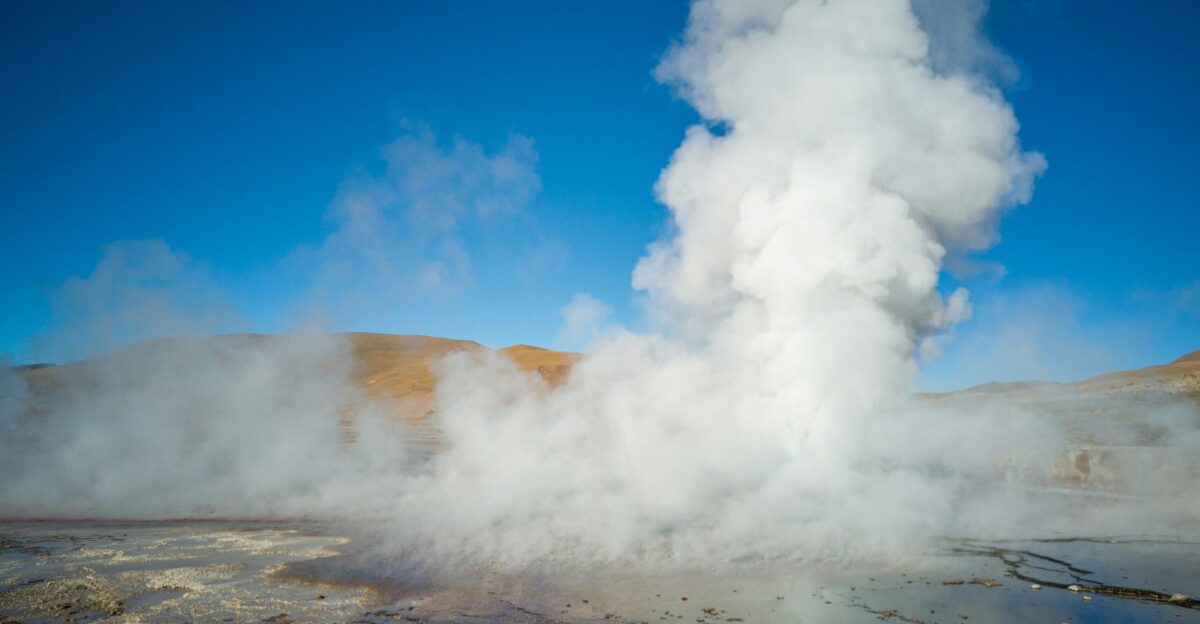
Enhanced Geothermal Systems represent next-generation technology that does not rely on natural hydrothermal resources. The process involves drilling deep into fractured rock, injecting water at high pressure to create reservoirs. Water absorbs intense geothermal heat and returns to the surface as steam.
This steam drives turbines generating electricity, then gets recycled for reinjection. The closed-loop system provides reliable baseload power without carbon emissions.
Record-Breaking Temperature Achievement
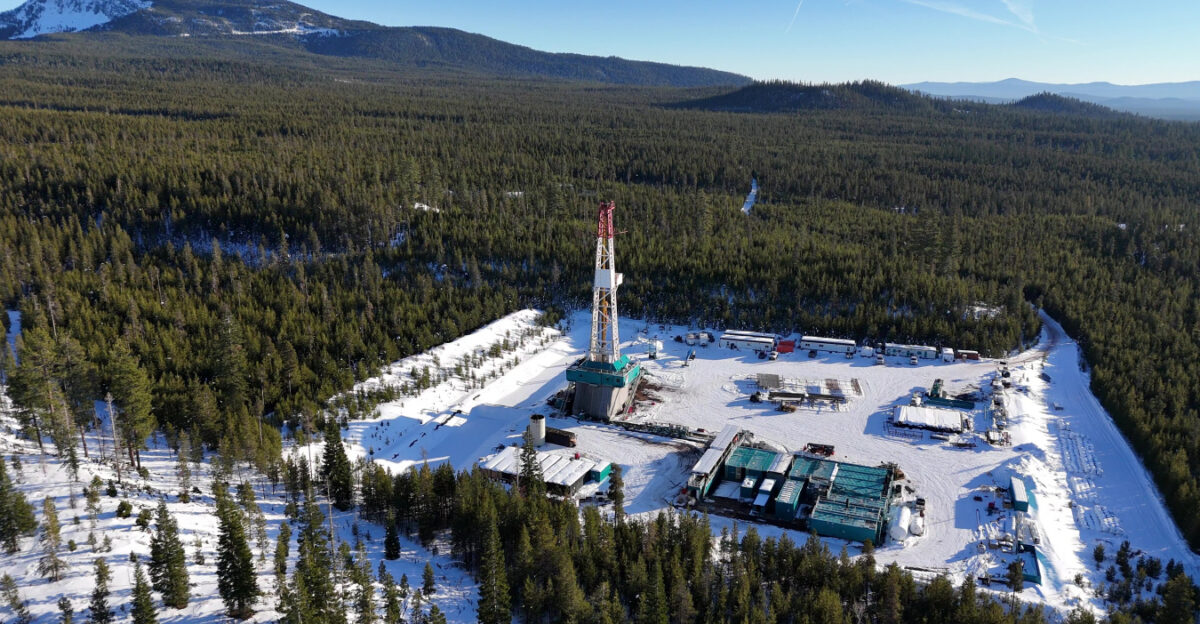
Mazama’s drilling team completed a 10,200-foot well reaching unprecedented temperatures. The 629°F achievement surpasses all previous enhanced geothermal efforts globally.
Engineers deployed liquid carbon dioxide to prevent equipment destruction from extreme heat. The pilot project achieved drilling rates of 76 feet per hour with zero equipment failures.
The Supercritical Breakthrough
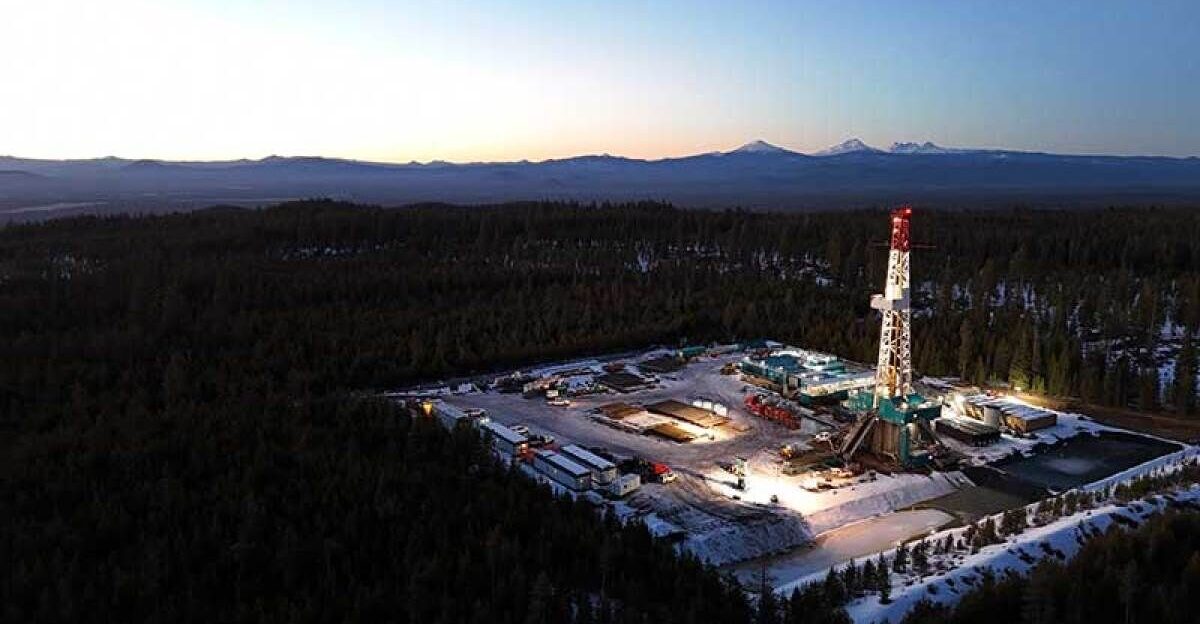
Mazama targets supercritical water conditions above 750°F (400°C), which have not yet been achieved but are actively targeted. At supercritical temperatures, water’s energy density increases dramatically.
CEO Sriram Vasantharajan emphasizes expanding “the frontiers of geothermal power into significantly hotter rock regimes”. Research shows that temperatures of 450°C yield ten times the energy output per well. This milestone remains critical for future development phases.
Timeline to Commercial Power
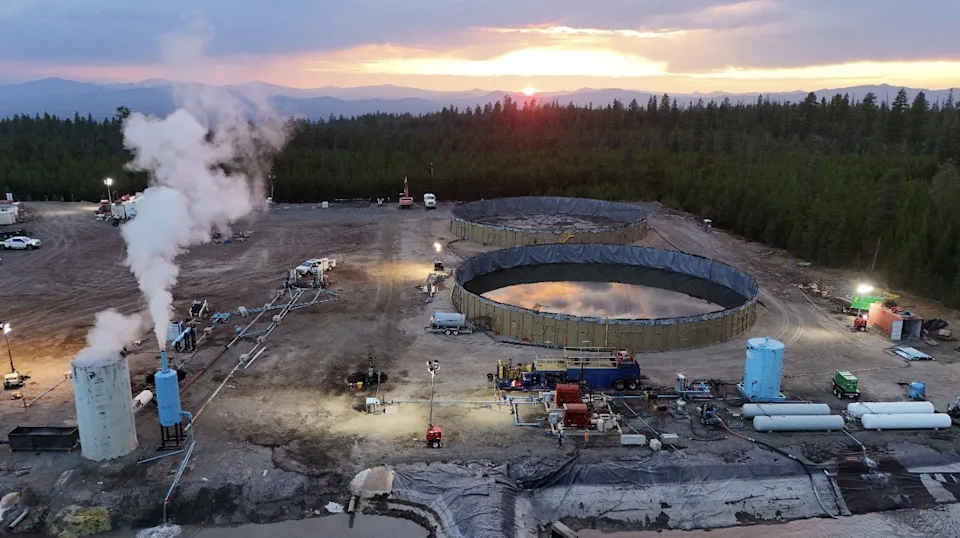
Mazama has outlined an aggressive commercialization schedule for geothermal power. The company plans to launch a 15 megawatt pilot project in 2026. By late 2027, targets will be delivered to Oregon homes and businesses.
Following the pilot’s success, scaling to a 200-megawatt commercial development at Newberry is planned. This timeline reflects confidence in technology and market demand.
Understanding Capacity
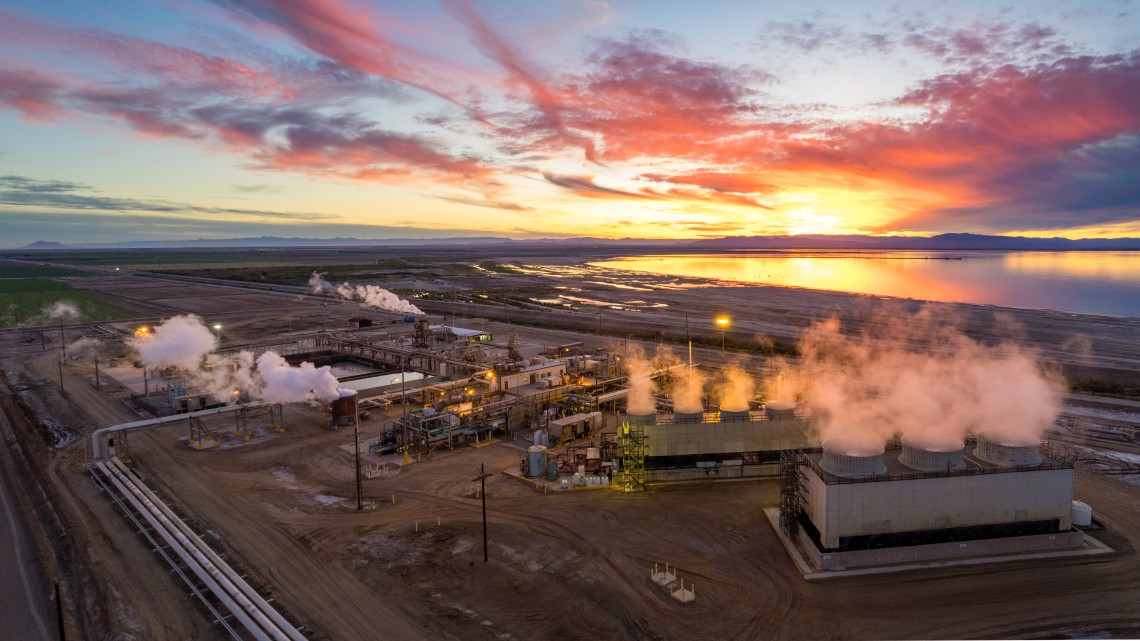
The 200 MW facility would generate approximately 1.3 TWh annually at 75% capacity factor. Current EGS projects operate at 40-50% capacity factors, making 75% an aspirational goal.
Global electricity consumption totals 29,471 TWh annually. Newberry’s 200 MW represents 0.004% of global generation. While insufficient alone, it demonstrates the viability and scaling foundation of the technology.
Scaling Potential: From Single-Site to Global Vision
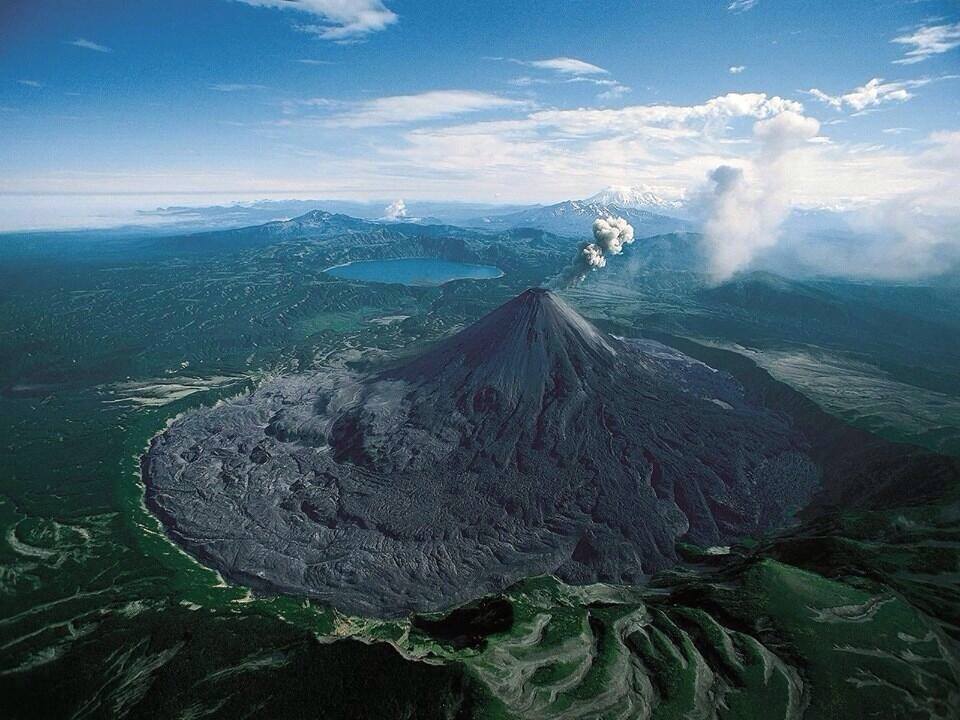
Khosla Ventures states this single site could yield 5 gigawatts if fully developed supercritically. At a 75% capacity factor, this reaches 32.9 TWh annually—approximately 0.11% of global consumption. Khosla envisions generating 100+ gigawatts from multiple superhot sites globally over the course of several decades.
This cumulative vision would generate 657.6 TWh, representing 2.2% of current energy consumption or sufficient to scale to meet AI energy demands.
Economic Competitiveness and Water Efficiency
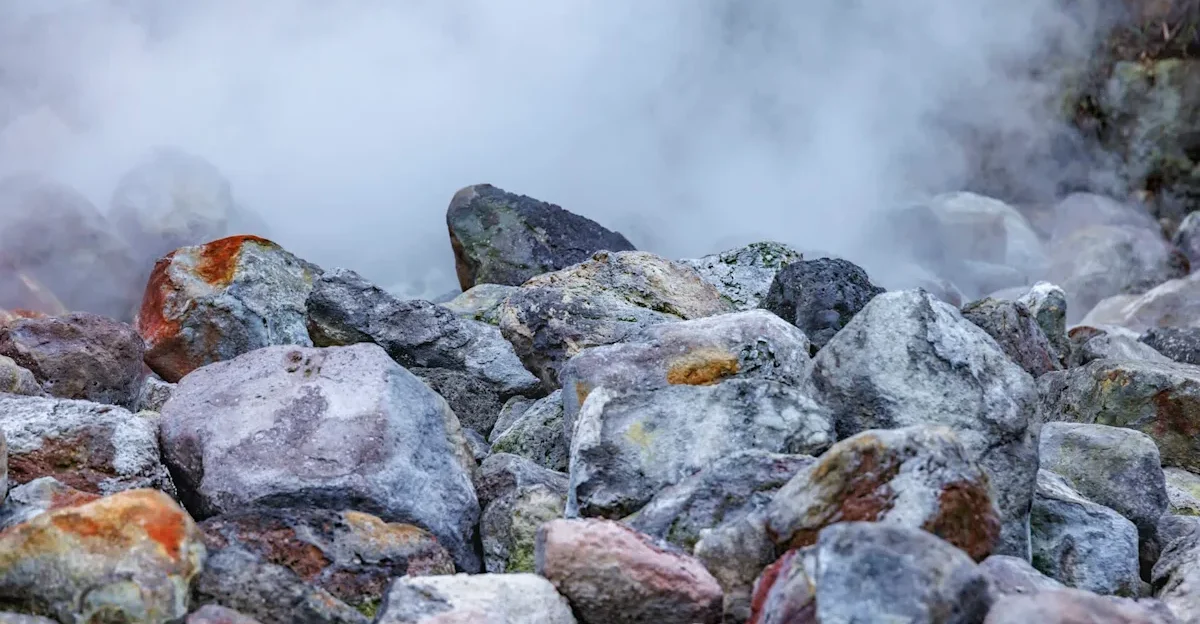
Mazama targets electricity costs below 5 cents per kilowatt-hour, competitive with natural gas. Superhot geothermal reduces water consumption by 75% compared to conventional plants.
A 750°F well generates electricity for 25,000 homes using dramatically less water. This efficiency proves critical in water-stressed regions. Geothermal offers sustainable long-term energy production.
Meeting AI and Data Center Demand

Data centers and AI applications drive unprecedented electricity consumption growth globally. Unlike intermittent solar and wind, geothermal provides continuous 24/7 baseload electricity.
Mazama targets hyperscale data centers needing uninterrupted power. Major energy buyers increasingly seek reliable clean baseloads for sustainability commitments. Geothermal’s dispatchable nature provides guaranteed uptime for data centers.
Global Geothermal Potential
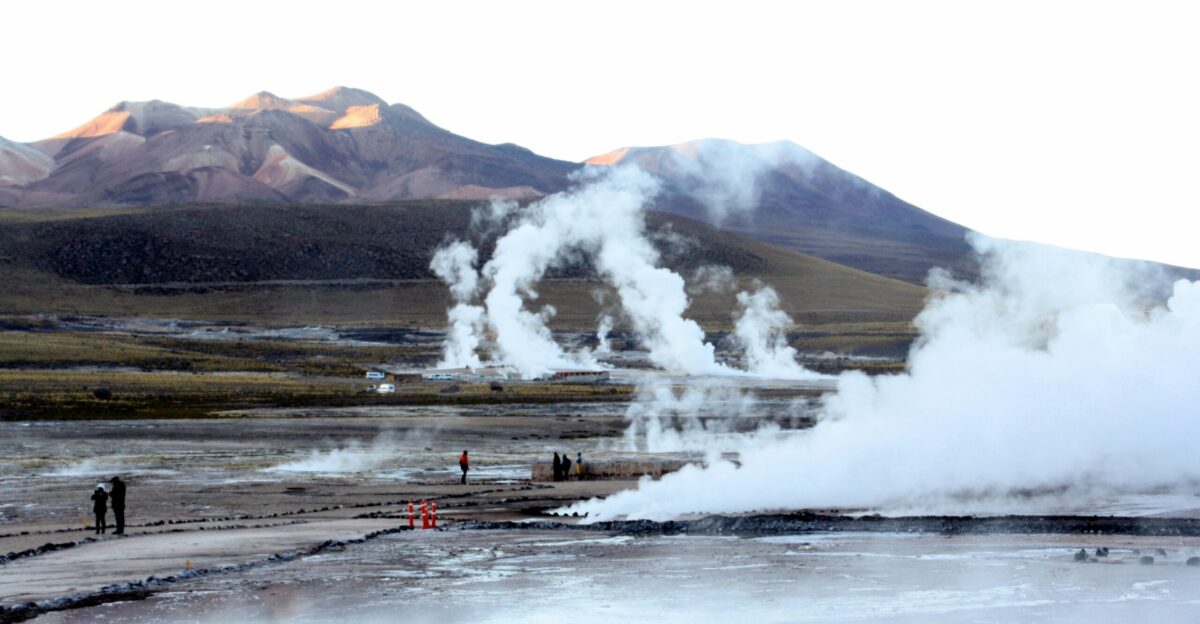
The 2025 USGS assessment found Enhanced Geothermal Systems in the Great Basin could yield 135 gigawatts from the upper 6 kilometers of Earth’s crust.
This provisional resource potential equals approximately 10% of current U.S. electricity demand, assuming successful commercialization. USGS notes technological improvements could increase estimates ten times, though uncertainty remains.
Global Geothermal Potential: Continental and International Scale
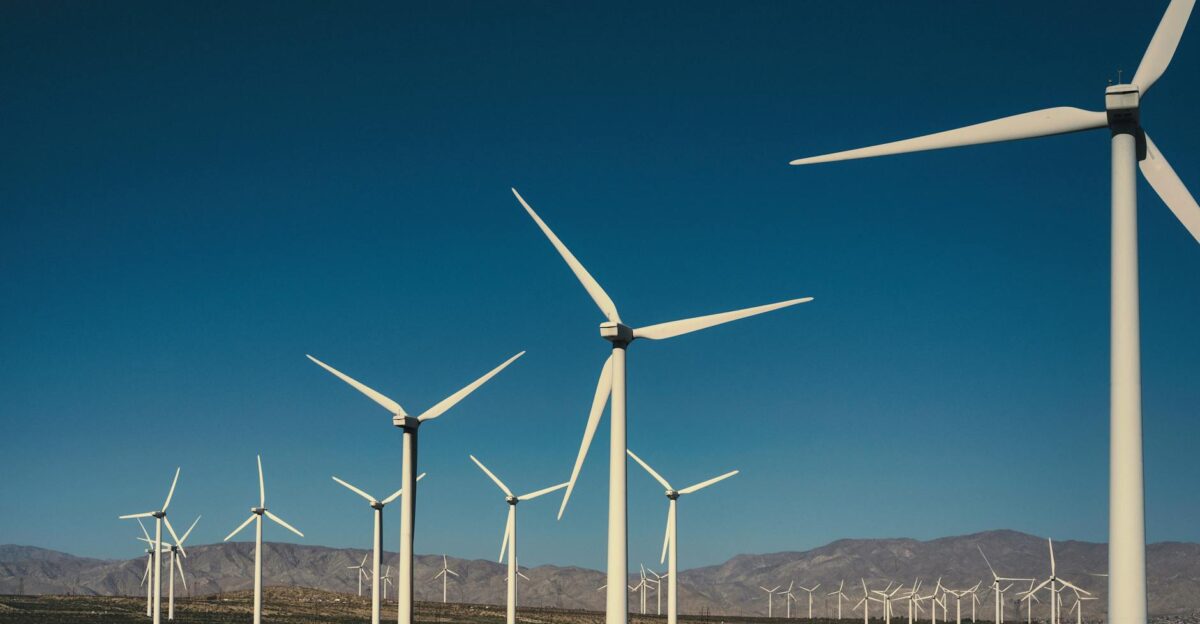
A 2024 Nature study estimated EGS across the contiguous U.S. at 1-7 km depths could theoretically generate 309 times 2023 U.S. power consumption of 4,014 TWh. However, this represents long-term potential over decades, not near-term capacity.
The International Energy Agency projects geothermal could supply 8% of global electricity by 2050.
Opportunities Beyond Oregon
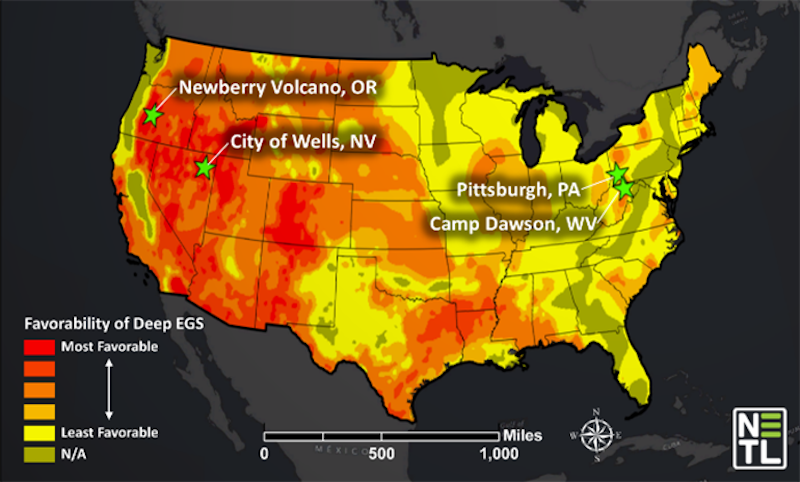
High-capacity geothermal locations exist throughout the United States beyond Newberry, including Yellowstone and Great Basin. Volcanic and thermally active zones across western states contain substantial resources.
Similar development could replicate at multiple sites once Newberry proves commercially viable. International applications extend to Iceland, New Zealand, and tectonically active regions. Newberry creates a replicable model for unlocking global resources.
Engineering Innovation and Safety

Mazama pioneered innovative engineering solutions for extreme subsurface conditions. Directional drilling achieved a peak penetration rate of 100 feet per hour, with bit runs of 2,760 feet. High-temperature materials withstand previously destructive conditions.
Proprietary stimulation interconnected two wells in a full-scale EGS demonstration. Zero lost-time incidents prove extreme-environment geothermal development maintains rigorous safety standards.
Environmental and Climate Benefits
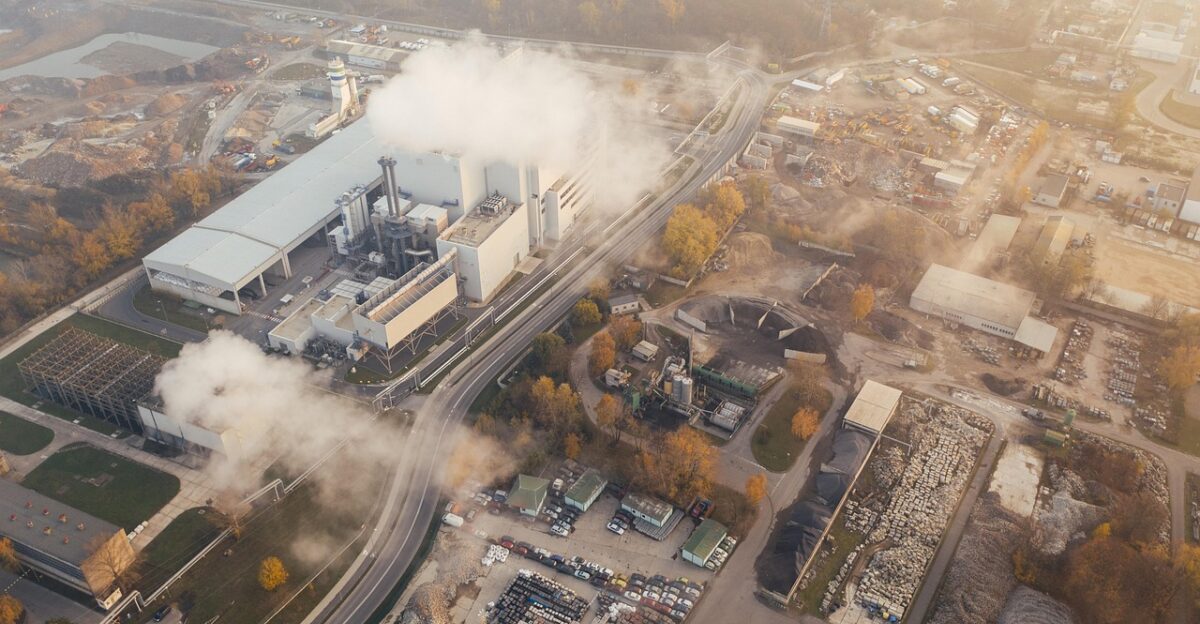
Geothermal produces zero greenhouse gas emissions during electricity production. Unlike fossil fuel plants, facilities operate without combustion, eliminating air pollutants. Closed-loop water systems minimize environmental impact versus conventional cooling towers.
Thermal pollution remains negligible from deep underground reservoirs. Climate benefits, combined with economic advantages and reliability, provide a compelling justification for investment.
Industry Support and Path Forward
Khosla Ventures and Gates Frontier support Mazama, recognizing the transformative potential of superhot geothermal. Industry leaders emphasize that solving high-temperature engineering challenges remains critical.
Mazama’s 2026 pilot could catalyze similar projects at geographically diverse locations. As electricity demand from data centers and AI rises, reliable baseload becomes critical. Achieving a supercritical status of 750°F will determine whether geothermal energy reaches the 5-100 GW scale.