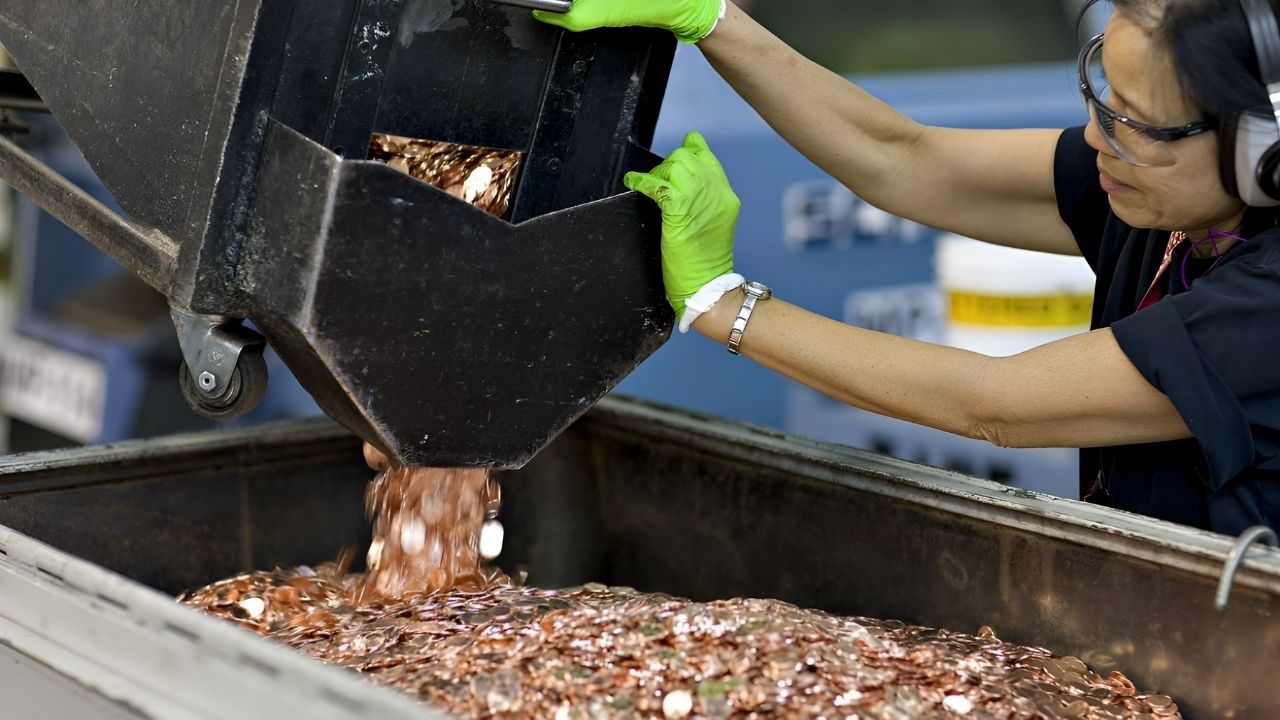
On November 12, 2025, the U.S. Mint in Philadelphia pressed its final circulating penny, closing the book on a 232-year-old American tradition. The decision to end penny production, rooted in mounting fiscal losses and shifting economic realities, marks a profound change for consumers, businesses, and the nation’s sense of monetary identity.
Why the Penny Was Retired
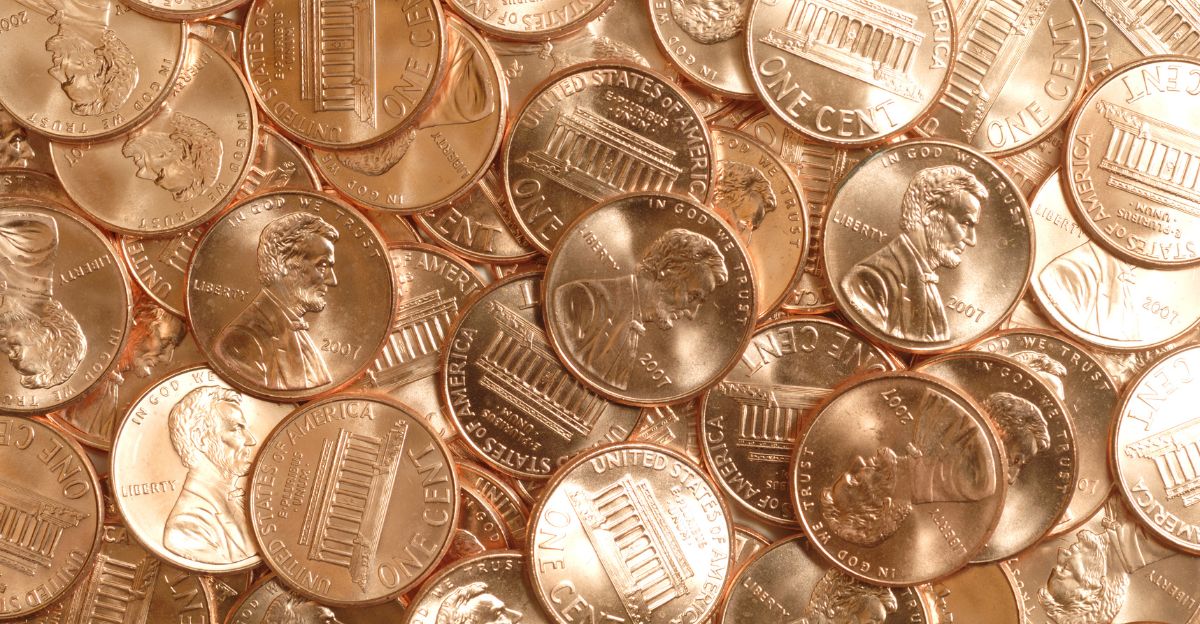
The penny’s demise was driven by unsustainable economics. In 2024, the Mint spent $85.3 million more producing pennies than their face value, with each coin costing 3.69 cents to make—almost three times its worth. Production costs for pennies, driven by rising metal prices and manufacturing expenses, had surged approximately 160% over the past decade, making continued production a costly burden. After years of debate, officials concluded that halting the penny would save the government nearly $56 million annually. The move follows a global trend, as countries like Canada and Australia have already retired their lowest-denomination coins.
Everyday Changes for Consumers

While pennies remain legal tender, Americans will soon notice their gradual disappearance from daily life. As existing coins wear out, cash transactions will round to the nearest nickel, subtly altering the checkout experience. For many, the familiar clink of pennies in wallets, jars, and change trays will fade, leaving behind what are essentially miniature “penny banks” in households across the country. With nearly 1,000 pennies per American still in circulation, the transition will be gradual, but unmistakable.
Retailers and Rounding Rules
Businesses are moving quickly to adapt. Retailers are updating point-of-sale systems to handle rounding for cash transactions, while electronic payments will continue to be processed to the exact cent. Grocery stores, fast-food chains, and other retailers are prioritizing clear signage and staff training to minimize confusion. The shift also challenges long-standing pricing strategies, such as ending prices in 99 cents, which have shaped consumer psychology for decades. Most businesses expect only minor adjustments, but all recognize the need for transparent communication with customers.
Ripple Effects Across Industries

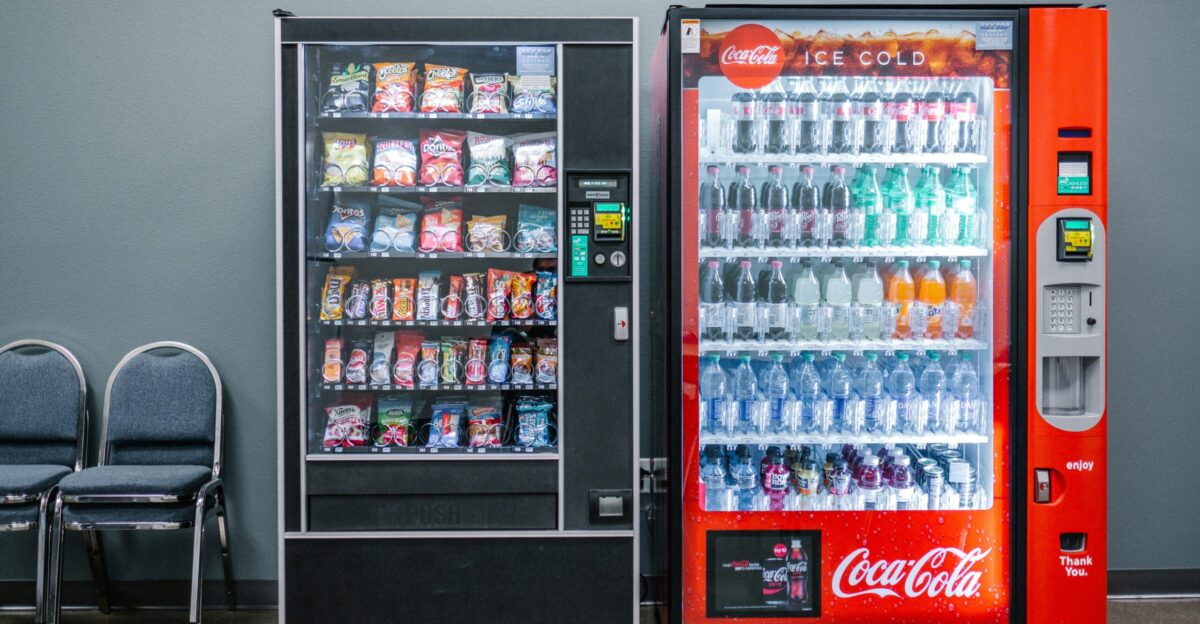
The end of the penny is prompting changes beyond the checkout counter. Banks, vending machine operators, laundromats, and other coin-dependent businesses are preparing for increased demand for nickels and dimes. The U.S. Mint is adjusting its production schedules accordingly, while continuing to offer limited-edition pennies for collectors. Coin-handling industries, from armored transport to coin-counting services, are reassessing their operations, with some investing in “penny-free” upgrades for cash terminals. Meanwhile, digital payment providers see new opportunities as the shift away from physical coins accelerates the broader move toward cashless transactions.
Looking Ahead: Cultural and Economic Implications
The penny’s retirement is more than a cost-cutting measure—it’s a cultural milestone that stirs both nostalgia and debate. Some Americans mourn the loss of Lincoln’s coin, a symbol of childhood piggy banks and lucky finds. Others welcome the environmental benefits of eliminating a coin that required significant mining and transportation resources. Economists largely agree that rounding will have minimal impact on inflation, as most transactions are now digital and rounding tends to balance out over time. However, the move has sparked new discussions about the future of other coins, such as the nickel, which also costs more to produce than its face value.
As the U.S. adapts, the world is watching. International observers are curious to see how the transition unfolds in the world’s largest economy, and whether it will inspire similar reforms elsewhere. For now, Americans are encouraged to spend, roll, or deposit their pennies, as banks will continue to accept them indefinitely. The Mint will monitor coin demand and consider further reforms as the nation’s relationship with physical currency evolves.
The end of the penny marks a turning point in American commerce and culture. As the country moves further into a digital era, the disappearance of its smallest coin signals a broader rethinking of what money means—and how it’s used—in everyday life.