
After nearly 40 years of operation, the Jones family’s Mackey’s Ferry Sawmill in Roper, North Carolina, closed its doors following the sudden impact of new U.S. tariffs and swift retaliation from China. The decision to close, made on July 1, 2025, left 50 workers without jobs in a region where manufacturing opportunities are scarce. The closure was not the result of mismanagement or dwindling demand, but rather the direct consequence of trade policy decisions that devastated a rural community built on timber.
Liberation Day Tariffs Announced

On April 2, 2025, President Trump announced sweeping new tariffs in a Rose Garden ceremony, declaring the date “Liberation Day” and promising a new era of “economic independence”. The policy imposed a 10% baseline tariff on imports from nearly all countries beginning April 5, with additional country-specific “reciprocal” tariffs ranging between 11% and 50% scheduled to begin April 9.
China, the largest buyer of American hardwood, retaliated aggressively. According to trade records, reciprocal tariffs on American hardwood reached as high as 125%. This move effectively shut American producers out of their primary export market. Prior to the tariffs, China had been taking approximately 50% of all U.S. hardwood grade lumber exports, making it the largest single export destination for American hardwood.
For mills like Mackey’s Ferry, which exported 70 to 80% of its production to Asia, the loss of the Chinese market was catastrophic.
A Sawmill Owner Caught Between Policy and Practice
Wilson Jones, a sixth-generation lumberman, had voted for Trump in all three recent elections. When the Liberation Day tariffs were announced on April 2, 2025, Jones found himself facing consequences he had not anticipated. “Liberation Day it did,” Jones told Bloomberg. “At the time it had damn near liberated me from our business…I’m bitter about that.”
When the tariffs hit, Mackey’s Ferry had approximately $500,000 worth of premium lumber already en route to China. Bringing the shipments back was not an option; reverse freight costs were prohibitively high. In a desperate attempt to salvage the business, Jones rerouted shipments to Vietnam, where buyers typically purchase lower-quality wood. The result was devastating—about a third of their overall business revenue disappeared.
Decades of Adaptation and Modernization
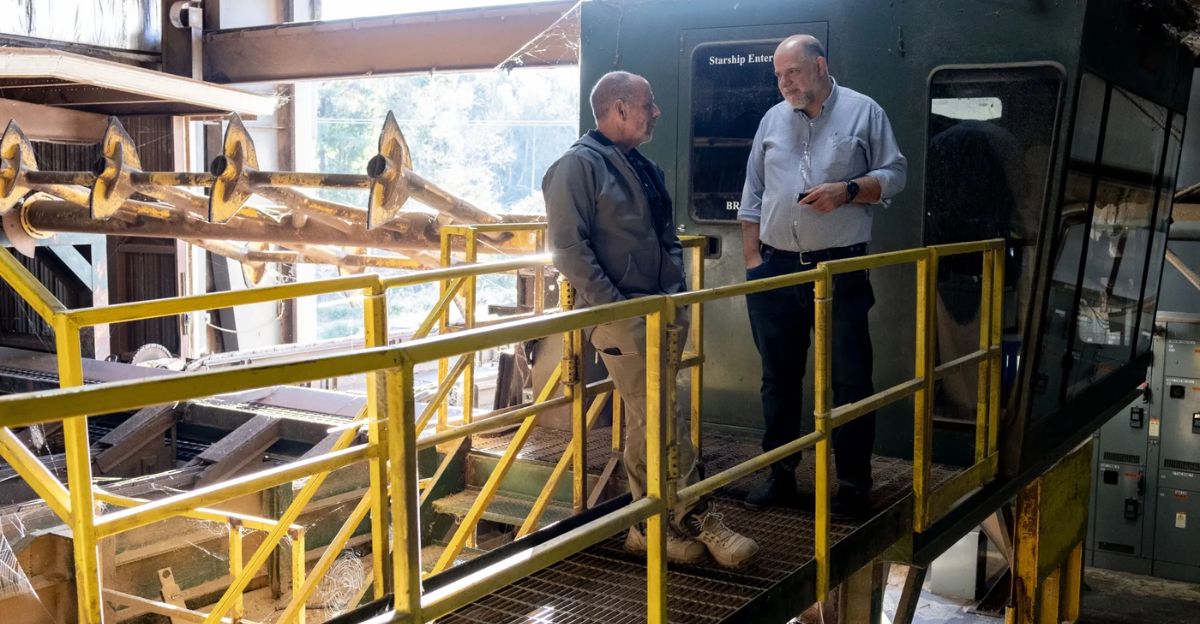
The Jones brothers, Wilson and Steven, acquired Mackey’s Ferry in the 1980s and invested heavily in modernization. The business itself traces back much further. The Jones family had been in the lumber business in North Carolina going back nearly 150 years, with roots to the 1880s.
Under the Jones brothers’ ownership, they expanded to operate two mills employing 130 people across northeast North Carolina. Mackey’s Ferry alone provided stable, family-wage jobs for more than 40 workers who had been with the company for at least a decade. For many, these were not just jobs but careers that supported entire families in a region with few alternatives.
The Human Impact
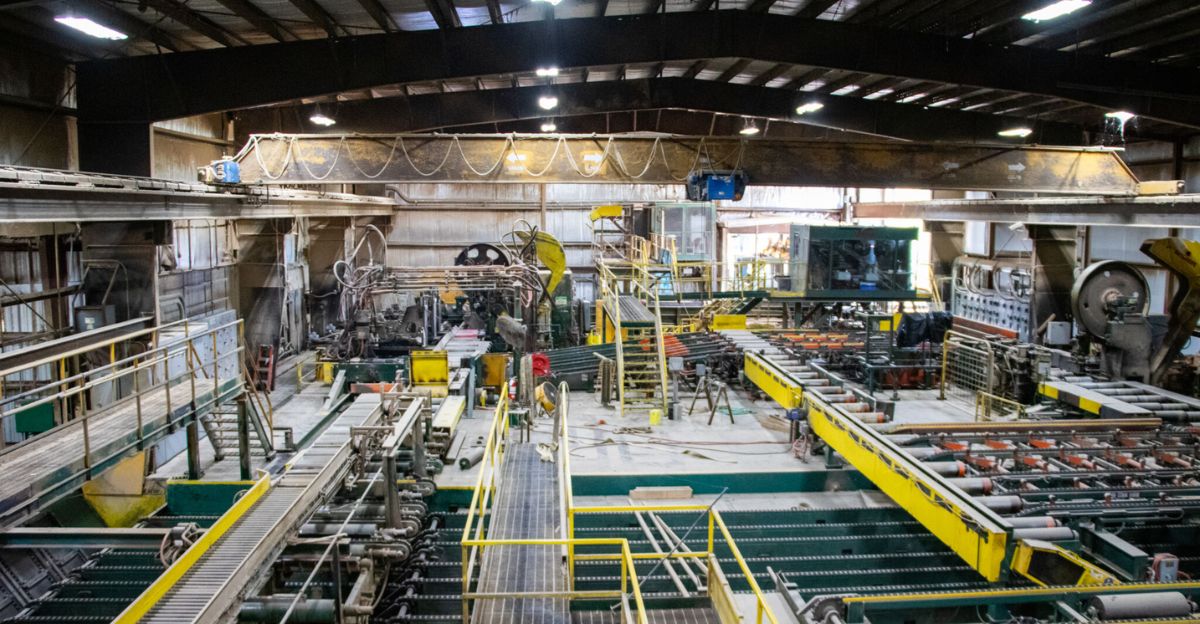
The closure rippled through Washington County. While Jones offered positions at his Elizabeth City plant 60 miles away, only about 10 out of the original 50 workers took him up on the offer. For the rest, the loss meant not just unemployment, but the disappearance of a way of life.
The final shipment of lumber, prepared for Asian customers, remains unsold—a stark symbol of broken supply chains and lost opportunity. Speaking to Bloomberg, Jones expressed his frustration: “I’d like to say what the heck are we doing here?”
To the Carolina Journal, he reflected on the deeper loss: “It’s taken 38 years of my time, effort, and life inside and outside from me. I’m not talking about money, because I can think any independent lumberman would tell you that they are not in this industry to make money. They’re in it because they love it.”
A National Manufacturing Decline
The impact extended far beyond one family business. Between April and August 2025, the United States lost 42,000 manufacturing jobs overall—contradicting the administration’s promises of industrial revitalization. Across the country, hardwood mills that had reoriented toward export markets faced sudden market collapse.
The hardwood industry had already been damaged by previous trade conflicts. During Trump’s first term (2018-2020), retaliatory tariffs from China had devastated exports, with export demand plummeting almost overnight at that time. This new round of tariffs reopened those wounds for an industry still struggling to recover.
The Political Disillusionment
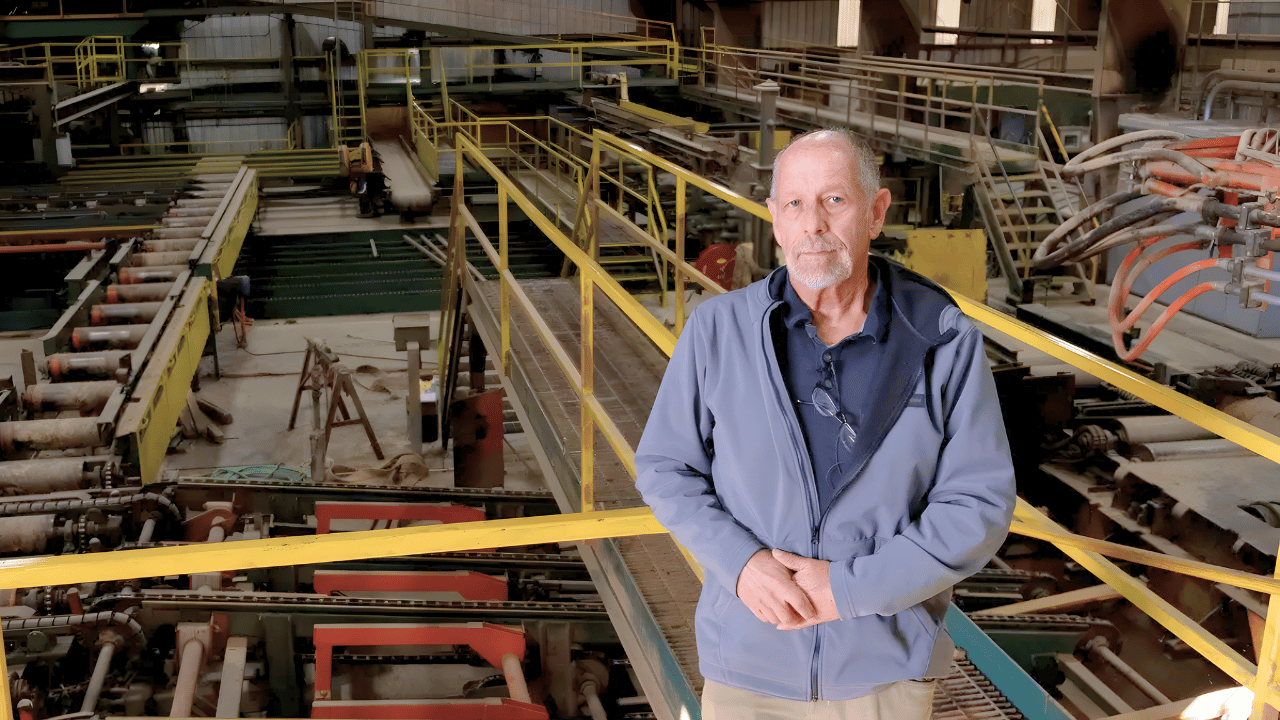
For voters like Wilson Jones who supported the administration’s policies, the experience proved disillusioning. Speaking to the Carolina Journal, Jones expressed his frustration with the approach: “I mean, at least when he [Trump] went out in western North Carolina, it looked like he genuinely cared. Come down here and look, and don’t just make blanket edicts because that’s the edict of the day.”
Looking Ahead
Trump’s “Liberation Day” tariffs were intended to protect American manufacturers from unfair foreign competition. Yet for Wilson Jones and his employees, the policy brought not liberation, but economic devastation. The story of Mackey’s Ferry Sawmill illustrates the complex and often unpredictable consequences of broad trade policy changes, particularly for rural communities dependent on global export markets. China remains the world’s largest hardwood importer, and the sudden tariff wall has left the American hardwood industry facing an uncertain future.