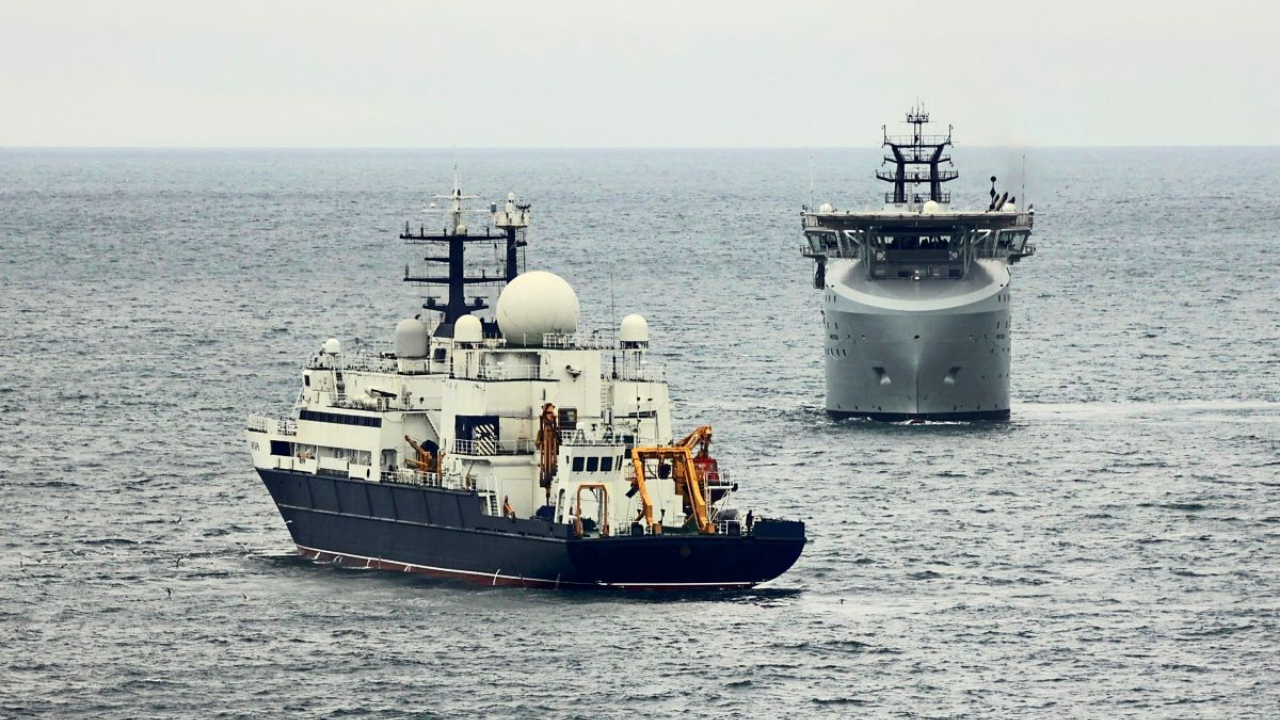
A flash of green light pierced the darkness over Scottish waters Wednesday night—but this wasn’t lightning or a signal flare. Russian operatives aboard a spy ship had just aimed military-grade lasers directly into the cockpits of British Royal Air Force pilots tracking their movements. The act was brazen, unprecedented, and deeply dangerous.
Defense Secretary John Healey made clear this crossed a line: Moscow had deployed weapons against allied aircraft for the first time in the intelligence war’s history. His warning to Vladimir Putin was unambiguous—the UK now had military options on the table.
What Is the Yantar, and Why Is It So Feared?
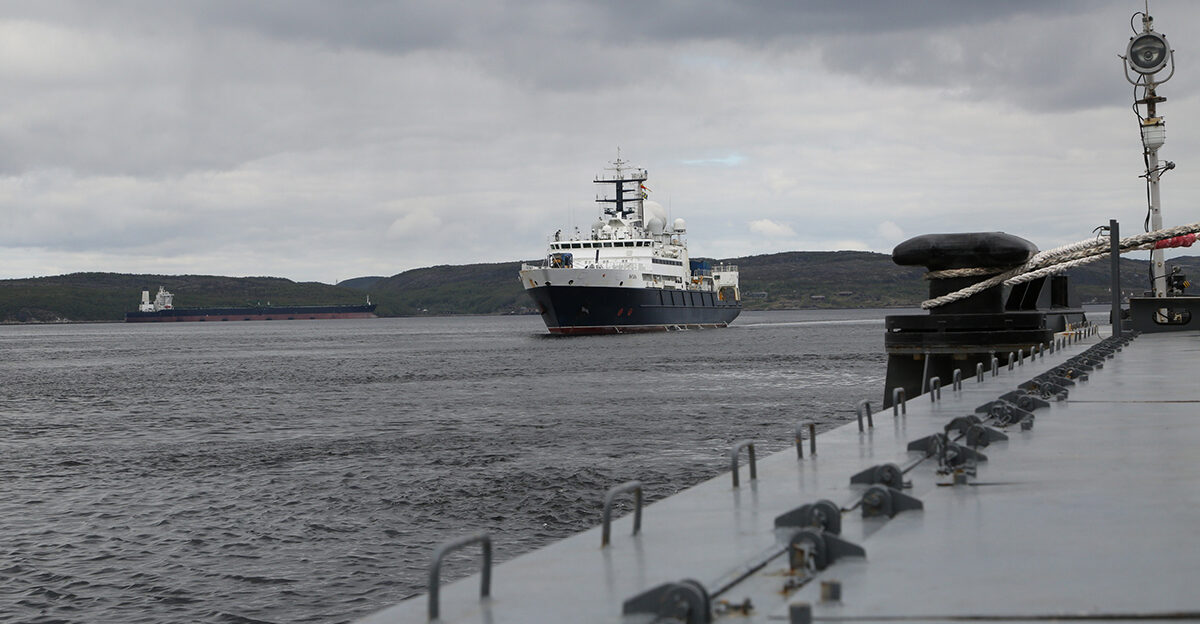
The Yantar isn’t just another Russian naval vessel. It belongs to GUGI—the Main Directorate of Deep Sea Research—a secretive unit that operates in the shadows of the world’s oceans. According to Britain’s Ministry of Defence, the ship is “used for gathering intelligence and mapping undersea cables,” equipped with advanced sensors and crewed submersibles that can descend to crushing depths.
What makes Western officials lose sleep? Those undersea cables carry NATO’s communications, the world’s financial transactions, and military command signals across the Atlantic.
RAF Pilots Targeted During Routine Surveillance
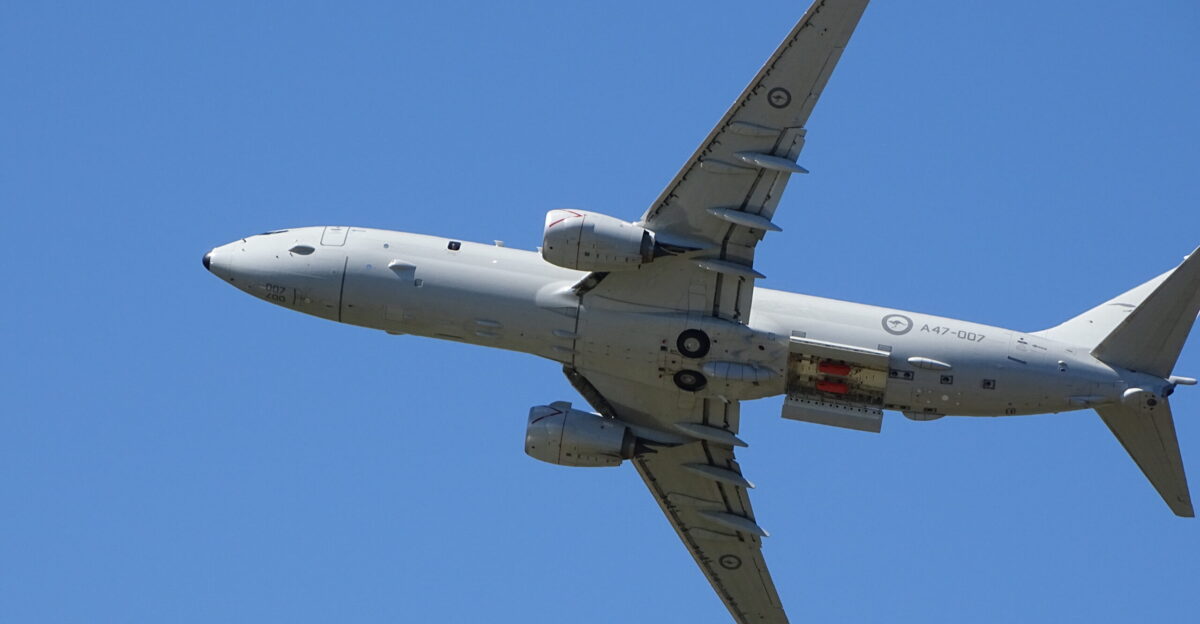
The attack unfolded as Royal Air Force P-8 Poseidon maritime patrol aircraft shadowed Yantar’s movements through British waters off Scotland. Defense Secretary Healey confirmed the Russian crew “directed lasers at our pilots” during what should have been standard surveillance.
Imagine a camera flash going off in your face while driving at night—now imagine that flash is a concentrated laser beam and you’re piloting a multi-million-dollar aircraft at altitude.
Britain’s Defiant Message: “We See You. We Know What You’re Doing”
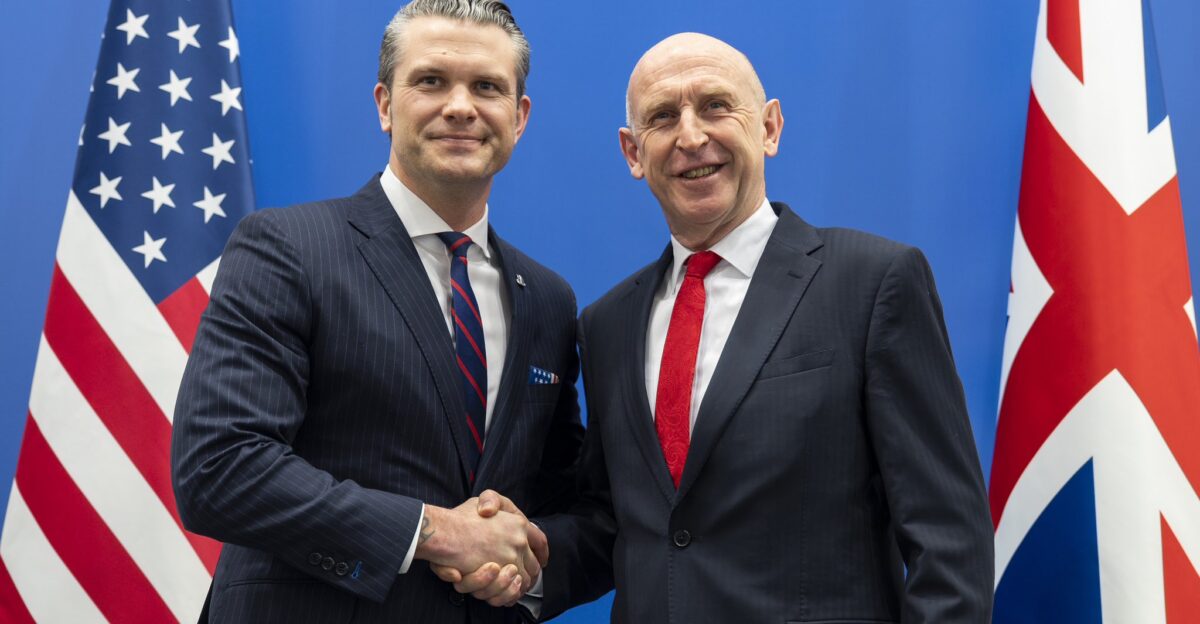
Healey didn’t mince words when he stood before Parliament. His message was crafted for one audience—Vladimir Putin. “We see you. We know what you are doing. And if the Yantar travels south this week, we are ready,” he declared. But this wasn’t just tough talk.
Britain immediately changed its naval rules of engagement, authorizing Royal Navy vessels to track the Yantar at distances as close as a football pitch when it enters UK territorial waters. The gloves had come off.
Military Options Now on the Table

When pressed for specifics about those military options, Healey chose his words with surgical precision. “We have military options ready should the Yantar change course. I am not going to reveal those because that only makes President Putin wiser,” he stated.
Read between the lines: Britain was openly signaling military readiness to confront a Russian espionage vessel—not in a war zone, but in the grey waters of peacetime intelligence operations. It marked the first time a NATO defense minister had explicitly threatened armed response to surveillance activity.
Yantar’s Shadow Campaign
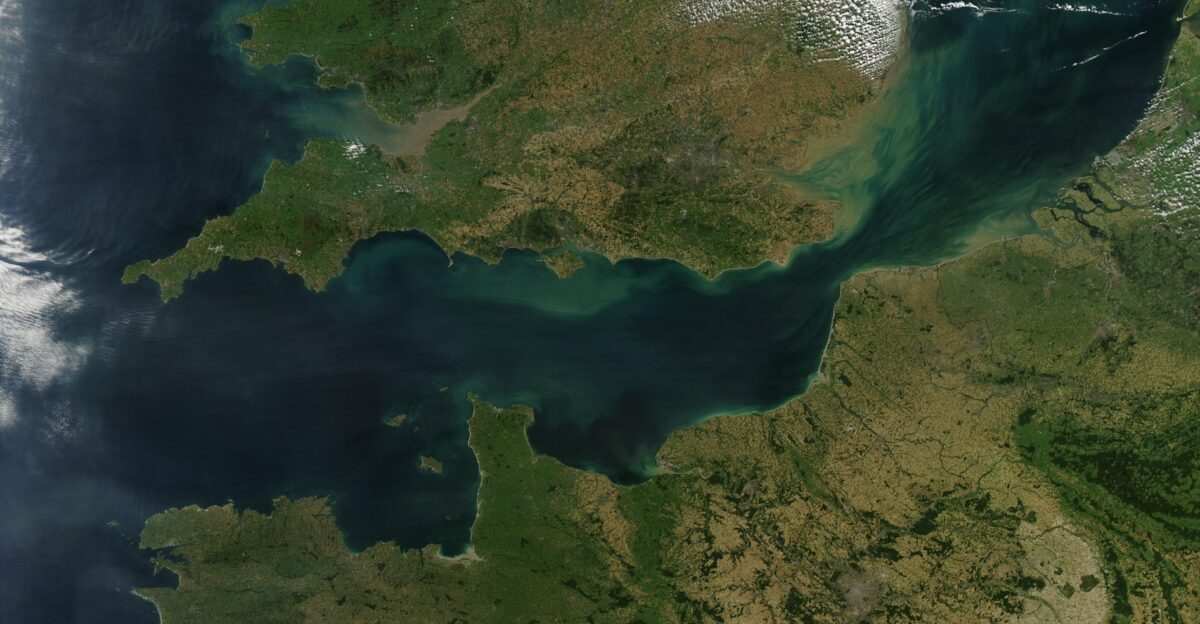
The laser incident wasn’t an isolated provocation—it was the latest escalation in a months-long campaign. In January 2025, Britain monitored the Yantar as it transited the English Channel and North Sea, lingering near critical subsea cable routes and prompting warnings from Healey.
Earlier in November, the Dutch Navy physically escorted the vessel out of North Sea waters after it approached their territorial boundaries. Meanwhile, the U.S. Coast Guard tracked a related Russian intelligence ship lurking just off Hawaii in October.
The Undersea Infrastructure Target
Here’s what makes the Yantar’s mission so chilling: the vast network of underwater fiber-optic cables it’s hunting carries 99% of transcontinental data traffic. Every email between New York and London, every financial transaction between Wall Street and Frankfurt, every encrypted military communication between Washington and Brussels—all of it flows through those cables.
A single severed cable can black out communications across entire regions. NATO officials believe Moscow is preparing the battlefield—identifying where to cut when war escalates.
A Dangerous Precedent Set
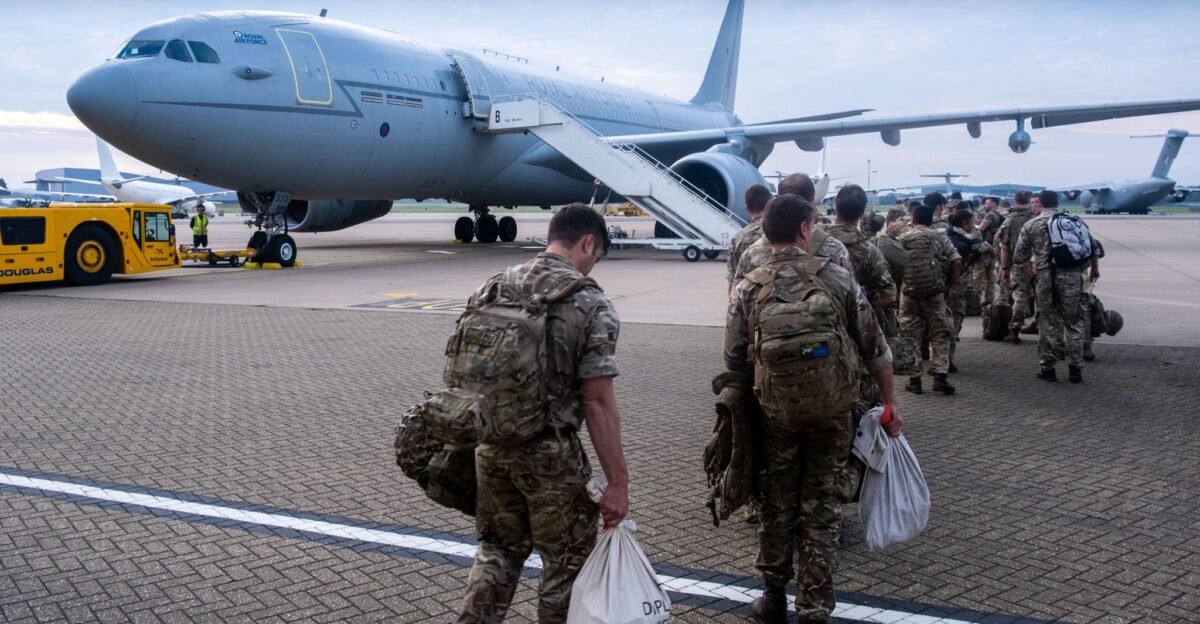
Healey emphasized a detail that military analysts found deeply troubling: this was the Yantar’s second deployment to UK waters in 2025, but the first involving direct action against RAF personnel. “This is the first time we’ve had this action from Yantar directed against the British RAF,” he told Parliament. “We take it extremely seriously.”
Russia wasn’t just testing Britain’s detection capabilities anymore—it was probing NATO’s red lines.
Russia’s Denial and Dismissal

Predictably, Moscow’s Embassy in London dismissed the entire incident as British hysteria. In a statement dripping with contempt, the embassy declared that “endless accusations and suspicions only cause a smile” and flatly denied any interest in British underwater communications.
It’s the same script Russia has read throughout its shadow war against the West—categorical denials in the face of photographic evidence, radar tracking data, and eyewitness accounts. But this time, the denials rang hollow. Britain had changed its rules of engagement.
Trump and Putin’s Hidden Peace Plan

But as Britain processed the laser attack, an even bigger bombshell detonated in the diplomatic world. The Trump administration, multiple sources confirmed, had been secretly drafting a 28-point peace plan for Ukraine in direct collaboration with Russia—entirely without Ukraine’s knowledge or participation.
Trump envoy Steve Witkoff and Russian negotiator Kirill Dmitriev had spent three days in Miami in late October hammering out a framework that would reshape Eastern Europe’s future.
Massive Territorial Concessions and Military Reduction

The leaked 28-point draft revealed staggering terms. Ukraine would be required to cede the entirety of Crimea, as well as Luhansk and Donetsk, to Russia—even though Kyiv still controlled roughly a third of the Donetsk territory.
Ukraine’s military, currently at 880,000 troops defending against ongoing Russian aggression, would be slashed to 600,000—a more than 30% reduction that Western military analysts warned would leave the nation defensively crippled. Ukraine would be permanently barred from joining NATO, and elections would be mandated within 100 days.
Zelensky Left in the Dark

When the plan leaked to the press, President Volodymyr Zelensky and Ukrainian officials learned they’d been systematically excluded from negotiations determining their nation’s future. Zelensky revealed Ukraine had received only “positions and signals” from the U.S.—not the full framework, not detailed terms, and indeed no seat at the table where those 28 points were drafted.
After U.S. Army Secretary Daniel Driscoll arrived in Kyiv on Wednesday for urgent consultations, Zelensky stated Ukraine would “work on the points of the plan.”
A White House Official’s Stunning Dismissal of European Allies
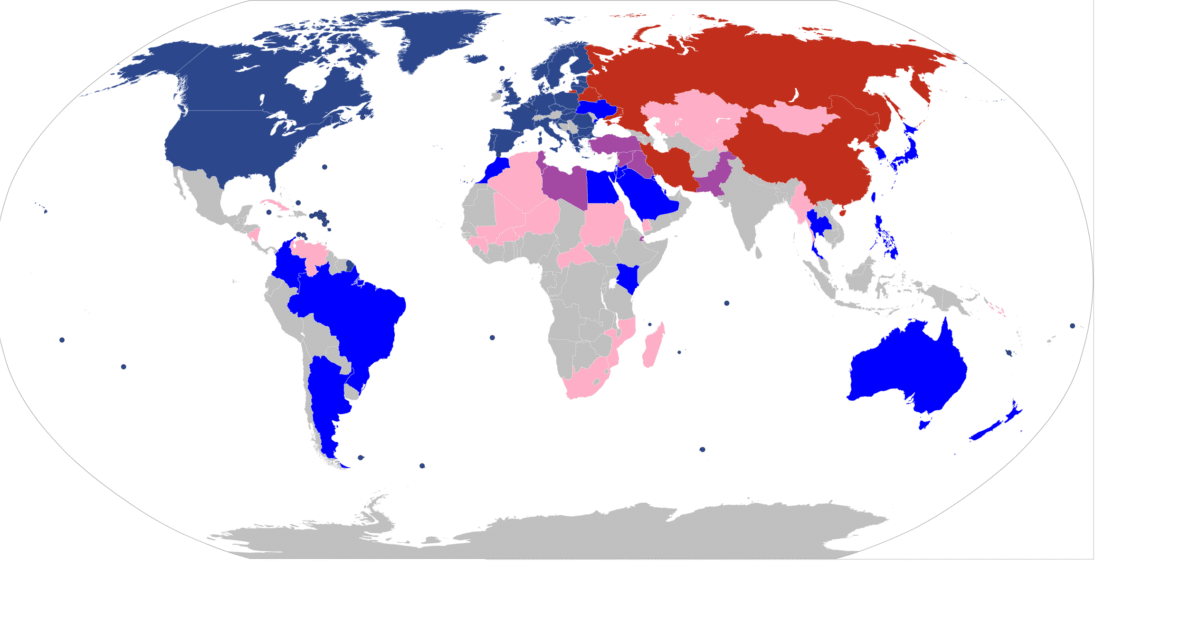
Perhaps most damaging to transatlantic relations was a single quote that revealed the Trump administration’s true calculus. An unnamed White House official told Politico in stark terms: “We don’t really care about the Europeans. It’s about Ukraine accepting.” The statement was breathtaking in its bluntness.
Not only had Ukraine been cut out of secret peace negotiations with its invader, but America’s oldest NATO allies—Britain, France, Germany, Poland—had been dismissed as irrelevant. The alliance that had anchored Western security for 75 years was being treated as an afterthought.
Pressure Mounts on Multiple Fronts

U.S. Army Secretary Driscoll, accompanied by four-star generals, arrived in Kyiv with what officials described as an “aggressive timeline” for Ukraine’s acceptance of terms. Meanwhile, Britain stands ready with military options should the Yantar continue its southward course.
The twin pressures—diplomatic and military—are converging on Ukraine from opposite directions. Russia tests NATO’s resolve with lasers while simultaneously exploiting American dealmaking to reshape Europe’s borders.
A World Order in Flux
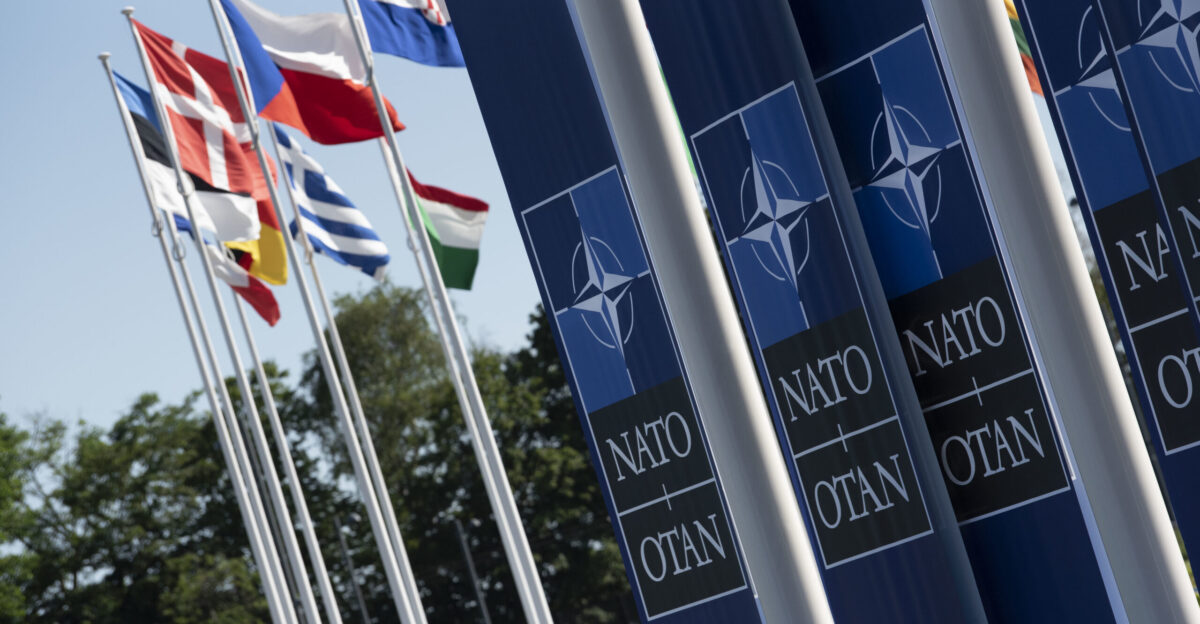
Two competing visions of the future are playing out simultaneously: America pursuing dealmaking with Russia at any cost, and Russia pursuing military escalation against NATO with increasing boldness—both games unfolding in shadowy undersea cables and secret diplomatic channels, far from public view.
Russia was testing NATO militarily while exploiting American diplomatic outreach to reshape Eastern Europe without consulting its allies. Britain warned it stood ready. Ukraine braced for mounting pressure. And the world watched to see whether the Western alliance would hold or fracture under the weight of competing interests and secret deals.