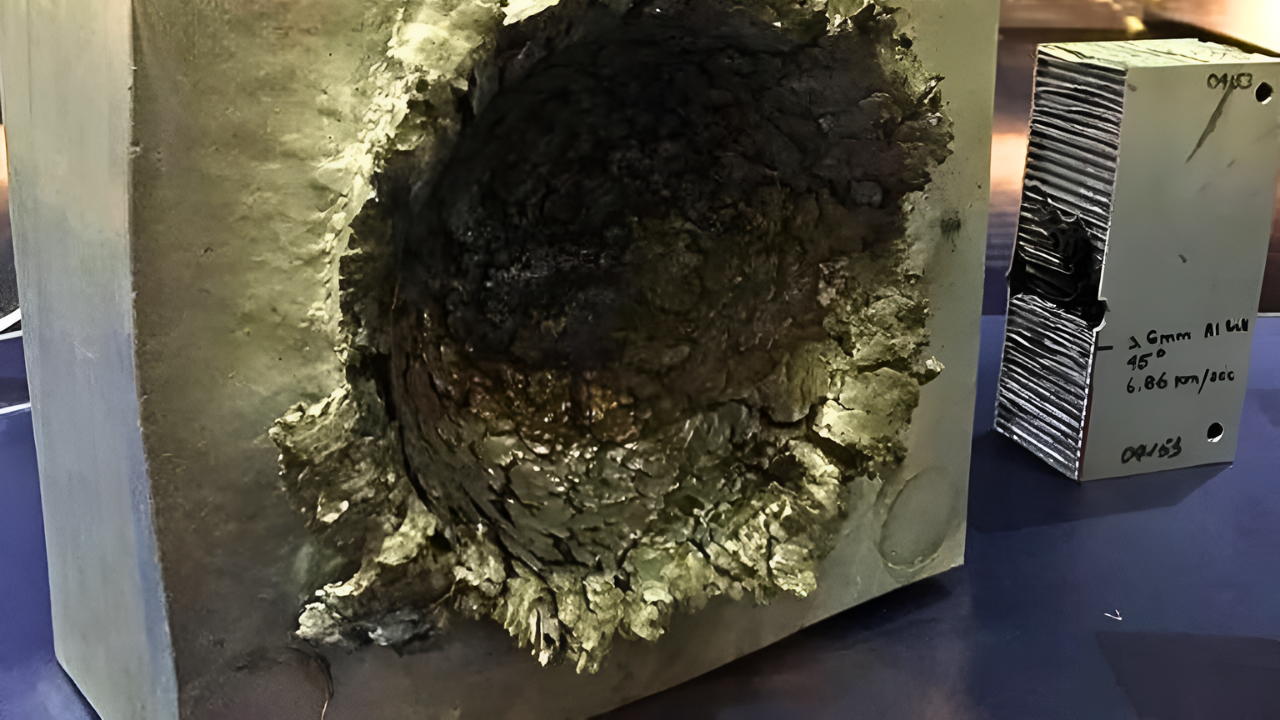
Something moving faster than anything NASA had anticipated struck the Stardust spacecraft with violent force, rattling sensors and leaving mission controllers stunned. The object was traveling at approximately 6.1 kilometers per second—nearly 13,650 miles per hour, or Mach 19.
According to NASA’s mission data, this was no ordinary micrometeoroid encounter. This was something extraordinary.
The Impact That Defied All Expectations
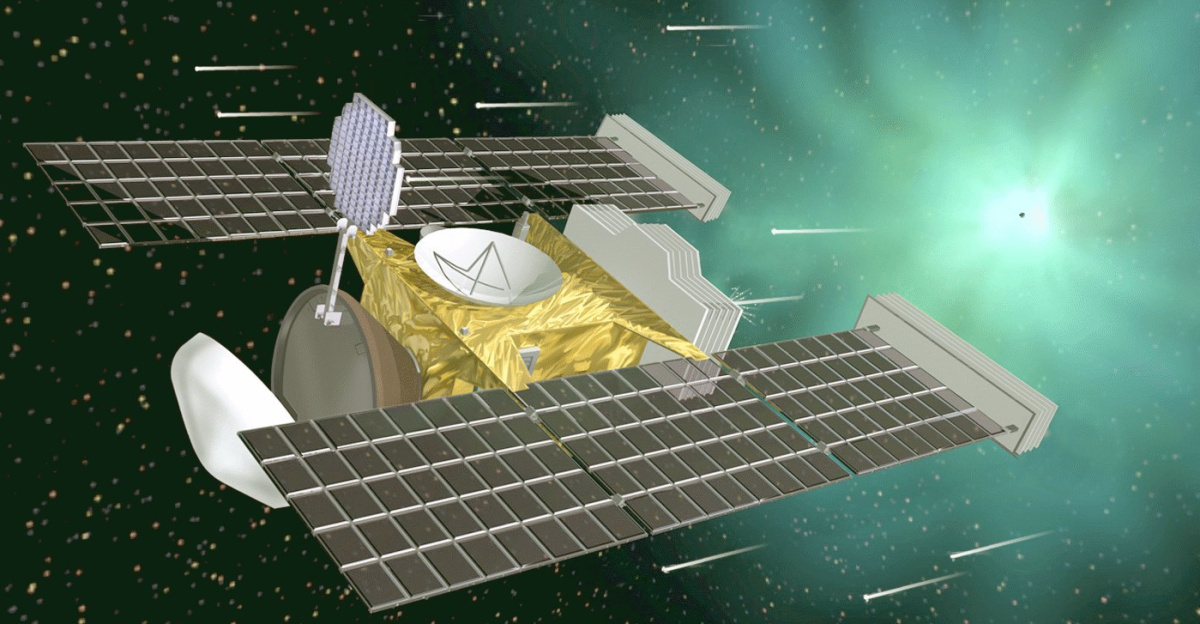
When Stardust’s instruments registered the collision, engineers knew immediately this was different. The velocity was staggering: 19 times the speed of sound, far exceeding the typical speeds of space debris.
As NASA scientists reviewed the telemetry, one fact became clear—their carefully calculated predictions had been dramatically wrong.
A Mission Launched Into The Unknown
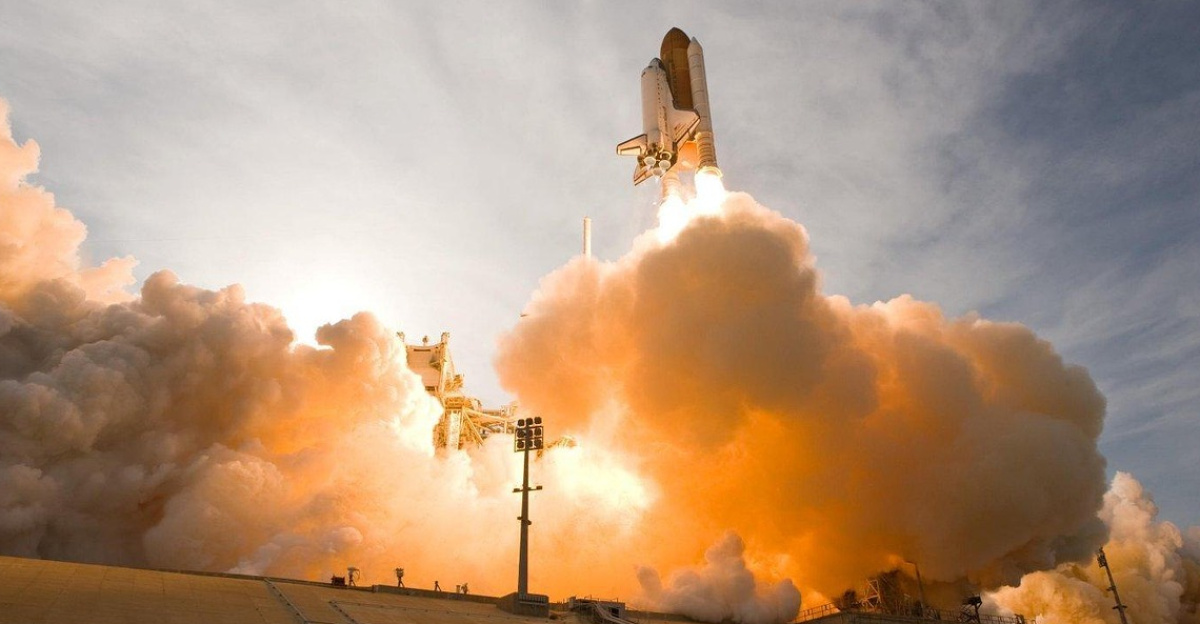
Stardust launched on February 7, 1999, with an audacious goal: fly to Comet Wild 2, capture particles from its dusty coma, and return them to Earth.
The mission planners knew they faced a terrifying challenge—catching particles moving at hypersonic speeds without destroying them in the process.
The Tennis Racket That Could Stop A Bullet
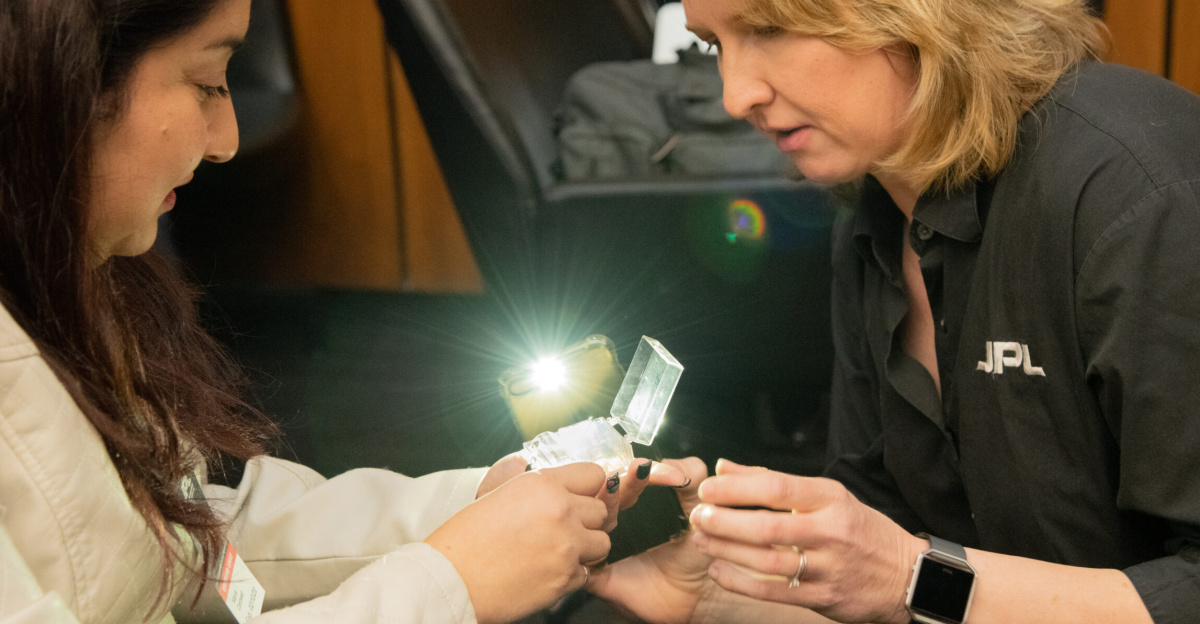
To capture particles screaming through space at over 23,000 kilometers per hour, NASA turned to an extraordinary material: aerogel. This ultra-light substance, composed of 99.8% air, appears like frozen smoke but possesses remarkable stopping power.
According to mission specifications, the aerogel collector measured the size of a tennis racket, ready to catch stardust traveling faster than bullets.
Closing In On Wild 2 At Breakneck Speed
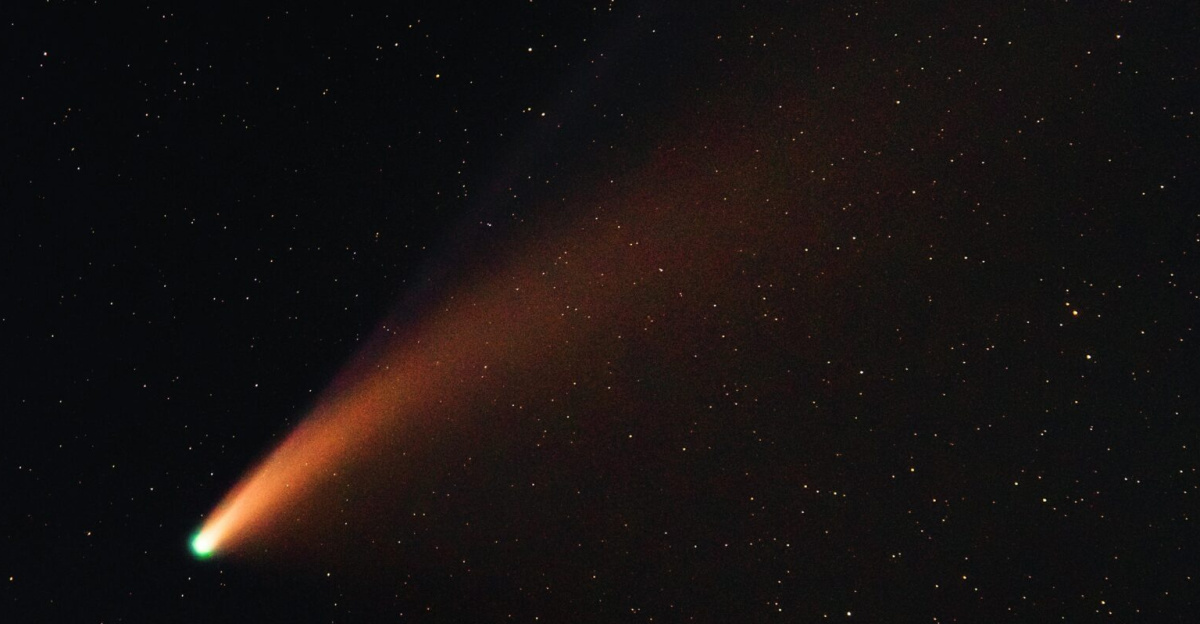
As Stardust approached the comet on January 2, 2004, the spacecraft hurtled through space at a relative velocity of 6.5 kilometers per second. According to NASA’s encounter timeline, the probe would pass within 236 kilometers of Wild 2’s nucleus, exposing its aerogel collector to the violent barrage of particles swirling around the ancient cosmic wanderer.
Listen To The Sound Of Hypersonic Bombardment
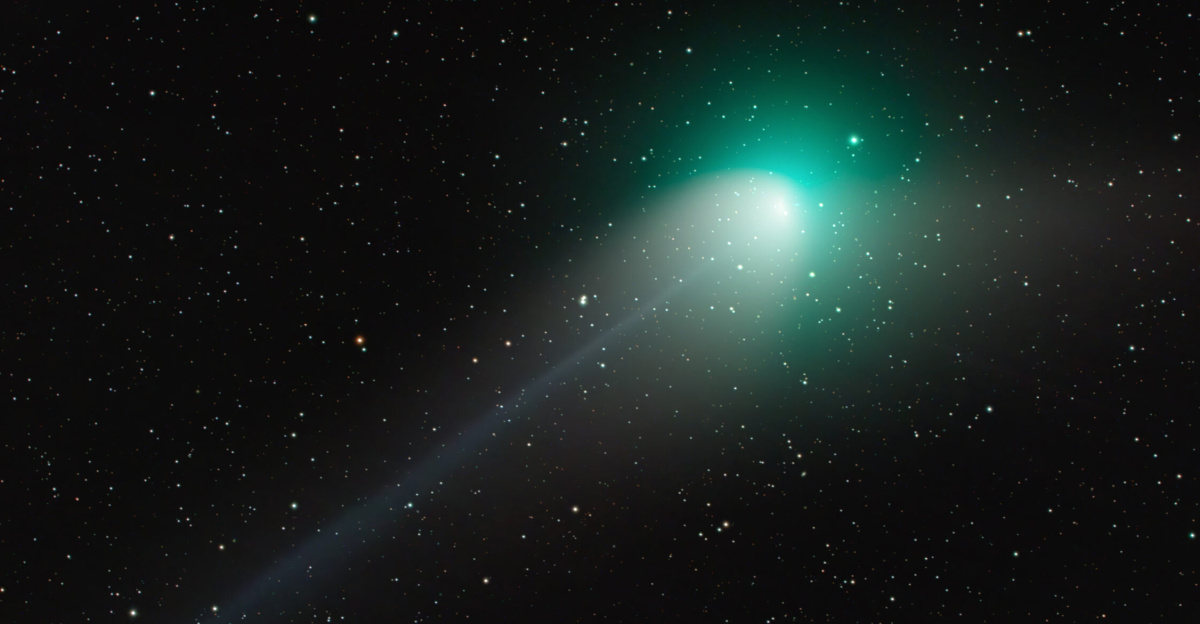
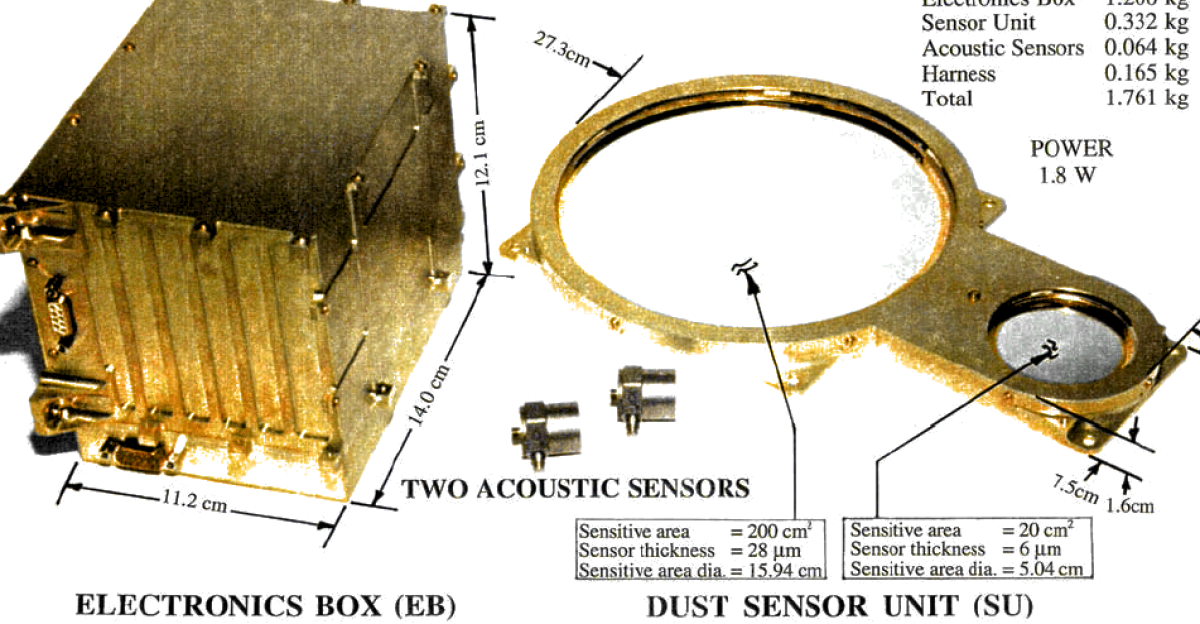
During the flyby, Stardust’s sensors captured the rapid-fire percussion of dust impacts—a staccato rhythm of particles striking the spacecraft at hypersonic velocities.
Mission audio recordings revealed the frequency and intensity of the bombardment, each ping representing material that had existed since the solar system’s birth 4.5 billion years ago.
Sensors Jolted By Unprecedented Violence
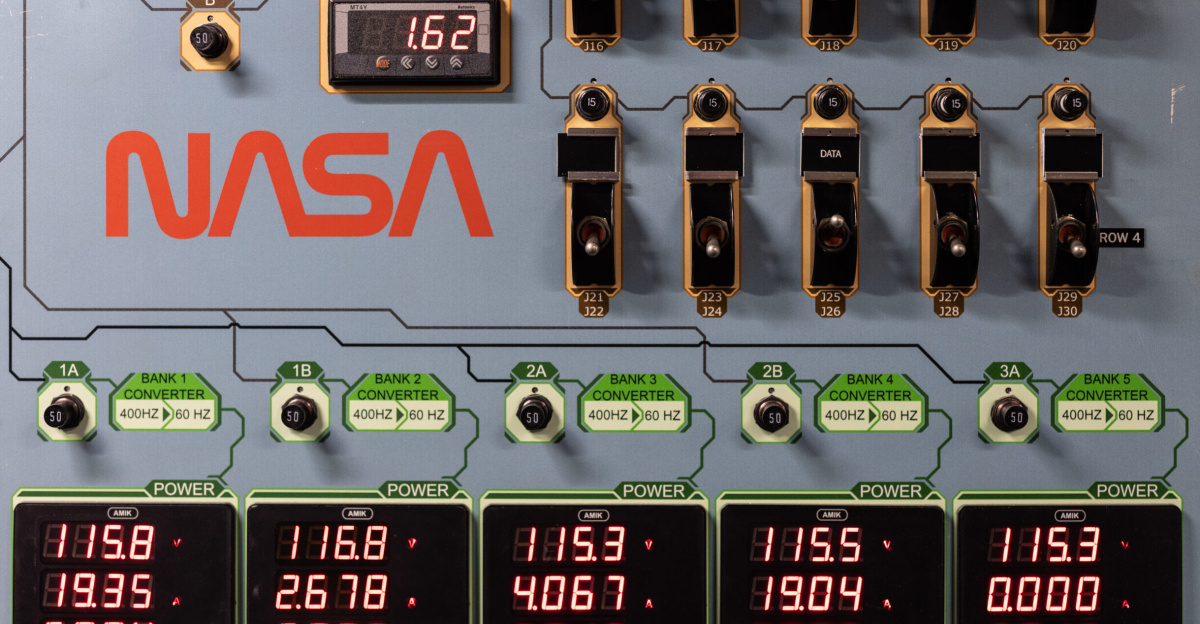
The impact data showed something mission engineers hadn’t anticipated. According to NASA’s published findings, sensor readings spiked with unusual sharpness, indicating collision speeds and energies beyond mission parameters.
The spacecraft’s instruments had detected one of the most extreme velocity encounters in NASA’s history of exploration.
The Danger Zone: When Speed Becomes Destruction
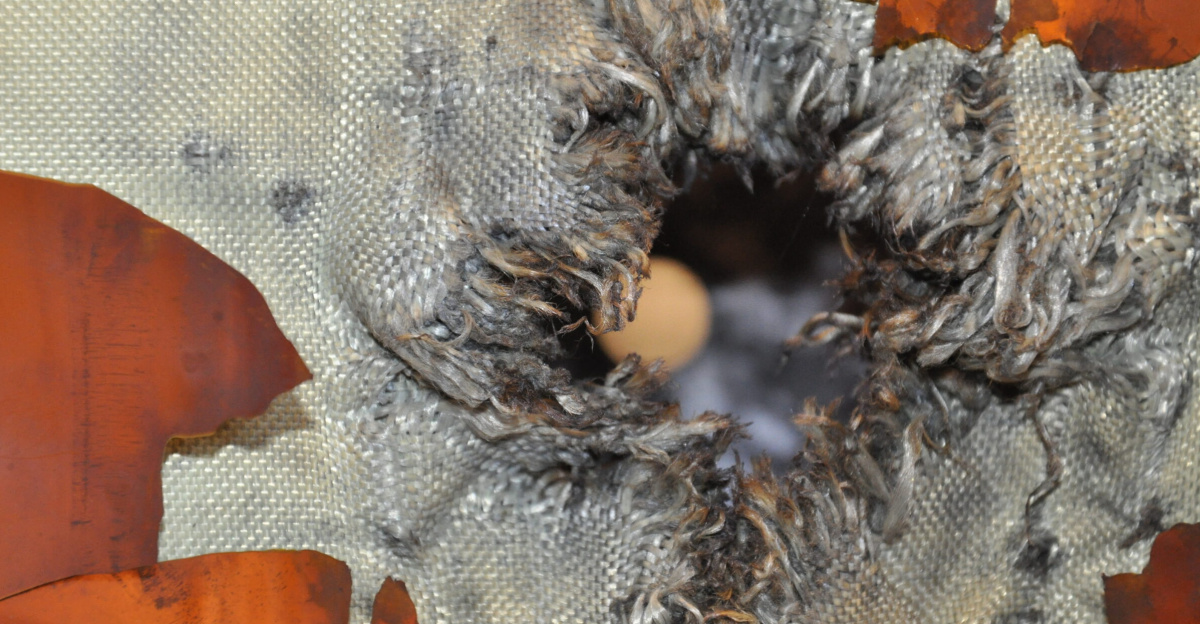
At hypervelocity speeds approaching Mach 19, even microscopic particles transform into devastating projectiles. According to space debris research, objects colliding at such velocities can vaporize on impact, releasing energies capable of punching through spacecraft shielding.
Stardust was designed to withstand micrometeoroid strikes, but this encounter tested those limits.
Aerogel: The Miracle Material That Caught Lightning
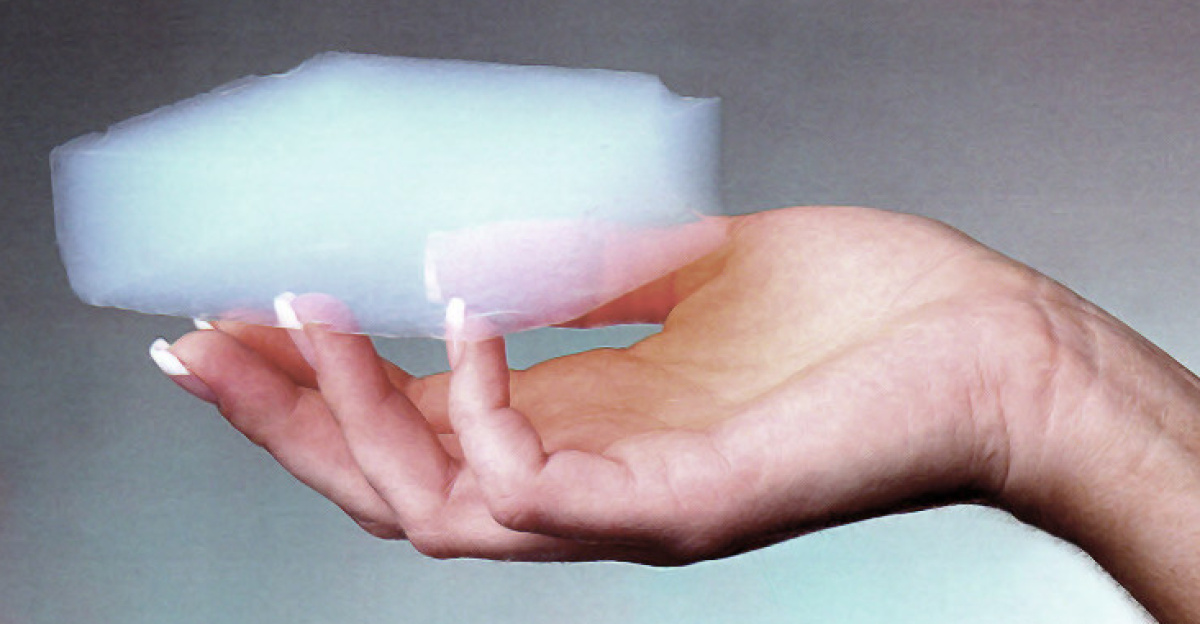
When hypersonic particles collided with Stardust’s aerogel blocks, something remarkable occurred. The silica-based material slowed them gradually over distance, preventing catastrophic deceleration.
According to mission scientists, particles created distinctive carrot-shaped tracks in the aerogel, allowing researchers to locate and extract each precious sample without shattering its ancient molecular structure.
The Mystery Object That Left Scientists Baffled

To this day, the exact nature of the object that struck Stardust at Mach 19 remains uncertain. Was it a rogue dust grain from Wild 2’s coma? An interstellar particle traveling through deep space?
According to NASA researchers, the extreme velocity suggested something unusual—perhaps material with an orbital trajectory far different from expected cometary debris.
Surviving The Cosmic Firing Squad
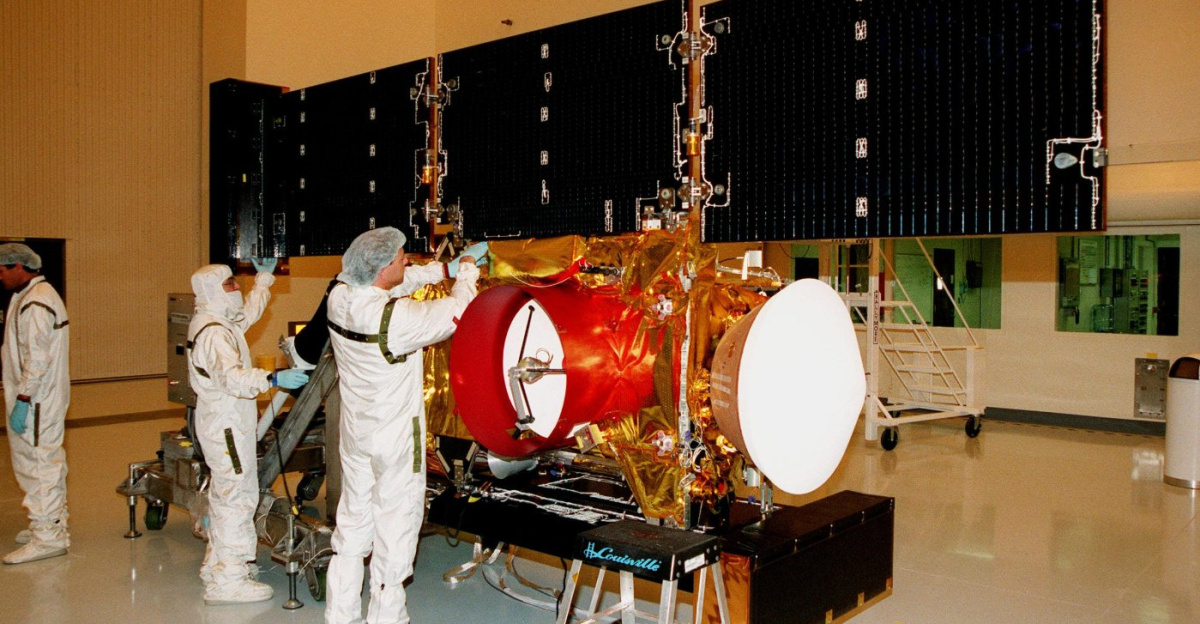
Despite the violent bombardment, Stardust emerged intact. The spacecraft’s robust engineering, designed to withstand the harsh environment of deep space, proved its worth.
As NASA officials confirmed, the probe remained operational and continued transmitting critical scientific data back to Earth, a testament to the meticulous design of the spacecraft.
Racing Back To Earth With Precious Cargo
After collecting its samples, Stardust faced another daunting challenge: returning them safely to Earth. The sample return capsule would have to survive atmospheric reentry at tremendous speed, threading a narrow window between skimming off into space and burning up entirely.
The margin for error was razor-thin.
Utah Desert Witnesses Historic Landing
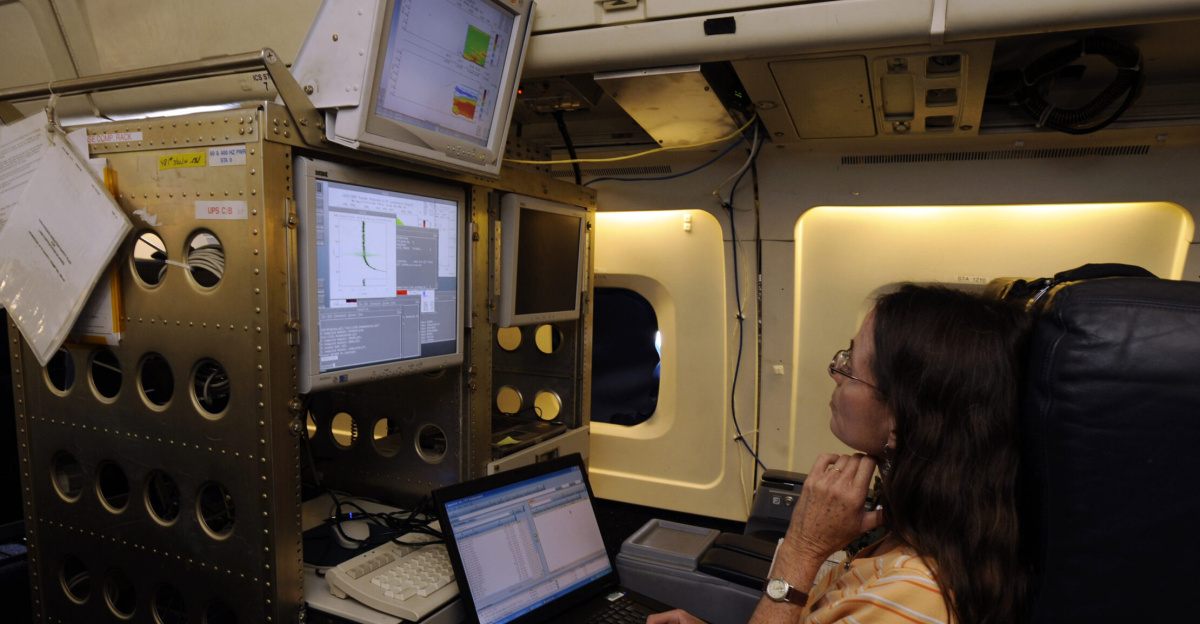
On January 15, 2006, NASA’s DC-8 monitoring aircraft tracked the capsule as it screamed through the night sky. According to mission controllers, the capsule approached at precisely the right angle and speed, its heat shield glowing white-hot.
The parachute deployed successfully, and the precious cargo touched down in the Utah desert—humanity’s first material returned from a comet.
Inside The Samples: Building Blocks Of Life Itself
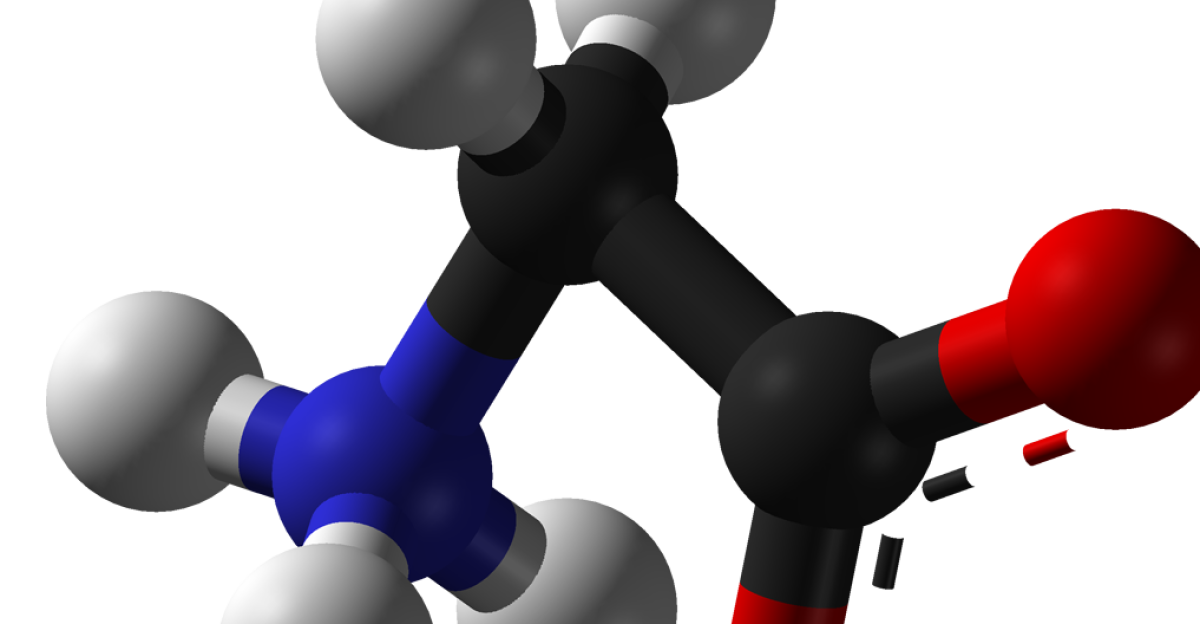
When scientists examined the returned particles, they made an astonishing discovery. According to published research findings, the samples contained glycine, an amino acid and a fundamental building block of life.
This organic compound, preserved in primordial dust, offered tantalizing clues about the origins of life in the cosmos.
Crystals That Traveled Through Fire And Time
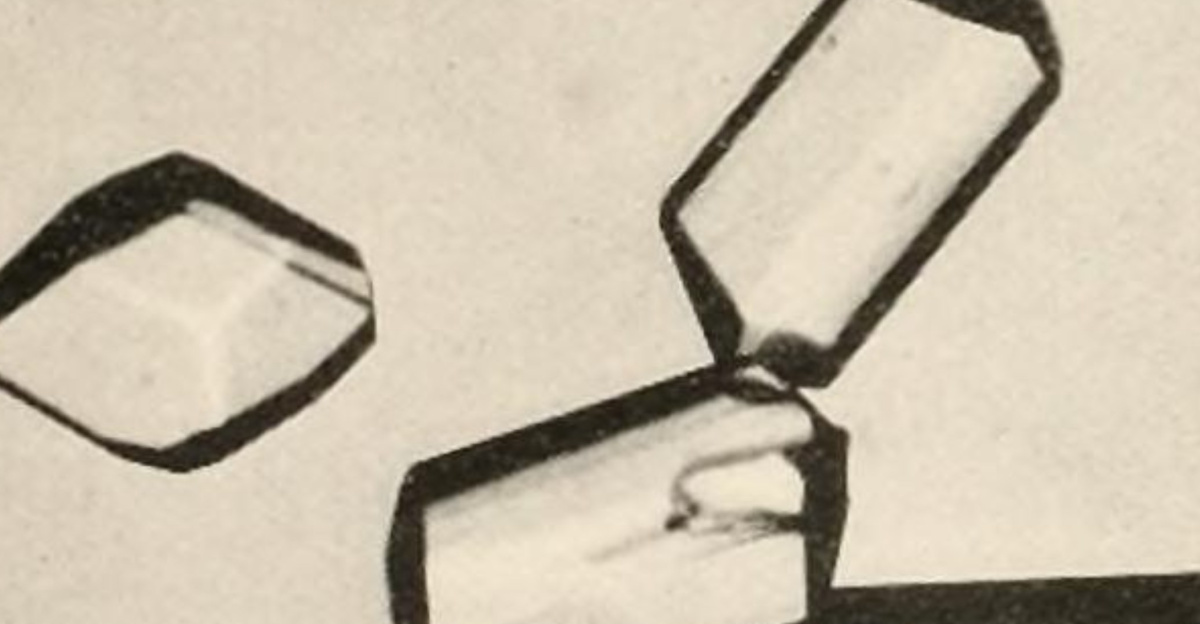
Further analysis revealed high-temperature crystals within the comet dust, indicating these particles had migrated vast distances through the early solar nebula.
According to NASA researchers, this finding suggested a more dynamic early solar system than previously imagined, with material mixing across enormous distances.
Rewriting What We Know About Solar System Formation
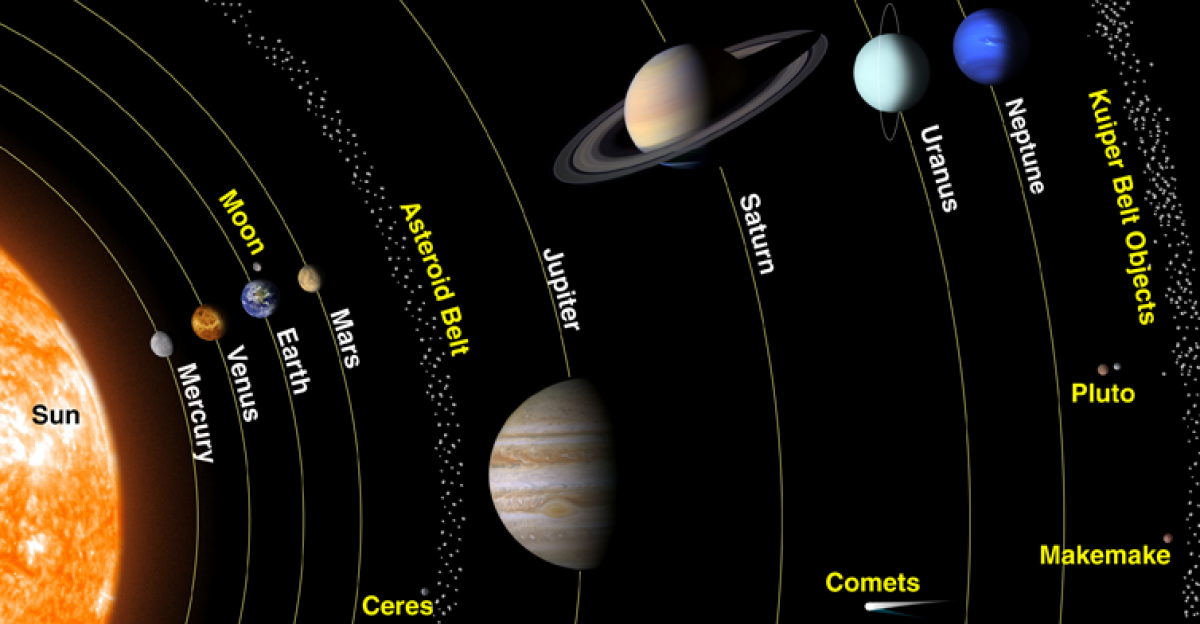
The Stardust samples challenged fundamental assumptions about comet composition and the evolution of the solar system.
As scientists noted in their findings, the unexpected diversity of materials suggested that comets captured particles from multiple regions of the ancient solar nebula, acting as cosmic time capsules that preserve varied formation environments.
The Hypersonic Collision That Changed Everything
Among all of Stardust’s achievements, that Mach 19 impact remains one of NASA’s most extreme recorded velocity encounters.
According to agency documentation, few other missions have captured such clear evidence of the immense speeds and violent forces lurking in seemingly empty space.
What Still Travels Unseen Through The Darkness
The Stardust impact serves as a powerful reminder: space remains filled with objects moving at velocities we can barely comprehend.
According to orbital debris research, particles can reach speeds up to 100 kilometers per second relative to spacecraft—velocities that transform even tiny grains into devastating projectiles.
Engineers Study The Data, Searching For Answers
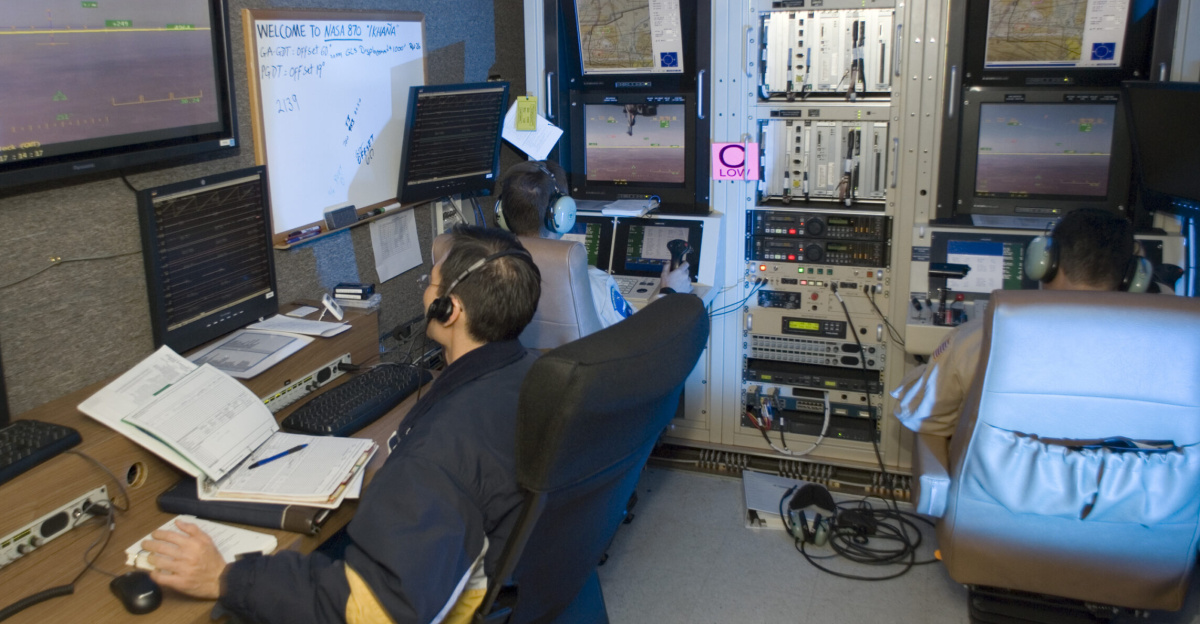
Years after Stardust’s historic mission, NASA scientists continue analyzing every detail of that hypersonic encounter.
As mission researchers have stated, extreme events like this provide invaluable data for designing future spacecraft shielding and protection systems for deep space exploration.
The Mystery That Refuses To Be Solved
What exactly struck Stardust at 19 times the speed of sound? The question lingers, unanswered. According to NASA’s own assessment, the object’s identity and origin remain uncertain—a cosmic mystery wrapped in hypersonic velocity.
The probe survived, the samples returned, but the riddle of that violent encounter endures, reminding us that even in our age of exploration, space guards its secrets jealously.