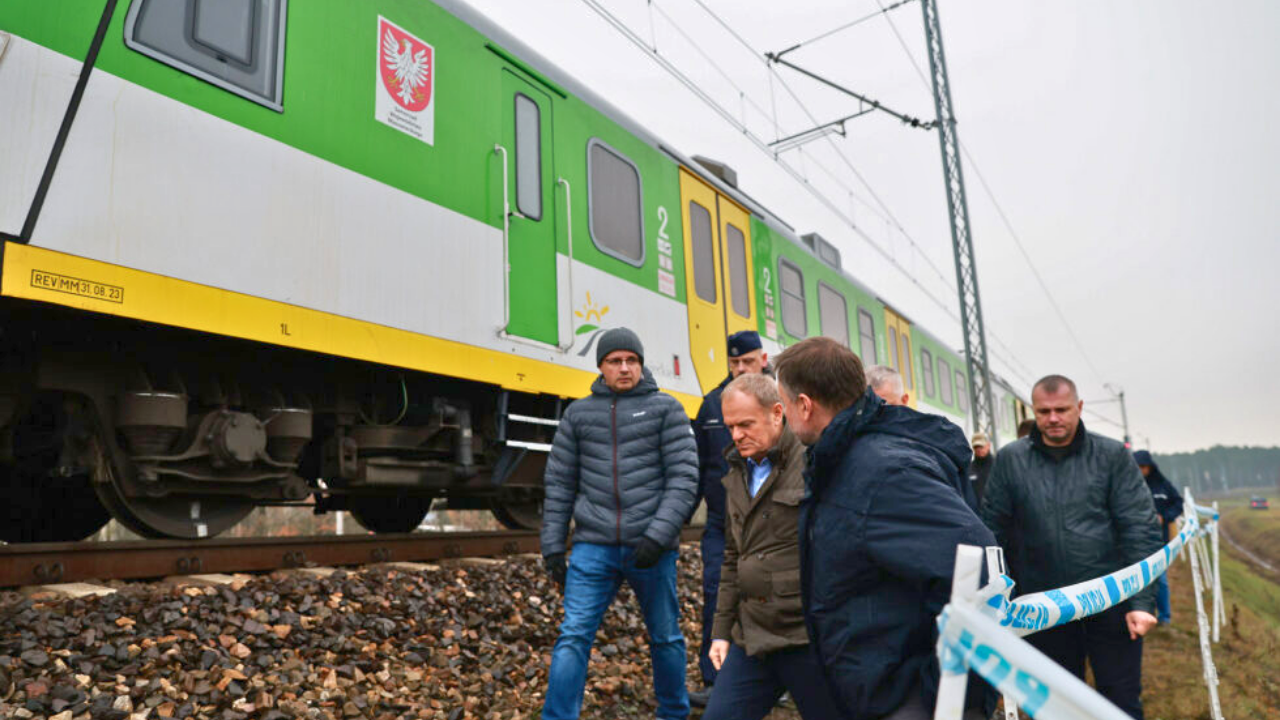
It’s the middle of the night. A massive explosion tears through the quiet Polish countryside. The Warsaw-Lublin rail corridor—critical for delivering aid to Ukraine—has been sabotaged. C-4 explosives, wired with a 300-meter cable, detonate under a freight train, sending shockwaves through NATO. This marks the beginning of a new phase in Europe’s security crisis. The attackers? Likely working for Russian intelligence.
The response? A 10,000-strong military deployment. The world holds its breath. Poland, a NATO member state, is now facing a new, serious threat. The stakes are higher than ever, and NATO’s response will determine the next steps in the escalating tension between Russia and the West.
Escalation Fears
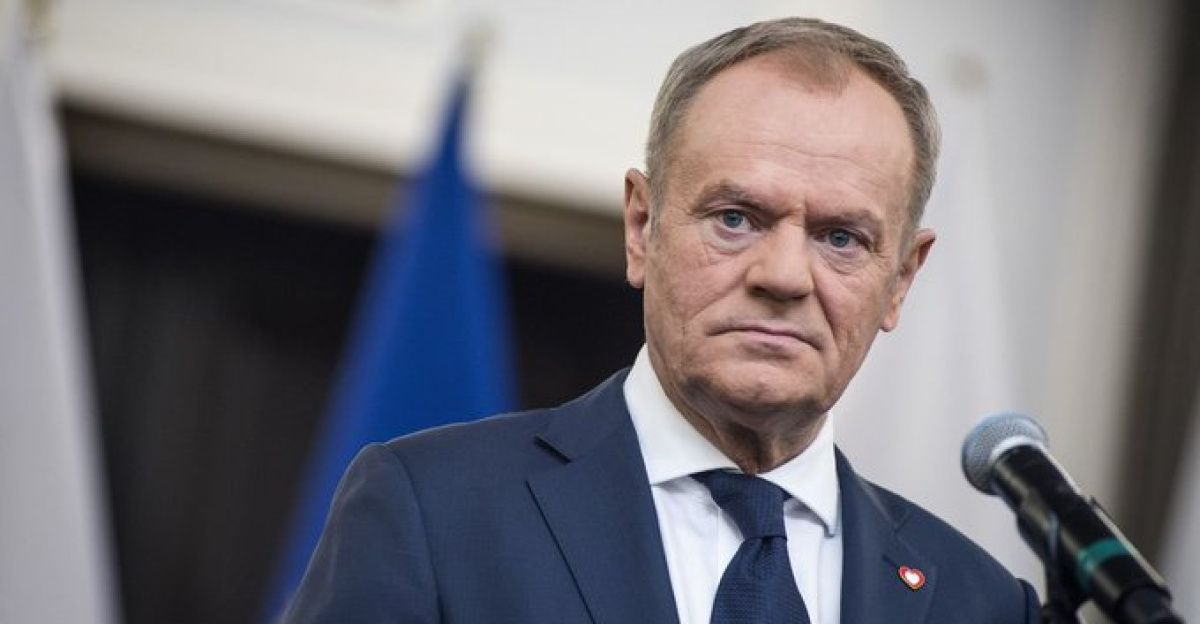
The sabotage in Poland is no isolated incident—it’s part of a dangerous escalation in Russian hybrid tactics. Prime Minister Tusk warned, “These acts of sabotage are unfortunately gaining momentum.” NATO’s warning is clear: Russia is testing the waters, and Poland is at the frontline. As security forces scramble, the threat level is raised.
A new, heightened danger now looms over Poland’s infrastructure and beyond. Poland’s allies are watching closely, as this attack could set a precedent for more aggressive actions. The question is not whether more attacks will come, but when—and how NATO will respond to prevent further escalation.
Hybrid Warfare Roots
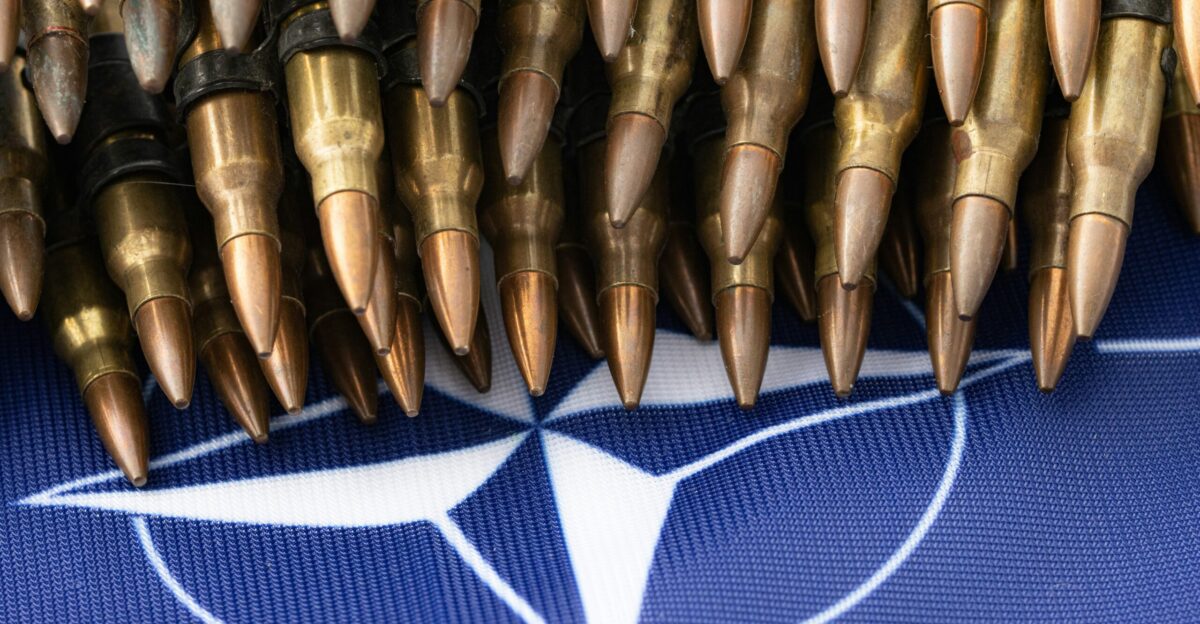
This isn’t the first time Russian hybrid warfare has targeted Europe. However, this latest attack marks a significant shift. For years, Poland has faced incursions—sabotage, drone strikes, and more—all designed to disrupt NATO and undermine Ukraine’s aid. But this attack, with its military-grade explosives, marks a new level of sophistication, challenging NATO’s capacity to respond without sparking open conflict.
The Russian strategy seems to be working below the radar, exploiting vulnerabilities in Europe’s security systems. This new wave of attacks might be the beginning of a larger, more coordinated campaign aimed at destabilizing NATO from within. Poland is now ground zero for this covert battle.
Mounting Pressure
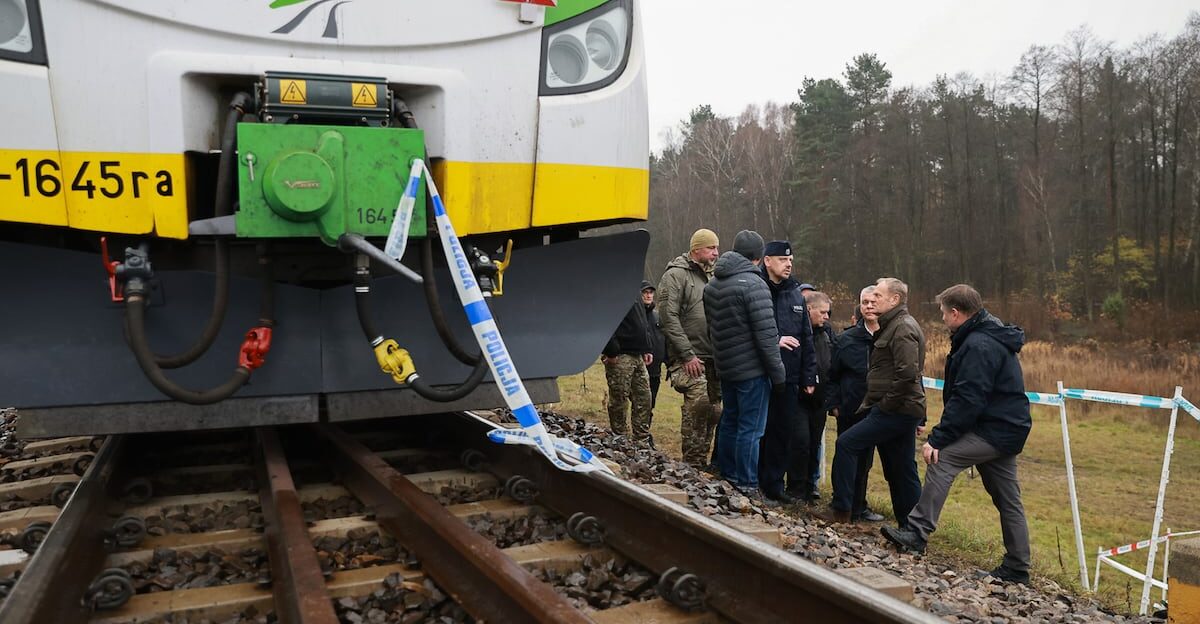
The impact of the sabotage is immediate. The vital Warsaw-Lublin corridor, used to transport humanitarian aid, is heavily damaged. C-4 explosives tore through the tracks, but quick actions averted disaster. As trains halt and infrastructure is assessed, tensions rise. Poland’s security forces face daily alerts, straining their resources.
The question: How long can they hold the line before the next strike? The government is under immense pressure to act swiftly and decisively, but resources are stretched thin. This incident has placed Poland’s security services in a constant state of alert, and the pressure to prevent future attacks has never been greater.
Suspects Identified
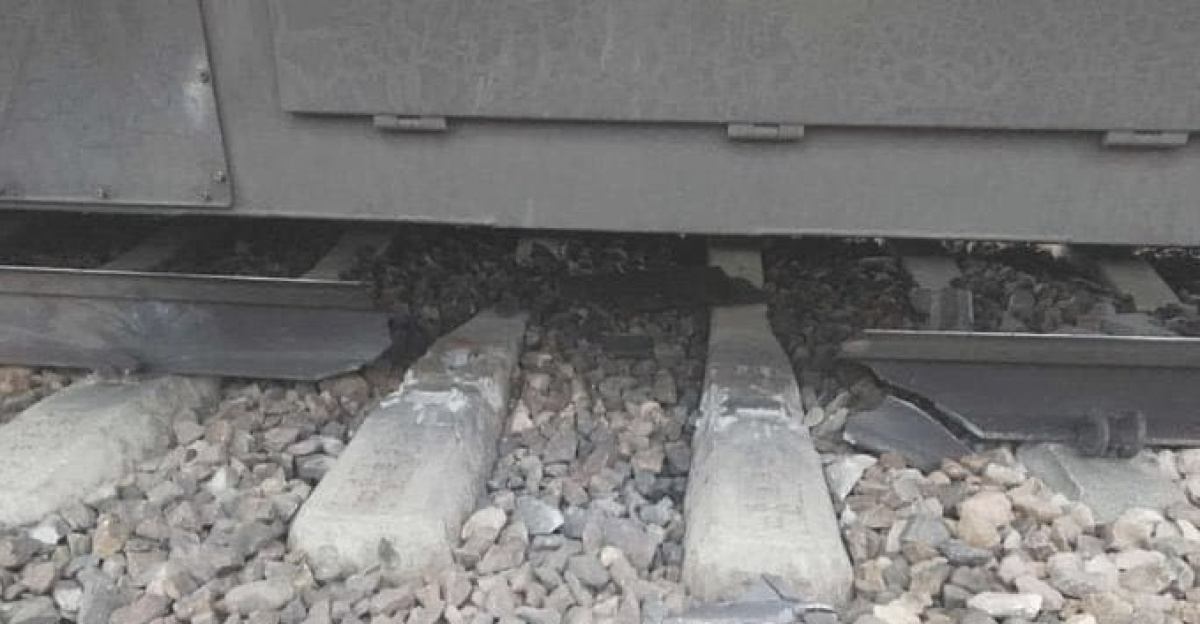
Investigations reveal chilling details. Two Ukrainian nationals are identified as the main suspects. Acting under Russian intelligence orders, they crossed into Poland from Belarus and vanished back to safety in Belarus after the attack. This revelation exposes the international scale of the sabotage.
It’s not just about railways; it’s about destabilizing NATO’s eastern flank. This cross-border activity shows the global reach of Russia’s hybrid tactics. The use of Ukrainian nationals, likely influenced or coerced, adds a disturbing layer to the attack—revealing just how far Russia will go to create division within NATO and the international community.
Regional Fallout
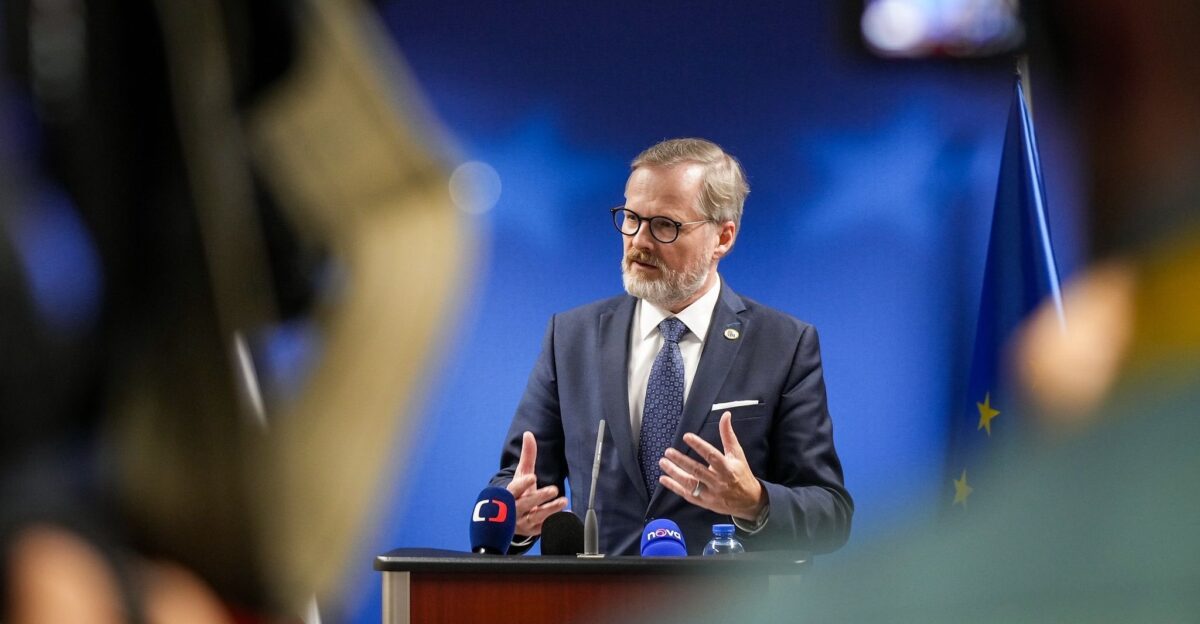
Poland’s immediate response is forceful. Thousands of troops are deployed to secure vital rail lines. Neighboring countries, including the Czech Republic, have expressed alarm. The message from Czech Prime Minister Fiala is clear: Russia’s hybrid tactics threaten not just Poland, but the stability of Europe itself.
This sabotage is the beginning of a broader, more dangerous game. As Poland strengthens its defenses, other NATO nations are reassessing their own preparedness. The regional fallout is undeniable—Russia’s hybrid war is no longer confined to Ukraine, and the impact is now reverberating throughout Europe.
Cost Of The Crisis
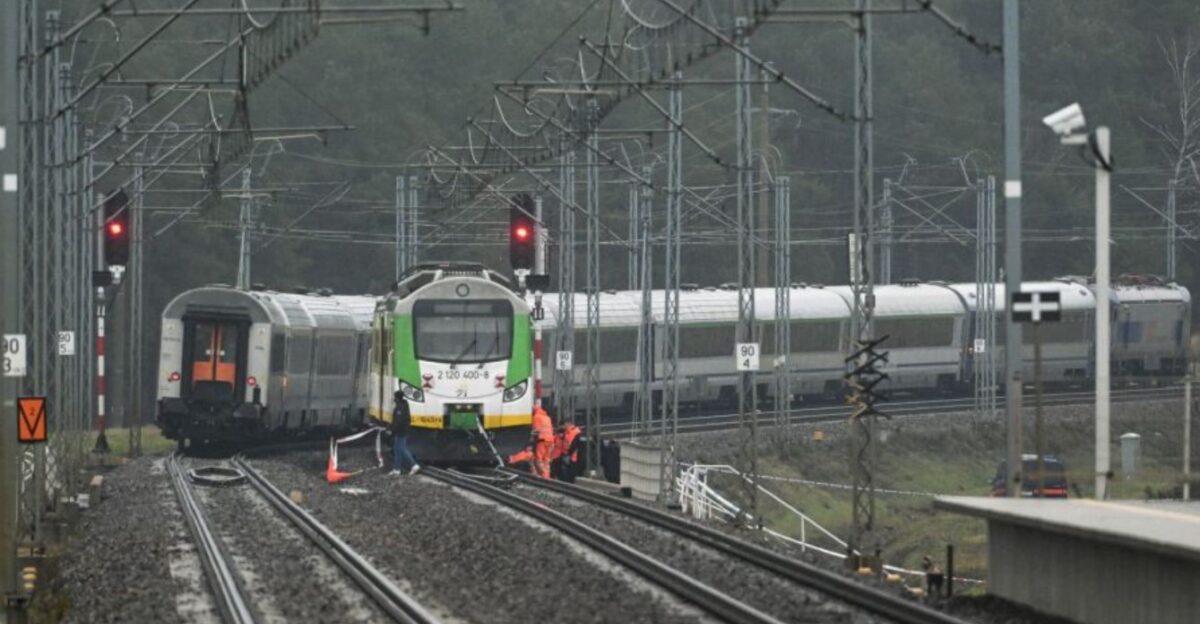
The human cost of this crisis is undeniable. One train, carrying 475 passengers, was forced to stop when the sabotage was discovered. Prime Minister Tusk said that fortunately, tragedy had been avoided despite the significant damage to the critical rail line. The near-miss left passengers and authorities shaken, adding another layer of public anxiety in an already volatile situation.
The story is not just about military responses and political consequences—it’s about the ordinary people caught in the middle. These passengers represent just a fraction of the daily lives disrupted by this attack. The emotional toll on the public is rising, as uncertainty and fear begin to settle in.
Diplomatic Fallout

Poland’s diplomatic response to the sabotage is swift. Foreign Minister Sikorski condemns the attack as “state terrorism.” In retaliation, Poland expels Russia’s last remaining consulate in Gdansk and demands NATO strengthen collective defense against these hybrid threats. The gloves are off.
Poland is pushing hard for stronger measures, but will NATO heed the call? The diplomatic fallout from this act of sabotage could have far-reaching consequences. As tensions rise, Poland’s actions may serve as a catalyst for further changes within NATO’s strategic approach to hybrid warfare.
Pattern of Attacks
This attack is part of an escalating pattern of sabotage against Polish infrastructure. Over the past year, Poland has detained 55 individuals in connection with similar incidents. From drone incursions to parcel bombings, these attacks are designed to destabilize Poland and its support for Ukraine.
The rail sabotage is a stark reminder of the growing risk on NATO’s eastern frontier. Each new attack brings more fear and uncertainty. Poland’s security forces are bracing for what’s next, but with every attack, the situation seems to spiral further out of control.
Anti-Ukrainian Sentiment
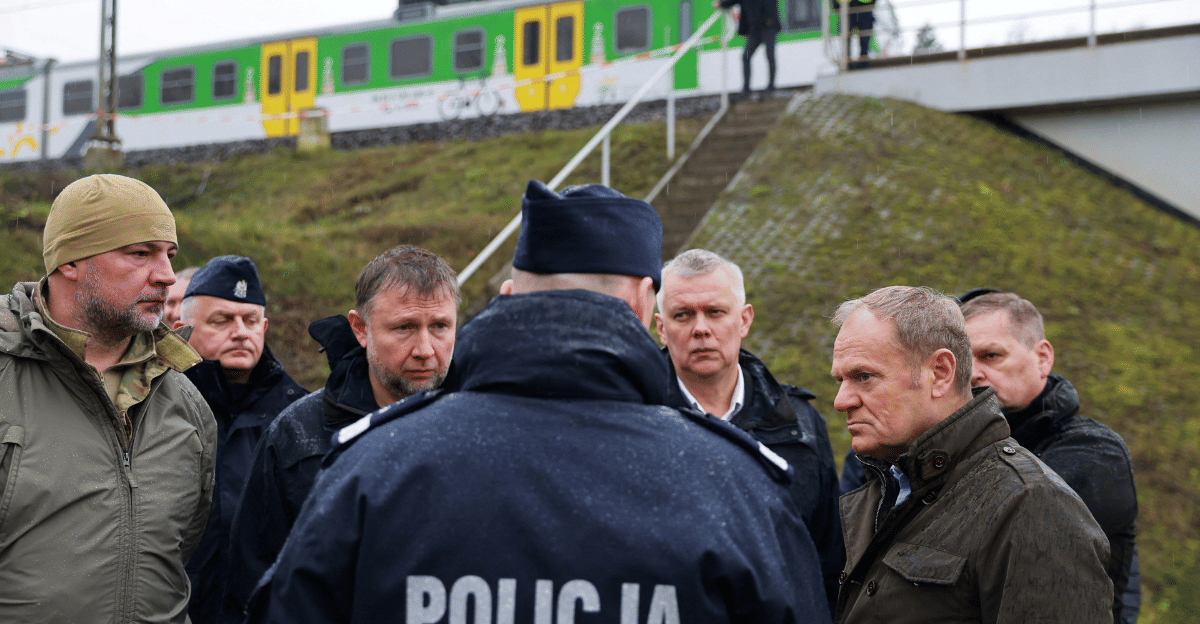
The involvement of Ukrainian suspects in the sabotage is a calculated move by Russia to stoke anti-Ukrainian sentiment. Poland, home to over a million Ukrainian refugees, faces increasing internal divisions. Tusk has warned that the hybrid attack seeks to exploit these tensions, threatening not only NATO cohesion but Poland’s domestic unity.
As Poland grapples with this external threat, the internal effects of the attack are also being felt. The deliberate targeting of Ukrainian individuals is not just a security issue—it’s a social and political one. Russia is using this divide to undermine Poland’s support for Ukraine and to weaken the country from within.
Internal Tensions
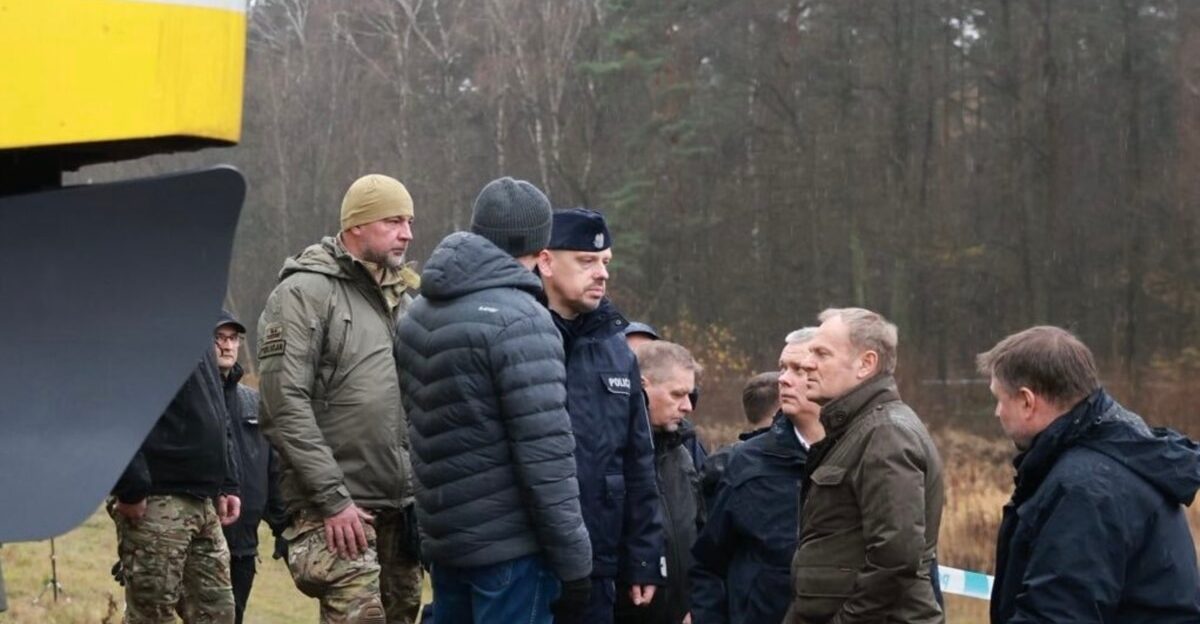
The sabotage has sparked fierce political debate in Poland. Opposition parties criticize the government’s handling of the crisis, and concerns grow about divisive rhetoric further fracturing Poland’s support among European allies. As the pressure mounts, Poland faces a critical challenge: balance national security with diplomatic unity, or risk further isolation in the face of Russian aggression.
This internal division poses a serious threat to Poland’s ability to unite in the face of foreign aggression. As political factions turn inward, the broader goals of NATO and Poland’s foreign policy may become harder to achieve. Unity is more essential now than ever.
Leadership Response
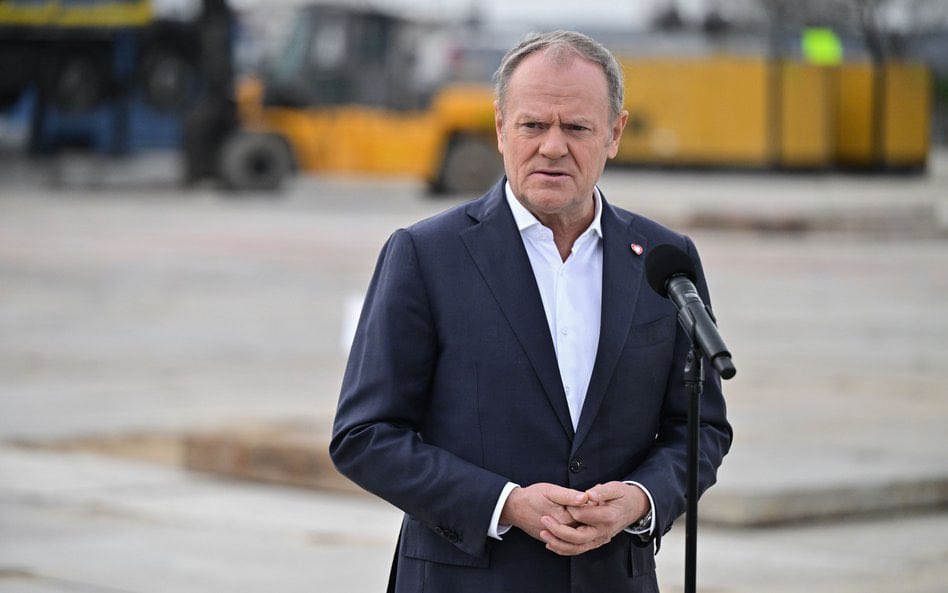
Prime Minister Donald Tusk is leading Poland’s response, calling the rail attacks “perhaps the most serious” since the Ukraine war began. His government has coordinated rapid military and diplomatic actions to fortify the country’s defenses and maintain NATO unity. Tusk’s leadership will be pivotal in determining Poland’s stance within NATO and the EU moving forward.
The world is watching how Tusk handles this escalating situation. His leadership will set the tone for Poland’s future actions within NATO. How he manages this crisis will likely define his legacy and determine the strength of Poland’s alliances in the face of mounting threats.
Security Upgrades
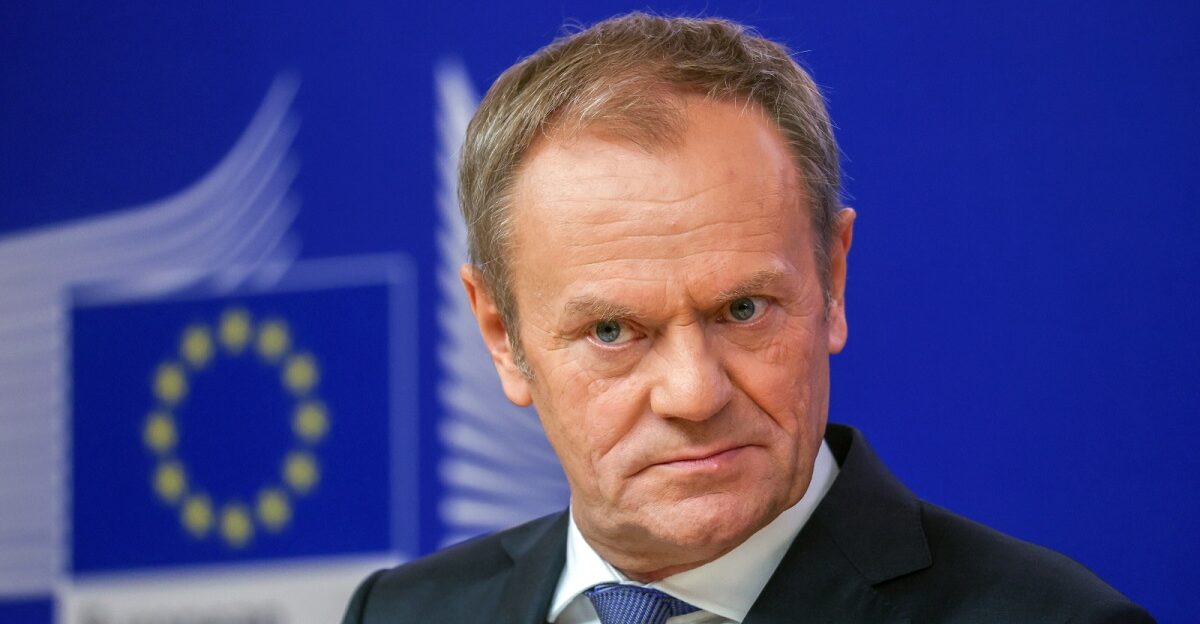
In the wake of the sabotage, Poland is stepping up security on critical infrastructure. Enhanced surveillance systems are being installed along vital rail corridors, and military patrols have been increased. NATO is also reviewing its collective defense protocols to address the growing threat of hybrid warfare. The message is clear: the status quo is no longer enough.
The increase in security measures will have wide-ranging effects. NATO’s reevaluation of defense protocols suggests that this is only the beginning. With hybrid warfare on the rise, Poland’s new security measures could become the blueprint for other NATO countries facing similar threats in the future.
Expert Skepticism
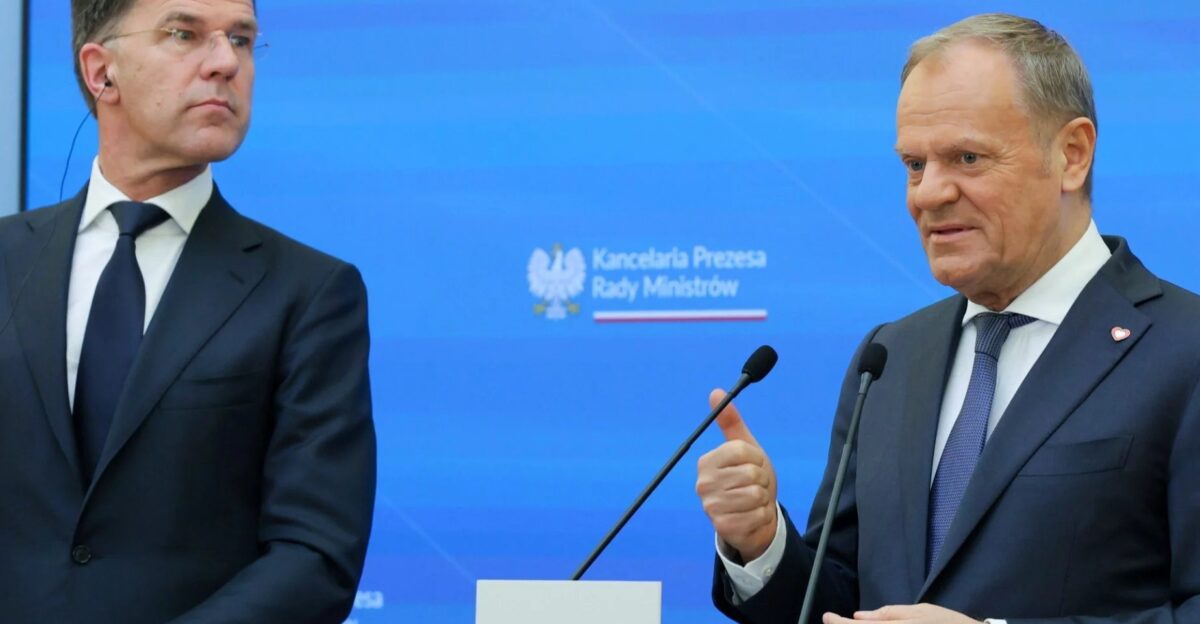
Security experts warn that Russia’s hybrid tactics are difficult to counter. Using proxies and avoiding direct confrontation, Russia is waging a war without clear boundaries. “These attacks are challenging NATO’s response capabilities,” says one analyst. The evolving nature of hybrid threats requires a new approach—one that may not yet be in place.
The difficulty in countering these threats is compounded by the lack of clear evidence connecting Russia directly to the attacks. The covert nature of hybrid warfare makes it challenging for NATO to respond decisively. Experts agree that new strategies are urgently needed, but the question remains: will NATO be able to adapt in time?
What’s Next?
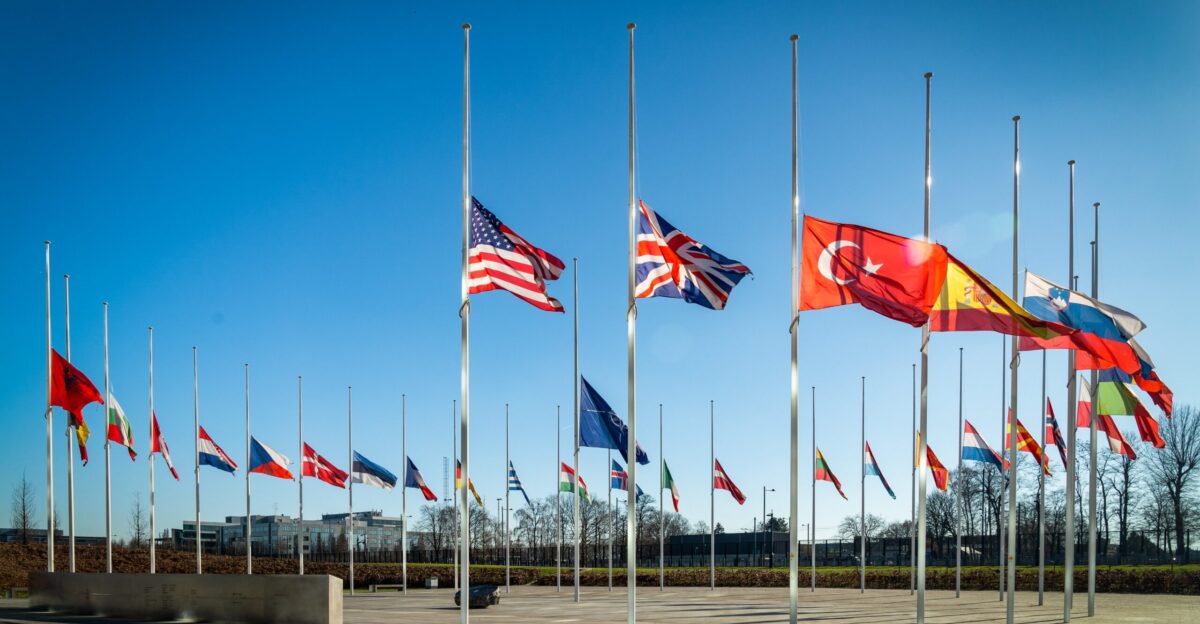
As tensions rise, the question remains: what’s next for NATO and Poland? With hybrid warfare gaining momentum, Poland’s response will shape the future of European security. Will NATO adapt its collective defense strategies to counter these covert attacks? Or will Russia push further, testing the very foundations of European stability?
The next steps will define the future of NATO’s eastern frontier. Poland is at the heart of this growing crisis, and its actions will influence not only the future of European security but also the global balance of power in the face of hybrid warfare.