Production lines across the United States fell quiet in 2025 as eight well-known car models—some with decades of history—were retired within a single year. Dealerships saw a surge in demand for the final inventory, with buyers eager to secure these soon-to-be-rare vehicles. This rapid wave of discontinuations marks the fastest mass exit of popular American car models in recent memory, signaling a profound shift in the nation’s automotive landscape.
Sedans Disappear as Consumer Preferences Shift
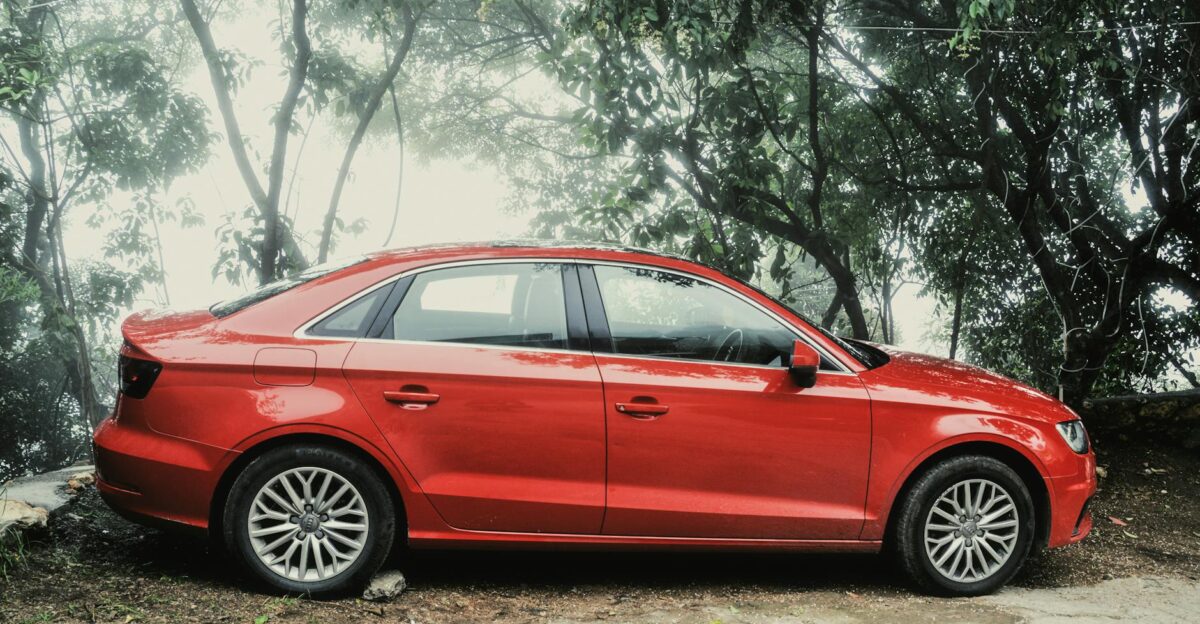
Sedans, once the backbone of American roads, are vanishing from manufacturer lineups. By 2025, traditional passenger cars accounted for less than 20 percent of U.S. vehicle sales, marking a dramatic shift in consumer preferences. Consumers now favor larger, more versatile SUVs and crossovers, leaving sedans with shrinking market share. This shift has forced automakers to discontinue models that were once mainstays for budget-conscious drivers seeking practical transportation. The collapse of the sedan segment presents new challenges for those who rely on affordable, fuel-efficient vehicles.
Chevrolet Malibu’s Six-Decade Legacy Ends
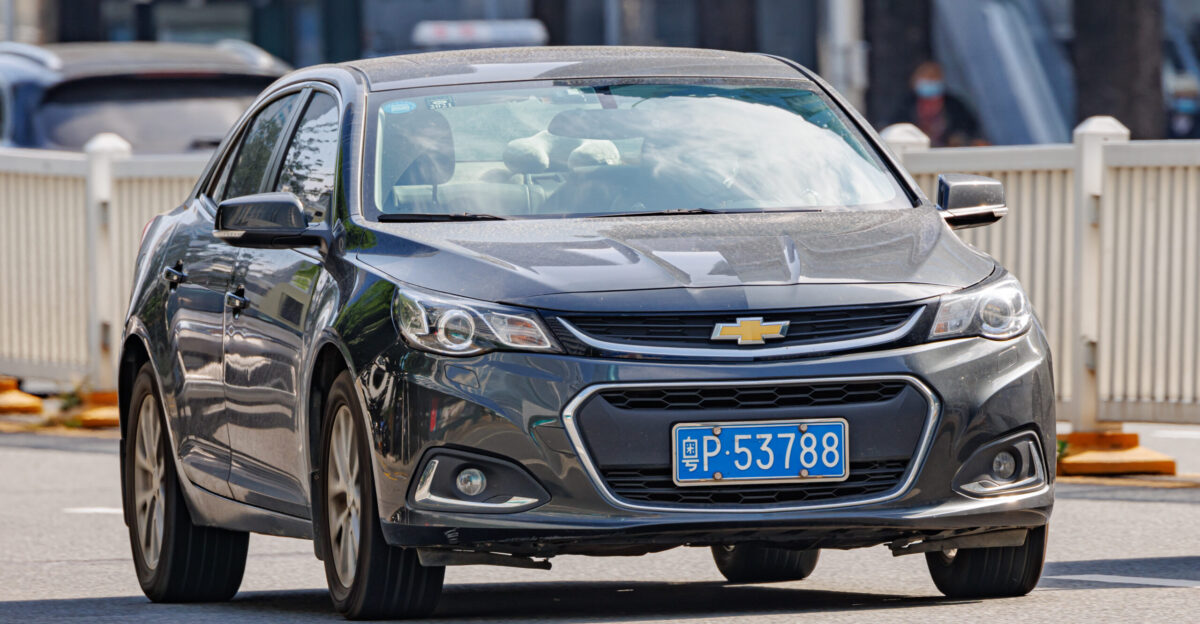
The Chevrolet Malibu, a fixture on American highways since 1964, ended production in November 2024. The 2025 model year was the last chance for buyers to own this classic family sedan. Originally introduced as a Chevelle trim, the Malibu became a standalone model in 1997 and remained a symbol of accessible, reliable transportation. Its Kansas-based Fairfax Assembly Plant has now been retooled to produce next-generation electric vehicles, reflecting General Motors’ strategic pivot away from sedans. About 680 workers at the facility faced temporary layoffs, though GM provided support through labor agreements. The Malibu’s retirement underscores GM’s broader move toward electrification and the end of its commitment to affordable family sedans.
Luxury and Cult Favorites Exit the Stage
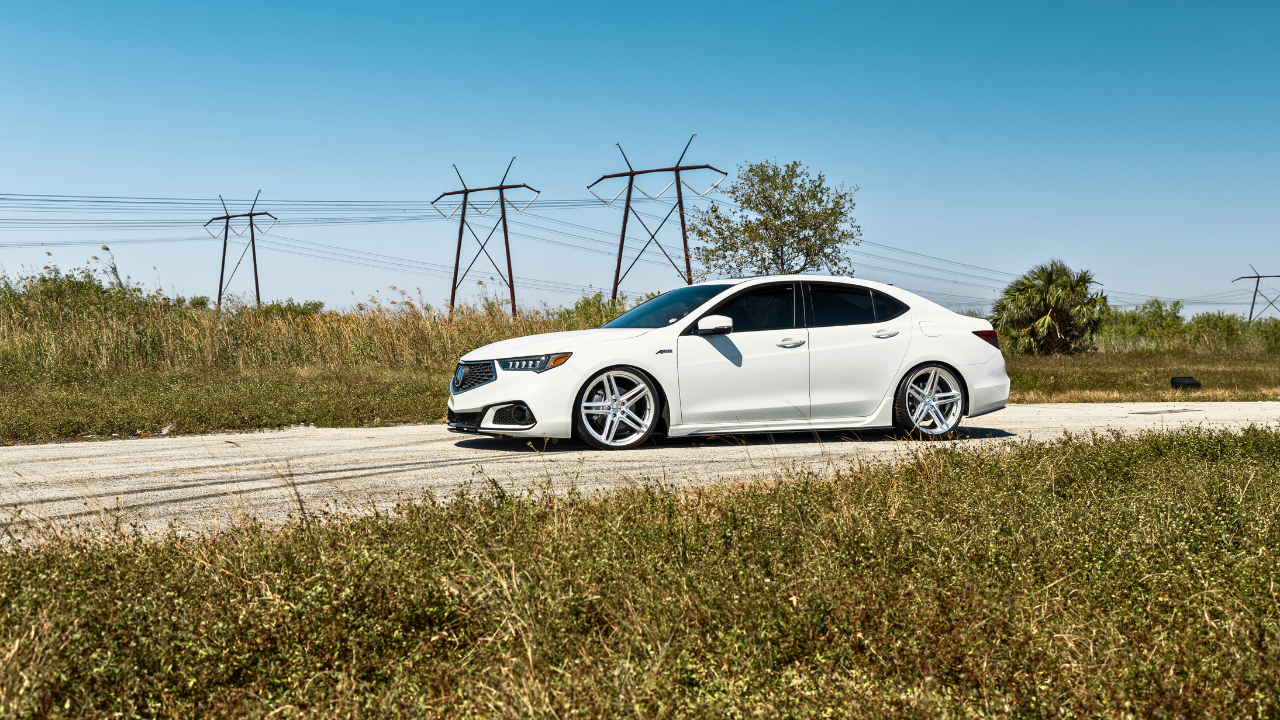
Acura’s TLX, a mid-size luxury sedan, concluded production in July 2025 after years of declining sales. From a peak of over 47,000 units in 2015, sales dropped to just 3,634 in the first half of 2025. Acura cited evolving customer needs and industry changes as reasons for the discontinuation. With the TLX gone, Acura’s lineup now centers on SUVs and crossovers, leaving only the Integra hatchback as a non-SUV option. The company plans to introduce a new electric SUV under the RSX nameplate to fill the gap.
The Kia Soul, known for its boxy design and memorable advertising, ended its 15-year run in October 2025. More than 1.5 million Souls were sold, making it a cult favorite among drivers seeking affordable, distinctive vehicles. However, the Soul struggled against rivals offering features it lacked, such as all-wheel drive. A 2023 redesign failed to revive sales, and only a few thousand units remain at dealerships. The Soul’s discontinuation highlights the intense competition in the subcompact crossover segment.
Subaru Legacy and Jeep Wagoneer: Endings and Realignments

Subaru’s Legacy, a respected mid-size sedan, concluded a 36-year production run in spring 2025. First launched in 1989, the Legacy was Subaru’s first American-made vehicle and earned a reputation for safety and reliability, with 18 consecutive IIHS Top Safety Pick honors. Over 94 percent of Legacies sold in the past decade remain on the road, attesting to their durability. Subaru cited the market’s shift toward SUVs and electric vehicles as the reason for ending Legacy production. The Outback wagon, a platform sibling, continues after a 2026 redesign.
Jeep’s Wagoneer, beginning with the 2022 model year and ending after the 2025 model year, was discontinued due to disappointing sales and branding confusion. Many buyers mistook the Wagoneer for a variant of the premium Grand Wagoneer, undermining its market position. Jeep responded by consolidating its full-size SUV lineup under the Grand Wagoneer name for 2026, with entry-level pricing below $65,000. This move aims to simplify choices and strengthen demand in the segment.
Luxury SUVs and Sports Coupes Bow Out
Cadillac ended production of the XT6 three-row luxury SUV after six years, despite its recognition for reliability in J.D. Power’s 2025 Vehicle Dependability Study. The Spring Hill, Tennessee, plant is being retooled for electric vehicle production, and the XT6 will be replaced by the all-electric Cadillac Vistiq, which offers similar space and amenities. This transition reflects Cadillac’s commitment to an all-electric future.
Lexus retired the RC sports coupe, including the high-performance RC F variant, after 11 years of production. The RC debuted in the U.S. market in November 2014 and will conclude production after the 2025 model year, with final assembly in November 2025. Sales fell below 2,000 units in 2024, signaling waning interest in sports coupes. Lexus marked the RC’s final year with special editions, celebrating its performance heritage and the RC F’s naturally aspirated V8 engine.
Ford Escape: Strong Sales, Strategic Shift
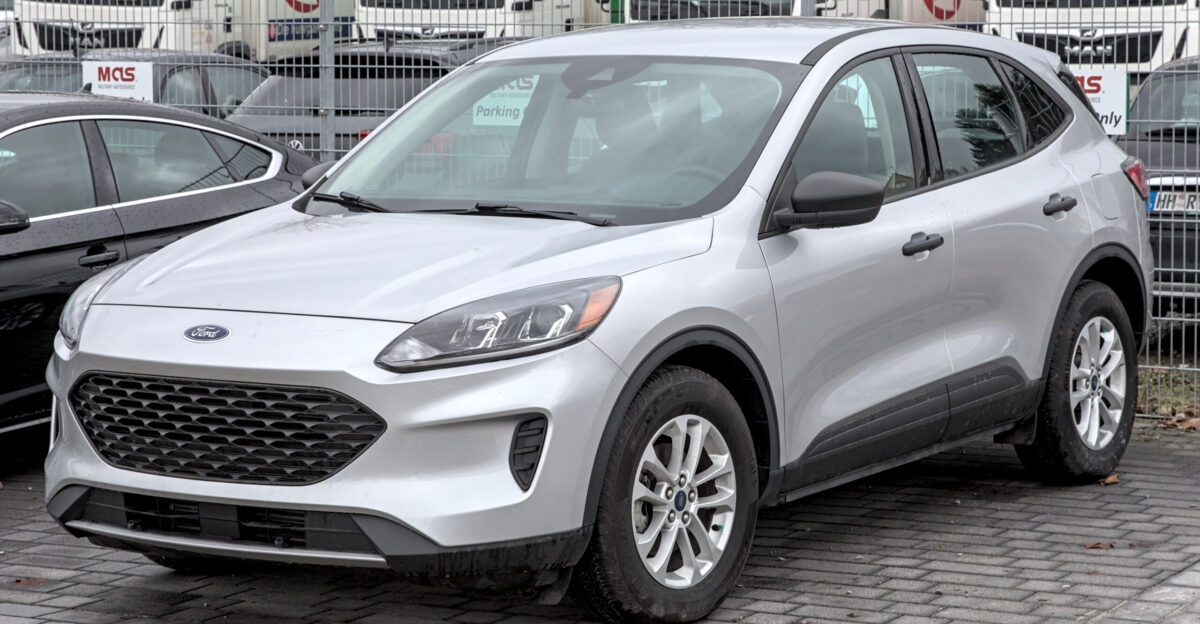
Despite robust sales—over 82,000 units sold in the first half of 2025, up 10.8 percent year-over-year—Ford announced the end of Escape production after 2025. The Louisville Assembly Plant is being converted for electric vehicle manufacturing, and Ford will produce enough Escapes to fulfill existing orders into early 2026.
Looking Ahead: The New Automotive Era
The rapid discontinuation of these eight models in 2025 signals a decisive transformation in the American auto industry. Manufacturers are reallocating resources to electric vehicles and SUVs, responding to changing consumer preferences and regulatory pressures. While some buyers mourn the loss of familiar sedans and cult favorites, the industry’s pivot promises new opportunities and challenges as automakers race to define the future of transportation.