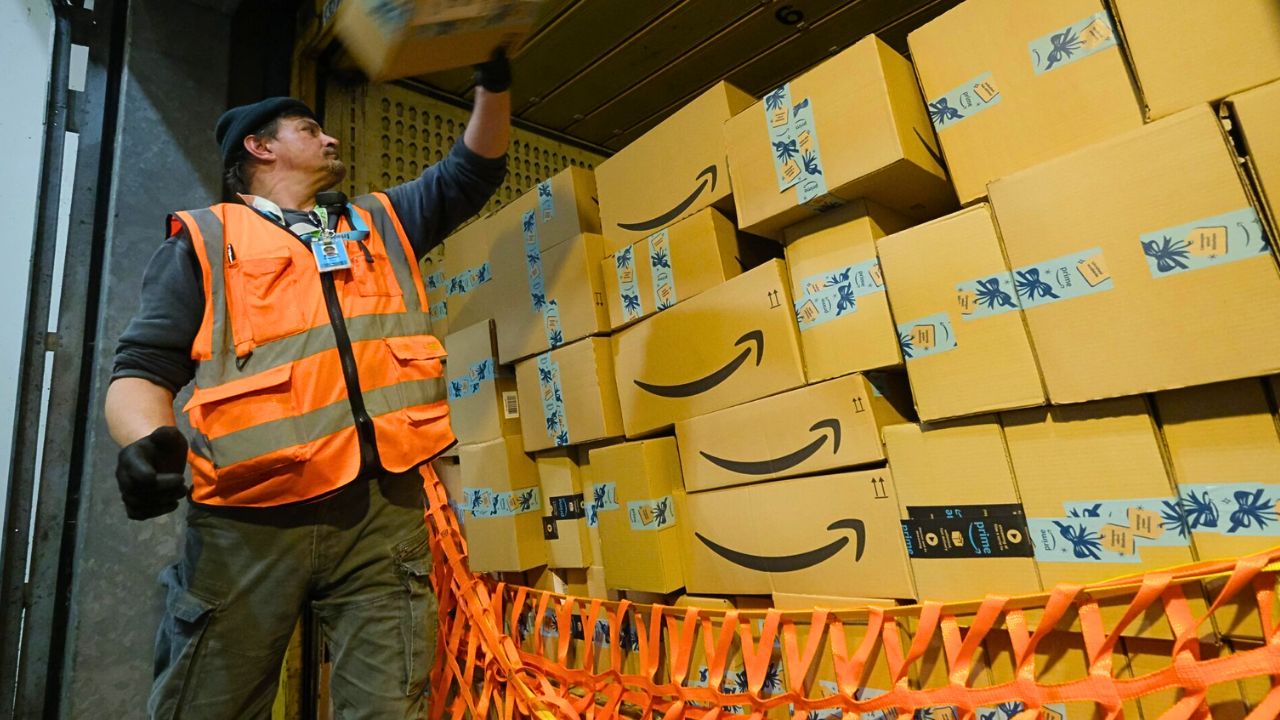
As the holiday shopping season ramps up, Amazon finds itself at the center of a landmark regulatory settlement and a series of major policy changes that will affect millions of consumers and sellers. The company’s $2.5 billion agreement with the Federal Trade Commission (FTC) over its Prime subscription practices coincides with an extended holiday return window, creating a pivotal moment for the retail giant and its customers.
Key Players and Ripple Effects

Amazon, employing 1.55 million people worldwide and led by CEO Andy Jassy since 2021, is the primary focus of this unfolding story. The FTC, chaired by Andrew Ferguson, initiated its lawsuit in June 2023, alleging that Amazon used manipulative tactics to enroll consumers in Prime and made cancellation unnecessarily difficult. Ferguson stated that the settlement aims to return billions to Americans and address deceptive practices.
The settlement’s impact extends beyond Amazon’s leadership and legal teams. Consumers who subscribed to Prime between June 2019 and June 2025 are eligible for refunds, while third-party sellers and corporate employees also feel the effects. Notably, Amazon’s recent layoffs—14,000 positions cut in late October—have added to the sense of upheaval, though the company maintains these were driven by long-term operational changes rather than regulatory pressure.
Holiday Returns: Policy and Perception
This year, Amazon is offering its longest-ever holiday return window. Purchases made between November 1 and December 31, 2025, can be returned through January 31, 2026. While this extension has drawn attention in the wake of the FTC settlement, it is not a new practice. Amazon has implemented similar extended return periods since 2022, aligning with competitors like Walmart and Target.
The timing, however, has fueled public speculation about a connection between regulatory scrutiny and consumer-friendly policies. In reality, Amazon’s extended returns are a recurring strategy designed to boost customer confidence and streamline logistics during peak shopping months. The policy is not mandated by the FTC settlement and remains independent of regulatory requirements.
Inside the FTC Settlement
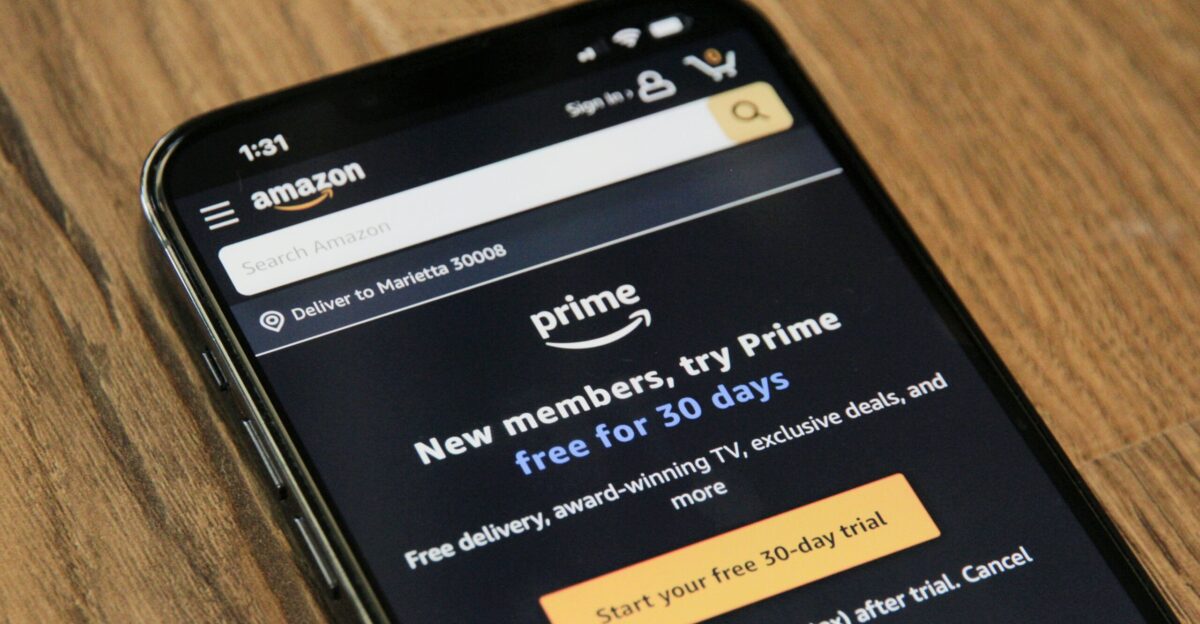
The FTC’s $2.5 billion settlement with Amazon is divided into $1 billion in civil penalties and $1.5 billion earmarked for consumer refunds. The agency’s investigation found that Amazon’s “Iliad” cancellation process trapped millions of users in Prime subscriptions, prompting the second-largest restitution award in FTC history.
Under the agreement, Amazon will deposit $1.5 billion into a refund fund and pay $500 million to the FTC within two weeks of the settlement. The company is also required to simplify Prime enrollment and cancellation, making both processes accessible with a single click. Oversight of these changes will be managed by an independent third party. Eligible Prime members can expect automatic refunds of up to $51 by December 25, 2025.
Amazon, while agreeing to the settlement, has not admitted wrongdoing. The company’s official statements emphasize its commitment to compliance and innovation, assuring customers that Prime membership processes will remain transparent and user-friendly.
Layoffs and Corporate Restructuring
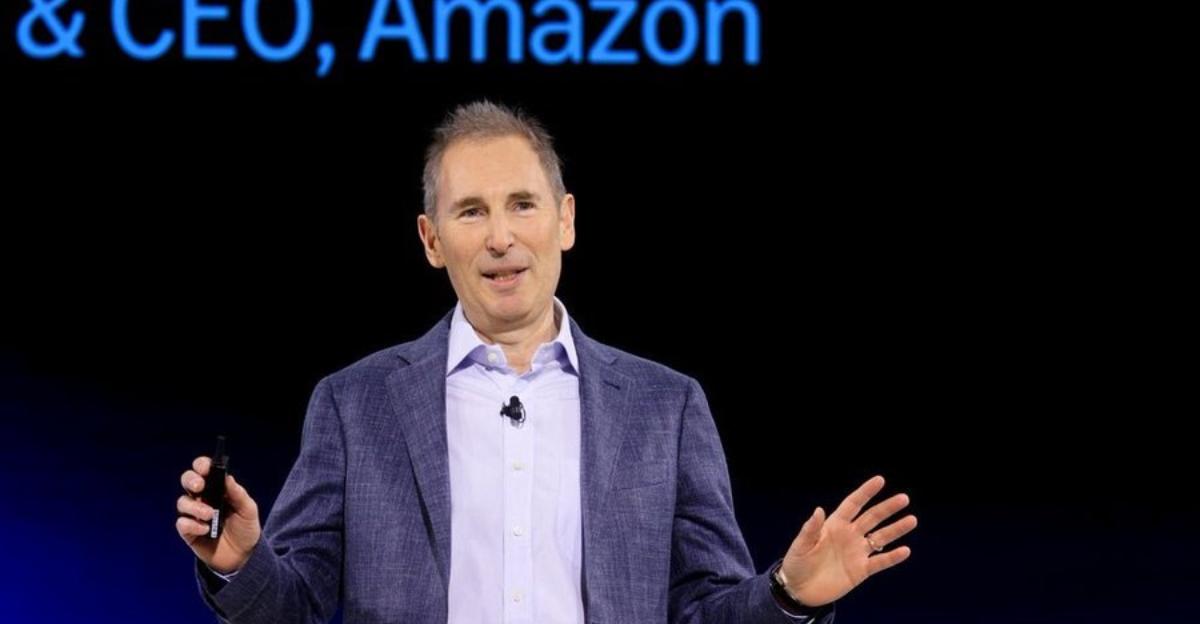
Shortly after the settlement, Amazon announced the elimination of 14,000 corporate roles across the U.S., U.K., and Canada. CEO Andy Jassy described the move as part of a broader cultural and operational transformation, citing factors such as advances in artificial intelligence, post-pandemic workforce adjustments, and the need for long-term efficiency.
Despite reporting $18 billion in quarterly profits, Amazon continues to pursue automation and restructuring to maintain its competitive edge. The layoffs, which occurred 33 days after the FTC settlement, are not directly linked to regulatory actions but reflect ongoing shifts in the company’s business model.
Implications for Shoppers and Sellers
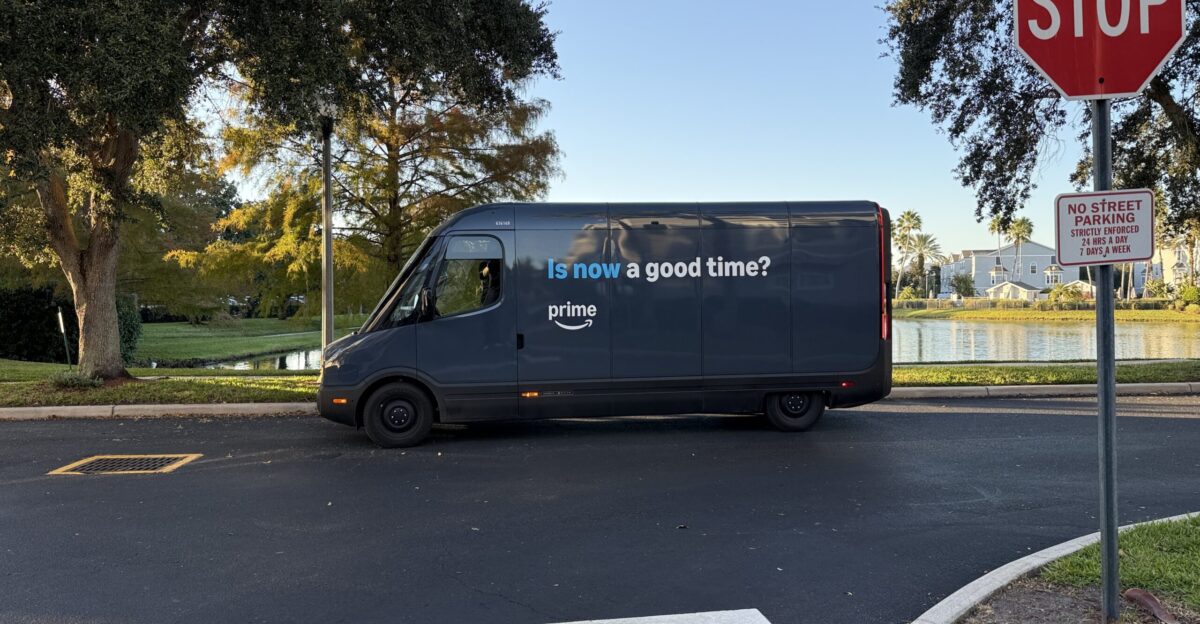
For consumers, the extended holiday return window offers greater flexibility and peace of mind during the busiest shopping period of the year. Most items purchased in November and December are eligible for return through the end of January, with exceptions for certain electronics, perishables, and health products. Refunds are processed quickly, with gift card credits issued within hours and bank card refunds typically completed within days.
Third-party sellers, however, face increased challenges. The longer return period can strain warehouse capacity, raise storage fees, and heighten the risk of return fraud—particularly for high-value items like apparel and electronics. Managing these operational pressures during peak season remains a complex task for Amazon and its partners.
Looking Ahead
Amazon’s simultaneous navigation of a historic FTC settlement, extended return policies, and significant layoffs underscores the evolving relationship between regulatory oversight and corporate strategy. While shoppers may benefit from enhanced protections and convenience, the broader implications for Amazon’s business practices and industry standards are still unfolding. As the holiday season progresses, the company’s response to these challenges will shape its reputation and influence the future of online retail.