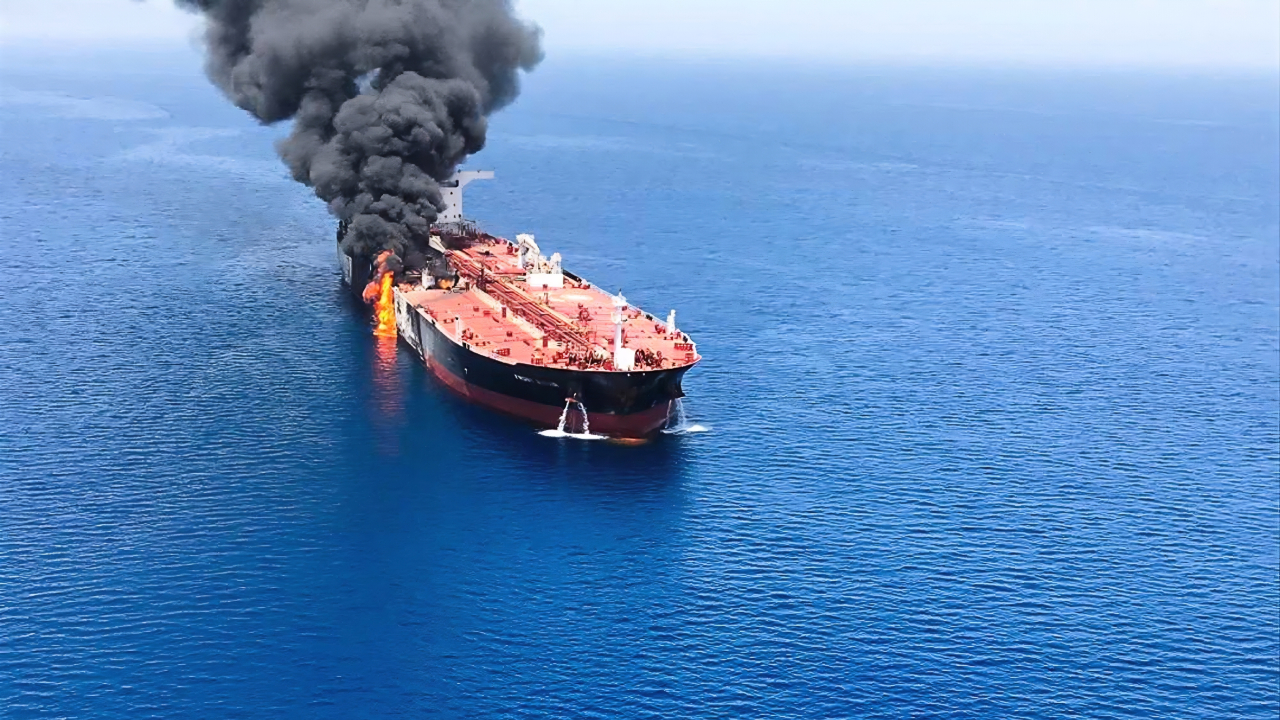
A Russian drone strike hit the Turkish-flagged LPG tanker MT Orinda at Ukraine’s Izmail port on November 17, 2025. The explosion set the ship ablaze, sending shockwaves through the region. As NATO’s borders feel the heat of this attack, Romania evacuates two villages near the port and scrambles fighter jets to monitor the airspace along the river border, intensifying fears that the war might spill over into neighboring countries.
Tensions in the Black Sea are reaching a boiling point.
Energy and War Intersect

The strike occurred just one day after Ukrainian President Zelenskyy signed a deal to import U.S. liquefied natural gas (LNG) through Odesa. Russia’s aggressive campaign aims to cripple Ukraine’s energy infrastructure, knowing winter is approaching.
This attack on the Orinda underscores how energy and military strategies are now inextricably linked, with fuel supplies and geopolitics at the forefront of the ongoing conflict.
Energy Security in Jeopardy
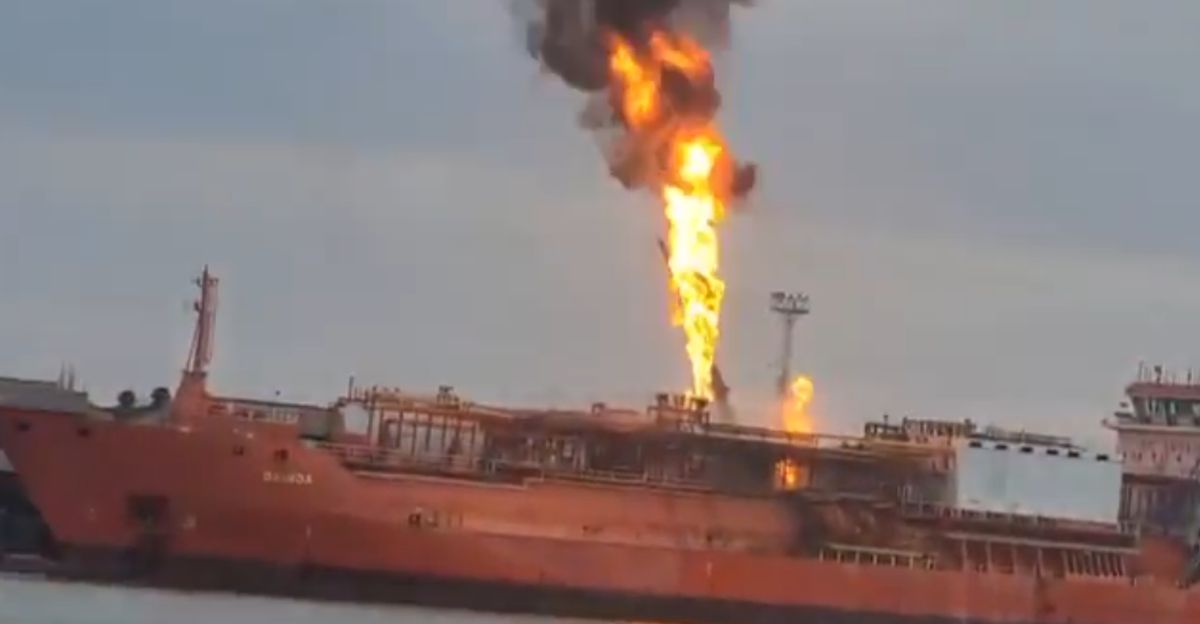
The Orinda blaze, along with other damaged vessels, raises the specter of fuel shortages and skyrocketing energy prices. The Black Sea ports are crucial for both imports and exports of energy. Disruptions in this vital region threaten to leave millions in Ukraine and neighboring countries without heating as winter sets in.
This raises the possibility of blackouts and rationed energy supplies.
Shipping and Insurance on Edge
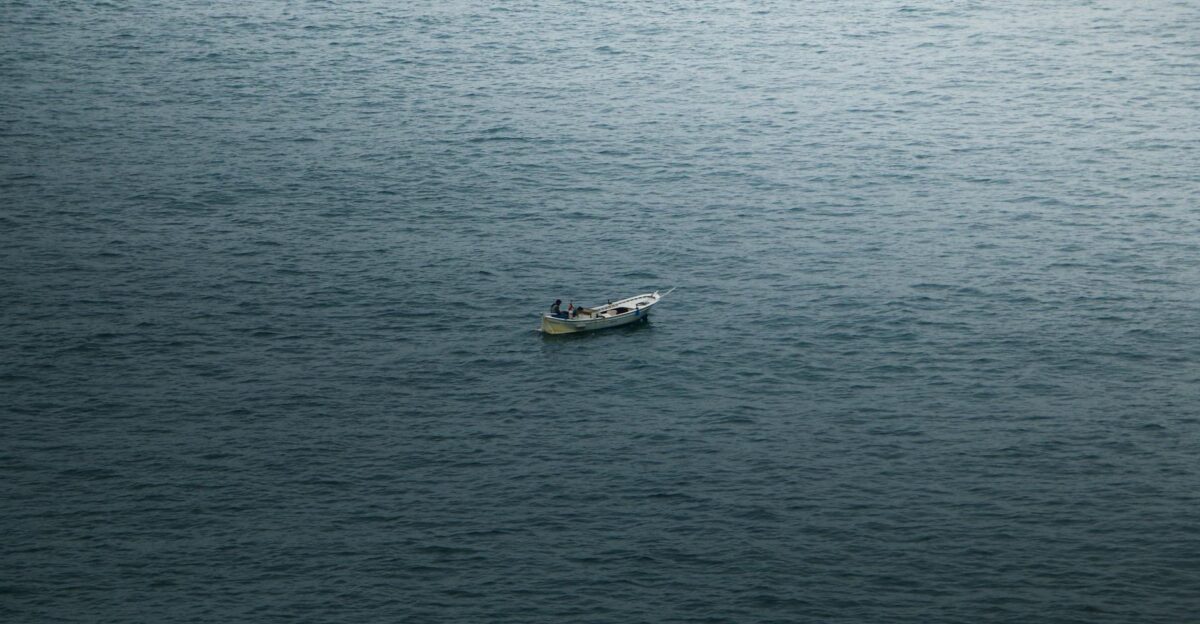
Shipping companies and insurers are reassessing routes, security protocols, and premiums for vessels passing through the Black Sea. With the Orinda carrying 4,000 tons of LPG, this attack has triggered emergency reviews of safety measures, especially for high-risk cargo.
Some shipping companies are already contemplating halting operations or demanding significantly higher premiums to cover the mounting dangers.
LNG and Pipeline Shifts
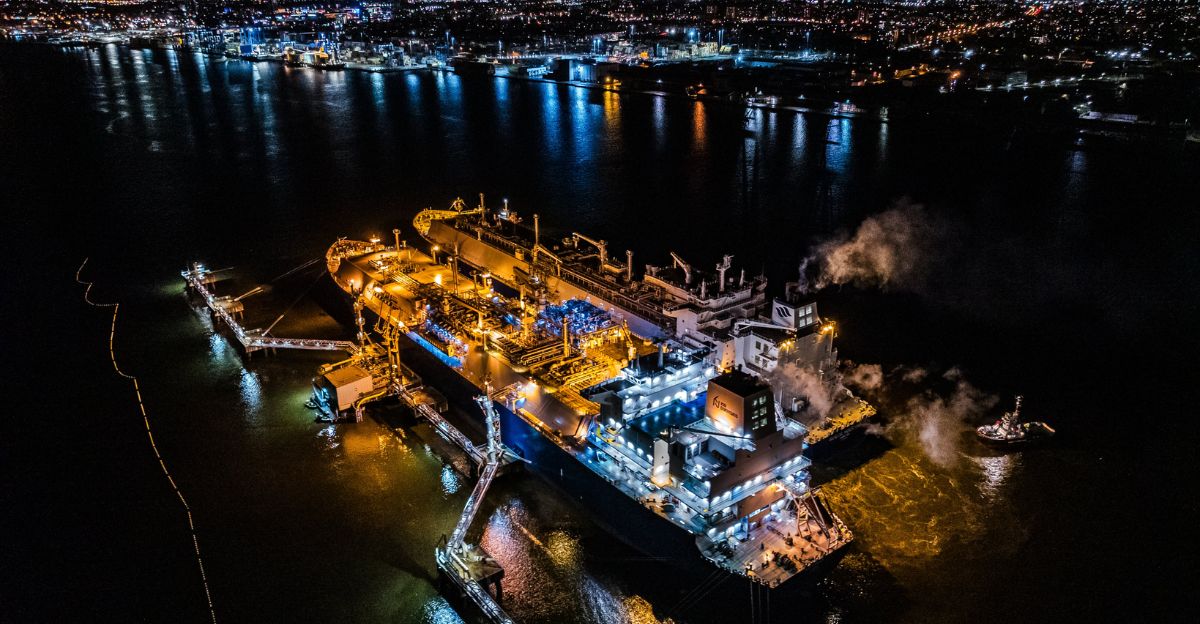
The attack, following the U.S.-Ukraine LNG deal, may expedite efforts to diversify energy supply routes. Alternative LNG imports via Greece and new pipeline options are now more urgent.
European buyers are beginning to shift their focus to more stable, less volatile suppliers, and investments are expected to flow into these routes, further altering the energy landscape in the region.
Ripple Across Borders
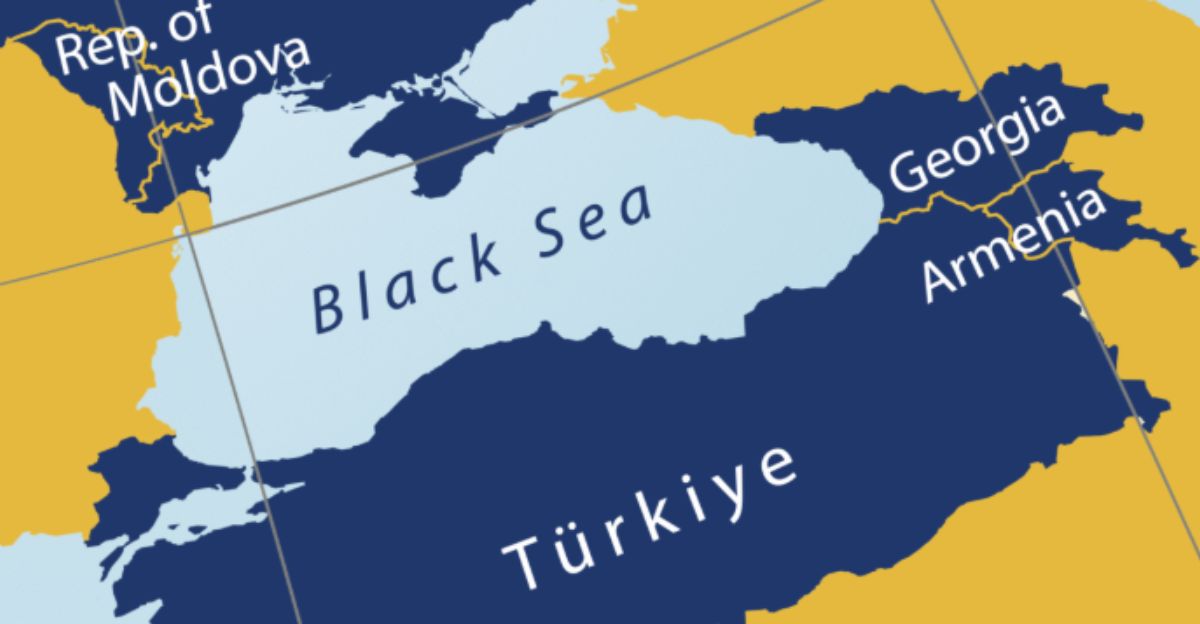
Romania’s evacuation of two villages near Izmail reveals the cross-border risks now posed by the conflict. The Danube River, a critical trade artery, is increasingly viewed as vulnerable to further strikes.
Romania has ramped up its emergency protocols, and Turkey has warned that such attacks heighten tensions in the Black Sea, further complicating international trade and security in the region.
Crew and Local Residents
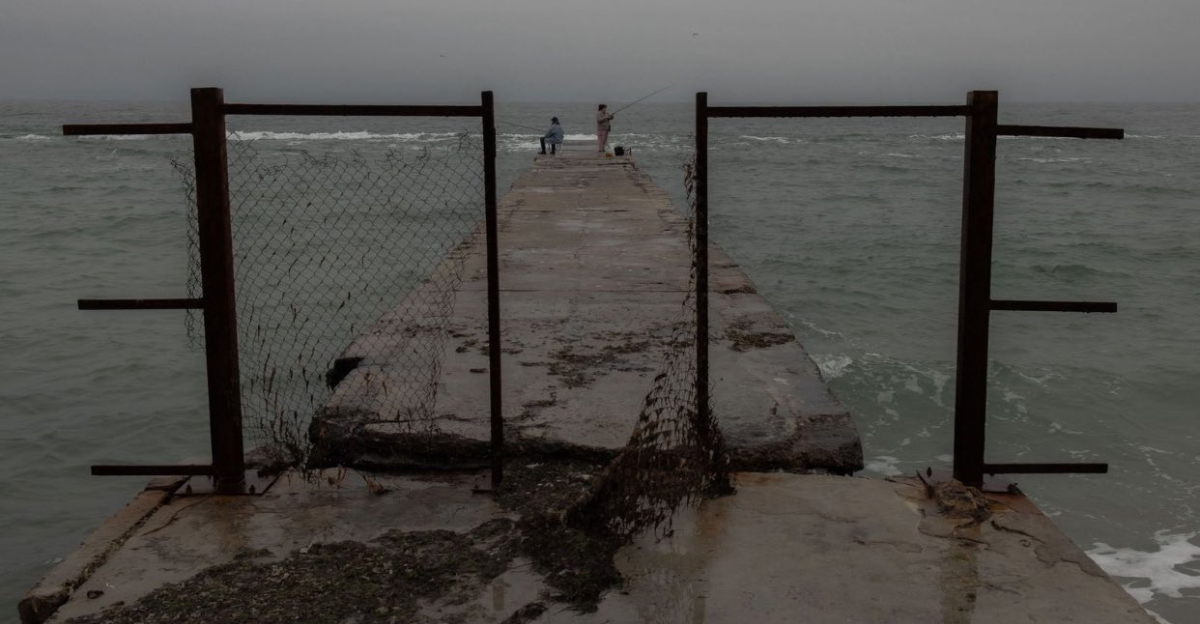
The Orinda’s 16 crew members were safely evacuated, but the fear and uncertainty remain. Romanian villagers near the blast site had to leave their homes, leaving behind belongings and livestock.
Turkish MP Ulas Karasu reflected the widespread anxiety, stating, “The safety of our ships and crew must be ensured,” capturing the high level of concern among seafarers and border communities alike.
NATO on Alert
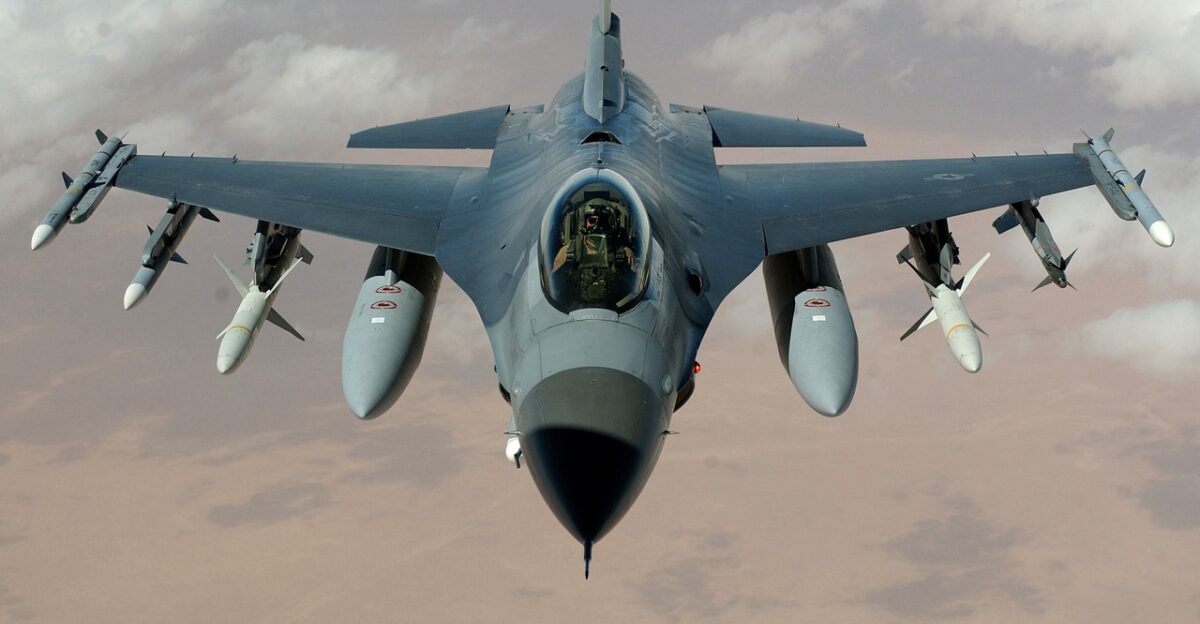
Romania scrambled F-16 fighter jets to monitor airspace following the attack, heightening its military readiness and signaling NATO’s growing concern over the conflict’s proximity to its borders. Turkish authorities are calling for stronger actions to protect shipping lanes, and NATO members are urgently discussing collective security measures.
The incident has reignited debates about NATO’s involvement in safeguarding the Black Sea and preventing further escalation along its borders.
Energy Markets and Volatility

Global energy markets are closely watching the incident, with the attack adding more fuel to the fire of regional instability. Experts warn that Black Sea shipping disruptions could lead to inflationary pressures on fuel, transportation, and consumer goods, especially across Europe.
The economic fallout from this attack is expected to stretch beyond the immediate region, impacting global markets in the months to come.
Winter Hardships Loom
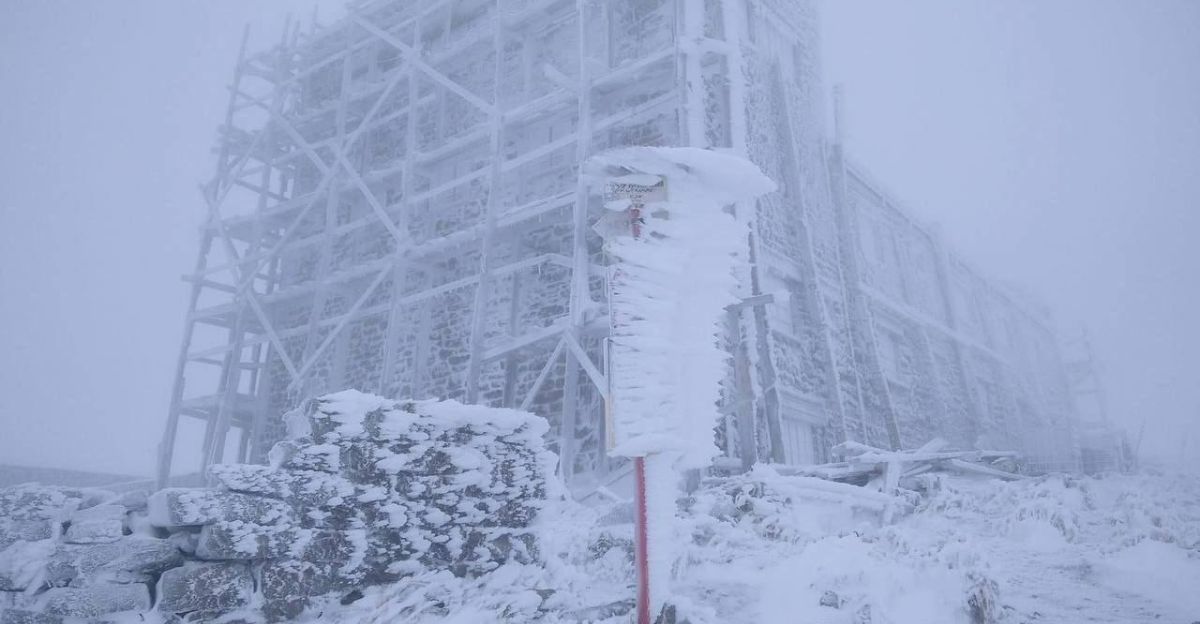
With energy infrastructure under attack, millions in Ukraine and nearby nations are bracing for potential power outages and fuel shortages. Health risks rise as families prepare for a harsh winter with unpredictable energy supplies.
Emergency services are already preparing for a surge in demand as the humanitarian situation becomes increasingly dire, leaving many to face severe cold without adequate heat.
Civilian Risk

This attack, targeting civilian shipping and infrastructure, raises ethical questions about the rules of war and environmental safety. The risk of a major explosion from the Orinda’s LPG cargo has prompted alarms about potential ecological disasters in the Danube and Black Sea.
Calls for tighter maritime protections are growing as these attacks threaten not just human lives but the region’s delicate ecosystems.
Security and Adaptation
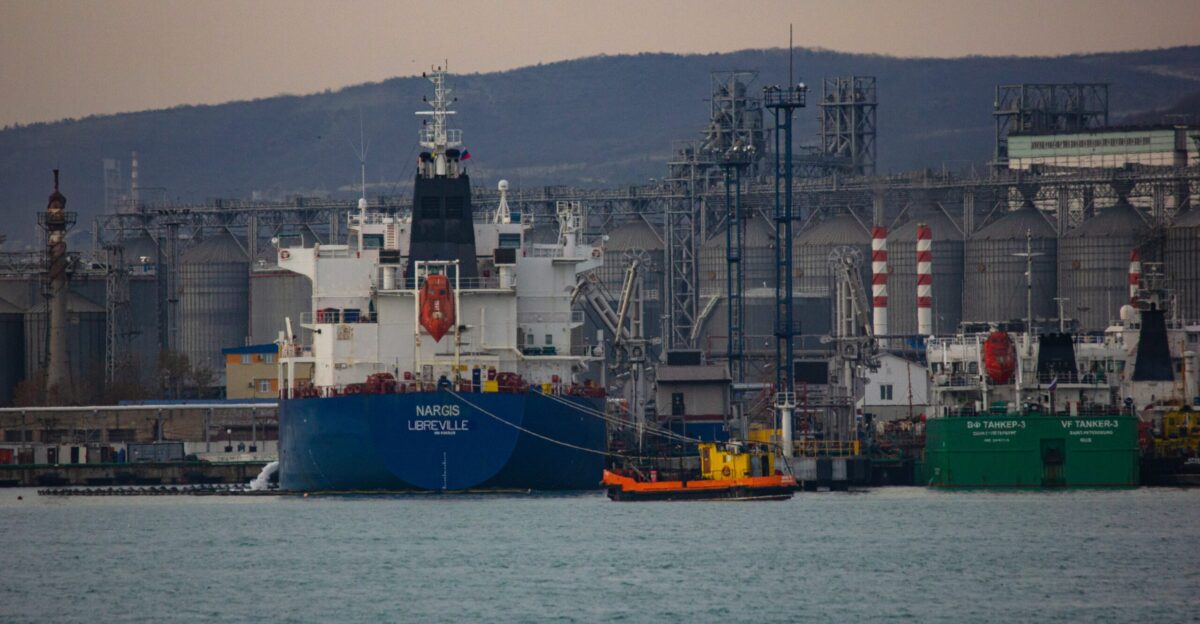
The Russian drone attack has altered global perceptions of the Black Sea as a safe trade route. International shipping and energy firms are reevaluating their operations in the region, investing in heightened security measures to protect their vessels.
Consumers worldwide are watching with concern as these disruptions could ripple through supply chains and cause price hikes on everyday goods.
Market Shifts

While Ukrainian and Turkish shipping industries are reeling from the attack, alternative energy suppliers—especially U.S. LNG exporters and pipeline operators in Greece—stand to benefit from the rising demand for safer routes.
Insurance companies, meanwhile, may see higher premiums, while regional economies dependent on Black Sea trade could face mounting losses as shipping lanes remain uncertain.
Financial Speculation and Consumer Advice
Energy markets are experiencing heightened volatility in the wake of the attack. Analysts recommend that consumers brace for potential fuel price hikes and supply disruptions. Investors are closely monitoring energy and shipping stocks for signs of market fluctuations.
Experts also advise diversifying energy sources and staying updated on official advisories regarding travel and trade in the Black Sea region.
What’s Next? Regional Security and Global Stakes
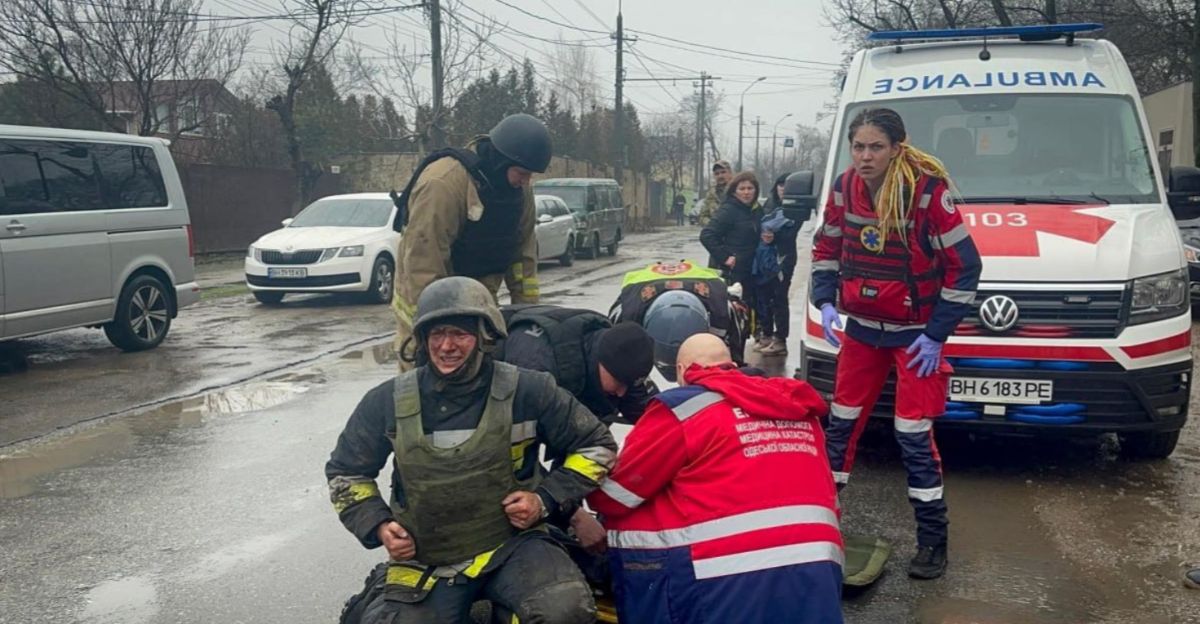
The Orinda incident marks a critical moment in the ongoing Ukraine conflict, with far-reaching implications for regional security. As attacks on both energy and civilian infrastructure persist, the possibility of NATO’s broader involvement in the conflict becomes more likely.
Policymakers and consumers alike must prepare for ongoing volatility in security, energy, and international trade as the situation continues to evolve.