
For over a century, a Newark-based shipping company has been a staple in New Jersey’s logistics sector. However, after 101 years of operations, it is now facing bankruptcy.
The company, which has served the Port of New York and New Jersey for decades, is teetering on the edge, with its legacy at risk and workers facing uncertainty. The sudden financial crisis has left the future uncertain.
Debt Escalates to Over $100 Million
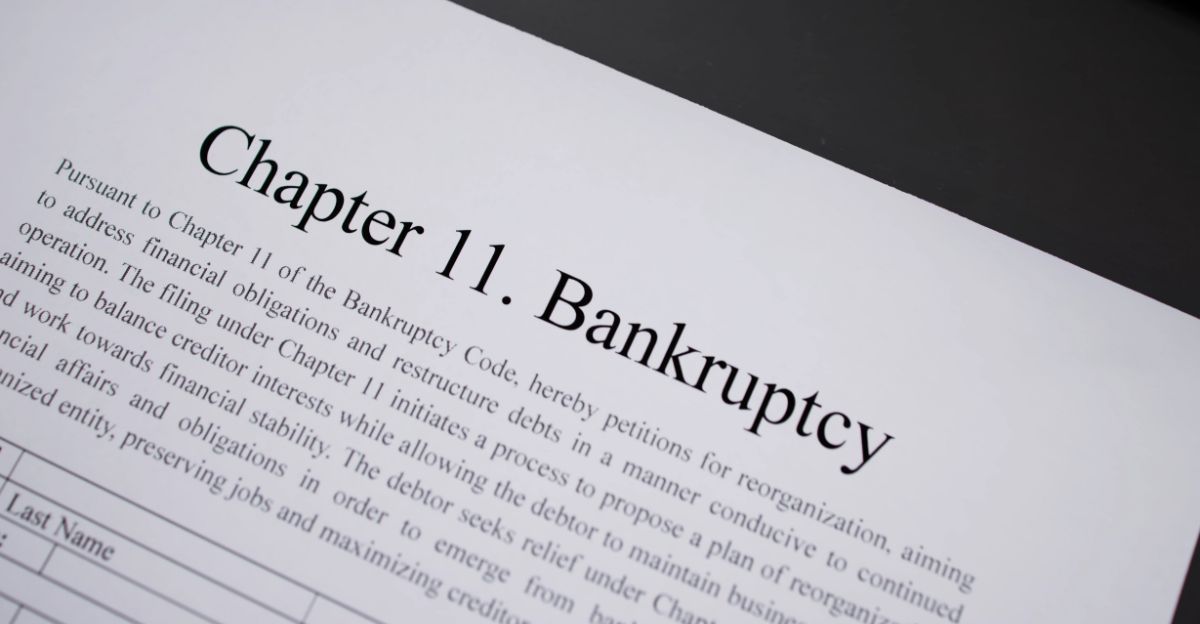
The company’s liabilities have grown to between $50 million and $100 million, forcing it to seek Chapter 11 bankruptcy protection.
This mounting debt has triggered a series of legal actions and has placed its creditors and employees in a precarious position. The company’s attempt to restructure its operations comes amid the mounting financial pressure, leaving many to question if a recovery is possible.
A Century of Success, Now at Risk
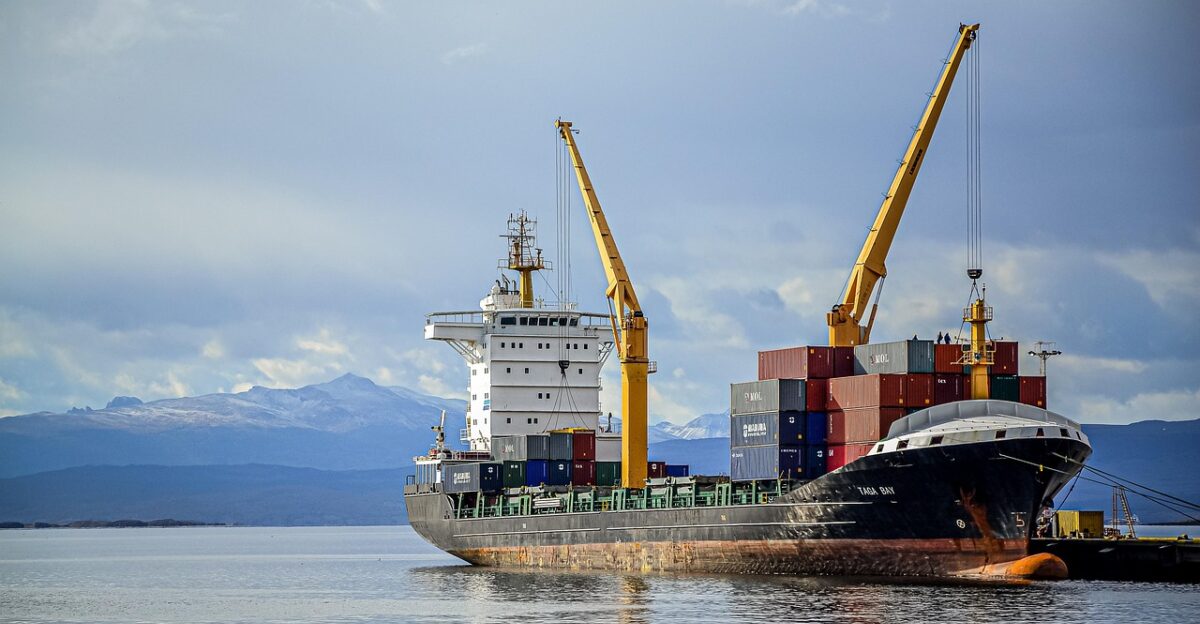
Founded in 1924, this shipping company has been a vital part of the region’s logistics infrastructure. It grew over the decades to become a key player at the Port of New York and New Jersey, contributing significantly to the region’s economy.
But despite its rich history, the company’s operations are now threatened by the mounting financial pressures of a broader industry downturn.
The Impact of the “Great Freight Recession”
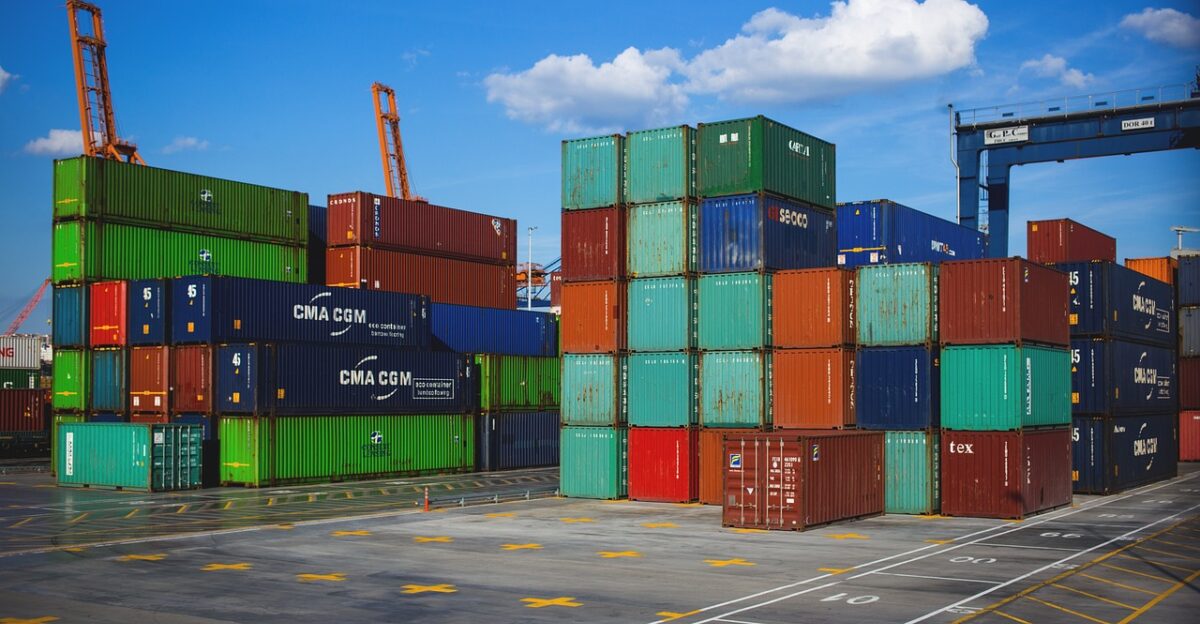
Since 2022, the freight industry has been in the grips of the “Great Freight Recession.” Plummeting demand, rising costs, and a truck driver shortage have hurt profit margins across the sector. Even long-established companies have found themselves vulnerable to these changes.
The shipping company’s troubles are a direct result of the ongoing downturn, leaving its future uncertain in a rapidly changing industry.
Chapter 11 Filing: A Bid for Restructuring

Port Elizabeth Terminal & Warehouse Corp. filed for Chapter 11 bankruptcy on November 14, 2025, in the U.S. Bankruptcy Court for the District of New Jersey. The filing marks an attempt to reorganize its finances and continue operations under court supervision.
The company aims to protect its assets while attempting to find a way out of its financial distress, hoping for a recovery through restructuring.
Local Economic Impact and Business Disruption
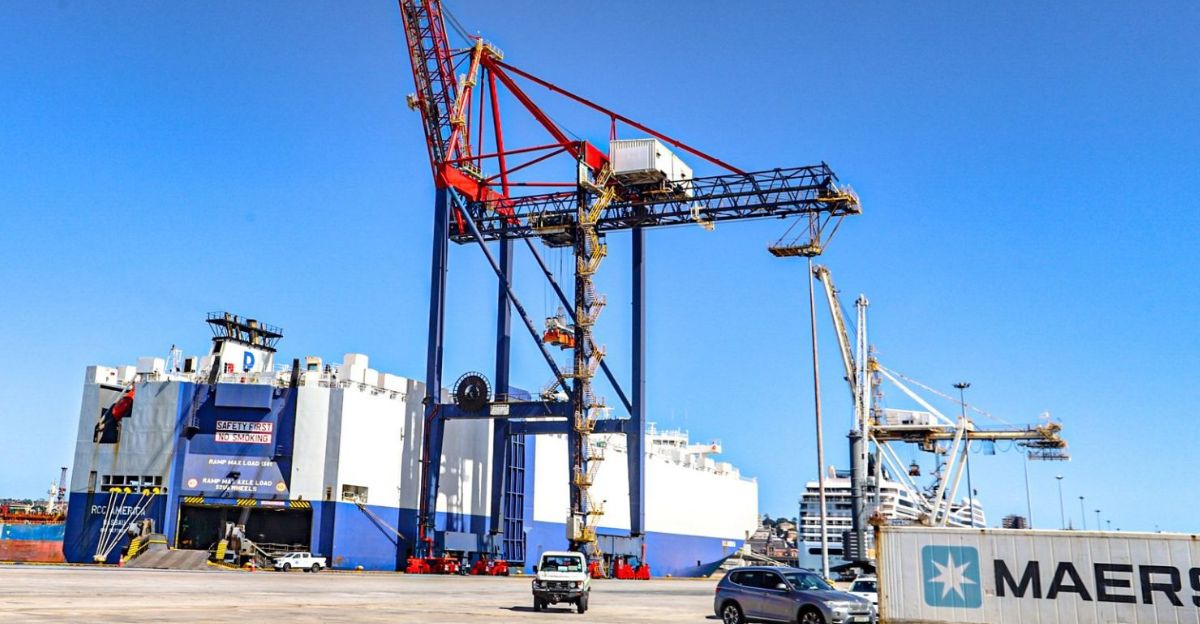
Port Elizabeth’s bankruptcy could disrupt the region’s logistics operations. The closure of this major logistics operation would impact local businesses that depend on its services.
With the company’s extensive operations at the Port of New York and New Jersey, the potential impact on the region’s supply chain is considerable, leaving workers and stakeholders facing an uncertain future.
Uncertainty for Workers as Restructuring Continues

As Port Elizabeth works through its Chapter 11 filing, employees face uncertainty about their future. Legal representatives have requested court approval to continue paying wages and benefits during the restructuring process.
The ongoing financial crisis has put workers at risk, with many unsure whether they will keep their jobs or lose them as the company navigates its bankruptcy.
Creditors Stand to Lose Millions in Unsecured Debt
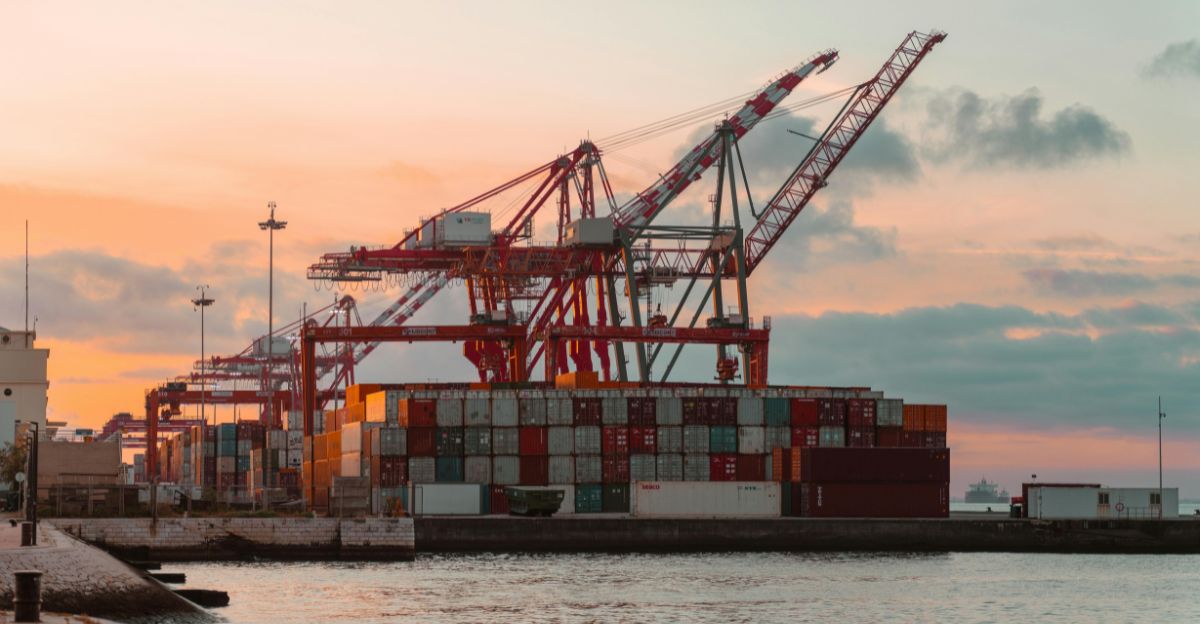
Among the major creditors are Hartz Elizabeth Inc., GLC Jersey City LLC, and Prologis Logistics Real Estate, all of whom stand to lose significant amounts. Hartz Elizabeth is owed $3.5 million alone for warehouse lease payments.
These creditors will play a crucial role in the bankruptcy proceedings, as they try to recover their losses while the company works toward a potential recovery.
Wider Industry Struggles Amid Logistics Crisis
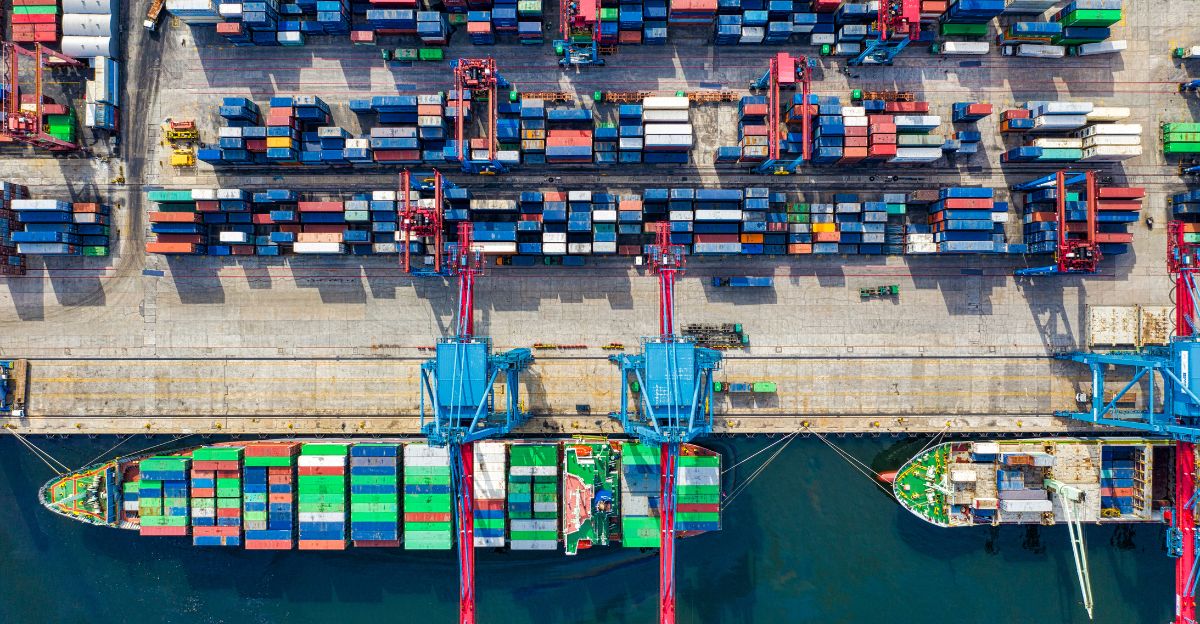
The freight and logistics industry is still in turmoil. Since 2022, the “Great Freight Recession” has led to a steep decline in demand for long-haul trucking.
With a reported 25% drop in truckload demand during the first half of 2025, and a nationwide truck driver shortage, the industry faces long-term operational challenges. Port Elizabeth’s troubles are symptomatic of broader issues plaguing logistics companies across the U.S.
Supply Chain Disruption as Collateral Damage

Port Elizabeth’s bankruptcy will likely have a ripple effect throughout the supply chain. Key unsecured creditors, including equipment suppliers and real estate firms, are at risk of financial loss.
The company’s closure could disrupt operations that serve the Port of New York and New Jersey, making it harder for goods to be moved efficiently through the region.
Internal Struggles and Court Orders

Port Elizabeth has faced internal struggles, such as missed asset/liability schedules, which prompted a court order. The company’s inability to meet deadlines has added complexity to its bankruptcy proceedings.
The court’s expedited schedule and internal administrative stress highlight the difficulties involved in restructuring a company of this scale, making the bankruptcy process even more complicated.
Leadership Steps Up Amid Crisis

Under the leadership of President Patrick Wynne and legal counsel Turner Falk, Port Elizabeth is focusing on securing the necessary financing to continue operations during its restructuring.
They are working to gain court approval for a reorganization plan that would allow the company to recover from its financial troubles, but the outcome remains uncertain as the March 2026 deadline approaches.
Plans for Recovery Amid Bankruptcy Process
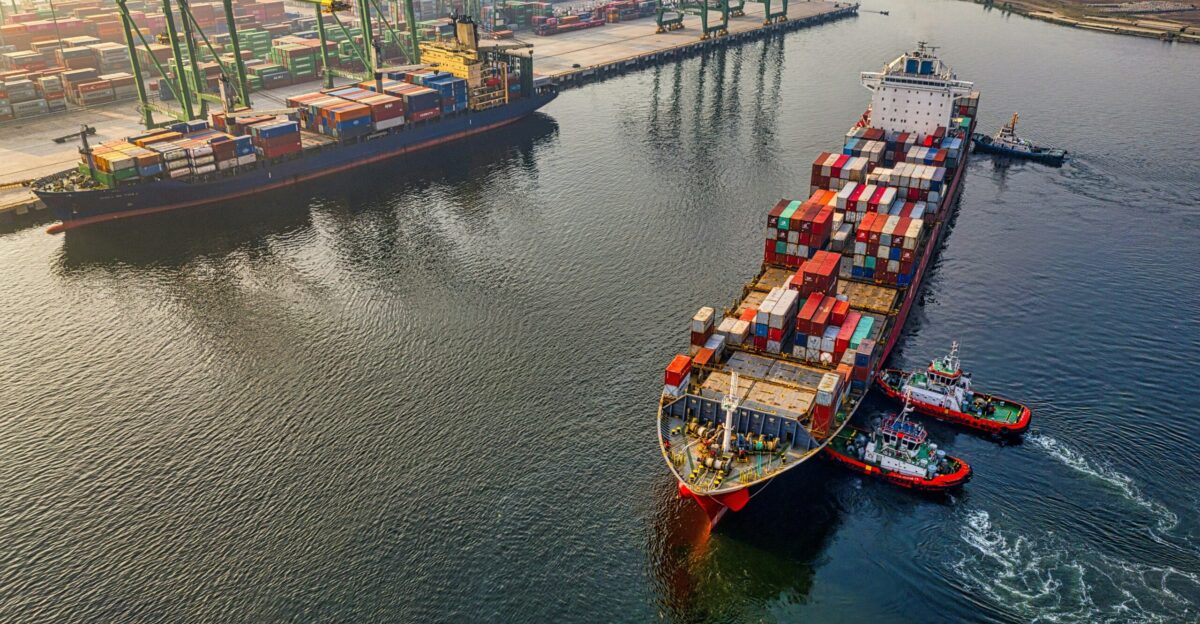
Port Elizabeth hopes to maintain operations during the bankruptcy process, focusing on securing necessary post-petition funding.
The company is seeking court approval to continue services such as utilities and employee payments while it works with creditors on a reorganization plan. The success of these plans depends on securing new financing and negotiating a path forward with creditors.
Industry Experts Question Long-Term Recovery

Industry experts remain skeptical about the future of Port Elizabeth. David Roush of KSM Transport Advisors has stated that the Great Freight Recession is “NOT over,” emphasizing the continuing risks for logistics companies.
With demand still low and operational costs high, many firms, including Port Elizabeth, face an uncertain future, despite efforts to restructure and recover.
Reorganization Plan Deadline Looms in March 2026
Port Elizabeth’s restructuring efforts are under a tight deadline, with the plan due by March 16, 2026. The outcome of this process will be critical for determining the company’s future.
The court’s decisions will have broad implications, potentially setting a precedent for how other struggling logistics firms handle their financial distress in a difficult economic climate.
Increased Tariffs and Regulatory Pressures

Tariffs and new regulations enacted in early 2025 have placed additional strain on logistics companies. Rising costs for goods and materials have made it harder for companies like Port Elizabeth to maintain profitability.
These regulatory shifts may contribute to further bankruptcies in the sector, adding to the already precarious situation faced by many businesses.
International Trade Shifts Further Strain U.S. Logistics
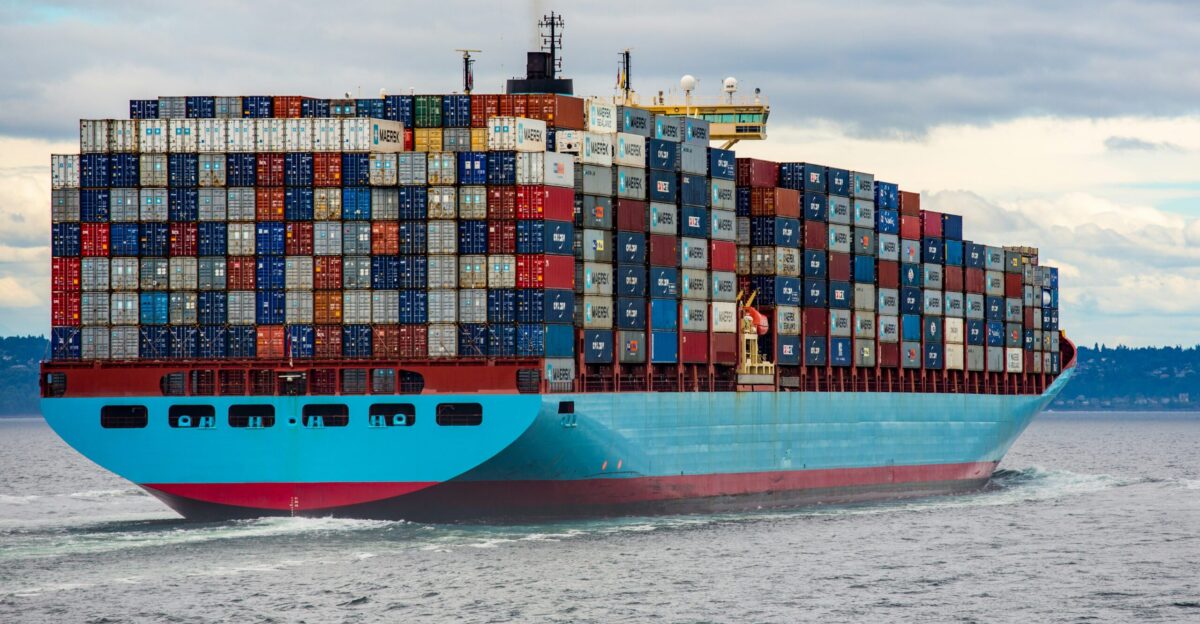
Shifting international trade dynamics are also affecting U.S. logistics companies. Changes in global trade routes and port fees could lead to disruptions in U.S. port activities.
These changes could exacerbate the challenges faced by American logistics firms already struggling to recover from the ongoing recession and the mounting costs of doing business.
Legal Complexities Add Layers to Bankruptcy Case
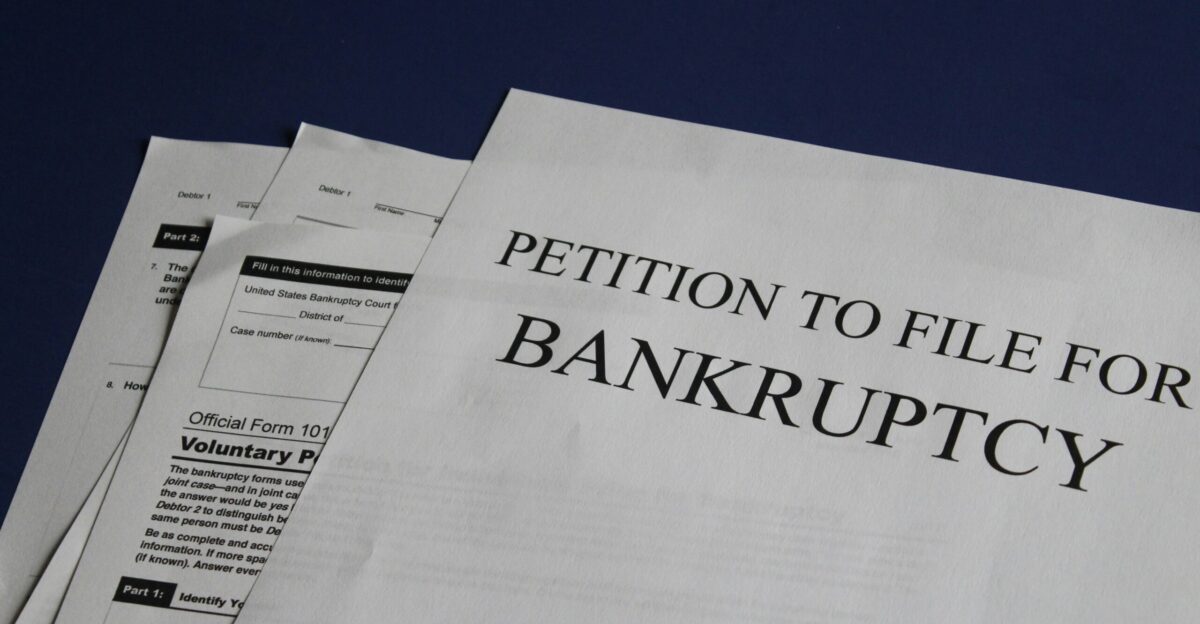
The bankruptcy case for Port Elizabeth involves numerous affiliated companies, each with its own set of creditor claims. The legal complexities are significant, with an expedited court schedule and interim financing orders adding layers of difficulty.
The intricate nature of this bankruptcy highlights the challenges of navigating large-scale logistics bankruptcies with multiple stakeholders involved.
Truck Drivers’ Role Recognized Amid Freight Crisis

The ongoing freight recession has changed the public perception of truck drivers. As essential workers who keep goods moving across the country, truck drivers are now more widely recognized for their critical role in the economy.
Despite this newfound respect, the industry still faces a shortage of drivers, with the American Trucking Association estimating an 80,000-driver shortfall.
Logistics Industry Faces Pivotal Moment
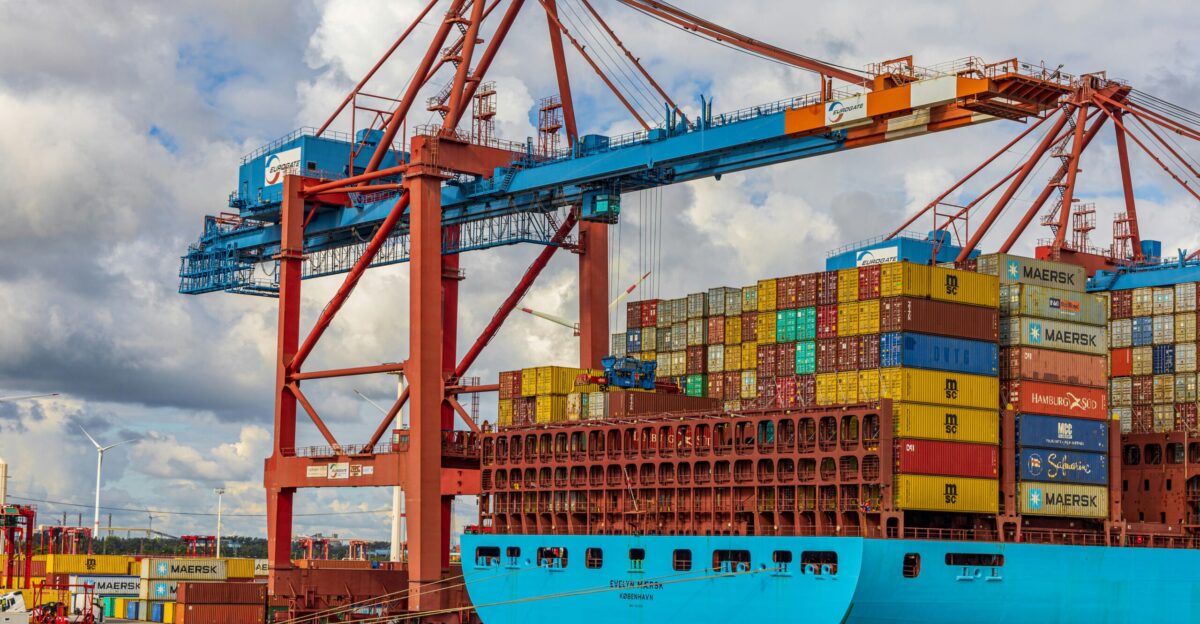
Port Elizabeth’s bankruptcy signals a pivotal moment for the logistics industry. As the sector struggles to recover from the ongoing freight recession, this event could influence the future trajectory of logistics companies across the U.S.
The outcome of Port Elizabeth’s restructuring process will be a key indicator of the industry’s resilience and its ability to adapt to the ongoing challenges it faces.