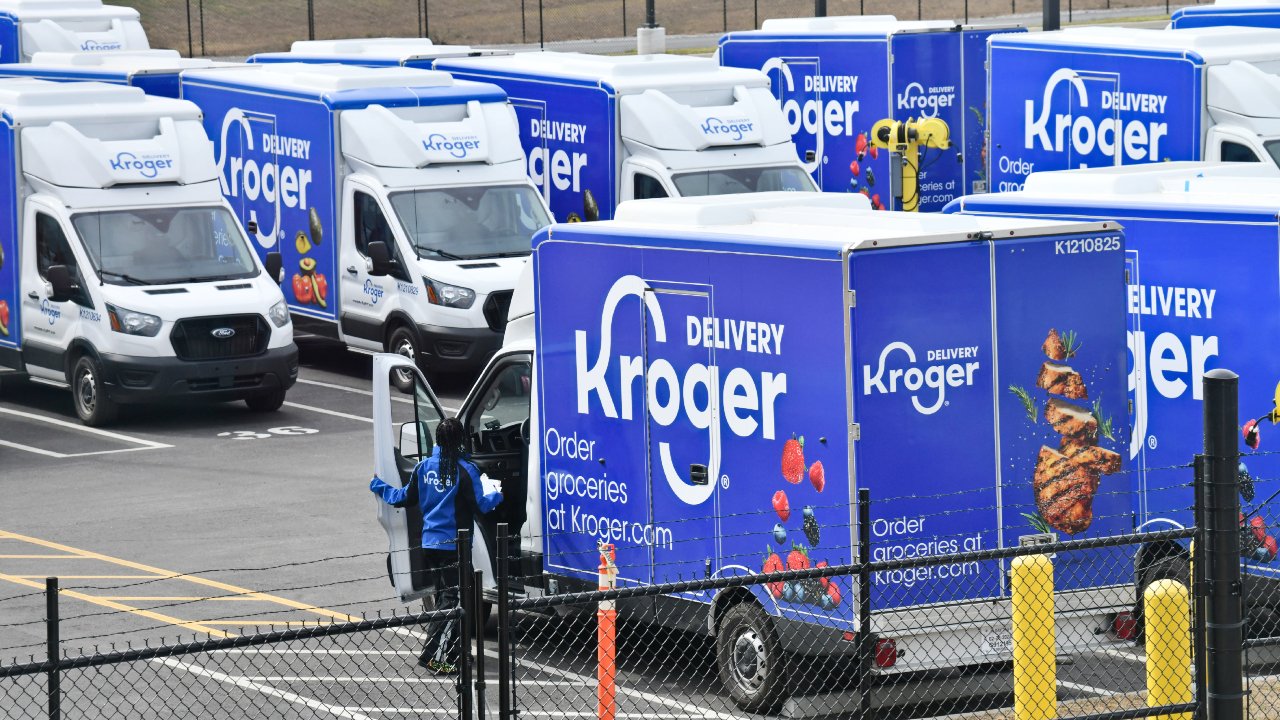
Kroger, America’s second-largest grocer, is shutting three massive automated fulfillment centers, marking its first major reversal since partnering with Ocado in 2018. The closures, costing $2.6 billion, will ripple across Wisconsin, Maryland, and Florida, impacting workers, delivery logistics, and the future of grocery automation.
This decision exposes the limits of centralized robotic warehouses in U.S. grocery retail. As Kroger pivots to store-based fulfillment and third-party delivery, the unfolding consequences are both immediate and far-reaching. Here’s what’s going on.
Why Kroger Shutting Mega Facilities Matters
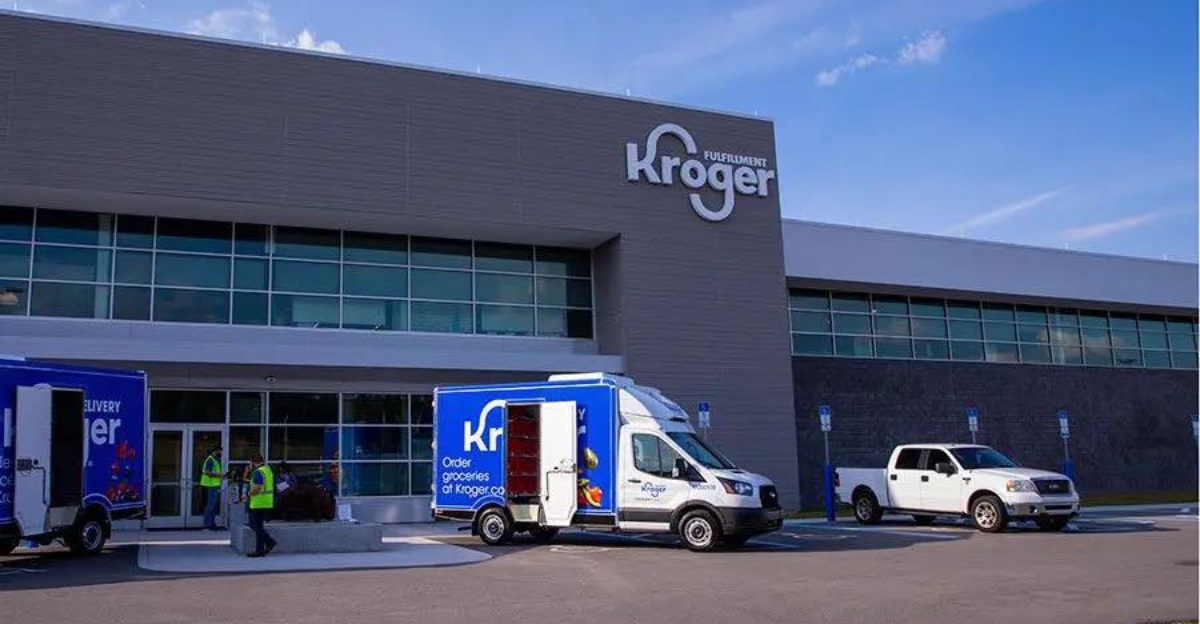
A review revealed the centers couldn’t meet profitability or demand-density targets despite five consecutive quarters of double-digit growth. The digital business remained unprofitable, resulting in a $2.6 billion impairment in fiscal Q3 2025, one of the largest write-downs in grocery automation history.
Each facility averaged $867 million in losses, highlighting the high capital investment in robotics and Ocado technology. Kroger’s challenge underscores a rare paradox: booming e-commerce sales paired with negative margins. However, the next slide shows how consumers will directly feel these closures.
Consumers Face Delivery Changes Soon
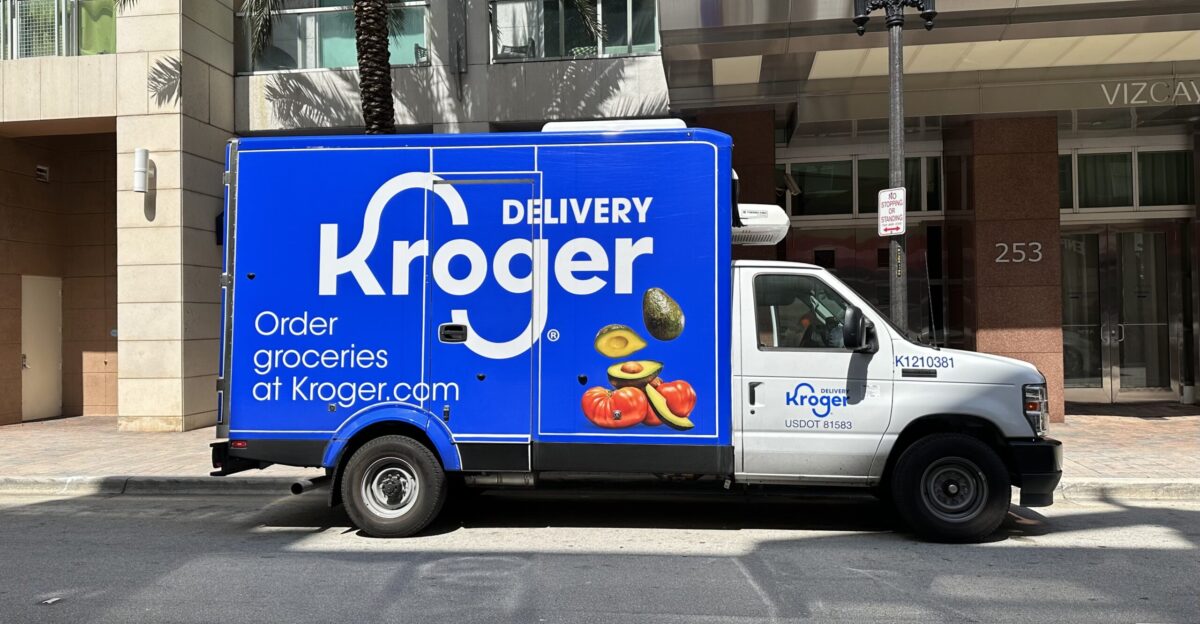
Shoppers in affected zones will see shifts in online order fulfillment. Kroger is moving from centralized robotic warehouses to store-based picking and third-party delivery. Groveland operated 4.5 years, Pleasant Prairie 3.5 years, and Frederick just 2.5 years—a short return for massive infrastructure investments.
The transition may alter delivery times, product availability, and fees in Wisconsin, Maryland, and Florida. Store-based fulfillment could be faster, but variability in service is likely. These operational changes highlight the practical implications of Kroger’s strategic pivot, hinting at broader impacts on U.S. grocery delivery.
A Strategic Pivot To Flexibility
Interim CEO Ron Sargent, appointed March 2025, called the closures “decisive action” to boost e-commerce profitability by $400 million in 2026. He said, “We are taking decisive action to make shopping easier, offer faster delivery times, provide more options to our customers, and we expect to deliver profitable sales growth as a result.”
Kroger will rely on Instacart, DoorDash, and Uber while piloting “capital-light, store-based automation” in high-volume markets. This strategic shift emphasizes flexibility over centralized robotics. How partnerships with third-party apps will reshape fulfillment is a growing point of interest for consumers and investors alike.
Third-Party Delivery Providers Step Up
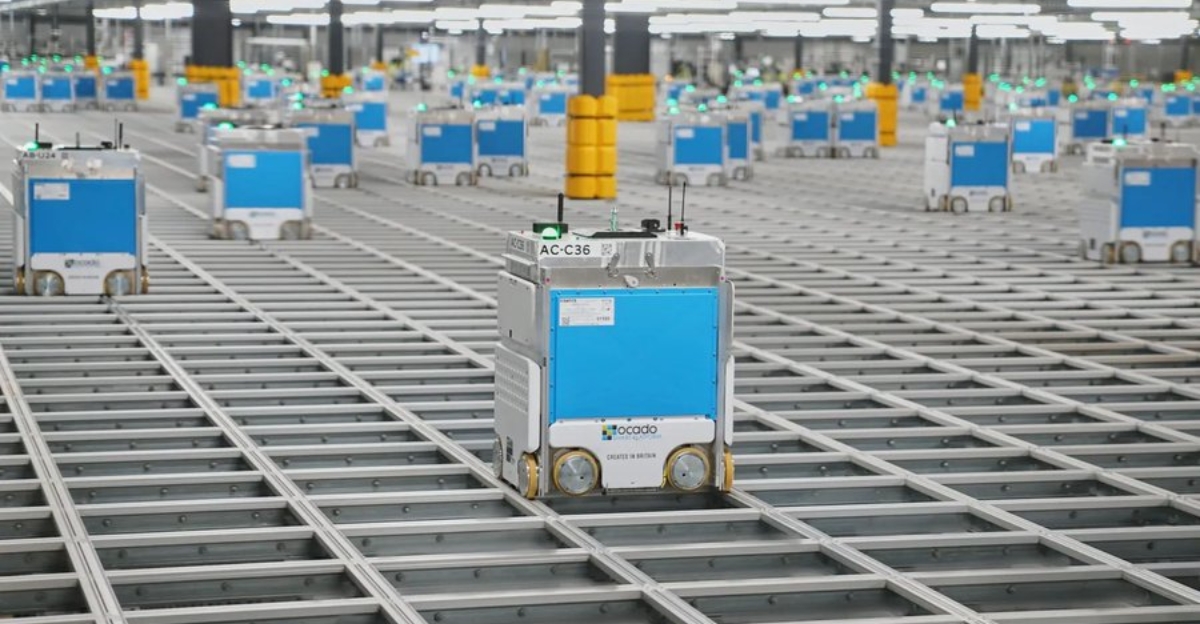
With Ocado-powered centers closing, Instacart is now Kroger’s primary delivery partner. DoorDash services nearly 2,700 stores, potentially processing 40,500–67,500 orders daily. AI ordering tools are being piloted in the Kroger app, aiming to streamline customer experience.
Third-party platforms are gaining where proprietary automation struggled. This move reshapes grocery delivery economics, highlighting the efficiency of flexible, store-based fulfillment. But will these apps fully replace robotic warehouses? The next slide examines how Ocado is reacting internationally.
Ocado Faces U.S. Strategy Setback
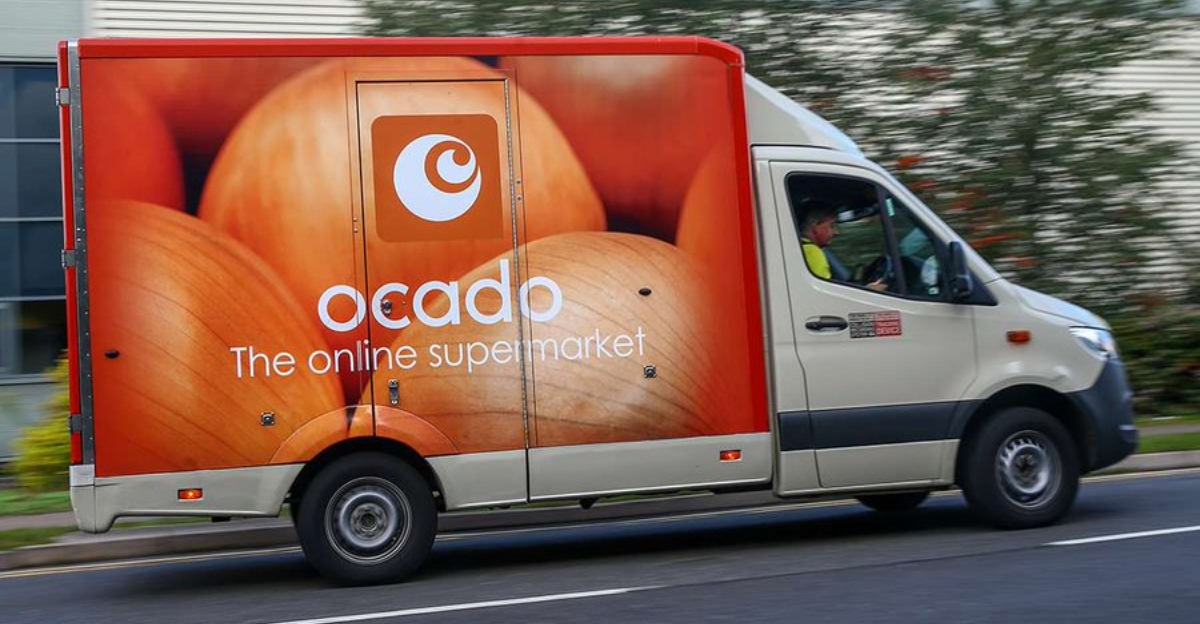
Ocado’s stock fell 17% on November 18, 2025, after the closures. Early termination payments exceed $250 million, but fiscal 2026 revenue will drop $50 million. Only 5 of 8 U.S. fulfillment centers remain operational, with two new sites planned for Charlotte and Phoenix.
The closures mark a significant blow to Ocado’s U.S. ambitions. The partnership envisioned up to 20 CFCs, showing how far reality fell short. This setback emphasizes that even advanced robotics face market-specific challenges, as revealed in the next slide about human impacts.
Florida Workers Face Job Uncertainty
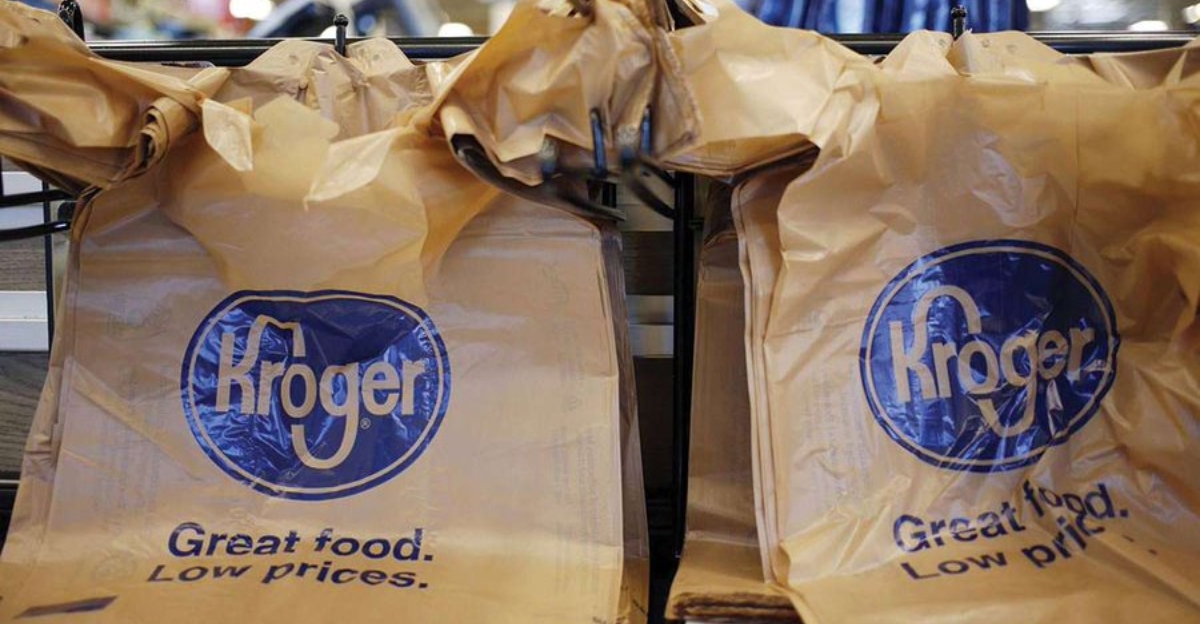
Groveland alone affects 935 employees, with Jacksonville, Tampa, and Rockledge totaling 468. Combined with Wisconsin and Maryland, 2,000–4,200 jobs may be at risk. Workers face just weeks’ notice before the January 2026 closures.
Rapid facility lifespans, especially Frederick’s 2.5 years, amplify economic disruption. Communities must grapple with sudden unemployment and broken promises of stable jobs. How companies support displaced workers is becoming a critical question for the industry.
Automation Model Comes Under Scrutiny
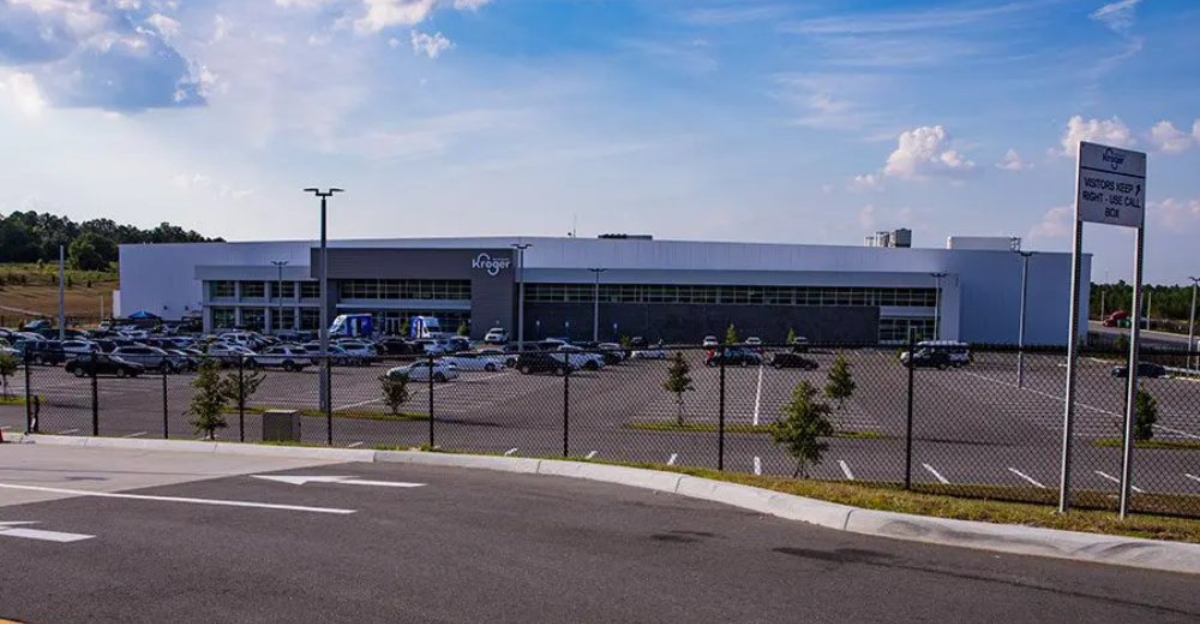
Kroger’s move sparked debate about large robotic warehouses’ viability in the U.S. Ken Fenyo, former Kroger executive, explained, “The American preference for same-day delivery, curbside pickup, and unpredictable order patterns contrasts sharply with the UK’s scheduled, high-density delivery model.”
Competitors are reevaluating automation strategies, favoring hybrid models combining selective automation with store-based fulfillment. Kroger’s shift signals a cautionary tale for others exploring centralized robotic fulfillment. How this will influence broader industry strategy is worth watching closely.
$2.6B Impairment Highlights Risks
Each closed facility cost approximately $867 million, reflecting high fixed costs and the risks of automation at scale. Automated storage grids, AI picking, and climate-controlled infrastructure all contributed to massive capital intensity.
Kroger now targets $400 million in e-commerce profitability improvement by 2026, reducing capital expenditures and partnering efficiently with third-party delivery. This marks a strategic pivot from expansion to sustainable growth, hinting at how delivery efficiency will evolve.
Faster, More Flexible Delivery Ahead
Store-based fulfillment and third-party delivery may offer faster options, including same-day or two-hour windows. Picking from store inventory ensures fresher products and better availability for shoppers.
However, variability in service is likely. Third-party shoppers may lack CFC expertise, and peak times could slow deliveries. Pricing may fluctuate as Kroger balances fees and commissions. The next slide explores automation’s role versus human labor.
Automation vs Human Labor Debate
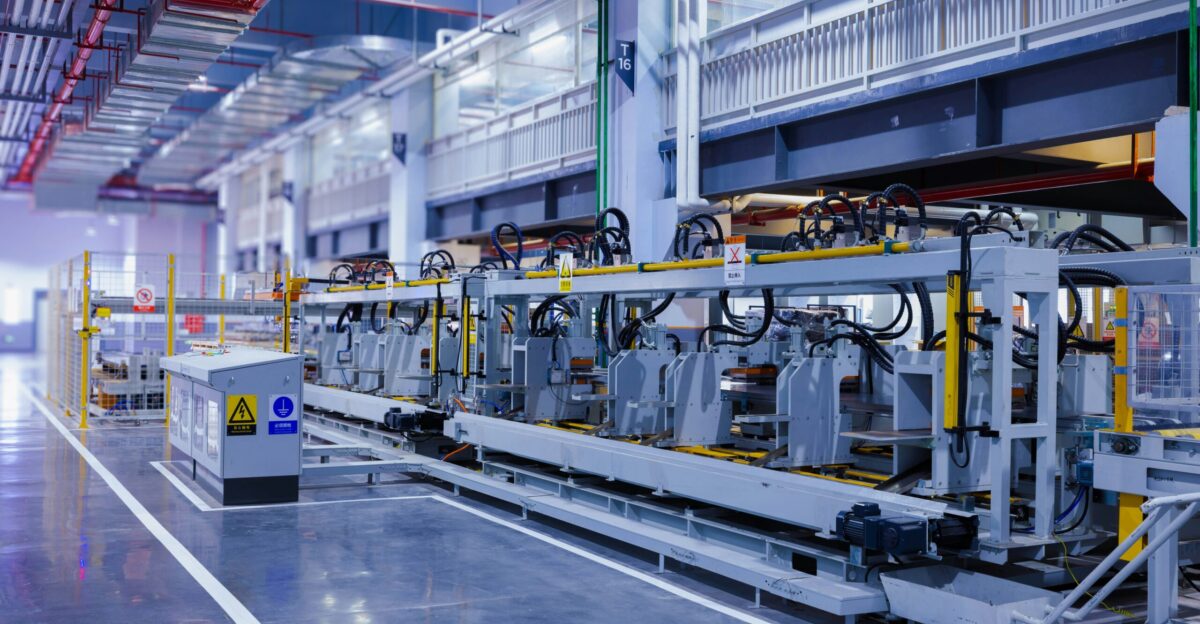
Robotic centers promised efficiency, but store workers proved more adaptable and cost-effective. “Thousands of robots moving on 3D grids couldn’t beat human judgment in complex grocery fulfillment,” notes industry analysts.
Communities advocate retraining and severance for displaced workers. Kroger’s experience highlights that technology cannot always replace human flexibility, raising broader questions about the future of automation in retail operations.
U.S. Market Challenges for Automation
Kroger shows European models struggle in America. Fenyo explained that UK orders are scheduled and dense, while U.S. demand is immediate and variable, undermining robotic efficiency.
This mismatch reveals why Ocado’s system faltered in sprawling U.S. metros. Retailers worldwide are monitoring lessons from Kroger, illustrating the global stakes of automated fulfillment strategies.
Unexpected Winners and Losers
Instacart, DoorDash, and Uber benefit from expanded order volume, while Ocado faces credibility and revenue losses. Regional grocers with flexible fulfillment may gain as consumers seek reliability during Kroger’s transition.
Automation suppliers face uncertainty as industry investment confidence wavers. The Kroger closures demonstrate that winners and losers in retail can shift quickly, reshaping market dynamics overnight.
Market Speculation and Consumer Advice
Analysts predict continued volatility for grocery automation stocks. Competitors may reconsider similar investments, while consumers must watch delivery fees, minimum orders, and service quality during the transition.
Exploring multiple grocery platforms can reveal the best value and convenience as the market consolidates. How investors and shoppers respond will influence the next phase of e-commerce fulfillment strategies.
The Future of Grocery Fulfillment
Kroger’s pivot ends the era of standalone robotic warehouses in the U.S., replacing it with store-based automation and third-party delivery. Selective automation in high-volume stores is the new strategy.
The balance between human labor and robotics will shape grocery’s future. Retailers, workers, and consumers will watch closely as Kroger tests sustainable models, offering lessons in the risks and rewards of massive automation investments.