
The federal government is launching a new initiative to expand immigration enforcement, channeling up to $180 million into a program that enlists private contractors to track down undocumented immigrants. This move, enabled by a surge in congressional funding and ambitious deportation targets, marks a shift in how immigration laws are enforced in the United States.
A New Era of Private Surveillance

The plan revolves around a contract system that pays private vendors to locate and verify the whereabouts of tens of thousands of undocumented individuals each month. These contractors are instructed to comb through government records, commercial databases, and social media, and to conduct in-person checks when digital leads are exhausted. The program incentivizes speed and accuracy, prompting discussion about how vigorously contractors may pursue enforcement as the system scales up.
The government’s rationale reflects the Trump administration’s stated goal of dramatically raising annual deportations—a figure that would exceed current enforcement capacity. To help bridge this gap, Immigration and Customs Enforcement (ICE) is turning to private surveillance firms, seeking their expertise and resources.
Funding and Political Backing
This expansion is made possible by a July 2025 congressional approval of $170 billion for immigration and border enforcement, including nearly $30 billion dedicated to deportation operations. The influx of funding has eliminated many previous budget constraints, allowing ICE to accelerate large-scale contracts and infrastructure expansion.
Political leaders have endorsed the increased focus. Department of Homeland Security Secretary Kristi Noem, for instance, has reiterated the administration’s commitment to robust enforcement, highlighting the intent to target individuals deemed to be in the country without authorization.
Private Companies Take the Lead

Several private firms are already involved. SOSi has secured a contract valued at $6.95 million for skip tracing—locating individuals who have evaded authorities—while Global Recovery Group LLC may receive up to $33.5 million. These early contracts offer insight into the broader $180 million program as it develops.
The model reflects earlier ideas proposed by private military contractors, such as those from Erik Prince, which advocated for using private firms to support immigration enforcement on a large scale. ICE’s adoption of aspects of this approach underscores the growing role of private sector solutions in federal enforcement.
How the Tracking Works
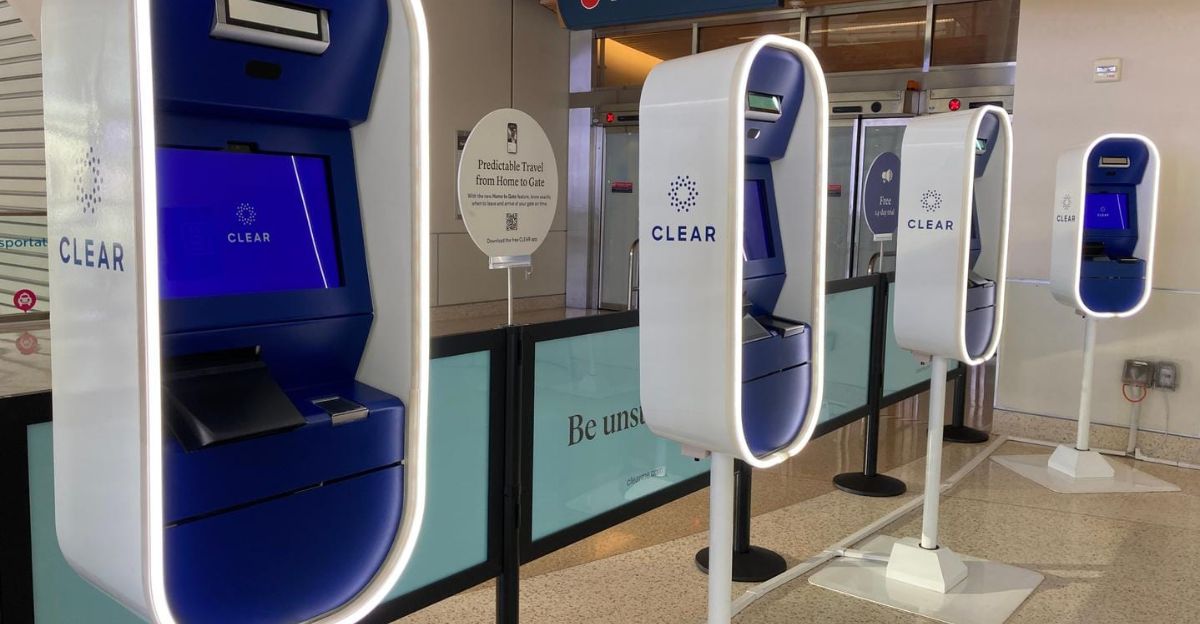
Contractors use a mix of government case files and commercial data sources, including platforms like CLEAR and Accurint, which compile data from court filings, utility bills, and business registrations. Social media monitoring and real-time skip tracing tools supplement these efforts, letting vendors cross-check addresses, employment records, and online activity.
If digital methods are insufficient, contractors are authorized to conduct physical surveillance, including visits and photographic documentation of homes or workplaces. This represents an expansion of private involvement in direct enforcement, increasingly blurring the line between government and commercial operations.
Program documentation instructs vendors to prioritize verifying an individual’s residence; if unsuccessful, workplace verification is to be attempted, making work sites a focus of surveillance.
Broader Impacts and Concerns

The scale of the program is significant. Reports indicate that ICE’s caseload may include over a million individuals, many of whom could become subjects of surveillance. If contractors are highly effective, a substantial portion of these cases could result in confirmed addresses reported to ICE. The indirect effects reach further: millions of family members may experience disruption if breadwinners or caregivers are deported.
Economic consequences may also follow. Immigrants are overrepresented as entrepreneurs and contribute notably to sectors such as construction, hospitality, and food processing. Increased removals could impede business operations and widen labor shortages, particularly in industries already dependent on immigrant labor. Reports have noted staffing disruptions in sectors like nursing homes and restaurants as enforcement ramps up.
The central role of commercial data brokers in this system has raised questions. With few restrictions, companies can sell sensitive personal information to contractors, fueling privacy and oversight concerns. A proposed rule to restrict data broker activity was withdrawn in 2025, leaving such practices largely unregulated.
Looking Ahead
As the $180 million initiative is implemented, it may represent a turning point in U.S. immigration enforcement. The integration of private contractors, extensive data sources, and physical surveillance signals a changing approach with far-reaching consequences for individuals and families. Ongoing developments will reveal how these systems perform in practice—and how the nation responds to emerging challenges and debates.