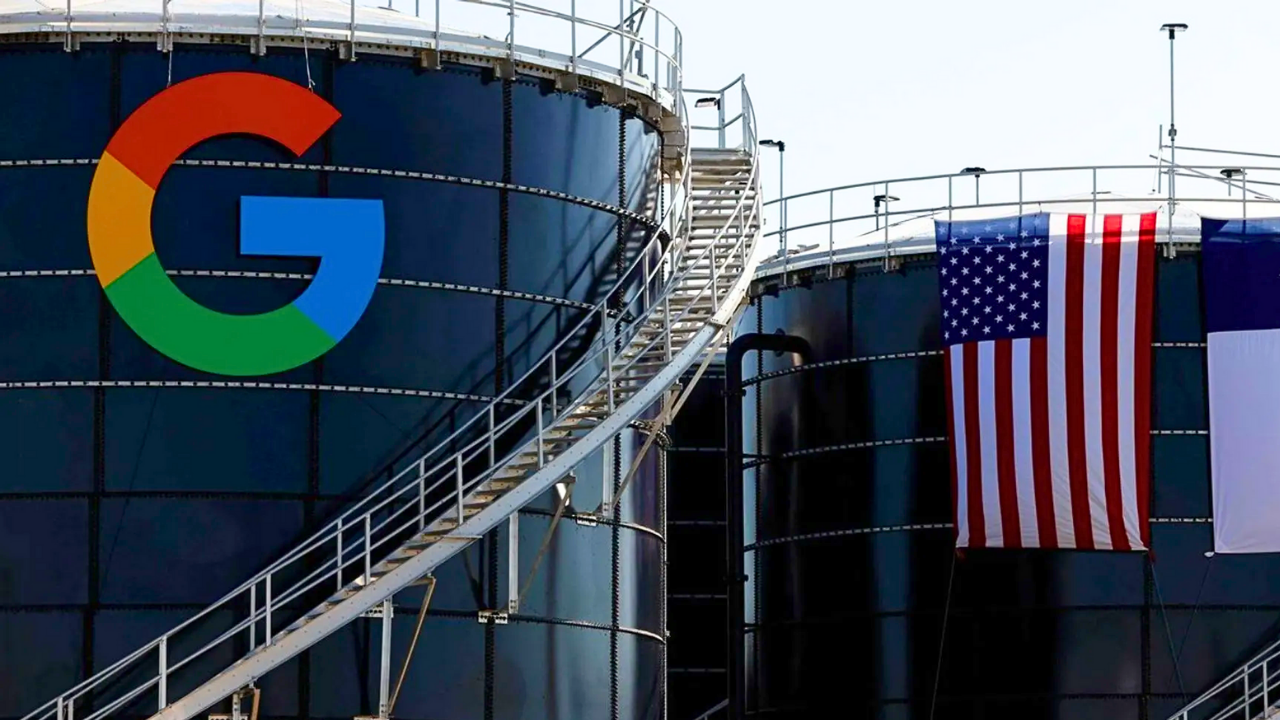
In November 2025, Google unveiled a $40 billion investment in Texas through 2027—its largest commitment to any U.S. state—signaling a dramatic escalation in the race to build the digital infrastructure powering artificial intelligence. Announced by CEO Sundar Pichai at a community celebration in Midlothian, Texas, the move cements Texas as a critical hub for AI, cloud computing, and renewable energy integration. The scale and ambition of this project are set to reshape rural economies, workforce pipelines, and the national technology landscape.
A Partnership of Scale and Strategy
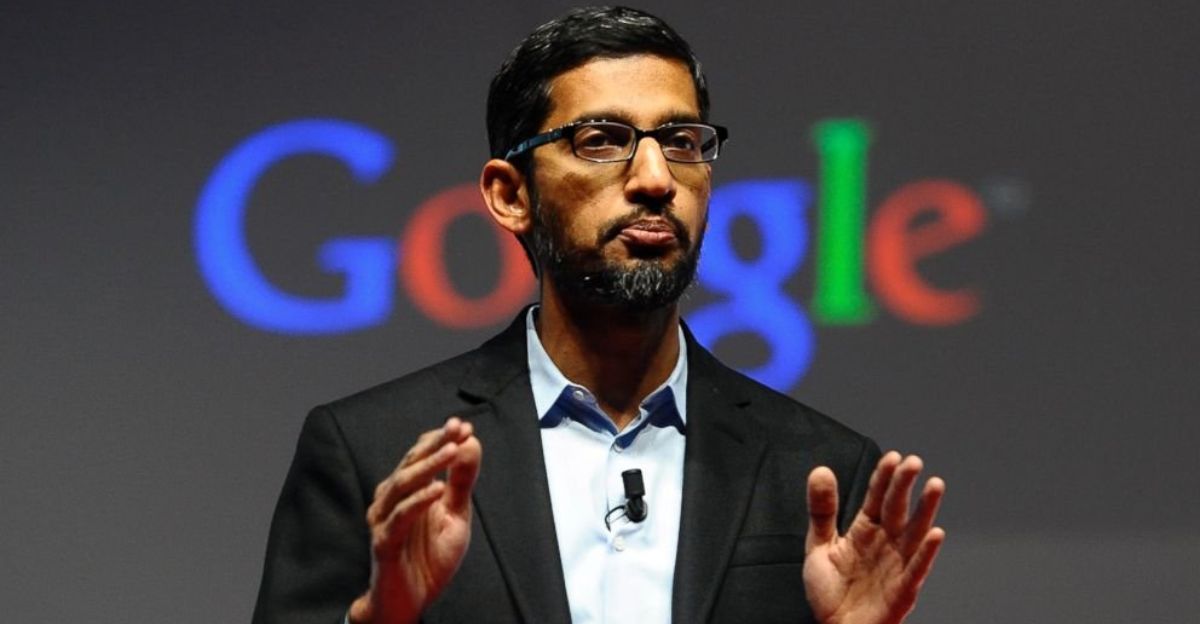
Google’s Texas expansion is a coordinated effort involving state and federal officials, including Governor Greg Abbott, U.S. Deputy Secretary of Energy James Danly, and Congressman Jake Ellzey. The company’s leadership, alongside local representatives, has emphasized the dual focus on energy efficiency and workforce development. The $40 billion will be distributed over three years, from 2025 to 2027, and will fund the construction of three major data center campuses—one in Armstrong County and two in Haskell County. One of the Haskell County sites will feature a solar and battery storage plant, directly addressing the energy demands of hyperscale AI operations.
This investment surpasses Google’s $9 billion commitment in Virginia and exceeds international projects including a €5.5 billion investment in Germany. The decision to anchor such a massive initiative in Texas reflects the state’s unique combination of affordable land, abundant renewable energy, and a deregulated electricity market.
Building the Backbone of AI
The new data centers are designed to support the next generation of AI and cloud services, providing the computational power for model training, fine-tuning, and enterprise-scale operations. The company will leverage modular and prefabricated construction techniques to accelerate timelines, part of industry efforts to meet rising demand. This rapid deployment is critical as the Electric Reliability Council of Texas (ERCOT) projects data center demand and overall grid demand to surge, with peak demand rising to 138 gigawatts by 2030 from 87 gigawatts in 2025.
Workforce Development and Local Impact
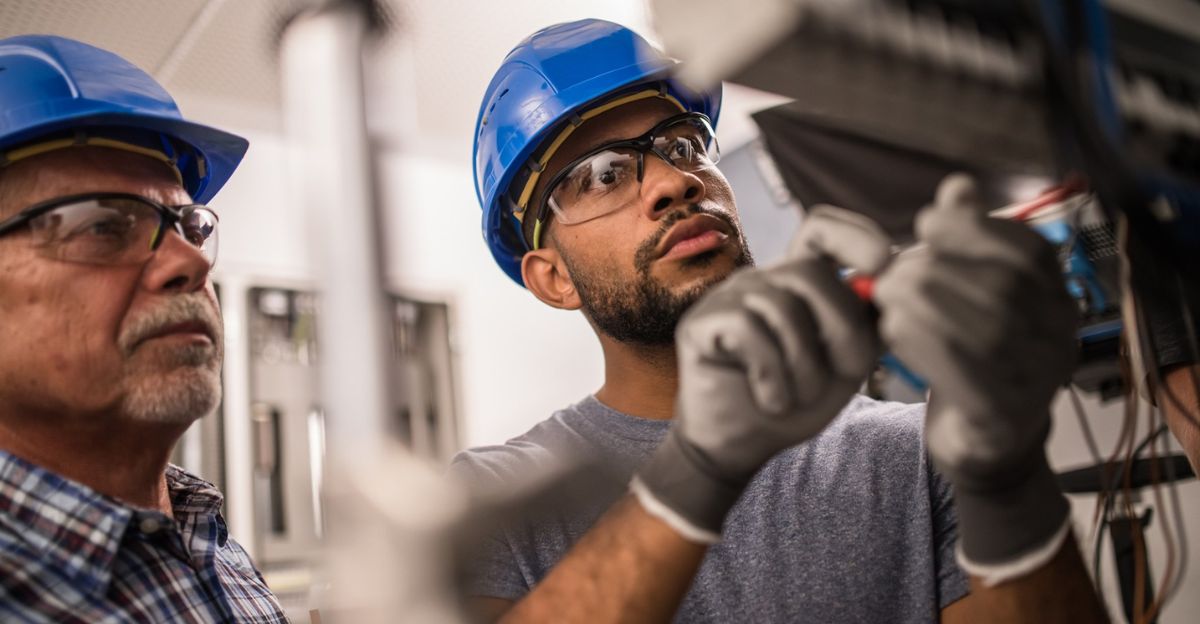
A cornerstone of Google’s Texas strategy is workforce training. The company has partnered with the Electrical Training ALLIANCE to train more than 1,700 apprentices by 2030, effectively doubling the state’s projected pipeline of new electricians. These programs focus on the specialized skills required for AI-era infrastructure, such as high-voltage systems and advanced cooling technologies.
The economic impact on rural communities is expected to be transformative. Armstrong and Haskell counties will see a wave of new jobs from data center operations, construction, supply, and services, echoing the economic expansion of past industrial periods. Data center operations generally employ 50 to 150 or more workers per facility, with each job supporting approximately six jobs elsewhere in the economy.
Powering AI with Renewable Energy
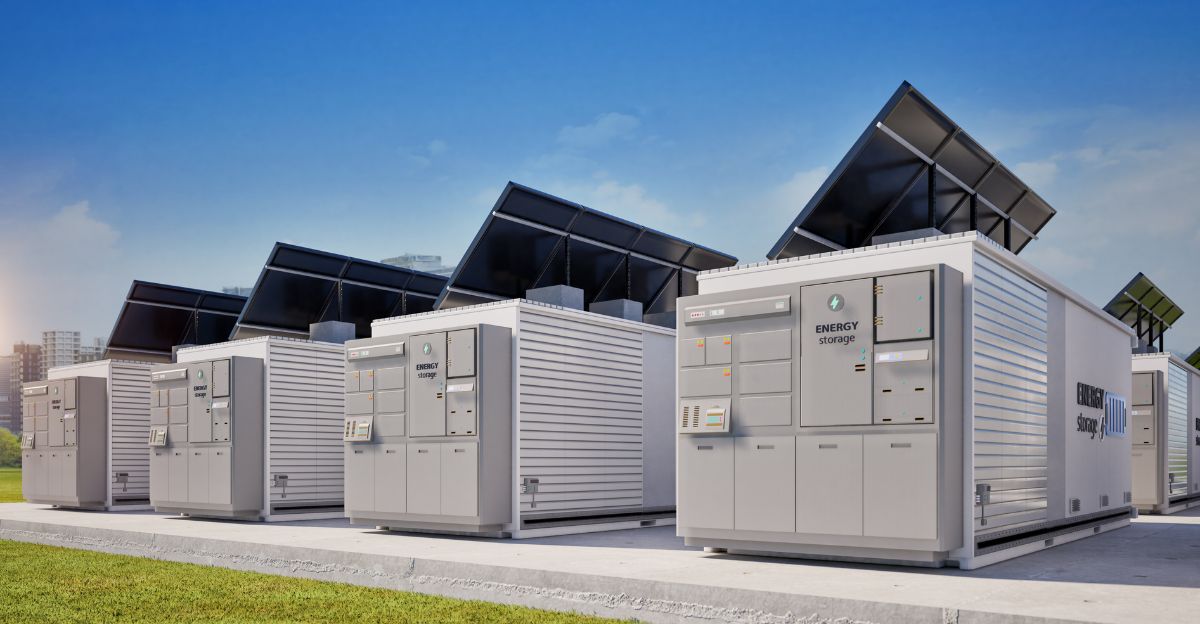
Central to Google’s plan is a commitment to renewable energy and grid resilience. The company has secured more than 6,200 megawatts of new energy generation and capacity through power purchase agreements with energy developers. A $30 million Energy Impact Fund will support local renewable initiatives and energy efficiency programs, aiming to minimize strain on the Texas grid for residents and other users.
Texas’s leadership in wind and solar energy—having added 42,000 megawatts of wind and 22,000 megawatts of solar by 2024—makes it an ideal environment for sustainable data center operations. By 2030, the state is projected to see continued expansion of solar and battery storage capacity.
The Stakes in the AI Infrastructure Race

Google’s Texas investment comes amid fierce competition from other tech giants. Microsoft, Amazon, and Meta have collectively pledged over $300 billion for U.S. AI data centers by 2025. As AI models advance their computational requirements, early infrastructure scaling is essential to maintain competitive advantage.
Texas’s unique blend of relatively cheap electricity, regulatory support, and available land positions it as the next frontier for digital infrastructure. With Virginia nearing capacity, the Lone Star State is emerging as a critical location for America’s AI ambitions. There are at least 411 data centers in Texas, second in the United States only to Virginia.
Looking Ahead
Google’s $40 billion bet is more than a corporate expansion—it is a catalyst for rural transformation, workforce development, and the reshaping of America’s technological future. As data centers rise from the Texas plains, the state’s role in the global AI race is set to grow, with implications that will reverberate far beyond its borders.