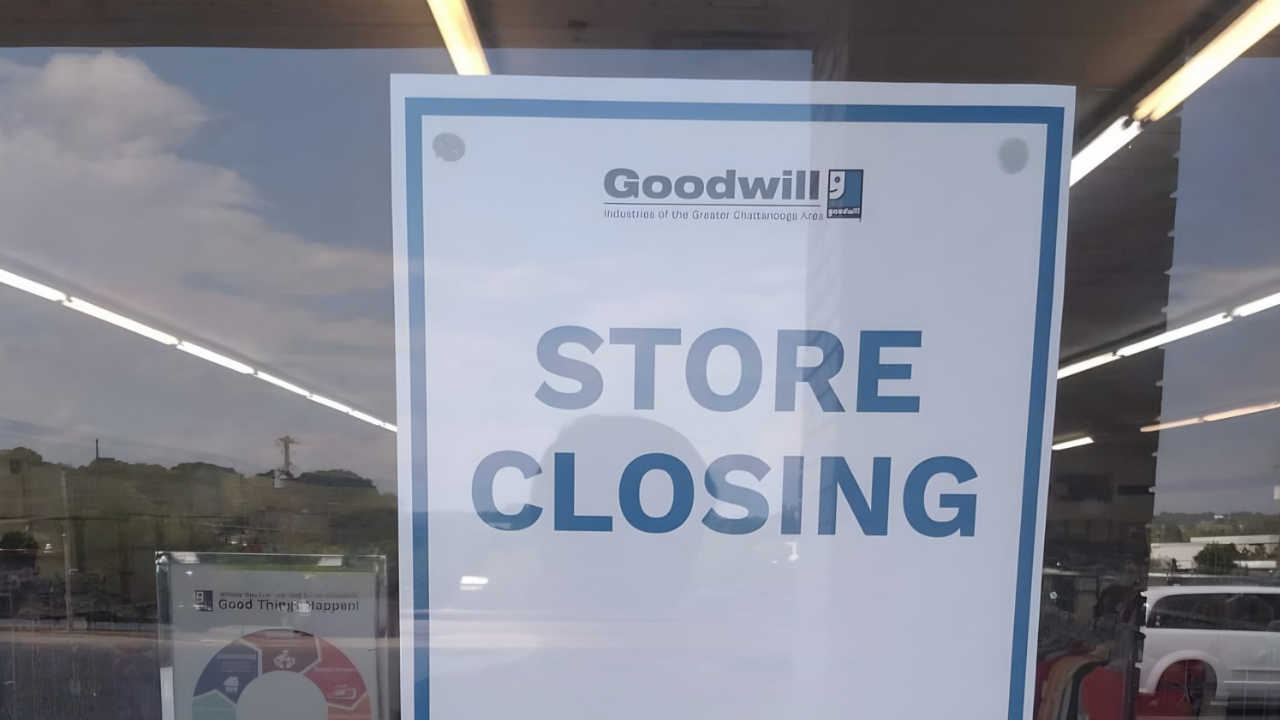
In 2024, Goodwill Industries received an unprecedented surge in donations—over $116 million worth, marking a record high. Stores saw booming foot traffic, fueled in part by Gen Z’s embrace of thrifting as both sustainable and fashionable. Yet, beneath this apparent success, the nonprofit is facing a crisis. Thirteen locations across California’s Bay Area—including major warehouses, retail stores, donation sites, and career centers—have shuttered, leaving nearly 100 employees out of work. The closures signal a retreat from urban communities Goodwill has served for generations, raising a pressing question: How can a business with free inventory, record-breaking donations, and rising popularity be forced to close its doors?
The Cost of “Free” Inventory
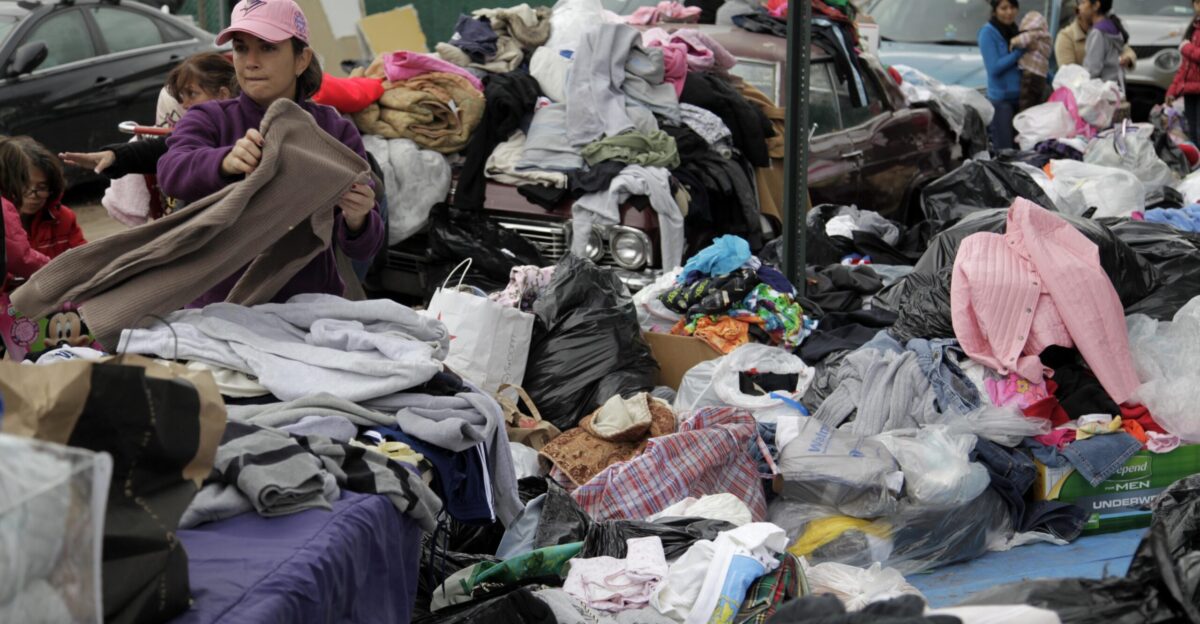
The answer lies in the hidden costs of donation-based retail. While Goodwill’s blue bins overflow with contributions, not all donations are assets. A growing share of items—especially fast fashion—arrive in poor condition: ripped, stained, or broken beyond repair. These unusable goods create a financial burden, as thrift stores must pay for their disposal. Every bag of unsellable items incurs costs for sorting, transportation, and dumping fees. Goodwill spokesperson Rodney Scearce explained that store revenues could not keep pace with operational and personnel expenses, especially as the volume of low-quality donations soared. The paradox is clear: generosity can become a liability when the cost of processing and discarding unusable goods outweighs the value of what can be sold.
Crime and Safety Threaten Viability
The closures in California mirror similar shutdowns in Seattle, where theft and property damage have turned stores into crime scenes. Locations in Oakland and San Francisco reported escalating break-ins and safety concerns, making employees fearful for their well-being. Senior vice presidents at regional Goodwill branches cited rising rents and security costs as additional pressures. Law enforcement data underscores the scale of the problem: between October 2023 and June 2025, California authorities made over 25,000 theft-related arrests, recovering $190 million in stolen merchandise. In Seattle, police spent more than 18,000 hours responding to retail theft calls in a single year. For nonprofits like Goodwill, the financial impact of theft, coupled with soaring insurance premiums and security expenses, proved unsustainable.
Community Impact: More Than Bargain Shopping
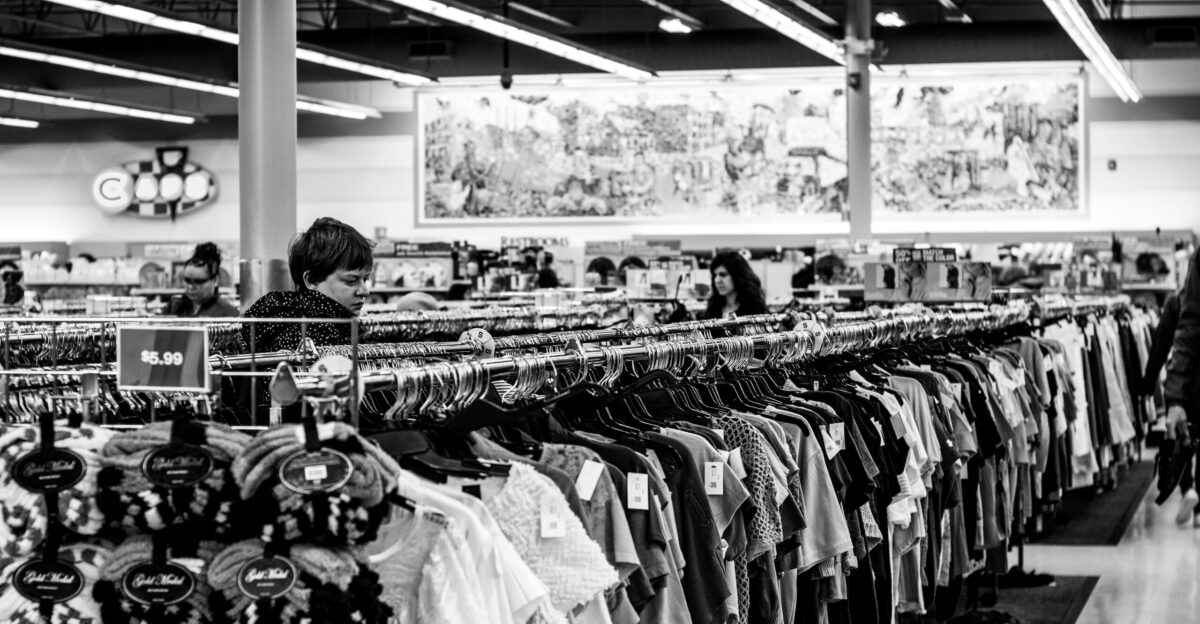
For many, Goodwill is more than a thrift store—it’s a lifeline. Shoppers like Joyce Hawkins relied on Goodwill to clothe their families and stretch limited budgets. The closure of neighborhood stores hits hardest in low-income communities, where access to affordable goods and job opportunities is vital. Goodwill’s mission extends beyond retail, offering career services and employment to thousands. In 2022, the organization employed over 130,000 people and helped nearly 129,000 find jobs outside its own ranks. Yet, as stores close, displaced workers are left with few options, often required to travel long distances to remaining locations. The shift away from urban centers to larger suburban stores further marginalizes those who depend on walkable access and community support.
Economic Pressures and Organizational Change
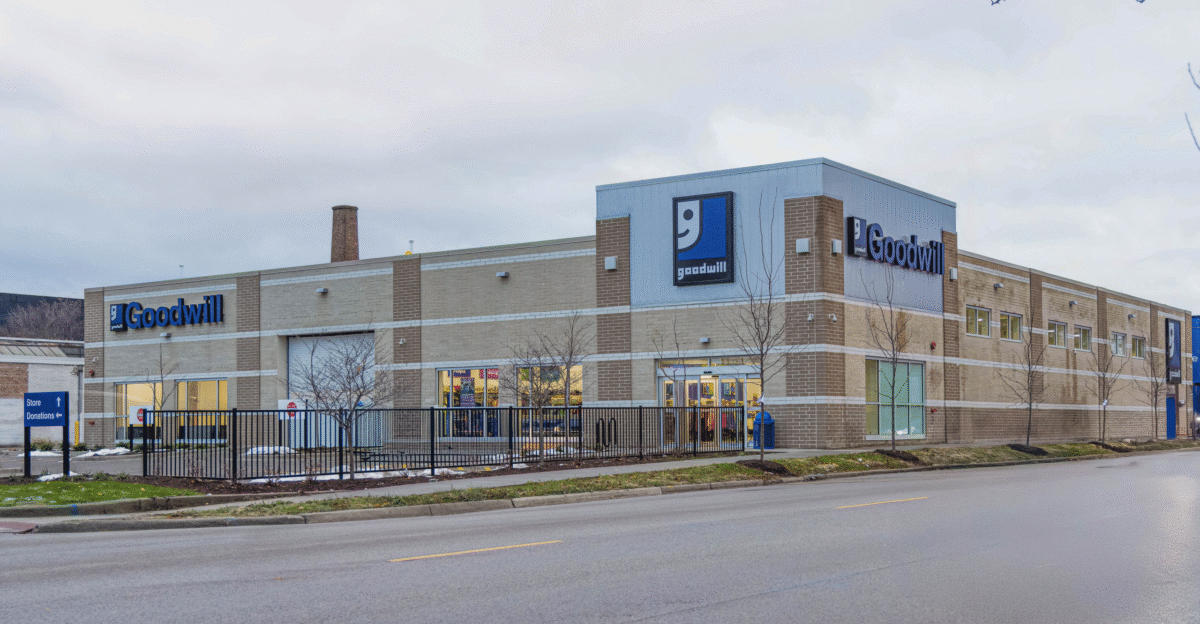
Even with free inventory, thrift stores operate on razor-thin margins. Rising rents, wages, utilities, and security costs have squeezed profitability across the sector. In urban California, these pressures are especially acute. The recent merger of Goodwill San Francisco Bay with Goodwill of Central and Northern Arizona reflects a strategic pivot: administrative roles are moving to Phoenix, and new stores are planned for suburban locations, modeled after successful formats in Arizona. This transition means larger stores with ample parking, but also greater distances for core customers. The Bay Area, once a hub for Goodwill’s operations, is now a satellite office, and the organization’s presence in California is being scaled back.
Looking Ahead: The Challenge of Sustainability
Despite the closures, Goodwill’s broader mission endures. Gen Z and millennial shoppers continue to drive growth, viewing thrift shopping as both eco-friendly and trendy. Each of Goodwill’s 3,300 stores creates jobs and serves as a career launchpad, helping over 1.7 million people build skills in 2023. Yet, the industry faces an impossible balance: accepting enough donations to stock shelves while rejecting low-quality items that drain resources. Rising operational costs, theft, and shifting real estate strategies threaten the viability of urban thrift stores. As Goodwill adapts, the stakes are high—not just for the organization, but for the communities that rely on it as a source of affordability, opportunity, and resilience. The future of thrift retail will depend on finding sustainable solutions to the paradox of generosity and the realities of modern economics.