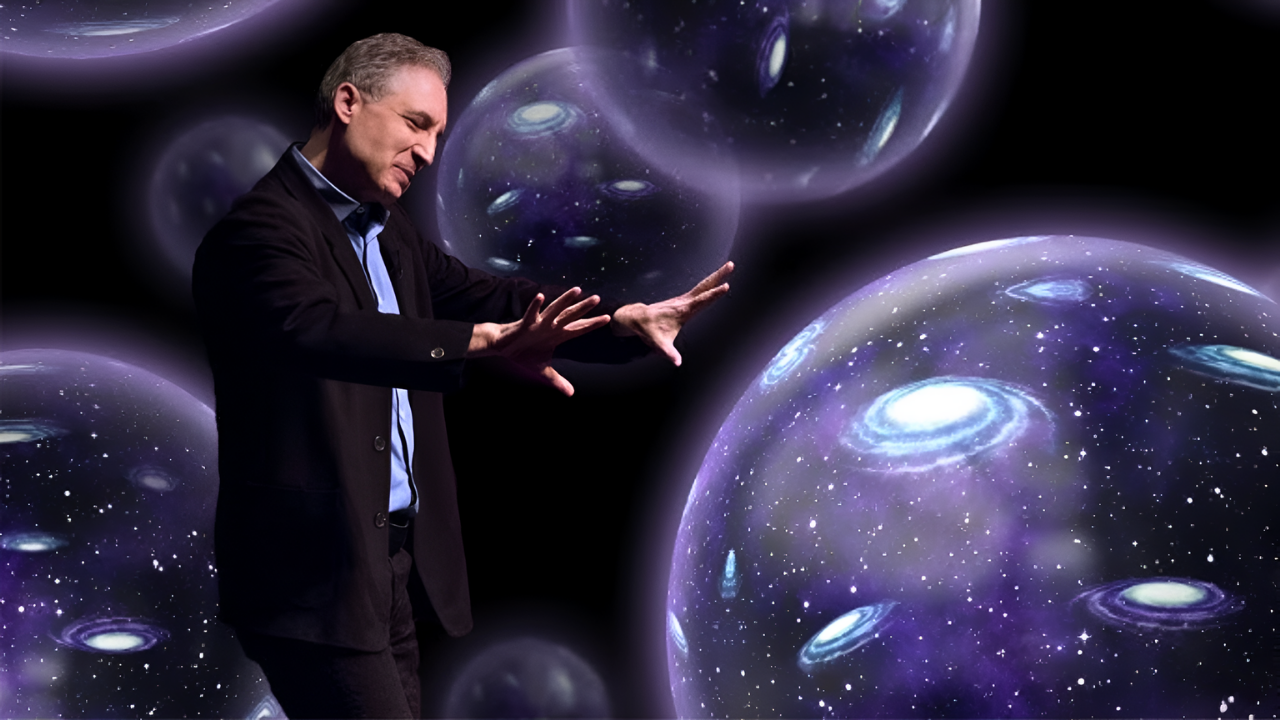
“Any simulation is inherently algorithmic… the universe cannot be, and could never be, a simulation,” declares Dr. Mir Faizal of UBC Okanagan. His team’s groundbreaking research challenges decades of debate about reality itself, showing that the universe operates on principles beyond computation.
The findings ripple across AI, quantum computing, and philosophical thinking, raising questions about what can—and cannot—be modeled. But how did physicists arrive at this bold conclusion, and what does it mean for our understanding of existence?
Who Led This Groundbreaking Study?

The research team was led by Dr. Mir Faizal, Adjunct Professor at UBC Okanagan and Scientific Director at the Canadian Quantum Research Center. Co-authors include Dr. Lawrence M. Krauss, Dr. Arshid Shabir, and Dr. Francesco Marino, all recognized experts in physics and cosmology with extensive publication records.
Their combined work spans quantum mechanics, string theory, and quantum gravity. But who exactly is affected by their claims—and why does this matter globally?
Who Is Impacted by This Discovery?

The study affects billions, from consumers questioning reality to technology leaders in AI and quantum computing. Companies like IBM, Google, and Microsoft have invested heavily in simulating or modeling reality, now potentially constrained by Faizal’s findings.
Global AI markets of $294 billion in 2025 could face strategic recalibration. The next slide explains the central claim behind this assertion.
What Is the Central Claim?
The researchers argue the universe cannot be, and never could be, a computer simulation. Dr. Faizal explains: “Any simulation is inherently algorithmic—it must follow programmed rules. But since the fundamental level of reality is based on non-algorithmic understanding, the universe cannot be a simulation.”
This moves the simulation hypothesis from philosophy to verifiable mathematics. But how does the team prove it mathematically?
How Mathematics Rules Out Simulation
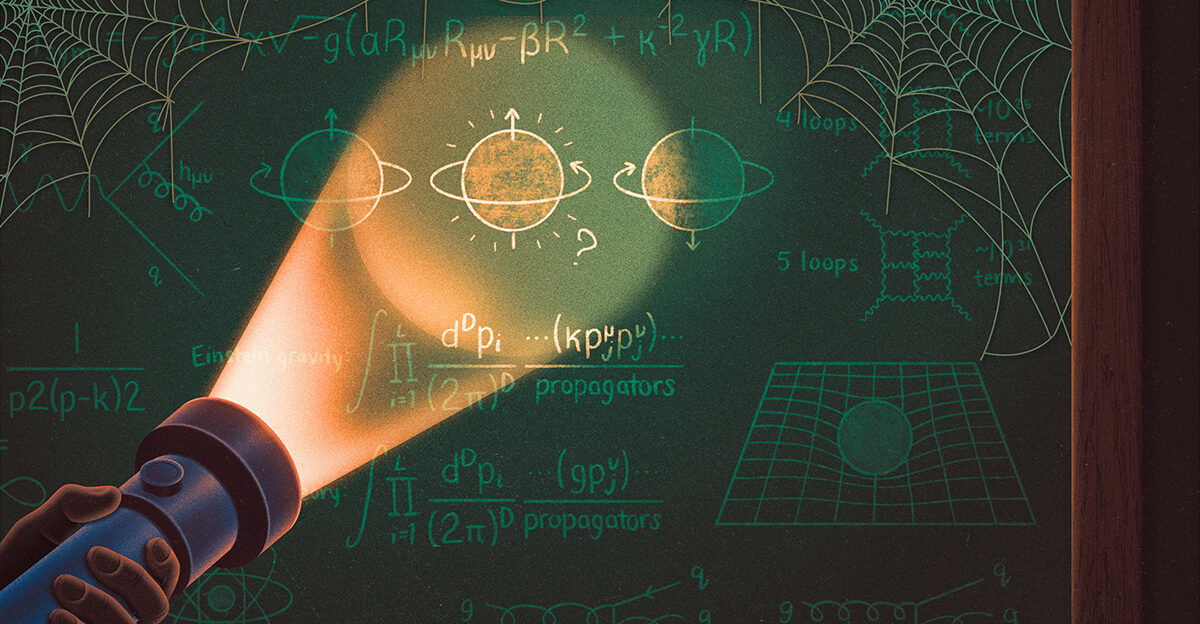
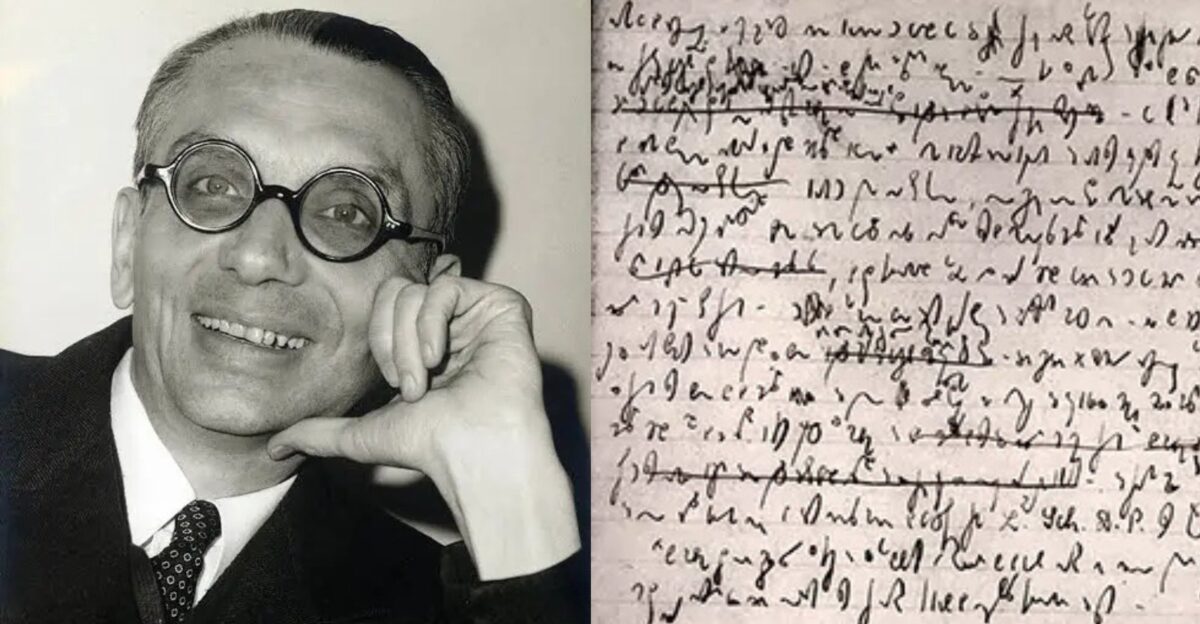
Their proof relies on three theorems: Gödel’s incompleteness, Tarski’s undefinability, and Chaitin’s information-theoretic incompleteness. Together, these show some truths exist that cannot be computed algorithmically, even with infinite computing power.
Quantum gravity treats spacetime as emergent from deeper information, yet these theorems show full computation of reality is impossible. Could this reshape physics forever?
The Role of Quantum Gravity
Modern quantum gravity suggests space and time emerge from pure information in a Platonic realm. Faizal’s team treats this structure axiomatically, where calculations should theoretically generate spacetime.
Gödel’s theorems, however, impose limits on any algorithmic program. The deeper lesson: reality cannot be fully captured by computation alone. What does this mean for a “theory of everything”?
Implications for a Theory of Everything
A complete computational theory unifying quantum mechanics and relativity is mathematically impossible. “No physically complete and consistent theory of everything can be derived from computation alone,” Faizal’s paper states.
This challenges decades of theoretical physics work and suggests non-algorithmic understanding is essential. How does this intersect with long-debated simulation hypotheses?
Revisiting the Simulation Hypothesis
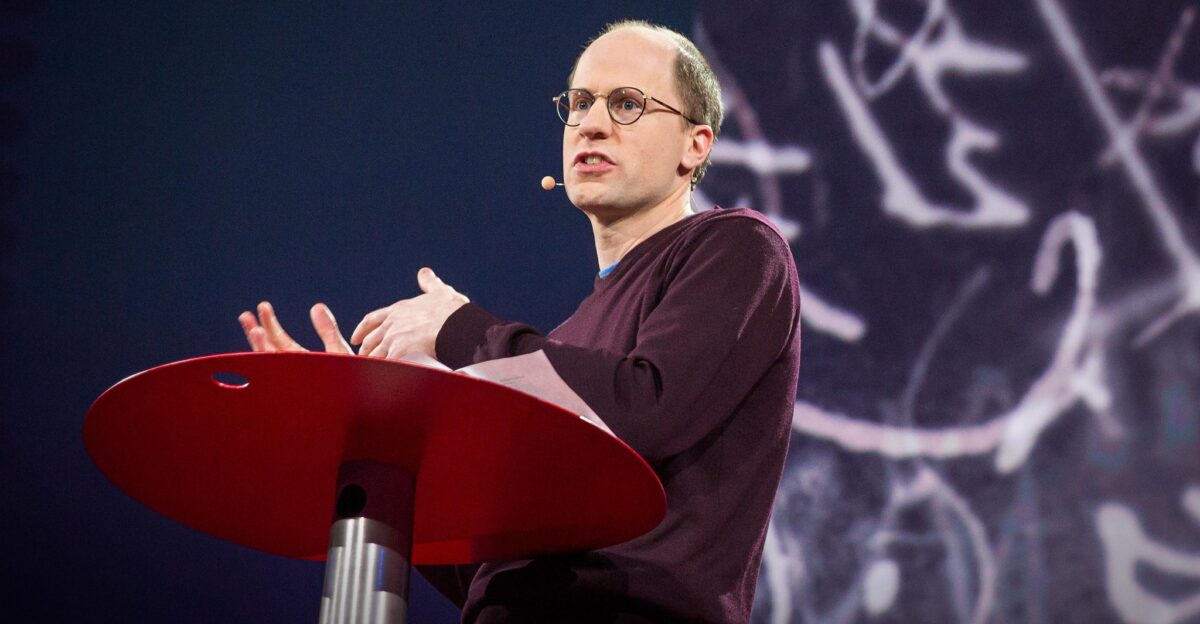
Nick Bostrom’s 2003 argument suggested advanced civilizations could create simulations of reality, making our universe likely a simulation. Dr. Faizal counters that the universe’s non-algorithmic foundation prevents this.
Even recursively nested simulations become impossible under these rules. But when did this research first emerge and capture attention?
When Was This Work Published?
The paper appeared in the Journal of Holography Applications in Physics in June 2025, uploaded to arXiv in July, and announced via UBC Okanagan press release on October 29, 2025.
This timing coincides with booming AI and quantum markets, adding urgency to its implications. How might this influence the global tech landscape?
AI and Quantum Computing Implications

If reality cannot be simulated, AI developers cannot model or replicate the universe perfectly. The global AI market of $294 billion in 2025 and projected $1.77 trillion by 2032 could face strategic reassessment.
Quantum computing, valued at $3.52 billion in 2025, faces inherent limits. Could billions in funding now pursue unattainable goals?
Geographic Origins of the Research

Primary institutions include UBC Okanagan and CQRC in Canada, INFN and CNR-INO in Italy, and the Origins Project Foundation in the U.S. The Journal is based in Iran but indexed internationally.
Collaboration spans three continents, reflecting global scientific networks. What are the broader geopolitical implications for tech and research?
Global Significance of Findings
Canada, the U.S., Europe, and China are all pursuing quantum computing and AI leadership. If simulation is impossible, strategic priorities may need reevaluation, impacting billions in planned funding and policy decisions.
Beyond economics, the claim influences how humanity conceptualizes consciousness and reality itself. How did the team justify this philosophically?
Why This Research Matters Philosophically

The study addresses the “simulation hypothesis paradox.” Recursive simulation—simulations creating further simulations—once seemed theoretically plausible. Faizal’s work demonstrates scientific barriers prevent this recursion.
Dr. Faizal notes, “Our recent research has demonstrated that it can, in fact, be scientifically addressed.” This bridges philosophy and rigorous physics. But how exactly does the methodology work?
How the Methodology Functions
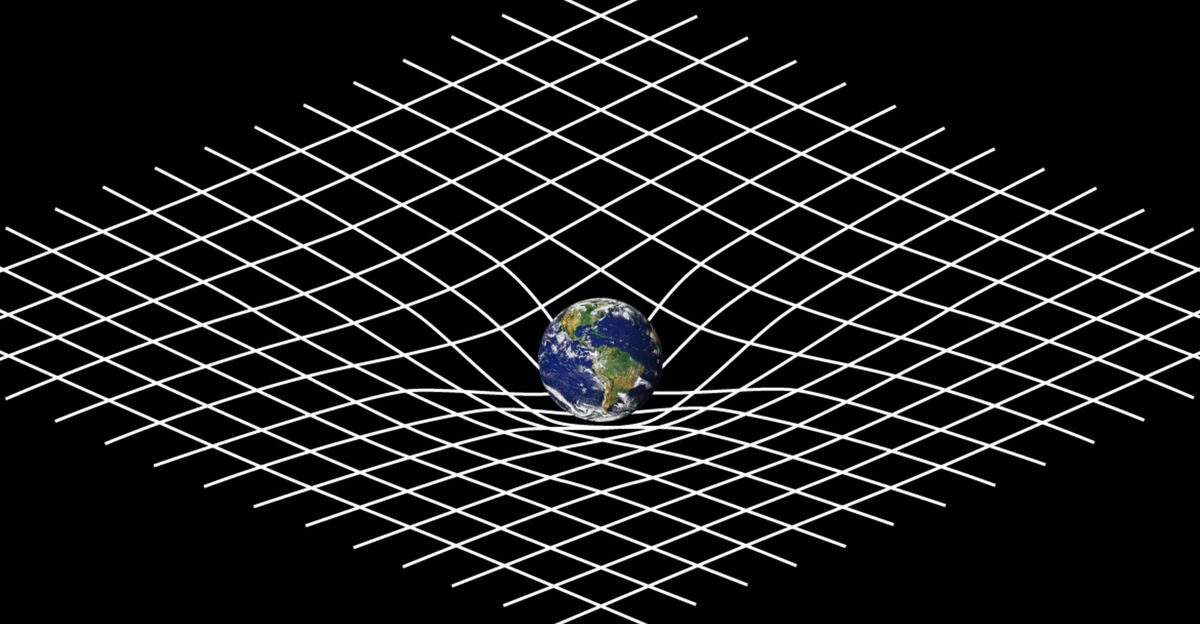
The argument uses proof by contradiction: quantum gravity is treated axiomatically, Gödel’s and related theorems applied, then limitations on algorithmic computations are revealed.
This structure demonstrates that non-algorithmic truths exist, meaning simulations cannot replicate reality. But are there criticisms to consider?
Criticisms and Controversies
Applying Gödel to physical reality is debated; mathematics is deductive, physics empirical. Critics note “Gödel’s incompleteness theorem does not apply to physics.”
The concept of “non-algorithmic understanding” remains undefined, limiting operational verification. Still, what does this research manage to achieve despite these concerns?
Contributions Despite Limitations
The work rigorously applies formal mathematics to the simulation hypothesis, moving discussion from philosophy to physics. It establishes logical barriers to fully computational theories of reality.
It also frames recursive simulation as mathematically impossible if quantum gravity’s model is correct. How has the academic world responded?
Academic Reception and Peer Review
Published in a legitimate, peer-reviewed journal, the work has drawn cautious attention. Major consensus is absent, and critics call for independent verification and higher-impact publication.
While controversial, the team’s expertise and methodology are respected. Could public perception still amplify its implications?
Impacts on Technology Strategy
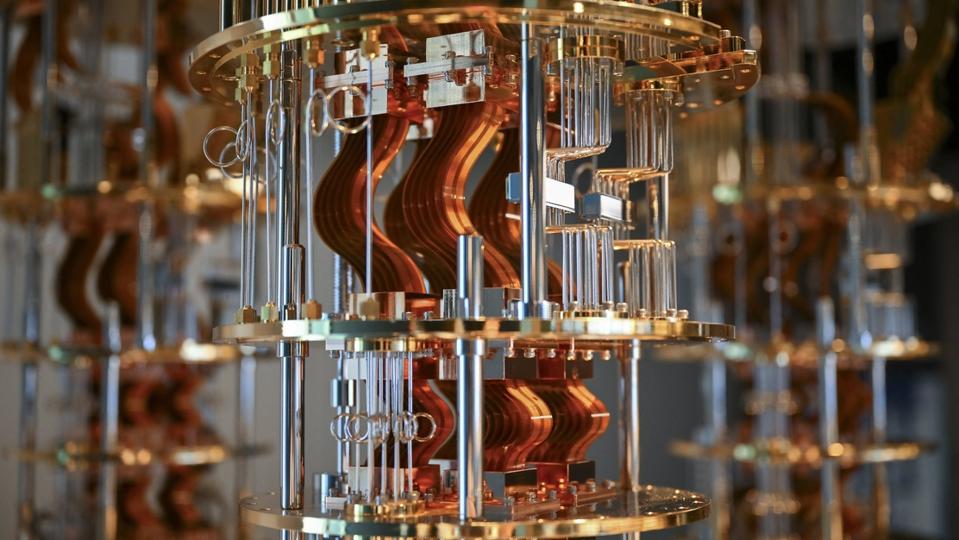
If reality cannot be simulated, AI and quantum computing companies may face strategic recalibration. Investment decisions worth billions could pivot, affecting AI, VR, and quantum research trajectories.
Elon Musk’s 2016 simulation arguments are directly challenged if these mathematical findings hold. What does this mean for everyday understanding of existence?
Existential Implications for Humanity

For 7.8 billion people, the research reframes questions about consciousness, free will, and the nature of reality. The universe may operate beyond algorithmic comprehension, influencing philosophy, science, and culture.
It also challenges assumptions underpinning advanced AI and simulation technologies. Could humanity ever reconcile these limits?
What Comes Next in Physics?
Future research must validate the non-algorithmic claim, test quantum gravity models, and resolve Gödel’s applicability. Independent studies could confirm or refute the findings.
Meanwhile, the conversation between mathematics, physics, and philosophy is reignited, with the universe itself at stake. The implications for AI, quantum computing, and human understanding continue to unfold.