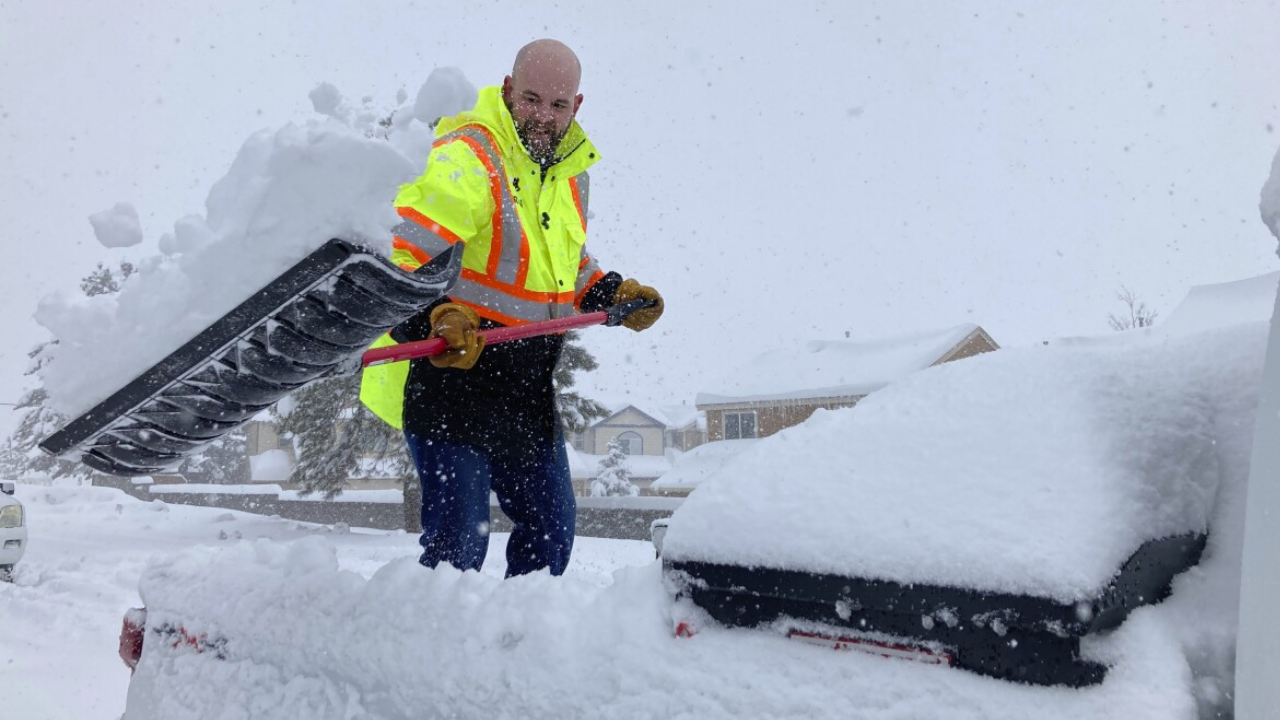
It’s Thursday night in Southern Arizona, and if you drive through the valleys of Cochise and Santa Cruz counties, you’ll see something unusual: farmers wrapping fruit trees with burlap, ranchers stacking hay bales for windbreaks, and homeowners scrambling to locate outdoor faucet covers they haven’t thought about since last winter.
The National Weather Service just made Arizona the only place in America under an active freeze warning, and for the next 36 hours, the region is locked in a quiet race against time.
When Only Arizona Freeze
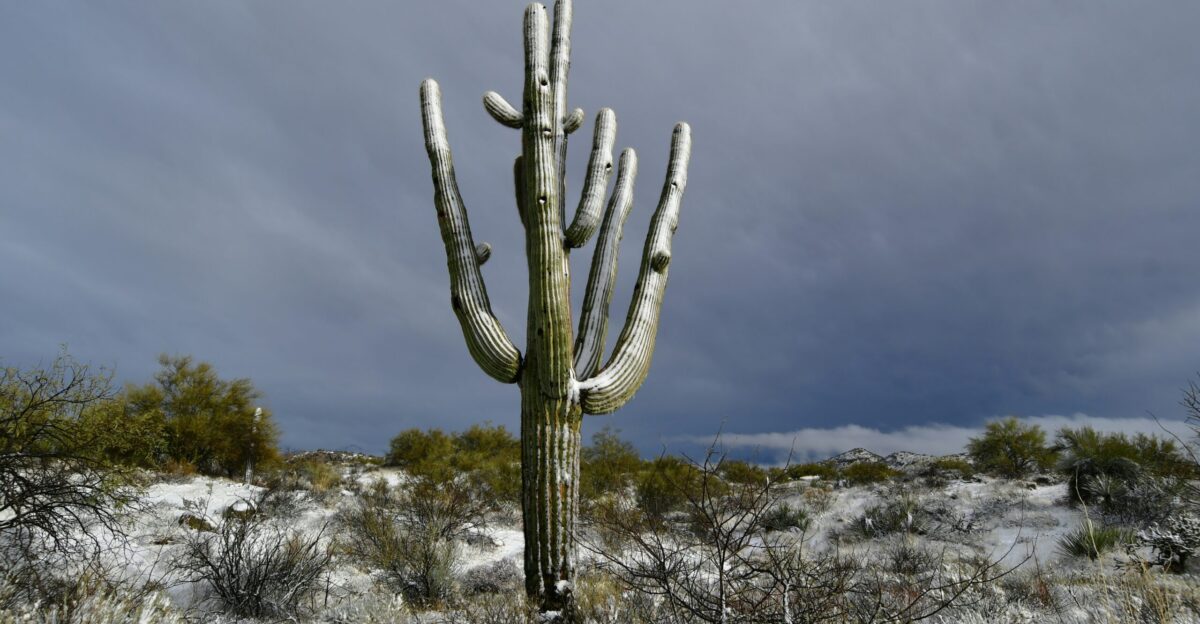
You’d think major weather events strike everywhere at once, but this moment is different. Nevada, California, Utah, Colorado, and New Mexico all have winter weather advisories for their mountain regions, but Arizona? Arizona alone sits under a freeze warning. This isn’t mountain snow—it’s a direct threat to the valleys where people actually live and farm.
The Upper Santa Cruz River Valley, Altar Valley, Upper San Pedro River Valley, and Eastern Cochise County below 5,000 feet will experience subfreezing temperatures.
The Cold Reaches Further Than Maps Show
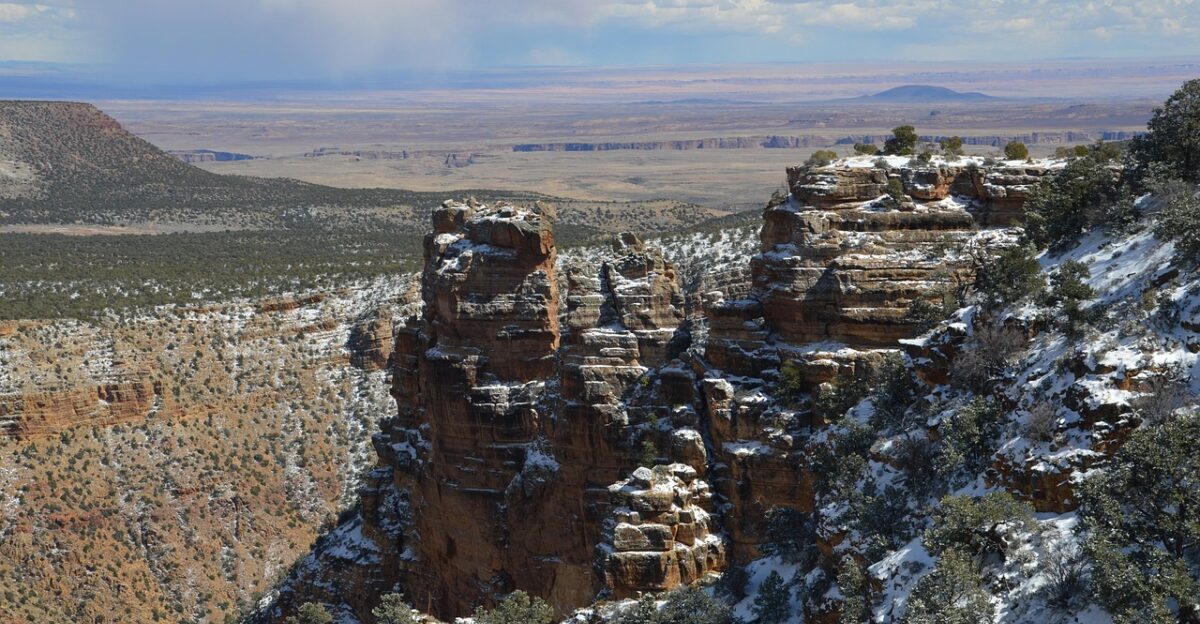
Cochise and Santa Cruz, which share the same valley systems and elevation profiles, may face identical cold air pooling in southern Pima County. The National Weather Service’s advisory zone technically ends at county boundaries, but agricultural vulnerability and infrastructure exposure extend throughout the interconnected southern Arizona valleys.
Add Graham County’s eastern valleys, and you’re looking at around 400,000 people in the cold’s reach.
The Crash Comes Fast
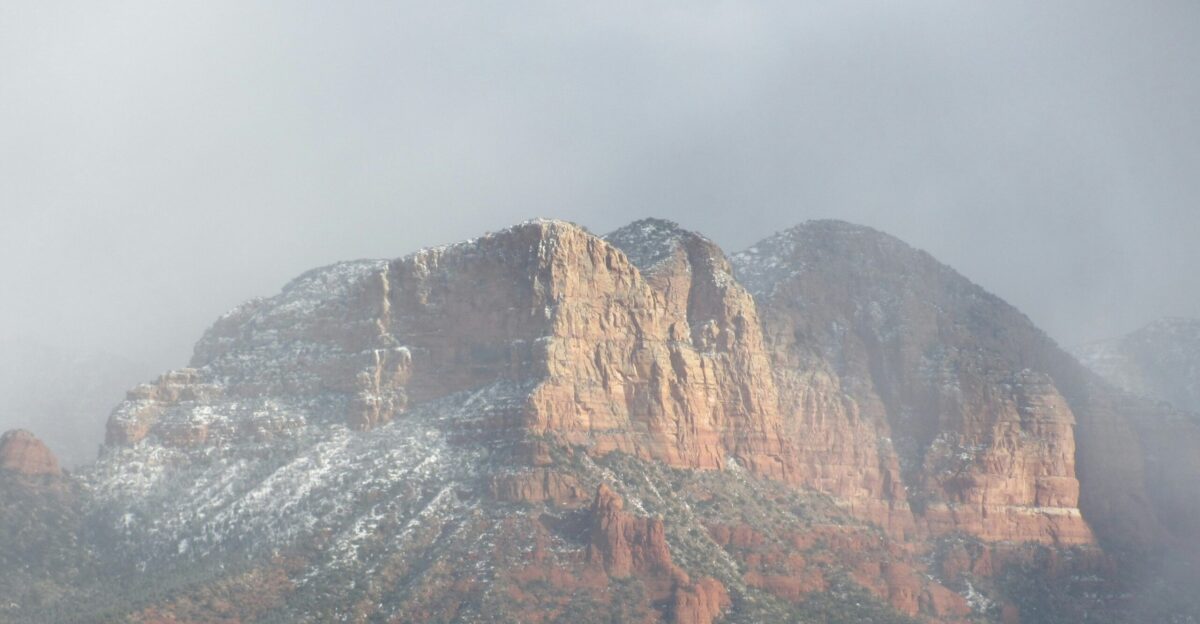
Picture this: Wednesday felt pleasant. Thursday is mild. Then Friday dawn hits like a wall of cold. Temperatures drop more than 20 degrees in under 24 hours—from comfortable midweek conditions straight into the deep freeze. Some areas will plummet from the 50s into the mid-20s.
The National Weather Service is explicit: expect temperatures between 24 and 30 degrees between 2 a.m. and 9 a.m. MST. That seven-hour window is when the danger peaks.
Water and Ice: Arizona’s Strange Dual Crisis
Here’s where the story gets messier: while Southern valleys prepare for a hard freeze, Northern and Western Maricopa County remain under a flood watch due to heavy rain. Rain came this week, making the ground wet. Then comes the freeze.
Residents aren’t just wrapping pipes—they’re dealing with water damage from above and freeze damage from below simultaneously. The National Weather Service acknowledged this rare convergence.
Ranchers Do the Math
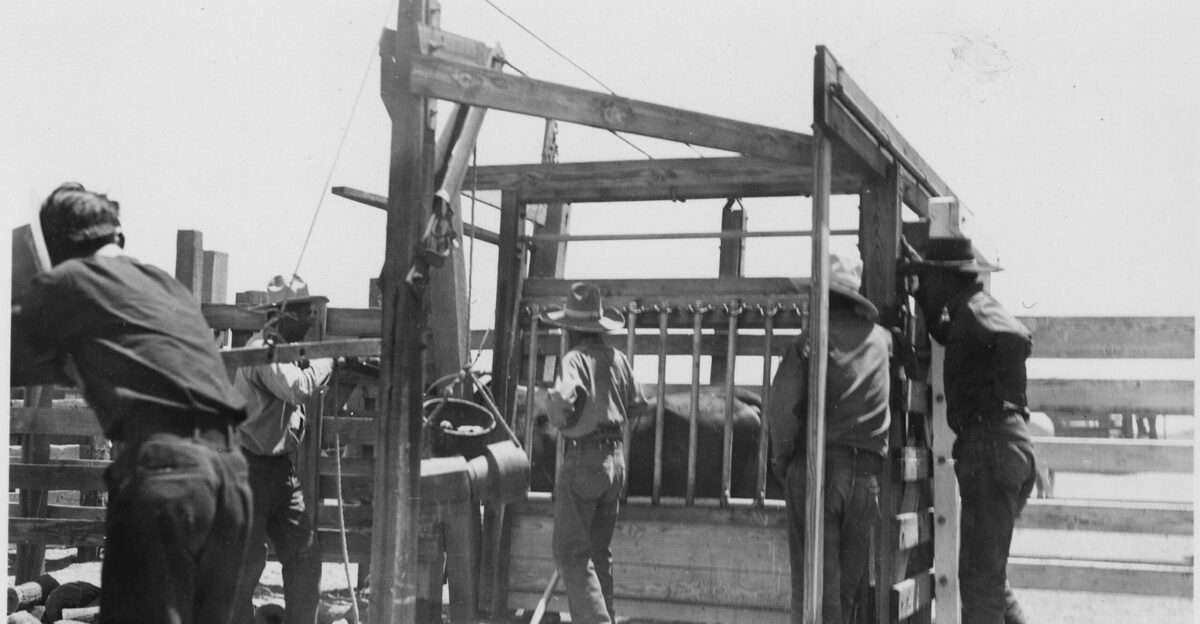
Talk to a rancher in the region and you’ll hear real concern. Cattle don’t handle extreme cold well without windbreaks and shelter. Livestock require additional feed—10 to 20 percent more—to generate body heat throughout the night. Animals already stressed by summer drought conditions are particularly vulnerable.
Some ranchers are reinforcing shelters Thursday afternoon, moving animals to protected pastures, and calculating whether they can afford the extra hay costs.
Crops on the Knife Edge
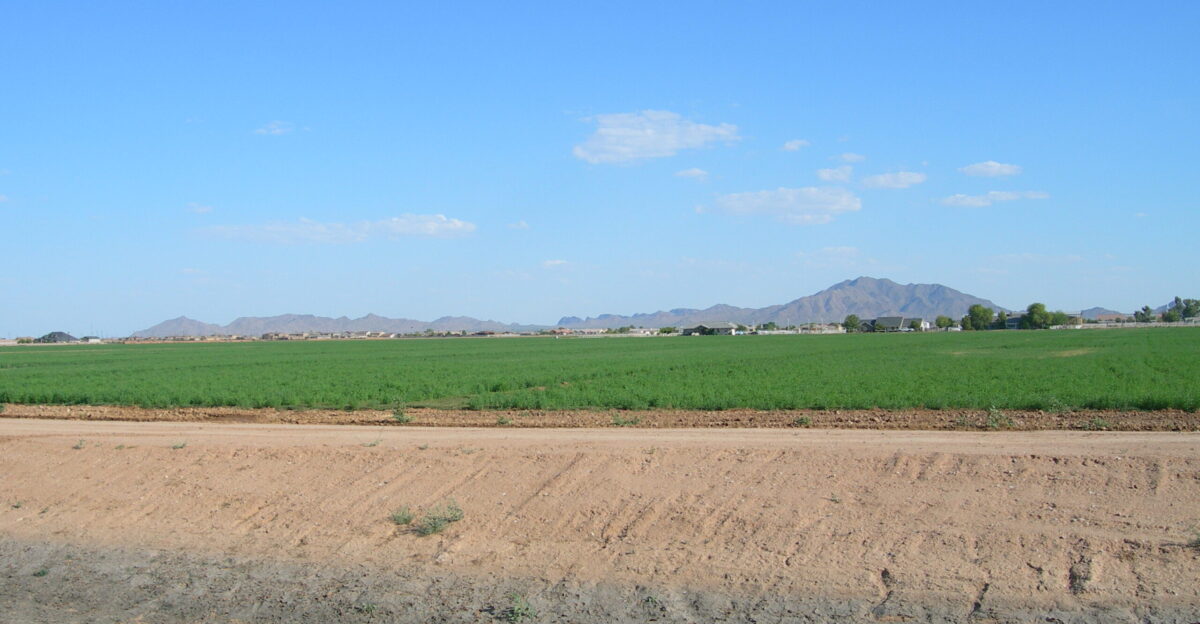
Arizona agriculture is already bruised. The state expects $2.8 million in weather-related crop losses for 2025 alone—drought damage, heat damage, insect damage. Now comes this freeze to test whether farmers can absorb another hit.
According to the National Weather Service, frost and freeze conditions could kill crops and sensitive vegetation. Historical data shows freezes have destroyed 75 to 90 percent of unpicked citrus in some Arizona counties.
The Four P’s Strategy
The National Weather Service isn’t being dramatic when it pushes the “Four P’s” this week: People, Pets, Pipes, and Plants. It’s a framework, really—a way to remember what matters most. People should stay inside during the coldest hours and check on elderly neighbors who might need heat.
Pets need to be brought indoors or given warm, dry shelter outdoors. Pipes need wrapping, insulation, or a slow drip.
The Pipe Burst Problem
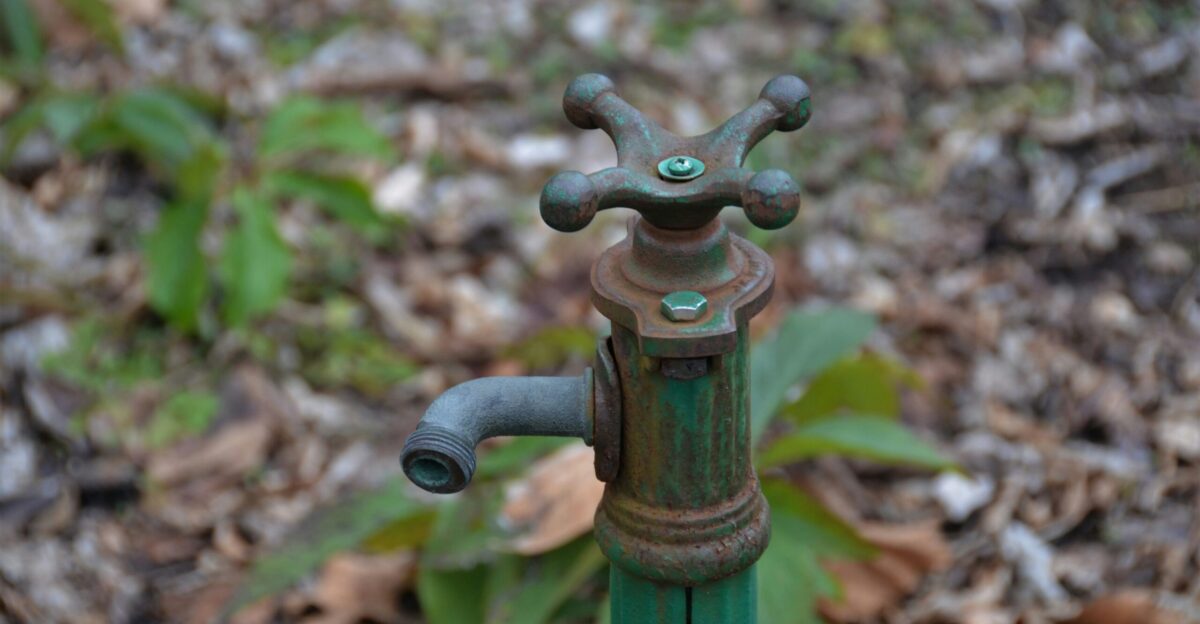
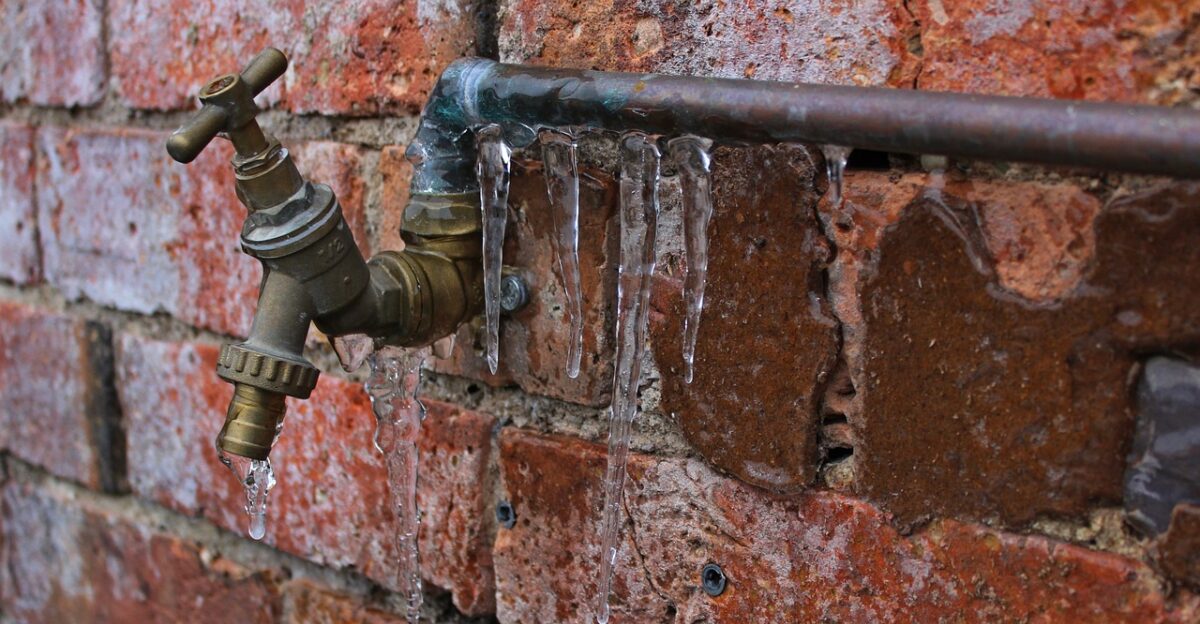
Thousands of homes in the freeze zone have vulnerable outdoor plumbing. Water exposed to subfreezing temperatures for six hours or more can freeze, expand, and create pressure that bursts pipes.
Plumbing experts estimate that the average burst pipe costs between $200 and $1,000 to repair; however, water damage can spread rapidly through homes. One unprotected outdoor faucet can flood an entire house while residents sleep.
Protecting What Grows
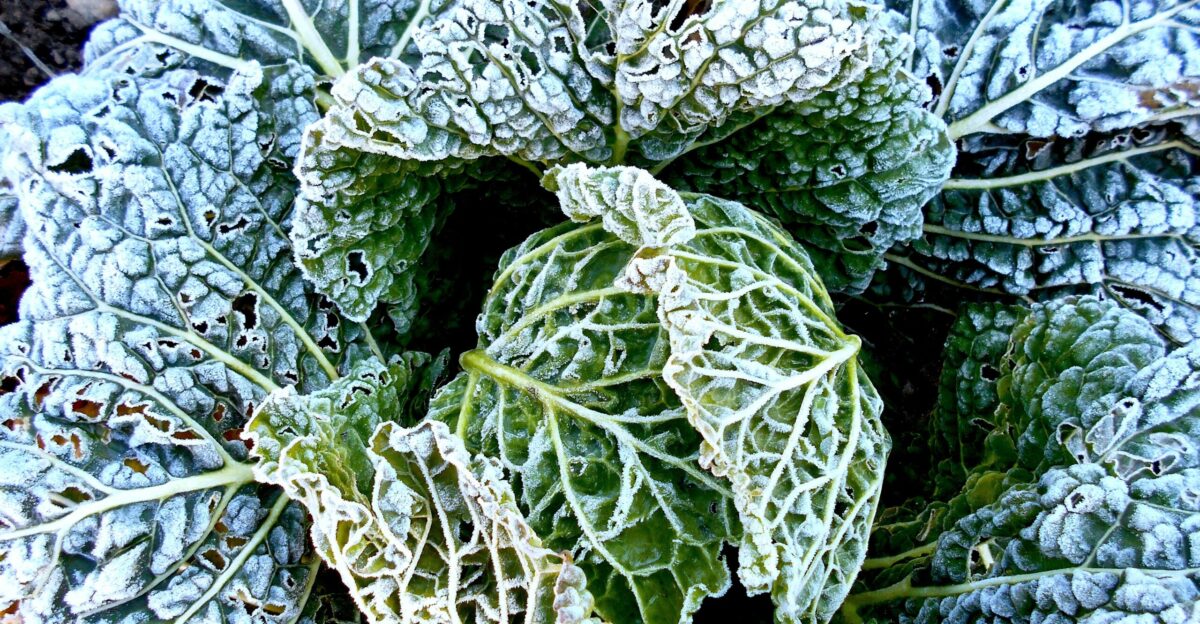
Plants need frost cloths, blankets, or relocation to protected areas. Valley farmers know what’s at stake—one bad frost night can erase months of work and investment. Citrus growers and vegetable farmers are covering tender crops on Thursday night.
According to University of Arizona extension experts, proper frost protection can mean the difference between survival and total loss. The timing matters: protection must be in place before temperatures drop.
The Pre-Dawn Danger Window
The coldest temperatures will strike between 2 a.m. and 9 a.m., when most families are asleep. Thermometers will bottom out around sunrise on Friday. This seven-hour window is when damage typically occurs—pipes burst, crops freeze, and livestock suffer from cold stress.
Residents must complete all protective measures on Thursday night before going to bed. Damage occurs while they sleep, and is only discovered after the freeze has already done its work.
The Thanksgiving Surprise
But here’s the twist in this story. The same National Weather Service, which is forecasting this brutal freeze, also predicts above-average temperatures arriving by Thanksgiving week (November 25-29). Arizona will transition from a hard freeze threat to comfortable weather in under six days.
Meteorologists call it weather whiplash, and it’s precisely what happens when one weather system passes and another takes its place.
Normal Doesn’t Mean Safe

Kevin Strongman’s observation about “typical timing” matters. October and November are historically when Arizona’s first freezes arrive in the southern valleys. It’s expected. But expectation doesn’t equal preparedness, and typical doesn’t mean harmless. Arizona has historically experienced billion-dollar weather disasters related to cold events.
The University of Arizona’s extension experts caution that even predictable freezes cause significant agricultural and infrastructure damage when communities aren’t ready.
What the Warning Actually Means
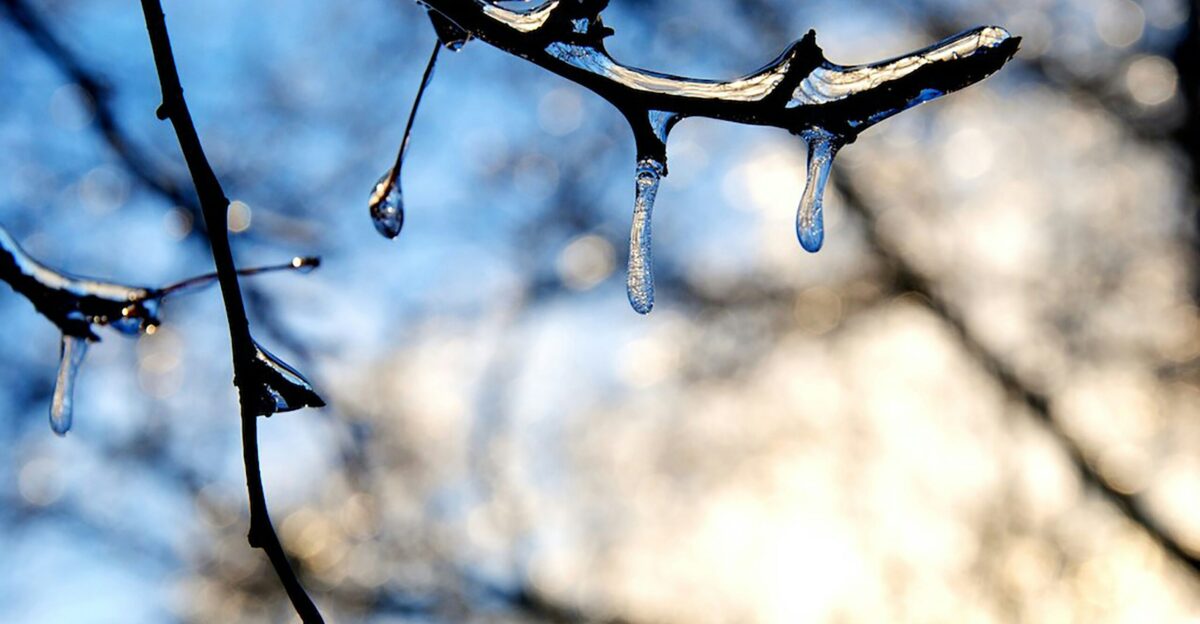
A freeze warning signals subfreezing temperatures for a prolonged period sufficient to damage or kill vegetation and threaten outdoor plumbing. It’s more serious than a frost advisory. According to the National Weather Service, temperatures forecast to drop significantly below 32 degrees require immediate protective action.
Residents should safeguard tender plants, insulate exposed pipes, provide shelter for pets and livestock, and prepare for potentially hazardous driving conditions on bridges on Friday morning.
Winter’s Just Started
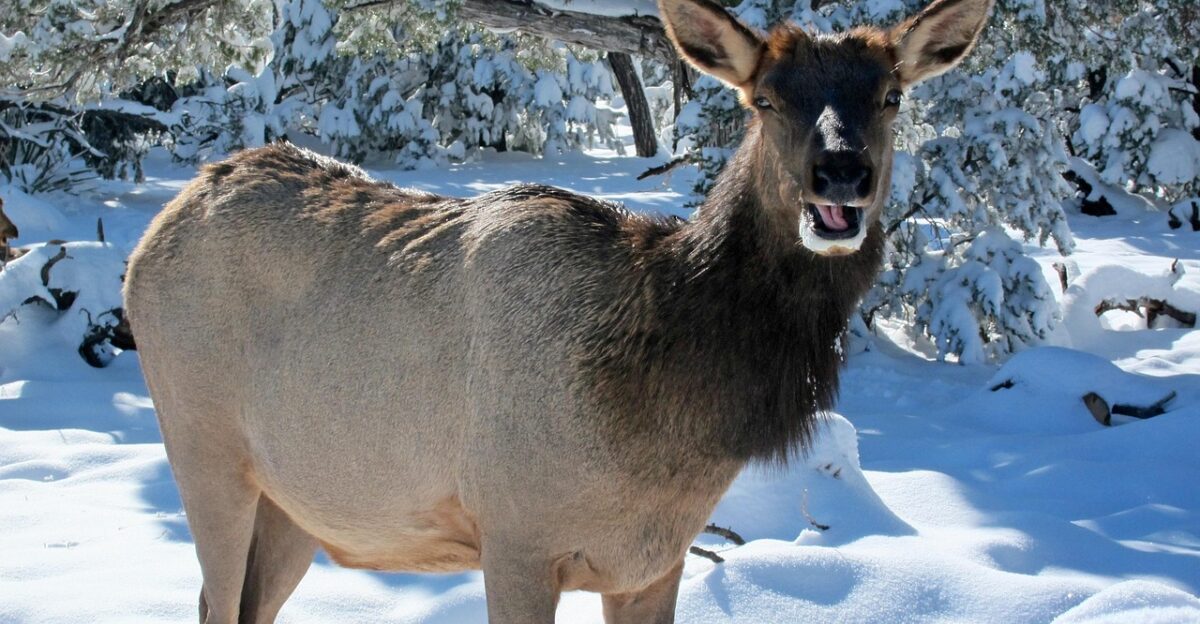
Friday isn’t the end of the story—it’s the opening chapter. Once the initial freeze passes, meteorologists expect daily freezes to become a common occurrence throughout winter. The affected valleys will transition from isolated cold events to regular subfreezing mornings as December and January arrive.
Ranchers, farmers, and homeowners who use this week to prepare protection strategies are investing in their survival through the entire cold season