
NASA just published its most detailed images ever of 3I/ATLAS, a mysterious object zooming through our solar system from deep space.
These images, taken by the Martian HiRISE camera in October 2025, were delayed for weeks because of a government shutdown. Now, they’re out, and scientists say these pictures will change what we know about visitors from beyond our solar system.
A Visitor from Another World

What makes 3I/ATLAS so special? It’s only the third interstellar object ever seen entering our solar system. The other two, ‘Oumuamua and Borisov, made headlines in 2017 and 2019.
Astronomers all over the globe have eagerly watched 3I/ATLAS’s journey because events like this are incredibly rare.
Bigger Than Manhattan

Scientists were stunned to learn how large 3I/ATLAS is: it’s about as big as Manhattan Island in New York. With a nucleus close to 1 kilometer wide and jets of material shooting out over a surface 1,600 square kilometers, this object is a record-breaker and it dwarfs anything similar we’ve seen before.
HiRISE: The Powerful Space Camera
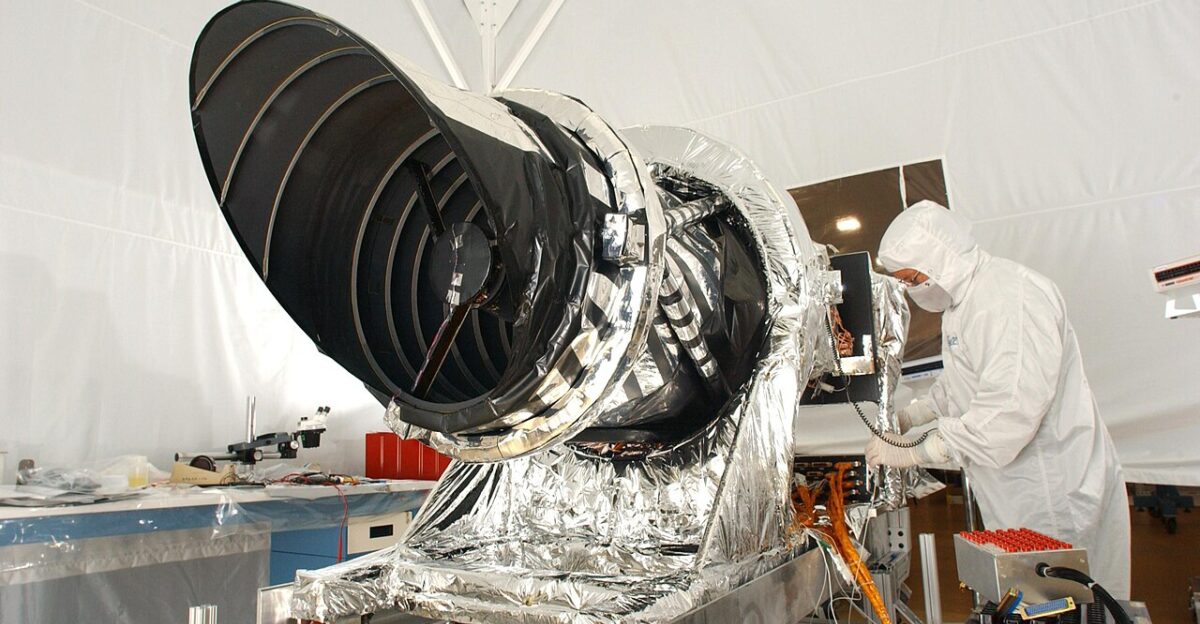
NASA’s Mars Reconnaissance Orbiter used its HiRISE camera in October to snap pictures of 3I/ATLAS with incredible clarity. The results are three times sharper than the famous Hubble Space Telescope images, helping scientists study every detail of this interstellar traveler.
Why Were the Images Delayed?
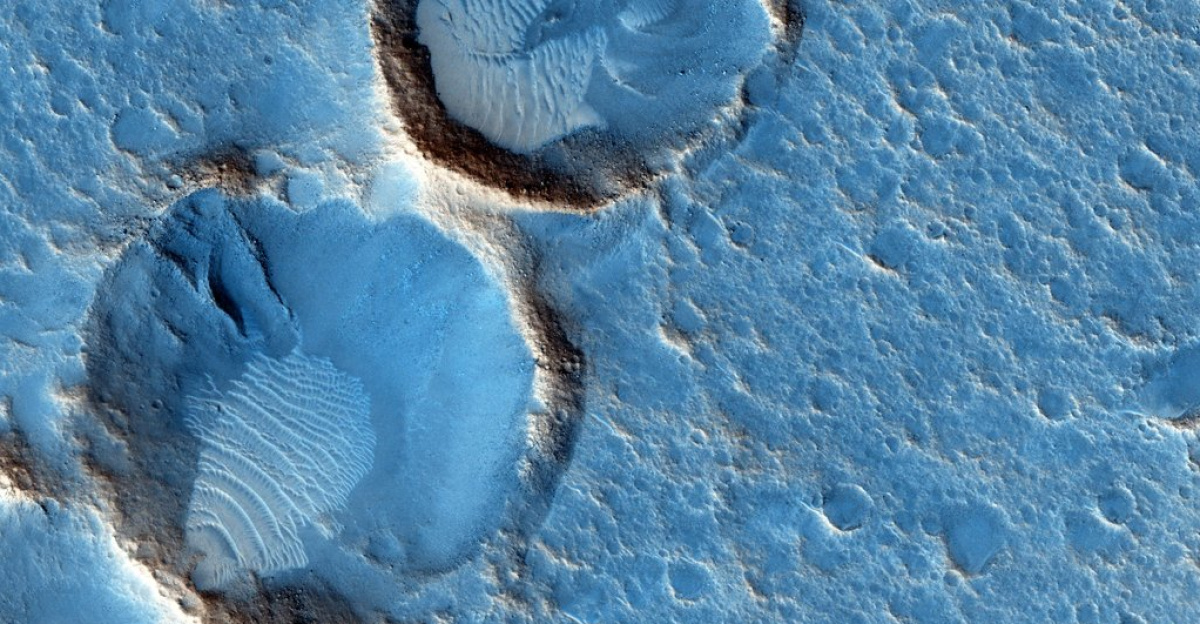
Though the HiRISE images were taken between October 1 and 7, NASA couldn’t share them right away. A U.S. government shutdown meant the data stayed secret until officials reopened on November 13. The delay frustrated scientists and fueled wild guesses about the comet’s secrets.
Surviving a Close Encounter with the Sun
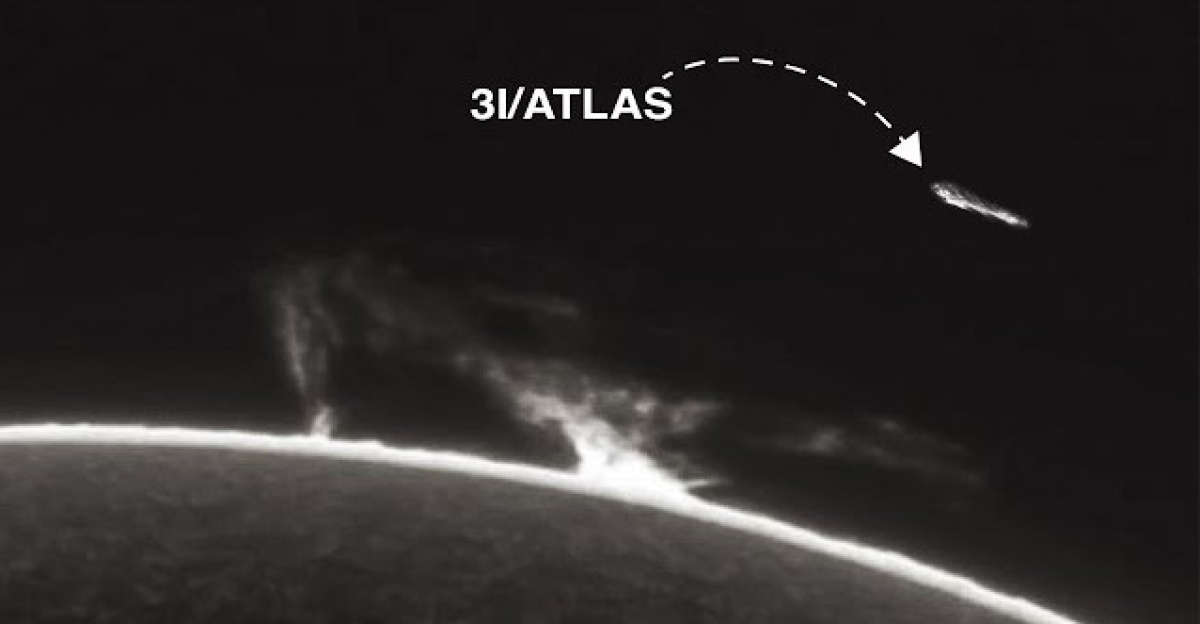
Many scientists thought 3I/ATLAS wouldn’t survive after passing close to the Sun. But against all odds, the object stayed whole, surprising experts who believed it would break apart under the extreme heat and gravity. Its survival challenges old theories about these cosmic visitors.
A Comet with a Weird “Anti-Tail”

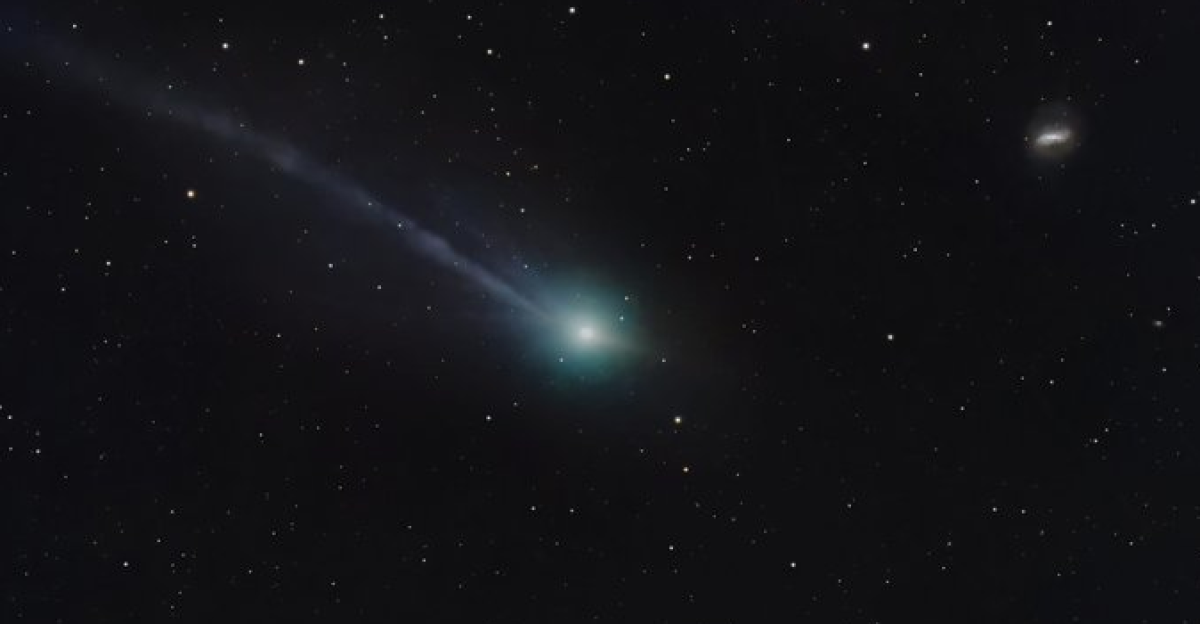
Most comets have tails pointing away from the Sun. Not 3I/ATLAS! It sports an “anti-tail” that juts out toward the Sun, with jets stretching nearly a million kilometers. This behavior has never been seen before and has left scientists scratching their heads.
“It expanded people’s brains to think about how magical the universe could be,” said Dr. Tom Statler, lead scientist for solar system small bodies.
Is It Just a Comet, or Something Else?

Some experts, including Harvard’s Avi Loeb, wonder if there’s more to 3I/ATLAS than meets the eye. Loeb points out that the anti-tail and its survival defy what we know about natural space objects. This has led to wild theories, from new physics to possible alien technology.
“We certainly haven’t seen any techno signatures or anything from it that would lead us to believe it was anything other than a comet,” said Nicky Fox, associate administrator of NASA’s Science Mission Directorate.
The Power of Looking at the Data

According to NBC News, “In the weeks ahead, scientists will have more opportunities to study 3I/ATLAS and better characterize its features, including its appearance, speed, chemical makeup and possible place of origin.”
“This is a new scientific opportunity, and it’s a new window into the makeups and histories of other solar systems,” said Tom Statler, NASA’s lead scientist for solar system small bodies. “We’re just beginning to learn about these types of objects and figure out what are the right questions we should ask about them.”
Watching from Several Telescopes

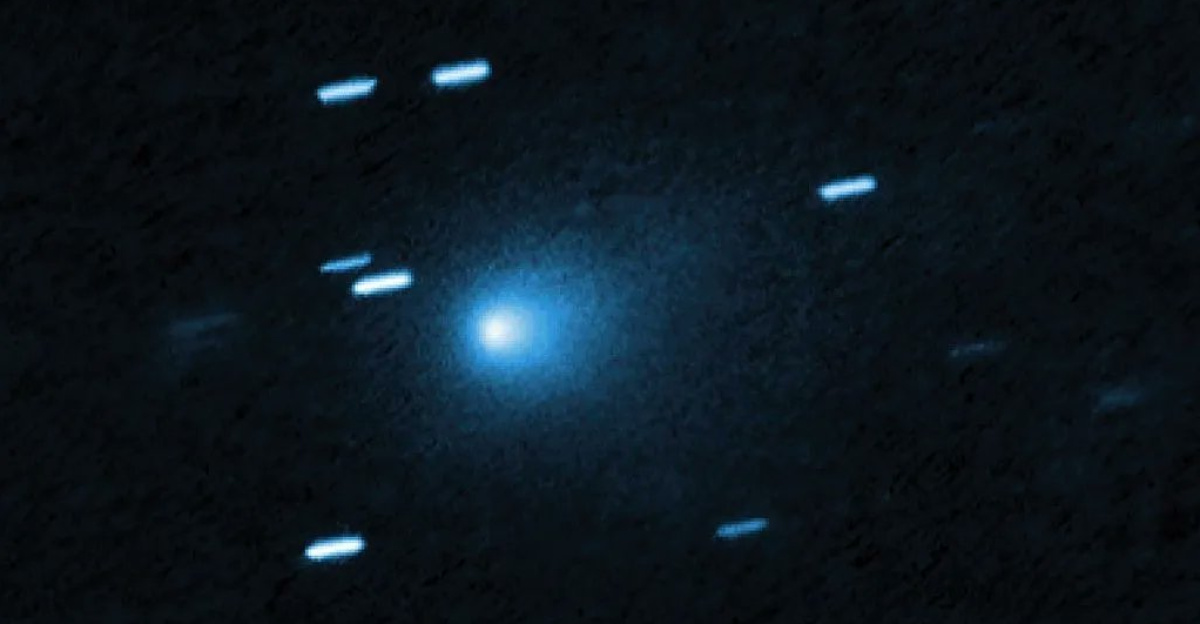
Before HiRISE snapped its amazing images, the Hubble Space Telescope caught photos in July, from 277 million miles away! Ground telescopes, like the Nordic Optical Telescope, have kept tracking 3I/ATLAS, delivering lots of imaging and important data for scientists.
“It’s a little bit as if our NASA spacecraft were at a baseball game, watching the game from different places in the stadium,” said Tom Statler, lead scientist for solar system small bodies at NASA. “Everybody has got a camera and they’re trying to get a picture of the ball and nobody has a perfect view, and everybody has a different camera.”
A Radio Signal: Proof of Activity

On October 24, South Africa’s MeerKAT radio telescope picked up the first-ever radio signals from an interstellar object. These signals showed the comet was breaking down water with sunlight, producing hydroxyl radicals, a big sign that 3I/ATLAS is active as it zooms by.
Cruising Beyond Mars, Toward Jupiter

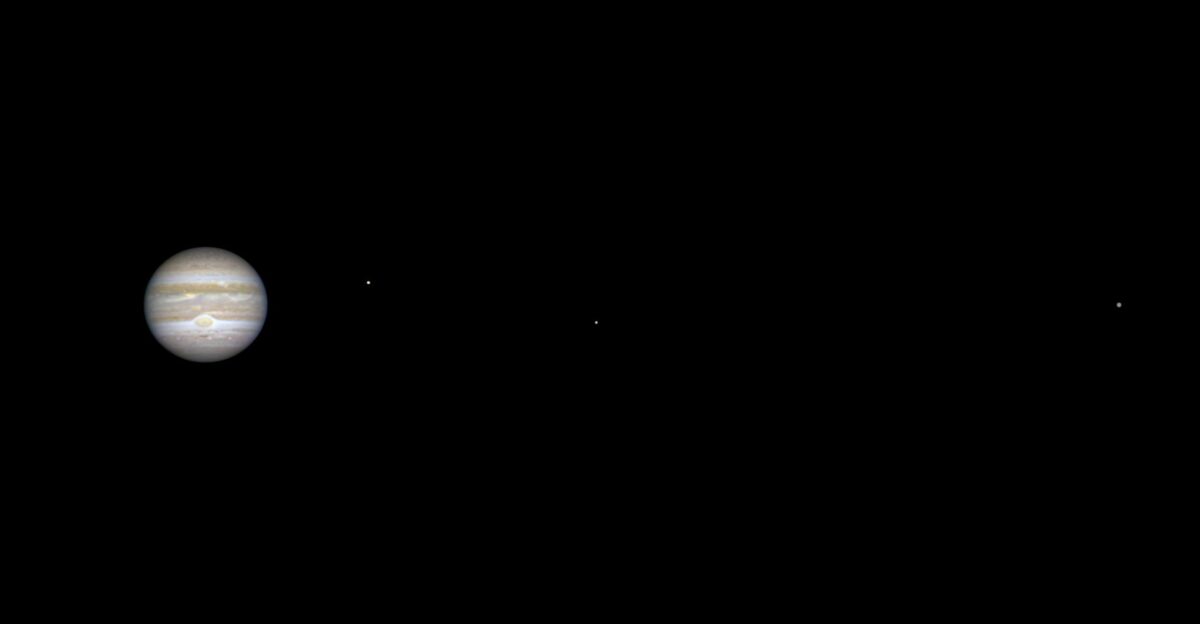
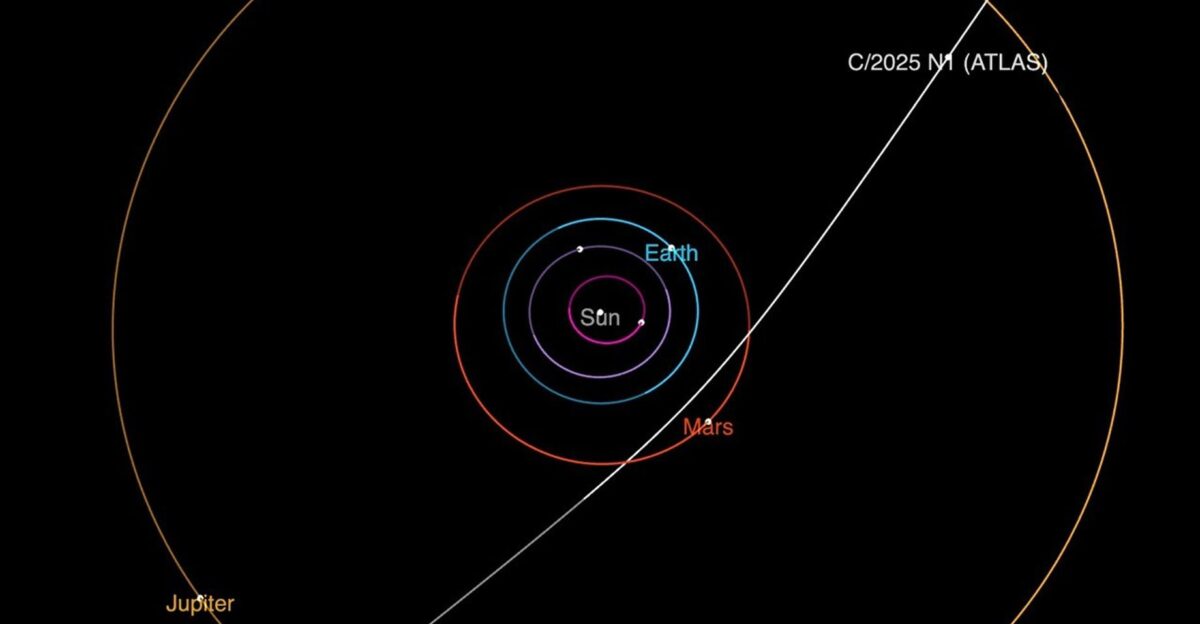
After swinging past Mars in early October, 3I/ATLAS is now speeding toward Jupiter. Both NASA’s Juno craft and ESA’s JUICE probe are ready to keep watch as it continues its journey out of the solar system, offering more chances for scientists to study its strange behavior.
The Last Chance

By March 2026, 3I/ATLAS will leave our solar system forever. That means scientists only have a few months left to gather info and solve its mysteries before it vanishes into deep space. Everyone’s working quickly to make the most of this rare opportunity.
Jets Demand More Than Physics Allows
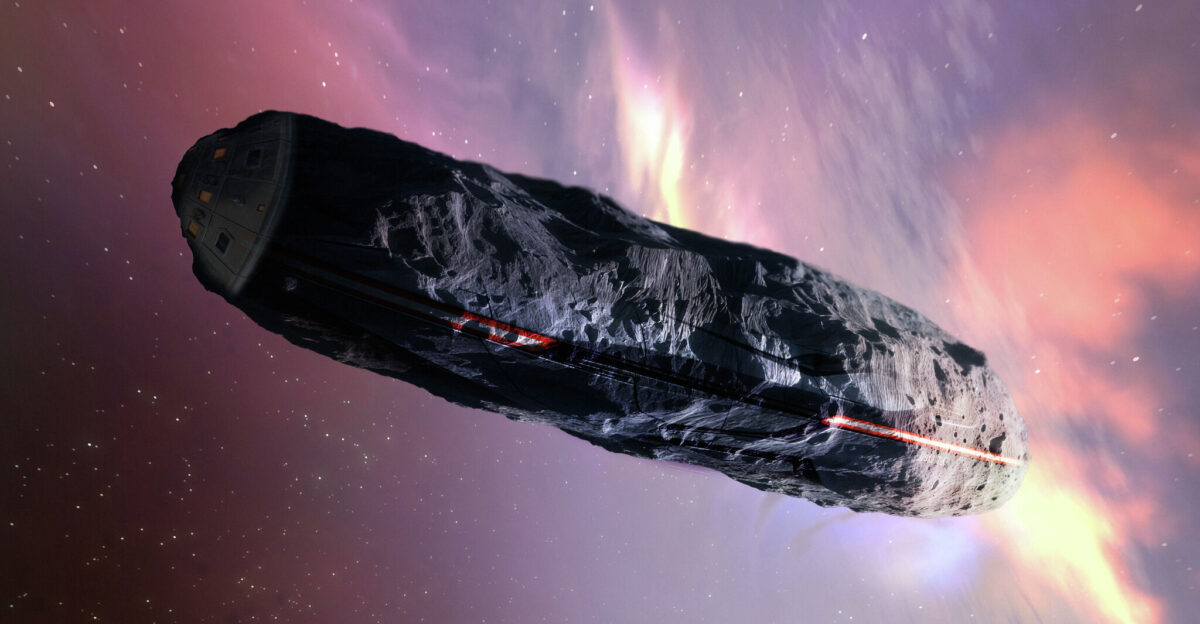
To explain the wild jets shooting off 3I/ATLAS, the object would need an active surface area 27 times larger than Manhattan. This strange fact doesn’t fit with what we know about comets, it’s a puzzle scientists can’t yet solve.
“The image shows two anti-tail jets out to 10 arcminutes towards the Sun accompanied by a longer collimated jet, extending away from the Sun out to an angular separation of 30 arcminutes, roughly the diameter of the Sun or the Moon,” Loeb wrote in his blog.
Challenging What We Thought Was True
The anti-tail and huge jets are making scientists rethink old ideas about interstellar comets and maybe even consider whether some objects could have non-natural origins. It’s a chance to update textbooks and space theories everywhere.
Science Delayed by Shutdown

The wait for NASA’s images sparked debate about how bureaucracy can slow down important research. Many scientists now urge agencies to keep sharing data quickly, so discoveries can be made without delay or secrecy getting in the way.
What These New Images Could Reveal
Now that HiRISE’s super-sharp pictures are out, researchers hope to learn much more about 3I/ATLAS’s surface and strange anti-tail. The improved images might finally explain what drives its bizarre behavior and what the object is made of.
Record-Breaker in Every Way
3I/ATLAS is now officially the largest, most intact, and weirdest interstellar object ever seen. It has beaten records previously held by ‘Oumuamua and Borisov, making it the most famous interstellar visitor to date.
Why Some Scientists Wonder
While most space experts caution against jumping to wild conclusions, 3I/ATLAS’s survival, unique tail, long jets, and even the radio emissions make some wonder if we’re looking at something completely new, or even artificial. The mystery has taken off in both science circles and public debate.
Global Teams United in Discovery
From the Canary Islands to observatories in the Southern Hemisphere, scientists worldwide are working together in a race against time. Their goal: to catch every bit of info before 3I/ATLAS disappears forever and answer the question, what exactly is this cosmic visitor?
As NASA said at its press conference, “3I/ATLAS is on what’s called a hyperbolic trajectory, which means it is moving too fast to be bound by the Sun’s gravity… It is simply passing through our solar system”.