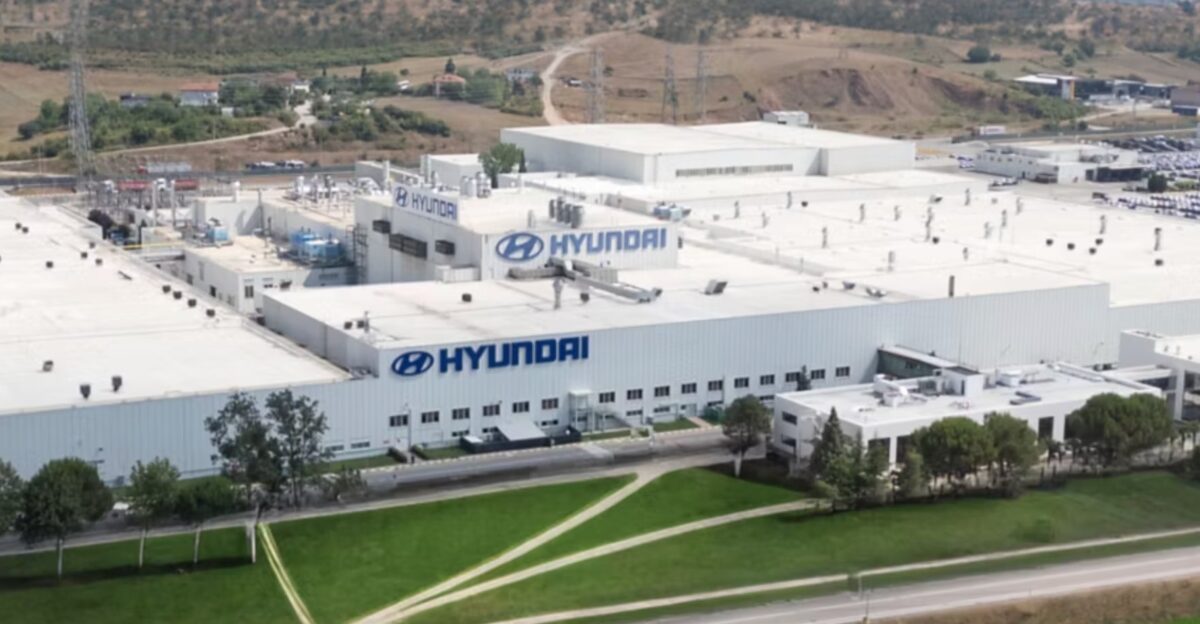
A forklift crushed 45-year-old Korean worker Sunbok You at Hyundai’s Georgia battery plant, marking the second fatality at the sprawling $7.6 billion Meta Plant since 2022. OSHA later issued a total $27,618 fine across three companies—a figure that barely scratches the surface of the human and operational costs.
With three deaths, dozens of injuries, and ongoing safety concerns, the incident exposes a deeper pattern. Here’s what’s going on at the plant.
Who Was Sunbok You?
Mr. You was employed by SBY America, a Korean-affiliated subcontractor at the HL-Georgia battery plant. He had 45 years of life experience and was one of hundreds of Korean nationals working at the site.
His death exposed safety gaps and raised questions about the protection of foreign workers on U.S. construction sites.
Which Companies Were Fined?
OSHA fined three companies after the March incident: Beyond Iron Construction, SBY America, and HL-Georgia Battery. Fines totaled $27,618, with Beyond Iron Construction receiving the largest at $16,550 for unsafe forklift operation.
The penalties illustrate the limited financial deterrent for workplace fatalities in multi-billion-dollar construction projects.
Beyond Iron Construction’s Violations
Beyond Iron Construction operated the forklift at unsafe speeds without sounding warnings. The company’s direct operational failure caused Mr. You’s death.
The subcontractor is Korea-affiliated and highlights risks when heavy equipment moves without proper oversight. This incident prompts examination of training and operational protocols on high-stakes construction sites.
SBY America’s Safety Failures
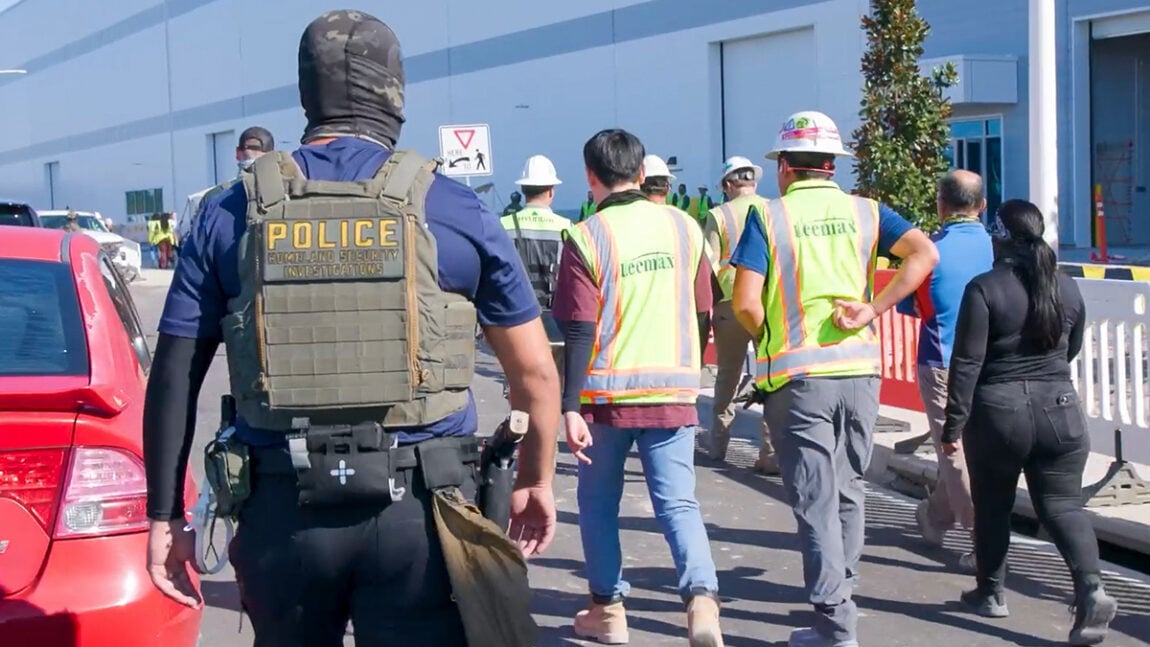
As Mr. You’s employer, SBY America failed to maintain a safe environment around heavy machinery. OSHA cited inadequate protocols that left workers exposed to preventable hazards.
The fine of $9,268 reflects operational lapses that directly contributed to the fatality. Was this an isolated misstep or part of broader safety issues?
HL-Georgia Battery’s Reporting Lapses
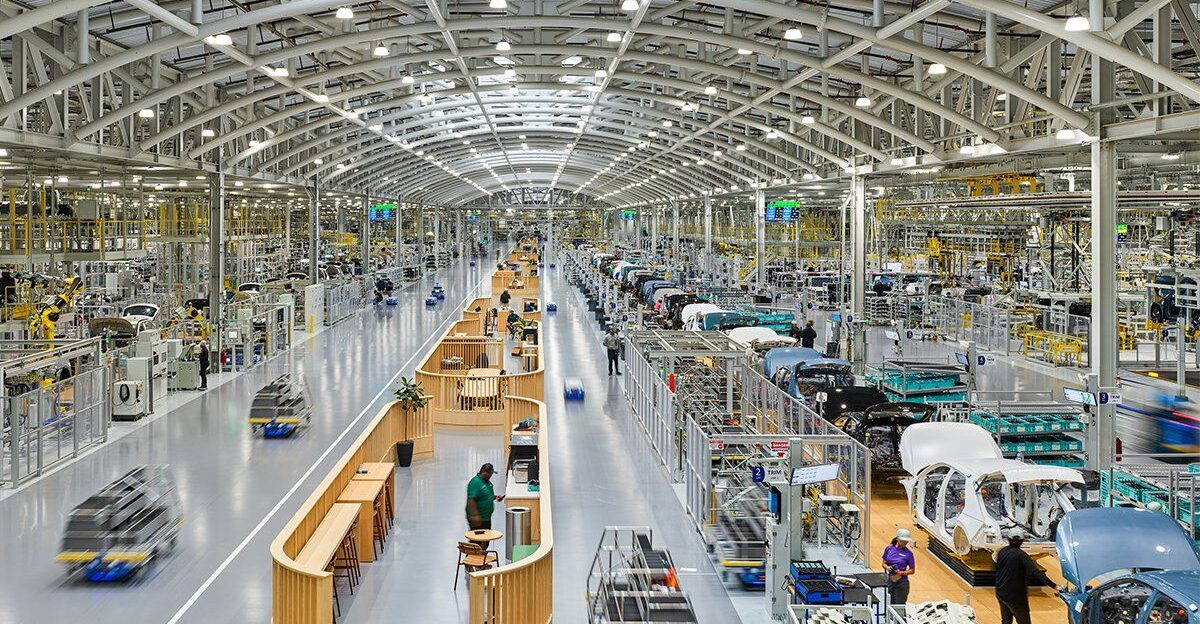
HL-Georgia Battery received $1,125 for failing to submit injury reports for two years. This revealed systematic underreporting of workplace incidents and poor regulatory compliance.
The joint venture between Hyundai and LG has faced prior scrutiny, suggesting ongoing challenges in corporate oversight and transparency at the facility.
Three Fatalities Since 2022
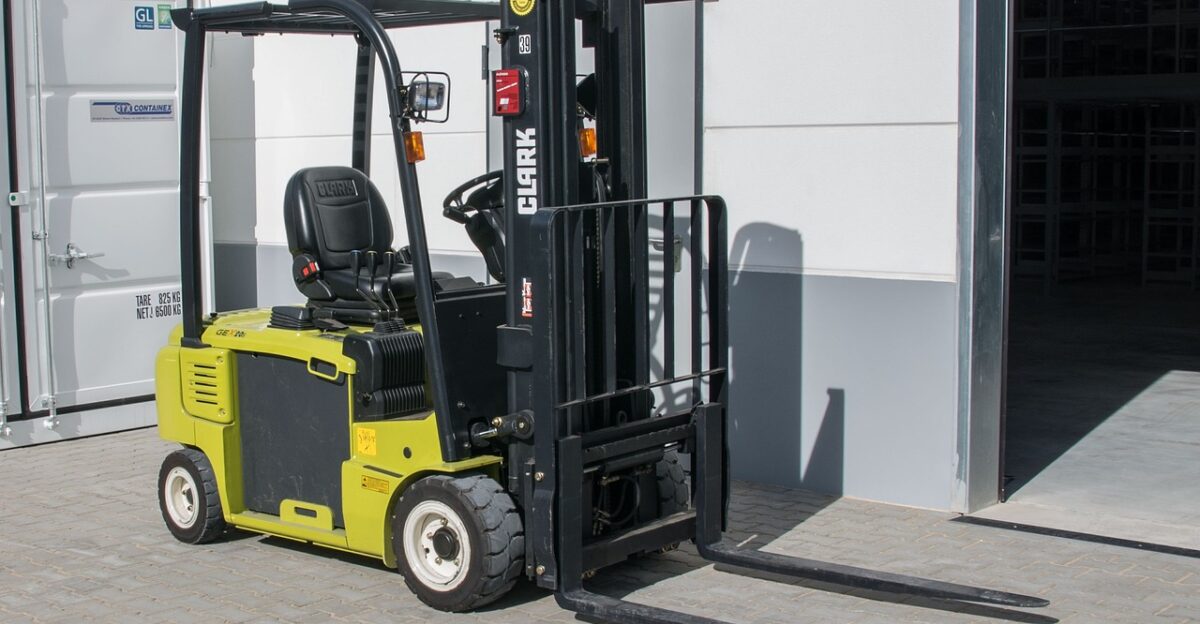
The Meta Plant has seen three deaths: Victor Gamboa fell 60 feet in April 2023, Mr. You was run over by a forklift in March 2025, and Allen Kowalski died from a falling load in May 2025.
This pattern highlights persistent safety failures despite prior OSHA interventions and warnings.
Mounting Injuries at the Site
Between 2023 and 2025, over 31 injuries were recorded, including 11 in 2025 alone. Many incidents required medical treatment, showing a consistent pattern of hazards for workers.
HL-Georgia Battery’s two-year reporting gap means actual injuries may be significantly higher, revealing hidden workplace dangers.
OSHA’s Investigation Process
OSHA conducted an eight-month investigation from March to November 2025. Inspections included site visits, interviews, and review of safety protocols.
The detailed review led to citations and fines, but the modest penalties raise questions about the agency’s ability to enforce real accountability.
How The Fatal Forklift Incident Happened
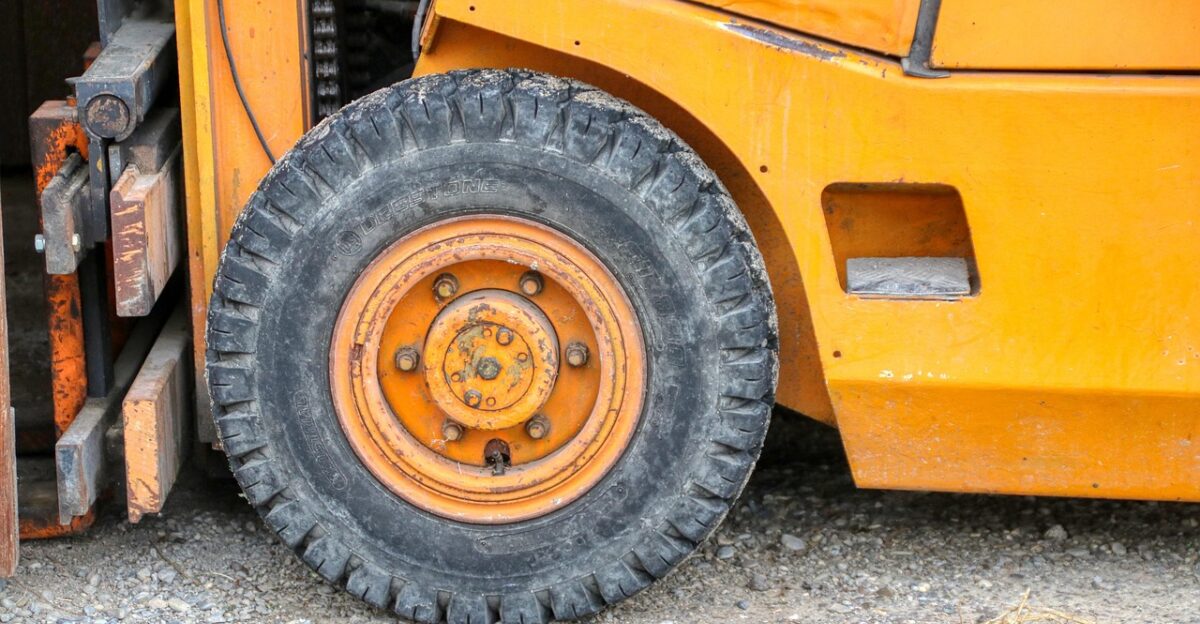
The forklift traveled at unsafe speeds, operators failed to sound audible warnings, and there was inadequate separation between pedestrians and equipment. Multiple contractors worked in a shared space with complex workflows.
Safety gaps in traffic management and load handling directly contributed to Mr. You’s death, exposing structural risks in mega-construction projects.
Systemic Safety Failures
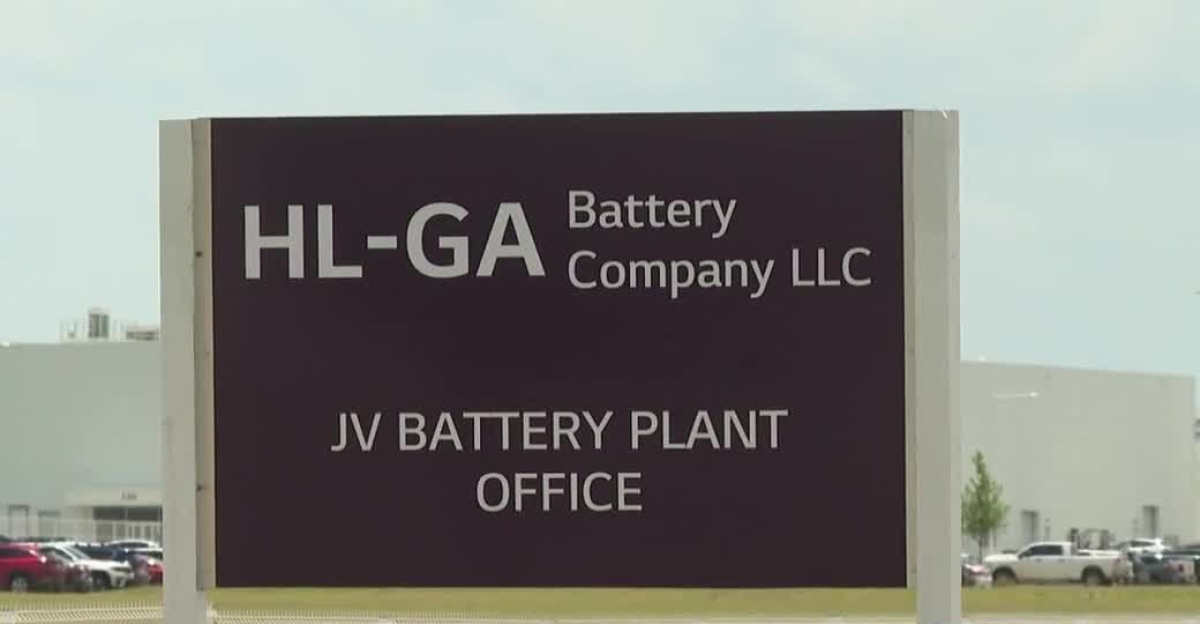
Two of the three deaths involved forklifts, indicating broader issues with operator training, pedestrian protection, and load security. Rapid construction timelines may have pressured crews to take shortcuts.
The multi-layered subcontractor environment complicates accountability, making systemic improvements difficult without stricter oversight and clear responsibility lines.
Foreign Worker Vulnerability
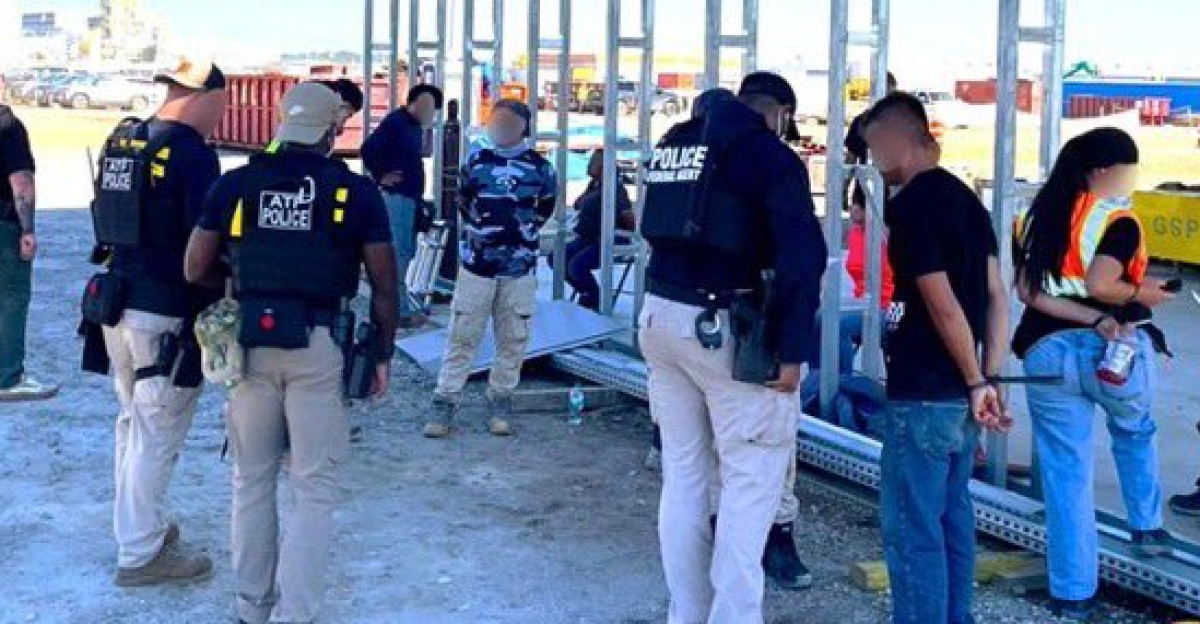
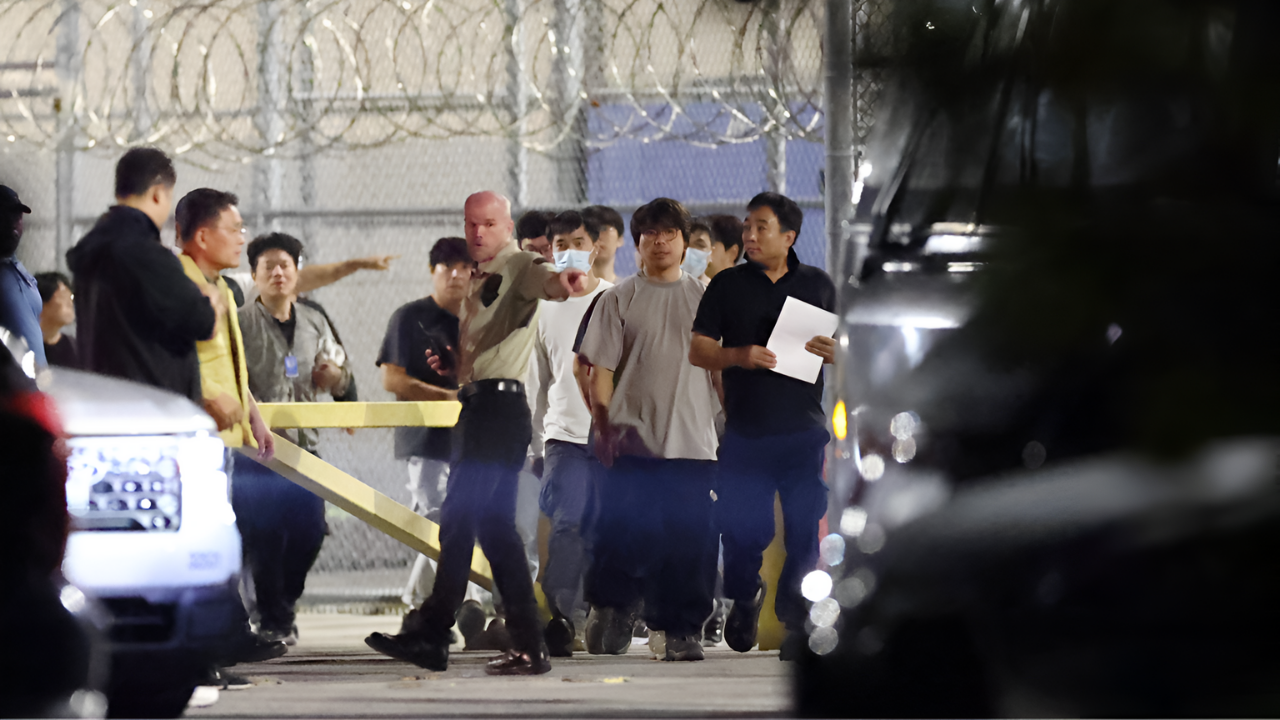
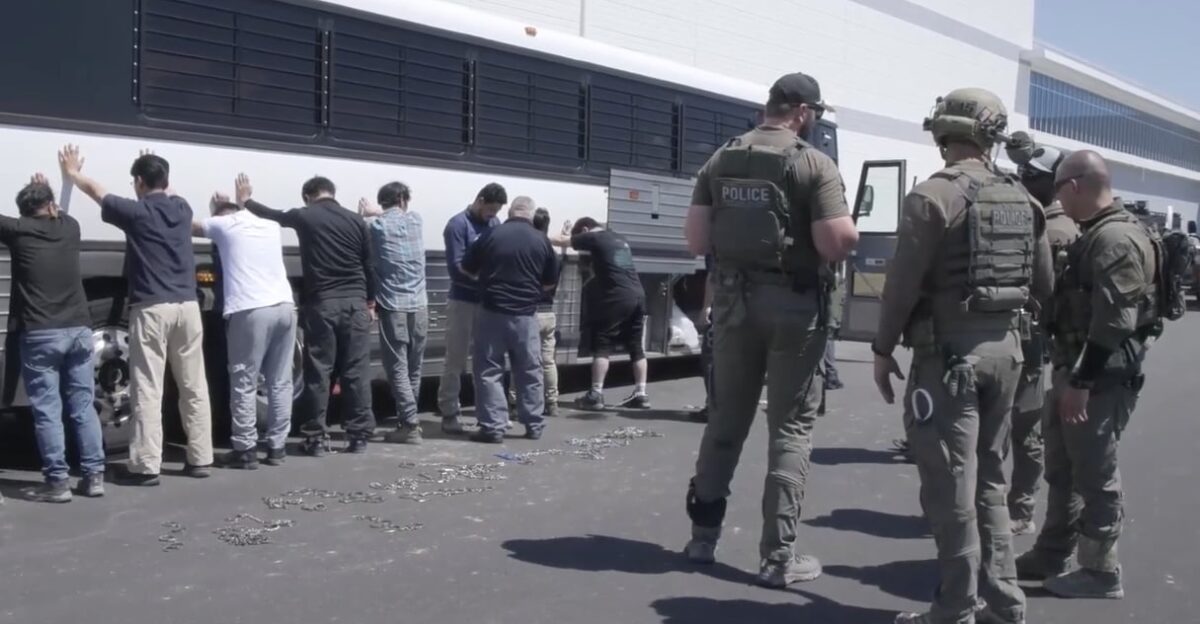
Approximately 300 Korean workers were detained in a September 4, 2025 immigration raid. Temporary visa status may have deterred them from reporting hazards, creating dual risks of injury and immigration consequences.
Language and cultural barriers compounded these vulnerabilities, suggesting that worker protection measures need to account for immigration and workforce diversity challenges.
Why Fines Seem Minimal

The $27,618 total fine represents roughly $9,206 per death and 0.0003% of the $7.6 billion project. Federal OSHA limits prevent the imposition of proportional penalties relative to project scale.
Even the most significant individual fine, $16,550, is less than the cost of a new forklift or passenger vehicle, raising questions about the efficacy of enforcement.
Consequences of Underreporting Injuries
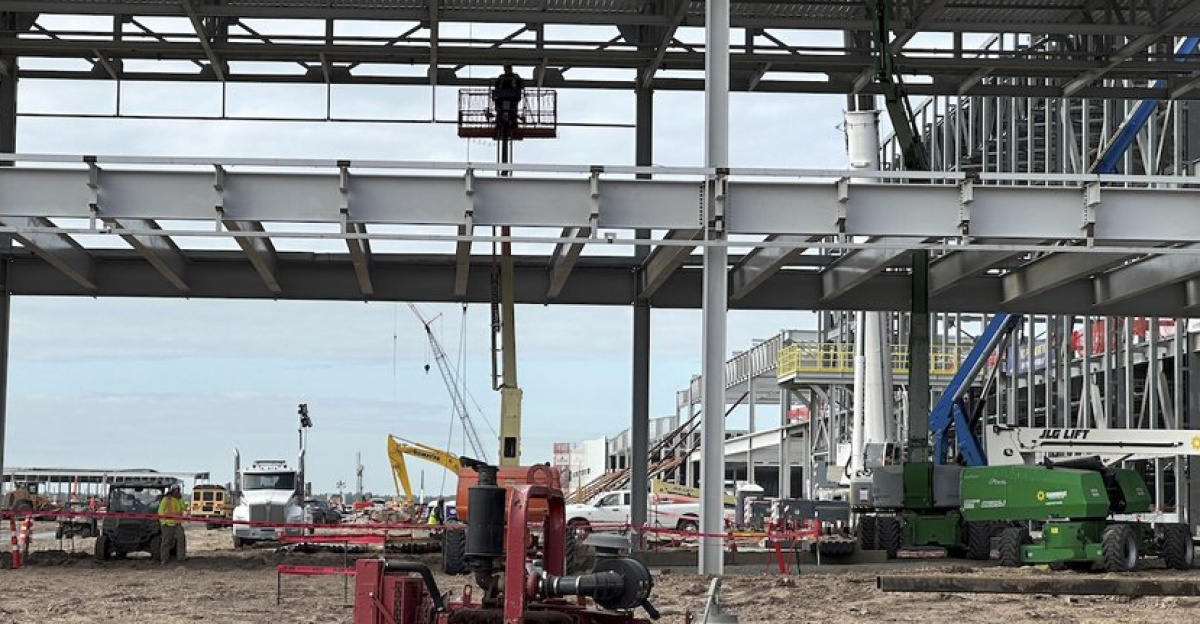
HL-Georgia Battery failed to report injuries for two years, masking workplace hazards. Patterns that could have triggered proactive OSHA oversight remained hidden, exposing workers to repeated risks.
Unreported incidents may number dozens more, emphasizing that the real toll on labor safety is higher than official records suggest.
Impact on Hyundai’s EV Production
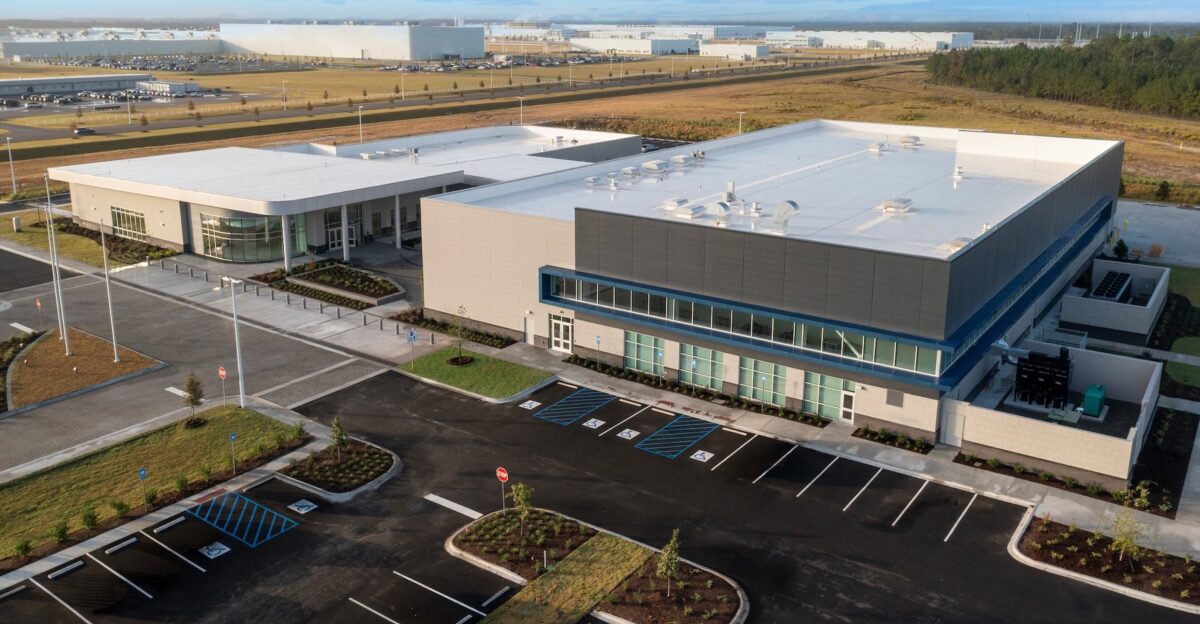
The HL-Georgia battery plant is critical for Hyundai’s U.S. electric vehicle supply chain. Safety delays or shutdowns could affect EV production timelines and federal tax incentive compliance.
Worker deaths and injuries may ripple through production, showing that labor safety directly intersects with industrial efficiency and market competitiveness.
Local Community Concerns
Bryan County residents live near the Meta Plant. Industrial growth brings economic benefits, but repeated fatalities and injuries raise concerns about emergency response and health infrastructure readiness.
The human cost of construction hazards casts a shadow over what is otherwise considered a major economic investment for the region.
Industry-Wide Lessons
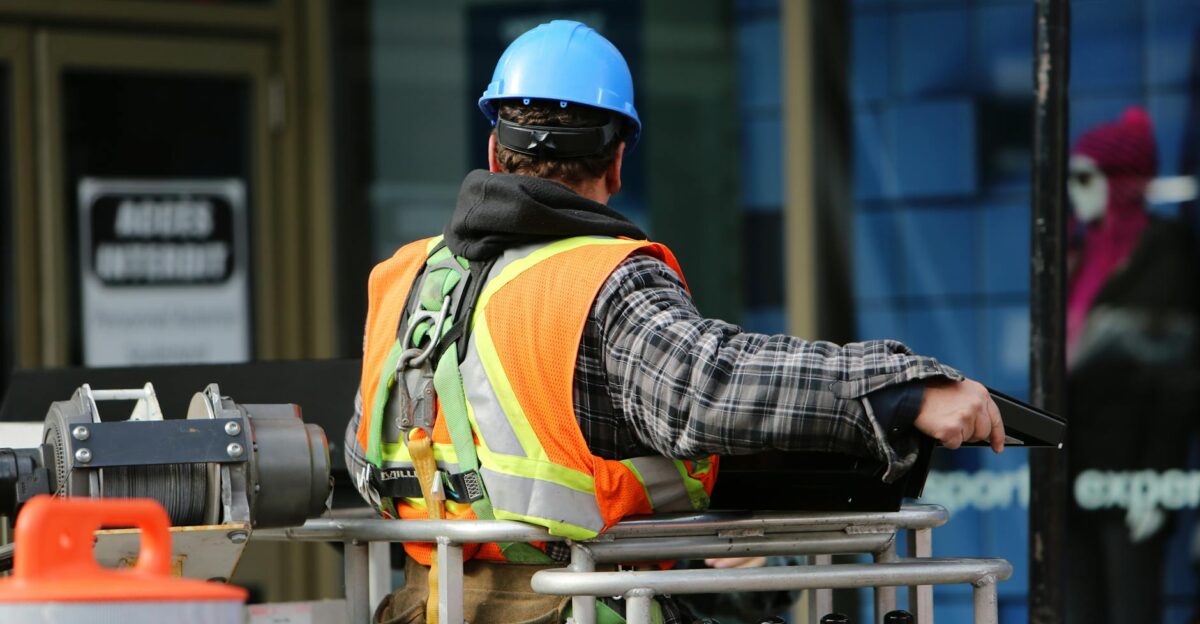
The modest fines highlight systemic weaknesses in U.S. construction safety enforcement for mega-projects. Rapid timelines, subcontractor complexity, and limited OSHA resources create conditions where safety may be deprioritized.
Other EV battery projects could face similar challenges unless stricter oversight and accountability measures are implemented nationwide.
Regulatory Precedent and Debate
OSHA’s handling of the Hyundai case may influence enforcement at other foreign-owned U.S. facilities. Congress may reconsider penalties and inspection standards for industrial mega-projects.
This case could redefine how federal agencies balance workforce safety with rapid infrastructure development, particularly in critical EV supply chains.
Families and Workers Suffer
Three families lost loved ones to preventable accidents. Injured workers face recovery, potential disabilities, and economic hardship. Korean workers confront compounded trauma from the immigration raid.
The modest penalties provide little justice or deterrence, highlighting the human consequences behind the statistics and regulatory decisions.
Dissecting the Title’s Claims

The title is accurate about the plant and the total fine, but misleading chronologically. The March 2025 forklift death was the second fatality, not the third, yet three deaths have occurred since 2022.
This nuance clarifies the timing and focus of OSHA’s fines while emphasizing ongoing safety failures at the site.
What This Means Going Forward
The $27,618 fine is unlikely to prevent future fatalities. Systemic failures, unreported injuries, and workforce vulnerabilities remain. Safety protocols require major improvements.
As the Meta Plant nears production, attention on worker protection and corporate accountability will determine if America’s EV future can truly be built safely.