
A sign taped to a Momence warehouse door triggered economic devastation across Illinois. By month’s end, 1,666 jobs had vanished as 12 major corporations announced mass layoffs simultaneously—the worst single month for Illinois job losses since 2008.
Warehouse workers, flight attendants, electricians, teachers, hotel staff, and chemical plant employees stared at severance letters stamped with 60-day countdown clocks, learning their fates during peak holiday spending season.
The Momence Warehouse Sign That Started It All
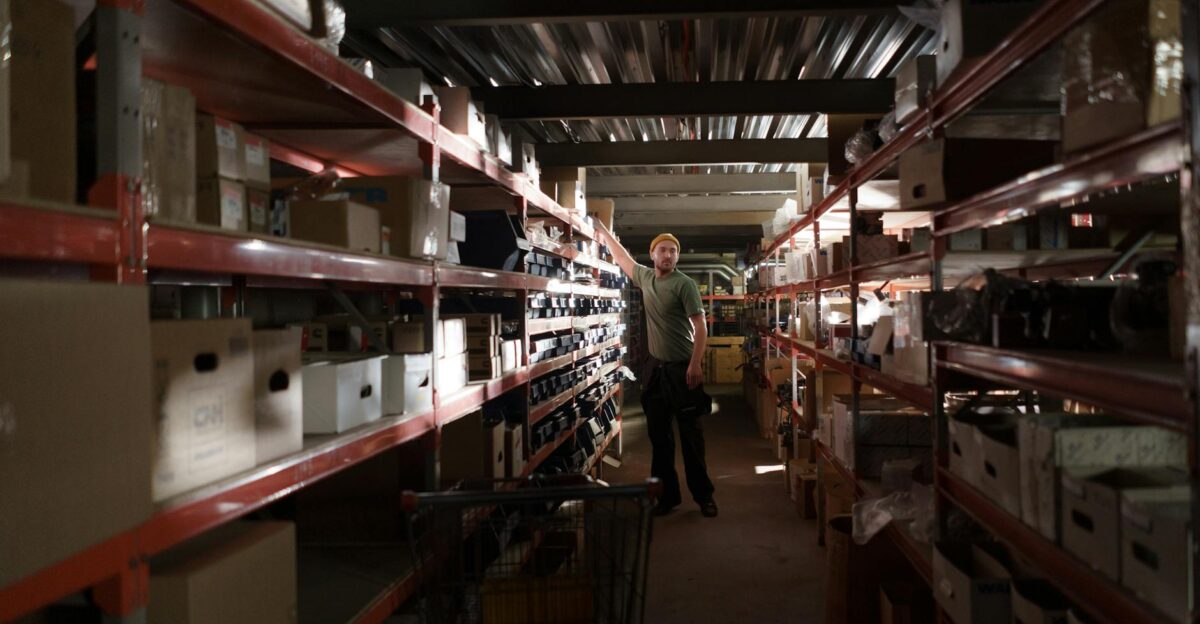
Workers at Baker & Taylor’s Momence distribution center arrived on October 6, 2025, to find a notice taped to the entrance stating that their employment had terminated. No ceremony. No goodbye. Just paperwork.
The company—a giant in library and school book distribution that had anchored the small Kankakee County town for decades—ceased operations after a planned merger with competitor ReaderLink collapsed on September 30. CEO Amandeep Kochar issued the inevitable statement: “We have no viable path forward.”
100-Year Book Distributor Collapses Nationwide

Baker & Taylor shut down its nationwide operations by October, resulting in the layoff of 520 employees across the country. Illinois bore the heaviest blow: 318 workers in Momence alone.
When ReaderLink walked away in late September, the 100-year-old book distribution empire had no survival plan. For a town of roughly 3,000 people, this wasn’t a layoff—it was civic catastrophe.
Spirit Airlines Files Second Bankruptcy in One Year

On August 29, 2025, Spirit Airlines filed for Chapter 11 bankruptcy—its second filing in less than a year. Creditors converted $795 million in debt into equity, and the airline’s leadership failed to implement draconian cuts.
By October, Spirit announced layoffs affecting 26 O’Hare workers (15 temporary, 11 permanent), in addition to 64 cuts announced in September, resulting in a total of 90 job losses in Chicago.
Budget Airline Model Breaks Twice
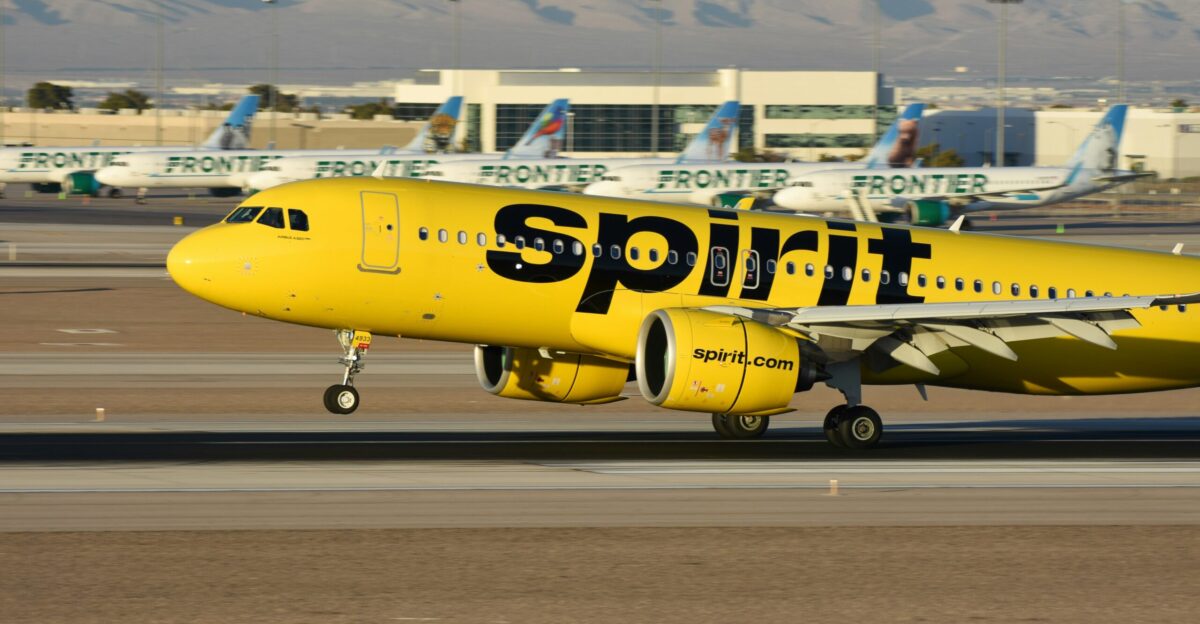
Spirit Airlines reduced O’Hare flights by one-third year-over-year—a public admission that the carrier was retreating from one of North America’s busiest hubs. A budget airline model that depends on razor-thin margins and constant growth cannot survive a recession.
Spirit proved it twice in less than 12 months, exposing structural fragility in discount carrier economics.
Panduit Relocates 185 Manufacturing Jobs

Panduit Corporation, an electrical infrastructure manufacturer headquartered in Tinley Park, announced the closure of its DeKalb warehouse and the relocation of 185 workers to a new facility in Merrillville, Indiana, beginning December 15, 2025.
The DeKalb facility had operated since 1998, with 27 years of operational history. This was a company making a deliberate business decision: Illinois is no longer part of our future. Indiana is.
Illinois Loses Manufacturing Edge

For workers earning roughly $75,000 to $100,000 annually in various warehouse operations, the choice was brutal: relocate 130 miles south or lose your job. With 185 jobs representing approximately $13.9 to $18.5 million in annual payroll, the move shifted substantial economic activity across the state line.
The state’s business climate was losing competitiveness in real time.
Virgin Hotels Chicago Sells at 34% Discount
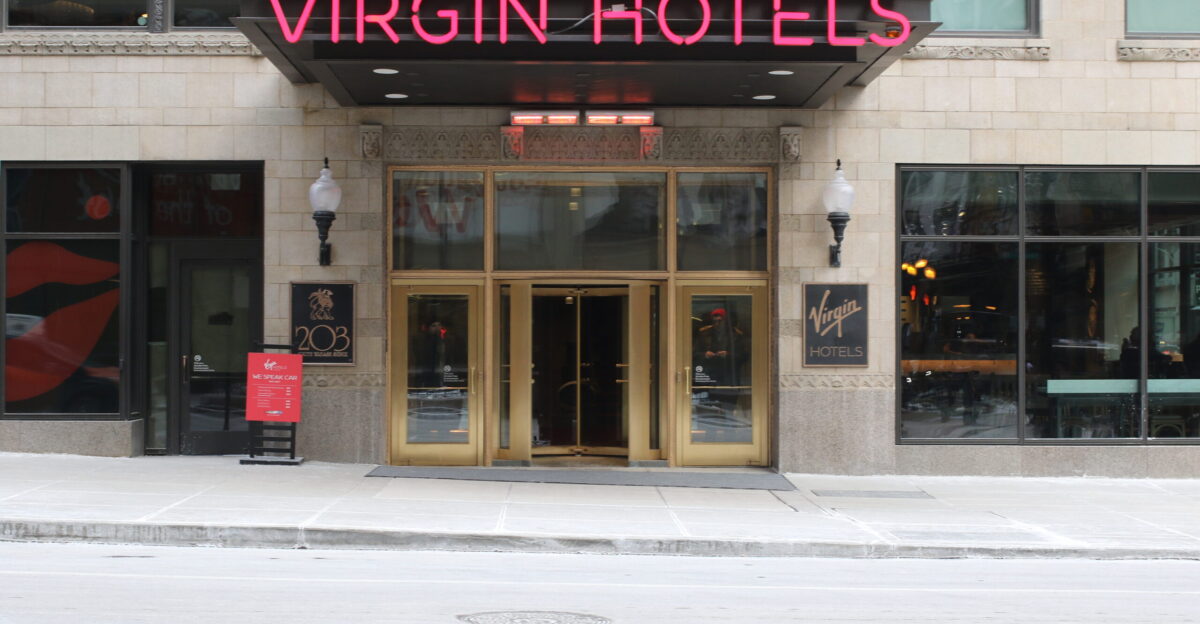
Virgin Hotels Chicago, the flagship property that opened in January 2015, was sold on June 30, 2025, to Accelerated Assets, a Michigan-based firm specializing in timeshare conversions—the sale price was just over $77.4 million, or $309,600 per room.
The original investment was $117 million, or approximately $468,000 per room, representing a 34% discount. The ownership transition and planned conversion to timeshare operations led to significant workforce displacement, as the hotel’s operational model underwent a fundamental change.
Luxury Hospitality Model Proves Fragile in Urban Markets
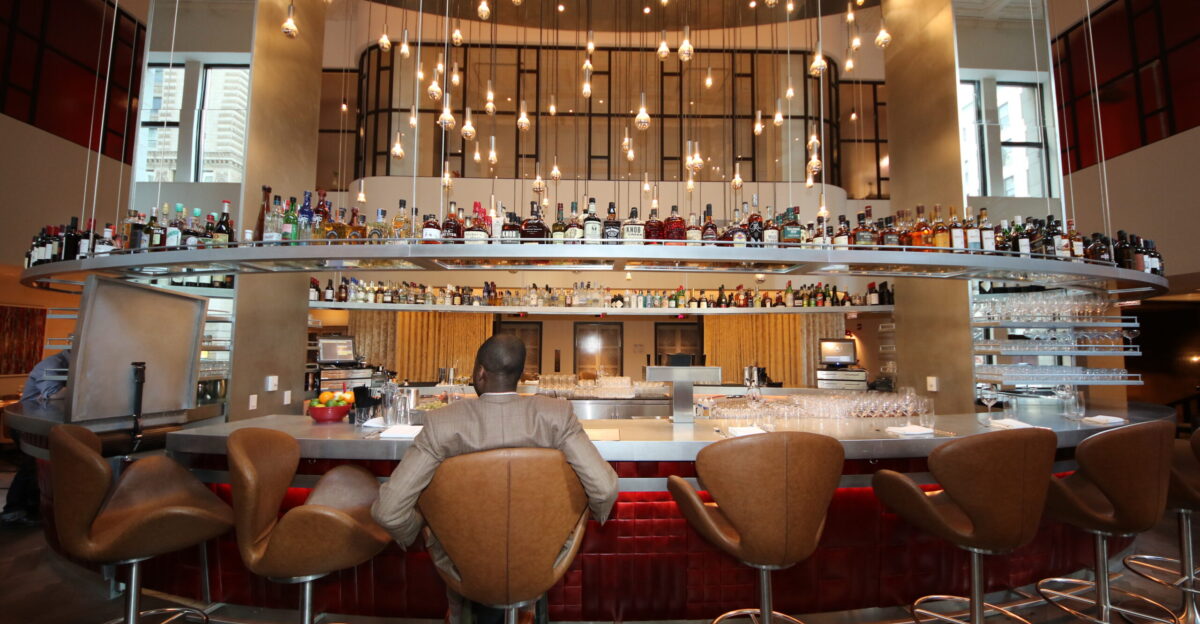
When the city’s first flagship hotel of a global brand sells at a 34% discount to a timeshare developer, the urban luxury hotel concept reveals profound fragility. The city couldn’t sustain the premium pricing and occupancy rates required to justify the Virgin brand’s operational costs.
What seemed like strategic repositioning was actually market collapse in slow motion.
Acero Charter Schools Close Seven Chicago Campuses

Acero Charter Schools announced in October that budget crises, declining enrollment, and escalating costs would force the closure of seven of its 15 Chicago elementary schools. Layoffs: 152 teachers and support staff, effective June 2025.
Community outrage and intervention by the Chicago Board of Education preserved five schools, but two would still shutter: Paz Elementary and Cruz Elementary. Approximately 2,000 students faced upheaval.
Decades-Long Teaching Careers End

Teachers who had mentored students from kindergarten through graduation faced displacement without a guarantee of continued employment. Students in economically vulnerable neighborhoods faced mid-year disruptions and the practical chaos of transitioning to new buildings and staff.
June 2025: teachers would work for months knowing they were teaching out the final days of their schools’ existence.
Chartwells Loses 25-Year DePaul Contract

Chartwells Higher Ed, the exclusive dining and catering contractor at DePaul University since the late 1990s, announced that Aramark Collegiate Hospitality would take over operations on December 1, 2025. Chartwells laid off 138 employees—and forced 108 union members represented by UNITE HERE Local 1 to reapply for positions they had held for years or decades.
Chartwells employee Tiffany Perez, a 25-year veteran, captured the betrayal: “Why should we have to reapply for the jobs that we’ve been doing?”
Corporate Cost-Cutting Disguised as Transition

Workers who had built lives around stable university employment faced arbitrary displacement. Months of uncertainty. Application processes. Conditional offers.
The 60-day WARN notice period became a countdown clock to forced reapplication—legal compliance masking institutional cruelty toward long-tenured employees.
Georgia-Pacific Closes Mount Olive Mill
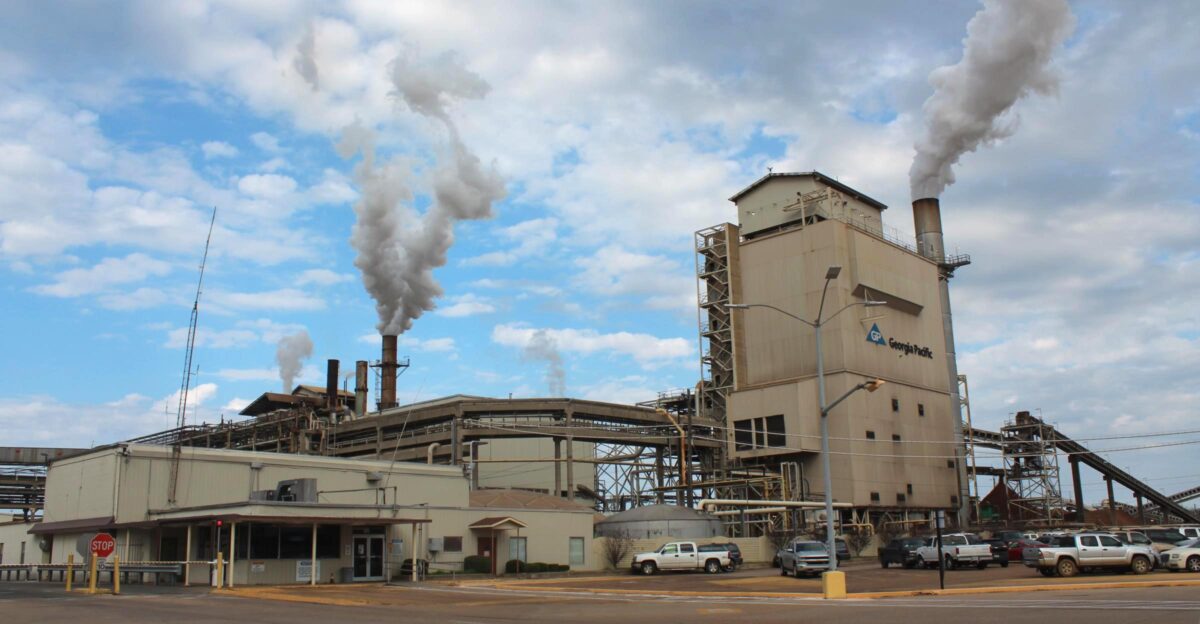
Georgia-Pacific announced October 30 that its Mount Olive corrugated packaging plant—the company’s sole remaining Illinois facility—would close December 31, 2025, eliminating 134 jobs. The closure marks Georgia-Pacific’s strategic exit from Illinois manufacturing after decades of operations in the state.
With median manufacturing wages near $50,000 annually, the closure resulted in a loss of roughly $6.7 million in annual payroll.
Ferrero Scales Back Chicago Production

Ferrero USA, which produces Keebler products in Chicago, announced 72 layoffs: 69 effective January 1, 2026, and three more effective January 1, 2027.
The company is scaling back production at its Chicago facility, continuing to produce Keebler pie crusts and animal crackers, but eliminating ice cream cone production. Displaced workers received job offers for positions at the Franklin Park facility.
Five More Illinois Employers Eliminate 407 Jobs

Winston Brands (online retail): 166 workers across Elk Grove Village and Melrose Park, laid off between December 2025 and July 2026. INEOS (chemicals, Channahon): 93 additional workers furloughed after 49 April cuts—142 total affected—Ingersoll-Rand (manufacturing, Princeton): 70 workers laid off March 31, 2026.
Transform SR LLC (Sears-Kmart distribution, Manteno): 59 positions eliminated on November 30. Fresh Market (grocery, Naperville): 47 workers cut on December 14.
1,666 Lost Jobs Eliminate $50-$83 Million in Payroll

The math is staggering: 1,666 workers, multiplied by the average annual wages of $30,000 to $50,000 in Illinois, equals $50 to $83 million in annual payroll displacement. Illinois collects 4.95% income tax on those wages—$2.5 to $4.1 million in lost state revenue.
Approximately 4,500 to 6,000 family members will directly experience the fallout. Monthly discretionary consumer spending contracts by $1.2 to $1.8 million, rippling through local economies.
Small Towns Face Economic Collapse

A town like Momence doesn’t just lose 318 jobs. It loses the tax base that funds schools. It loses the consumer spending that keeps local businesses viable. When a single employer represents 10% of a town’s population, its closure triggers cascading failures across civic infrastructure.
Recessions aren’t just numbers—they’re cascades that destroy community cohesion and economic viability.
Nationwide Job Cuts Hit 153,074

Challenger, Gray & Christmas documented that October 2025 represented the highest single-month total for October in over 22 years—up 175% from October 2024. Unlike 2008, when the financial collapse cascaded into widespread failures, 2025’s cuts encompass operational restructuring, AI adoption, and strategic repositioning. Companies are rationally eliminating jobs through automation and consolidation.
State Loses Manufacturing to Indiana as Contraction Accelerates

Illinois is expected to face prolonged economic shock through July 2026 as layoffs materialize. Panduit’s relocation marks a troubling trend in Illinois manufacturing—the state is losing its competitive advantage to Indiana and other lower-cost regions.
Virgin Hotels’ fire-sale price reveals the collapse of the Chicago hospitality market. When 12 major employers all tap out simultaneously, it signals that the state’s economic model is undergoing a fundamental shift.